Which Items Produce Radiant Heat? A Shopper’S Simple Guide
Radiant heat comes from objects that get warm and send out heat waves. Many everyday items produce this heat. Understanding these sources helps you feel more comfortable and safe at home. This guide shows you what those items are.
What is Radiant Heat?
Radiant heat is a type of heat transfer. It happens when objects emit energy. This energy travels in waves.
Think of the sun warming your skin. The sun’s rays are radiant heat. They don’t warm the air between you and the sun.
They warm you directly.
Most things around us give off some radiant heat. It’s how we feel warm near a campfire or a hot stove. The heat travels through the air without heating it much.
It warms up surfaces and people it touches. It’s a very direct kind of warmth. It feels different from forced-air heating.
The amount of radiant heat an object gives off depends on its temperature. The hotter it is, the more radiant energy it sends out. This is true for both natural and man-made items.
Our bodies also give off radiant heat. That’s why you feel warmer near other people.
My First Encounter with Unseen Warmth
I remember one particularly cold winter day. I had just moved into an older house. The heating system was a bit of a mystery.
I turned on the main thermostat, but the rooms took forever to warm up. Then, I walked into the living room. I stood near the fireplace, which hadn’t been used in years.
Even though the fire was out, I felt a distinct warmth on my face. It was coming from the bricks. They had absorbed heat from the chimney earlier and were now releasing it.
It wasn’t from a vent. It was just… there. I felt a bit of surprise, then relief.
It showed me heat could work in ways I hadn’t fully grasped.
Understanding Heat Transfer Types
Conduction: Heat moving through direct touch. Think of a metal spoon in hot soup. The spoon gets hot.
It’s one way heat moves.
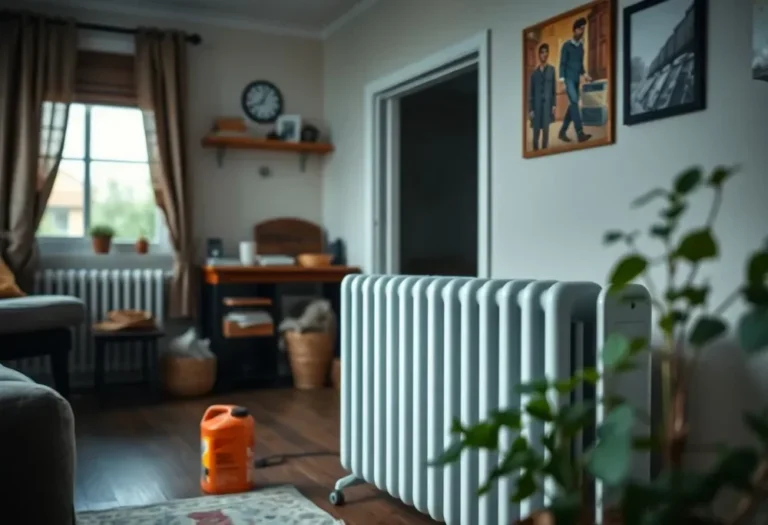
Convection: Heat moving through air or liquid. This is how a radiator warms a room. The hot air rises and moves around.
It’s like a gentle current of warmth.
Radiation: Heat moving in waves. This is the focus here. It travels across space and warms things it hits.
It’s like sunlight on your skin.
Common Items Producing Radiant Heat
Many common items in your home produce radiant heat. You might not even realize it. Some are sources of heat, while others are just warm.
Let’s look at them.
Sunlight and Windows
The sun is the biggest source of radiant heat. When its rays hit objects, they warm them up. This is especially true for surfaces that absorb light well, like dark colors.
Even on a cold day, a sunny window can feel warm to the touch. The glass itself might be cool, but the spots the sun hits inside get warm. This is a simple form of radiant energy at work.
It can make a big difference in how a room feels. People often notice this effect in winter.
Windows let sunlight pass through. This sunlight then warms the floors and furniture inside your home. The warmed objects then give off their own radiant heat.
This is why south-facing rooms can feel warmer in the afternoon. The sun’s angle is just right. It’s a free way to add warmth.
It shows how natural elements create this kind of heat.
Sun’s Impact on Home Comfort
Direction: South-facing windows get the most sun in winter.
Time: Sun intensity changes throughout the day.
Object: Dark furniture absorbs more heat than light furniture.
Effect: Warmer rooms with less need for artificial heat.
Stoves and Ovens
Your kitchen stove is a classic example of a radiant heat producer. When you use the oven or the burners, they get very hot. This intense heat is then released into the surrounding air and objects.
You can feel the warmth radiating from the oven door, even when it’s closed. The stovetop elements glow red when they are hot, a clear sign of radiant energy emission. This warmth extends beyond just the cooking surface.
It warms the air and nearby counters.
This is why kitchens often feel warmer than other parts of the house when cooking is happening. The heat doesn’t just stay inside the appliance. It spreads out.
This makes cooking a great way to add passive warmth to your home on a chilly day. It’s a byproduct of preparing food. You can feel it directly.
It’s a very noticeable heat.
Kitchen Heat Sources
Oven: Heats food from all sides through radiant energy. You feel it near the door.
Stovetop Burners: Directly heat pots and pans. They also send heat waves outwards.
Microwave: Primarily uses microwave radiation, but can generate some heat through internal components.
Toaster: The glowing wires inside are a prime example of radiant heat.
Light Bulbs
Incandescent light bulbs, in particular, produce a lot of radiant heat. While they give off light, a significant amount of the energy they use is converted into heat. You can feel this heat if you hold your hand near a lit incandescent bulb.
It’s not as intense as a stove, but it’s definitely present. This is why older homes might feel warmer when all the lights are on. The heat from the bulbs adds to the room’s temperature.
This type of bulb is less common now.
Even some newer bulbs produce heat. LED lights are much more energy-efficient. They produce less heat than incandescent bulbs.
However, they still generate some warmth. The electrical components inside them get warm. This warmth is then radiated outwards.
It’s a small amount, but it contributes to the overall heat in a space. It’s an interesting side effect of lighting.
Bulb Types and Heat
Incandescent: High heat output. Much energy is wasted as heat.
Halogen: Similar to incandescent, produces significant heat.
CFL (Compact Fluorescent Lamp): Produces less heat than incandescent, but still some.
LED (Light Emitting Diode): Very low heat output. Most efficient in turning electricity into light.
Fireplaces and Wood Stoves
These are perhaps the most classic and appreciated sources of radiant heat. A burning fire in a fireplace or wood stove creates intense radiant energy. You can feel this warmth from across the room.
It’s a very direct and comforting heat. The flames and the hot coals radiate heat outwards. This is why people often sit in front of a fire.
The heat feels immediate and strong. It’s a primal source of warmth.
The materials of the fireplace itself, like brick or stone, absorb this heat. They then continue to radiate warmth even after the fire dies down. This residual heat can keep a room feeling cozy for a long time.
It’s a great example of how materials can store and release radiant energy. It makes a home feel more inviting during cold weather. It’s a popular feature for a reason.
Radiant Floor Heating Systems
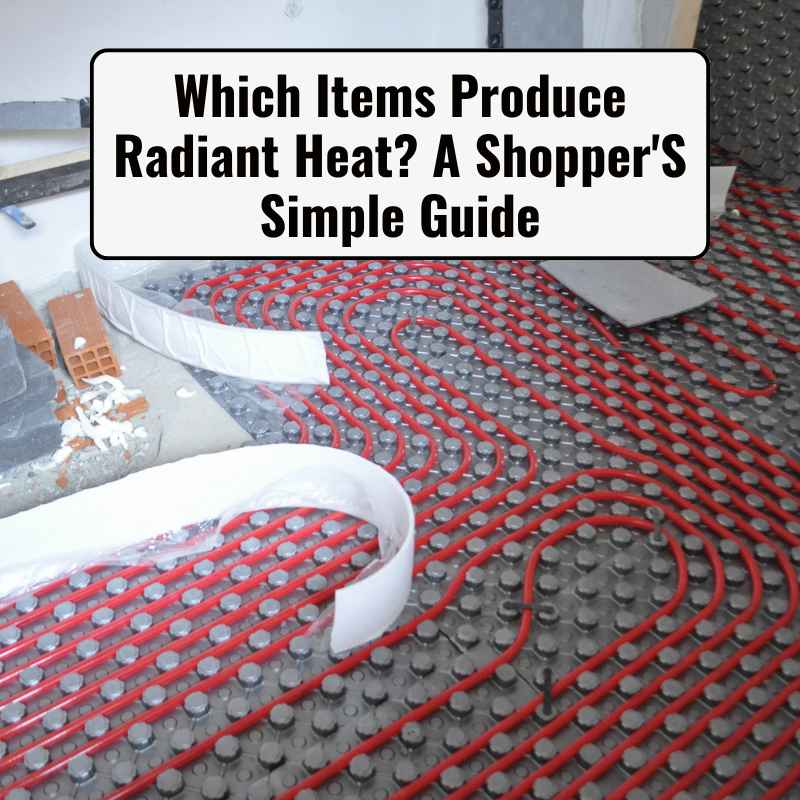
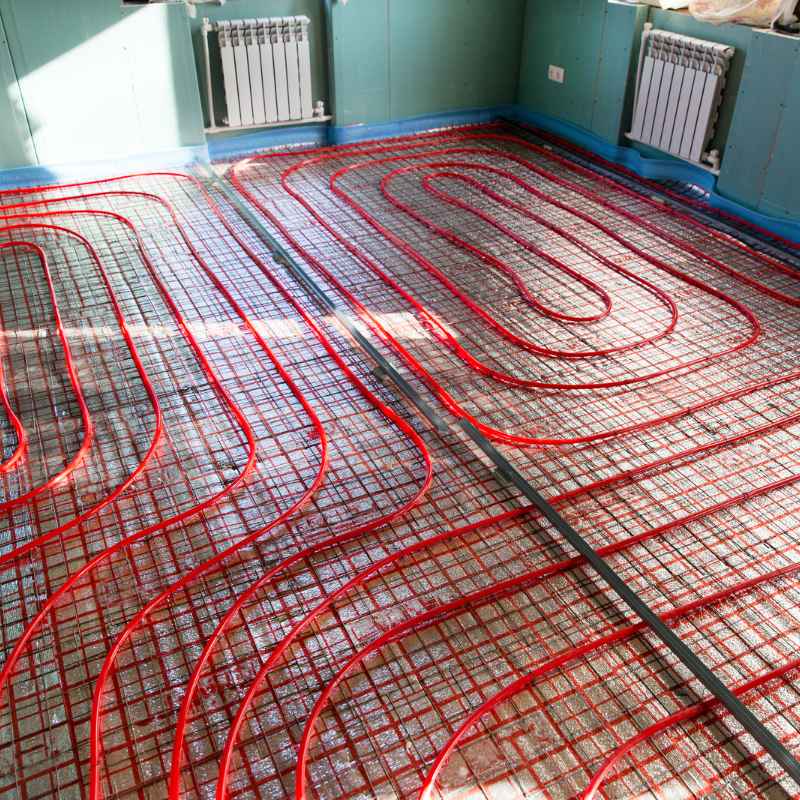
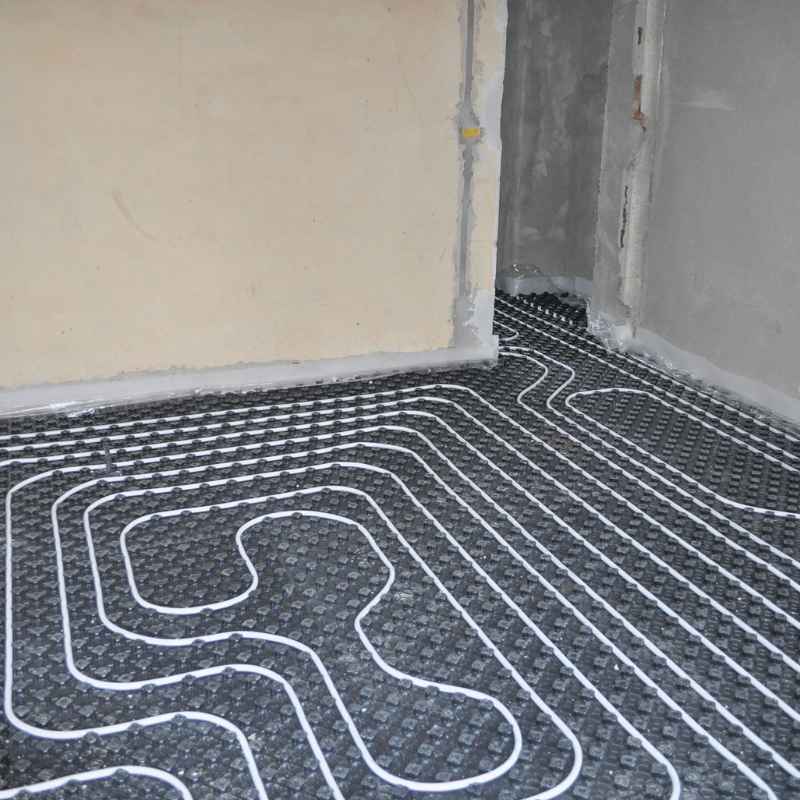
These systems are specifically designed to produce radiant heat. Warm water or electric cables are installed under the floor. They heat the floor material, which then radiates warmth upwards into the room.
This is a very efficient and comfortable way to heat a home. You feel the warmth rising from below. It’s a gentle, even heat.
Many people prefer this type of heating. It avoids the dryness often associated with forced-air systems.
The floor itself becomes a large heating surface. This means the heat is distributed very evenly throughout the space. There are no cold spots.
The air temperature might be lower than with other systems, but you still feel very warm. This is because your body is absorbing the radiant energy directly from the floor. It’s a modern approach to a very old heating concept.
It’s becoming more popular in new builds and renovations.
Radiant Floor Heating Basics
How it works: Hydronic (water) or electric elements under the floor.
Heat transfer: Floor heats up, then radiates warmth upwards.
Comfort: Even heat distribution, no drafts.
Types of floors: Works with tile, stone, wood, and some carpet.
Appliances That Get Warm
Many everyday appliances produce some radiant heat as a byproduct of their operation. Think about your television. While it’s on, the electronic components inside generate heat.
This heat is then released into the room. It’s usually a small amount. But in a closed room with many electronics, it can add up.
This is also true for computers, game consoles, and even some charging bricks.
Consider your dryer. While it primarily uses forced air to dry clothes, the heating element and motor produce radiant heat. You can feel warmth coming off the dryer itself.
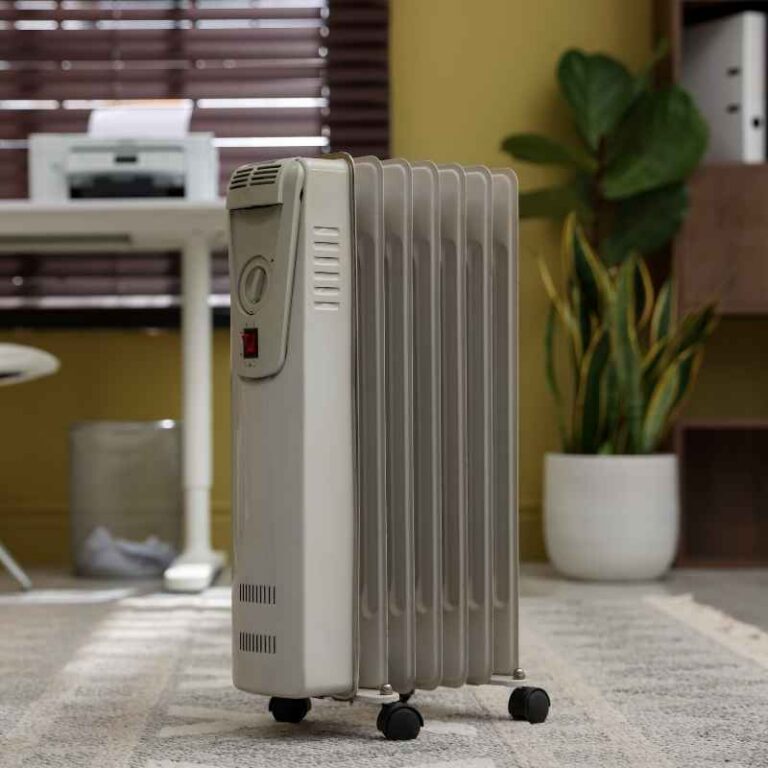
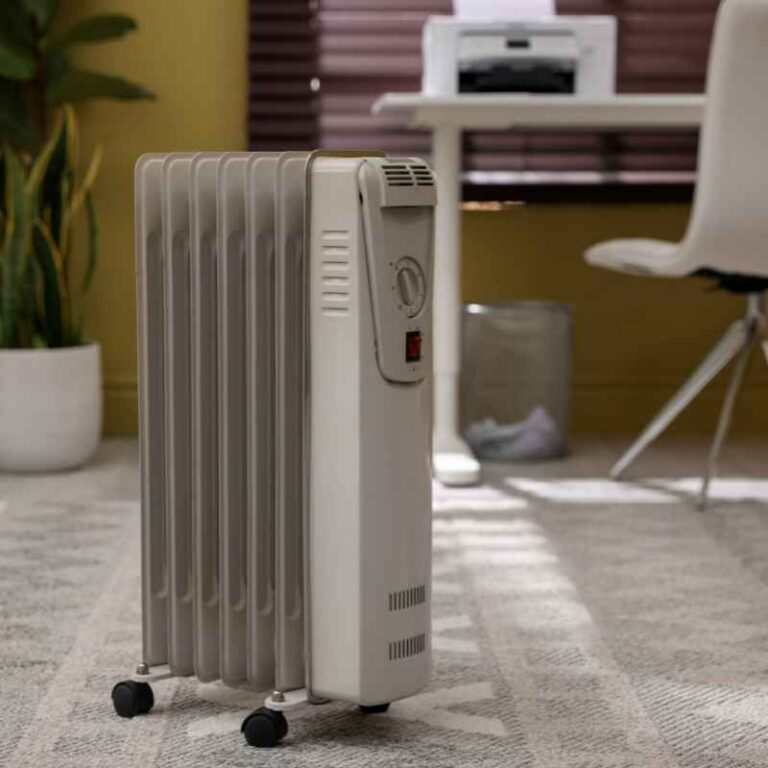
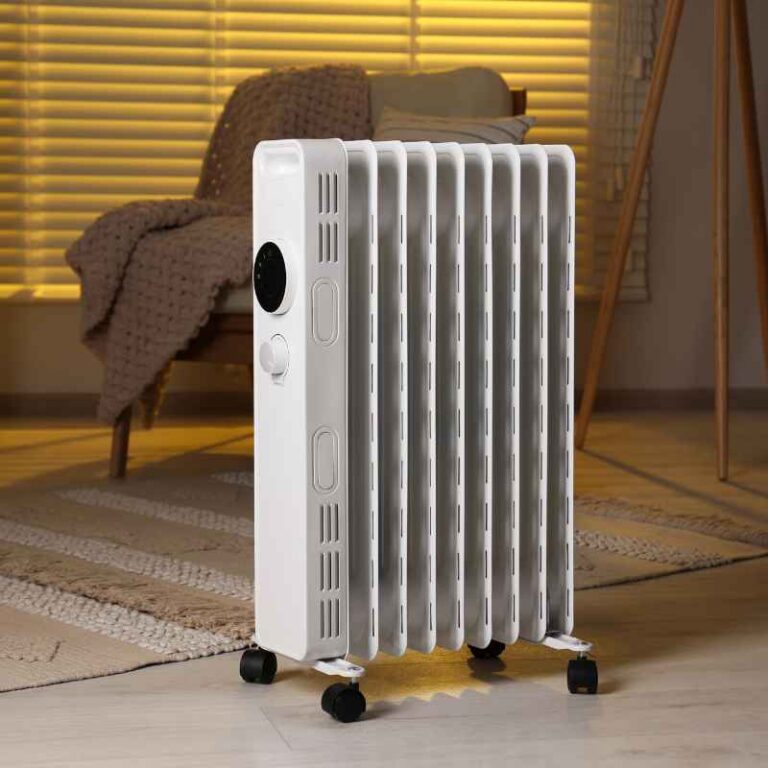
Even a simple electric space heater, while designed to provide heat, relies heavily on radiant elements. These glow red hot to send warmth directly to you. These are often portable and used for localized heating.
Human Bodies
Yes, you produce radiant heat too! Your body is constantly generating heat through metabolic processes. This heat is then radiated outwards.
This is why you can feel warmer when you’re close to other people. It’s also why crowded rooms can feel warmer than empty ones. Your body heat adds to the ambient temperature through radiation.
It’s a small contribution individually, but collectively it’s significant. It’s a natural part of being alive.
This is also why you might feel a slight warmth from pets. Dogs and cats are warm-blooded. They generate their own body heat and radiate it.
A warm cat curled up on your lap is a perfect example of radiant heat transfer. It’s a gentle, comforting warmth. It’s a simple demonstration of biology at work.
Personal Heat Radiation
Metabolism: Your body’s processes create heat.
Emission: Heat is released as infrared radiation.
Proximity: Feeling warmer near others is due to combined radiation.
Pets: Animals also radiate body heat.
Real-World Contexts and Scenarios
Understanding where radiant heat comes from helps you manage your home’s comfort. It’s not just about heating systems. It’s about how everyday things work.
In the Kitchen
Imagine you’re baking cookies on a cold winter day. Your oven is on for an hour. The oven itself is a powerful source of radiant heat.
You can feel the warmth radiating from its door. The cooking surfaces on the stove also get hot and radiate heat. Even the toaster, with its glowing red elements, is a direct radiant heater.
These sources contribute to the overall warmth of the kitchen. It makes the space feel more inviting. It’s a comfortable byproduct of meal prep.
On a Sunny Day
Think about sitting on your couch on a sunny afternoon. The sun streams through the window. It lands on your arm.
You feel a direct warmth on your skin. That’s radiant heat from the sun. The furniture and floor in that sunny spot also get warm.
They then radiate their own heat. Even after the sun moves, the room might still feel warmer. This passive heating is often overlooked.
It’s a natural way to warm a home.
Using Space Heaters
Many portable electric heaters are designed to work by radiation. They often have glowing elements or a ceramic surface that gets very hot. This hot surface emits infrared radiation.
This radiation travels directly to people and objects in its path. It warms them up. It’s different from a fan heater that blows hot air.
Radiant heaters provide a more immediate, focused warmth. You feel it as soon as you step into its path. It’s efficient for targeted heating.
Radiant Heater Placement
Facing you: Position to face where you will be sitting or standing.
Clearance: Keep flammable items away.
Direct path: Heat travels in a straight line, so clear the path.
Not for whole rooms: Best for personal comfort zones, not large spaces.
What This Means for You
Knowing about radiant heat sources can change how you think about comfort and energy use. It’s about more than just the thermostat.
When It’s Normal
It’s totally normal to feel radiant heat from the sun, your appliances, and even your own body. When you’re cooking, your kitchen will get warmer. When it’s sunny, rooms with windows will feel warmer.
Sitting near a fireplace or a radiant heater will make you feel warm directly. These are all expected outcomes. They are signs that heat transfer is happening as it should.
When to Be Concerned
You might worry if you feel excessive heat from an unexpected source. For example, if an electrical outlet feels unusually hot to the touch, that’s a concern. Or if a wall feels much warmer than it should.
This could indicate an electrical issue behind the wall. This is not normal radiant heat. It could be a sign of faulty wiring or insulation problems.
Always check for signs of overheating.
Another concern is if your heating system is not working correctly. If you have radiant floor heating and a section is not warming up, that’s an issue. Or if your boiler or furnace is making strange noises and you feel unusual heat radiating from it.
These situations need attention from a professional. Trust your senses. If something feels off, it probably is.
Simple Checks
You can do a few simple checks. Feel the surfaces of appliances after they’ve been on for a while. Are they warm, or are they excessively hot?
Check your light bulbs. Are they hotter than they should be? Notice how sunny rooms feel.
Does the sun’s warmth make a noticeable difference? These simple observations help you understand your home’s heat patterns. They show you where radiant heat is contributing.
Safety First
Check for scorch marks: Around outlets or appliances.
Listen for strange noises: From heating equipment.
Feel for excessive heat: On walls, floors, or ceilings.
Keep flammables away: From heat sources like space heaters or fireplaces.
Quick Tips for Using Radiant Heat
You can use your knowledge of radiant heat to improve comfort. And maybe even save a little energy.
- Maximize sun in winter: Open curtains on south-facing windows during the day. Let the sun warm your rooms naturally.
- Use appliances wisely: On cold days, use your oven or stovetop for cooking. The heat they produce can help warm your kitchen.
- Strategic space heater use: If you use a portable radiant heater, aim it directly at where you are sitting or working. This provides personal warmth efficiently.
- Consider thermal mass: Materials like tile or stone floors can absorb heat from the sun or heating systems and release it slowly.
- Be mindful of heat loss: Ensure windows and doors are well-sealed. This prevents warm air from escaping and cold air from entering.
- Dress for the weather: Layering clothing can make you feel warmer. Your own body heat contributes more significantly when trapped by clothing.
Frequently Asked Questions
What is the simplest way to explain radiant heat?
Radiant heat is like the warmth you feel from a campfire. It travels in waves and warms you directly, not by heating the air around you first.
Are all light bulbs radiant heat sources?
Incandescent and halogen bulbs produce a lot of radiant heat. LEDs produce much less heat, but still some. They are more efficient.
Can I feel radiant heat from my TV?
Yes, your TV and other electronics generate heat as they work. This heat is radiated into the room, though usually in small amounts.
Is radiant heat safe for my pets?
Yes, radiant heat from sources like sunny windows or specific pet beds is safe and often enjoyed by pets. Just ensure any man-made sources have safety features.
How does radiant heat differ from convection heat?
Convection heat warms the air, which then circulates to warm you. Radiant heat travels in waves and warms surfaces and people directly it touches.
Why does a sunny room feel so warm even if the air isn’t hot?
The sun’s rays (radiant heat) warm the objects and surfaces in the room. These warmed objects then radiate heat, making you feel warm directly.
Conclusion
Radiant heat is a fascinating and important part of how we experience warmth. From the sun’s embrace to the glow of an oven, many everyday items contribute. Understanding these sources helps you appreciate your home’s comfort.
It also empowers you to use energy more wisely. Enjoy the warmth!
Sponsored / affiliate links. As an Amazon Associate I earn from qualifying purchases. I may earn additional commission from eligible campaigns.
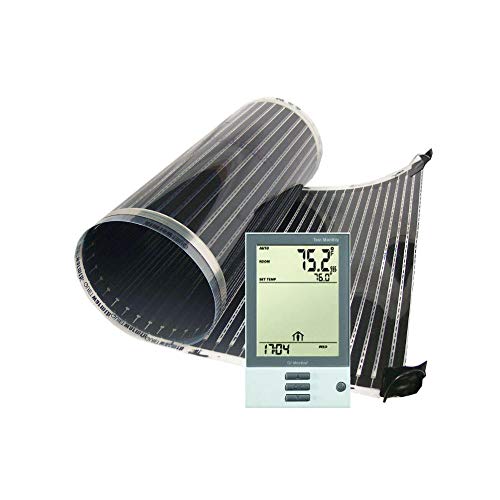 QuietWarmth Float QWARMKITFF Radiant Floor Heating Starter Kit Mat w/Programmable Thermostat for Laminate, Wood, Luxury Vinyl Floating Flooring- Cuttable Mat Size 3’x10' 120Volt (Covers 30sf)
 WRAPXPERT Heat Gun for Vinyl Wrap/Window Tint with Digital LCD 2000W 122℉-1202℉(50℃- 650℃) Variable Temperature Control Memory Function for Car Wrap, Crafts, Shrinking Tubing, Stripping Paint