Are Portable Oil Filled Radiators Expensive To Run At Home?
Portable oil-filled radiators can be a budget-friendly heating option for supplemental warmth. Their running cost depends mainly on electricity prices, room size, insulation, and how often you use them. They are generally more efficient than some other portable electric heaters because they retain heat longer.
Understanding How Oil Filled Radiators Work
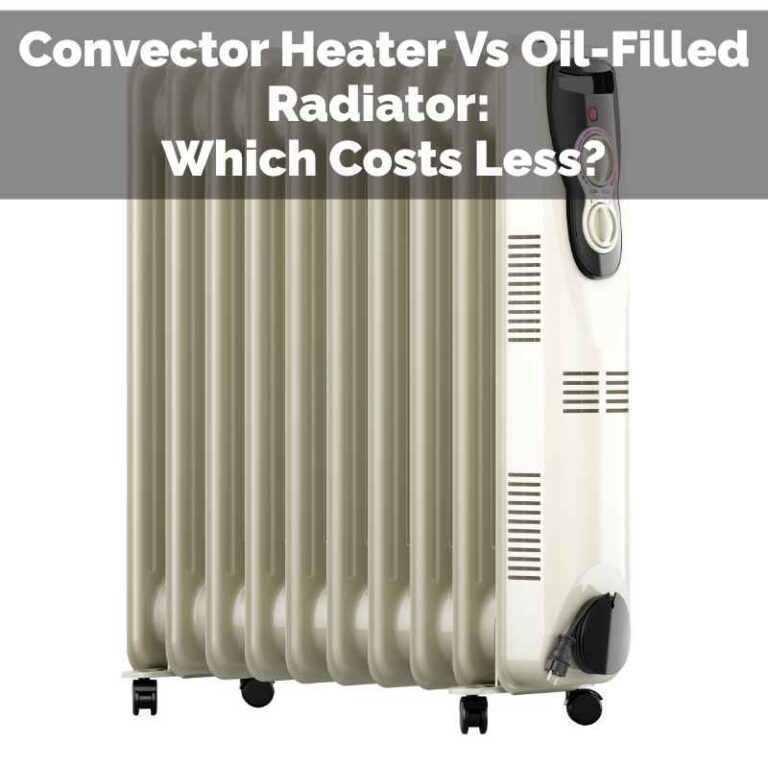
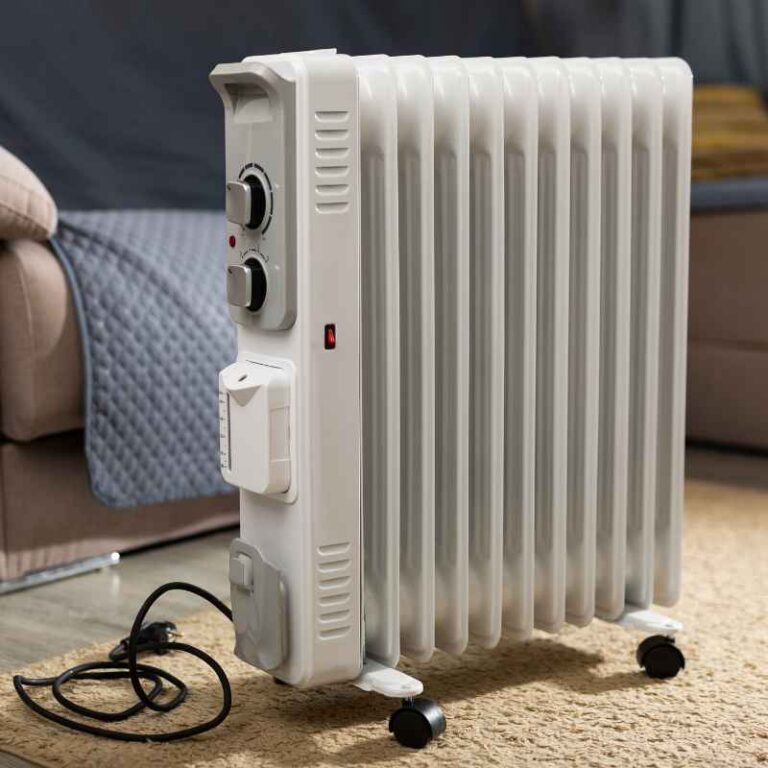
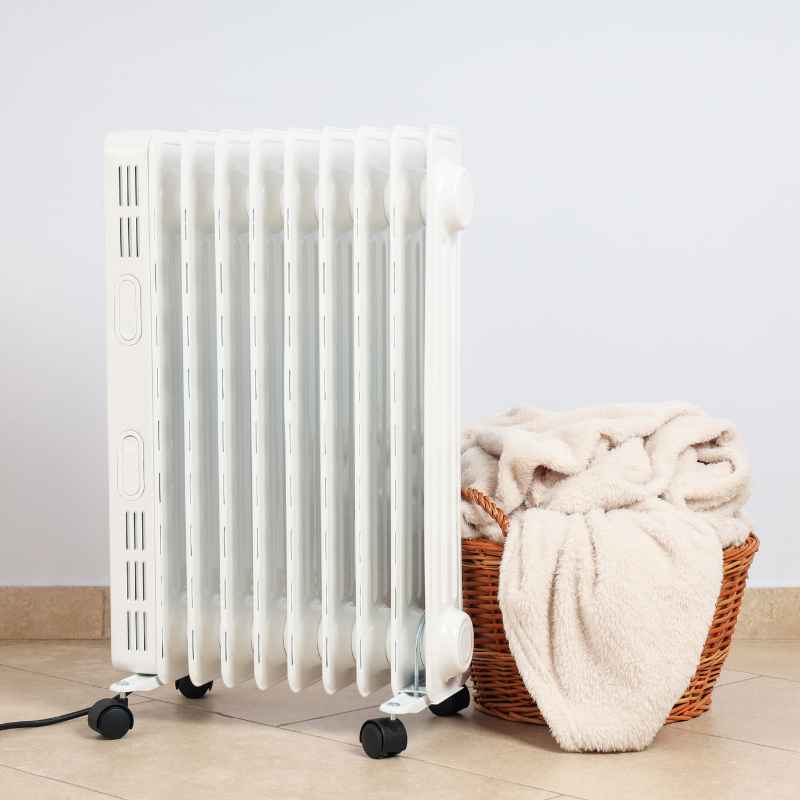
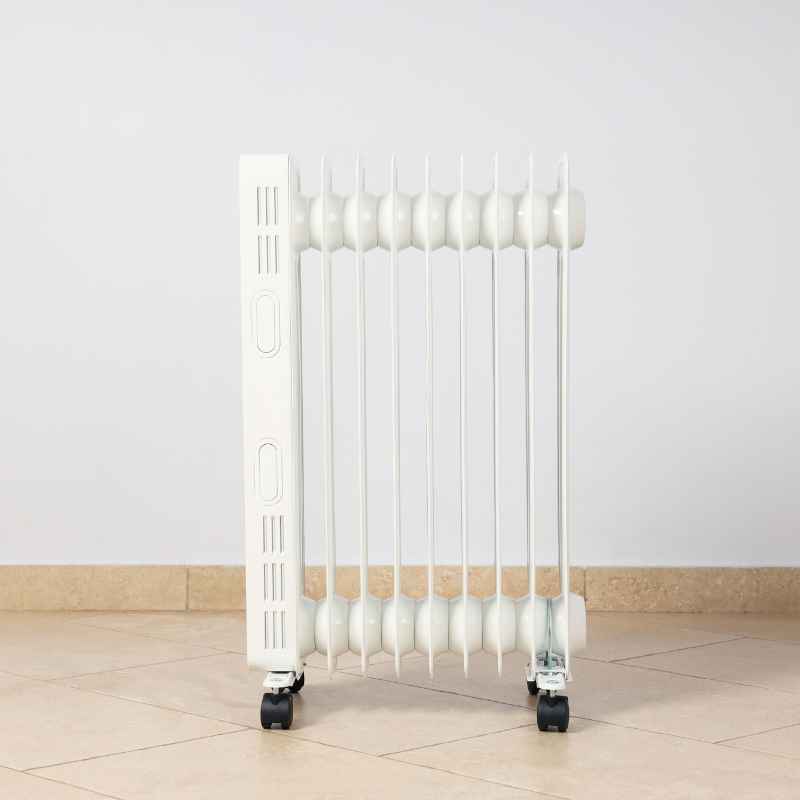
These heaters have a sealed core filled with a special oil. Think of it like a thermos for heat. When you plug them in, an electric element inside heats this oil.
The oil then warms up. Because it’s a liquid, it moves around inside the radiator. This heat then transfers to the metal fins of the radiator itself.
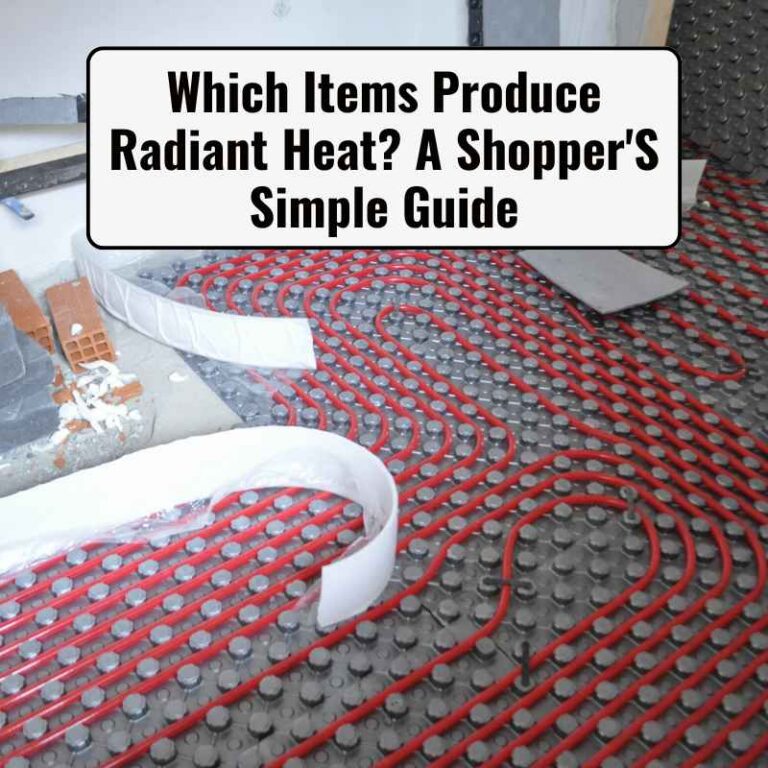
The metal fins get warm and give off heat to the air around them. This is called radiant heat. It’s like the warmth you feel from the sun.
It heats objects and people directly. It also creates gentle convection. The warm air rises.
Cooler air sinks and gets heated. This process happens slowly and steadily. It creates a very consistent and pleasant warmth in a room.
What’s neat is that the oil stays hot for a while even after you turn the heater off. This means it keeps giving off heat. This ‘carry-over’ heat can save energy.
It means the heater doesn’t have to work as hard to maintain the temperature. This is a big reason why people like them for steady warmth.
The heater has a thermostat. This lets you set a desired temperature. The heater turns on and off to keep the room at that level.
This automatic control is important for managing energy use. You don’t have to remember to switch it off. It does the job for you.
My Own Cozy (and Costly?) Heater Story
I remember one particularly chilly November. My old house had this one room, a sunroom, that was always freezing. It was great in summer, but winter was brutal.
I tried a cheap electric fan heater. It roared to life, blew hot air for a bit, then quit. The room was never truly warm, and the noise was a pain.
Plus, the electric meter seemed to spin faster than I could blink. I was spending a fortune and still shivering.
One day, I saw a friend using an oil-filled radiator in their home office. It was silent. The warmth felt so soft.
They told me it was much better for long hours of work. I decided to give it a try. I bought a mid-sized one, maybe 1500 watts.
I plugged it into the sunroom and set the thermostat. Within an hour, the room was actually comfortable. It wasn’t a roaring blast, but a gentle, steady warmth.
I could finally read in there without my teeth chattering.
The first month’s bill came. I braced myself. To my surprise, it wasn’t as bad as I feared.
It was higher, of course, but not sky-high. I realized the key was using it smartly. I only turned it on when I was in the room.
And I didn’t crank the thermostat to ‘tropical’. I set it to a comfortable level, maybe 68 degrees. That little heater made that forgotten room usable again all winter.
It taught me that the way you use it matters a lot.
Key Cost Factors at a Glance
Electricity Price: This is the biggest factor. What you pay per kilowatt-hour (kWh) matters most. Higher prices mean higher running costs.
Heater Wattage: This is how much power the heater uses. A 1500-watt heater uses more power than a 750-watt one.
Usage Time: How many hours a day or week you run it. Longer use means more cost.
Room Size: A small room needs less heat than a large one. The heater has to work harder for bigger spaces.
Insulation: How well your home keeps heat in. Poor insulation means heat escapes, and the heater runs more.
The Math Behind the Bill: Wattage and Kilowatts
Let’s break down the numbers. Your electric bill is usually measured in kilowatt-hours (kWh). A kilowatt is 1000 watts.
Most portable oil-filled radiators have a power rating, or wattage. This tells you how much electricity they use every hour they are running at full power. Common wattages are 750W, 1000W, 1500W, and sometimes 2000W.
So, a 1500-watt heater uses 1500 watts of power. To find out how many kilowatts that is, you divide by 1000. That’s 1.5 kilowatts (kW).
If this 1500W heater runs for one full hour, it uses 1.5 kWh of electricity.
Now, you need to know your electricity rate. This is listed on your power bill. Let’s say your rate is $0.15 per kWh.
To calculate the cost of running that 1500W heater for one hour, you multiply the kWh used by the rate: 1.5 kWh * $0.15/kWh = $0.225. So, it costs about 23 cents to run a 1500W heater for one hour at full power.
But here’s the important part: they don’t run at full power all the time. When the thermostat reaches your set temperature, the heating element turns off. The oil and the radiator itself keep radiating heat.
The element only turns back on when the temperature drops below your setting. So, a 1500W heater might only be “on” for 20-30 minutes out of every hour, depending on the room and your settings.
This means the actual cost is much less than just multiplying the max wattage by hours. It’s about the average power draw over time. This is a key detail that makes them less costly than you might think compared to heaters that just blast heat and stop.
Quick Cost Example
Scenario: 1500W heater, 8 hours use per day, electricity cost $0.15/kWh.
Assumption: Heater runs at full power 50% of the time (cycles on/off).
Calculation:
- Actual kW usage per hour = 1.5 kW * 0.50 (50% cycle) = 0.75 kW
- kWh per day = 0.75 kW * 8 hours = 6 kWh
- Cost per day = 6 kWh * $0.15/kWh = $0.90
- Cost per month (30 days) = $0.90 * 30 = $27.00
Note: This is an estimate. Actual cost varies widely.
Room Size and Insulation: The Unsung Heroes (or Villains)
The size of the space you’re trying to heat is a major factor. A small bedroom or bathroom is much easier to warm up and keep warm than a large living room or an open-plan area. A 1500W heater might be perfect for a 150-square-foot room, but it might struggle in a 300-square-foot space.
If the heater is too small for the room, it will run constantly. It will try its best but never quite reach the desired temperature. This constant running means a higher energy bill.
Sometimes, it’s better to use a slightly larger heater that cycles off more often. Or, you might need more than one heater for a large space.
Insulation is equally critical. Think of your walls, windows, and doors like a blanket for your home. If that blanket is full of holes (poor insulation), the heat you pay for will just escape.
Older homes, homes with drafty windows, or homes with little to no wall insulation will make any heater work much harder.
In a well-insulated home, the oil-filled radiator will heat the space, the thermostat will click off, and the room will stay warm for a good while. In a poorly insulated space, the heat escapes quickly. The thermostat will sense the drop and turn the heater back on much sooner.
This means more energy use and higher costs.
Drafts around windows and doors are huge energy drains. You can feel them on your skin. You might even see curtains move.
Sealing these drafts with weatherstripping or caulk can make a big difference. It helps the heater do its job more efficiently.
Contrast: Well-Insulated vs. Poorly-Insulated Room
Normal Scenario (Well-Insulated Room):
- Heater warms the room to set temperature.
- Thermostat turns heater off.
- Room stays warm for a significant period.
- Heater cycles on/off as needed, infrequent long runs.
- Lower running cost.
Concerning Scenario (Poorly-Insulated Room):
- Heater struggles to reach set temperature.
- Thermostat clicks off briefly, but room cools fast.
- Heater turns back on very quickly.
- Heater runs for long periods, often without much cycling.
- Higher running cost, potentially ineffective heating.
When Are Oil Filled Radiators a Smart Choice for Savings?
Oil-filled radiators shine when used as a supplemental heat source. They are rarely meant to be the sole heating system for a whole house, especially in very cold climates. Their strength lies in targeted warmth.
1. Heating Specific Rooms: If you have a room that’s always colder than the rest of the house, like a home office, a den, or a basement that’s not fully heated, an oil-filled radiator is perfect. You can turn it on only when you’re using that space.
This avoids heating the whole house to a higher temperature just for one room.
2. Maintaining a Baseline Temperature: In milder climates, or during shoulder seasons (spring and fall), an oil-filled radiator might be enough to keep a small area comfortable without needing to turn on the main central heating system. It provides a gentle background warmth.
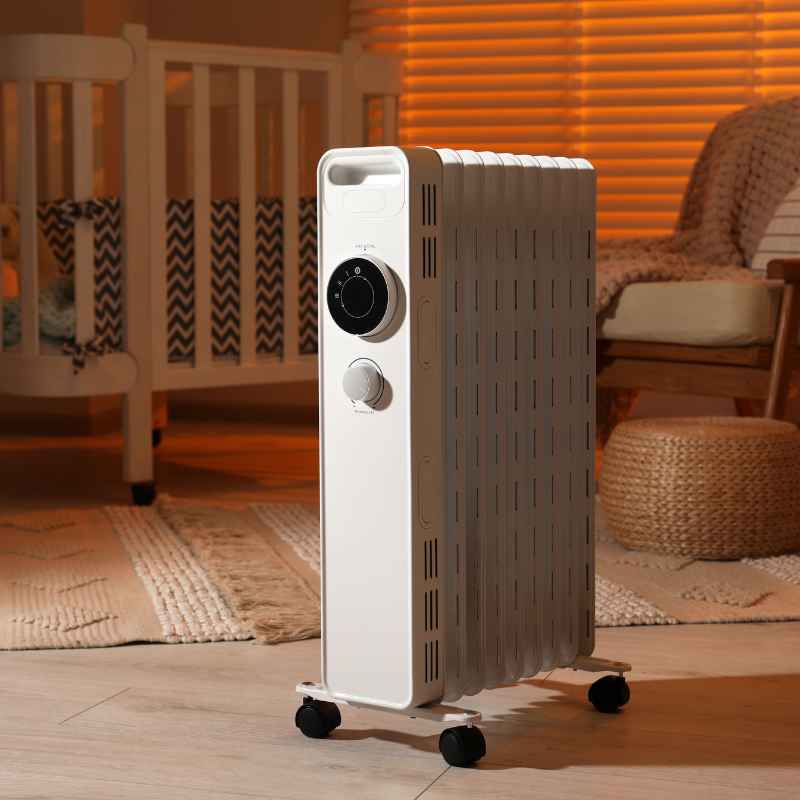
3. Quiet Operation: Their silent operation is a big plus for bedrooms, nurseries, or quiet workspaces. This isn’t directly about cost savings, but it adds to the comfort and usability, making it a worthwhile investment for that specific need.
4. Avoiding Overheating: Because they provide steady, radiant heat and have thermostats, they are less likely to overheat a space compared to some other portable heaters. This means less wasted energy if you set the thermostat correctly.
5. Long-Term Efficiency: While they use electricity, their ability to retain heat and provide consistent warmth means they can be more efficient for maintaining a temperature over several hours than heaters that cycle on and off more aggressively or use less efficient heating methods.
Smart Use Scenarios
Label: Home Office During Workday
Note: Instead of heating the whole house, use a 1000W radiator in the office. Set thermostat to 70°F. Costs only for the office space to be comfortable.
Label: Bedroom Overnight
Note: Use a 750W radiator on a low setting to maintain a cozy sleeping temperature. Avoids running central heat all night if only the bedroom needs warmth.
Label: Basement Rec Room
Note: Basement rooms are often cooler. An oil-filled radiator can take the chill off without making the whole basement excessively hot.
When Might They NOT Be the Most Cost-Effective Choice?
While great for many situations, oil-filled radiators aren’t always the cheapest way to heat. If your goal is rapid, high-heat output for a very large or poorly insulated area, they might not be the best fit.
1. Primary Heating Source: If you’re looking to heat an entire house, especially in a very cold climate, relying solely on portable electric heaters, including oil-filled ones, will likely be very expensive. Central heating systems, even gas furnaces, are generally more cost-effective for whole-home heating.
2. Rapid Heating Needs: If you need to warm up a cold room very quickly, a fan-forced heater or a ceramic heater that blows hot air might be faster. Oil-filled radiators heat more slowly and steadily.
This can be a disadvantage if you only have a short time to use the heater.
3. Extremely Large or Open Spaces: Trying to heat a very large open-plan living area or a space with very high ceilings using only portable electric heaters is often inefficient and costly. The heat dissipates too quickly.
4. High Electricity Rates: If your electricity rates are exceptionally high, any electric heating method will be more expensive. In such cases, alternative heating sources like natural gas, propane, or even wood stoves might be more economical for primary heating.
5. Unattended Use in Large Spaces: Leaving a portable electric heater running unattended in a large, drafty area will lead to high energy bills because it will constantly be trying to battle heat loss.
Quick Scan: When to Rethink Your Heater Choice
| Use Case | Oil-Filled Radiator? | Why? |
| Whole house heating (cold climate) | No | Too expensive; inefficient for large scale. |
| Warming a small room fast | Maybe not | Fan heaters are quicker. |
| Very large, open living space | No | Heat loss is too great; inefficient. |
| Supplementing for specific use | Yes | Excellent for targeted, steady warmth. |
Optimizing Usage for Maximum Savings
The biggest secret to keeping running costs down is how you use the heater. It’s not just about buying the right one; it’s about using it wisely.
1. Use the Thermostat Properly: Don’t just turn it to the highest setting. Find a temperature that is comfortable for you.
For many, this is between 68°F and 72°F. Lowering the thermostat by just a few degrees can save a significant amount on your energy bill. Remember, for every degree you lower it, you save about 1-3% on heating costs.
2. Target Your Heat: Only heat the room you are in. If you’re working in your office, turn on the radiator there.
When you leave for the evening, turn it off or set it to a very low “anti-freeze” setting (if it has one) to prevent pipes from freezing in very cold rooms.
3. Seal Up Drafts: This is huge. Check around windows, doors, electrical outlets, and anywhere pipes or wires enter the house.
Use caulk and weatherstripping to seal them. This prevents warm air from escaping and cold air from entering.
4. Close Doors: Keep the door to the room you are heating closed. This contains the warm air and stops it from mixing with colder air from other parts of the house.
5. Use It During Off-Peak Hours (If Applicable): Some utility companies offer lower electricity rates during off-peak hours (usually at night). If your electricity plan has time-of-use rates, you can run your heater more during these cheaper times, if your usage patterns allow.
6. Regular Maintenance: Make sure the heater is clean. Dust build-up can reduce efficiency.
Check the power cord for any damage.
7. Consider Heater Size: If you find your heater is always running and never quite gets the room warm enough, it might be too small for the space, leading to wasted energy. Conversely, an oversized heater might cycle off too much, not providing consistent warmth.
8. Combine with Other Heat Sources Wisely: If you have other heat sources, like sunlight, open curtains during the day to let in natural warmth. Then close them at night to help insulate the room.
Tips for Smarter Use
Action: Set Thermostat
How: Find comfortable warmth, then lower by 2-4 degrees.
Action: Close Doors
How: Keep the heated space contained.
Action: Check for Drafts
How: Feel for air leaks; seal with caulk/weatherstripping.
Action: Heat Only Occupied Rooms
How: Turn off or down when room is not in use.
What About Different Wattage Models?
The wattage of an oil-filled radiator is its power consumption. This is what directly impacts how much electricity it uses when the heating element is active.
- 750W Models: These are the smallest and use the least electricity. They are best for very small spaces like bathrooms, small offices, or for maintaining a very low background temperature in a slightly larger room. They are the cheapest to run per hour of operation.
- 1000W Models: A good middle ground. They offer more heat than 750W models but still have reasonable running costs. They are suitable for medium-sized rooms or for providing comfortable supplemental heat in a larger space.
- 1500W Models: These are the most common and powerful for typical portable use. They can heat standard-sized rooms (like bedrooms or living rooms) effectively. While they use more power when the element is on, their ability to heat a space faster and potentially cycle off more often can make them efficient for their size.
- 2000W Models: These are for larger rooms or spaces that are harder to heat. They will consume electricity at the fastest rate when active. Use these only if necessary for the space size.
When choosing, consider the size of the room you want to heat. A general rule of thumb is 10 watts per square foot for basic heating. So, a 150-square-foot room might need around a 1500W heater.
However, this is just a starting point. Factors like ceiling height, insulation, and climate play a big role.
It’s often better to have a heater that is slightly larger and cycles off than one that is too small and runs constantly. A heater that runs constantly at 750W might end up costing more than a 1500W heater that runs at full power for 30 minutes and then is off for 30 minutes.
Wattage Guide: Finding the Right Fit
Size: Small bathroom, closet, under desk
Recommended Wattage: 750W
Use Case: Personal comfort, quick spot heating.
Size: Small bedroom, home office, medium bathroom
Recommended Wattage: 1000W
Use Case: Steady supplemental warmth.
Size: Standard living room, master bedroom, basement room
Recommended Wattage: 1500W
Use Case: Primary supplemental heat for a good-sized area.
Size: Large living room, garage space, poorly insulated room
Recommended Wattage: 2000W
Use Case: Heating larger spaces, but expect higher energy draw.
Comparing Costs: Oil Filled vs. Other Electric Heaters
It’s helpful to see how oil-filled radiators stack up against other common portable electric heaters.
Ceramic Heaters: These use a fan to blow hot air. They heat up a room quickly. However, they tend to be noisy.
Once the fan stops, the heat can dissipate fast. They are good for quick bursts of heat. Their running cost is similar to oil-filled radiators of the same wattage when actively heating, but they might require more frequent on/off cycles.
Infrared Heaters: These heat objects and people directly with radiant heat, not the air. They feel warm instantly. They are very efficient for spot heating.
You feel the warmth without heating the whole room. For targeted personal comfort, they can be very cost-effective. Their running cost is comparable to oil-filled radiators of the same wattage.
Fan-Forced Heaters: Similar to ceramic heaters but often use a metal coil element. They heat air quickly. Again, they can be noisy and the heat doesn’t linger long after they turn off.
Running costs are similar for equal wattage.
Oil-Filled Radiators: Their advantage is the steady, silent, and lingering heat. While they may take longer to heat a room initially, the retained heat means the element cycles less often to maintain temperature. This consistency can make them very efficient for maintaining a comfortable temperature over long periods, especially in well-insulated spaces.
The bottom line is that all electric resistance heaters operate on the same principle: 1000 watts of electricity equals 1000 watts of heat. The difference comes in how that heat is delivered, retained, and controlled. For steady, quiet comfort with good heat retention, oil-filled radiators are often a wise choice.
When to Worry About Running Costs
You should start to worry about the running costs if:
- Your electricity bill spikes dramatically and unexpectedly after you start using the heater.
- The heater runs constantly and the room never seems to reach a comfortable temperature. This points to an undersized heater, poor insulation, or very high heat loss.
- You are using it as your primary heat source for a large area or an entire home in a cold climate.
- You notice significant drafts around windows and doors that you haven’t addressed.
- You are heating a space that is rarely used for extended periods.
If any of these sound familiar, it’s time to reassess your heating strategy. Look into better insulation, sealing drafts, or perhaps a more efficient primary heating system if needed.
Common Questions About Oil Filled Radiator Costs
Are oil filled radiators expensive to run compared to gas heaters?
Generally, gas heating is cheaper per unit of heat than electric heating. So, if you have natural gas available, a gas furnace or space heater will usually be less expensive to run than an electric oil-filled radiator. However, oil-filled radiators are often used for supplemental heat, not primary, so the comparison is for specific use cases.
How much does it cost to run a 1500 watt oil filled radiator for 24 hours?
This depends heavily on your electricity rate and how often the heater cycles. If it runs at full power 50% of the time and your rate is $0.15/kWh, it would cost about $0.90 per day (as shown in the example). For 24 hours, that would be $1.80.
But remember, it’s unlikely to run at full power all the time.
Is it cheaper to heat one room with an oil filled radiator or turn up the central heat?
In most cases, heating just one room with a targeted oil-filled radiator is cheaper than cranking up the central heat for the whole house. This is because you’re only using energy for the space you’re occupying. This is their primary advantage.
Do oil filled radiators use a lot of electricity?
They use electricity to generate heat. A 1500W heater uses 1.5 kilowatts when its heating element is on. The amount of electricity used depends on how long that element stays on.
Their efficiency comes from how well they maintain heat and how smart their thermostat is, leading to less overall runtime compared to some other types.
Can I use an oil filled radiator as my only heat source?
For very small, well-insulated spaces, or in mild climates, it might be possible. However, for most homes, especially in colder regions, they are best used as supplemental heat to boost the warmth in specific areas or rooms. Relying on them as the sole heat source for an entire house is typically not cost-effective or sufficient.
What is the best way to save money when using an oil filled radiator?
The best ways are to use the thermostat correctly, only heat occupied rooms, ensure your space is well-insulated, and seal any drafts around windows and doors. Smart usage is key to managing running costs.
Final Thoughts on Cost and Comfort
Portable oil-filled radiators can be a surprisingly cost-effective way to add comfort to your home. They offer quiet, steady warmth that is pleasant and easy to manage. The key is understanding that their running cost is tied directly to electricity prices and how you use them.
By targeting specific areas, ensuring good insulation, and using the thermostat wisely, you can enjoy their cozy heat without facing an unmanageable energy bill. They are a smart choice for making those chilly spots in your home truly inviting.
Sponsored / affiliate links. As an Amazon Associate I earn from qualifying purchases. I may earn additional commission from eligible campaigns.