Are Portable Electric Oil Filled Radiator Heaters Safe To Use?
You’re looking at a portable electric oil-filled radiator heater. You wonder if it’s truly safe for your home. Many people feel the same way. They want warmth without worry. This guide breaks down everything about these heaters. We’ll cover what makes them work and how to use them safely.
Portable electric oil-filled radiator heaters are generally safe for home use when operated correctly and with basic precautions. Their sealed design prevents oil leaks and fires, and they offer consistent, gentle heat. Safety mainly depends on proper usage, placement, and maintenance, rather than inherent design flaws.
Understanding Oil-Filled Radiator Heaters
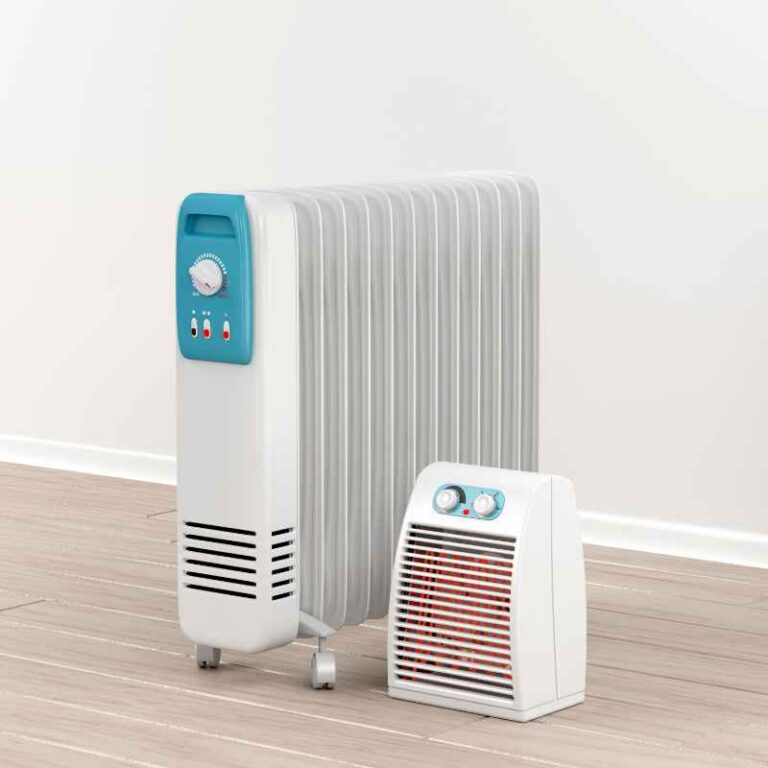
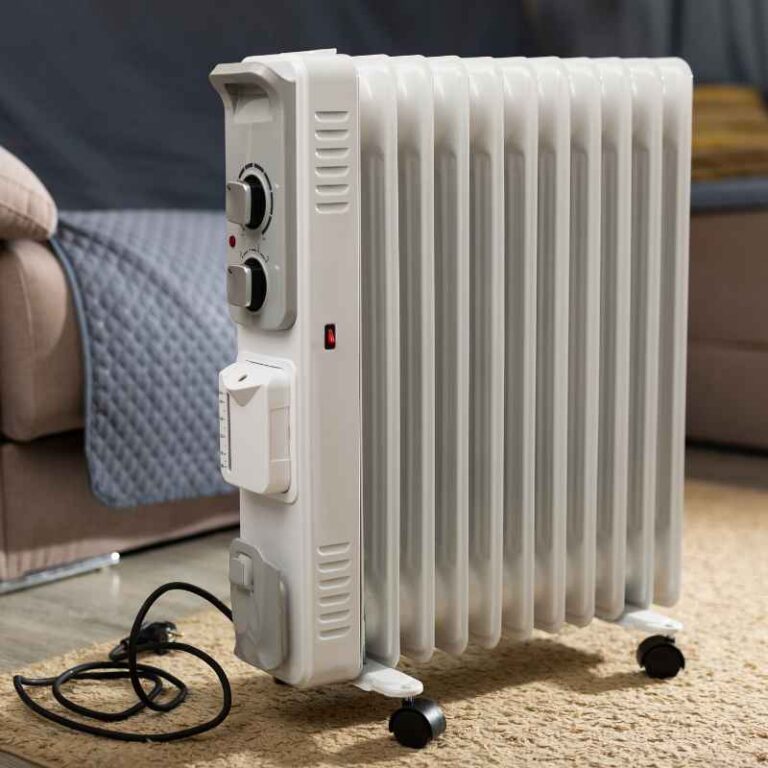
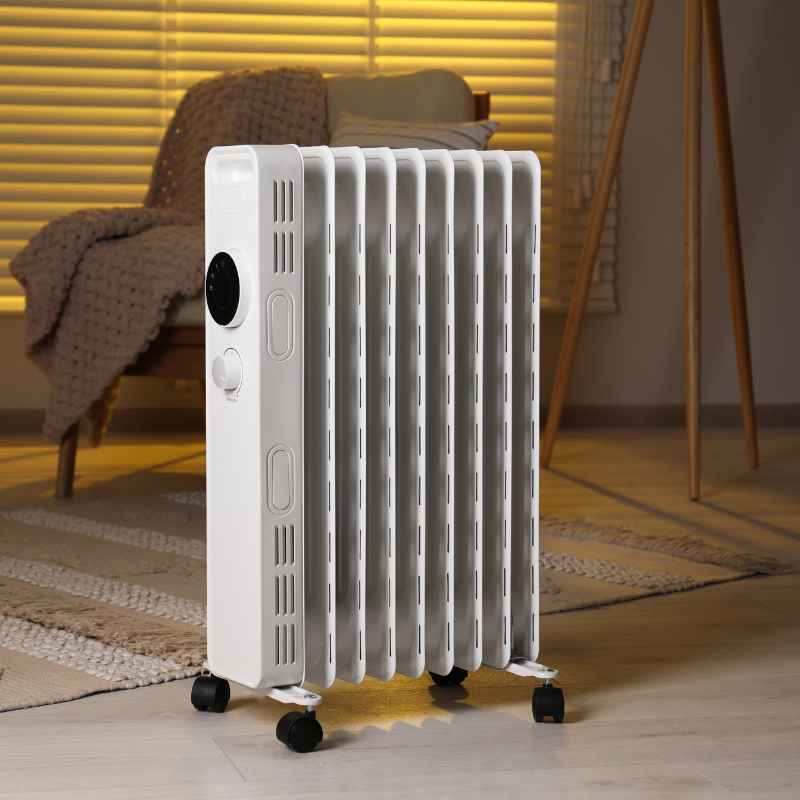
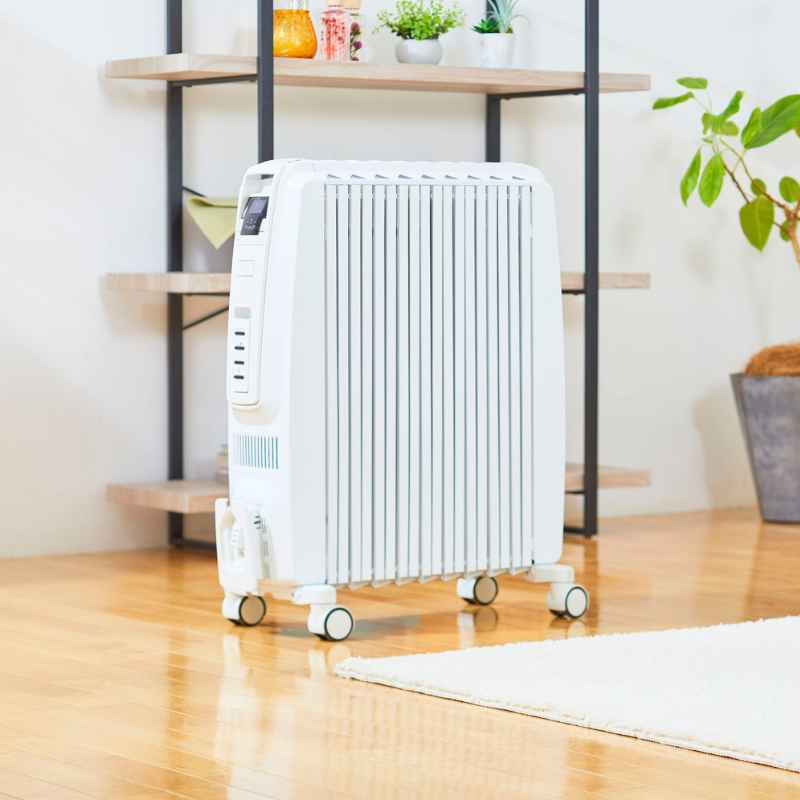
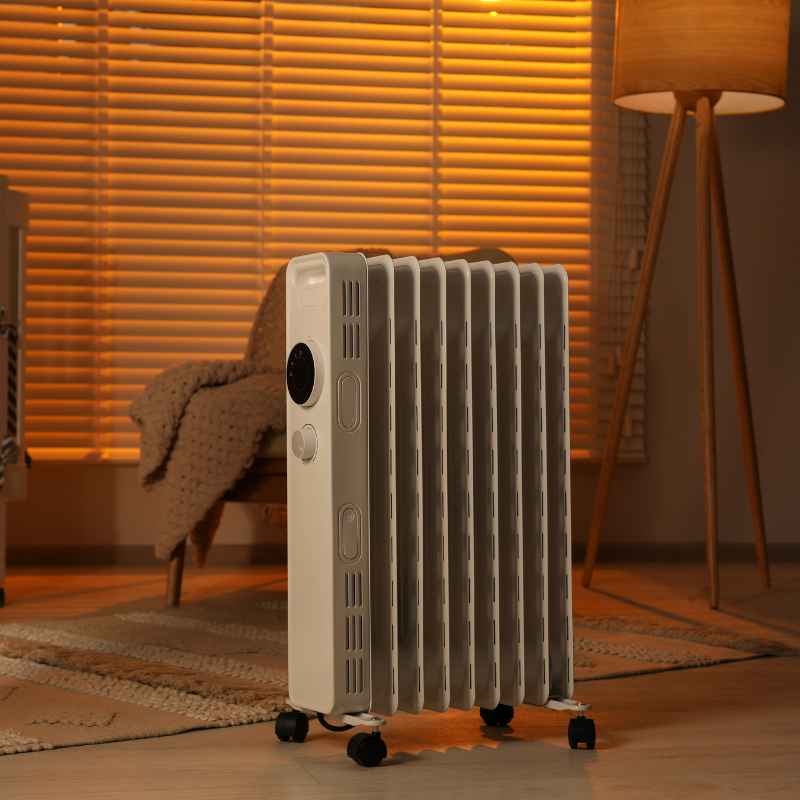
An oil-filled radiator heater is a type of electric heater. It looks a lot like a traditional cast-iron radiator. But instead of hot water or steam, it uses electricity. This electricity heats a special oil inside. The oil then warms up the metal fins of the radiator. These fins radiate heat into the room. This process is very quiet. It also produces a gentle, even warmth. There are no fans blowing air. This makes them great for bedrooms or quiet spaces. The sealed system means no fumes are released. They are designed to be stable and tip-resistant.
The key to how they work is the oil. This oil is a special thermal fluid. It never needs to be
Many models come with helpful features. You can often control the temperature. Some have simple dial controls. Others have digital displays. Many include timers. You can set them to turn on or off at certain times. This is useful for waking up to a warm room. Or for saving energy when you’re away. Some have safety shut-off features. If the heater tips over, it turns off. If it gets too hot, it also shuts down. These features add layers of safety. They make using them feel more secure.
My Own Scare with an Old Heater
I remember one particularly cold winter night. I was working late in my home office. It’s in a converted sunroom. It gets drafty, no matter how much insulation I add. I had an older space heater running. It wasn’t an oil-filled one. It was one of those glowing red coil types. I must have gotten really focused. I didn’t notice I had placed a stack of papers too close. I smelled a faint burning smell. My heart jumped into my throat. I looked over and saw a tiny wisp of smoke. The papers were starting to brown at the edge.
Panic set in for a second. I quickly grabbed the papers and moved them far away. I then unplugged the heater. The smell lingered. That moment really stuck with me. It made me think hard about heater safety. I realized how easy it is to forget. How a simple mistake could have bad results. That experience pushed me to learn more. I wanted to find heating options that felt more reliable. I started researching alternatives. That’s when I really understood the benefits of oil-filled radiators. Their design seemed inherently safer for daily use. The lack of exposed heating elements was a big plus.
Oil-Filled Radiator vs. Other Heaters
Oil-Filled Radiators:
- Quiet operation.
- Gentle, even heat.
- No fan noise.
- Sealed unit, no fumes.
- Less risk of igniting nearby items.
Fan Heaters (Ceramic/Coil):
- Can be noisy.
- Dry air, can be harsh.
- Exposed elements can be a fire risk.
- Can stir up dust.
Real-World Usage and Safety Factors
When we talk about safety, it’s often about how we use things. Oil-filled heaters are no different. In typical American homes, these heaters are a common choice. Especially in areas that experience cold winters. Think of places like New England or the Midwest. People use them to supplement their main heating. Or to warm up specific rooms. A common habit is to place them in a living room while watching TV. Or in a bedroom overnight.
The design of these heaters helps a lot. The outer metal casing gets warm, but not usually to a dangerous, burn-you-instantly level. This is different from some other types. The sealed oil system means no leaks. This avoids messy cleanups. It also removes a potential hazard. The lack of an open flame or exposed red-hot coils is a big safety plus. This design makes them much less likely to cause a fire. Especially compared to older types of heaters.
User behavior is key. Most people know not to put things on top of a heater. But sometimes, laundry gets draped over them. Or blankets slip down. This is where the risk comes in. Even with an oil-filled heater, blocking airflow can cause overheating. This is a situation to avoid. Always give the heater space. Manufacturers usually suggest at least three feet of clearance. This ensures air can circulate properly. It also keeps flammable items away.
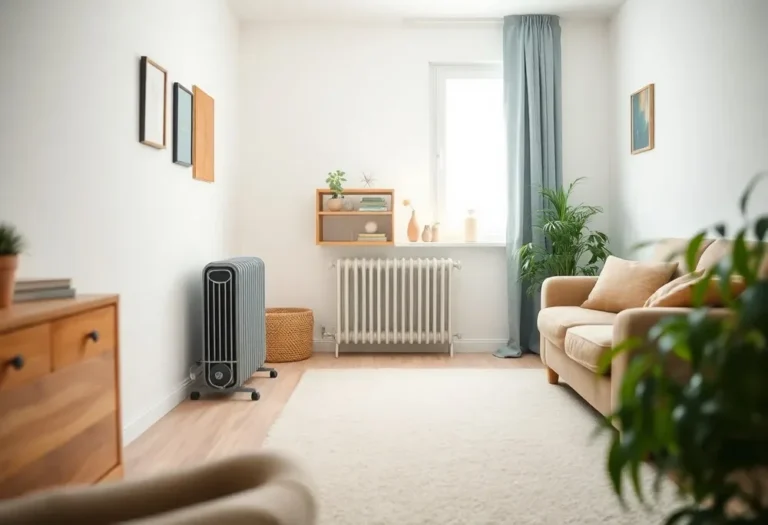
Placement Matters: Where to Put Your Heater
Good Spots:
- On a hard, level floor.
- Away from curtains and furniture.
- Where it won’t be easily bumped.
- Near a grounded outlet.
Bad Spots:
- On carpets (can sometimes melt).
- Near water (bathrooms, sinks).
- Under or on top of tables with cloths.
- Near flammable materials.
When is it Safe to Use?
It’s safe to use an oil-filled radiator heater when you follow basic safety rules. These heaters are designed for home environments. They are meant for indoor use. They should not be used in damp areas like bathrooms. This is because of the electrical components. Water and electricity don’t mix. They are also not meant for outdoor use. Exposure to rain or snow could damage them. It could also create an electrical hazard.
Check the heater itself. Look for certifications. Labels from organizations like UL (Underwriters Laboratories) are good signs. This means the product has been tested. It meets safety standards. Most new oil-filled heaters sold in the U.S. will have this. If a heater looks damaged, don’t use it. Check the cord and plug. Make sure they are in good shape. If the casing is cracked, it’s best to replace it.
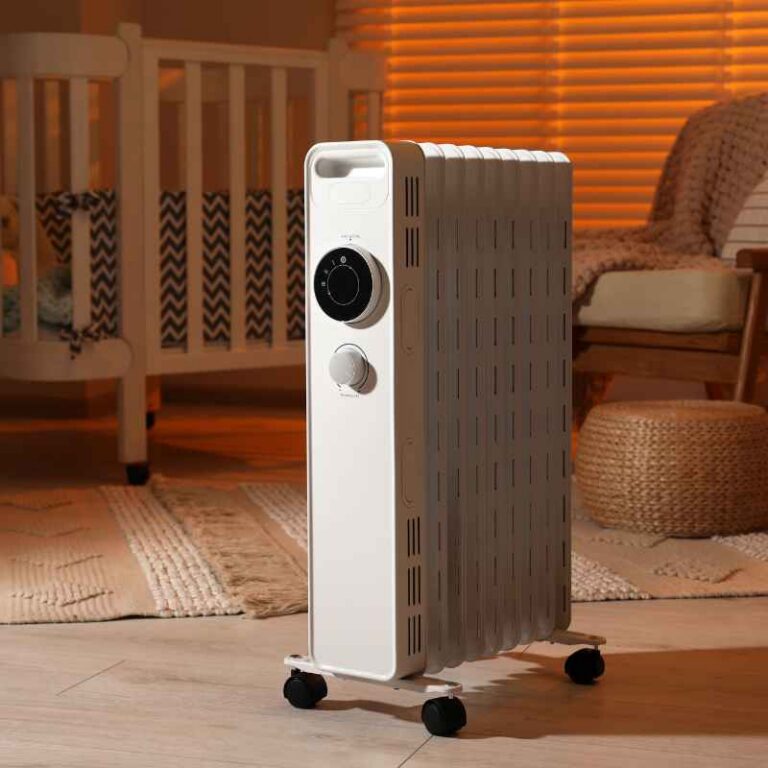
What about children and pets? This is a big concern for many families. Oil-filled heaters are generally safer than some other types. They don’t have hot, exposed surfaces that little hands can touch and get burned. However, the metal can still get quite warm. It’s important to teach children about heater safety. Keep pets from chewing on the cord. Ensure the heater is stable and won’t tip easily. Most modern units have a tip-over switch. This is a crucial safety feature.
Safety Checks Before You Turn It On
- Inspect the Cord: No frayed wires or damage.
- Check the Plug: Ensure it fits snugly into the outlet.
- Look at the Casing: No dents or cracks.
- Test the Tip-Over Switch: Gently tilt it to see if it shuts off.
- Clear the Area: Ensure at least 3 feet of space around it.
When Should You Worry?
There are times when you should be concerned. One sign is if the heater smells unusual. A faint burning smell might mean something is overheating. Or something is stuck to the heating elements inside. If you smell burning, unplug it immediately. Let it cool down. Then check it carefully. If the smell persists, or if you see smoke, stop using it. It’s probably time for a new one. Or it needs professional repair if that’s even an option.
Another thing to watch for is strange noises. While they are generally quiet, a loud clicking or buzzing could be a problem. This might mean an internal part is failing. Or that the unit is unbalanced. If it makes noises it didn’t before, pay attention. Listen to your appliances. They often give clues when something is wrong.
If the heater isn’t heating properly, that’s also a concern. It might mean the thermostat is broken. Or the heating element is failing. Don’t try to fix internal electrical parts yourself. It’s dangerous. It’s better to replace a faulty heater. Especially if it’s an older model. New heaters have better safety features. They also meet current safety standards. Consumer Reports often recommends replacing older appliances for this reason.
Red Flags: When to Stop Using Your Heater
- Persistent Burning Smell: Indicates overheating or obstruction.
- Smoke: A clear sign of danger.
- Loud or Unusual Noises: Clicking, buzzing, or grinding.
- Not Heating Properly: Inconsistent or no heat output.
- Damaged Power Cord or Plug: Risk of shock or fire.
- Visible Damage to Casing: Cracks or dents.
Tips for Safe Operation
Using your oil-filled radiator heater safely is pretty straightforward. The most important rule is to keep it unplugged when not in use. This is especially true for long periods. Like when you’re going on vacation. Or during the warmer months. It’s a simple step that adds a layer of safety. It also saves energy.
Always use a grounded outlet. Avoid using extension cords if possible. If you must use one, make sure it’s heavy-duty. And that it’s rated for the heater’s wattage. Overloading a cord can cause it to overheat. This is a fire risk. Check the heater’s manual for its wattage. Make sure your electrical system can handle it. For most homes, a standard oil-filled heater is fine on a regular circuit. But it’s good to know.
Keep the air vents clear. These are usually on the sides or bottom. They allow air to enter. This air is then heated. Blocking them stops the process. It can cause the unit to overheat. So, don’t place items right up against the vents. Ensure there’s good airflow all around the unit.
Quick Safety Reminders
Never Cover: Don’t put clothes or blankets on or over the heater.
Clear Space: Maintain at least 3 feet of clearance around the unit.
Stable Surface: Always place on a flat, stable, non-flammable floor.
Unplug When Away: Disconnect from power when leaving it unused.
Grounded Outlet: Use a proper, grounded electrical outlet.
Regular maintenance is also part of safety. Dust can build up on the heater. This dust can get hot and smell. Or it could even smolder. Periodically clean the outside of the heater. Use a soft, dry cloth. If you need to clean the fins, make sure the unit is unplugged. And completely cool. Some models have a filter that can be removed and cleaned. Check your user manual for specific cleaning instructions.
Finally, trust your instincts. If something feels off about the heater, it probably is. Don’t take chances with electrical appliances. Especially those that produce heat. There are many options available. If your current heater seems risky, it’s better to invest in a new, safe one. The peace of mind is worth it. Think about the National Fire Protection Association (NFPA) data. Portable heaters are a leading cause of home fires. Being vigilant is key.
Are They Energy Efficient?
Energy efficiency is a common question. Oil-filled radiators are not the most energy-efficient heaters on the market. They use a lot of electricity to heat the oil. Then they release that heat slowly. This makes them good for continuous warmth. But not for quickly heating a large space. They are best used in smaller rooms. Or for maintaining a comfortable temperature.
Their efficiency comes from their design. The sealed oil system retains heat well. So, once the oil is hot, it stays hot for a while. This means the heating element doesn’t have to turn on and off as much. This can save some energy compared to heaters that cycle on and off rapidly. They provide a steady, low-level heat. This is efficient for comfort.
To make them more efficient, use them wisely. Use timers to set them for specific times. Turn them down or off when you’re not in the room. Ensure the room is well-insulated. Seal any drafts. This helps keep the heat inside. Compare them to other types: fan heaters are quick but can be less efficient long-term. Infrared heaters heat objects directly. They can be efficient for spot heating.
Energy Use Factors
Wattage: Higher wattage means more power used.
Runtime: How long it is left on.
Thermostat Use: Setting a target temperature saves energy.
Room Size: Best for smaller, well-sealed rooms.
Insulation: A well-insulated room retains heat better.
What About the Oil Itself?
People often ask about the oil. What kind of oil is it? Is it dangerous if it leaks? The oil used is a special mineral oil. It’s a thermal fluid. It’s non-toxic and non-flammable. It’s designed to heat up and cool down without degrading. This oil is permanently sealed within the radiator’s fins. It never needs refilling or changing. This is a key part of the heater’s safety and longevity.
The sealing process is very robust. Manufacturers ensure there are no leaks. The risk of the oil escaping is extremely low. If, by some rare chance, a leak did occur, the oil is not a fire hazard. It’s not like cooking oil that can catch fire. It’s a mineral oil. It can be cleaned up with soap and water. However, if you see any signs of leakage, stop using the heater. Contact the manufacturer or consider replacement.
The fact that the oil is sealed is crucial. It means no fumes are released into your home. Unlike some older heating methods. Or even gas-powered heaters. This makes them a good choice for people with respiratory issues. Or for general indoor air quality. The oil’s role is purely to transfer heat. It’s not a fuel source that burns or evaporates.
Oil Characteristics
- Type: Special mineral oil (thermal fluid).
- Safety: Non-toxic, non-flammable.
- Maintenance: Sealed unit, never needs refilling.
- Function: Transfers heat efficiently.
- Leakage: Extremely rare; clean with soap and water if it happens.
When is it Time to Replace an Old Heater?
Deciding when to replace an older heater is important. Age alone isn’t always the reason. But if your heater is very old, it might lack modern safety features. For example, many older models don’t have automatic tip-over shut-offs. Or advanced overheat protection. The plastics and internal components can also degrade over time.
If you notice any of the “red flag” issues we discussed, it’s time. Strange noises, smells, or poor performance are big indicators. Even if it seems to be working, check for damage. Cracks in the casing or a frayed cord are serious. Don’t try to repair these yourself. The cost of repair might be close to the cost of a new one anyway.
Think about energy efficiency too. Older heaters are often less efficient. They use more electricity to produce the same amount of heat. Replacing an old heater with a new model could save you money on your energy bills. Plus, newer models often have better thermostat controls. They might also be quieter or have more adjustable settings. It’s a good idea to check consumer reviews for current models.
Reasons to Replace Your Old Heater
- Lack of Modern Safety Features: No tip-over or overheat shut-off.
- Visible Damage: Cracks, frayed cords, or dents.
- Unusual Smells or Noises: Indicates potential internal problems.
- Reduced Heating Performance: Not warming effectively.
- Very Old Age: Components may be nearing end of life.
- Energy Inefficiency: Newer models use less power.
Frequently Asked Questions
Can an oil-filled radiator heater catch fire?
While extremely rare, any electrical appliance that produces heat carries a small risk. Oil-filled radiators are designed with safety in mind, using sealed oil and no exposed heating elements. Fires usually occur due to misuse, like placing flammable items too close, or due to a faulty unit and damaged cord. Following safety guidelines greatly reduces this risk.
Are oil-filled heaters safe to leave on overnight?
Yes, oil-filled radiators are generally considered safe to leave on overnight, especially models with automatic shut-off features like tip-over protection and overheat protection. Ensure there is nothing flammable nearby and that the unit is placed on a stable surface. Always check the manufacturer’s instructions. If you have any doubts, it’s best to use a timer and turn it off when you are asleep.
Can oil-filled heaters dry out the air?
Compared to fan heaters, oil-filled radiators are much better at maintaining indoor humidity. They heat the air gently through convection and radiation, which doesn’t strip moisture away as much. Some users even find they help keep the air from feeling too dry. They provide a more comfortable, less arid warmth.
What should I do if my oil-filled heater tips over?
Most modern oil-filled radiators have a built-in tip-over safety switch. This switch automatically shuts off the heater if it tilts or falls. If yours does, it should turn off instantly. If it doesn’t, unplug it immediately. Check the unit for any damage before considering using it again. If it was on a flammable surface, check that surface carefully.
How do I clean an oil-filled radiator heater?
Always unplug the heater and let it cool completely before cleaning. Use a soft, dry cloth to wipe down the exterior. For stubborn dirt or dust in the fins, you can use a slightly damp cloth, but ensure no water gets into any openings. Some models may have removable dust filters; consult your manual for how to clean these.
Are oil-filled heaters safe for use around children and pets?
They are generally safer than heaters with exposed elements. The outer casing gets warm but is less likely to cause severe burns upon brief contact. However, the surface can still be hot enough to cause discomfort or mild burns with prolonged contact. Always supervise children and pets, teach them about heater safety, and ensure the heater is stable and out of reach where possible. Keep cords tidy to prevent chewing.
Conclusion
Portable electric oil-filled radiator heaters are a safe choice for many homes. When used correctly, they offer quiet, consistent warmth. Always follow manufacturer guidelines. Pay attention to placement and clearance. Keep an eye out for any signs of damage or malfunction. With a little care, these heaters can provide comfort all winter long.
Sponsored / affiliate links. As an Amazon Associate I earn from qualifying purchases. I may earn additional commission from eligible campaigns.