How Much Do Portable Oil Filled Radiators Really Cost To Run?
Portable oil filled radiators can be a cost-effective way to heat small spaces or supplement existing heating. Their running cost depends mainly on their wattage, how long they are used, and your local electricity prices. While they consume electricity steadily, their ability to retain heat can make them efficient for maintaining consistent temperatures over long periods, often costing less than expected for targeted heating.
Understanding How Oil Filled Radiators Work
Let’s start with the basics. How does an oil filled radiator actually make heat? It’s a pretty clever design.
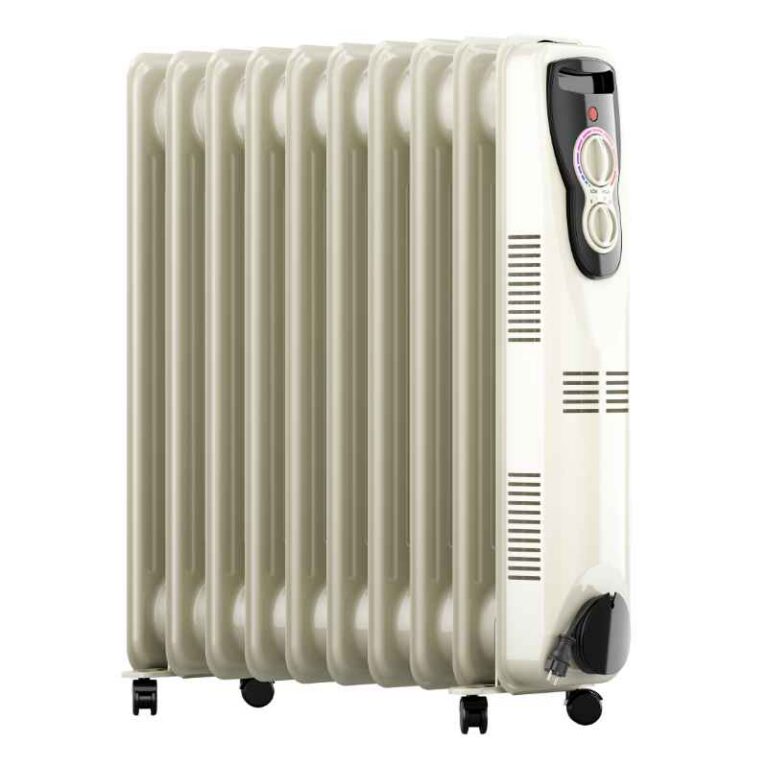
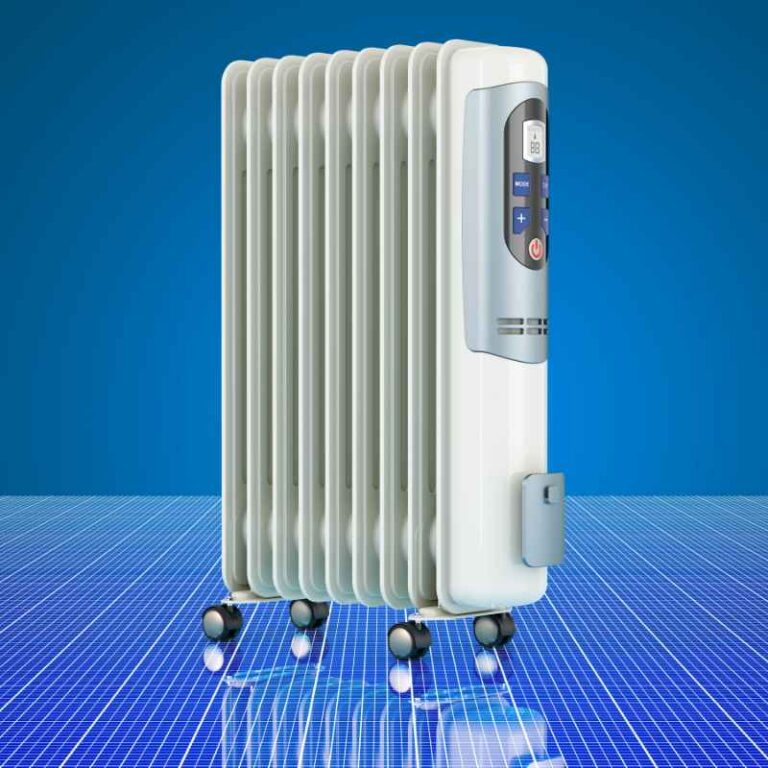
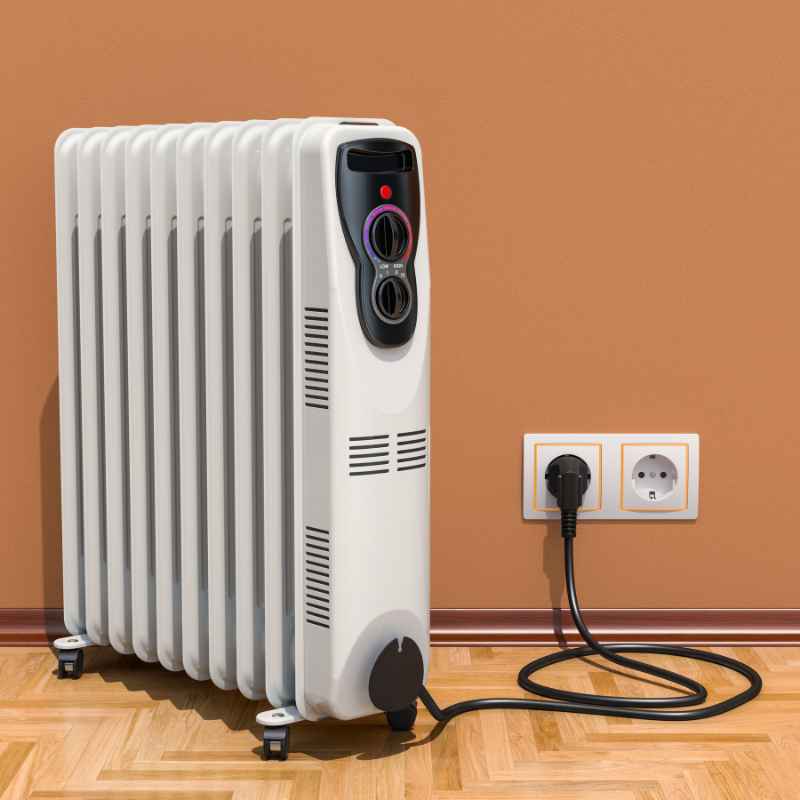
Inside that tall, ribbed metal casing, there isn’t actually loose oil you can see. Instead, it contains a sealed-in mineral oil. When you plug it in, an electric element at the bottom heats up.
This heating element warms the oil that surrounds it. The oil doesn’t boil or burn. It just gets hot.
Then, this hot oil starts to circulate inside the radiator. It moves up through the fins and the metal casing. The casing then radiates this heat into the room.
Think of it like a hot water bottle, but electric and continuous. The oil acts as a thermal reservoir. It stores heat and releases it slowly.
This is why, even after you turn it off, an oil filled radiator can keep giving off warmth for a while. This slow, steady heat is what makes them feel so comfortable and cozy.
The Wattage: Your First Clue to Running Costs
The most direct link to how much power your oil filled radiator uses is its wattage. You’ll see this number on the product itself or in its manual. It tells you how much energy the heater needs to run at its full power.
Common wattages for portable oil filled radiators range from 700 watts to 1500 watts.
A higher wattage means the heater can produce more heat, faster. But it also means it uses more electricity when it’s on. So, a 1500-watt heater will use more electricity per hour than a 700-watt heater.
This is a critical point for understanding your bills.
If you have a smaller room, a lower wattage heater might be enough. It will still heat the space, but it won’t need as much power. Trying to heat a large living room with a tiny 400-watt heater will likely not work well.
You’d end up running it constantly, which can still add up. Finding the right size for your space is key.
Calculating the Cost: Watts to Dollars
To figure out the actual cost, you need to do a little math. You’ll need two numbers: the heater’s wattage and your electricity rate. Your electricity rate is usually found on your monthly power bill.
It’s often listed in cents per kilowatt-hour (kWh). Let’s say your electricity costs 15 cents per kWh.
First, convert the heater’s wattage to kilowatts. You do this by dividing the wattage by 1000. So, a 1500-watt heater is 1.5 kilowatts (1500 / 1000 = 1.5).
Next, multiply the kilowatts by the number of hours you plan to use the heater. Let’s say you run it for 4 hours. That’s 1.5 kW * 4 hours = 6 kWh.
Finally, multiply the total kilowatt-hours by your electricity rate. If your rate is $0.15 per kWh, then 6 kWh * $0.15/kWh = $0.90. So, running a 1500-watt heater for 4 hours would cost about 90 cents.
This calculation gives you a good estimate. However, oil filled radiators don’t always run at full power all the time. They have thermostats.
This is where it gets a bit more nuanced.
Example:
- Heater wattage: 1500 watts (1.5 kW)
- Electricity rate: $0.15 per kWh
- Hours of use: 4 hours
- Total kWh: 1.5 kW * 4 hours = 6 kWh
- Cost: 6 kWh * $0.15/kWh = $0.90
The Role of the Thermostat
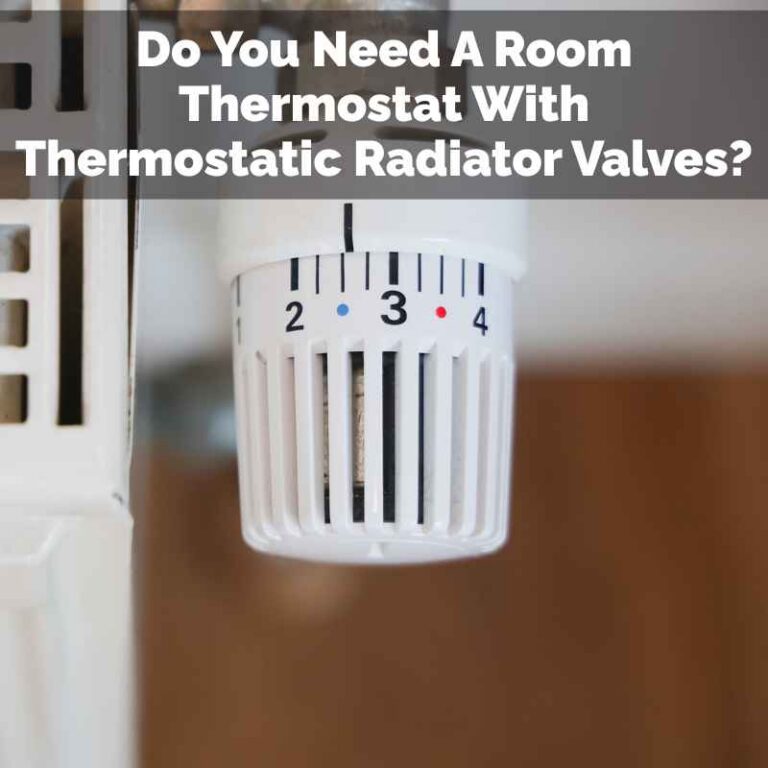
This is a super important feature! Most oil filled radiators have a thermostat. You set it to your desired temperature.
The heater will then turn on and off automatically to maintain that temperature. It doesn’t just run non-stop.
When the room reaches your set temperature, the thermostat tells the heating element to shut off. The oil inside is still hot, though. It will continue to release heat into the room.
This makes the room stay warm without the element needing to use electricity.
Once the room cools down below your set temperature, the thermostat kicks the heating element back on. This cycle repeats. Because of this, a heater doesn’t always run at its full wattage for the entire time it’s on.
On a very cold day, or in a poorly insulated room, the heater might cycle on and off more frequently. It will run for longer periods. In a milder room, it might cycle less often.
This means the actual cost to run can be less than if you just used the maximum wattage calculation.
Understanding your thermostat is like having a smart dial for your energy use. It helps prevent overheating and wasted power.
What Affects Actual Running Costs?
Beyond wattage and electricity rates, other factors play a big role. These can either increase or decrease how much you actually spend.
Factors Influencing Running Costs
Room Size & Insulation: A small, well-insulated room needs less energy to stay warm. A large, drafty room will lose heat fast. This means the heater has to work harder and longer.
Outside Temperature: On a frigid day, the heater will cycle on more often. On a milder day, it will stay off longer. This directly impacts energy use.
Thermostat Setting: Setting the thermostat higher means the heater needs to run more to reach and maintain that temperature. Lower settings use less energy.
Drafts & Air Leaks: Check windows and doors for gaps. Cold air getting in makes the heater work harder.
Room Occupancy: If people are in the room, body heat can contribute to warming it. Less occupancy might mean more reliance on the heater.
Other Heat Sources: Sunlight coming through windows, or heat from appliances, can also reduce the need for the heater to run.
In my own experience, I noticed a huge difference when I finally sealed the drafty window in my home office. Before, my oil filled radiator seemed to be on constantly. After I put some weatherstripping around the frame, I could hear it cycling off much more often.
It was a simple fix that saved me money on my heating bill.
It’s also about setting realistic expectations. An oil filled radiator is excellent for personal comfort in a specific zone. It’s not usually designed to heat an entire large house.
Using it for its intended purpose makes it much more cost-effective.
Real-World Scenarios and Costs
Let’s look at some common situations. Imagine you have a small home office that’s always chilly. It’s about 10 by 12 feet.
You decide to use a 1000-watt oil filled radiator. Your electricity costs 16 cents per kWh.
You set the thermostat to a comfortable 70°F. You’re working for about 6 hours. Because it’s a small, relatively well-sealed room, let’s estimate the heater actually runs at full power for about half of that time.
So, it’s actively heating for 3 hours.
Calculation:
- Heater: 1000 watts = 1.0 kW
- Actual run time: 3 hours
- Total kWh used: 1.0 kW * 3 hours = 3 kWh
- Cost: 3 kWh * $0.16/kWh = $0.48
So, for a full workday in that office, it costs less than 50 cents. That seems pretty reasonable for staying warm and productive!
Now, consider a larger bedroom, say 15 by 20 feet, that needs supplemental heat. It’s also a bit draftier. You use a 1500-watt radiator.
Your electricity rate is the same, $0.16/kWh.
You set the thermostat to 68°F. Because the room is larger and has more drafts, the heater might need to run at full power for, say, 70% of the time over 8 hours. That’s 0.70 * 8 hours = 5.6 hours of active heating.
Calculation:
- Heater: 1500 watts = 1.5 kW
- Actual run time: 5.6 hours
- Total kWh used: 1.5 kW * 5.6 hours = 8.4 kWh
- Cost: 8.4 kWh * $0.16/kWh = $1.34
For a full night’s sleep in that larger room, it costs around $1.34. This is still quite affordable for comfort. The key is that the oil filled radiator is providing targeted heat, not trying to warm the whole house.
This is where its efficiency shines.
Comparing Heat Sources: A Quick Look
Oil Filled Radiator (1500W):
- Estimated Active Heating Time: 3 hours/day
- Estimated Daily kWh Use: 4.5 kWh
- Estimated Daily Cost (at $0.16/kWh): $0.72
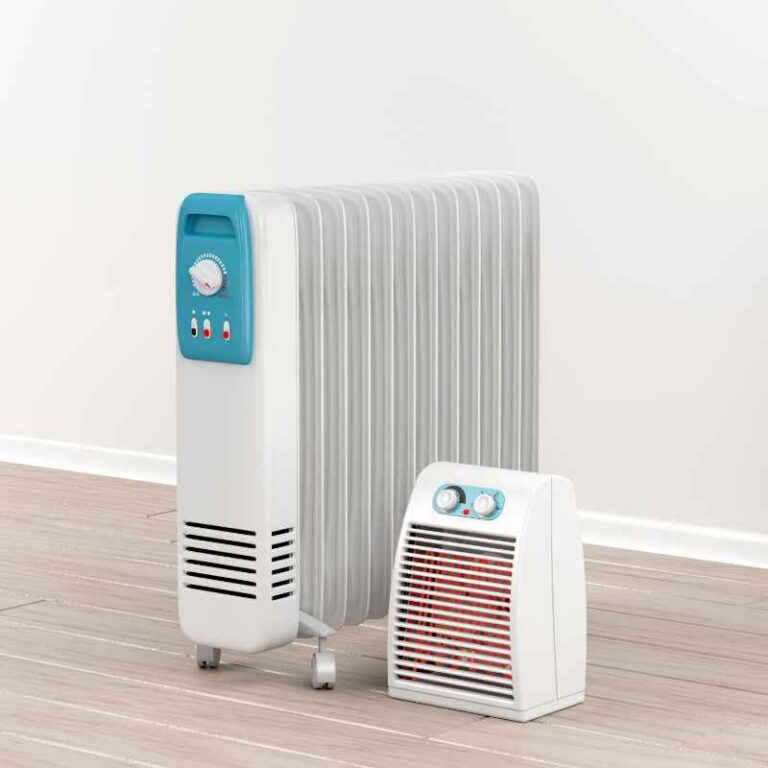
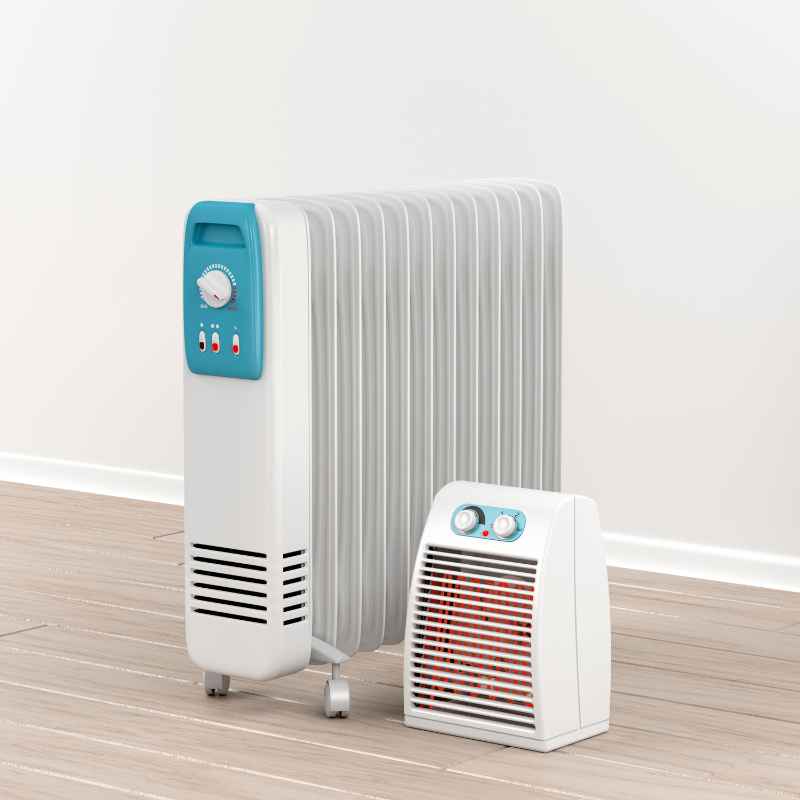
Electric Space Heater (Fan type, 1500W):
- Often runs at full power more often, less residual heat.
- Estimated Active Heating Time: 5 hours/day
- Estimated Daily kWh Use: 7.5 kWh
- Estimated Daily Cost (at $0.16/kWh): $1.20
Central Heating (Gas, average usage):
- Difficult to isolate cost per room, but overall bills are higher.
- Costs vary widely by usage and fuel prices.
Note: These are simplified estimates. Actual usage depends heavily on the factors mentioned earlier.
What stood out to me when I first calculated this was how much more efficient they are than I expected, especially when you compare them to other electric heating methods. The ability to radiate heat slowly means they don’t need to kick on and off as aggressively as a fan heater, which can often sound like a jet engine.
Maximizing Efficiency and Minimizing Costs
You want to get the most heat for your money, right? There are several smart ways to do this. It’s all about working with the radiator, not against it.
First, choose the right size. A heater that’s too small will run constantly and struggle to warm the space. A heater that’s too big might cycle on and off very quickly, which isn’t ideal for even heating, and might cost more upfront.
Second, use it for specific zones. These radiators are fantastic for heating a single room. If you’re working from home, warm your office.
If you’re sleeping, warm your bedroom. Don’t try to heat the whole house with one or two small units. That’s what central heating is for.
Third, take advantage of the residual heat. Turn the radiator off about 15-20 minutes before you leave the room or go to bed. The oil is still hot and will keep radiating warmth.
This small step can save you significant energy over time.
Fourth, address drafts and insulation. As I mentioned before, this is HUGE. Seal any air leaks around windows and doors.
Use thick curtains to help trap heat. Making your room more energy-efficient means your radiator works less.
Fifth, use timers. Some models have built-in timers, or you can use an external plug-in timer. This lets you set it to turn on just before you need the heat and turn off automatically later.
You can wake up to a warm room without paying to heat an empty one all night.
Finally, maintain your radiator. Keep the fins clean. Dust can build up and reduce efficiency.
Make sure it’s sitting on a flat surface and not covered by anything that would block the heat.
I’ve learned that the best way to manage the cost is to be mindful. It’s not about never using it, but about using it wisely. I used to just plug it in and forget about it.
Now, I think about when I really need the heat and how long I’ll be there.
When is an Oil Filled Radiator a Good Choice?
These heaters really shine in certain situations. They are excellent for providing quiet, consistent background heat. Because there are no fans or moving parts (other than the oil circulation), they are virtually silent.
This makes them ideal for bedrooms, nurseries, or quiet offices.
They are also great for supplementing your main heating system. If one room in your house is always colder than the others, an oil filled radiator can warm it up without needing to turn up the thermostat for the whole house. This targeted approach is very energy efficient.
They are a good choice for people who want a simple, reliable heat source. There’s not much to go wrong with them. You plug them in, set the thermostat, and they work.
The oil is sealed, so there’s no messy refilling or maintenance required like with some other types of heaters.
However, they are not the best choice for rapid spot heating. If you need to warm up a very cold room instantly, a fan heater might do that faster. But it will likely use more energy overall and be much noisier.
Oil filled radiators are more about sustained, comfortable warmth.
What This Means for Your Electricity Bill
So, what’s the bottom line for your bill? Generally, portable oil filled radiators are quite economical to run, especially when used correctly. The cost per hour is usually lower than people initially imagine, thanks to their efficient design and thermostat control.
The key takeaway is that their running cost is directly tied to their wattage and your local electricity price. A 1500-watt heater will always use more energy than a 700-watt one when both are actively heating. But the thermostat helps regulate this usage significantly.
If you’re using one to heat a small office for a few hours a day, the impact on your bill might be minimal. If you’re relying on one to heat a large, uninsulated space all day and night, then yes, the costs will add up. It’s all about usage patterns.
It’s also worth remembering that electricity prices can vary. If your local utility has time-of-use rates, running the heater during off-peak hours can be even cheaper. Always check your specific electricity plan.
I’ve found that by being smart about where and when I use mine, I can enjoy the cozy warmth without dreading the monthly bill. It’s about understanding the tool and using it to its best advantage.
Quick Checks and When to Worry
Most of the time, your oil filled radiator will perform reliably. But here are a few things to keep an eye on.
- Smell: A faint smell when you first turn it on is normal as dust burns off. But a strong, persistent burning smell could indicate a problem.
- Performance: If it’s not heating the room at all, or taking an unusually long time, check if it’s plugged in properly and if the thermostat is set correctly.
- Noise: They should be silent. Any clicking, buzzing, or humming sounds could mean an internal issue.
- Leaking: The oil is sealed inside. If you see any oil seeping out, stop using it immediately and contact the manufacturer. This is a safety concern.
- Overheating: If the unit feels excessively hot to the touch, or if the casing is discolored, it might be overheating. Ensure it has proper ventilation and is not covered.
For the most part, these are very safe appliances. The U.S. Consumer Product Safety Commission (CPSC) recommends keeping heaters at least three feet away from flammable materials.
This is a standard safety tip for any portable heater.
I remember one time my radiator started making a strange clicking noise. I thought, “Oh no, here we go.” I unplugged it and let it cool. When I plugged it back in, the noise was gone.
It turned out a small piece of dust had gotten caught somewhere. But it was a good reminder to check things if they seem off.
Frequently Asked Questions About Running Costs
How much electricity does a 1500-watt oil filled radiator use per hour?
A 1500-watt oil filled radiator uses 1.5 kilowatts (kW) of electricity when it is actively heating at full power. To find out the cost, multiply this by your electricity rate per kilowatt-hour (kWh). For example, if your rate is $0.16/kWh, then 1.5 kW * $0.16/kWh = $0.24 per hour.
However, thermostats mean it doesn’t run at full power constantly.
Are oil filled radiators expensive to run compared to other heaters?
Generally, oil filled radiators are quite economical to run, especially for sustained, quiet heating. They tend to be more energy-efficient than fan-forced electric heaters because they don’t run at full power as often and retain heat longer. Their cost-effectiveness depends heavily on how they are used and your electricity prices.
Can I use an oil filled radiator to heat a large room?
While they can help, oil filled radiators are best suited for small to medium-sized rooms. For very large rooms or whole-house heating, they may not be powerful enough and could end up costing more to run constantly than a more robust heating solution. They excel at zone heating.
Does the amount of oil inside affect the running cost?
No, the amount of oil itself doesn’t directly affect the running cost. The oil is a medium for storing and transferring heat from the electric element. The wattage of the heating element and how long it’s active are the main drivers of electricity consumption.
How much does it cost to run a 2000-watt oil filled radiator?
A 2000-watt heater uses 2.0 kW when actively heating. If your electricity rate is $0.16/kWh, then running it at full power would cost $0.32 per hour (2.0 kW * $0.16/kWh). Similar to other models, the thermostat will cycle, reducing the actual hourly cost.
Is it cheaper to use an oil filled radiator or my central heating?
For heating a single, small to medium-sized room, an oil filled radiator is often cheaper than running your central heating. This is because you’re only heating the space you need, rather than the entire house. Central heating, especially gas, can be more cost-effective for whole-house heating.
Conclusion
Understanding the running costs of your portable oil filled radiator is really about knowing its wattage, your electricity rates, and how you use it. These heaters can be a surprisingly affordable way to add warmth and comfort to your home. By using them wisely for zone heating and taking simple steps to improve room efficiency, you can enjoy cozy temperatures without a hefty price tag.
They offer a quiet, steady heat that many find more pleasant than other electric options. So, go ahead and embrace that cozy glow!
Sponsored / affiliate links. As an Amazon Associate I earn from qualifying purchases. I may earn additional commission from eligible campaigns.