Who Regulates Product Safety For Portable Home Heaters?
Product safety for portable home heaters is overseen by a few key groups. The Consumer Product Safety Commission (CPSC) is the main one. They set rules and recall unsafe products.
Other groups like UL or ETL also test heaters to make sure they meet safety standards. These tests are very important for your peace of mind.
Understanding Who Oversees Portable Home Heater Safety
It’s a big question: who makes sure these handy heaters are safe to use? In the United States, the main player is the Consumer Product Safety Commission, or CPSC. Think of them as the guardians of consumer products.
They are a government group. Their job is to protect the public from products that might cause harm. This includes things like toys, appliances, and yes, portable heaters.
The CPSC works hard to prevent injuries and deaths. They do this in a few ways. They look at products before they even hit the stores.
They also keep an eye on products already in homes. If a product is found to be unsafe, the CPSC can force companies to recall it. This means taking it off the shelves and warning people who already own it.
They also set safety standards that manufacturers must follow. These rules cover things like how much heat a heater can give off, how stable it needs to be, and what warnings must be on the product.
But the CPSC isn’t the only one involved. There are also independent testing organizations. These groups aren’t part of the government.
They test products to see if they meet certain safety requirements. Companies often send their products to these labs. If the product passes the tests, it gets a special mark.
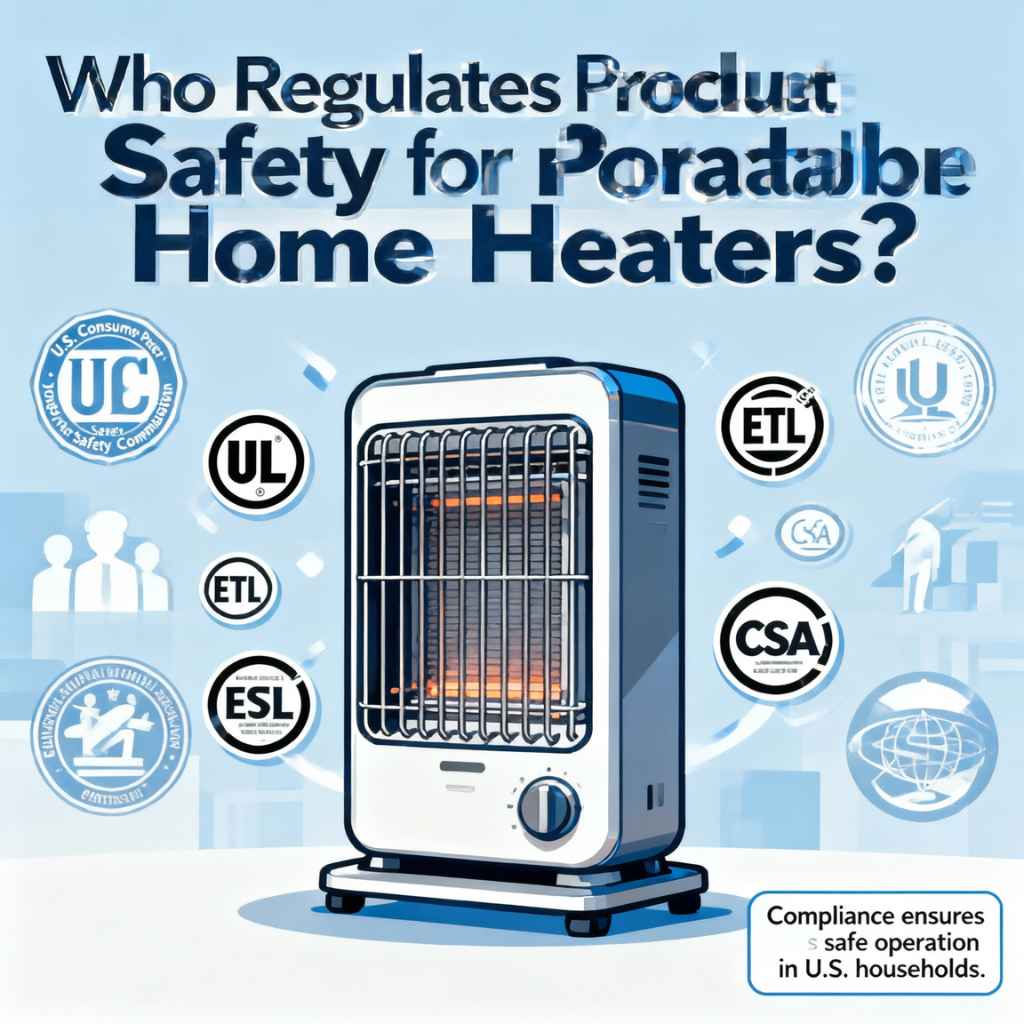
This mark shows consumers that the product has been tested for safety. Common marks you might see are from UL (Underwriters Laboratories) or ETL (Intertek). These marks are like a stamp of approval for safety.
They don’t mean a product is perfect, but it means it has met important safety checks.
So, when you look at a portable heater, you might see a CPSC mention on the packaging or in the manual. You’ll almost certainly see a UL or ETL mark. Both play a part in keeping you safe.
The CPSC sets the laws and steps in when there’s a big problem. The testing labs check specific safety features before the product is sold widely.
My Own Heater Scare and the Importance of Safety Marks
I remember one cold winter a few years back. My old apartment’s heating system was on the fritz. I needed a quick fix.
So, I ran to the nearest big box store and grabbed the first portable heater I saw. It looked sturdy enough. It had a nice price tag.
I was so relieved to have a source of heat. I plugged it in right away. It warmed up my living room nicely.
I felt so smart for solving my own problem so easily.
A few days went by, and I got used to the heater. I’d turn it on when I got home and off when I went to bed. One evening, I was watching TV.
I smelled something odd. It wasn’t a strong smell, just a little smoky. I looked around, but couldn’t see anything.
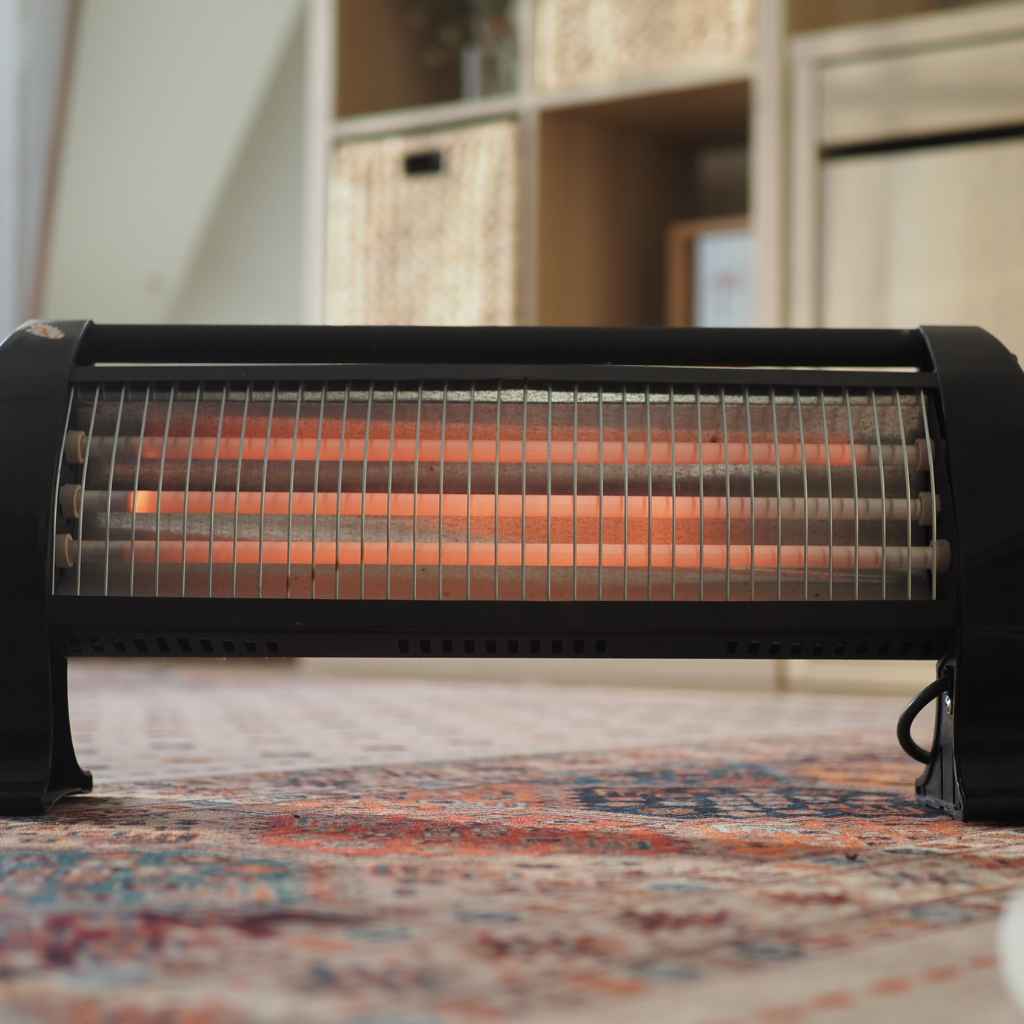
I figured it was just dust burning off the coils, like the manual said might happen at first. I turned the heater down a bit. Then, I noticed the floor around the heater felt… warm.
Not hot, but definitely warmer than it should be.
My heart started to beat a little faster. I quickly turned the heater off. I unplugged it.
I moved it away from the wall and my rug. I looked it over. I didn’t see any damage.
But that faint smoky smell and the warm floor really worried me. It felt like a close call. I thought about what could have happened if I had left it on overnight.
The whole experience made me realize how important it is to trust the safety of the products we use every day. I looked up the brand online. I saw some user reviews mentioning similar issues.
That’s when I really started paying attention to those safety marks.
Heater Safety Checklist
Check the CPSC website: Look for recalls on heaters.
Look for safety marks: UL, ETL, or similar are good signs.
Read the manual: Know your heater’s safety features.
Inspect regularly: Check for damaged cords or casings.
Use on a flat surface: Prevent tipping.
Keep clear space: Don’t block vents.
The Role of the Consumer Product Safety Commission (CPSC)
Let’s dive deeper into the CPSC. This agency is a cornerstone of product safety in the U.S. They cover a vast range of products found in American homes.
Their mission is clear: to help prevent injuries and deaths caused by consumer products. For portable home heaters, they are the primary federal agency responsible.
How do they actually do their job? The CPSC has several key functions. They develop and enforce safety rules for consumer products.
These rules can be voluntary standards agreed upon by industry. Or, they can be mandatory standards set by the CPSC itself. For heaters, this might involve rules about tip-over protection.
It could also cover automatic shut-off features if the heater overheats or falls over. They also monitor complaints from consumers. This is a very important source of information for them.
If many people report the same problem with a heater, the CPSC takes notice.
Another big part of their work is product recalls. When a heater is found to be too dangerous, the CPSC works with the manufacturer to get it out of homes. This could mean offering a refund, a repair, or a replacement.
They put out strong warnings to consumers. They want everyone to know about the danger and what to do. Their website is a great resource for checking if a product has been recalled.
You can search by product type or brand name.
The CPSC also conducts research. They study how injuries happen with consumer products. This research helps them understand the risks better.
It guides them in creating new safety rules or improving old ones. They also educate consumers about product safety. They provide tips and advice on how to use products safely.
For heaters, they often share information about the dangers of carbon monoxide. They also talk about fire risks associated with improper use.
It’s important to understand that the CPSC doesn’t approve every single heater on the market before it goes on sale. Instead, they set the rules that manufacturers must follow. They then enforce these rules.
They investigate when problems arise. They also rely on industry to self-police to some extent. This is where those independent testing labs become crucial partners.
Independent Testing Labs: UL and ETL Explained
While the CPSC sets the big picture safety rules, groups like UL and ETL do the detailed, hands-on testing. You see their logos everywhere. They are trusted names in safety certification.
Let’s break down what they do and why their marks matter to you.
UL (Underwriters Laboratories) is perhaps the most well-known. UL is an independent, not-for-profit product safety testing and certification organization. They have been around for a long time.
They test a huge variety of products. When you see the UL mark on a heater, it means that UL has tested a sample of that product. They have found that it meets their nationally recognized safety requirements.
These requirements are often based on standards developed by organizations like the American National Standards Institute (ANSI) and the CPSC. UL’s standards are very thorough. They cover things like electrical safety, fire resistance, and mechanical hazards.
A UL certification means the heater has been evaluated for potential fire and shock hazards.
ETL (Intertek) is another major player. Intertek is a global company. Their ETL mark signifies that a product has been tested by Intertek.
It meets applicable U.S. safety standards. These standards are also based on recognized national and international safety requirements.
The ETL mark is just as valid as the UL mark. It means the product has undergone similar rigorous testing. Many manufacturers choose to get their products tested by both UL and ETL.
Or they might choose one over the other. The key thing is that the mark assures you the product has met specific safety criteria.
Why are these marks so important? For consumers, they offer a quick visual cue that a product has been vetted. It’s a sign that someone other than the manufacturer has checked its safety.
This adds a layer of trust. For manufacturers, getting certified by UL or ETL is often a requirement for selling their products in many stores. Retailers want to sell safe products.
They rely on these third-party certifications. It also helps manufacturers identify and fix potential safety issues early in the design process. This saves them time and money in the long run.
It also prevents costly recalls down the road.
It’s worth noting that there are other testing labs as well. However, UL and ETL are the most common ones you’ll encounter for portable heaters in the U.S. When you’re shopping, don’t just look at the brand name or the price.
Take a moment to find one of these safety marks. It’s a simple step that can make a big difference in your safety.
Heater Safety Mark Guide
UL Listed: Tested and meets UL’s safety standards. Look for the UL logo.
ETL Listed: Tested and meets applicable safety standards by Intertek. Look for the ETL logo.
UL Recognized: This mark is usually for components within a larger product, not the whole product itself.
CSA Certified: Another common mark, often seen for products sold in both the U.S. and Canada. It means the product meets safety standards set by the Canadian Standards Association.
Always verify: If you’re unsure about a mark, a quick online search can confirm its validity.
Real-World Scenarios and Manufacturer Responsibilities
Manufacturers have a significant role in product safety. They are the ones designing, building, and selling the heaters. The CPSC sets the framework, and independent labs test against it.
But the initial responsibility lies with the maker. They must ensure their products are safe from the start.
What does this mean in practice? It means a heater manufacturer must design its products with safety in mind. This includes features like stable bases to prevent tipping.
They need to ensure the casing doesn’t get too hot to touch. The electrical components must be sound and well-insulated. They must also provide clear instructions on how to use the heater safely.
This includes warnings about placing it near flammable materials. It also covers how to clean and maintain the unit.
Many manufacturers go beyond just meeting the minimum requirements. They invest in their own internal testing. They might have quality control teams.
These teams check batches of heaters before they leave the factory. This is part of their commitment to consumer safety and brand reputation. A product recall can be very damaging to a company.
It costs money and hurts customer trust.
The CPSC holds manufacturers accountable. If a dangerous defect is found, the CPSC can order the manufacturer to take action. This can include recalls, repairs, or refunds.
The manufacturer must cooperate with the CPSC’s investigation. They also have to inform consumers about the problem. This responsibility continues even after the heater is sold.
Manufacturers are required to report potential safety defects to the CPSC.
Consider the design of the heater. Some heaters are designed to be very compact. This can be convenient.
But it can also make them less stable. A responsible manufacturer will engineer a compact heater with a wider, heavier base. Or they might add features to keep it from tipping easily.
Other heaters use different heating elements. Some might be more prone to igniting dust or nearby items if not properly shielded. The manufacturer must account for these risks in their design and safety warnings.
Ultimately, the manufacturer is the first line of defense. They have the expertise in how their product is made. They should identify and mitigate risks during the design and production phases.
When they do this well, it aligns with the goals of the CPSC and the testing labs. It creates a safer product for everyone.
Manufacturer Safety Practices
- Design for Safety: Build in features like tip-over switches and overheat protection.
- Quality Control: Test units during and after production.
- Clear Instructions: Provide easy-to-understand user manuals and warnings.
- Material Selection: Use materials that are flame-resistant and durable.
- Compliance: Ensure products meet all CPSC and independent lab standards.
What This Means for You: Your Heater, Your Safety
So, what’s the takeaway for you as a consumer? It’s about making informed choices and using your heater wisely. Understanding who regulates product safety helps you know who to trust and what to look for.
When it’s normal: It’s normal for a new heater to have a slight smell when you first use it. It’s also normal for the exterior to feel warm during operation. It’s normal for a heater to provide consistent warmth.
And it’s normal for a heater with a safety mark to have undergone rigorous testing.
When to worry: You should worry if your heater starts to make strange noises. You should worry if you see sparks or smell burning plastic or electrical odors. If the cord feels hot to the touch, that’s a serious concern.
Any sign of the heater melting or warping is a big red flag. If the heater tips over and doesn’t shut off automatically, that’s also a major safety issue.
Simple checks you can do: Before you buy, look for those safety marks like UL or ETL. Check the heater for any visible damage, like cracks in the plastic or a frayed cord. Read the instruction manual thoroughly.
Pay attention to the warnings about placement and clearance. After you buy it, give it a quick once-over now and then. Ensure the cord is in good shape and that vents are clear.
Make sure it’s always on a flat, stable surface.
Your safety is the priority. The regulatory bodies and testing labs are there to help. But your own vigilance makes a big difference.
By understanding their roles and what to look for, you can feel more confident about the portable heaters you use in your home.
Quick Tips for Safe Heater Use
Using a portable heater safely is just as important as buying a safe one. Even the best-tested heater can be dangerous if used improperly. Here are some straightforward tips to keep in mind:
Heater Use Guidelines
Keep it Clear: Always maintain at least three feet of clear space around your heater. This means no curtains, furniture, bedding, or paper should be too close.
Flat and Stable: Place your heater on a hard, level surface. Never put it on carpet or soft rugs, as this can block airflow and be a fire hazard.
Never Unattended: Do not leave a portable heater running when you are sleeping or when you leave the room. Turn it off and unplug it.
Check the Cord: Make sure the power cord is not frayed, damaged, or pinched. Avoid running it under rugs or where it can be tripped over.
No Extension Cords: Whenever possible, plug your heater directly into a wall outlet. If you must use an extension cord, make sure it’s heavy-duty and rated for the heater’s wattage.
Stay Away from Water: Never use a portable heater in bathrooms or other damp areas. Water and electricity are a dangerous mix.
Clean Regularly: Dust can build up on heater elements and vents. Gently clean your heater according to the manufacturer’s instructions to prevent fire hazards.
Use Only as Intended: Don’t try to dry clothes on your heater or use it for other purposes than heating a room.
Frequently Asked Questions About Heater Safety Regulations
What is the main government agency responsible for portable heater safety?
The main government agency in the U.S. responsible for regulating product safety, including portable home heaters, is the Consumer Product Safety Commission (CPSC).
What do safety marks like UL and ETL mean on a heater?
Safety marks like UL (Underwriters Laboratories) and ETL (Intertek) mean that the heater has been tested by an independent laboratory. It indicates that the product meets applicable safety standards for fire and electrical hazards. These marks provide assurance of a certain level of safety.
Do I need to worry about carbon monoxide from electric heaters?
Electric portable heaters do not produce carbon monoxide. Carbon monoxide is a byproduct of burning fossil fuels like gas, oil, or wood. So, if you are using an electric heater, you do not need to worry about CO poisoning from the heater itself.
However, if you use fuel-burning heaters (like kerosene or propane), carbon monoxide is a significant risk, and proper ventilation and CO detectors are crucial.
Can a manufacturer be fined if their heater is unsafe?
Yes, manufacturers can face significant penalties. If a manufacturer knows their product has a safety defect and doesn’t report it to the CPSC or take appropriate action, they can be subject to civil penalties. The CPSC has the authority to fine companies for violations of consumer product safety laws.
What should I do if I suspect my portable heater is unsafe?
If you suspect your heater is unsafe, stop using it immediately. Unplug it and move it to a safe location away from flammable materials. Check the CPSC website for recalls on that specific model or brand.
You can also contact the manufacturer directly to report your concerns. If it is a recalled product, follow the instructions provided for a refund or replacement.
Are there specific CPSC safety standards for portable heaters?
The CPSC works with industry to develop and enforce safety standards. While they may not always issue their own singular “CPSC standard” for every product, they influence and adopt industry standards that meet their safety goals. For portable electric heaters, common safety requirements focus on preventing fires and electrical shocks, including features like tip-over protection and overheat shut-off.
Conclusion
Knowing who regulates product safety for portable home heaters brings peace of mind. The CPSC, along with labs like UL and ETL, works to keep these devices safe. Manufacturers must also meet these standards.
By looking for safety marks and using your heater wisely, you help ensure a warm and safe home.
Sponsored / affiliate links. As an Amazon Associate I earn from qualifying purchases. I may earn additional commission from eligible campaigns.