Do All Fuel-Powered Portable Heaters Produce Carbon Monoxide?
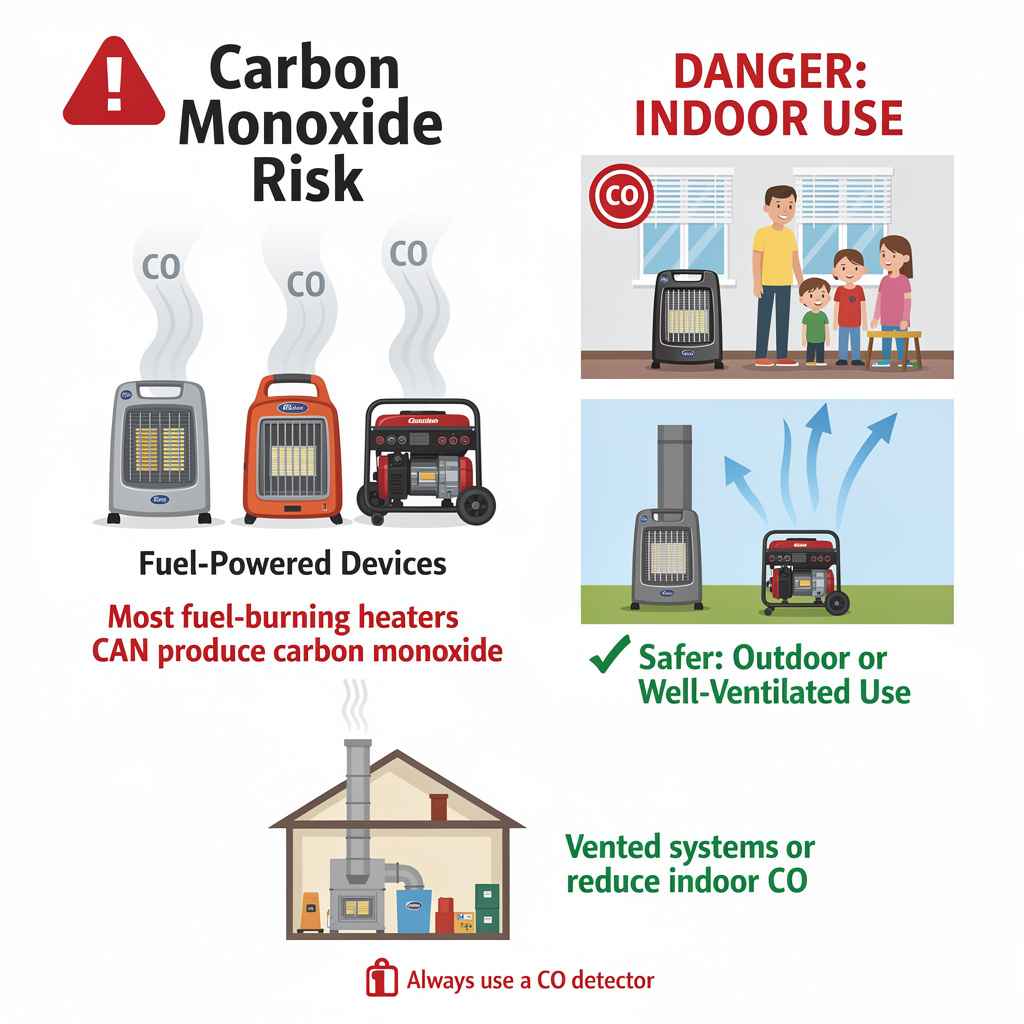
The short answer is: Yes, most fuel-powered portable heaters, by their very nature of burning fuel, produce carbon monoxide (CO) as a byproduct. This is a critical safety concern that requires careful understanding and strict adherence to safety guidelines.
Understanding How Fuel Heaters Work and Produce CO
So, why do these heaters make carbon monoxide? It all comes down to how they burn fuel. Think of a campfire or a gas stove. When fuel, like propane or kerosene, burns, it mixes with oxygen in the air. This burning process creates heat, which is what we want. But it also creates byproducts.
The ideal situation is complete combustion. This means all the fuel burns perfectly, and the main things produced are carbon dioxide (CO2) and water vapor. We breathe out CO2, and water vapor just makes the air a bit more humid. But in the real world, especially with portable heaters that might not have perfect airflow, combustion isn’t always complete.
This is where carbon monoxide (CO) comes in. When there isn’t enough oxygen for the fuel to burn fully, incomplete combustion happens. Instead of just CO2, you get CO. It’s like a partial burn. This CO is the dangerous part. It’s a colorless and odorless gas, which is why it’s so sneaky. You can’t see it, smell it, or taste it.
The amount of CO produced depends on a few things. How efficiently the heater burns its fuel is a big one. The type of fuel also plays a role. The design of the heater and how well it’s maintained are super important too. Even the amount of fresh air available in the space where the heater is running matters a lot.
The Science Behind Incomplete Combustion
Let’s break down the chemistry a bit, but keep it super simple. When you burn a hydrocarbon fuel (that’s most fuels like propane, kerosene, natural gas), the main reaction is with oxygen (O2).
If everything goes perfectly (complete combustion), you get:
Fuel + O2 → CO2 + H2O + Heat
But if oxygen is limited, you get a side reaction (incomplete combustion):
Fuel + limited O2 → CO + H2O + Heat (and other stuff)
Carbon monoxide (CO) is a gas that your body can take in. When you breathe it in, it attaches to the red blood cells in your body. Red blood cells are supposed to carry oxygen all around your body. But CO is much better at sticking to those red blood cells than oxygen is. So, it stops your blood from carrying oxygen. This is why CO is so harmful.
My First Scare with Portable Heat
I remember the first time I really understood the seriousness of carbon monoxide. It was a few years back. We had a bad ice storm hit, and the power went out for almost two days. It was freezing in the house. My husband found an old kerosene heater in the garage. We thought it was a lifesaver.
We set it up in the living room, made sure the windows were cracked just a tiny bit (we thought that was enough), and huddled around it. It was cozy, and we were so relieved to have some warmth. But about six hours in, I started feeling really weird. I had a dull headache, and I felt a little dizzy. My husband was just really tired, more than usual. My daughter, who was younger then, just seemed a bit grumpy and sleepy.
We didn’t think much of it at first. We figured it was just the stress and the cold. But then my husband mentioned he felt a bit nauseous. That’s when a little alarm bell went off in my head. I remembered reading something, somewhere, about portable heaters. I grabbed my phone, and miraculously, I had a tiny bit of service. A quick search about portable heater symptoms popped up warnings about carbon monoxide.
My heart jumped into my throat. We rushed to open all the windows, even though it was freezing outside. We took our daughter outside for some fresh air. We felt so foolish, and so scared. Thankfully, we opened those windows quickly enough. The headache went away fairly fast once we were breathing fresh air. We ended up sleeping with blankets on the couch with all the windows slightly open, which was miserable but safe. That night taught me a huge lesson about respecting fuel-burning appliances.
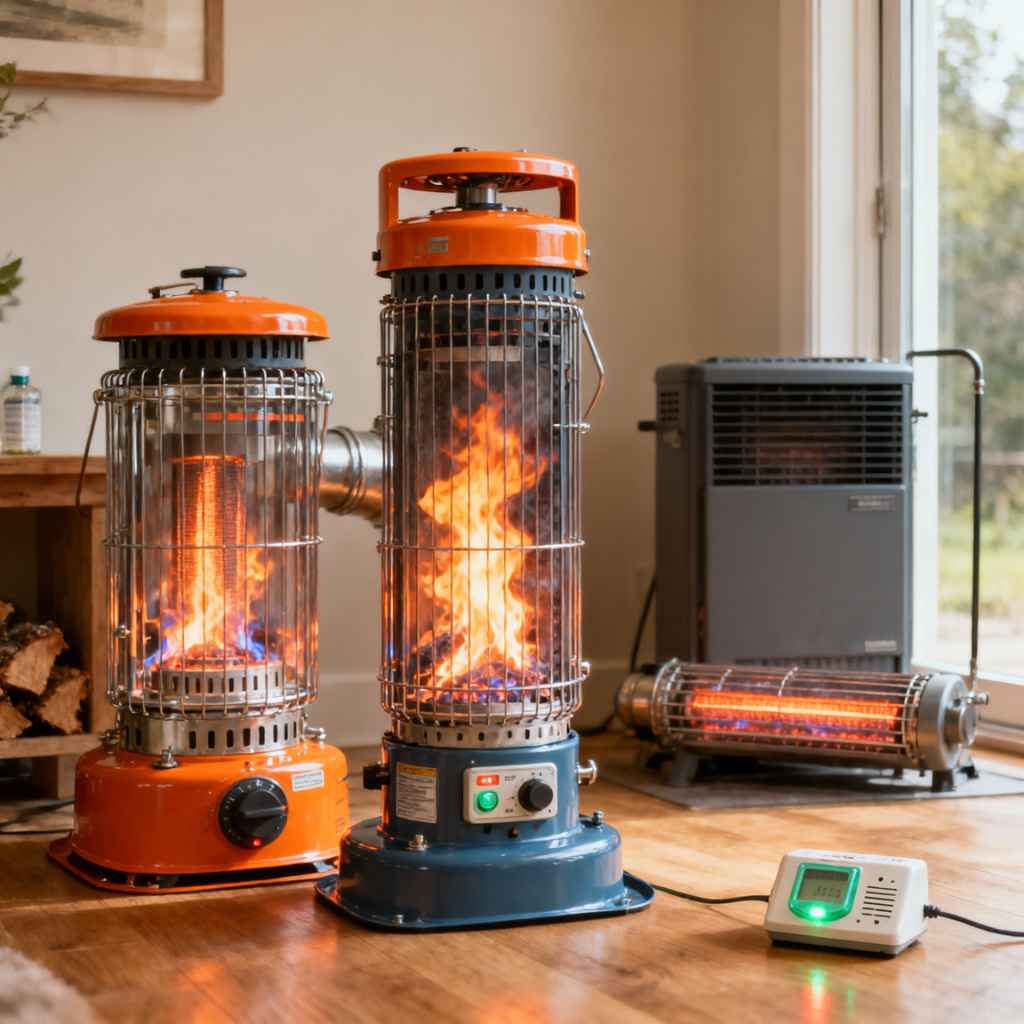
Types of Fuel Heaters and Their CO Risks
Propane Heaters: Very common for camping and DIY. Produce CO, CO2, and water vapor. Good ventilation is key.
Kerosene Heaters: Often used for emergency home heating. Also produce CO. Require very good ventilation and maintenance.
Natural Gas Heaters: Used in some homes and RVs. Produce CO. Need proper venting and professional installation.
Diesel Heaters: Popular for RVs and workshops. Burn diesel fuel, producing CO. Always use outdoors or in well-ventilated areas.
Why Venting is Your Best Friend
This brings us to the most critical safety measure: venting. Because these heaters produce CO, you must provide a way for that CO to escape and for fresh air to come in. This is non-negotiable.
Most portable fuel-burning heaters are designed for specific use cases. Many are meant for outdoor use only. Others are designed for indoor use but require specific ventilation setups. This usually means opening a window or door.
Why is cracking a window enough? It creates a path for the exhaust gases, including CO, to go outside. It also allows fresh air to enter the space. This exchange of air keeps the oxygen levels up for the heater to burn more completely and prevents CO from building up to dangerous levels.
The amount of ventilation needed depends on the heater’s size and how long it’s running. A small heater in a large, airy space might need less ventilation than a large heater in a small, enclosed space. However, it’s always better to have too much fresh air than not enough.
When is Venting NOT Enough?
Sometimes, even with a cracked window, things can go wrong.
- Blocked Vents: If snow or debris blocks an outdoor vent, CO can back up into a space.
- Malfunctioning Heater: A damaged or poorly maintained heater might produce more CO than normal.
- Confined Spaces: Small, unventilated spaces like tents or RVs without proper airflow are extremely risky.
- Prolonged Use: Running a heater for many hours straight can slowly build up CO, especially if ventilation is minimal.
The Crucial Role of Carbon Monoxide Detectors
Because CO is invisible and odorless, you absolutely need a way to detect it. This is where carbon monoxide detectors come in. They are your early warning system.
A CO detector is a small electronic device that senses the presence of carbon monoxide gas. When it detects CO at a certain level for a certain amount of time, it sounds a loud alarm. This alarm is designed to wake you up, even if you’re sleeping.
It’s vital to have CO detectors installed in your home. The U.S. Consumer Product Safety Commission (CPSC) recommends installing them on every level of your home and outside sleeping areas. For homes with fuel-burning appliances, like portable heaters, they are even more important.
Think of it like a smoke detector, but for a different, invisible danger. You wouldn’t run a space heater without checking the cord for damage, right? A CO detector is just as essential for safety.
CO Detector Placement and Testing
- Placement: Install on each floor of your home. Place outside sleeping areas. Follow manufacturer instructions.
- Testing: Test your detectors monthly. Use the test button.
- Battery Replacement: Replace batteries at least once a year, or as recommended.
- Unit Replacement: CO detectors have a lifespan. Replace them every 5-10 years.
Real-World Scenarios: When and Where to Use Fuel Heaters Safely
Let’s talk about common places where people use these heaters and what to consider.
Garages and Workshops
Many people like to warm up their garages or workshops with portable heaters. This is often a good use case, but with specific rules. Garages usually have a decent amount of air exchange. However, if your garage is very well-sealed or attached to your home, you need to be extra careful.
Always ensure the garage door is at least cracked open a bit. If there’s a direct vent to the outside, that’s even better. Never sleep in a garage heated by a fuel-burning appliance. Make sure you have a CO detector inside the garage if it’s attached to your living space.
Camping and RVs
This is where the risk can be highest. Tents and RVs are small, enclosed spaces. Running a fuel-burning heater inside without proper, continuous ventilation is extremely dangerous. Many portable heaters are marked “for outdoor use only” for a reason.
If you use a heater in an RV, it must be specifically designed and approved for RV use, and it needs to be properly vented to the outside. Even then, always have a CO detector inside. For tents, it’s best to rely on sleeping bags and warm clothing. If you absolutely must use a small heater in a tent, ensure extreme ventilation and never sleep while it’s running.
Emergency Home Heating
When the power goes out in winter, a portable fuel heater can be a lifesaver. But it comes with serious caveats. Never use a fuel-burning heater inside a completely sealed-off room or basement. Always open a window in the room where the heater is.
Make sure everyone in the house knows the risks. Have working CO detectors and fresh batteries. If you feel any symptoms like headache, dizziness, or nausea, turn off the heater immediately and get fresh air.
Outdoor Patios and Construction Sites
These are generally safer environments because they are open to the air. However, even here, you should be aware of wind direction. Don’t position yourself or others directly in the exhaust plume.
Myth vs. Reality: Portable Heater Safety
Myth: If I can’t smell anything, there’s no carbon monoxide.
Reality: Carbon monoxide is odorless and colorless. You cannot detect it with your senses alone.
Myth: Cracking a window is always enough ventilation.
Reality: It’s a necessary step, but the amount of ventilation needed varies. A CO detector is the only sure way to know if CO is building up.
Myth: Newer heaters are safer and don’t produce much CO.
Reality: All fuel-burning appliances produce CO. Safety features help, but they don’t eliminate the risk without proper use and ventilation.
What This Means for You: When is CO a Problem?
So, how do you know when the CO levels are becoming dangerous? Your CO detector is your primary guide.
When CO Levels are Normal
- Your CO detector remains silent.
- You feel alert and have no unusual symptoms like headaches or dizziness.
- The air in the room feels fresh.
This generally means the heater is burning efficiently, and there is enough fresh air exchange.
When CO Levels Might Be Concerning
- You start feeling a dull headache, especially in the front of your head.
- You feel dizzy or lightheaded.
- You feel nauseous or are vomiting.
- You feel unusually tired or weak.
- Your CO detector chirps or sounds a warning.
These are all signs that CO might be building up. It’s your body telling you something is wrong.
When to Worry Immediately
- Your CO detector sounds a loud, continuous alarm.
- Multiple people in the room are experiencing symptoms.
- You suspect CO poisoning.
In these situations, your priority is to get everyone to fresh air immediately. Call 911 or your local emergency services. Do not go back inside until emergency responders have cleared the area.
Simple CO Checks for Your Heater
Visual Inspection: Look for any damage to the heater, its fuel lines, or ignition parts. Ensure no parts are rusted or broken.
Fuel Line Check: Make sure fuel lines are securely connected and not leaking.
Burner Area: If you can see the burner (safely, after it’s off and cool), look for any signs of blockage or damage.
Manufacturer’s Manual: Always read and follow the manual for specific maintenance and safety checks.
Quick Tips for Safe Portable Heater Use
If you choose to use a fuel-powered portable heater, following these tips can make a big difference in safety.
- Always Use a CO Detector: This is the most important tip. Make sure it has fresh batteries and is working.
- Read the Manual: Every heater is different. The manual has specific safety instructions for that model.
- Ventilate, Ventilate, Ventilate: Crack a window or door. Never use these heaters in a completely sealed-off space.
- Use Outdoors When Possible: If the heater is rated for outdoor use, use it outdoors.
- Never Sleep with It On: Turn off fuel-burning heaters before you go to sleep.
- Keep Away from Flammables: Maintain a safe distance from curtains, furniture, and other burnable items.
- Proper Fuel Storage: Store fuel in approved containers away from heat sources.
- Regular Maintenance: Keep your heater clean and maintained. Replace worn parts.
- Know the Symptoms: Be aware of the signs of CO poisoning in yourself and others.
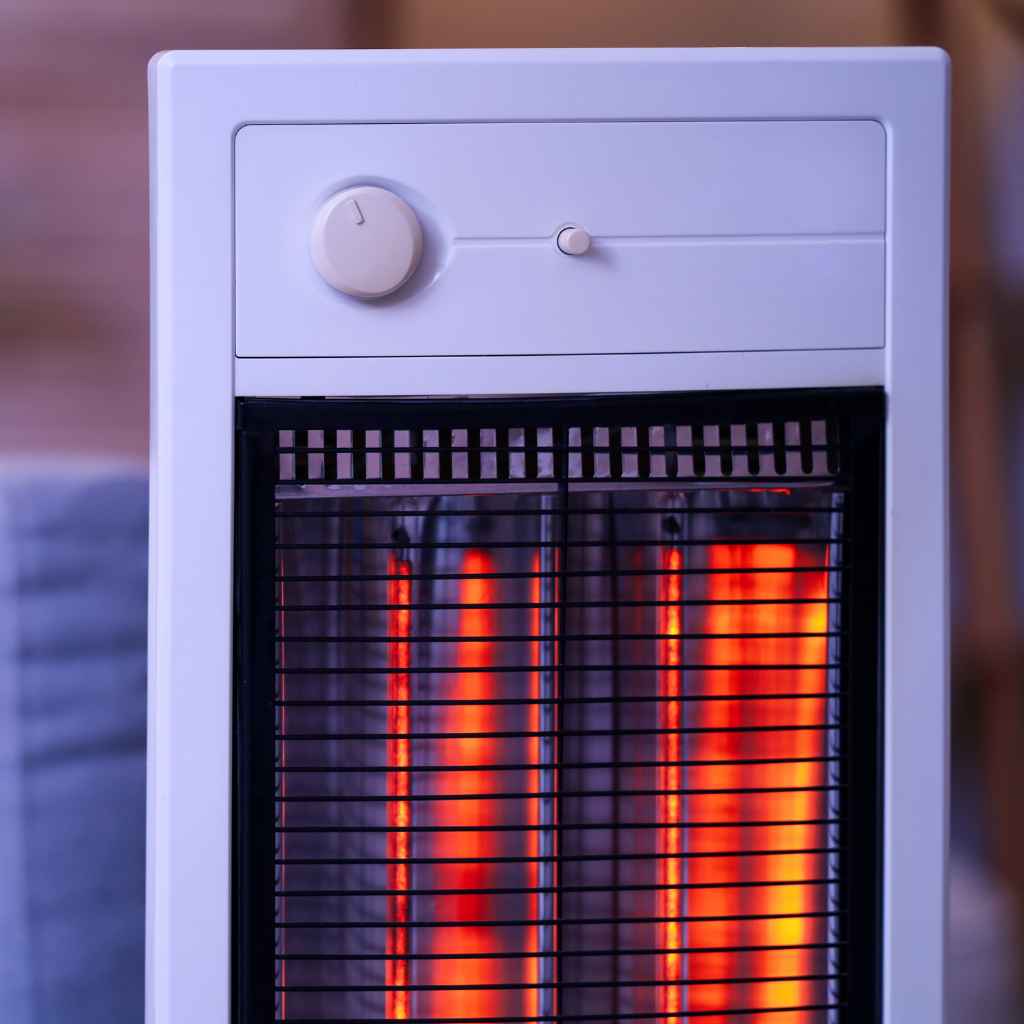
Frequently Asked Questions About Fuel Heaters and CO
Do all portable heaters produce carbon monoxide?
No, not all portable heaters produce carbon monoxide. Electric portable heaters do not burn fuel, so they do not produce CO. However, heaters that burn fuel like propane, kerosene, or natural gas do produce carbon monoxide as a byproduct of combustion.
Can I use a portable propane heater in my garage?
You can use a portable propane heater in your garage, but only with proper ventilation. Ensure the garage door is at least cracked open. It is also highly recommended to have a working carbon monoxide detector in the garage, especially if it is attached to your home.
What happens if you inhale carbon monoxide?
When you inhale carbon monoxide, it attaches to your red blood cells. This prevents your blood from carrying oxygen to your body’s organs. Symptoms can range from mild headaches and dizziness to nausea, confusion, unconsciousness, and even death, depending on the concentration and length of exposure.
How much ventilation is needed for a portable heater?
The amount of ventilation needed depends on the heater’s size, the fuel it burns, and the size of the space. As a general rule, always crack a window or door in the room where the heater is operating. A carbon monoxide detector is the best way to ensure adequate ventilation by alerting you to rising CO levels.
Are indoor-safe propane heaters truly safe?
Heaters marketed as “indoor-safe” have features like oxygen depletion sensors or tip-over shutoffs. While these improve safety, they do not eliminate the risk of carbon monoxide production. Proper ventilation and a carbon monoxide detector are still essential for all fuel-burning heaters, even those rated for indoor use.
When should I replace my carbon monoxide detector?
Carbon monoxide detectors have a limited lifespan, typically between 5 and 10 years, depending on the model. Always check the manufacturer’s recommendations and replace the unit by its expiration date, even if it seems to be working. Test the detector monthly and replace batteries as needed.
Staying Warm and Staying Safe
Fuel-powered portable heaters can be a great source of warmth when used correctly. They offer comfort and utility in many situations. But understanding that they produce carbon monoxide is the first, and most important, step. It’s not about fear; it’s about awareness and taking simple, effective precautions.
Always prioritize ventilation, install and maintain working carbon monoxide detectors, and never use these heaters in a way they weren’t designed for. By respecting the power of these appliances and following safety guidelines, you can enjoy the warmth they provide without putting yourself or your loved ones at risk.
Sponsored / affiliate links. As an Amazon Associate I earn from qualifying purchases. I may earn additional commission from eligible campaigns.
 Sileduove USB Powered Portable Air Cooler With Quiet Three Fan For Desk Office Bedroom Use Equipped With Built In Night Light And Hanging Hook(No for battery life)
 Sileduove USB Powered Portable Air Cooler With Quiet Three Fan For Desk Office Bedroom Use Equipped With Built In Night Light And Hanging Hook(2400mAh)