Why Do Some Portable Heaters Run At Higher Temperatures?
Understanding Portable Heater Temperatures
Portable heaters are great for warming up a room fast. They bring cozy warmth right where you need it. But sometimes, the heat they put out feels intense.
This can happen for a few reasons. It’s not always a sign of trouble. Often, it’s just how the heater is designed.
Or it might be doing exactly what it’s supposed to do. Understanding these different reasons helps ease your mind. It also helps you use your heater safely.
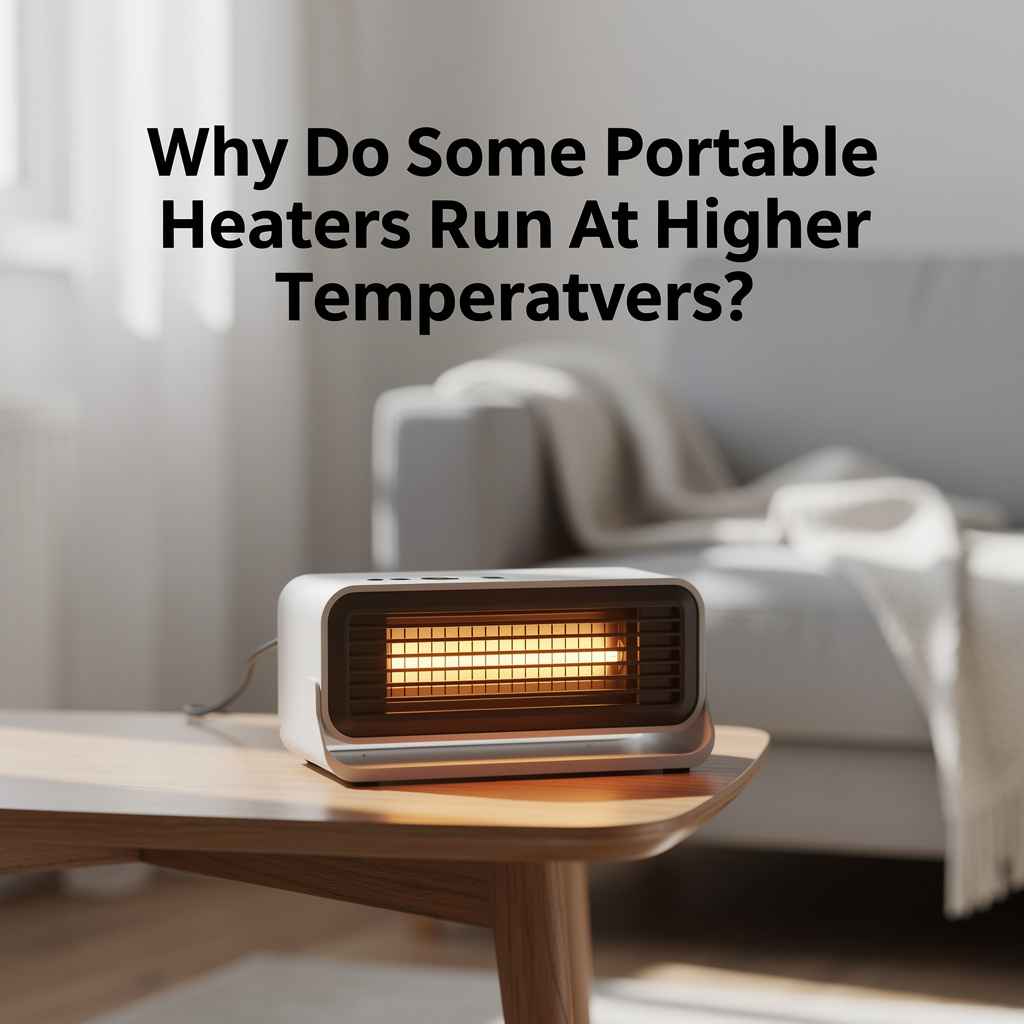
A portable heater’s surface temperature can vary based on its design, heating element type, and intended use. Some models are built to achieve higher surface temperatures for more effective radiant heat, while others prioritize lower surface temps for increased safety, especially in homes with children or pets. It’s crucial to check the manufacturer’s specifications and safety ratings.
The Science Behind the Heat: How Heaters Work
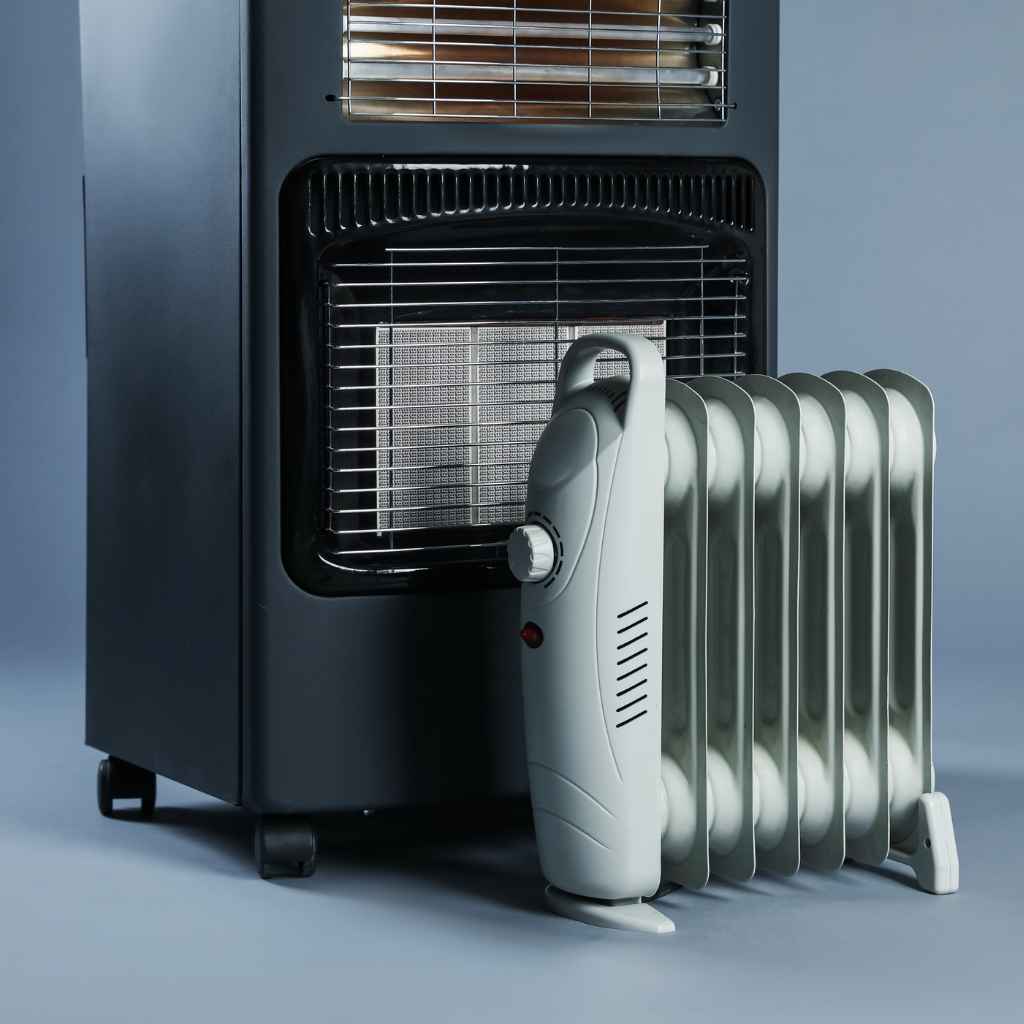
Portable heaters come in many types. Each works a bit differently. This affects how hot they feel.
Think of a simple ceramic heater. It uses a heating element. This element gets very hot.
Then, a fan blows air over it. This warm air then blows into your room. The surface of the ceramic parts can get quite warm.
This is normal for this type. It’s how it gives off heat efficiently.
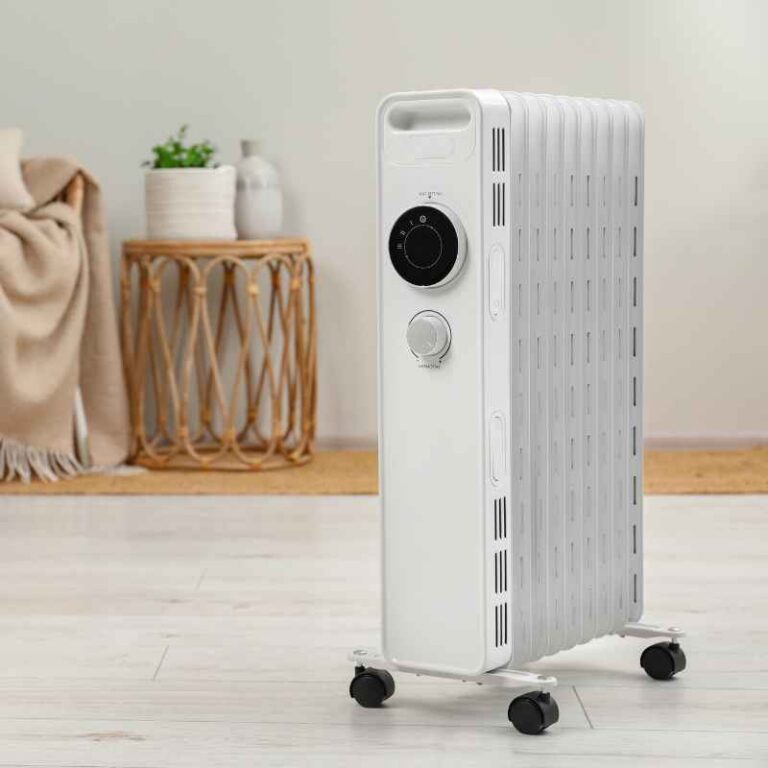
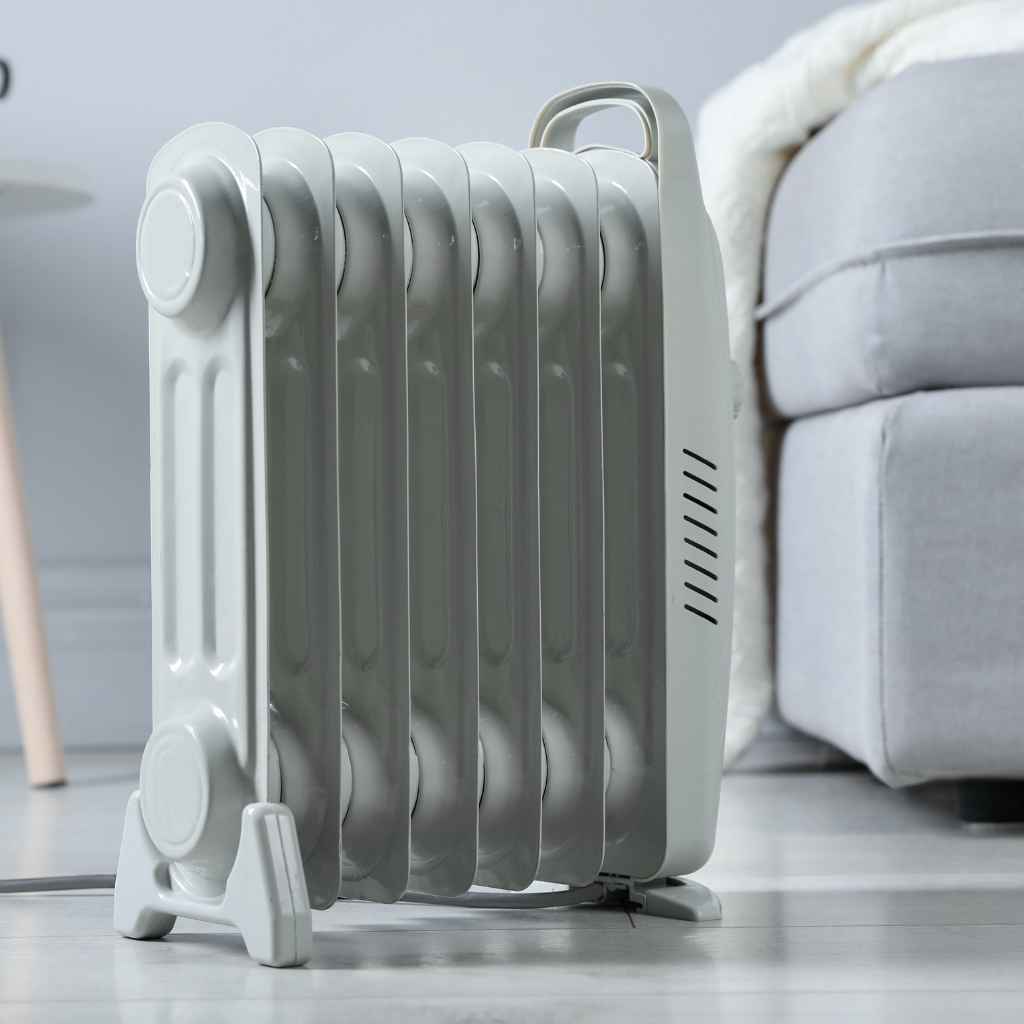
Another type is an oil-filled radiator. These look like old-fashioned radiators. They have oil inside.
The heating element heats the oil. The oil then heats the metal fins. This heat then warms the air around it.
These tend to feel warm but not scorching hot. They heat up more slowly. But they also keep the room warm for longer.
They release heat gently over time.
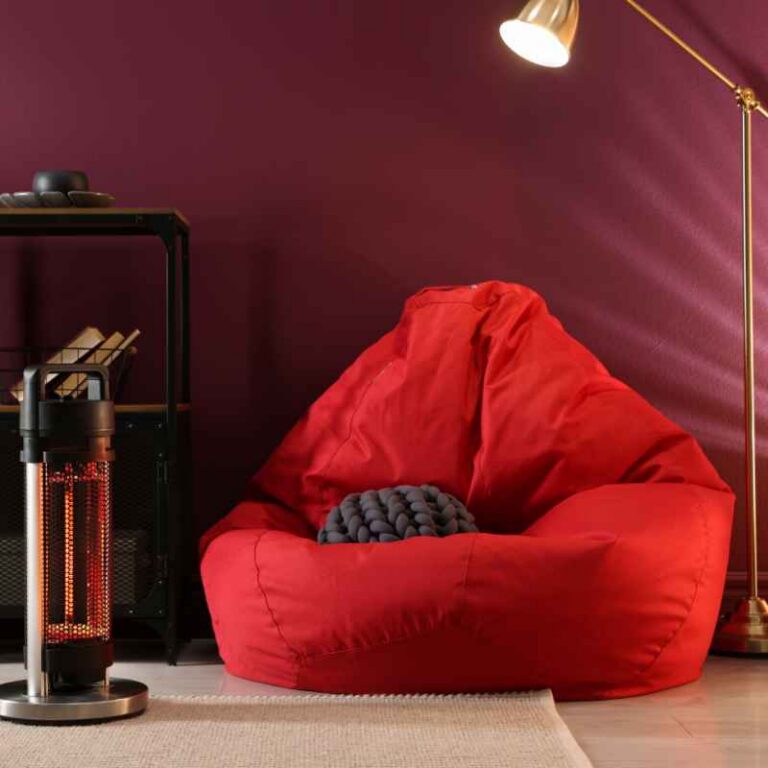
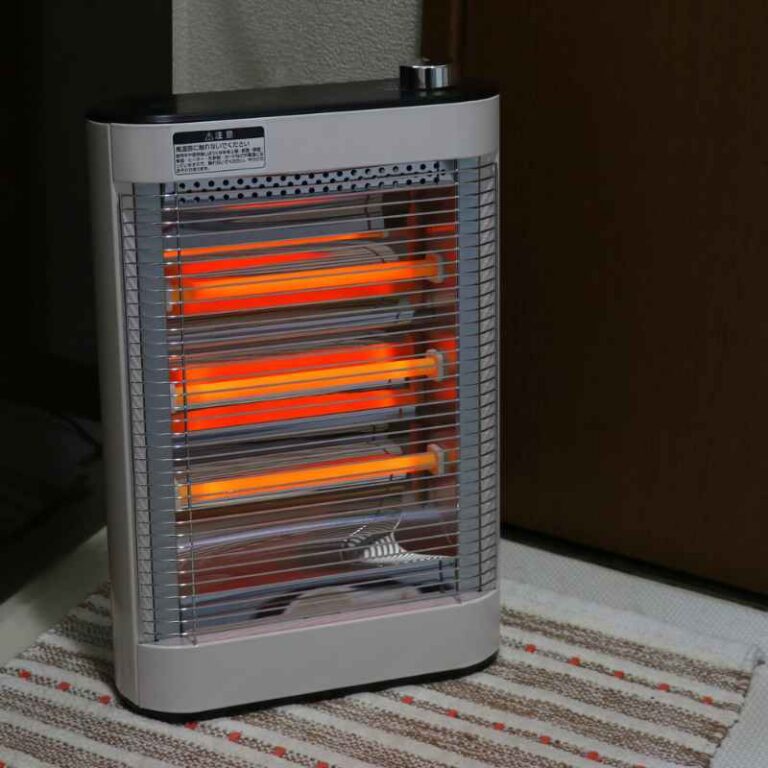
Then there are infrared or radiant heaters. These work like the sun. They send out waves of heat.
These waves heat objects and people directly. They don’t heat the air as much. The glowing elements on these can get extremely hot.
This is by design. They are meant to provide quick, direct warmth. You feel the heat even if the air isn’t super warm yet.
So, the outside parts can be quite hot to the touch.
My Own Heater Scare: A Close Call with Heat
I remember one particularly cold winter. I had just bought a new space heater. It was a compact model.
It promised to heat my small office quickly. I plugged it in and turned it on. Within minutes, a strong, hot smell filled the air.
I nervously touched the side. Wow, it was much hotter than my old heater. I felt a knot of panic in my stomach.
Was it broken? Was it a fire hazard? I nearly unplugged it and threw it in the garage.
But then I remembered reading the manual. It mentioned that this model used a high-efficiency ceramic element. It also said the outer casing might feel hot.
I took a deep breath and looked closer. The heat was mostly coming from the vents. The main body felt warm, but not dangerously so.
I let it run for a bit longer. It heated the room perfectly. That experience taught me to trust the design, but also to always check manuals.
And to be aware of the different ways heaters work. It was a silly scare, but a valuable lesson learned.
Heater Types and Surface Temperatures
Ceramic Heaters: Often have hot surfaces, especially near the heating element and fan vents. Designed for quick spot heating.
Oil-Filled Radiators: Generally have warm, not intensely hot, surfaces. They provide a more even, sustained heat.
Infrared/Radiant Heaters: The glowing elements and reflective surfaces get very hot. They heat objects directly.
Convection Heaters: Warm air rises from the unit. The outer casing is usually warm but not excessively hot.
Factors Influencing Heater Temperature
Several things decide how hot your heater gets. The type of heating element is a big one. Some materials can handle higher temperatures.
They also transfer heat better. For instance, a nichrome wire gets hotter than a PTC ceramic element. The wattage of the heater also matters.
A 1500-watt heater will naturally run hotter than a 750-watt one. This is because it’s putting out more power.
The design of the casing plays a role. Some heaters have vents designed to let out maximum heat. Others have thicker casings.
These casings help insulate the heat inside. They can also keep the outside cooler. The ambient room temperature also affects it.
If the room is already quite warm, the heater might not need to work as hard. This could mean it doesn’t feel as hot. Conversely, in a very cold room, it will work harder and feel hotter.
The distance of the heating element from the outer shell is important too. If the hot parts are close to the outside, the surface will be hotter. If there’s more material in between, the outside stays cooler.
Think of it like a pot on a stove. The bottom gets very hot. The handle might just get warm.
It depends on how it’s made.
Quick Scan: What Makes a Heater Hotter?
- Heating Element Material: Some metals and ceramics get hotter.
- Wattage: Higher wattage means more power and more heat.
- Airflow Design: Vents can direct hot air or heat the casing.
- Casing Material & Thickness: Insulation affects outer warmth.
- Proximity of Element to Outer Shell: Closer means a hotter surface.
- Room Temperature: Colder rooms make the heater work harder.
Surface Temperature vs. Air Temperature
It’s easy to mix up surface temperature and air temperature. A heater can have a very hot surface. But it might not be heating the air efficiently.
Or it might be heating the air but the casing stays cooler. Radiant heaters are a good example. Their glowing elements get extremely hot.
But they are designed to warm you directly. The air around them might not feel as hot. The objects they shine on get warm.
Convection heaters, on the other hand, focus on heating the air. They draw in cooler air. They heat it up.
Then they push the warm air out. The outer casing of these heaters usually stays much cooler. This is because the heat is mostly transferred to the air.
The air then circulates. So, you might feel the warm air coming out. But the metal or plastic shell of the heater itself won’t feel as hot.
Ceramic heaters can be a mix. The ceramic plates get hot. The fan blows air over them.
So you get warm air. The ceramic parts themselves will be hot. But the fan and outer casing might be cooler.
It really depends on the specific design. Always pay attention to the air coming out. Also, feel the main body of the heater carefully.
Don’t just assume one hot spot means the whole unit is unsafe.
Safety Standards and What They Mean
In the U.S., many safety standards exist for portable heaters. Organizations like Underwriters Laboratories (UL) test these products. They ensure heaters meet safety guidelines.
For example, UL certification means the heater has been tested for fire hazards. It also means it’s safe for normal household use. This includes checks on how hot the surfaces can get.
For instance, there are limits on how hot certain parts of a heater can become. This is especially true for surfaces that might be touched. Or surfaces that could touch furniture or curtains.
A heater that feels very hot might still be safe. It just needs to meet these specific standards. The manual usually states if the unit has UL certification.
It also often gives guidelines on safe clearance. This means how far away it should be from walls or other objects.
If a heater feels dangerously hot to the touch. Or if it smells like burning plastic constantly. And if it doesn’t have safety certifications.
Then it’s time to worry. These could be signs of a defect or a safety issue. Always look for these certification marks.
They are your first line of defense. They tell you the product has been vetted.
When High Temperatures Signal a Problem
While some heaters are designed to run hot, there are times when you should be concerned. One big sign is a persistent burning smell. This isn’t the normal smell of warm air.
It’s more like plastic or electrical burning. This could mean something inside is overheating. It might be a wire or a motor.
This is a serious fire risk.
Another sign is if the heater starts making strange noises. Things like sizzling, popping, or buzzing. These sounds are not normal.
They can indicate internal issues. They might mean a part is about to fail. Or that it’s overheating in a way it shouldn’t.
Physical damage is also a red flag. If the casing is cracked or warped. Or if the cord looks frayed or damaged.
Don’t use it. These issues can lead to electrical shorts. They can also cause overheating.
If you see any of these things, stop using the heater immediately. Unplug it and contact the manufacturer. Or consider replacing it.
Safety should always come first.
Red Flags: When High Heat is NOT Normal
Persistent Burning Smell: Suggests overheating internal components.
Strange Noises: Sizzling, popping, or buzzing indicate internal problems.
Visible Damage: Cracks, warping, or frayed cords are serious safety risks.
Overheating the Room Excessively: If the room becomes uncomfortably hot very quickly and the heater can’t be controlled, it may be malfunctioning.
Melting Plastic: Any sign of plastic melting on the unit or nearby is extremely dangerous.
Real-World Scenarios: Where Hot Heaters Are Common
Think about a small, enclosed office space. You want it warm quickly. A compact ceramic heater with a powerful fan might be used.
The heating elements inside get very hot. The fan blows air directly over them. So, the air coming out is hot.
The front grille might feel quite warm. This is normal for this type of heater in this setting.
Consider a garage or workshop. People often use rugged, industrial-style heaters there. These might be quartz infrared heaters.
They have glowing elements. These elements get incredibly hot. They are designed to give off intense radiant heat.
They heat tools and workbenches almost instantly. The surfaces you can see are very hot by design. Safety in these spaces often relies more on clearance and not touching them.
In a living room, you might have an oil-filled radiator. It’s on low heat. It will feel warm to the touch, maybe pleasantly so.
But it won’t feel intensely hot. Its job is to maintain a steady temperature. It’s not meant to produce searing heat on its surface.
The goal is gentle, consistent warmth.
Another example is a personal desk heater. These are small. They often have a fan.
They direct warm air right at you. The plastic casing might feel warm. The vents will blow warm air.
But the intent is personal comfort, not heating a whole room. So, the temperatures are usually managed to be safe for close proximity.
Scenario Spotlight: The Office Heater
Situation: A small, often chilly office where quick warmth is needed.
Common Heater Type: Compact ceramic heater with a fan.
Observed Temperature: Front grille and vents feel very warm. Air output is noticeably hot.
Why it’s Normal: Designed for rapid air heating. High-efficiency ceramic elements and strong airflow generate hot air quickly. Surface warmth is a byproduct of this efficient heating process.
Safety Note: Ensure proper clearance from papers and other materials.
Understanding Your Heater’s Manual is Key
I can’t stress this enough: read the manual! It’s often the most overlooked step. Your heater’s manual is like a guide written just for that specific device.
It tells you exactly how it’s supposed to work. It also tells you what temperatures are normal. Some manuals will even list the maximum surface temperatures for different parts of the heater.
This is super important information.
The manual will also detail any safety features. Like tip-over protection or overheat shut-off. It will explain what the different settings mean.
And it will give you clear instructions on how to use it safely. This includes how to clean it and where to place it. If you’re unsure about how hot your heater feels, the manual is your best friend.
It can confirm if your experience matches the manufacturer’s expectations.
If you lost your manual, don’t despair. Most manufacturers have them available online. You can usually find them on their website by searching for your model number.
Taking a few minutes to review this document can save you a lot of worry. It can also prevent dangerous situations. It’s a small effort for a lot of peace of mind.
Tips for Safe Heater Usage
Always place your heater on a flat, stable surface. This prevents it from tipping over. Most modern heaters have a tip-over switch.
This will shut them off if they fall. But it’s still best to avoid the situation. Keep heaters at least three feet away from anything flammable.
This includes curtains, furniture, bedding, and paper. This is crucial, no matter how hot the heater feels.
Never leave a portable heater running unattended. Especially when you go to sleep. Or when you leave the house.
Turn it off and unplug it. Make sure the cord isn’t a tripping hazard. Don’t run it under rugs or carpets.
This can trap heat. It can cause a fire. Also, avoid using extension cords if possible.
If you must use one, make sure it’s heavy-duty and rated for the heater’s wattage.
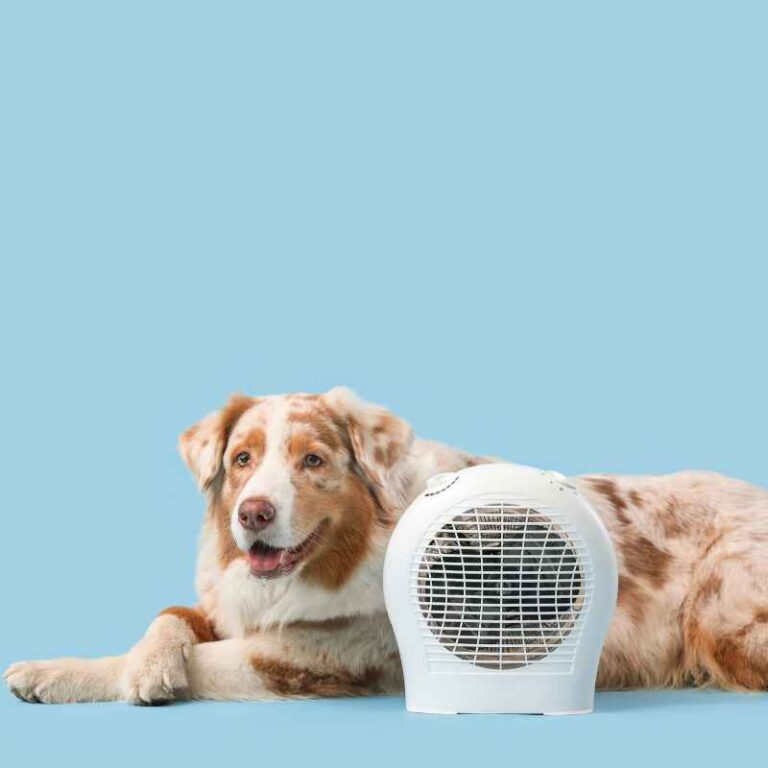
Keep children and pets away from the heater. Even if the surface isn’t scorching, a prolonged touch can still cause burns. Supervise them closely when a heater is in use.
Clean your heater regularly. Dust can build up on the heating elements and vents. This can reduce efficiency.
It can also be a fire hazard. Check the manufacturer’s instructions for cleaning. Usually, it involves unplugging the heater and wiping it down with a dry cloth.
Your Heater Safety Checklist
- Placement: Flat, stable surface, 3 feet from flammables.
- Supervision: Never leave unattended, especially when sleeping.
- Cords: Use directly in outlet; heavy-duty extension cords only if necessary. Avoid rugs.
- Children & Pets: Keep a safe distance.
- Cleaning: Dust regularly as per manual instructions.
- Damage: Discontinue use if cord is frayed or unit is damaged.
When to Seek Professional Advice
If your heater seems excessively hot. Or if it’s making unusual sounds. Or if you smell burning plastic.
And the manual doesn’t explain it. Then it’s time to get help. Don’t try to fix it yourself.
Electrical and heating systems can be dangerous. You could make the problem worse. Or injure yourself.
Contact the manufacturer of the heater first. They can tell you if the temperature you’re experiencing is normal. They can also advise on any known issues with your model.
If the heater is under warranty, they can guide you through a repair or replacement. If the heater is old or not under warranty, you might consider a qualified appliance repair technician.
If you suspect a fire hazard. Or if you notice any electrical issues with your home’s wiring. Call a qualified electrician.
It’s better to be safe than sorry. Especially when it comes to heat and electricity. Trust your instincts.
If something feels wrong, it probably is. Getting professional advice ensures your safety and the longevity of your appliance.
FAQs About Portable Heater Temperatures
Why does my portable heater feel hotter than my old one?
Newer heaters often use more efficient heating elements. These can reach higher temperatures to warm rooms faster. Also, designs change over time.
Your old heater might have been less efficient or had a different type of element. Always check the manual for expected temperatures.
Is it normal for a ceramic heater’s front grille to be very hot?
Yes, it is often normal for the front grille and vents of a ceramic heater to feel very hot. This is where the heated air is expelled. The ceramic elements inside get extremely hot to warm the air efficiently.
Just ensure there’s proper clearance from flammable items.
My infrared heater has glowing parts. Should they be that hot?
Infrared or radiant heaters work by emitting heat waves. The glowing elements are designed to get extremely hot. This is how they produce intense radiant heat.
The heat is directed at objects and people. This is normal operation for this type of heater. Be very careful not to touch these glowing parts.
What is a safe surface temperature for a portable heater?
Safety standards vary by heater type and surface area. Generally, surfaces designed to be touched should not exceed temperatures that cause instant burns. However, heating elements and direct airflow vents will be much hotter.
Always refer to your heater’s manual for specific safe temperature guidelines and clearance distances.
Should I be worried if my heater smells hot?
A faint, temporary “new appliance” smell is sometimes normal on the first few uses. However, a persistent strong smell of burning plastic or electrical components is a serious concern. This indicates overheating and a potential fire hazard.
Unplug the heater immediately and do not use it.
How can I tell if my heater is overheating?
Signs of overheating include a strong burning smell, unusual noises like sizzling or popping, smoke coming from the unit, or the heater shutting itself off unexpectedly (if it has overheat protection). If you notice any of these, unplug the heater at once.
Final Thoughts on Heater Warmth
Understanding why your portable heater feels hot is key. It’s often about design and efficiency. Different types have different heat profiles.
Always check your manual. Prioritize safety. Keep flammable items away.
And if something seems wrong, don’t hesitate to seek professional advice. Enjoy your cozy space safely!
Sponsored / affiliate links. As an Amazon Associate I earn from qualifying purchases. I may earn additional commission from eligible campaigns.