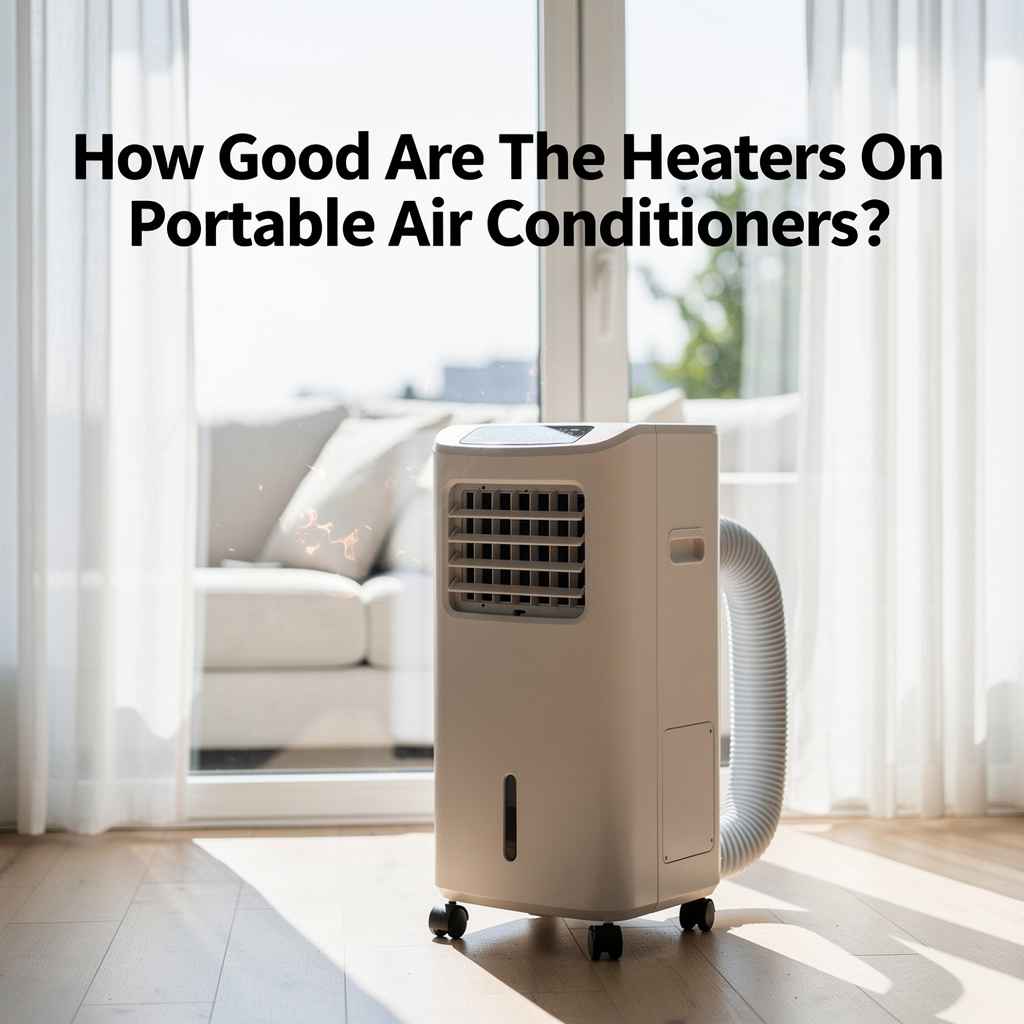
How Good Are The Heaters On Portable Air Conditioners?
Portable air conditioners are great for cooling. Many models also offer a heating function. But how well do these heaters actually work?
It’s a common question for folks looking to get more use from their single unit.
Portable air conditioner heaters are generally good for supplemental warmth in small spaces. They aren’t typically powerful enough to be a primary heat source for an entire home or large rooms, especially in very cold climates. Their effectiveness depends on the unit’s size, heating capacity, and your home’s insulation.
Understanding Portable Air Conditioner Heaters
A portable air conditioner with a heating function is a versatile appliance. It can cool your room in the summer and warm it up in the winter. This dual capability seems like a fantastic way to save space and money.
You get two appliances in one.
These units work by reversing the refrigeration cycle. In cooling mode, they take heat from inside your room and push it outside. In heating mode, they essentially do the opposite.
They draw in outside air, extract heat from it, and blow warm air into your room.
The big question is always about their strength. Can they really heat a room as well as a dedicated heater? The answer is usually not quite.
Let’s dive deeper into why this is.
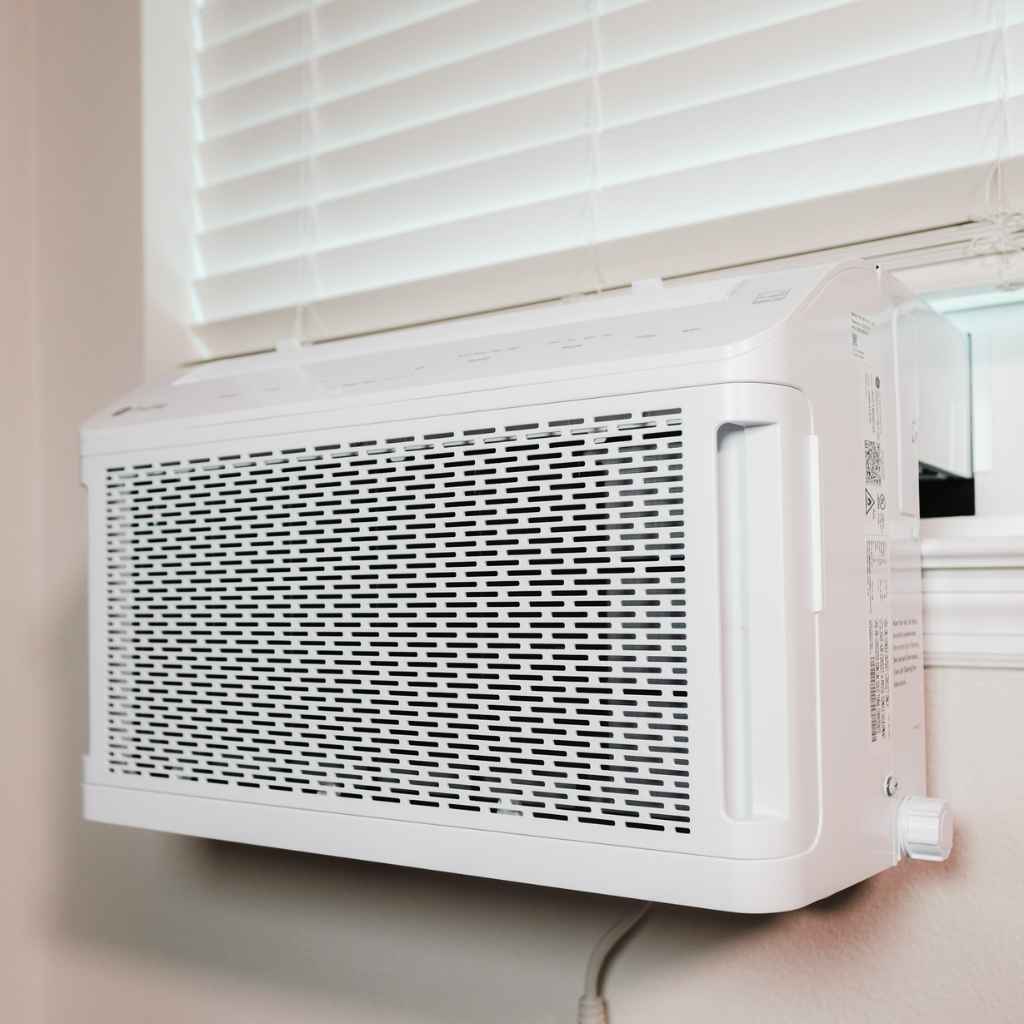
My Own Experience With a Dual-Function Unit
I remember buying my first portable AC that also had a heater. It was late September. The summer heat had broken, but the nights were getting chilly.
I thought, “Perfect! I can use this little guy for both.” I set it up in my home office, a medium-sized room, maybe 150 square feet.
The first evening, I switched it to heat. I set the thermostat to 70 degrees. The unit started humming, and warm air did come out.
But it took a surprisingly long time to feel any difference. The room felt stuffy and warm, but not cozy. I could still feel a draft from the window.
It wasn’t bad enough to make me put on a sweater, but it also wasn’t making me feel truly warm. It felt like it was trying its best, but it was struggling.
After a few hours, the room was somewhat warmer, but the unit was running constantly. I worried about my electricity bill. It felt like it was working much harder than my old space heater ever did.
This experience taught me that while it can heat, it’s not a powerhouse. It’s more of a gentle warmer.
How They Heat: The Science Simplified
Mechanism: It uses a reverse heat pump cycle. It pulls heat from outside air and moves it inside.
Energy Source: It uses electricity to run the compressor and fan. It doesn’t burn fuel like a furnace.
Heating Capacity: Measured in BTUs (British Thermal Units). Higher BTU means more heating power.
Limitations: Efficiency drops significantly in very cold weather.
The Pros of Portable AC Heaters
Even with their limitations, portable AC heaters offer some real benefits. Let’s look at the good stuff.
Space Saving
This is a big one for many people. Having one unit that does both cooling and heating means you don’t need separate appliances cluttering up your home. This is especially helpful in smaller apartments or rooms where space is tight.
Convenience
You can move it around. Need to warm up your bedroom at night? Move it there.
Want to cool your living room during the day? Roll it over. This mobility is a major perk.
Supplemental Heat
For mild weather or small spaces, they can be quite effective. If you just need to take the chill off a room, or if your main heating system struggles in one particular area, a portable unit can help.
Cost-Effective (Potentially)
Buying one unit that serves two purposes can sometimes be cheaper than buying a separate air conditioner and a separate space heater. Plus, you only need to find storage for one item.
Quick Scan: When a Portable AC Heater Shines
- Small Rooms: Perfect for offices, dorm rooms, or small bedrooms.
- Mild Climates: Works best when outdoor temperatures aren’t extremely low.
- Supplemental Heat: Good for taking the edge off a cool evening.
- Seasonal Use: Excellent for bridging the gap between seasons.
The Cons of Portable AC Heaters
Now, let’s talk about where these units sometimes fall short. It’s important to have realistic expectations.
Limited Heating Power
This is the most common complaint. Portable AC heaters usually have a lower heating BTU rating than dedicated space heaters. They are designed to heat smaller spaces, not entire homes or large living areas.
They often struggle in colder temperatures.
Efficiency in Cold Weather
As the outside temperature drops, the unit’s ability to extract heat from the air decreases. Many models are not recommended for use when outdoor temperatures go below freezing (32°F or 0°C). Their heating performance can drop significantly at these low temperatures.
Energy Consumption
While they can be convenient, they aren’t always the most energy-efficient way to heat. Because they often have to run for longer periods to achieve a comfortable temperature, your electricity bill can climb. This is especially true if you’re trying to heat a larger or poorly insulated space.
Noise Level
Like all portable ACs, the heating models have a fan and compressor that produce noise. While some are quieter than others, they can still be noticeable, especially when you’re trying to sleep.
Installation and Venting
While generally easier than window units, portable ACs still require venting. The hose needs to go out a window to exhaust warm air (in cooling mode) or draw in outside air (in heating mode). This setup can be a bit of an eyesore and can sometimes let in drafts if not sealed properly.
Myth vs. Reality: Portable AC Heaters
Myth: They can replace your main furnace.
Reality: They are best for supplemental or small-space heating.
Myth: They heat up a room instantly.
Reality: It takes time, and performance drops in cold weather.
Myth: They are always more energy-efficient than space heaters.
Reality: Depends on the unit, room size, and outside temperature. They can be less efficient if they run constantly.
Heating Capacity and BTUs
When you’re looking at a portable AC with a heater, the BTU rating is crucial. This number tells you how much heat the unit can produce. For heating, it’s often expressed differently than cooling BTUs.
Generally, a 10,000 BTU portable air conditioner might have a heating capacity of around 4,000-5,000 BTUs. This is because the technology used for heating is less powerful per unit of energy than direct electric resistance heating found in many space heaters.
Rule of Thumb:
For cooling, you typically need 20 BTUs per square foot. For heating with a portable AC, the effective heating BTUs are much lower, and it’s best to consider them for smaller spaces.
Think of it this way: a typical electric space heater might offer 1,500 watts of heating power, which converts to about 5,100 BTUs. A portable AC unit’s dedicated heating element might be similar, but the overall system’s efficiency in drawing heat from the outside air is what limits its effective output, especially in colder weather.
If your room is around 150-250 square feet, a portable AC heater with 4,000-5,000 heating BTUs might be adequate for mild temperature boosts. For larger rooms or colder climates, you’ll likely find it insufficient.
Factors Affecting Performance
Several things can impact how well your portable AC heater performs. Understanding these can help you set realistic expectations.
Room Size
This is the biggest factor. A small bedroom (10×10 feet) will warm up much faster than a large living room (20×20 feet). Portable AC heaters are best suited for personal comfort zones.
Insulation and Drafts
A well-insulated room with no drafts will hold heat much better. Older windows, poorly sealed doors, or thin walls can let warm air escape and cold air seep in. This forces the heater to work harder and longer, reducing its effectiveness.
Outside Temperature
As mentioned, cold weather is the enemy of portable AC heaters. When it’s below freezing, the unit might struggle to find enough heat in the outside air to warm your room. Some units are designed to operate down to certain temperatures, but performance will always be better in milder conditions.
Thermostat Settings and Usage
How you use the thermostat matters. Setting it very high might make the unit run constantly, which isn’t efficient. Sometimes, setting it just a few degrees above the current room temperature is enough for supplemental warmth.
Portable AC Heater vs. Other Heating Types
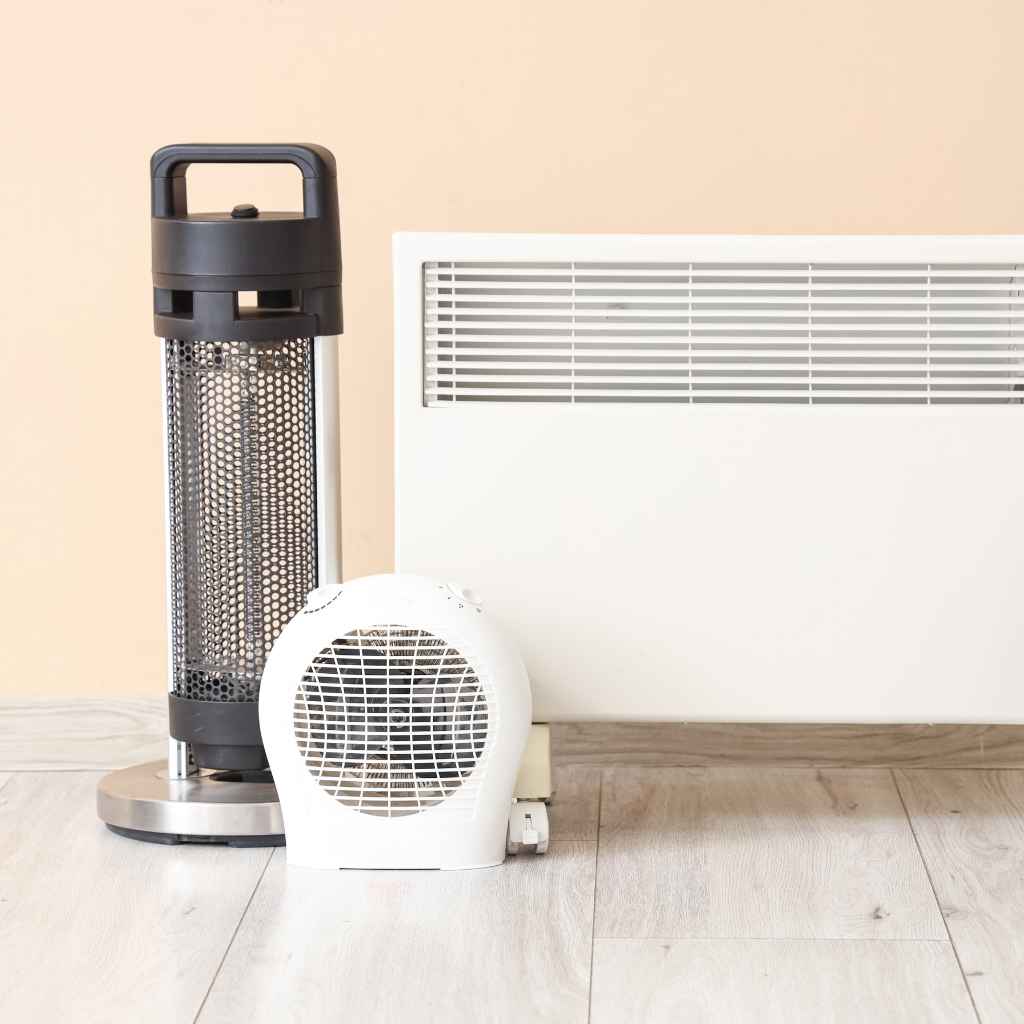
Portable AC Heater: Good for small spaces, mild temps, dual-use. Lower heating power. Can struggle in cold.
Electric Space Heater: Simple, direct heat. Effective for personal zones. Can be energy intensive if used constantly.
Central Heating: Heats entire home. Powerful and efficient for large areas. Less portable, requires ductwork.
Ductless Mini-Split: Very efficient, heats/cools zones. Higher upfront cost, professional install needed.
When is a Portable AC Heater a Good Choice?
So, when should you consider getting one of these dual-function units? Here are some scenarios where they can be a great fit.
For Small Apartments or Dorm Rooms
If you live in a studio apartment or a dorm room, space is at a premium. A portable AC heater gives you both cooling and heating without taking up much floor space or requiring separate installations.
As Supplemental Heat
Your main heating system might be fine, but one room always feels a bit cooler. Instead of cranking up the thermostat for the whole house, you can use a portable unit to warm up that specific area.
For Transitional Weather
The spring and fall can be tricky. It’s too warm for full-time heating but too cool to go without. A portable AC heater is perfect for these in-between times, providing just enough warmth to make your living space comfortable.
For Specific Areas You Use Often
Maybe your home office gets chilly, or your guest room needs a little extra warmth when visitors are over. Portable units are ideal for targeting specific zones.
Scenario: The Home Office Boost
Problem: Your home office gets cold in the afternoon, even when the rest of the house is warm.
Solution: A portable AC heater can be rolled into your office. It provides targeted warmth for a few hours without needing to heat the entire house. This is a practical and energy-conscious use.
When Might It NOT Be Enough?
It’s equally important to know when these units won’t cut it. This will save you frustration and money.
For Heating an Entire Home
No portable AC heater is designed to be the sole source of heat for a house. They simply don’t have the power. You’ll end up with a cold house and a high electricity bill.
In Very Cold Climates
If you live in an area that experiences harsh, freezing winters, a portable AC heater will likely struggle. Its ability to extract heat from extremely cold air is limited. You’ll need a more robust heating system.
For Large, Open-Concept Spaces
These units are meant for enclosed rooms. Trying to heat a large open-concept living area will be very inefficient. The warm air will just dissipate too quickly.
If You Need Rapid Heating
If you need to warm up a space quickly, a portable AC heater might not be your best bet. They tend to provide more gradual warming.
Tips for Maximizing Your Portable AC Heater’s Performance
You can help your portable unit do its best work with a few simple strategies.
Seal the Vents and Window Kit
Make sure the window kit is sealed properly. Use weatherstripping or tape to close any gaps. This prevents warm air from escaping and cold air from coming in.
Keep Doors and Windows Closed
This seems obvious, but it’s worth repeating. For the unit to be effective, the room needs to be as sealed as possible.
Use it for Supplemental Heat
Don’t try to rely on it as your primary heat source. Use it to boost the temperature when needed, rather than expecting it to maintain a high temperature on its own.
Consider the Room’s Cubic Feet
Think about the volume of the room, not just the square footage. A room with a high ceiling is larger in volume and will take longer to heat.
Clean the Filters Regularly
Dirty filters restrict airflow, making the unit work harder and less efficiently. Clean them according to the manufacturer’s instructions.
Quick Fixes for Better Heating
Seal Gaps: Use tape or weatherstripping around the window kit.
Close Doors: Keep the room door shut to trap heat.
Lower Expectations: Understand it’s for gentle warmth, not intense heat.
Filter Care: Clean filters for better airflow and efficiency.
What to Look for When Buying
If you’re in the market for a portable AC with a heating function, here are key features to consider.
Heating BTUs
Look for the heating BTU rating. While many units list cooling BTUs prominently, the heating capacity might be lower. Some manufacturers are clearer about this than others.
Thermostat Control
A good thermostat allows for precise temperature settings. Some units have digital controls that are easier to read and adjust.
Timer Function
A timer can be useful for pre-heating a room before you go to bed or for turning off the unit automatically.
Multiple Fan Speeds
Different fan speeds can help distribute the warm air more effectively.
Quiet Operation
Check decibel (dB) ratings if noise is a concern. Look for models that advertise quiet operation.
Energy Efficiency Rating
While heating can be energy-intensive, look for models with good Energy Star ratings or high EER (Energy Efficiency Ratio) and CEER (Combined Energy Efficiency Ratio) for cooling. Though heating efficiency is harder to judge directly on these units.
FAQs About Portable Air Conditioner Heaters
Are portable air conditioner heaters safe to use overnight?
Yes, portable air conditioner heaters are generally safe for overnight use when used according to the manufacturer’s instructions. Ensure the unit is on a stable surface, not covered, and that all vents are clear. Like any electric heater, they have safety features to prevent overheating.
Always read your specific model’s manual.
How much electricity do portable AC heaters use?
They use electricity to power the compressor and fan. The amount varies by model and how hard it’s working. When heating, they can consume a significant amount of power, similar to a powerful space heater, especially if running for extended periods.
Check the wattage on the unit’s label.
Can a portable AC heater replace a central heating system?
No, a portable AC heater cannot replace a central heating system. They are designed for supplemental heating in small spaces or to take the chill off a room, not to heat an entire house or larger areas.
What is the ideal room size for a portable AC heater?
The ideal room size is typically small, around 150 to 300 square feet. This usually translates to a small bedroom, an office, or a dorm room. Larger spaces will not be heated effectively.
How do I know if my portable AC has a heating function?
Check the product description, the unit’s control panel, or the user manual. It will usually be clearly labeled as having a “heat” mode or a “heating function.”
Will a portable AC heater work in freezing temperatures?
Most portable AC heaters are not designed to work effectively in freezing temperatures (below 32°F or 0°C). Their heating efficiency drops significantly as the outdoor temperature decreases. Some models may specify a minimum operating temperature.
Conclusion
Portable air conditioner heaters are versatile appliances. They offer both cooling and heating in one package. For small rooms and mild weather, they can provide a comfortable boost of warmth.
They save space and offer convenience. However, it’s essential to understand their limitations. They are not a replacement for a primary heating system, especially in colder climates or larger spaces.
By knowing what to expect and how to use them effectively, you can make the most of your dual-function portable unit.
Sponsored / affiliate links. As an Amazon Associate I earn from qualifying purchases. I may earn additional commission from eligible campaigns.
 Portable Air Conditioners, 14000 BTU Portable AC Unit with Remote Control, 3-In-1 Quiet Air Conditioner for Room, Dorm, Office, Cools Up to 750 Sq. Ft, Sleep Mode, 24H Timer, Window Kit, Grey
 Portable Air Conditioners, 14000 BTU Portable AC Unit with Remote Control, 3-In-1 Quiet Air Conditioner for Room, Dorm, Office, Cools Up to 750 Sq. Ft, Sleep Mode, 24H Timer, Window Kit, Black Top