Are Portable Heaters Allowed In Residential Care Facilities?
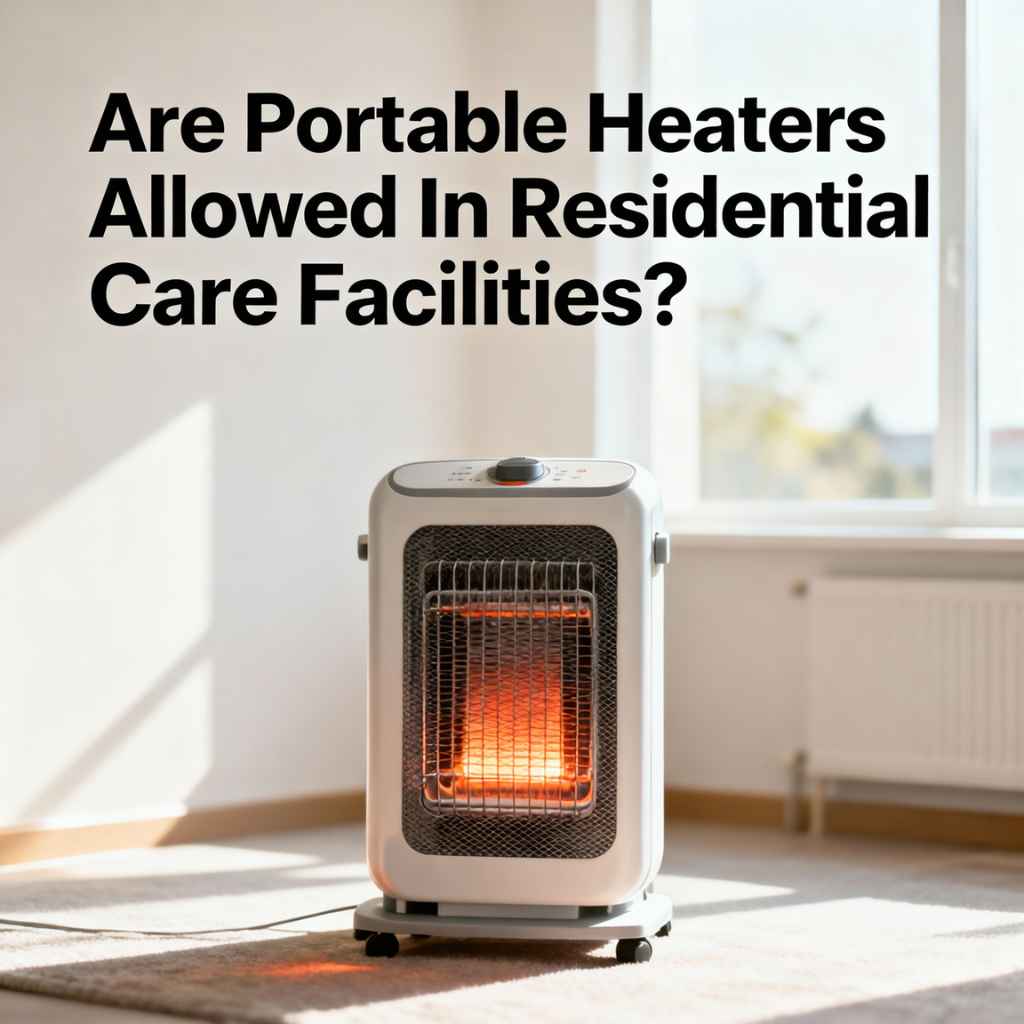
Understanding whether portable heaters are allowed in residential care facilities is crucial for safety and compliance. While some facilities may permit them under strict conditions, many have outright bans due to fire risks and other hazards. Always check the specific facility’s policies and local fire codes before bringing any heating device.
The Heart of the Matter: Why the Rules?
When we talk about residential care facilities, we’re talking about places where people live. These aren’t just houses; they’re homes for individuals who might need extra help. Think about nursing homes, assisted living apartments, or even group homes for adults with special needs.
The residents often have health concerns, making them more vulnerable. This is why safety is the top priority for everyone involved, from the facility staff to the families.
The biggest worry with any extra electrical device, especially one that creates heat, is fire. Fires can start very quickly. In a place where many people live close together, a small fire could become a big problem very fast.
It could put many lives at risk. That’s why facilities have strict rules about what you can and cannot bring in.
It’s not about being difficult. It’s about making sure everyone is as safe as possible. They follow rules set by fire departments and health inspectors.
These rules help prevent accidents and keep residents safe from harm. So, when you ask about portable heaters, the answer usually comes down to a risk assessment. Is the risk of fire or other dangers worth the comfort they might provide?
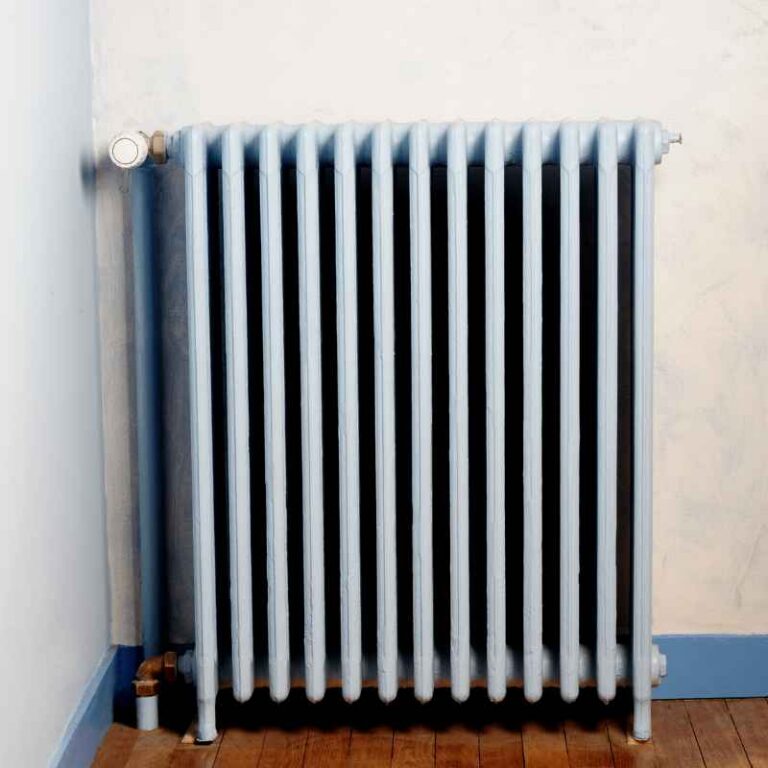
Most of the time, the answer is no, the risk is too high. These facilities are already designed to have central heating systems. These systems are checked regularly.
They are built to be safe for the building and everyone inside. Adding in lots of personal heating devices can interfere with these systems or create new dangers that the main heating system wasn’t designed to handle.
My Own Close Call with an Overlooked Danger
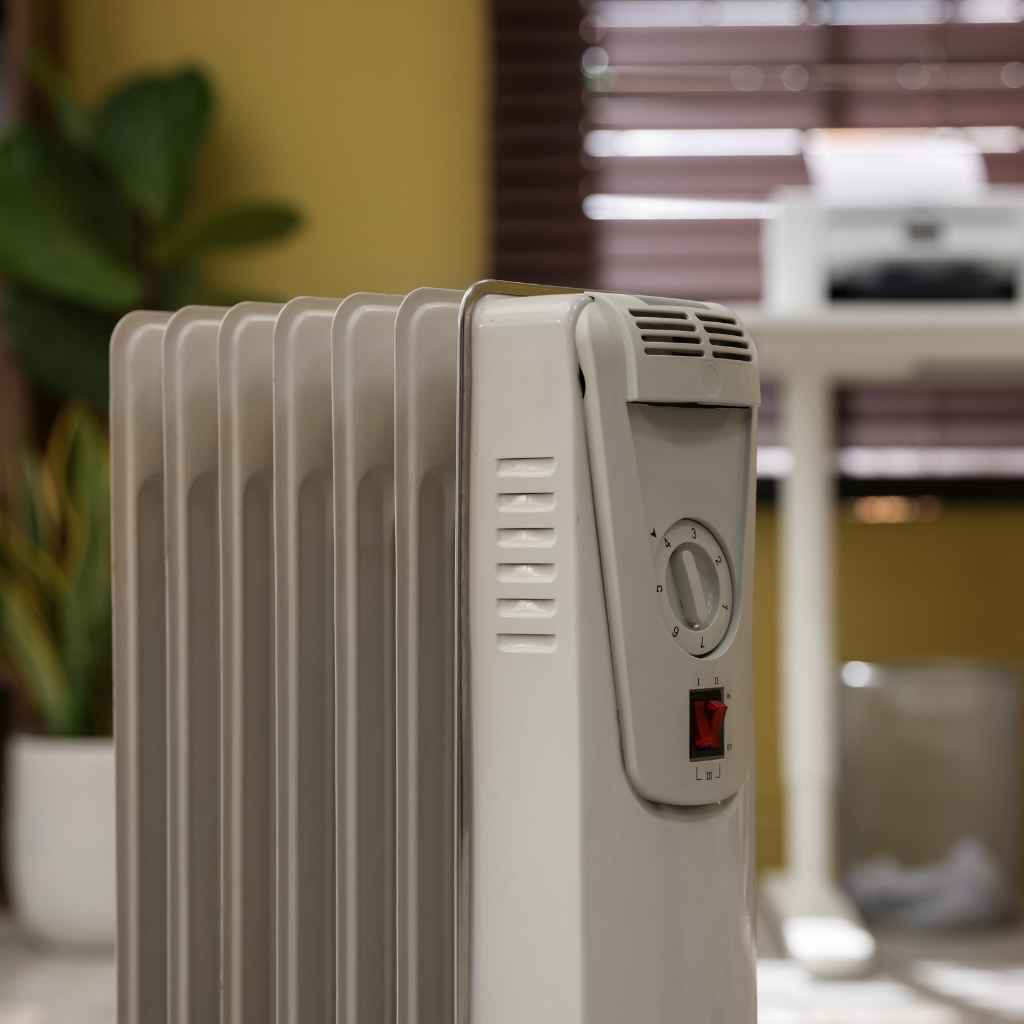
I remember a time when I was helping my aunt settle into an assisted living community a few years back. She was always a bit chilly, even in the summer. When fall came, she started asking about bringing her favorite little ceramic heater from home.
It was small, just a few pounds, and seemed harmless enough.
I, too, thought, “What’s the harm? It’s just for her room.” I remembered seeing them in stores and thought it was a good idea. The facility staff gently explained their policy.
They said no personal heating devices. I remember feeling a little annoyed, thinking they were being too strict. My aunt was getting more and more anxious about being cold.
That’s when the facility manager, a wonderful woman named Carol, sat me down. She didn’t just say “no.” She explained why. She told me about a time, many years ago, before these strict rules were common, when a resident brought in a space heater.
It malfunctioned overnight. Luckily, someone smelled smoke, and the fire department got there fast. No one was hurt, but the damage was significant, and it scared everyone.
Carol showed me the facility’s heating system. She explained how it was designed for the whole building. She talked about the electrical load.
She showed me the fire extinguishers and the sprinkler system. She made me understand that every single electrical outlet had a limit. Adding a heater could overload the circuit, creating a fire hazard.
It wasn’t just about the heater itself, but how it interacted with the building’s systems. I felt a wave of embarrassment wash over me. My desire for my aunt’s comfort had made me overlook the serious safety concerns.
From that day on, I understood why these rules exist. They protect everyone.
Commonly Restricted Heating Devices
Most residential care facilities prohibit a range of personal heating items. These often include:
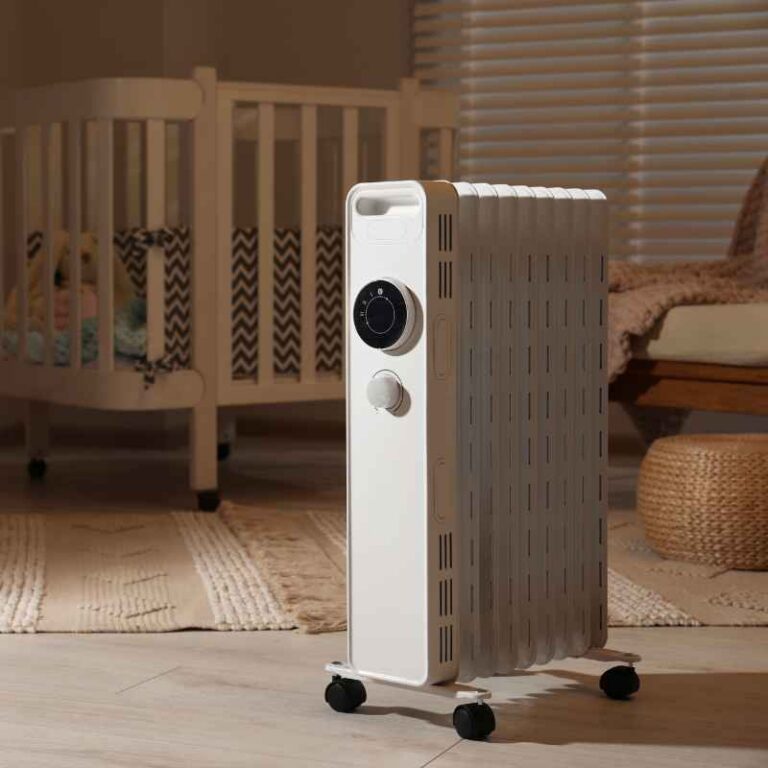
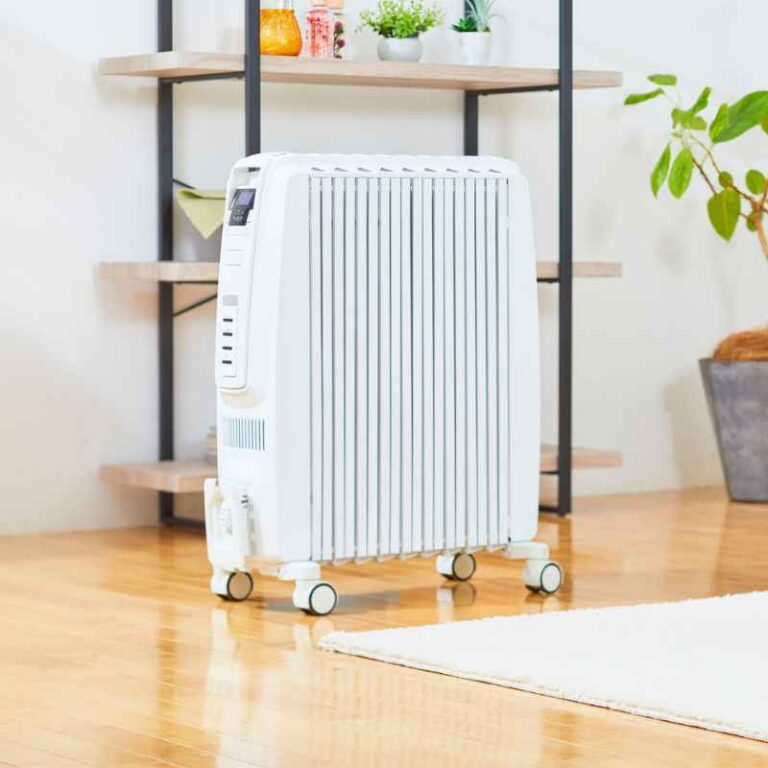
- Electric Space Heaters: These are the most common culprits due to their high energy use and potential for overheating.
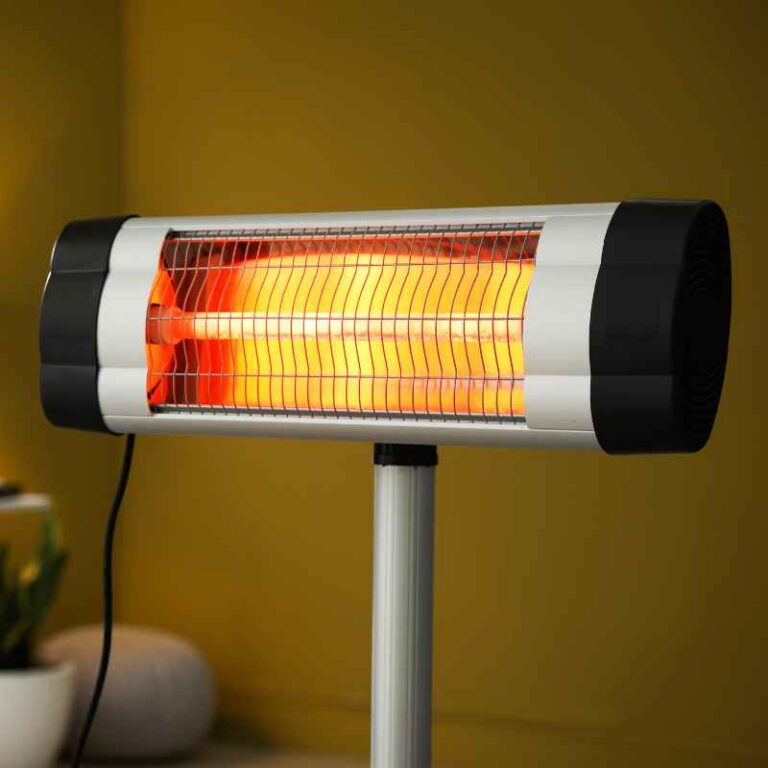
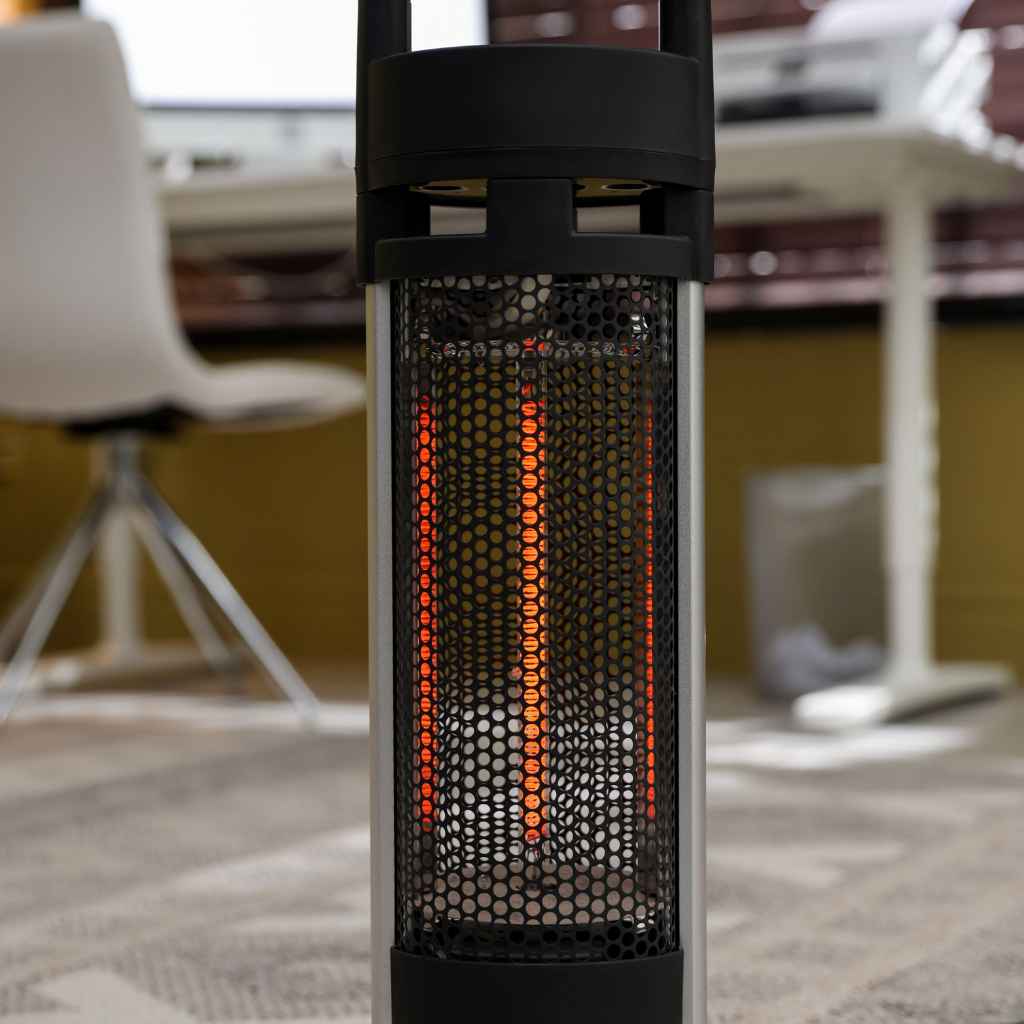
- Radiant Heaters: The glowing red coils can be a fire risk if anything touches them.
- Kerosene or Propane Heaters: These are almost always banned due to fume emissions and fire danger.
- Hot Plates and Toasters: While not heaters for warmth, these kitchen appliances are also typically forbidden because they pose fire risks.
- Certain Types of Extension Cords: Using them with high-wattage devices can cause overheating.
The Science Behind the Safety Concerns
Let’s break down why these simple-looking portable heaters can be such a problem in group living situations. It’s not just about luck; it’s about physics and how things work.
Electrical Load: Every outlet in your home is connected to a circuit breaker. This breaker is designed to handle a certain amount of electricity (measured in amps). A typical room might have a few outlets on one circuit.
Think of it like a water pipe; it can only carry so much water at once. A portable heater, especially the common ceramic or radiant types, uses a lot of electricity. If too many appliances are running on the same circuit, or if a heater draws more power than the circuit can safely handle, the wires can get hot.
This heat can melt the insulation around the wires. That’s a direct path to a fire starting.
Overheating and Malfunctions: Portable heaters have moving parts or heating elements. These can fail. Thermostats can stop working, causing the heater to run continuously and get too hot.
Dust can build up on the heating elements, which can then ignite. If a heater is placed too close to bedding, curtains, or furniture, these materials can catch fire easily. This is especially true for older or cheaper models.
Air Quality: Some types of heaters, particularly those that burn fuel like kerosene or propane, release fumes. These fumes can be dangerous, especially in a closed environment. They can reduce the oxygen in the air or release harmful gases like carbon monoxide.
Residents in care facilities may have breathing problems, making them more susceptible to these issues. Even electric heaters can sometimes produce a smell if dust burns off the element.
Trip Hazards: Cords from portable heaters can be a tripping hazard. This is a big concern for residents who may have mobility issues or visual impairments. A fall can lead to serious injuries like broken bones, which can be devastating for an older adult.
Interference with Building Systems: Facility heating systems are designed to work within specific parameters. Adding personal heaters can sometimes make the central system work harder than it should, or it can create hot spots and cold spots that the main system then tries to compensate for, leading to inefficiency or even system strain.
Quick Scan: Heat Sources and Their Risks
| Heat Source Type | Common in Facilities? | Primary Risk |
|---|---|---|
| Central Heating (Furnace/Boiler) | Yes (Standard) | System failure, occasional leaks |
| Electric Space Heater | Usually No (Personal) | Electrical overload, fire, overheating |
| Radiant Heater | Usually No (Personal) | Fire hazard from contact, electrical issues |
| Fuel-Burning Heater (Kerosene/Propane) | Almost Never | Fire, toxic fumes, carbon monoxide |
| Hot Water Baseboard Heaters | Yes (Common in some buildings) | Leaks, burns from touching hot surfaces |
Real Homes, Real Experiences: What Facilities Face
Facilities that allow portable heaters, even under strict rules, have to manage a complex system. It’s not a simple “yes” or “no.” They have to consider many factors to make it work. This usually involves working closely with local fire departments and building inspectors.
They need to make sure everything is up to code.
In some newer or specially designed assisted living facilities, you might find designated areas where certain types of heaters are permitted. These areas are often equipped with upgraded electrical systems. They might have special outlets designed to handle higher loads.
There could also be built-in safety features, like automatic shut-offs that are more reliable than those on standard portable units.
Staff training is also a huge part of it. For a heater to be allowed, the staff needs to know how to check it. They need to know the safety signs.
They need to know what to do if something goes wrong. Regular inspections are a must. A staff member might have to check each permitted heater daily or weekly.
This is a lot of extra work for the facility.
Some facilities might allow only very specific types of heaters. These could be low-wattage fan heaters that blow cool air as well as warm air, making them less likely to overheat. Or they might approve models that have tip-over protection and overheat shut-offs that have been tested and certified by a recognized safety organization like UL (Underwriters Laboratories).
Even with these measures, there’s still a level of risk. The decision often comes down to the facility’s insurance policies. Insurers might refuse coverage or charge very high premiums if a facility allows personal heating devices due to the inherent risks.
So, for many facilities, the simplest and safest path is a complete ban.
Contrast: Normal vs. Concerning in a Care Facility
Normal & Expected
Facility Heating: Consistent room temperatures controlled by the main building system.
Staff Monitoring: Regular checks on residents’ comfort and well-being.
Emergency Preparedness: Fire drills, clear evacuation plans, accessible emergency exits.
Safe Electrical Systems: Properly maintained wiring and circuit breakers.
Concerning & Risky
Personal Heater Use: Bringing in unapproved heating devices.
Overloaded Circuits: Multiple high-wattage items plugged into one outlet.
Blocked Vents: Furniture or drapes covering heating vents.
Unusual Smells: Burning plastic or electrical odors.
Frayed Cords: Damaged electrical cords on any appliance.
So, what should you do if you or a loved one is in a residential care facility and feels a bit too chilly? The most important step is to talk to the facility management. Don’t just assume.
Don’t try to sneak something in.
Check the Facility’s Policy: Every facility has a resident handbook or a set of rules. This document will clearly state what is and isn’t allowed. Look for sections on personal appliances, electrical devices, or safety regulations.
If you can’t find it, ask.
Understand the “Why”: When they tell you “no,” try to understand the reasons. It’s usually about fire safety, electrical safety, or air quality. Knowing the reasoning can help you accept the rule and focus on alternative solutions.
Ask About Alternatives: Most facilities are committed to resident comfort. If your loved one is consistently cold, there are likely other solutions. They might be able to:
- Adjust the thermostat for that specific room or area (if possible).
- Provide extra blankets or warm bedding.
- Offer warmer clothing options like sweaters or thermal socks.
- Check the room’s heating vents to ensure they are open and not blocked.
- Investigate if there’s a problem with the room’s specific heating or insulation.
Be Wary of “Approved” Devices: If a facility does allow certain portable heaters, they will have a very specific list of approved models. Do not assume that just because a heater looks safe, it meets their standards. Always get written approval for any specific model.
This might involve the facility inspecting the heater before it’s allowed in the room.
Local Fire Codes Matter: Facilities must also adhere to local fire codes. These codes are set by your city or county fire department. They often dictate what types of appliances are permitted in different types of living situations.
The facility’s policies are usually a reflection of these codes.
Consider the Resident’s Health: If a resident has a specific medical need for extra warmth (like certain circulatory issues or thyroid conditions), this should be discussed with the facility’s medical staff and management. They may have protocols in place for such situations, which could involve physician’s notes and approved solutions. But this is rare and always handled with extreme caution.
Stacked Micro-Sections: Key Takeaways for Residents and Families
Policy First: Always consult the facility’s official rules. Never bring in a heater without explicit permission.
Safety Over Comfort: Understand that rules are primarily for safety, not to inconvenience residents.
Ask for Alternatives: If cold is an issue, inquire about extra blankets, clothing, or room checks.
Approved Models Only: If heaters are allowed, stick strictly to the facility’s approved list.
Never Tamper: Do not try to modify or bypass facility rules or safety features.
Quick Tips for Staying Warm Safely
Since bringing personal heaters into residential care facilities is usually not an option, focusing on alternative ways to stay warm is key. These methods are safe, effective, and generally accepted by facilities.
- Layer Up: This is the simplest and most effective strategy. Wear layers of clothing. Thermal underwear, long-sleeved shirts, sweaters, and pants can make a big difference.
- Warm Socks and Slippers: Feet can get cold easily. Invest in thick, warm socks and cozy slippers or warm house shoes.
- Use Extra Blankets: Keep a few extra blankets on the bed and on the sofa. Quilts and electric blankets (if permitted, check policy!) can offer significant warmth.
- Warm Drinks: Sipping on warm tea, coffee, or broth can help warm you from the inside out.
- Stay Active (if possible): Gentle movement, like walking around the room or doing simple exercises, can help generate body heat.
- Wear a Warm Hat: Even indoors, wearing a soft, warm hat can prevent heat loss from your head.
- Check Room Insulation: Sometimes, drafts can make a room feel colder. While you can’t make structural changes, ensuring windows are properly closed and curtains are drawn can help retain heat.
- Communicate with Staff: If you feel consistently cold, inform the staff. They can check if there are issues with the room’s heating or if more blankets are needed.
Remember, the goal is to stay comfortable without creating any safety hazards. By focusing on these safe methods, you can remain warm and cozy while respecting the rules of the facility.
Frequently Asked Questions About Portable Heaters in Care Facilities
Can I bring my electric space heater to a nursing home?
Generally, no. Most nursing homes and residential care facilities prohibit personal electric space heaters due to fire and electrical safety risks. Always check the facility’s specific policy first.
Why are portable heaters often banned in assisted living facilities?
They are banned primarily because they can overload electrical circuits, overheat, and pose a significant fire risk. They can also be a trip hazard and may affect indoor air quality.
Are there any exceptions to the no-heater rule?
Some facilities might allow very specific, pre-approved models under strict conditions. This usually requires written permission from management and compliance with safety inspections. It’s rare, so always ask directly.
What if my loved one’s room is always cold?
Talk to the facility management. They can explore options like providing extra blankets, warmer clothing, checking room insulation, or ensuring heating vents are clear. Medical needs can also be discussed with staff.
Can I use an electric blanket in a residential care facility?
This depends on the facility’s policy. Some allow them if they are UL-listed and in good condition. Others may ban them due to similar electrical risks as heaters.
Check the rules before bringing one.
What are the risks of using a fuel-burning heater like propane or kerosene?
These are extremely dangerous in residential settings. They produce toxic fumes, carbon monoxide, and pose a severe fire hazard. They are almost universally banned in care facilities.
What does UL-listed mean for a heater?
UL-listed means a product has been tested by Underwriters Laboratories (UL), an independent safety science company, and meets their safety requirements for its intended use. It’s a good indicator of safety but doesn’t override facility rules.
Conclusion: Safety First, Always
The desire for extra warmth is understandable, especially for those who feel the cold more acutely. However, when it comes to residential care facilities, the safety of all residents is paramount. The rules against personal portable heaters are there for very serious reasons, rooted in preventing fires and ensuring electrical safety.
Always prioritize understanding and following the facility’s policies. By working with the staff and exploring approved alternatives, you can ensure a comfortable and, most importantly, a safe living environment for everyone.
Sponsored / affiliate links. As an Amazon Associate I earn from qualifying purchases. I may earn additional commission from eligible campaigns.