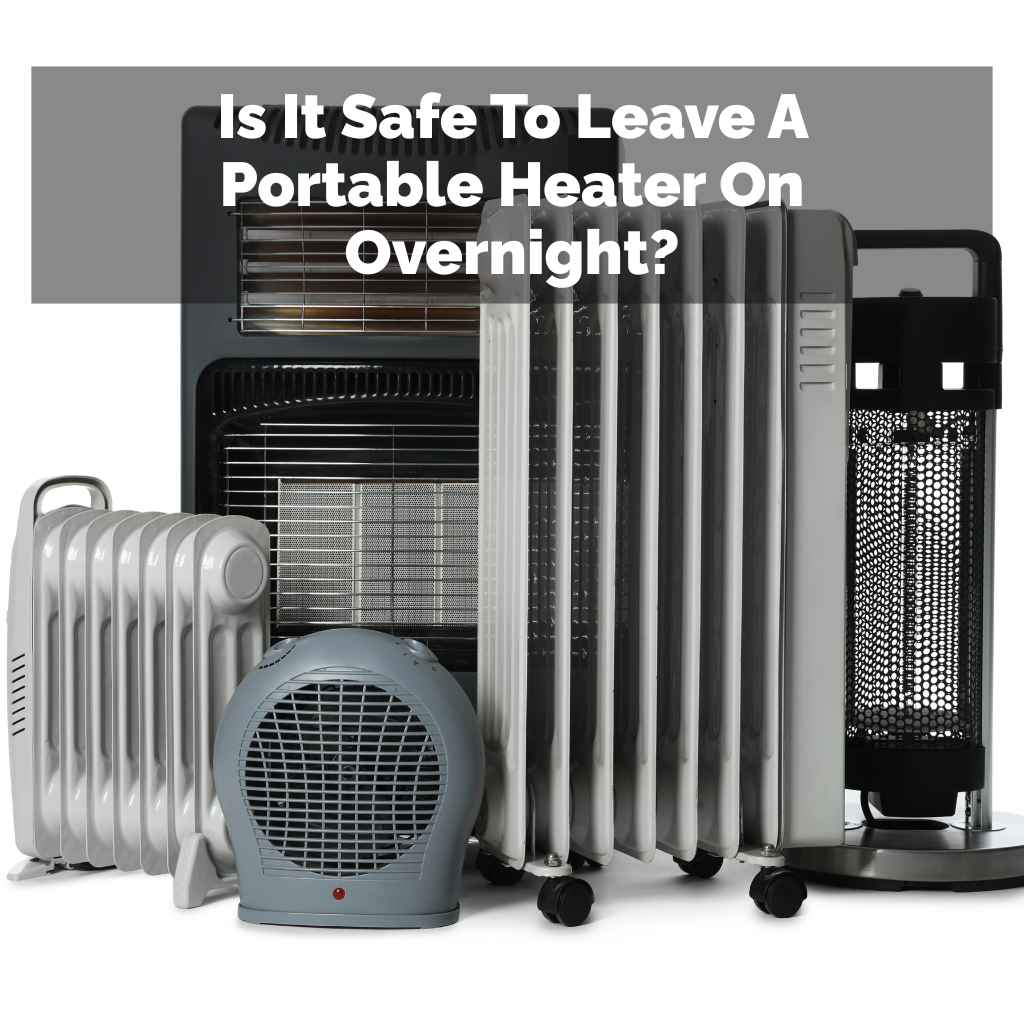
Is It Safe To Leave A Portable Heater On Overnight?
While many modern portable heaters have safety features, leaving any heater unattended overnight carries inherent risks. It’s generally not recommended without specific safety precautions or if the heater lacks certain certifications. Always prioritize safety and follow manufacturer guidelines.
Understanding Portable Heaters and Overnight Use
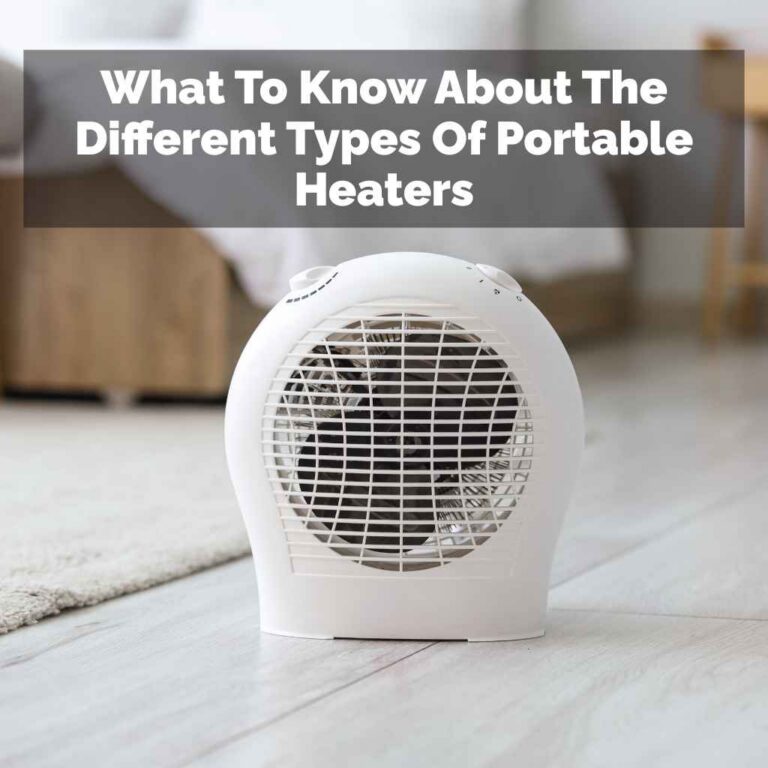
Portable heaters are great for warming up a room quickly. They come in many types. Electric heaters are common. You might have an oil-filled radiator type. Or maybe a ceramic one with a fan. Some are infrared. They all work differently. But they all use electricity to make heat.
The main concern with leaving them on all night is safety. Old or faulty heaters can be a fire risk. Even newer ones can pose dangers if not used correctly. Think about it. They generate heat for hours on end. This heat can build up. Things around the heater can get too hot.
Why do people want to leave them on? Simple. They want to wake up warm. It feels good to step out of bed into a toasty room. Nobody likes that first cold breath of air in the morning. So, the idea of a warm room waiting for you is very tempting. It seems like an easy way to beat the cold.
But we need to talk about the “why not.” What are the real dangers? Fires are the biggest worry. Electrical shorts can happen. Overheating is another issue. This can damage the heater itself. It can also damage nearby items. We need to be very clear about this. Safety must come first.
My Own Chilly Morning Scare
I remember one winter, a few years back. My old house had terrible insulation. The bedroom got absolutely freezing at night. I had this older portable heater, a simple coil type. I thought, “Just leave it on low all night.” It felt so smart at the time. I wanted that instant warmth when I woke up.
So, I set it to its lowest setting. I made sure it wasn’t too close to anything. I tucked it in a corner, far from curtains or blankets. I felt pretty confident. I drifted off to sleep, dreaming of a warm morning.
Then, I woke up abruptly. It wasn’t the cold. It was a strange smell. A faint, acrid smell. My heart started to race a little. I sat up in bed. The room was warm, maybe too warm. I looked over at the heater. It was glowing redder than usual. And there was a tiny wisp of smoke curling up from the base.
Panic set in. I jumped out of bed. I quickly unplugged the heater. The smell got stronger. I opened the window, even though it was freezing outside. The smoke cleared quickly. But that smell lingered. The base of the heater felt incredibly hot. I realized how close I had come to a real problem. That night taught me a valuable lesson. Sometimes, convenience isn’t worth the risk. I never left a heater unattended like that again.
What Makes Overnight Heater Use Risky?
Several factors make leaving portable heaters on all night a concern. It’s not just one thing. It’s a combination of potential issues.
Overheating
Heaters generate heat. If they can’t release it properly, they overheat. This can happen if the air vents get blocked. Dust can build up inside. This stops air from flowing freely. The heater gets hotter and hotter. This can melt plastic parts. It can even cause a fire.
Faulty Components
Even newer heaters can have problems. A thermostat might stop working right. A safety tip-over switch could fail. Wires inside can fray over time. These issues aren’t always visible. They can develop without you knowing. A faulty heater is a serious fire hazard.
Proximity to Flammable Materials
This is a big one. Portable heaters get hot on the outside. They need space around them. Clothes, bedding, paper, curtains, furniture – these things catch fire easily. If a heater is too close to these items, they can ignite. Especially if the heater malfunctions or tips over.
Heater Safety Checklist
Check Before You Plug In:
- Inspect the cord for damage.
- Ensure vents are clean and clear.
- Verify tip-over protection works.
- Confirm it has overheat protection.
Power Surges and Electrical Issues
Home electrical systems aren’t always perfect. Power surges can happen. Old wiring can be a problem. A heater drawing a lot of power can strain your system. This could lead to issues. It might trip a breaker. Or, in rare cases, cause damage to your wiring.
Lack of Supervision
The core issue is leaving it alone. When you’re awake, you can see if something is wrong. You can smell smoke. You can hear a strange noise. You can react. When you’re asleep, you can’t. You’re unaware of any developing problem. This lack of supervision is the most dangerous part.
Modern Heater Safety Features: A Closer Look
Newer heaters are much safer than older models. Manufacturers know about the risks. They’ve added features to help prevent accidents. It’s good to know what these are.
Automatic Shut-Off (Tip-Over Switch)
This is very common now. Most portable heaters have a switch. It’s usually at the base. If the heater tips over, the switch is activated. It immediately cuts off power. This stops the heater from continuing to radiate heat in an unsafe position. It’s a critical safety feature.
Heater Type Comparison
Ceramic Heaters: Fast, good for small rooms. Use a fan. Generally safe but can be noisy.
Oil-Filled Radiators: Slow to heat, but provide even warmth. Safer for overnight as surface temp is lower.
Infrared Heaters: Heat objects, not air. Good for targeted warmth. Safe if kept at a distance.
Overheat Protection
This feature senses when the heater is getting too hot internally. It could be due to blocked vents or other issues. When it detects high temperatures, it shuts the heater down. This prevents damage to the unit and reduces fire risk.
Thermostats and Timers
Some heaters have built-in thermostats. You can set a desired temperature. The heater turns on and off as needed. This is more efficient. It also means it’s not running at full blast constantly. Timers are also helpful. You can set it to turn off after a certain number of hours.
Cool-Touch Housings
Many ceramic and some other types of heaters are designed with cool-touch exteriors. This means the outer casing doesn’t get as hot. It reduces the risk of burns if someone accidentally touches it. It also means less heat is transferred to nearby objects.
When Can You Consider Overnight Use (with Extreme Caution)?
While not generally advised, there are scenarios where overnight use might be less risky. This requires specific types of heaters and strict safety checks.
Myth vs. Reality
Myth: All portable heaters are fire hazards.
Reality: Modern heaters with safety features are much safer. However, any electrical device has risks.
Myth: Leaving a heater on low is always safe.
Reality: Low settings can still overheat if vents are blocked or the unit is faulty.
Oil-Filled Radiator Heaters
These are often considered the safest for continuous use. They heat oil inside the unit. The oil then radiates heat slowly and evenly. The outer surfaces of these heaters don’t get as hot as other types. They are also generally quieter. They often have good thermostat controls.
However, even with these, safety is key. They still need to be on a stable surface. They still need clear space around them. The cord must be in good condition. The thermostat should be checked.
Heaters with Certified Safety Marks
Look for heaters that have been tested and certified by recognized safety organizations. In the U.S., this often means a UL (Underwriters Laboratories) mark. Sometimes you’ll see ETL or CSA marks. These certifications mean the product has met specific safety standards. This is a good indicator, but not a guarantee.
Smart Heater Habits
Tip: Always read the manual.
Tip: Keep heaters away from water.
Tip: Don’t use extension cords.
Tip: Unplug when not in use.
Using a Thermostat and Timer
If you are going to leave a heater on overnight, using a heater with a reliable thermostat and a timer is crucial. Set the thermostat to a comfortable, but not excessive, temperature. Program the timer to shut off after a few hours. This way, the room is warm when you go to bed, and it might not need to run all night.
For example, set it to run for the first 2-3 hours after you go to sleep. Or set it to turn on an hour before you usually wake up. This way, it’s only running when you actively need it.
## The Best Alternatives to Overnight Heater Use
So, if leaving a heater on all night isn’t ideal, what else can you do? There are many smart ways to stay warm without taking big risks.
Layer Up Your Bedding
This is the simplest and safest solution. Use flannel sheets. Add an extra blanket. A warm comforter or duvet makes a huge difference. Consider a heated mattress pad or electric blanket. These are designed for safe, close-to-body use. They warm you directly, not the whole room.
Quick Scan: Overnight Warmth Solutions
| Method | Pros | Cons |
| Extra Blankets/Duvet | Very safe, no electricity needed | Can be bulky, might overheat you |
| Heated Mattress Pad | Direct warmth, energy efficient | Requires electricity, needs care |
| Electric Blanket | Targeted warmth, cozy | Can be risky if damaged, requires electricity |
| Room Heater (Timed) | Warms whole room | Risk if left on all night, uses more power |
Smart Thermostat Scheduling
If your home has a central heating system, use your thermostat’s programming. Set it to lower the temperature overnight. Then, schedule it to start warming up again an hour before you wake up. This way, your main heating system handles it. It’s usually more efficient and safer for all-night operation than a portable unit.
Insulate Your Bedroom
Simple steps can keep the heat in. Use thick curtains. Make sure windows and doors seal well. Draft stoppers under doors can help. If you have drafts, address them. Sealing these leaks makes your room warmer naturally. It means less need for extra heating.
Use a Humidifier
Dry air feels colder. A humidifier adds moisture to the air. This can make the room feel warmer. It can also be good for your skin and throat. Just make sure to clean it regularly.
Wear Warm Pajamas and Socks
Don’t forget the basics! Thermal pajamas are great. Fuzzy socks keep your feet warm. A warm nightcap can prevent heat loss from your head. These simple clothing choices can make a big difference in your comfort level.
Real-World Scenarios and Considerations
Let’s think about where and why you might be tempted to use a heater overnight.
Basements and Unfinished Rooms
These areas are often colder. They lack the insulation of main living spaces. You might use a portable heater to make them habitable. If you’re in a basement apartment or a home office that gets cold, you might think of overnight use. The key is ensuring proper ventilation. And still, avoiding unsupervised operation.
Observational Flow: Safe Heater Usage
Step 1: Choose the right heater type.
Step 2: Inspect heater and cord.
Step 3: Place heater on a stable, flat surface.
Step 4: Ensure 3-foot clearance from anything flammable.
Step 5: Plug directly into a wall outlet.
Step 6: Use timers or thermostats for auto-shutoff.
Step 7: Never leave unattended if possible.
Elderly Individuals or Those with Health Conditions
Sometimes, older adults or people with certain health issues feel the cold more. They might want to ensure their room stays consistently warm. In these cases, a safer option like an oil-filled radiator with a reliable thermostat is better. Even then, frequent checks are important. Sometimes, having a family member check in is wise.
Stacked Micro-Sections: Heater Safety First
Supervision: The best safety is your watchful eye.
Placement: Always clear space around the unit.
Maintenance: Clean dust and check cords often.
Power Source: Use direct wall outlets only.
Homes with Young Children or Pets
This is where overnight heater use becomes very tricky. Children and pets can be curious. They might touch hot surfaces. They could knock heaters over. They might even chew on cords. For homes with little ones or furry friends, avoiding unattended heaters altogether is the safest path. Using safe alternatives is highly recommended.
### Climate Considerations
In very cold climates, the temptation to keep the heat on is higher. The temperature drop overnight can be drastic. If you live somewhere with extreme cold, you need robust safety measures. This might involve a combination of strategies. Better home insulation is key. And if you must use a portable heater, choose the safest type and monitor it closely.
## What This Means for Your Home and Comfort
So, what’s the takeaway here? Is it ever truly “safe” to leave a portable heater on overnight? The answer is nuanced, but leans towards caution.
When It’s Normal to Worry
You should always worry if:
Your heater is old or damaged.
You notice strange smells or noises.
The heater is placed too close to anything flammable.
You have pets or young children in the home.
You’re leaving it completely unattended for 8+ hours.
When to Feel More Confident (But Still Cautious)
You can feel a bit more confident if:
You have a newer, UL-certified oil-filled radiator.
It has a working thermostat and tip-over switch.
It’s placed on a stable surface with ample clearance.
You’ve set a timer for it to turn off after a few hours.
You’ve checked the cord and vents.
Simple Checks Before Bed
Before you go to sleep, do a quick check:
Is the heater stable?
Are there at least 3 feet of clear space around it?
Is the cord out of the way?
Does it smell funny or sound odd?
Is the thermostat set reasonably?
If you have any doubts, it’s better to unplug it. Use an extra blanket instead. Your peace of mind is worth more than a slightly warmer room.
Quick Fixes and Safer Tips
Instead of focusing on “fixes” for overnight use, let’s focus on “safer practices.”
Invest in a Timer: A simple plug-in timer is inexpensive. You can attach it to almost any portable heater. This lets you control when it runs.
Regular Cleaning: Dust buildup is a fire hazard. Clean your heater’s vents and coils regularly. Use a vacuum with a brush attachment.
Inspect Cords Often: Frayed or damaged cords are dangerous. If you see any damage, stop using the heater immediately.
Know Your Heater’s Limits: Don’t use a small heater in a large room. It will struggle. Overworking it can be unsafe.
Never Cover It: Don’t put clothes or blankets on a heater to dry. This is a major fire risk.
Contrast Matrix: Overnight Heater Use
| Concerning Signs | Reassuring Signs |
| Heater is old/damaged. | Heater is new and UL-certified. |
| Smell of burning plastic/dust. | No unusual smells or sounds. |
| Heater is near curtains or furniture. | Ample clear space (3ft minimum). |
| Cord is frayed or damaged. | Cord is intact and in good condition. |
| No safety features (tip-over, overheat). | Features are present and tested. |
| Running continuously all night, unattended. | Using a timer or thermostat for scheduled shut-off. |
Frequent Questions About Overnight Heaters
Can I leave a ceramic heater on all night?
It’s generally not recommended to leave most ceramic heaters on all night without supervision. While newer models have safety features like tip-over switches and overheat protection, the risk of malfunction or accidental blockage of vents remains. If you must, use a model with a reliable thermostat and timer, and ensure it has plenty of space around it.
Are oil-filled radiators safe to leave on overnight?
Oil-filled radiators are often considered safer for continuous operation due to their design. They heat up slowly and maintain a more consistent, lower surface temperature compared to some other types. However, they still require proper placement, clear space, and should ideally be used with a thermostat and timer for added safety.
What is the safest way to keep my bedroom warm at night?
The safest ways include layering your bedding with extra blankets or duvets, using a heated mattress pad or electric blanket (following all safety instructions), improving your home’s insulation, using draft stoppers, and scheduling your central heating system to warm the room before you wake up.
What should I do if my portable heater smells like burning?
If your portable heater smells like burning, unplug it immediately. Do not try to use it again. The smell usually indicates a problem with the heating element, internal wiring, or dust buildup that is overheating.
Contact the manufacturer or consider replacing the unit.
How far should a portable heater be from furniture and walls?
As a general rule, maintain at least three feet (about one meter) of clear space around all sides of a portable heater. This includes furniture, walls, curtains, bedding, and any other flammable materials. Always check the manufacturer’s specific recommendations in the user manual.
Can a portable heater cause a fire if left on overnight?
Yes, a portable heater can cause a fire if left on overnight, especially if it is old, damaged, malfunctioning, or placed too close to flammable materials. While modern heaters have safety features, no electrical device is completely risk-free when left unattended for extended periods.
Conclusion
Keeping your home warm is important for comfort. But safety must always come first. Leaving a portable heater on overnight, even with modern safety features, isn’t a practice to take lightly. The risks, though reduced, are still present. Opting for safer alternatives, like extra bedding or timed operation, is often the smarter choice. Always prioritize caution and know your heater’s limitations. A little extra care can prevent a lot of worry.
Sponsored / affiliate links. As an Amazon Associate I earn from qualifying purchases. I may earn additional commission from eligible campaigns.