Do They Make Portable Heaters That Work With Old Hot Tubs?
You’ve probably seen portable heaters for pools. They’re like little powerhouses that can warm up a large volume of water. So, it’s natural to wonder if a similar solution exists for your hot tub.
It’s a smart thought because replacing a hot tub heater can be a big expense. Sometimes, you just need a little extra warmth to make your soak perfect. Let’s dive into whether portable heaters are a real option for old hot tubs.
While dedicated portable heaters specifically designed for older hot tubs are rare, you can explore options like solar pool heaters or supplemental electric pool heaters. Compatibility and safety are key concerns, and it’s crucial to understand the limitations and potential risks before attempting to connect any external heating device to an existing hot tub system. Always prioritize safety and consult with a professional if unsure.
Understanding Portable Heaters for Water
When we talk about portable heaters for water, we’re usually thinking about things that can be moved around. For swimming pools, these are quite common. They heat up the water that circulates through them.
They can be electric, gas, or even solar-powered. The idea is simple: push water through a heating element or surface, and the water gets warmer.
But a hot tub is a bit different from a swimming pool. Hot tubs are designed to hold water at a higher temperature. They are also typically more enclosed.
This helps them keep the heat in better. They have specific plumbing and electrical systems built just for them. This is where the idea of using a “portable” heater gets tricky.
Most portable pool heaters are built for open systems. They take water from the pool, heat it, and return it. They don’t usually interact directly with a hot tub’s internal workings.
Trying to force them to work could be like trying to fit a square peg in a round hole. It might not work, and you could cause damage.
Think about how a hot tub heater works. It’s part of a closed system. Water from the tub is pumped through the heater and back into the tub.
This heater is designed to match the tub’s pump and flow rate. It also has safety features built into the tub’s control system.

The Challenge with Old Hot Tub Systems
Older hot tubs often have simpler control systems. They might not have the advanced features that newer models do. This makes them less adaptable to external devices.
Imagine an older car. It might have fewer sensors and less complex electronics than a new car. Adding a new, high-tech part might not be easy.
The plumbing in older tubs can also be a point of concern. The pipes and connections might be made of different materials. They might be designed for specific pressures and flow rates.
A portable heater might put too much pressure on these parts. It could lead to leaks or even burst pipes. That would be a much bigger problem than a cold hot tub.
And then there’s the electrical side. Hot tubs use a lot of power. Their heaters are designed to draw a specific amount of electricity.
A portable heater might draw too much or too little. This could trip breakers. In worse cases, it could damage the hot tub’s control board or the heater itself.
Safety is the most important thing here. We don’t want any electrical hazards.
The water flow is another big factor. Hot tubs have pumps that move water. These pumps are sized for the tub’s heater and jets.
A portable heater might be designed for a different flow rate. If the flow is too slow, the heater might overheat. If the flow is too fast, it might not heat the water enough.
It’s all about balance.
Are There Any “Portable” Options?
When people ask about portable heaters for old hot tubs, they are often picturing something they can just plug in and go. Sadly, a true “plug-and-play” portable heater designed for direct integration with an old hot tub’s internal plumbing and electrical system is not a common or widely available product. The complexity and safety requirements of hot tub systems make this difficult.
However, there are some things that might come close or offer a supplemental warmth solution. These aren’t usually “portable hot tub heaters” in the way you might imagine. Instead, they are often portable pool heaters or related devices.
You have to be very careful about how you use them, if at all. Their primary design is for pools, not enclosed hot tub systems.
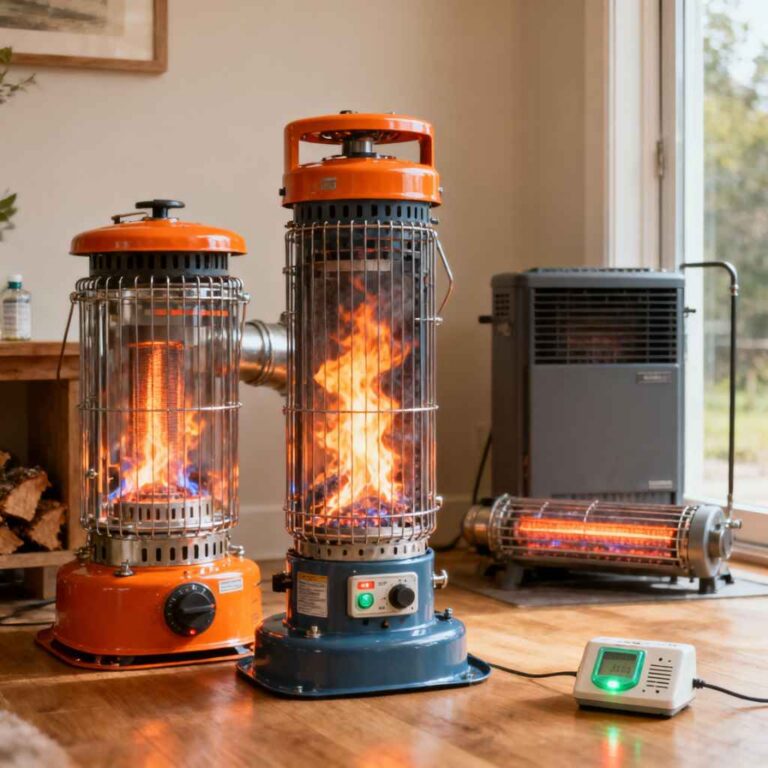
Let’s look at what you might encounter when searching online. You’ll find portable electric pool heaters. You’ll also find portable propane heaters for pools.
Solar pool heaters are another type of portable option. The key is understanding how these work and if they can be safely adapted. Spoiler alert: adaptation is often risky.
Portable Electric Pool Heaters
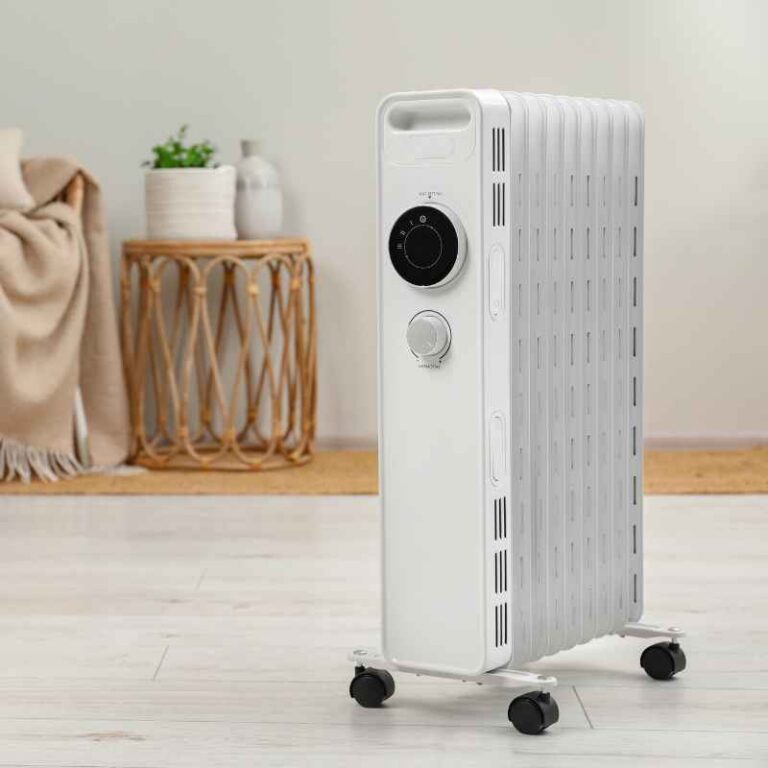
These are perhaps the most common type of portable water heater you’ll find. They usually look like a box or a cylinder. You connect your pool hoses to them.
Water flows from the pool, through the heater, and back to the pool. They plug into a standard or, more often, a higher-voltage outlet.
Could you use one of these with a hot tub? It’s a tempting idea. You might think, “My hot tub is just a small pool, right?” But the connection is the big hurdle.
You would need to somehow tap into the hot tub’s water circulation system. This means cutting into existing pipes or finding a way to connect hoses. This is where things get dangerous.
You’d need to bypass the hot tub’s own heater. You’d also need to ensure the pump from your hot tub can push water through the portable heater at the right rate. And critically, you’d need to figure out how the portable heater’s controls and safety features would interact with your hot tub’s controls.
Most portable pool heaters are not designed to communicate with a hot tub’s delicate electronic brains.
There’s also the power draw. A portable electric pool heater can use a lot of electricity. Your hot tub’s wiring and circuit breaker are designed for its built-in heater.
Adding another significant electrical load could overload the system. This is a serious fire risk. It could also damage your hot tub’s components.
It’s generally not recommended to mix and match electrical systems like this.
Portable Propane Heaters
These heaters use propane gas to heat water. They are often used for larger above-ground pools or for quick heating needs. They have a burner that heats a heat exchanger.
Water flows through the heat exchanger and gets heated. They also require hose connections, similar to electric pool heaters.
Using a propane heater with a hot tub introduces even more concerns. First, you have the connection issues, just like with electric heaters. But on top of that, you have the safety of an open flame and propane gas.
Hot tubs are often in enclosed or semi-enclosed spaces. Proper ventilation is absolutely critical for propane heaters. A lack of ventilation can lead to dangerous levels of carbon monoxide.
Furthermore, propane heaters typically produce a lot of heat very quickly. This rapid heating might be too much for the plumbing or seals in an older hot tub. The materials might not be able to withstand such a sudden temperature change or the direct heat.
There’s also the risk of the heater malfunctioning and causing a fire or explosion. It’s a lot of risk for a little extra warmth.
Solar Pool Heaters
Solar heaters are a different story. They don’t use electricity or gas directly for heating. Instead, they use the sun’s energy.
They typically consist of a black mat or panel with channels for water to flow through. Water from the pool is pumped over this surface. The sun heats the water as it passes through.
These are often called solar pool cover heaters or solar rings.
The good news about solar heaters is they are generally safer than electric or propane heaters because they don’t add a significant electrical load or open flame. They are also more environmentally friendly. They can provide a nice, gentle warming over time.
However, they have limitations. Their effectiveness depends entirely on the amount of sunlight. On a cloudy day, they won’t do much.
They also typically provide a slower increase in water temperature. For a hot tub, which is meant to be hot relatively quickly, a solar heater might not be sufficient on its own.
The integration challenge still exists. You would still need to connect the solar heater’s water flow to your hot tub’s circulation. This means tapping into the plumbing.
While less risky than other methods, you still need to be careful about pressure and flow. And you won’t get instant hot tub heat from solar alone. It’s more of a maintenance or slow-boost option.
Some people have had success using solar rings or mats placed inside a hot tub cover when the tub is not in use and is filled with water, letting the sun heat the water slowly over days. This requires careful management and is not a way to quickly heat the tub for an evening soak. It’s more of a passive, long-term approach to offset heat loss.
Portable Heater Types: What to Know
Electric Pool Heaters:
- Pros: Can heat water quickly, consistent heat source.
- Cons: High energy use, risk of electrical overload, complex integration needed.
- Best For: Pools, not typically recommended for hot tubs.
Propane Pool Heaters:
- Pros: Very fast heating, powerful.
- Cons: Requires propane tanks, ventilation needed, safety risks (flame, gas), potential for overheating tub components.
- Best For: Pools, generally unsuitable and unsafe for hot tubs.
Solar Pool Heaters:
- Pros: Eco-friendly, low operating cost, safe (no gas/electricity for heating).
- Cons: Dependent on sunlight, slow heating, not a quick solution.
- Best For: Supplementing pool heat, slow warming of hot tub water when not in use.
The Reality of Hot Tub Heating
Hot tubs are engineered systems. They are built with specific components that work together. The heater is a crucial part of this system.
It’s designed to handle a certain volume of water, a certain flow rate, and a certain electrical input. It also has safety features that are tied into the tub’s main control board.
When you try to introduce an external heating device, you’re breaking this carefully balanced system. Your old hot tub likely has a built-in heater element. This element is protected by sensors.
These sensors tell the control board if the water flow is too low or if the temperature is too high. If a problem occurs, the heater shuts off to prevent damage or fire.
A portable heater doesn’t have this connection to your hot tub’s brain. It has its own internal controls. These might not be compatible.
You could end up with a situation where the portable heater thinks everything is fine, but the hot tub’s system is trying to shut down its own non-functional heater. This confusion can lead to errors, damage, or unsafe conditions.
Consider the materials. Hot tubs use specialized plastics and seals. These are designed to withstand certain temperatures and pressures.
A portable heater, especially a gas one, might generate heat that is too intense or too localized. This could degrade or melt these components. I once saw a friend try to rig up a system, and it ended up with a small leak from a softened O-ring.
It was a mess, and he was lucky it didn’t cause a bigger electrical issue.
The water flow aspect is also very important. Hot tub pumps are usually powerful. They push water through the heater at a specific speed.
This speed is essential for the heater to work correctly and safely. Portable pool heaters are designed for pool pumps, which can have different flow rates. Trying to match them up is difficult.
You might need to add or remove plumbing, which is not ideal for an older tub.
What About Older Hot Tub Heaters?
If your hot tub’s heater isn’t working well, the first step is always to diagnose the problem with the existing system. Often, an older heater can be repaired or
Sometimes, an older heater might just be dirty. Mineral deposits can build up on the heating element. This buildup acts like insulation.
It makes the heater work harder and less efficiently. Cleaning the heater element can sometimes restore its performance. You can often buy special descaling solutions for hot tub heaters.
You’d typically run the solution through the system according to the product’s instructions.
Other times, the heating element itself might be failing. It’s a component that wears out over time. If the element is old, it might not be able to get the water hot enough anymore.
Replacing just the element is often cheaper than replacing the entire heater assembly. You would need to identify the correct replacement element for your specific hot tub model.
The thermostat or temperature sensor could also be the culprit. If the sensor is faulty, it might be telling the heater to shut off too soon, or not turn on at all. Replacing the sensor is usually a straightforward repair.
This is another component that is designed to work with your hot tub’s control board.
If your hot tub is very old, it might have an outdated heating system. Modern hot tubs often have more efficient and powerful heaters. They also have better control systems.
So, while a direct replacement for an old part is possible, sometimes upgrading to a newer, compatible heater might be an option if your tub is otherwise in good shape. This would involve a professional installation to ensure all electrical and plumbing connections are correct and safe.
Common Hot Tub Heater Issues & Solutions
Problem: Not heating enough.
Possible Cause: Dirty heating element, faulty thermostat, low water flow.
Solution: Clean element, check thermostat, ensure pump is running correctly, check for blockages.
Problem: Heater shuts off unexpectedly.
Possible Cause: Overheating, low water flow, faulty safety sensor.
Solution: Check water level, clean filters, inspect pump, have sensors checked by a pro.
Problem: Error codes on control panel.
Possible Cause: Various internal faults, including with the heater or its sensors.
Solution: Consult your hot tub manual for code meanings. Professional diagnosis is often needed.
Safety First: Always
When dealing with water and electricity, or water and gas, safety must be your absolute top priority. This is especially true with older hot tubs, which might not have all the safety features of newer models.
If you’re considering any kind of external heating device, ask yourself these questions:
- Is this device specifically designed and certified for use with hot tubs? (The answer is almost certainly no for typical portable pool heaters.)
- Can it safely connect to my hot tub’s plumbing without risking leaks or damage?
- Can it safely connect to my hot tub’s electrical system without overloading it or causing a fire hazard?
- Are there clear instructions on how to integrate it safely?
- What are the risks if it malfunctions?
I remember a neighbor who tried to use a small propane patio heater near his hot tub to “warm up the air.” He didn’t connect it to the water, but the radiant heat got close. It warped the plastic skirt around the tub. It was a minor issue, but it showed how easily things can go wrong when you introduce heat sources near sensitive materials.
For any actual water heating, remember that hot tubs are complex. They have built-in safety mechanisms. These are there to protect you and the equipment.
Bypassing or interfering with these systems is dangerous. It can lead to severe injury, electrocution, or fire. It can also void any remaining warranty on your hot tub.
It’s always best to consult with a qualified hot tub technician. They can assess your old hot tub’s heater system. They can tell you if it’s repairable or if replacement is the best option.
They can also advise on the safest and most efficient ways to keep your hot tub warm.
When to Call a Professional
Don’t Attempt DIY Repairs If:
- You are uncomfortable working with electricity or plumbing.
- The issue involves the main control board.
- You are considering using a device not designed for hot tubs.
- You cannot identify the exact cause of the problem.
- Your hot tub is still under warranty (check terms first!).
A professional technician can:
- Diagnose heater issues accurately.
- Safely replace parts or the entire heater.
- Ensure compatibility with your hot tub model.
- Advise on efficient heating solutions.
Real-World Context: Why Integration is Tough
Imagine your old hot tub as a finely tuned machine. Its heater is a specific part of that machine. It’s like the engine in a classic car.
You can’t just swap in a modern engine without a lot of custom work. The engine mounts, the fuel lines, the electrical connections – they all need to match.
A portable pool heater, on the other hand, is like a standalone generator. It’s designed to produce power, but it’s not meant to be directly wired into your car’s dashboard. You could potentially use it to charge your car’s battery, but you’d need to create adapters and ensure the voltage and current are correct.
It’s extra work, and there’s a higher chance of messing something up.
In American homes, we often see above-ground pools with portable heaters. These are usually simpler systems. The water circulation is less complex.
The electrical demands might be different. They aren’t trying to maintain a very high temperature like a hot tub does. They are designed for a more relaxed environment.
Trying to connect a portable heater to an old hot tub often involves what’s called “tapping into the plumbing.” This means cutting into existing pipes and using adapters. This immediately raises concerns about leaks. Old PVC pipes can become brittle.
Old seals can degrade. Even a small leak inside the equipment bay of a hot tub can cause serious damage to pumps, electronics, and the control panel.
The water flow rate is a huge issue. Hot tubs have a specific flow rate designed for their heaters. Portable heaters have their own specifications.
If the flow rate from your hot tub pump is too low for the portable heater, it can overheat. If it’s too high, the water won’t spend enough time in the heater to get warm.
What This Means for You
So, can you find a portable heater that magically works with an old hot tub? The direct answer is likely no, not in a safe, integrated, and effective way. The specialized nature of hot tub systems makes them difficult to connect with generic portable water heaters.
If your old hot tub heater is failing, the best path forward is to address it directly. This means diagnosing the problem with the existing heater. You might be able to repair it.
You might need to replace the heating element or the entire unit. This ensures compatibility and maintains the safety of your hot tub system.
Sometimes, people try to use things like electric tankless water heaters. While these heat water on demand, they are also complex systems. They require significant electrical power and specific plumbing.
Integrating one safely with a hot tub is a major undertaking that requires expert knowledge and is generally not cost-effective compared to a dedicated hot tub heater.
For those who want a supplemental heat source and have patience, solar heating is the safest “portable” option. However, it will not provide the quick, high heat that hot tubs are known for. It’s more about reducing heat loss or providing a very slow, passive warming over time.
The takeaway is this: when it comes to heating your hot tub, especially an older model, stick to solutions designed for hot tubs. The risks of using non-compatible portable heaters are simply too high. You could end up with costly damage, a dangerous situation, or both.
Quick Fixes & Tips
Instead of looking for a portable heater, let’s focus on keeping your current hot tub as warm and efficient as possible.
Improve Insulation: Make sure your hot tub’s cover is in good condition. A damaged or old cover lets a lot of heat escape. Consider an insulated cover or adding extra insulation beneath your existing cover.
Check Filters: Dirty filters restrict water flow. This makes your heater work harder and less effectively. Clean or replace your hot tub filters regularly.
Manage Water Level: Ensure your hot tub is filled to the correct level. If the water is too low, the water level sensors might not activate the heater correctly, or the pump might run dry.
Use a Timer: If your hot tub has a timer function, use it to heat the water only when you plan to use it. This saves energy and reduces wear on the heater.
Reduce Jet Usage During Heating: If you are heating the tub, turning off the jets can help the water reach temperature faster, as jets can mix cooler air into the water.
Consider a Heat Pump: For long-term efficiency, if your old system is beyond repair and you’re looking to upgrade, a heat pump is much more energy-efficient than a standard electric resistance heater. They are not portable, but they are a smart investment for consistent, lower-cost heating.
Maximizing Your Hot Tub’s Heat
Smart Cover Use: Always cover your hot tub when not in use. Even a few hours out of the water can lead to significant heat loss.
Filter Maintenance: Clean filters monthly and replace them annually or as needed. This is critical for efficient operation.
Circulation Check: Ensure your pump is running for sufficient periods to circulate water and allow the heater to work. Check your owner’s manual for recommended circulation times.
Temperature Settings: Avoid drastic temperature changes. Set a consistent temperature that works for you, rather than heating up and cooling down frequently.

Frequent Questions
Can I use a portable electric pool heater with my hot tub?
While it might seem tempting, it is generally not recommended. Portable electric pool heaters are designed for different systems. Connecting one to a hot tub can lead to electrical hazards, damage to your hot tub’s components, and safety risks due to incompatible controls and flow rates. It’s best to use heaters specifically designed for hot tubs.
Are there any safe ways to supplement heat for an older hot tub?
The safest supplemental heat method is using a solar pool heater. However, these provide slow warming and are dependent on sunlight. They won’t quickly heat a hot tub for an evening soak. Improving your hot tub cover’s insulation is also a very effective way to retain heat and reduce the heater’s workload.
My hot tub heater is old. Should I repair or replace it?
This depends on the specific issue and the age of your hot tub. If it’s a minor problem like a faulty sensor or a dirty element, repair might be feasible and cost-effective. If the heating element is significantly degraded or the entire unit is very old,
What are the risks of using a propane heater with a hot tub?
Using a propane heater with a hot tub is highly risky. It involves open flames and flammable gas, requiring proper ventilation which is often difficult with hot tubs. There’s a risk of carbon monoxide buildup, fire, or explosion. Additionally, the intense heat can damage the hot tub’s plumbing and seals.
How can I tell if my hot tub heater is failing?
Signs include the water not reaching the set temperature, the heater shutting off prematurely, error codes displayed on the control panel, or unusual noises coming from the heater unit. If you notice these issues, it’s best to have it inspected by a hot tub technician.
What is the most energy-efficient way to heat a hot tub?
For long-term energy savings, an energy-efficient electric hot tub heater or a heat pump is recommended. Using a high-quality, well-insulated cover and ensuring proper insulation of the hot tub itself also significantly reduces energy consumption. Heating only when needed and maintaining a moderate temperature also helps.
Conclusion
While the idea of a portable heater for your old hot tub is appealing, it’s not a practical or safe solution. Hot tubs are complex, integrated systems. Trying to add external heaters often leads to more problems than it solves.
Focus on maintaining and repairing your existing heater. Always prioritize safety. A warm soak is wonderful, but not at the risk of damage or injury.
Sponsored / affiliate links. As an Amazon Associate I earn from qualifying purchases. I may earn additional commission from eligible campaigns.