Do They Make Portable Solar Heaters? Yes, Here’S The Truth
The concept of portable solar heaters is appealing, but their practical application and effectiveness for significant heating needs are limited. While some devices use solar energy to pre-warm air or water, dedicated “portable solar heaters” that provide substantial room heating like a conventional heater are not widely available or efficient. Most solar heating solutions are integrated, stationary systems.
Understanding Solar Heating for Homes
Solar heating is a fantastic way to use energy from the sun. It’s about capturing sunlight and turning it into heat. There are different ways to do this. Some systems are built right into houses. They are called solar thermal systems. These systems use special panels on the roof. These panels soak up sun. They heat up a liquid, like water or a mix of water and antifreeze.
This warm liquid then flows through pipes. It can go to a water heater for your shower. Or it can go to radiators to warm your home. These systems are very effective. But they are also big. They are meant to be permanent parts of a building. They aren’t something you can just pick up and move around easily.
Think about the sun’s power. It’s vast and free. But getting it to work for us in a portable way is tricky. The amount of energy you need to heat a whole room is quite a lot. Most small, portable devices just can’t gather enough sun to make a big difference. Especially when it’s cold outside, the sun’s rays are weaker.
My Own “Portable Solar” Mishap
I remember one autumn. The first cold snap hit my little workshop. I was working on a project late one evening. The wind was whistling, and my breath was fogging up. I had this bright idea. “Why not use that sunny afternoon to heat the place?” I thought. I had seen some small solar gadgets online. They claimed to use sun to warm air.
So, I bought a small solar air heater. It was basically a black box with a fan and some clear plastic on top. The idea was to point it at the sun during the day. It would suck in air, heat it, and blow it out. I set it up on my south-facing window sill. It got good sun for about six hours. I was so excited. I imagined stepping into a warm workshop.
When I went back to the workshop later that evening, it was still as cold as ever. The little fan had run for a while. The air it blew out felt. maybe a degree or two warmer than the room air. It was barely noticeable. It certainly didn’t make the chill go away. It was a tiny bit of warm air, quickly lost in the big, cold space. That’s when I realized that while the concept is neat, the reality of portable solar heating for significant warmth is very different from the dream.
Solar Heating: Big Picture vs. Small Scale
Large-Scale Solar Thermal Systems: These are complex, stationary setups. They can heat entire homes or large amounts of water. They involve roof-mounted panels, pumps, and storage tanks. They are highly effective but expensive and permanent.
Small-Scale “Solar Heater” Concepts: These are devices that try to capture solar heat in a smaller, often portable unit. They might pre-warm air or water. Their output is usually very limited. They are more for supplemental warmth or specific, small tasks.
What Exactly Is a “Portable Solar Heater”?
When people ask about portable solar heaters, they often have a picture in their mind. It’s like a portable electric heater or a propane heater, but powered by the sun. You could take it camping, use it in your shed, or move it from room to room in your house. The reality is, that exact kind of device is very rare, if it exists at all, in a way that’s truly effective.
What you might find are products that use solar power in some way related to heating. These could be things like:
- Solar Air Pre-heaters: These are often a black panel with tubes. You connect them to your home’s air intake. They warm incoming air using the sun before it gets to your furnace. They are not portable and require installation.
- Solar-Powered Fans: Some small heaters might have a fan that runs on a solar panel. The fan helps move air over a heat source. But the heat source itself would likely need to be something else, like electricity or propane.
- DIY Solar Box Cookers: These are very simple boxes designed to cook food using the sun. They trap heat inside. While they can get quite hot, they are not designed to heat air for living spaces.
- Solar Water Heating Kits: Some smaller kits exist to heat water for camping or outdoor showers. They involve a panel and a small reservoir. Again, not for heating rooms.
The main challenge is energy density. The sun provides energy, but it’s spread out. To get enough heat to warm a room, you need to collect that energy over a large area for a long time. And then store it, or use it right away. Doing this in a small, portable package is very difficult.
Why True Portable Solar Heaters Are So Hard to Find
Let’s break down the science a bit. Heating a space means adding a lot of energy. Think about how warm your house gets on a hot summer day with no AC. That’s a lot of solar energy hitting your home. To heat a room in winter, you need a steady supply of energy to counteract the heat escaping outside.
A portable device has to capture this energy. It has to do it in a small space. And it has to do it efficiently enough to make a difference. Solar panels, even the best ones, only convert a fraction of sunlight into electricity. And even if you use that electricity to power a heating element, you need a lot of that element working hard.
Consider this: a typical electric space heater might use 1500 watts. That’s a lot of power. To get 1500 watts from solar panels, you would need a very large array of panels, even on a sunny day. And that array wouldn’t be portable. It would need to be permanently installed.
Even if a device could capture solar heat directly (like through a dark surface absorbing sun), the amount of heat absorbed by a small panel is limited. It can warm a small amount of air or water, but not enough to heat a whole room. The heat also escapes very quickly. So, unless the sun is shining directly on the device and it’s blowing warm air right where you are, the effect is minimal.
Key Challenges for Portable Solar Heating
Energy Capture: Small surface area means limited sun collection.
Efficiency: Solar conversion and heat transfer losses are significant.
Power Needs: Heating requires substantial energy, hard to store or generate on the go.
Heat Loss: Portable units are often in drafty places, losing heat fast.
Sunlight Variability: Clouds, angle of the sun, and time of day all impact performance.
What About Solar-Assisted Heating Devices?
While a true portable solar heater is hard to come by, there are devices that use solar energy to help with heating. These are often called solar-assisted products. They don’t replace your main heating system. They might offer a little boost.
One example is a solar-powered attic fan. In the summer, these fans pull hot air out of your attic. This reduces the load on your air conditioning. In winter, some people use small solar panels to power a fan that circulates warm air that might get trapped near the ceiling. It’s not heating, but it’s using solar to improve comfort.
Another area is portable solar chargers. You can use these to charge batteries. If you have a small battery-powered heater, you could technically charge its battery with a solar panel. But this is indirect. You’re not directly heating with the sun in real-time. You’re storing solar energy first.
Some innovative products are emerging that might use solar for small tasks. For example, small solar ovens can cook food. They get quite hot. If you were camping and had one of these, you might feel some ambient warmth from it. But again, it’s not its primary purpose, and the heat output is limited.
The market is always changing. What’s not common today might be more so tomorrow. But for now, if you see something marketed as a “portable solar heater,” look very closely at its specifications. Does it promise to heat a whole room? Or is it more about pre-warming a small amount of air or water?
The Role of Solar in Off-Grid Living and Camping
For people living off the grid, or those who love camping, solar energy is a big deal. They often use portable solar panels. These panels charge batteries. These batteries then power many things. This can include lights, small appliances, and even some heating devices.
In a camper van or RV, you might have a solar setup. This solar setup could power a small electric heater. But the heater itself isn’t solar. It’s powered by electricity that came from the sun. This is a crucial difference. The solar panels are just the charging source.
Even with a robust solar-electric system, heating remains a challenge for small, portable setups. Propane heaters are still common for RVs and camping because they provide a lot of heat for their size and weight. They don’t depend on the sun being out.
What you can do is use solar to help manage your heating needs. For instance, on a sunny day, you might open curtains on south-facing windows. This lets the sun’s rays directly warm your space. You can then close the curtains at night to keep that heat in. This is passive solar heating. It’s simple, free, and uses your home or camper’s design.
Portable solar panels are excellent for charging devices. They are great for running lights or a small fan. But for significant heating, they are generally not a standalone solution. The energy output required is simply too high for most portable units.
Understanding Solar Thermal vs. Solar Electric
It’s important to know the two main ways solar energy is used. There’s solar electric (photovoltaic or PV) and solar thermal. Both use sunlight, but in different ways.
Solar Electric (PV): This is what most people think of when they see solar panels. These panels convert sunlight directly into electricity. This electricity can then power anything that runs on electricity. If you want to run a portable electric heater using solar, you’d need PV panels to charge batteries. The batteries would then power the heater.
Solar Thermal: This technology uses sunlight to heat a fluid, like water or air. This is more direct heating. Solar thermal collectors are often used for hot water systems or for heating swimming pools. Some systems are designed to heat air, and these are sometimes called solar air heaters. These can be installed on buildings.
When people talk about a “portable solar heater,” they might be thinking of a small solar thermal device. These would attempt to heat air directly. But as we’ve discussed, the amount of heat they can produce is usually very small. They are not suitable for warming a room.
The efficiency of solar thermal systems is often higher for heating than solar electric for generating electricity that’s then used for electric resistance heating. However, the systems are usually larger and not portable. You can’t easily pick up a rooftop solar thermal collector and take it with you.
So, to recap, solar electric gives you power, which could run a heater. Solar thermal directly heats something, usually air or water, but is typically not portable. The dream of a self-contained, portable unit that provides significant heat directly from the sun is still largely science fiction for practical home heating.
Solar Electric vs. Solar Thermal: A Quick Look
Solar Electric (PV)
- Converts: Sunlight into electricity.
- Use: Powers devices, charges batteries.
- Portable Options: Small panels, power stations.
- Heating Application: Indirect, via electric heaters powered by solar-generated electricity.
Solar Thermal
- Converts: Sunlight into heat.
- Use: Heats air or water directly.
- Portable Options: Very limited for significant heating.
- Heating Application: Direct heating of air or water.
The Environmental Impact and Benefits
Even though a truly portable solar heater isn’t common, the idea of using solar energy for heating is excellent for the environment. Solar power is a clean energy source. It doesn’t produce greenhouse gases. This is important for fighting climate change. Using the sun reduces our reliance on fossil fuels like coal and natural gas.
If you have solar panels on your home, you’re already making a big difference. You’re using clean energy to power your life. This can lower your electricity bills too. Over time, this saves you money and helps the planet.
Even small steps matter. If you use a solar-powered charger for your phone instead of plugging into the grid, that’s a small win. If you can use passive solar design to warm your home naturally, that’s a huge win. It’s about making smart choices where you can.
The push for renewable energy is strong. This means we’ll see more innovations in solar technology. Maybe one day, there will be very effective portable solar heating solutions. But for now, the focus is on larger, integrated systems and using solar to supplement power needs.
When considering any heating solution, it’s good to think about its lifecycle. Solar energy, even if generated by a large panel, is a sustainable choice. It has a lower environmental footprint compared to many other energy sources.
What to Expect If You Try a Solar Air Heater
If you decide to try a small, portable solar air heater, or something similar, here’s what to expect. These are typically panels that absorb sunlight. They have a small fan. The fan blows air across the heated surface. The warmed air then exits the unit.
These devices work best on clear, sunny days. They need direct sunlight. The stronger the sun, the warmer the air will get. They are most effective when the outside temperature isn’t too cold. They are also best for small, enclosed spaces. Think of a small shed, a tent, or a very tiny room.
You might feel a slight breeze of warm air. This might make you feel a little more comfortable if you are very close to the unit. It’s unlikely to raise the overall temperature of a room by many degrees. Especially not if the room is large or drafty. It’s more of a personal warmer than a room heater.
Some people use these for supplemental heat. They might use it to take the edge off the chill in a small workshop during the day. But they would still need another heat source for serious warmth, especially in the evenings or on cloudy days.
It’s important to have realistic expectations. These devices are a novelty for many. They are not a replacement for traditional heating methods. Think of them as a way to capture a little bit of free solar warmth for very specific, limited uses.
Setting Realistic Expectations for Small Solar Air Heaters
Best Conditions: Clear, sunny days; moderate temperatures.
Best Use Cases: Small, enclosed spaces; direct personal warming.
Expected Output: Slightly warmed air, minimal overall room temperature change.
Not a Replacement For: Main heating systems, serious cold weather needs.
Effectiveness: More of a supplemental “comfort boost” than a primary heat source.
Alternatives to Portable Solar Heaters
Since true portable solar heaters are hard to find and often not very effective, what are your options for portable or supplemental heat? There are several.
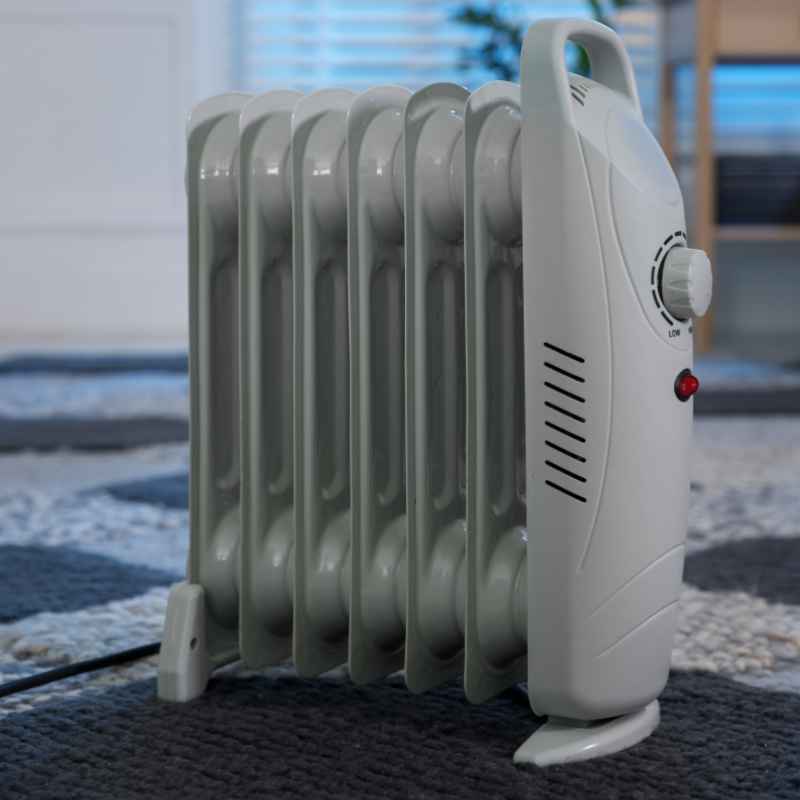
Portable Electric Heaters: These are common and easy to use. They come in various types: ceramic, oil-filled radiators, fan heaters. They are great for heating a small room quickly. Just plug them in. Be mindful of their energy use, though, as they can be power-hungry.
Propane Heaters: These are very effective for quick heat. They are often used for camping, RVs, or garages. They burn propane to create heat. Make sure to use them in well-ventilated areas. Carbon monoxide is a risk.
Wood Stoves/Fireplaces: If you have the setup, a wood stove or fireplace can provide excellent heat. They are a classic and cozy option. They require fuel and maintenance.
Passive Solar Heating: This is the simplest and cheapest. On sunny days, open your curtains. Let the sun warm your space naturally. Close them at night to trap the heat. This works for homes, apartments, and even RVs. It’s a behavioral change.
Solar-Powered Battery Banks + Electric Heater: As mentioned, you could use portable solar panels to charge a battery bank. Then use the battery bank to power a small electric heater. This is an indirect solar approach. It requires multiple components and a good amount of sunlight to charge the batteries sufficiently.
When choosing a portable heater, consider your needs. How much heat do you need? Where will you use it? What are your energy options? Safety is also a top priority.
Safety Considerations
When using any heating device, safety is key. This is especially true for portable units. Even if a device uses solar energy, it might have other components that need care.
If you are looking at devices with fans, make sure the fan is protected. You don’t want fingers or objects getting caught. If a device gets hot, be aware of the surfaces. Keep them away from flammable materials.
If you are using solar panels, handle them with care. They can be fragile. Keep them clean for best performance. If you are using them to charge batteries, follow the battery manufacturer’s instructions.
For any heating device, always read the manufacturer’s manual. Make sure you understand how to operate it safely. Never leave portable heaters unattended, especially if they are electric or fuel-burning.
Ventilation is crucial if you are using any kind of combustion heater (like propane). Ensure there’s enough fresh air to prevent carbon monoxide buildup. Carbon monoxide is a silent killer. It has no smell.
What the Future Holds for Portable Solar Heating
The world of solar technology is always moving forward. Researchers are constantly looking for new ways to capture and use solar energy. We might see more efficient solar cells. We could also see better ways to store solar energy.
Imagine a lightweight, foldable solar panel. It could charge a battery bank very quickly. Then that battery could power a small, efficient heating element. Or perhaps new materials will emerge. These materials could capture and hold solar heat much better than current ones.
There’s also research into more direct solar thermal applications. Perhaps small, portable solar thermal collectors that are highly efficient. These could pre-warm air for a tent or a small cabin.
The demand for off-grid solutions and sustainable living is growing. This drives innovation. While a “magic” portable solar heater isn’t here yet, it’s possible we’ll see more practical and effective solutions in the future. For now, though, the most effective uses of solar for heating are large, integrated systems or using solar to power other heating devices indirectly.
The key will be balancing portability with the sheer amount of energy needed for effective heating. It’s a tough challenge, but one that innovators are working on. Keep an eye on advancements in solar energy storage and conversion.
Frequently Asked Questions
Are there any true portable solar heaters for homes?
No, there are no widely available or effective “true portable solar heaters” for homes in the way most people imagine (like a plug-in electric heater, but solar). While some devices use solar to pre-warm air or water, their heating capacity is very limited and not suitable for warming an entire room or house.
What can a small solar air heater realistically do?
A small solar air heater can capture sunlight on a clear day to slightly warm a small amount of air. It might provide a gentle flow of warm air directly to you if you are very close to it. It’s best for personal comfort in small, enclosed spaces, not for significant room heating.
Can I use portable solar panels to power a regular electric heater?
Yes, indirectly. You can use portable solar panels to charge a battery bank or a portable power station. This stored energy can then power a small electric heater. However, this requires a large solar panel setup and a substantial battery to run a heater for any significant amount of time.
What’s the difference between solar electric and solar thermal for heating?
Solar electric (PV) converts sunlight into electricity. This electricity can then power an electric heater. Solar thermal directly uses sunlight to heat a fluid (like air or water). For home heating, solar thermal is often more efficient for direct heat but is typically part of large, non-portable systems.
Are solar air heaters efficient for camping?
Small solar air heaters are generally not very efficient for camping. They can provide a very minor warmth boost in a tent on a sunny day. For reliable warmth when camping, propane heaters or electric heaters powered by solar-charged batteries are more practical, though they have their own limitations.
What are the best portable heating options if solar isn’t practical?
Good portable heating options include electric space heaters (ceramic, oil-filled), and for outdoor/unplugged use, propane heaters. Using passive solar design (opening curtains) is also a free and effective way to add warmth during sunny periods.
Wrapping Up Your Portable Solar Heater Questions
So, to bring it all home: the idea of a truly effective portable solar heater that can warm your living space like a conventional heater is, for now, more of a wish than a reality. The physics of energy capture and the demands of heating make it a very difficult task for small, portable devices.
What you can find are devices that use solar in supporting roles. These might charge batteries for electric heaters or offer a slight warming effect in very specific, limited situations. For practical heating needs, especially when it’s cold, relying on solar alone in a portable format is not yet a viable solution.
Keep exploring clean energy options. Large-scale solar thermal and electric systems are powerful. And don’t forget the simple effectiveness of passive solar design. It’s about using the sun’s energy smartly, even if it’s not in a little box you can carry around.
Sponsored / affiliate links. As an Amazon Associate I earn from qualifying purchases. I may earn additional commission from eligible campaigns.