How Do Portable Solar Heaters Work? Simple Explanation Here
What Are Portable Solar Heaters and How Do They Work?
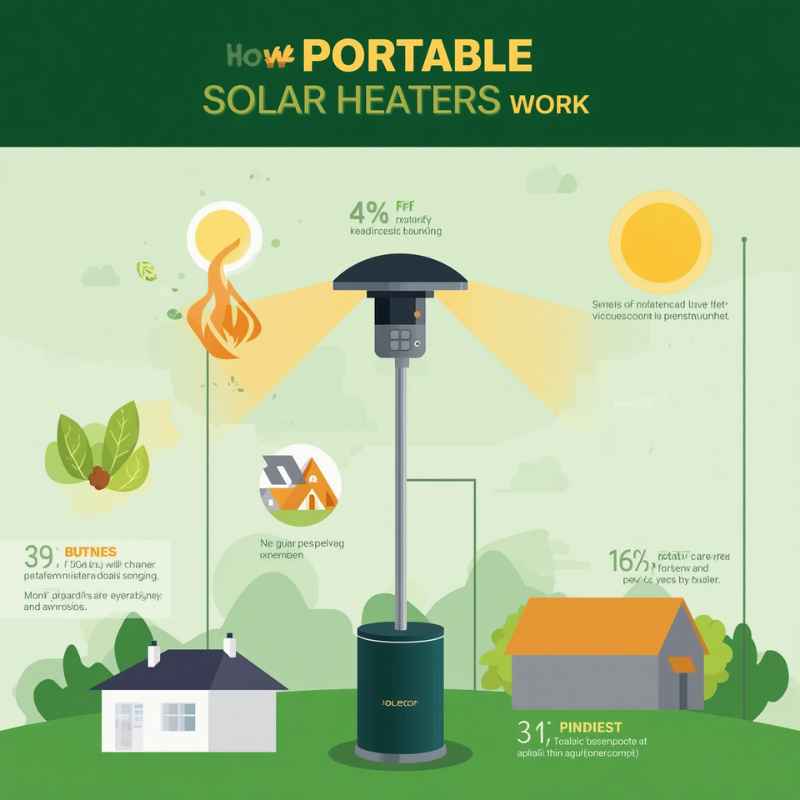
Imagine sunshine warming your space without plugging anything in. That’s the magic of portable solar heaters. They are simple devices that use sunlight to make heat.
You can move them around your home or take them outside. They offer a clean way to warm up small areas.
This guide will show you exactly how these clever gadgets get their power from the sun. We will break down each part and explain the whole process. You will learn why they are becoming so popular for many people.
Portable solar heaters capture sunlight and convert it into usable heat through solar thermal collectors. They typically use a dark surface to absorb solar radiation, a transparent cover to trap heat, and a way to circulate air or liquid to distribute the warmth. These units are designed for easy relocation and provide a green, cost-effective way to supplement heating in specific areas.
Understanding the Core Components
Portable solar heaters are not complicated machines. They have just a few key parts that work together. Think of it like building blocks.
Each piece has a special job to do to make heat happen.
These parts are usually housed in a frame that makes them easy to carry. The design is all about catching the sun’s rays efficiently. Let’s look closer at what makes them tick.
The Solar Collector: Catching the Rays
The main part is the solar collector. This is where the sunlight first hits. It is usually a flat panel with a dark surface inside.
This dark surface is important. Dark colors are great at soaking up heat from light.
Imagine wearing a black shirt on a sunny day. You feel hotter than in a white shirt. The solar collector works the same way.
It is designed to absorb as much sun energy as possible.
The Transparent Cover: Trapping the Heat
On top of the dark surface, there is a clear cover. This cover is often made of glass or a strong plastic. Its job is to let the sunlight in but keep the heat from escaping.
This is a bit like a greenhouse. The glass lets the sun’s light pass through to warm the plants inside. But it stops much of that warmth from going back out.
This trapped heat makes the collector even hotter.
The Airflow System: Moving the Warmth
Once the collector gets hot, the heat needs to go somewhere useful. This is where the airflow system comes in. Some heaters use a small fan.
This fan gently pushes air over the hot collector.
As the air passes over the heated surface, it picks up warmth. This warm air is then blown out into the room or space you want to heat. It’s a simple way to circulate warm air around you.
Other systems might use a liquid instead of air. The liquid gets heated by the collector. Then, this warm liquid is pumped through tubes to a radiator.
The radiator then releases the heat into the air. This is a bit more complex but can heat larger areas.
The Science of Sunshine to Heat
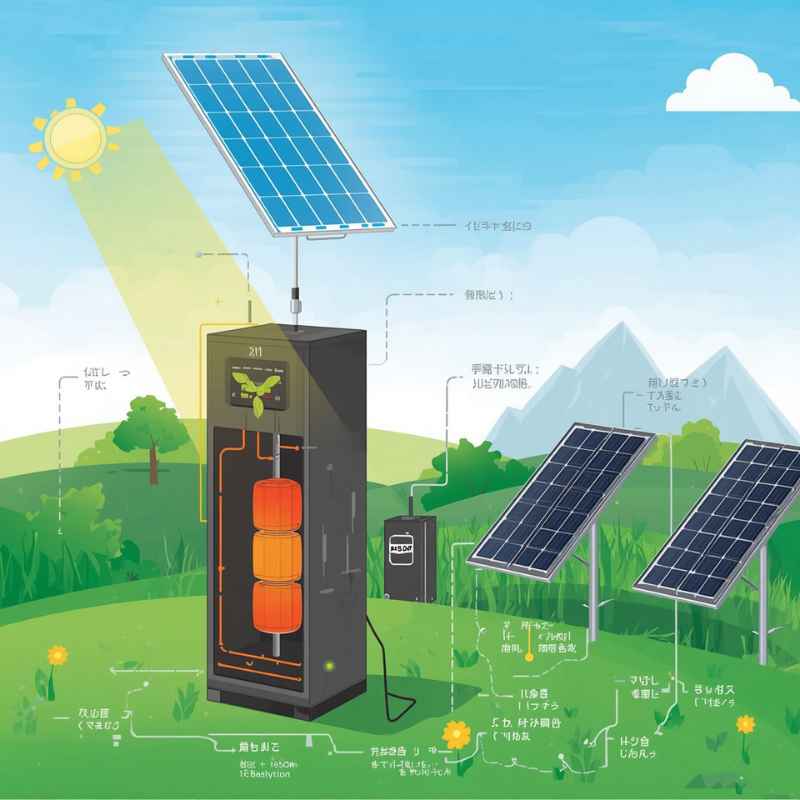
The process is based on basic science principles. It’s all about energy. Sunlight is a form of energy.
When it hits the collector, that energy is turned into heat energy.
This transformation is called the photovoltaic effect for solar panels that make electricity. But for solar heaters, it’s mostly about solar thermal energy. The sun’s rays heat up a surface.
This is much simpler than making electricity.
Absorption and Radiation
The dark absorber plate in the collector is key. It has a high absorptivity. This means it takes in almost all the light energy that hits it.
This absorbed energy makes the plate get very hot.
The hot plate then gives off heat. This heat is released in two main ways: radiation and convection. Radiation is like the heat you feel from a fireplace.
It travels in waves. Convection is heat carried by moving air or liquid.
The Greenhouse Effect at Play
The clear cover over the absorber plate is crucial for the greenhouse effect. Sunlight, which is mostly visible light, passes through the glass easily. It heats up the dark absorber plate.
The hot absorber plate then radiates infrared heat. Glass is not very transparent to infrared radiation. So, much of this heat gets trapped under the cover.
This makes the collector significantly hotter than the outside air.
Circulating the Warm Air
For air-based systems, the fan plays a vital role. It draws cooler room air into the heater. This air then flows across the back of the hot absorber plate or through channels heated by it.
The air gets warm.
This warm air is then blown back into the room. The fan keeps a steady flow of cooler air coming in and warm air going out. This continuous cycle heats the space.
The fan is usually powered by a small battery or sometimes a small solar cell.
My Own “Aha!” Moment with a Solar Heater
I remember setting up my first portable solar heater a few years back. It was a chilly autumn afternoon. I had a small, drafty sunroom that never stayed warm.
Plugging in a space heater felt like a waste of electricity, especially since the sun was out.
I unwrapped the heater. It looked like a fancy window pane. I placed it in the sunniest spot in the room, angled towards the sky.
Within ten minutes, I felt a gentle warmth radiating from the unit. It wasn’t roaring hot, but it was noticeable. I put my hand near the vent, and warm air was indeed blowing out.
It was such a simple, quiet way to add comfort. I felt a sense of relief, knowing I wasn’t adding to my electric bill for that small boost of heat. It was a real “aha!” moment about harnessing free energy.
Sunlight to Warmth: A Quick Flow
Step 1: Capture Dark absorber plate soaks up sun rays.
Step 2: Trap Clear cover stops heat from escaping.
Step 3: Heat Air Air blows over the hot plate, gets warm.
Step 4: Distribute Warm air flows into your room.
Where and How You Can Use Them
Portable solar heaters are best for specific situations. They are not meant to heat an entire house. Think of them as personal heaters or for small, enclosed spaces.
Their portability is their biggest strength. You can take them where you need them most. This makes them very versatile for many different needs.
Heating Small Spaces
These heaters are perfect for small rooms. This includes sunrooms, sheds, workshops, or even a small home office. They can take the chill off without turning on your main heating system.
You can also use them to warm up an area before you sit down. For example, you could point it at your favorite reading chair. You will feel warmer much faster.
Outdoor Use
On a sunny day, you can use them outdoors. Imagine sitting on your patio or deck. You can place a solar heater nearby to make your outdoor space more comfortable.
This extends the usability of your outdoor areas.
It’s important to remember that they need direct sunlight to work. Cloudy days will reduce their heat output significantly.
Supplementing Main Heating
Many people use these heaters to help their main heating system. If one room in your house is always colder, a solar heater can help. It takes some of the load off your furnace or heat pump.
This can lead to energy savings. You use less energy overall. It’s an efficient way to add warmth where it’s needed most.
It helps keep your energy bills lower too.
Portable Solar Heater: Ideal Spots
- Sunrooms: Catch extra rays.
- Workshops/Garages: Warm up while you work.
- Sheds: Make a cozy retreat.
- Patios/Decks: Extend outdoor comfort.
- Small Offices: Personal warmth boost.
Advantages of Going Solar (Even a Little Bit!)
There are many good reasons to choose a portable solar heater. The most obvious is the environmental benefit. You are using a renewable energy source.
Beyond being green, there are practical money-saving benefits too. They are often very affordable to buy and almost free to run.
Eco-Friendly Heating
Using solar energy means you are not burning fossil fuels. This reduces your carbon footprint. It’s a small step, but every bit helps for a healthier planet.
You are relying on the sun, which is a clean and abundant energy source. There are no emissions from the heater itself.
Cost Savings
Once you buy the heater, the “fuel” is free! The sun provides the energy. This means no monthly bills for heating your small space.
Over time, this can add up to significant savings.
Compared to electric space heaters, which can be costly to run, solar heaters are much cheaper over their lifespan. The initial cost is often comparable or slightly higher, but the running costs are much lower.
Quiet Operation
Most portable solar heaters are very quiet. If they have a fan, it’s usually a very low hum. This is a big plus compared to noisy electric heaters or the loud startup of a furnace.
You can enjoy the warmth without the distraction. This makes them great for quiet spaces like bedrooms or reading nooks.
Ease of Use and Portability
As the name suggests, they are portable. They are usually lightweight and easy to move from room to room. Many have simple controls, if any at all.
Just place them in the sun, and they start working.
This makes them perfect for people who move around their home a lot or need heat in different locations throughout the day.
Quick Scan: Solar Heater Benefits
| Benefit | Why It Matters |
| Eco-Friendly | No emissions, uses renewable sun energy. |
| Cost Savings | Free fuel (sunlight), lower energy bills. |
| Quiet | Peaceful warmth, no loud noises. |
| Portable | Easy to move and use anywhere. |
| Simple | Easy to set up and operate. |
Are There Any Downsides to Consider?
While portable solar heaters are great, they do have some limitations. It’s important to be realistic about what they can do.
Understanding these points will help you decide if one is right for your needs. They are excellent tools, but they are not a replacement for all heating.
Dependence on Sunlight
This is the biggest one. If the sun isn’t shining, they won’t work very well, or at all. Cloudy days, shade, and nighttime mean no heat from these units.
This means you will likely need another heat source for evenings or very cloudy weather. They are best as a supplemental heat source.
Limited Heating Power
These heaters are designed for smaller areas. They cannot heat a large house or even a very large room effectively. The amount of heat they produce is modest.
Think of them as providing personal comfort or taking the edge off the cold. They are not powerful enough to drastically change the temperature of a big space.
Placement Matters
You need direct, unobstructed sunlight for them to work best. If your windows are shaded by trees or buildings, you might not get enough sun. The angle of the sun also changes throughout the day and year.
You may need to move the heater a few times a day to keep it in the sunniest spot. This can be a bit of work.
Initial Cost
While running costs are near zero, the initial purchase price can be more than a basic electric heater. However, for the benefits they offer, many find the investment worthwhile.
Research different models to find one that fits your budget and needs. The quality and efficiency can vary between brands and designs.
Portable Solar Heater: Reality Check
Myth: They can heat my whole house.
Reality: Best for small rooms or personal comfort zones.
Myth: They work on cloudy days and at night.
Reality: Need direct sunlight to generate significant heat.
Myth: They are always cheaper than electric heaters.
Reality: Initial cost can be higher, but running costs are much lower.
What This Means for Your Home Comfort
So, how does this all add up for you? Portable solar heaters can be a smart addition to your home. They offer a unique way to get heat using nature’s power.
They are best used as part of a larger heating strategy. Think of them as a helpful tool in your comfort toolkit.
When They Shine (Literally!)
If you have a sunny room that gets cold, a solar heater is a great idea. If you spend time in a shed or workshop on sunny days, they can make it much more pleasant.
They are also good for people who want to reduce their energy bills and their environmental impact. Every little bit of solar energy used helps.
When to Look Elsewhere
If you need to heat a large space, or if you live in an area with very little winter sun, a solar heater might not be enough. If you need consistent heat at night or on very cloudy days, you will need a different solution.
They are not a primary heating system. They work best to supplement your existing heating.
Simple Checks Before Buying
Before you buy, think about where you will use it. Does that spot get good, direct sunlight for most of the day? How much heat do you really need?
Read reviews from other users. Look at the size and weight if you plan to move it often. Check for any safety features, though most are very safe.
Quick Tips for Getting the Most Heat
To make your portable solar heater work its best, a few simple tricks can help. It’s all about maximizing the sun’s power and keeping the heat where you want it.
These tips are easy to follow and can make a noticeable difference in how warm you feel.
Angle for the Sun
Always point the collector directly at the sun. The more direct the sun’s rays, the hotter the collector will get. You might need to adjust the angle as the sun moves across the sky.
Many heaters have adjustable stands or legs. Use them to find the perfect angle. In the winter, the sun is lower in the sky, so you’ll need a steeper angle.
Keep it Clean
Dust and dirt on the clear cover can block sunlight. Wipe the cover regularly with a soft, damp cloth. This ensures maximum light can reach the absorber plate.
The absorber plate itself usually doesn’t need cleaning unless the unit is opened, which is rare. Just focus on the outside glass or plastic.
Use it with Draft Control
If you are using the heater in a room, try to reduce drafts. Close doors and windows. You can even use a draft stopper at the bottom of a door.
This keeps the warm air inside the room and prevents cold air from coming in. It helps the heater work more efficiently.
Combine with Other Heat Sources
On very cold days, don’t rely on solar alone. Use your solar heater alongside your main heating system or a small electric heater. It will boost the comfort level and can help you set your main thermostat a degree or two lower.
This layered approach provides the best of both worlds: free solar heat and reliable backup heat when needed.
Maximizing Your Solar Heater
Placement: Find a spot with direct, unobstructed sun.
Angle: Adjust to face the sun precisely.
Cleaning: Wipe the clear cover often.
Insulation: Seal up the room to keep heat in.
Backup: Use with other heat sources when needed.
Frequently Asked Questions About Portable Solar Heaters
How much heat can a portable solar heater actually produce?
The amount of heat varies based on the size of the heater, sunlight intensity, and outside temperature. Generally, they are designed to warm a small, enclosed space by 5-15 degrees Fahrenheit. They provide gentle warmth, not intense heat like a furnace.
Do I need batteries or electricity to run a solar heater?
Some portable solar heaters have a small fan that may be battery-powered or have a small solar cell to run it. The main heating process itself does not require electricity. If it has a fan, check the power source for that specific model.
Can I use a portable solar heater in my RV or camper?
Yes, they can be very useful in RVs or campers, especially when parked in sunny locations. They provide supplemental heat without draining your RV’s battery or using propane. Just ensure you have a clear, sunny spot to place it.
What maintenance do portable solar heaters require?
Maintenance is very low. The main task is to keep the clear cover clean by wiping it down periodically. Ensure any vents are not blocked.
They are generally very durable and require no other upkeep.
Are portable solar heaters safe to use indoors?
Yes, they are very safe for indoor use. They produce heat through sunlight and do not involve combustion, so there are no fumes or open flames. Always follow the manufacturer’s instructions for safe placement.
Can I use a portable solar heater to heat water?
While the basic principle of solar thermal heating is the same, portable solar heaters are designed specifically for heating air. Specialized solar water heaters are required for heating water. These units are not designed for that purpose.
Final Thoughts on Sun-Powered Warmth
Portable solar heaters are a clever way to harness the sun’s energy. They offer simple, eco-friendly warmth for specific needs. Understanding how they work helps you appreciate their design.
They are a great addition for comfortable, cost-effective heating. Enjoy the feeling of sunshine warming your personal space!
Sponsored / affiliate links. As an Amazon Associate I earn from qualifying purchases. I may earn additional commission from eligible campaigns.