What Heats A Space By Reversing The Refrigeration Cycle?
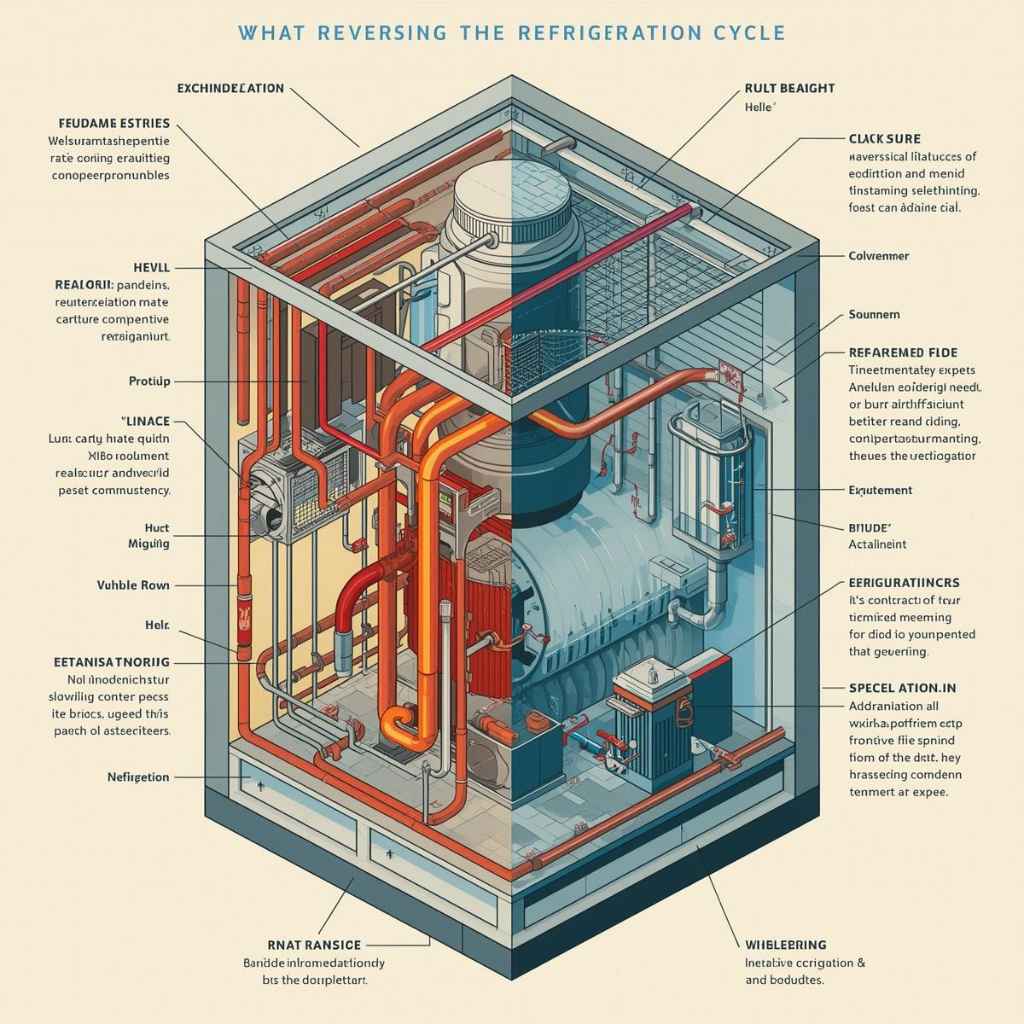
A heat pump heats a space by reversing its refrigeration cycle. It moves heat from one place to another. In winter, it pulls heat from outside air or the ground. It then moves that heat inside your home. In summer, it works like an air conditioner. It pulls heat from inside and moves it outside.
How Heat Pumps Use the Refrigeration Cycle to Heat
Think about your refrigerator. It makes the inside cold. It does this by moving heat from inside to the coils on the back.
Those coils feel warm, right? A heat pump works on the same basic idea. It uses a refrigerant.
This is a special fluid that can change from a gas to a liquid and back again. This change lets it absorb and release heat.
In heating mode, the heat pump finds heat. It finds it even when it’s cold outside. This might seem strange.
But there’s always some heat energy in the air. Or it could be in the ground or water. The refrigerant flows through coils outside.
It absorbs this low-level heat. This turns the refrigerant into a gas. Then, a compressor squeezes this gas.
Squeezing makes the gas much hotter. This hot gas then flows through indoor coils. As it cools, it releases its heat into your home’s air.
The refrigerant turns back into a liquid. This liquid then goes back outside to start the cycle again.
The key here is reversing the cycle. In cooling mode, the same system acts like an air conditioner. It absorbs heat from inside your home.
It then releases that heat outside. A valve switches the direction of the refrigerant flow. This changes what the indoor and outdoor coils do.
So, one system can provide both heating and cooling. This makes heat pumps a very flexible choice.
The Refrigeration Cycle Explained Simply
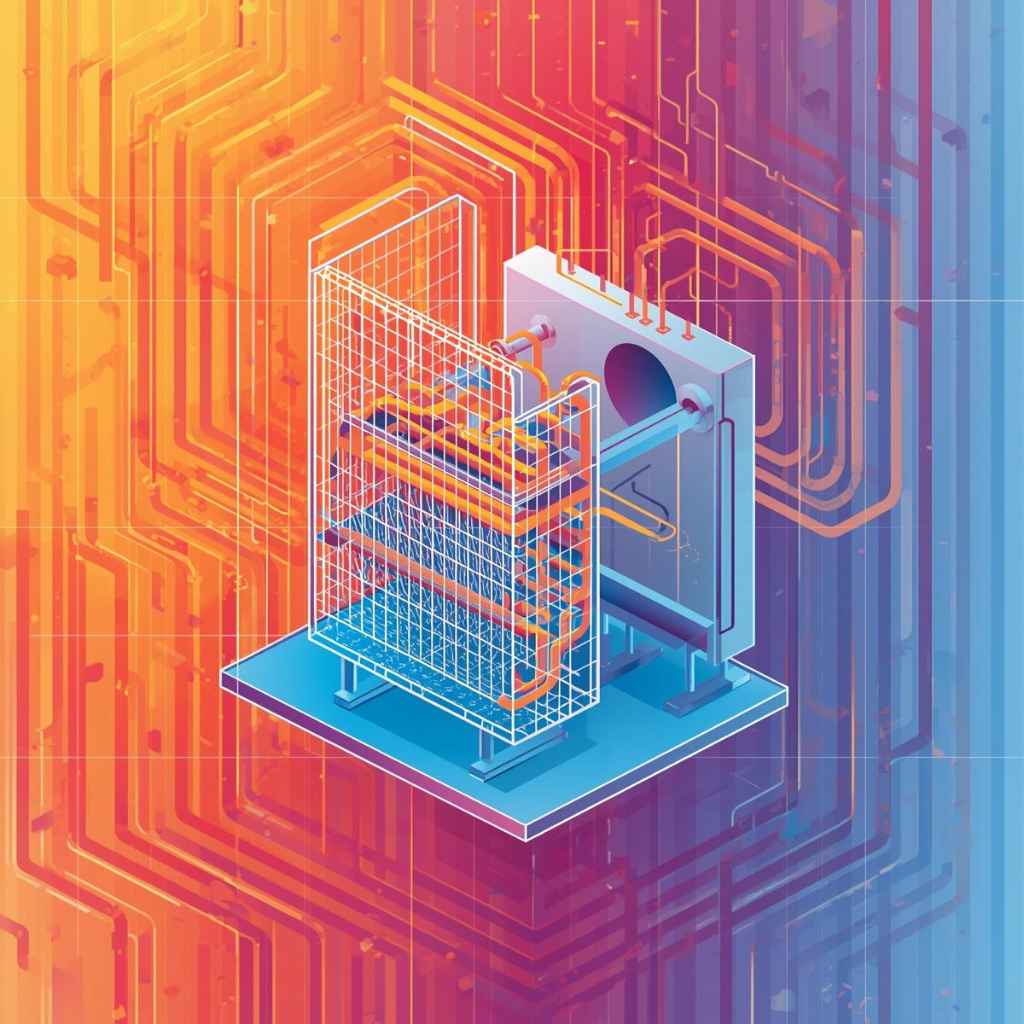
Let’s break down the refrigeration cycle a bit more. It’s like a four-step dance for the refrigerant. Each step plays a role in moving heat.
This is true for refrigerators and heat pumps alike.
Step 1: Evaporation (Absorbing Heat). The refrigerant starts as a cold liquid. It flows into the outdoor coils (in winter).
These coils have a larger surface area. This helps them gather heat from the outside air. Even if the air feels cold to us, it has heat.
The refrigerant absorbs this heat. It starts to boil and turn into a gas. This is like water boiling on a stove.
It absorbs heat to change form. This step cools the outdoor coils.
Step 2: Compression (Raising Temperature). The refrigerant gas then goes to the compressor. This is the heart of the system.
The compressor squeezes the gas. This uses a lot of energy. But it makes the gas much hotter.
It also increases its pressure. Think of pumping up a bike tire. The pump gets warm.
The air inside gets hotter.
Step 3: Condensation (Releasing Heat). This hot, high-pressure gas flows to the indoor coils. These coils are now the hot side.
Your home’s air blows over these coils. The hot refrigerant gives off its heat to the air. This warms your home.
As the refrigerant loses heat, it cools down. It changes back into a high-pressure liquid. This is like steam turning back into water when it hits a cold surface.
Step 4: Expansion (Lowering Temperature). The high-pressure liquid refrigerant then goes through an expansion valve. This valve restricts the flow.
It causes a sudden drop in pressure. This makes the refrigerant very cold again. It becomes a low-pressure liquid.
It’s now ready to go back outside. It can absorb more heat. The cycle starts all over.
This entire process is about moving heat from a cooler place to a warmer place. It’s an energy-efficient way to heat.
My Own Heat Pump Experience: A Cold Snap Surprise
I remember one winter, it was brutally cold. We’re talking single digits Fahrenheit, maybe even colder with the wind chill. My house, which is heated by a heat pump, was getting chilly.
Not freezing, but definitely not cozy. I went downstairs to check the thermostat. It was set to a normal comfortable temperature.
The heat pump outside unit was running, but it sounded… tired. It wasn’t blowing that really hot air I sometimes feel on milder days.
I started to worry. Was the heat pump broken? Was it too cold for it to work?
I recalled reading that heat pumps can struggle in extreme cold. This was the first time I’d experienced such a deep freeze with this system. I felt a knot of anxiety tighten.
Visions of space heaters and high electric bills danced in my head. I stepped outside. The air hitting my face was like a slap.
The outdoor unit of the heat pump was coated in a thin layer of frost. It was trying its best, but it was clearly working overtime. I could feel a faint warmth if I put my hand near the indoor vents, but it wasn’t enough.
It was then I remembered something about supplemental heat. My system had electric resistance coils as a backup. That’s when the system should have kicked in more.
It seemed like it wasn’t keeping up. It was a real wake-up call about how these systems work in different weather. That cold snap taught me a lot about managing my heat pump.
Heat Pump vs. Furnace: What’s the Difference?
Heat Pump: Moves existing heat. Very energy efficient, especially in moderate climates. Uses electricity.
Can also cool.
Furnace: Creates heat by burning fuel (gas, oil, propane) or using electric coils. Good for very cold climates. Produces hotter air than a heat pump.
Where and Why Heat Pumps Are Used
Heat pumps are becoming more popular everywhere. But they are especially good in places with mild winters. Think of the southern United States.
Here, the temperatures don’t drop too drastically. The heat pump can efficiently pull enough heat from the outside air. In these areas, a heat pump can often handle all the heating and cooling needs.
It’s a single system for year-round comfort.
They are also used in places with natural gas lines. Some homes might have both. The heat pump handles heating and cooling most of the year.
When it gets very cold, a gas furnace can take over. This is called a dual-fuel system. It uses the most efficient system for the current temperature.
This saves energy and money. Many new homes are being built with heat pumps as the primary heating and cooling source. This is because they are more energy efficient than traditional electric furnaces.
They also help reduce reliance on fossil fuels.
The design of a heat pump system is important. The outdoor unit needs good airflow. It shouldn’t be blocked by snow or debris.
The indoor unit, often called an air handler, blows the conditioned air through your house. The efficiency of the system depends on factors like the outside temperature. It also depends on how well your home is insulated.
A well-sealed and insulated home needs less energy to heat or cool. This means the heat pump works less. It lasts longer too.
Common Heat Pump Types
- Air-Source Heat Pumps: These are the most common. They pull heat from the outside air.
- Geothermal (Ground-Source) Heat Pumps: These use the stable temperature of the earth. They bury pipes underground to exchange heat. They are very efficient but have a higher installation cost.
- Water-Source Heat Pumps: These use a nearby body of water, like a pond or lake, as the heat source/sink. Less common for residential use.
When a Heat Pump Might Not Keep Up
As I experienced, there are times when a heat pump struggles. The biggest challenge is extreme cold. When outside temperatures drop very low, there’s less heat for the refrigerant to absorb.
The heat pump has to work much harder to get enough heat. This makes it less efficient. At a certain point, it might not be able to heat your home enough on its own.
This is why many heat pump systems have a backup heat source. This is often called “auxiliary heat” or “emergy heat.” It’s usually electric resistance heating. Think of toaster coils.
They glow red and produce heat directly. These coils are very effective at making heat. But they use a lot of electricity.
So, they are more expensive to run than the heat pump itself. When the heat pump can’t keep up, the system automatically switches on the auxiliary heat. This ensures your home stays warm.
It’s a safety net.
Another factor is system size. If the heat pump is too small for your home, it will struggle even in milder cold. It will constantly run.
It will still not be able to reach your desired temperature. This leads to reliance on backup heat. It also means higher energy bills.
Properly sizing a heat pump is crucial. This is done by an HVAC professional. They consider your home’s size, insulation, and climate.
Normal vs. Concerning Heat Pump Sounds
Normal:
- Humming: The normal sound of the compressor and fans running.
- Clicking: When the system turns on or off.
- Whooshing: Air moving through your vents.
- Occasional pops/creaks: Metal parts expanding and contracting with temperature changes.
Concerning:
- Grinding/Screeching: Could indicate motor problems.
- Loud Bang: Might signal a failing compressor or other major issue.
- Hissing: Could mean a refrigerant leak.
- Constant Clanking: Often points to loose parts or imbalance.
What This Means for Your Home Comfort and Bills
Understanding how your heat pump works helps you manage your home. In mild weather, your heat pump is very efficient. It moves heat rather than creating it.
This means lower energy bills compared to electric resistance heat. It also helps the environment by using less energy.
However, when temperatures drop significantly, your heat pump works harder. It becomes less efficient. You will likely see your energy bills increase.
This is when the backup heat may kick in. If your backup heat is electric resistance, this part can be expensive. Knowing this helps you prepare.
You can pre-heat your home before the coldest parts of the day. Or you might set your thermostat slightly lower when you’re away.
Regular maintenance is key. A well-maintained heat pump runs more efficiently. It’s less likely to break down.
It will perform better, even in colder weather. Checking your air filters regularly is also important. A dirty filter makes your system work harder.
Quick Checks for Your Heat Pump
Check Air Filters: A clogged filter restricts airflow. Change it every 1-3 months.
Clear Outdoor Unit: Ensure nothing is blocking airflow around the outdoor fan unit. Remove leaves and debris.
Listen for Strange Noises: Any new grinding, banging, or screeching warrants a call to a technician.
Check for Ice Buildup: Some frost is normal in winter. Heavy ice on the outdoor unit means it’s not defrosting properly. This can be a problem.
Simple Checks You Can Do
You don’t need to be an HVAC expert to do a few simple checks. These can help your heat pump run better. They can also help you spot potential issues early.
First, check your air filters. Clogged filters are a common problem. They make the system work harder.
They also reduce the amount of warm air coming into your rooms. Check the filter monthly. Replace it when it looks dirty.
Most filters are easy to access. They are usually located in the return air duct or the air handler itself.
Next, look at your outdoor unit. Is it covered in leaves or debris? Is there snow piled up against it?
These things block airflow. Good airflow is essential for the heat pump to work. Gently clear away any obstructions.
Make sure there’s at least two feet of clear space around it. If you see heavy frost or ice buildup, that’s a sign something might be wrong. A normal defrost cycle should handle light frost.
But thick ice means you should call a professional.
Listen to your system. Does it sound normal? Are there any new, loud noises?
Grinding, screeching, or banging sounds are not good. They often mean a part is failing. If you hear these, it’s time to call for service.
Sometimes, you might notice a lack of warm air. Or the air might not feel warm enough. This could be due to a refrigerant issue, a problem with the backup heat, or simply a system that’s too small.
Understanding Defrost Cycles
In cold weather, moisture from the air can freeze on the outdoor coils. This is normal. Heat pumps have a defrost cycle.
This temporarily reverses the system to melt the ice. You might notice a “whoosh” sound or steam from the outdoor unit during this time. This is a good thing!
If the defrost cycle isn’t working, ice builds up. This stops heat transfer and reduces efficiency.
When to Call a Professional
While simple checks are helpful, some problems need a pro. If your heat pump isn’t heating your home effectively, call an HVAC technician. This is especially true if it’s very cold outside.
If you hear strange noises, that’s another sign. Loud grinding, screeching, or banging sounds are serious.
If you notice ice building up heavily on the outdoor unit, don’t ignore it. This indicates a problem with the defrost cycle or refrigerant levels. A refrigerant leak is a serious issue.
It affects performance and can be harmful. Only certified technicians can handle refrigerant. They have the special tools and training needed.
Another reason to call a pro is if your energy bills have suddenly spiked. This could mean your system is not running efficiently. It might have a hidden problem.
Regular professional maintenance is recommended. It’s usually done once a year, often before the heating season. A technician will clean the system.
They will check the refrigerant levels. They will inspect electrical components. They can also identify potential issues before they become major breakdowns.
Tips for Maximizing Heat Pump Efficiency
To get the most out of your heat pump, think about how you use your home. Using a programmable or smart thermostat is a great idea. You can set it to lower the temperature when you’re asleep or away.
When you’re home, you can set it to a comfortable level. This saves energy without sacrificing comfort.
Avoid drastic temperature changes. Instead of turning the thermostat way up when you feel cold, try small adjustments. Heat pumps work best when they maintain a steady temperature.
Constant large swings make the system work harder. This uses more energy. It can also make the backup heat run more often.
Make sure your home is well-insulated. Check for drafts around windows and doors. Adding insulation in the attic and walls can make a big difference.
A well-sealed home prevents warm air from escaping. It also keeps cold air from getting in. This means your heat pump doesn’t have to work as hard.
Consider a duct sealing service. Leaky ducts can lose a lot of heated air. This means the air that your heat pump worked to warm never makes it to your rooms.
Sealing them can improve efficiency and comfort.
What About Heat Pump Efficiency Ratings?
HSPF (Heating Seasonal Performance Factor): This measures heating efficiency. Higher numbers mean better efficiency. Look for HSPF 2 or higher for new systems.
SEER (Seasonal Energy Efficiency Ratio): This measures cooling efficiency. Higher numbers mean better efficiency. Look for SEER 13 or higher.
HSPF2 and SEER2: These are newer ratings from the Department of Energy. They are more accurate for real-world conditions. Always ask about the latest ratings when buying a new unit.
Frequently Asked Questions About Heat Pumps
Can a heat pump really heat my home in very cold weather?
Modern heat pumps are much better than older models. Many can provide heat down to 0°F (-18°C) or even lower. However, their efficiency drops as it gets colder.
Most systems have a backup heat source, like electric resistance coils, for very cold days when the heat pump can’t keep up.
How often should I get my heat pump serviced?
It’s generally recommended to have your heat pump professionally serviced once a year. Many people prefer to do this in the fall, before the heating season starts. This ensures it’s ready for the cold months.
Spring is also a good time for a check-up before the cooling season.
Is a heat pump more expensive to run than a gas furnace?
It depends on your local energy costs and the climate. In moderate climates, heat pumps are often more efficient and cheaper to run than electric furnaces. They can also be cheaper than gas furnaces in some areas where electricity is less expensive than natural gas.
In very cold climates, a gas furnace might be more cost-effective for heating during extreme cold.
Why does my heat pump blow cool air sometimes?
This might happen during the defrost cycle. The system temporarily reverses to melt ice on the outdoor unit. You might also notice it if the system is struggling to heat your home sufficiently on a very cold day, and the air it produces isn’t as hot as usual.
If it consistently blows cool air, contact a technician.
What are the environmental benefits of using a heat pump?
Heat pumps are considered an environmentally friendly heating and cooling option. They move heat instead of generating it through combustion. This means they use less energy overall.
They also don’t produce on-site greenhouse gas emissions. This can help reduce your home’s carbon footprint, especially if your electricity comes from renewable sources.
Can I use a heat pump if I live in a very hot and humid climate?
Yes, heat pumps are excellent for both heating and cooling. In hot and humid climates, they effectively remove heat and humidity from your home. Proper sizing and maintenance are crucial to ensure they can handle the cooling load and manage humidity levels effectively.
Final Thoughts on Reversing the Cycle
So, the system that heats your space by reversing the refrigeration cycle is a heat pump. It’s a clever piece of technology. It uses the same principles as your fridge or air conditioner.
But it’s designed to move heat where you want it. This can be from outside to inside for warmth. Or from inside to outside for coolness.
Understanding this process helps you use your system wisely. It also helps you know when it needs a little help. Keeping it well-maintained is key for efficiency and comfort.
Sponsored / affiliate links. As an Amazon Associate I earn from qualifying purchases. I may earn additional commission from eligible campaigns.