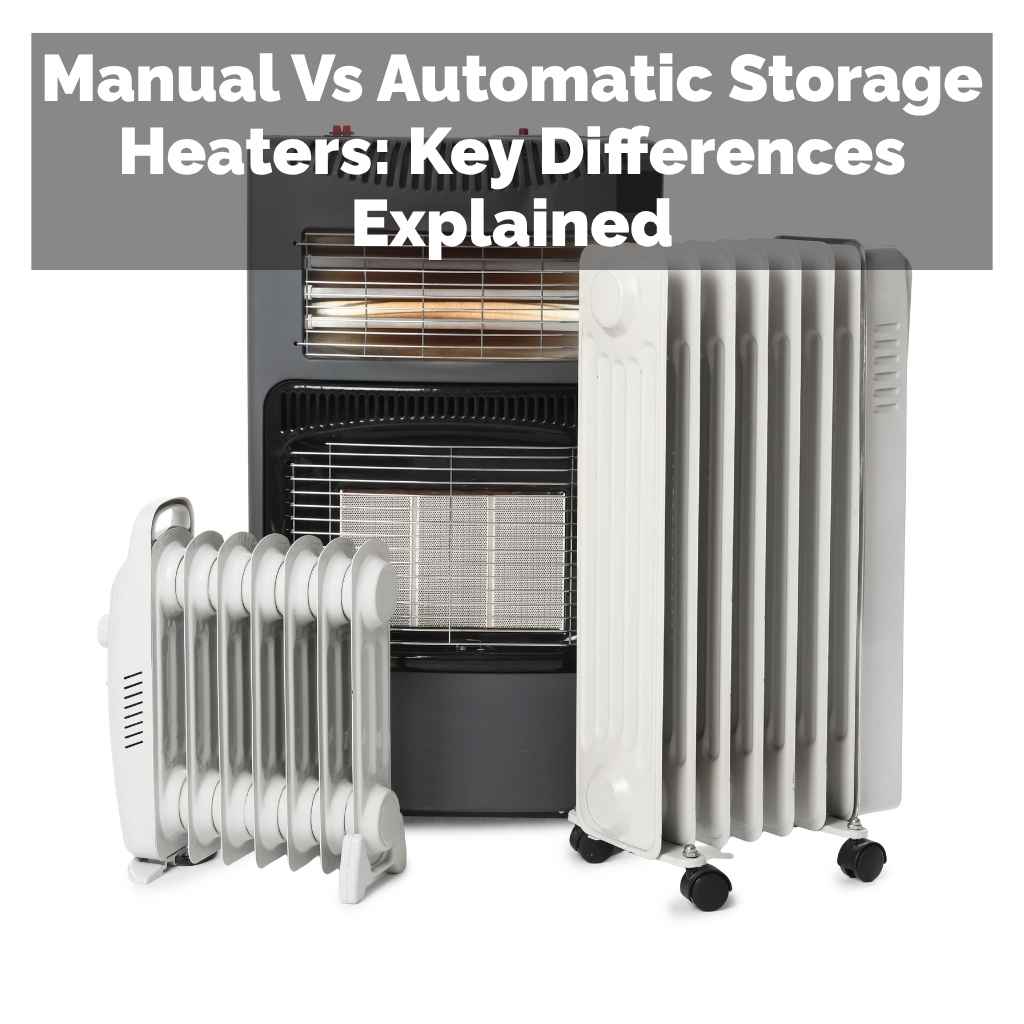
Manual Vs Automatic Storage Heaters: Key Differences Explained
It’s that time of year again. The air gets a little crisper. You start thinking about staying warm and cozy inside.
For many, that means turning to storage heaters. But standing in the heating aisle or looking online, you see two main types: manual and automatic. They look similar.
They seem to do the same job. Yet, the names suggest a big difference. Which one is right for you?
It can feel confusing. You want to save money. You want to be comfortable.
You don’t want to make a costly mistake. This guide will break it all down. We’ll look at what makes them different.
We’ll cover how they work. We’ll help you decide which one fits your life best.
The main difference between manual and automatic storage heaters lies in how they control heat release. Manual models require user adjustment to release heat, while automatic models use thermostats to regulate temperature and release heat as needed throughout the day. This impacts their energy efficiency and ease of use.
Understanding Storage Heater Basics
Storage heaters are a clever way to heat your home. They use electricity. But they don’t use it all at once.
Think of them like a battery for heat. They charge up when electricity rates are lower. This is usually overnight.
Then, they release that stored heat during the day. This is when you need it most. This process saves you money.
It also makes them a greener choice. They use off-peak electricity. This often comes from renewable sources.
So, they help the planet too.
The core of a storage heater is its “core”. This is usually made of bricks or thermal blocks. These get very hot when the heater charges.
They hold this heat for many hours. The heater then has a way to let this heat out. This is called “heat release”.
How this release happens is where manual and automatic heaters differ the most. It’s all about control. It’s about when and how much heat comes out.
This control affects how warm your house stays. It also affects your electricity bill.
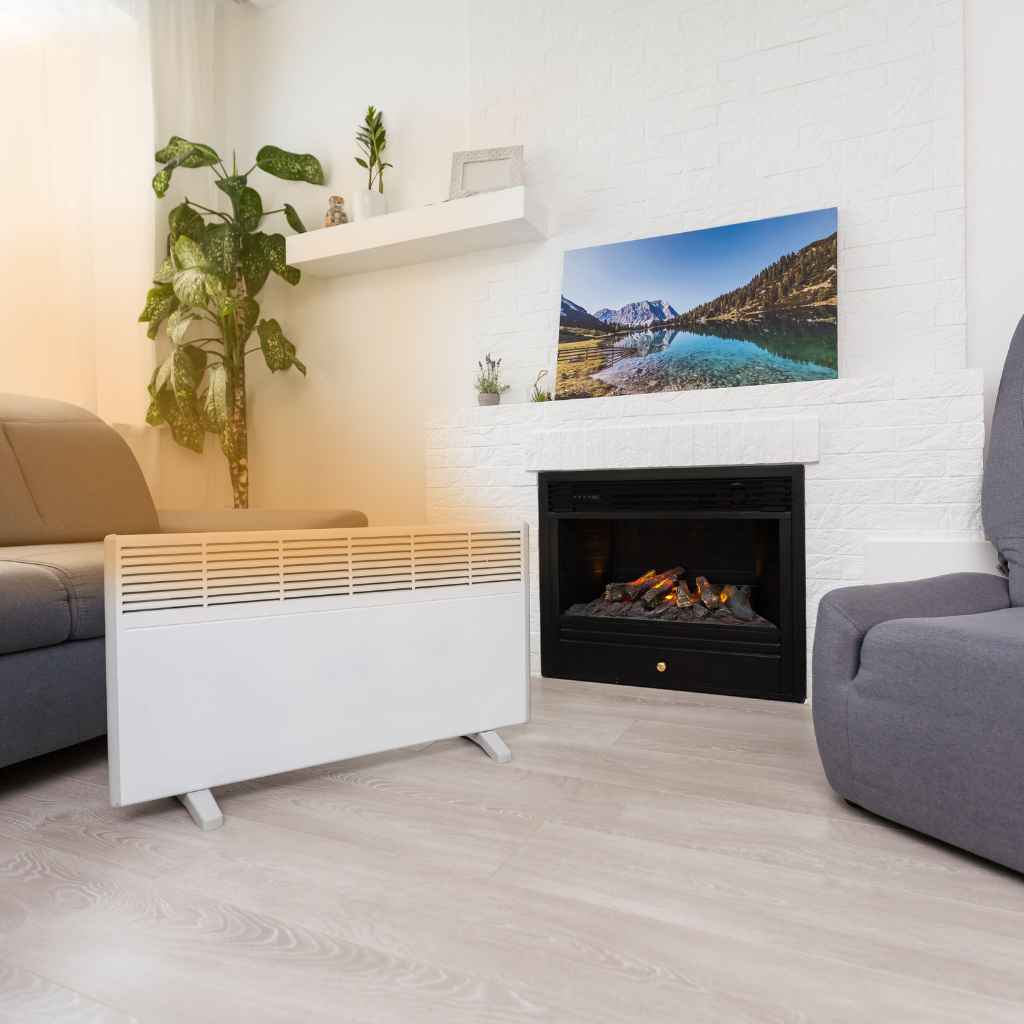
Manual Storage Heaters: The Hands-On Approach
Manual storage heaters are the simpler of the two. They rely on you to manage the heat. When you buy one, it has a thermostat.
This thermostat controls how much heat the heater stores overnight. You set this based on how cold you expect the next day to be. For example, if it’s going to be very cold, you’ll turn it up higher.
If it’s milder, you’ll turn it down.
Then, there’s the “heat release” control. This is usually a lever or a dial. You move this lever to let the heat out.
You do this manually during the day. So, if you feel a chill, you push the lever more. If you feel too warm, you push it less.
It’s like adjusting a radiator. You decide when heat comes out.
I remember installing a manual storage heater in my old flat. It was a cold winter. I didn’t quite get the thermostat setting right.
I woke up to a chilly bedroom. So, I had to get out of my warm bed to push the heat release lever. I ended up pushing it too much.
The room became too hot! It felt like a constant battle. Getting the balance just right took practice.
It wasn’t always ideal. Especially on busy mornings. Or when I just wanted to relax.
Key features of manual storage heaters:
- User Control: You decide when and how much heat is released.
- Simpler Design: Fewer complex electronic parts.
- Lower Initial Cost: Often less expensive to buy than automatic models.
- Requires Attention: You need to monitor room temperature and adjust manually.
- Potential for Waste: If you release too much heat, it can escape unused.
These heaters are good if you are home a lot. You can adjust them easily. You like being in control.
You don’t mind a little bit of fiddling. They can be very cost-effective if you use them wisely. But they do demand your attention.
If you’re out all day, the heat might escape before you get back. Or the house might get cold while you’re gone.
Manual Heater: How It Works
Storage: Electricity flows overnight to heat the internal bricks.
Setting: You set the input thermostat for how much heat to store.
Release: You move a lever or dial to let stored heat out during the day.
Adjustment: You monitor the room and adjust the release lever as needed.
Automatic Storage Heaters: The Smart Choice
Automatic storage heaters are more modern. They do a lot of the work for you. They have a special thermostat inside.
This thermostat senses the room temperature. It then decides when to release the stored heat. It does this automatically.
You set your desired room temperature. The heater then keeps the room at that temperature. It does this without you needing to touch anything.
It’s like having a self-managing heater.
This makes them very convenient. You set it and forget it. You can go out for the day knowing your home will stay at a comfortable warmth.
When you return, the house is still cozy. There’s no need to fiddle with levers. This is a big plus for busy families.
Or for people who travel a lot.
I’ve seen these in action in friends’ homes. They are so quiet. You don’t hear the click or whirr of manual adjustments.
The temperature just stays steady. It’s a subtle but significant difference in comfort. One friend’s house always felt just right.
No cold spots. No overheating. They just had them set and running.
They said they never worried about the heating.
Key features of automatic storage heaters:
- Thermostatic Control: Automatically regulates room temperature.
- Ease of Use: Set it and forget it convenience.
- Consistent Comfort: Maintains a stable temperature.
- Energy Efficiency: Less heat is wasted because it’s released only when needed.
- Higher Initial Cost: Generally more expensive to purchase.
These heaters are ideal if you value convenience. If you want consistent warmth without effort. If you’re out of the house for long periods.
They are a great option for modern living. They use technology to make your life easier and more comfortable. They also tend to be more energy efficient.
This is because they don’t waste heat by releasing it when it’s not needed. The internal thermostat manages this perfectly.
Automatic Heater: Smart Features
Storage: Like manual, they store heat overnight using off-peak electricity.
Setting: You set your desired room temperature on the thermostat.
Automatic Release: The internal thermostat controls when heat is released.
Temperature Maintenance: The heater adjusts heat output to keep the room at your set temperature.
How They Store Heat: The Common Ground
Both manual and automatic storage heaters use the same fundamental principle for storing heat. They are designed to take advantage of cheaper electricity rates that are available during off-peak hours. These hours are typically at night.
Your electricity supplier has a different price for electricity during these times. This is because demand is much lower. Power plants can run more efficiently.
They pass these savings on to consumers.
The heater is connected to your household’s electricity supply. It has a timer or a control system. This system is programmed to switch the heater on during the off-peak period.
Usually, this is for about 7 to 9 hours overnight. During this time, the heater draws a large amount of electricity. This electricity powers internal heating elements.
These heating elements are surrounded by dense, heat-retaining material. This material is often made of special fire bricks. These bricks are designed to absorb and hold a lot of thermal energy.
As the electricity flows through the elements, the bricks heat up. They can reach very high temperatures. Think of them as large, very hot stones.
They get hot enough to store enough heat for the entire day. This is the “storage” part of storage heater.
The amount of heat stored is determined by a few factors. The size of the heater is one. Larger heaters have more bricks.
They can store more heat. The setting on the input thermostat is another. This dial controls how much electricity the heater is allowed to draw.
A higher setting means more electricity. More electricity means hotter bricks. This is true for both manual and automatic models.
The decision to charge fully or partially is made by the user (manual) or the thermostat (automatic).
This intelligent use of electricity makes storage heaters efficient. They help balance the load on the national grid. They reduce the need for electricity generation during peak hours.
Peak hours are when electricity is most expensive. They also offer a significant cost saving for households. Especially those that can shift their energy use to off-peak times.
The Difference in Heat Release: The Crucial Distinction
This is where the paths of manual and automatic storage heaters truly diverge. The way they release the stored heat dramatically impacts how comfortable your home is and how efficiently energy is used.
With a manual storage heater, you are the controller. You have a physical control, like a slider or a dial, on the heater itself. This control manages the airflow over the hot bricks.
When you want heat, you move the slider. This opens vents. Hot air rises from the bricks.
It then flows into your room. The further you open the vents, the more heat is released.
Imagine you feel a bit chilly. You push the slider a bit more. More hot air comes out.
Your room warms up. If the room gets too warm, or you need to leave, you push the slider back. This closes the vents.
It stops the heat from escaping. The heat is still stored in the bricks. It’s just held back.
This gives you direct control. But it means you need to be present to make adjustments. You have to actively manage your home’s temperature throughout the day.
This can be inconvenient. It also means you might release too much heat. Then it’s lost before you can stop it.
Or you might not release enough. Leaving parts of the day feeling cool.
Now, consider the automatic storage heater. It has an internal thermostat. This thermostat is the brain of the operation.
It constantly measures the temperature in the room. You set your desired temperature. Let’s say you want it at 70°F (21°C).
The thermostat compares the actual room temperature to your set point.
If the room temperature drops below 70°F (21°C), the thermostat signals the heater. It opens the vents automatically. It lets the stored heat escape.
This continues until the room reaches 70°F (21°C). Then, the thermostat signals again. It closes the vents.
It stops the heat release. The heater does this all by itself. You don’t have to do anything.
This means the room stays at your set temperature consistently. There are no sudden chills or overheating. It’s a much more stable and comfortable experience.
This automatic control is a huge advantage. It ensures heat is only released when it’s actually needed. This prevents waste.
It means the stored heat is used more efficiently. It can also lead to energy savings. Because you’re not releasing heat when the room is already warm.
Or when you’re not home to feel it. This continuous, intelligent release is what makes automatic models stand out.
Heat Release Comparison
Manual:
- Control: User-operated lever/dial.
- Action: You decide when to release heat.
- Comfort: Can be inconsistent. Requires frequent adjustment.
- Efficiency: Risk of wasted heat if not managed well.
Automatic:
- Control: Internal thermostat.
- Action: Heater releases heat based on room temperature.
- Comfort: Consistent and stable. Set it and forget it.
- Efficiency: High. Heat is released only when needed.
Energy Efficiency and Cost: Making the Numbers Work
When it comes to energy efficiency and cost, automatic storage heaters generally have the edge. This is primarily due to their intelligent heat release system. Since they only release heat when the room temperature drops below your set point, they minimize waste.
You aren’t paying for heat that escapes out of an open window or heats an empty room.
Manual storage heaters can be very efficient, but it depends heavily on the user. If you are diligent about adjusting the heat release lever, you can achieve good efficiency. However, it’s easy to get wrong.
Forgetting to close the vents on a warm afternoon means that stored heat is lost forever. This is wasted electricity. It adds to your bill.
On the flip side, not opening the vents enough means you might be cold and need to use another form of heating. This also costs money.
Automatic models, by their nature, optimize heat usage. The thermostat ensures that the stored energy is used precisely when and where it’s needed to maintain a comfortable environment. This means you get the most out of the electricity you paid for during the cheaper off-peak hours.
For most households, this translates to lower overall energy bills compared to manual models if used consistently.
While automatic heaters typically have a higher upfront cost, this can often be offset over time by the energy savings. Think of it as an investment in comfort and efficiency. The initial price difference might be noticeable.
But the ongoing savings on your electricity bill can make them the more economical choice in the long run.
It’s also worth considering your lifestyle. If you are out of the house for 8 hours a day, a manual heater might be less efficient for you. The heat it releases while you’re gone is essentially wasted.
An automatic heater, however, would only release heat if the house cools down too much. Then it would maintain a lower standby temperature. This is much more economical.
For those who are home all day and enjoy actively managing their environment, a manual heater might be perfectly fine. You can learn to master the controls. But for most people seeking convenience and guaranteed savings, the automatic option is usually the better path.
It’s about how much control you want versus how much you want the system to manage itself. The efficiency gains of automatic models are significant for average use.
Cost Breakdown: Initial vs. Running Costs
Manual Storage Heater:
- Initial Cost: Lower
- Running Cost: Variable. Can be high if heat is wasted.
- User Dependency: High. Efficiency depends on user input.
Automatic Storage Heater:
- Initial Cost: Higher
- Running Cost: Generally lower and more stable due to efficiency.
- User Dependency: Low. System manages itself for optimal use.
Installation and Usage: What to Expect
Both manual and automatic storage heaters require professional installation. They need to be wired into your home’s electrical system. This is not a DIY job.
An electrician will ensure the unit is safely connected. They will also confirm it’s compatible with your home’s wiring and your electricity tariff. This is especially important for off-peak charging.
The installer will set up the timer for the off-peak hours.
Once installed, using them is where the paths diverge. For a manual storage heater, your routine will involve checking the thermostat dial daily. You’ll set how much heat you want stored for the next day.
Then, throughout the day, you’ll monitor the room temperature. You’ll adjust the heat release lever as needed. This means physically going to the heater.
You’ll move the slider or dial. This is simple enough if you’re home. It becomes a habit, like checking the weather.
You learn to anticipate the temperature. You adjust accordingly.
For an automatic storage heater, the setup is much simpler. You’ll set the desired room temperature on the thermostat. This might be a dial or digital display.
Once set, the heater takes over. It manages the heat release on its own. You can then essentially forget about it.
The only thing you might need to adjust is the thermostat setting. You might do this if the weather changes drastically. Or if you want a warmer or cooler room.
But the daily management of heat release is handled by the unit itself.
My aunt has automatic storage heaters. She lives alone. She’s not always at home.
She told me how freeing it is. She doesn’t have to worry about coming home to a cold house. Or about wasting energy.
She just sets the thermostat before she leaves. The house is always warm when she returns. This peace of mind is a big benefit.
It removes a daily chore for her. It’s about having a heating system that works for you. Not one you have to constantly work for.
It’s important to understand the “input” and “output” controls. The input control (thermostat) determines how much heat is stored overnight. The output control (lever for manual, thermostat for automatic) determines how heat is released during the day.
Getting both right is key to efficient heating. For automatic models, the input control is usually set once. The output is managed by the internal thermostat.
Who Are They Best For? Matching Heater to Lifestyle
Choosing between a manual and an automatic storage heater really comes down to your lifestyle and priorities. There isn’t a universally “better” option. It’s about which one fits your life best.
Manual storage heaters are often best for:
- People who are home for most of the day. This allows them to actively manage heat release. They can react to changing temperatures.
- Those on a tighter budget for initial purchase. Manual models are typically cheaper to buy.
- Individuals who prefer direct, hands-on control over their heating. They like to feel involved in managing their home’s environment.
- Homes with stable, predictable temperature needs. If your room temperature doesn’t fluctuate wildly, manual control is easier.
I know a retired couple who swear by their manual storage heaters. They are always home. They enjoy the routine of adjusting the levers.
They feel it saves them money because they are so vigilant. They’ve had them for years. They know exactly how to get them working perfectly for their home.
Automatic storage heaters are usually best for:
- Busy households with people often out during the day. The automatic control ensures comfort without constant adjustment.
- Those who prioritize convenience and a “set-and-forget” approach. They want consistent warmth without daily effort.
- People looking for the highest level of energy efficiency. The smart thermostat minimizes heat wastage.
- Individuals who want a more stable and consistent room temperature. The automatic regulation prevents uncomfortable fluctuations.
- Newer homes or those undergoing renovations where modern heating solutions are desired.
My sister opted for automatic heaters in her family home. With two young kids and busy work schedules, she said she couldn’t imagine having to manage manual levers. The house is always warm when the kids come home from school.
She doesn’t worry about the heating bill as much because she knows it’s efficient. The cost was higher, but the daily ease of use was priceless for her.
Ultimately, consider how you use your home. Think about when you’re there. Think about how much effort you want to put into managing your heating.
Then you can make the right choice for your specific needs. Both types use off-peak electricity. Both store heat.
The difference is in how that heat is delivered to your living space.
Lifestyle Match-Up
If you are:
- Home often
- Prefer manual control
- On a tighter initial budget
- Consider: Manual Storage Heater
If you are:
- Often out during the day
- Value convenience and automation
- Seeking maximum energy efficiency
- Want consistent comfort
- Consider: Automatic Storage Heater
Potential Downsides and Considerations
While storage heaters offer many benefits, they aren’t without their drawbacks. It’s important to be aware of these before making a decision.
One common issue, especially with older or poorly managed manual heaters, is the “heat fade.” As the day goes on, the bricks inside cool down. The heat released becomes less intense. You might start the day with toasty warmth, but by late afternoon, the output might be reduced.
This can lead to cooler rooms. You might then feel the need for supplementary heating, which negates the cost savings of off-peak electricity.
For automatic heaters, while they are very good at maintaining temperature, they still rely on the stored heat. If there’s an unexpectedly cold snap, or if the stored heat runs out sooner than anticipated, the room will start to cool. The heater can only release what it has.
It can’t magically create more heat until the next charging cycle overnight.
Another consideration is the “bolted down” nature of storage heaters. They are bulky and heavy. Once installed, they are usually intended to stay put.
Moving them can be difficult and costly. This means you need to be sure of their placement. Think about where you want the heat to be directed.
Ventilation is also important. While storage heaters are designed to heat a room, they do draw air over hot elements. Ensure the area around the heater is kept clear.
Dust and debris can build up. This can reduce efficiency and potentially be a fire hazard if not cleaned. Regular cleaning is recommended for all types.
Furthermore, modern building regulations and insulation standards mean that a single storage heater might not be sufficient for a very large or poorly insulated home. They are most effective in rooms where they are designed to be used. They work best in well-insulated spaces.
Always consider the size of the room. Also, think about how well your home retains heat.
Finally, the reliance on off-peak electricity tariffs is a key feature. Ensure your home is on a suitable tariff. Some suppliers have different off-peak times or rates.
You need to match the heater’s charging cycle to your tariff to get the best savings. Understanding your electricity bill and tariff is part of making storage heaters work for you.
When to Worry: Identifying Problems
While storage heaters are generally reliable, there are times when you might need to investigate a problem. Most issues are related to performance or charging.
If your heater is not storing heat:
- Check the Timer: Is it set correctly? Is it actually switching on during the off-peak hours? This is a common culprit.
- Input Thermostat Setting: Is the input thermostat turned up high enough to store a good amount of heat? If it’s too low, the bricks won’t get hot enough.
- Power Supply: Is there power to the heater? Check your fuse box or circuit breaker.
If your heater is releasing too much or too little heat (especially with manual models):
- Manual Controls: Are the levers or dials set correctly? Are they stuck? Try moving them back and forth.
- Thermostat Setting (Automatic): Is the desired room temperature set too high or too low?
- Obstructions: Is something blocking the vents? Is the heater covered?
If you notice unusual noises:
- A slight hum or creaking during charging or discharging is normal.
- Loud banging or cracking noises could indicate a problem with the bricks expanding. This is rare. It might need professional inspection.
If the heater feels excessively hot to the touch (outer casing):
- While the internal bricks get very hot, the outer casing should only feel warm. If it’s burning hot, there might be an issue.
If you notice signs of damage:
- Cracked casings or visible damage should be addressed immediately.
In most cases, if you suspect a fault, it’s best to switch off the power to the unit at the fuse box. Then, contact a qualified electrician or a heating engineer. Tampering with electrical appliances can be dangerous.
A professional can diagnose the issue. They can perform the necessary repairs safely. Remember, regular maintenance and understanding how your heater works will help prevent many problems.
Frequently Asked Questions
What is the main difference between manual and automatic storage heaters?
The main difference is how they release heat. Manual heaters require you to adjust a lever or dial to control heat release. Automatic heaters use an internal thermostat to regulate heat release based on room temperature.
Are automatic storage heaters more energy efficient than manual ones?
Yes, automatic storage heaters are generally more energy efficient. They release heat only when the room temperature drops, minimizing waste. Manual heaters can be efficient, but it depends on the user actively managing the heat release.
Which type of storage heater is cheaper to buy?
Manual storage heaters are typically cheaper to buy upfront than automatic models. However, automatic models may offer long-term savings due to their higher efficiency.
Can I use a storage heater if I am out of the house all day?
Automatic storage heaters are ideal for people who are out of the house all day. They maintain a set temperature without needing manual adjustment. Manual heaters might not be as effective, as heat could be released and wasted while the house is empty.
How do storage heaters store heat?
Storage heaters store heat by using electricity during off-peak hours (usually at night) to heat up dense thermal bricks inside the unit. These bricks then release the stored heat throughout the day.
Do I need a special electricity tariff for storage heaters?
Yes, storage heaters are most cost-effective when used with an off-peak electricity tariff. This tariff provides cheaper electricity rates during specific hours, typically overnight, for charging the heater.
How do I know if I need a manual or automatic storage heater?
Choose a manual heater if you are home often, prefer direct control, and are on a budget. Choose an automatic heater if you value convenience, want consistent comfort, and are often out during the day.
Conclusion: Making the Right Heating Choice
Deciding between manual and automatic storage heaters is about aligning your heating needs with your lifestyle. Both use clever off-peak electricity storage. Both offer a way to stay warm.
Manual heaters give you direct control. They are often more budget-friendly initially. Automatic heaters offer unparalleled convenience.
They provide consistent comfort through smart, self-regulating technology. Think about your daily routine. Consider your budget.
And prioritize your comfort. This will guide you to the best storage heater choice for your home.
Sponsored / affiliate links. As an Amazon Associate I earn from qualifying purchases. I may earn additional commission from eligible campaigns.