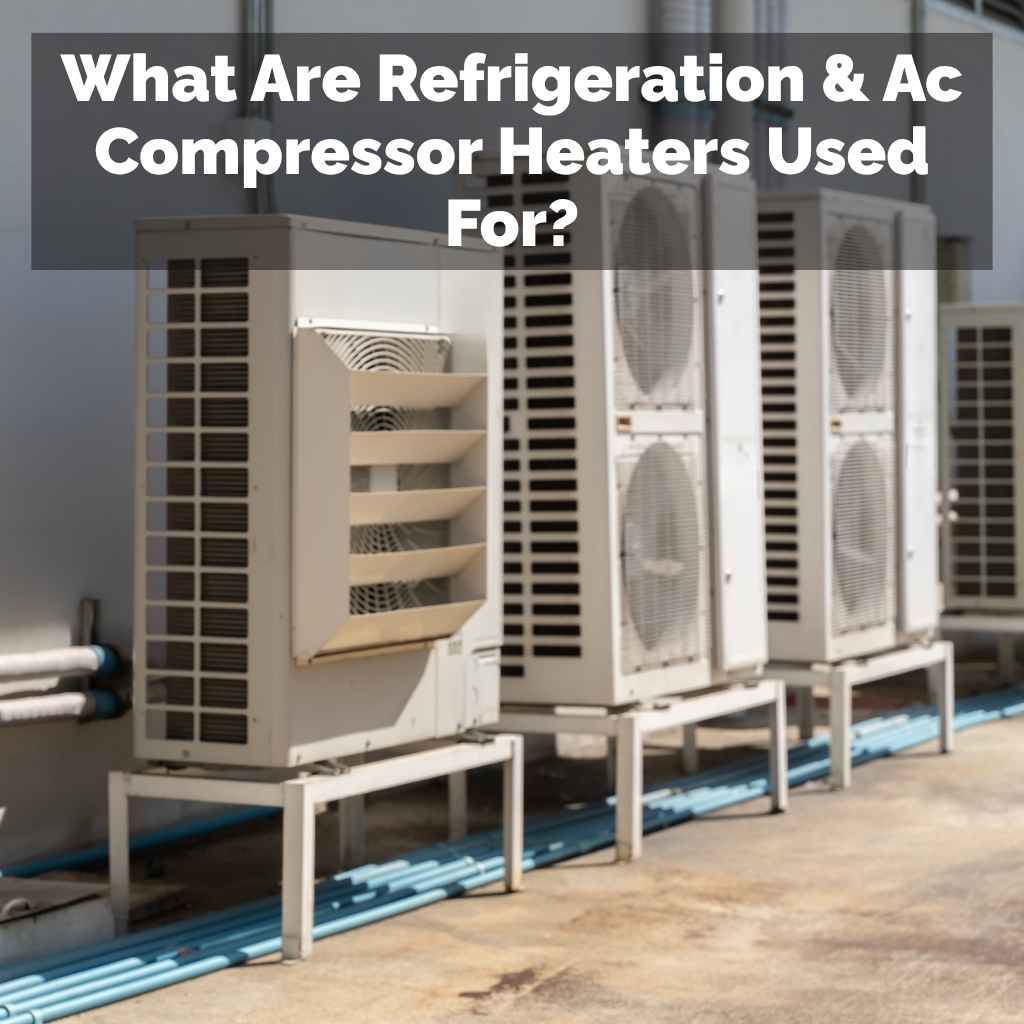
What Are Refrigeration & Ac Compressor Heaters Used For?
Refrigeration and AC compressor heaters are used to keep the compressor oil warm. This prevents the oil from becoming too thick or solid, especially in cold weather. It stops damage when the system starts up and ensures efficient operation.
Understanding Compressor Heaters
Your air conditioner or refrigerator has a key part. It’s called the compressor. Think of it as the heart of the cooling system.
It pushes the cold stuff around. This special part needs oil to work smoothly. The oil helps keep things moving.
It also stops parts from wearing out too fast.
Now, what happens when it gets really cold outside? Or even just chilly in your garage? The oil inside the compressor can get thick.
It might even become like jelly or solid. This is a big problem. When the AC or fridge tries to start, it’s like trying to push thick mud.
The compressor can get damaged. This can lead to a very expensive repair.
That’s where the compressor heater comes in. It’s a small, electric heater. It wraps around the oil part of the compressor.
Its job is to keep the oil just warm enough. It doesn’t need to be hot. Just warm enough so it stays liquid.
This makes sure the compressor can start up easily. It protects it from damage when it needs to work hard.
So, the main use is simple: preventing oil thickening in cold temperatures. This is super important for many reasons. It helps your AC unit last longer.
It stops you from having to pay for big repairs. It also makes sure your food stays cold or your house stays cool. It’s a small part with a huge job.
My Own Close Call with a Cold Compressor
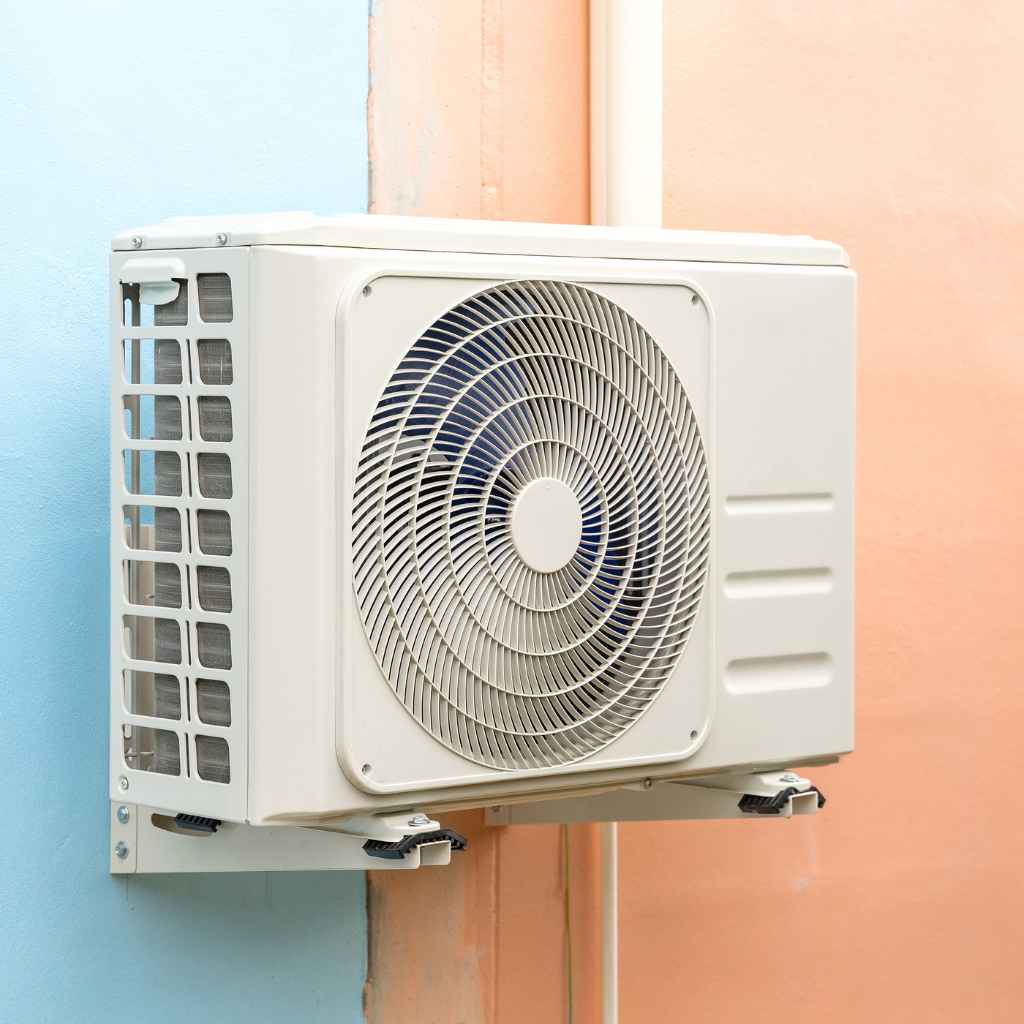
I remember one winter in my old house. It was a rental, and the landlord was a bit slow on fixes. The AC unit sat out back, exposed to all the weather.
I had it turned off for the season, as usual. But we had a strange cold snap one January. The temperature dropped way below freezing for a few days straight.
A few months later, when spring rolled around, it was time to turn the AC back on. I flipped the breaker. There was a strange humming noise, then a loud clunk.
Then, silence. My stomach dropped. I knew that sound wasn’t good.
It sounded like something broke.
The AC repair guy came out. He took one look at the outdoor unit. He explained about the oil in the compressor.
He said the extreme cold likely made it solid. When the unit tried to start, it couldn’t move. The compressor seized up.
He said, “You’re lucky it didn’t burn out the motor completely.”
He then showed me a small, black band around the compressor. “This is a crankcase heater,” he said. “It should have been on.
It keeps the oil warm even when the unit is off. It stops this exact problem.” He said many older units, or units in milder climates, might not have one. Or they might not have been installed.
That day, I learned a valuable lesson. And I had to pay for a new compressor. It was a big bill.
Since then, I’ve always made sure my AC units have these heaters. Especially units in places where it gets truly cold.
Why Oil Needs to Stay Warm
The Challenge: Compressor oil can get very thick when it’s cold. It’s like trying to pour honey on a frosty morning. Sometimes it can even freeze or become solid.
The Problem: When the compressor tries to start, it needs to move. If the oil is solid, the metal parts can’t slide. They grind against each other.
This causes a lot of wear and tear. It can break the compressor.
The Solution: A heater keeps the oil just warm enough. It stays liquid. This means the compressor can start smoothly.
It protects the delicate parts inside.
How Compressor Heaters Work
These heaters are quite simple in design. They are usually a band or strap. It wraps around the bottom part of the compressor.
This is where the oil sits. The band has an electric heating element inside. It’s connected to your home’s electrical system.
Many compressor heaters are designed to be “thermostatically controlled.” This means they have a small sensor. This sensor checks the temperature of the oil. If the oil gets too cold, the heater turns on.
It warms the oil up. Once the oil reaches a safe temperature, the heater turns off. It does this all by itself.
This keeps the oil at a good level. It doesn’t get too hot. It doesn’t get too cold.
It’s like a thermostat for the oil. This constant, gentle warmth is key. It prevents the oil from ever getting thick enough to cause a problem.
It uses very little electricity when it’s on. It’s a small price to pay for protection.
Some heaters might be always on when the unit is powered. Others might have a specific switch. The goal is always the same: keep the oil flowing.
This is vital for the compressor’s life. It ensures the system can start up without issues, especially after a long period of being off or in cold weather.
The power draw is typically low. This means it won’t hike up your electricity bill much. Think of it like a tiny night light for your compressor.
It’s always there, doing its quiet job. It’s a smart addition to any cooling system. It adds a layer of reliability that is often overlooked.
Types of Refrigeration and AC Systems
These heaters are used in many different types of cooling systems. They are not just for central air conditioners. You’ll find them in:
- Residential Air Conditioners: Both central units and smaller window units can benefit.
- Refrigerators and Freezers: Especially larger, standalone units.
- Commercial Refrigeration: Walk-in coolers, freezers, and display cases in stores.
- Heat Pumps: These systems cool in summer and heat in winter. They often run in colder weather and need protection.
- Package Units: These are self-contained units often found on rooftops or in yards.
The need for a compressor heater depends a lot on the climate. In places where temperatures rarely drop below freezing, it might be less critical. But in areas with cold winters, it’s almost a must-have.
Even a mild drop can be enough to thicken the oil in some systems. It’s better to be safe than sorry.
Many modern systems come with them built-in. But if you have an older unit, or a specialized system, it’s worth checking. A qualified HVAC technician can tell you if your system needs one.
They can also install it if it’s missing. This is a proactive step you can take for system health.
Think about where your AC unit is. Is it in a hot attic? Or a cold garage?
The location matters. A unit in a temperature-controlled basement has less risk. A unit outside, exposed to the elements, has more risk.
Understanding your system’s environment helps understand its needs.
Heater vs. Running Time
Scenario: It’s winter. Your AC is off. The outdoor temperature is 20°F (-6°C).
Without Heater: The oil in the compressor gets very cold and thick. If the system tries to start, it could be damaged.
With Heater: The compressor heater is on. It keeps the oil warm and liquid. When you turn the AC on in spring, it starts smoothly.
What This Means: The heater is for protection when the system is not actively cooling or heating. It’s about preventing damage during inactivity in cold conditions.
The Importance of Oil Viscosity
Let’s dive a little deeper into the oil. The thickness of oil is called viscosity. It’s measured on a scale.
Higher numbers mean thicker oil. Lower numbers mean thinner oil.
Compressors use special types of oil. These oils are designed for refrigeration systems. They have to work in a wide range of temperatures.
They also need to be compatible with the refrigerant. Different refrigerants need different types of oil. This is a complex topic in HVAC.
But the basic idea is this: the oil needs to flow. When the compressor is running, the oil is pumped all around. It lubricates the moving parts.
It also helps carry away heat. If the oil is too thick, it can’t flow properly. It can’t do its job.
This leads to friction. Friction creates heat. Too much heat can damage the compressor.
In very cold temperatures, the oil’s viscosity increases. It becomes much thicker. For some oils, it can become so thick that it acts like a solid.
This is what we call “oil solidification” or “oil thickening.” It prevents the compressor from turning. The motor tries to start, but it can’t move the thick oil.
A compressor heater’s job is to maintain a specific viscosity. It keeps the oil within a safe range. This range allows it to flow easily.
Even when the outside temperature is very low. This is a crucial preventative measure. It’s far cheaper to run a small heater than replace a compressor.
The type of refrigerant in your system can affect the oil. Some refrigerants can mix with the oil. Others don’t.
This relationship is important for the overall system design. It’s another reason why specialized knowledge is needed in HVAC. The oil’s role is multifaceted and critical.
Common Issues Without a Heater
If your compressor lacks a heater, or if the heater fails, you might face several problems. These issues can start subtly and then become very serious.
The most common problem is start-up failure. The compressor tries to kick on, but it can’t. You might hear a humming sound.
Or a series of clicks. Then nothing. The system just won’t run.
This is often due to the thick oil.
Another issue is reduced efficiency. Even if the compressor manages to start, it might struggle. It might run for shorter cycles.
Or it might not cool as effectively. This is because the oil isn’t lubricating properly. Parts are rubbing more than they should.
This uses more energy and produces less cooling.
Over time, this can lead to premature wear and tear. The constant struggle to move thick oil grinds down the internal parts of the compressor. This shortens its lifespan significantly.
What might have lasted 15-20 years could fail in 5-7 years.
The most severe consequence is compressor burnout or seizure. If the compressor tries to start and can’t, the motor will overheat. This can trip a breaker.
Or it can cause internal electrical damage. In extreme cases, the motor can seize up completely. This means the compressor is ruined and needs replacement.
These failures are often more common in systems that are in unconditioned spaces. Like a detached garage, an unheated basement, or an outdoor unit in a very cold region. The more the compressor is exposed to freezing temperatures, the higher the risk.
It’s also worth noting that some systems have multiple compressors. If one fails due to oil issues, it can affect the whole system. Or, if it’s a dual-compressor system, the other might still work, but the cooling capacity will be halved.
This leads to uneven temperatures and discomfort.
Myth vs. Reality: Compressor Heaters
Myth: Compressor heaters are only for extreme cold climates.
Reality: While most crucial in cold areas, even mild drops can thicken certain compressor oils. It’s a good safeguard for most regions.
Myth: They use a lot of electricity and will make my bill skyrocket.
Reality: Compressor heaters are low-wattage devices. They cycle on and off. The cost to run them is typically very minimal compared to the cost of compressor repair.
Myth: If my AC is off in winter, I don’t need to worry about the compressor.
Reality: The compressor is still vulnerable to temperature changes even when the system is not actively running. The heater protects it during these inactive periods.
When Is a Heater Most Important?
The need for a compressor heater is highest in specific situations. Understanding these can help you assess your own system.
Cold Climates: This is the most obvious. If you live in a region that experiences freezing temperatures for extended periods, a compressor heater is essential. Think states like Minnesota, Maine, or the Dakotas.
But even states like Ohio or Pennsylvania can have winters cold enough to warrant one.
Units in Unconditioned Spaces: Any AC or refrigeration unit located outside, in a garage, shed, unheated basement, or crawl space, is at higher risk. These areas are directly exposed to the outside temperature swings. The insulation of your house doesn’t protect them.
Older Systems: Older HVAC units might not have come with compressor heaters as standard. Or the ones they did have might be less efficient. If you have a system that is 10-15 years old or more, it’s a good idea to check.
Systems with Specific Refrigerants: As mentioned, some refrigerant and oil combinations are more sensitive to cold. An HVAC professional can tell you if your system’s specific components make a heater more critical.
Commercial Applications: Refrigerated display cases in grocery stores, walk-in coolers in restaurants, and industrial cooling systems often run year-round. They are constantly exposed to temperature fluctuations and benefit greatly from compressor heaters.
Even if you don’t live in a severely cold climate, consider the temperature in your garage or basement. If it routinely dips below 32°F (0°C), the risk is present. It’s a small investment for peace of mind and system longevity.
Think of it as preventative maintenance for a vital component.
A good rule of thumb is to ask your HVAC technician. During your annual maintenance check, ask them to inspect your compressor. Ask if it has a heater and if it’s functioning correctly.
They can also advise if one should be added.
Checking Your System for a Heater
You don’t have to be an HVAC expert to do a basic check. You can usually find the compressor on your outdoor AC unit or in the back of your refrigerator.
For Outdoor AC Units:
- Turn off the power to the unit at the breaker box. Safety first!
- Open the access panel to the compressor. This might require a screwdriver.
- Look at the compressor itself. It’s a cylindrical metal tank.
- Feel around the bottom of the compressor. You might find a band or strap. It’s usually black or gray. It might have wires coming out of it.
- If you see this band with wires, you likely have a compressor heater.
For Refrigerators:
- This is a bit trickier as the compressor is usually in a hard-to-reach spot.
- It’s often located at the very bottom rear of the fridge.
- You might need to pull the refrigerator away from the wall.
- Look for a black, cylindrical component with wires. You might see a band wrapped around it.
- If you’re unsure, it’s best to consult your refrigerator’s manual or call a technician.
If you’re not comfortable opening up the unit, that’s perfectly fine. The best approach is to ask a certified HVAC technician. During your regular maintenance, they can easily identify if you have a heater.
They can also test if it’s working correctly.
A malfunctioning heater is almost as bad as no heater at all. If the thermostat fails, it might stay on constantly, wasting energy. Or it might not turn on when needed, leaving your compressor vulnerable.
Regular checks are important.
Don’t worry if your system doesn’t have one. As mentioned, it’s often an add-on. But if you’re in an area with cold winters, it’s a smart upgrade to consider.
Ask your technician about the cost and benefits for your specific unit.
Quick Scan: Heater Check
Step 1: Power Off (AC Unit) – Flip breaker.
Step 2: Locate Compressor – Cylindrical metal tank.
Step 3: Look for Band – Black or gray strap around the bottom.
Step 4: Check for Wires – Connected to the band.
If unsure: Call a professional.
Costs and Benefits
Let’s talk about the practical side. How much does this protection cost? And what are the benefits?
Cost of a Heater:
- The heater band itself can cost anywhere from $20 to $75.
- Installation by an HVAC technician typically adds $100 to $250.
So, a complete installed cost might be between $120 and $325. This can vary based on your location and the specific type of heater needed.
Cost of Compressor Replacement:
- A new compressor can cost anywhere from $1,000 to $3,000 or more.
- This often includes labor and other related parts.
Comparing the two, the cost of a compressor heater is a very small fraction of a compressor replacement. It’s a clear case of preventative maintenance saving significant money.
Benefits:
- Extended System Lifespan: Protecting the compressor helps your entire HVAC or refrigeration system last longer.
- Improved Reliability: Your system is more likely to start up correctly when you need it.
- Energy Efficiency: A struggling compressor works harder and uses more energy. Proper lubrication keeps it efficient.
- Peace of Mind: Knowing your system is protected from cold weather damage is invaluable.
- Reduced Repair Costs: Avoiding major compressor failure saves thousands of dollars.
The energy cost to run a compressor heater is minimal. Most draw between 25 and 100 watts. They only run when needed.
So, they don’t add much to your monthly electricity bill. The energy savings from a more efficient system can even offset some of the heater’s cost.
When you consider the total cost of ownership for your HVAC system, a compressor heater is a wise investment. It’s a component that works silently in the background. It prevents big problems before they start.
This is the essence of good home maintenance.
When to Worry About Your Compressor
While compressor heaters prevent many issues, other problems can arise. Here’s when you should be concerned about your compressor, heater or not:
Strange Noises: Grinding, squealing, or loud knocking sounds coming from the compressor are red flags. These can indicate internal damage or lubrication issues.
Unit Not Cooling/Freezing Properly: If your AC isn’t cooling or your fridge isn’t keeping food cold, it could be a compressor issue. This is especially true if the compressor feels excessively hot to the touch.
High Energy Bills: A compressor working harder than it should due to lubrication problems or other internal issues will draw more power. If your bills jump without explanation, it’s worth investigating.
Tripped Breakers: If the breaker for your AC or refrigerator repeatedly trips, it can point to an electrical problem with the compressor. This might be due to overheating or a short circuit.
Compressor Not Starting: If you hear a humming but no start, or if there’s no sound at all, and the unit isn’t cold, it’s time for a professional. This is the classic symptom of oil thickening, but other electrical faults can also cause it.
If your compressor heater itself fails, you might not notice right away. The problem will only appear during a cold spell. That’s why regular checks are important.
A technician can test the heater’s function during a maintenance visit.
Don’t try to diagnose complex electrical or mechanical issues yourself unless you are trained. These systems operate under high pressure and with electricity. It’s always best to call a qualified technician.
They have the tools and knowledge to safely identify and fix problems.
Checking Heater Function (Simple Test)
During Winter Maintenance: Ask your HVAC tech to check.
Visual Check: Is the heater band intact? Are wires connected?
Temperature Check: A technician can use a thermometer to see if the oil area is warmer than ambient when the heater should be on.
Electrical Test: They can check for continuity and proper voltage to the heater.
Note: Do not attempt electrical tests if you are not qualified.
Quick Tips for Compressor Health
Beyond having a compressor heater, there are other things you can do to keep your compressor healthy.
Regular Maintenance: Schedule annual check-ups for your AC and refrigerator. A technician will clean coils, check refrigerant levels, and inspect all components, including the compressor heater.
Keep Airflow Clear: For outdoor AC units, ensure there are no leaves, debris, or bushes blocking airflow around the unit. This helps the system dissipate heat effectively.
Clean Refrigerator Coils: The coils on the back or bottom of your fridge help release heat. Dust and debris can make them work harder, increasing overall system temperature.
Avoid Overloading Refrigerators: Don’t pack your fridge too tightly. This restricts air circulation inside and makes the compressor work harder to maintain temperature.
Use Surge Protectors: For valuable appliances like refrigerators and high-end AC units, a good surge protector can guard against electrical spikes that could damage the compressor or other components.
Proper Installation: Ensure your HVAC system was installed correctly. Improper installation can put stress on the compressor from day one.
These tips are simple but effective. They contribute to the overall health of your cooling systems. A healthy compressor is a sign of a well-maintained appliance.
Frequently Asked Questions
What is the main purpose of a compressor heater in an AC unit?
The main purpose is to keep the compressor oil warm. This prevents the oil from thickening or solidifying in cold temperatures. This ensures the compressor can start up smoothly and avoids damage.
Can I install a compressor heater myself?
While some DIY enthusiasts might attempt it, it’s generally recommended to have a qualified HVAC technician install a compressor heater. They have the knowledge and tools to ensure it’s wired correctly and safely, and that it’s the right type for your system.
How much electricity does a compressor heater use?
Compressor heaters are low-wattage devices. They use very little electricity, typically between 25 and 100 watts. They also cycle on and off as needed, so their overall energy consumption is minimal compared to the overall operation of the AC unit.
Will a compressor heater prevent my AC from running in winter?
No, a compressor heater is designed to protect the compressor when the AC unit is off, especially during cold weather. It does not enable the AC unit to run for heating in winter. That’s the job of the heating system or heat pump functionality.
My AC is making a humming noise but not starting. Could it be the compressor heater?
It’s possible. A humming noise without starting often indicates the compressor is trying to engage but can’t. This can be due to thickened oil, which a faulty or absent heater would allow. However, other electrical issues could also cause this. It’s best to have a technician diagnose it.
Are compressor heaters necessary for refrigerators in a heated home?
If your refrigerator is located in a heated part of your home where temperatures consistently stay above freezing, a compressor heater is generally less critical. However, if the refrigerator is in an unheated garage or basement, it becomes much more important.
Conclusion
Your refrigerator and AC systems are complex. They rely on many small parts to work together. The compressor heater is one of those unsung heroes.
It silently protects a vital component. By keeping the compressor oil fluid in cold weather, it prevents costly damage.
Understanding its role helps you appreciate your system more. It also helps you make informed decisions about maintenance. A little care for this part can save you a lot of trouble and money down the road.
Always consider its importance, especially if you live in a climate with cold winters.
Sponsored / affiliate links. As an Amazon Associate I earn from qualifying purchases. I may earn additional commission from eligible campaigns.