How To Get Smell Out Of A Wooden Cutting Board For Good
Getting persistent smells out of a wooden cutting board is achievable with simple, natural methods. Regularly cleaning with mild soap and water, followed by thorough drying, is key. Baking soda paste, vinegar rinses, or lemon and salt scrubs are effective for odor removal.
Proper storage also prevents new smells from forming.
Understanding Why Wood Boards Hold Odors
Wood is a natural material. It’s porous, meaning it has tiny little holes. These holes are where food bits and moisture can hide.
Over time, bacteria and mold can start to grow in these hidden spots.
These tiny invaders are what cause the bad smells. They break down leftover food particles. This breakdown process releases smelly compounds.
Different foods leave behind different types of odors. For example, strong-smelling items like onions and garlic are notorious for their lasting scents.
The type of wood also plays a role. Denser woods might absorb less. Softer woods can soak up more.
But all wood is absorbent to some degree. This is why your wooden board can smell much more than plastic or glass ones.
My Own Cutting Board Battle
I remember one particular evening. I was making a fantastic stir-fry loaded with garlic and ginger. My favorite wooden board was my trusty sidekick.
After cleaning, I thought all was well. But the next morning, I went to chop some fruit. The scent of garlic hit me hard.
It was so strong it made me gag. I was so annoyed. I had washed it thoroughly!
How could this smell still be there? I even tried scrubbing it harder. It didn’t seem to help much.
It felt like my board was ruined by those strong flavors.
How to Tackle Those Stubborn Smells
There are many easy ways to fight these odors. They use things you likely already have at home. We don’t need harsh chemicals.
Gentle, natural methods work best. They clean without damaging the wood.
Quick Odor Check
Baking Soda: It’s a natural deodorizer. It absorbs smells.
Vinegar: White vinegar is acidic. It kills bacteria and neutralizes odors.
Lemon: Its acidity helps clean. Its fresh scent masks other odors.
Salt: It acts as a gentle abrasive. It helps scrub away stuck-on bits.
The Power of Baking Soda
Baking soda is a kitchen superhero. It’s great at soaking up smells. Make a paste with baking soda and a little water.
You want it thick, like toothpaste. Spread this paste all over your cutting board. Let it sit there for about 10 to 15 minutes.
Then, scrub it gently with a soft brush or sponge. Rinse the board well with warm water. Let it air dry completely.
This paste helps draw out the smelly particles. It’s like a little spa treatment for your board. You might be surprised how much better it smells after.
This is a safe method for most wood types. It’s also very gentle on the wood surface.
Vinegar to the Rescue
White vinegar is another fantastic cleaner. It’s acidic, which helps kill off odor-causing bacteria. Pour some undiluted white vinegar directly onto your board.
Let it soak in for a few minutes. You can also wipe it down with a sponge soaked in vinegar. After letting it sit, rinse the board thoroughly with plain water.
Again, make sure it dries fully. You might notice a slight vinegar smell at first. This will go away as it dries.
Vinegar is excellent for deep cleaning. It reaches into those tiny pores. It tackles the root of the smell problem.
Many people find this method very effective. It’s a simple step that makes a big difference.
Lemon and Salt Scrub
This method is great because it uses two powerful natural cleaners. The salt acts as a scrubber. The lemon juice cuts through grease and odors.
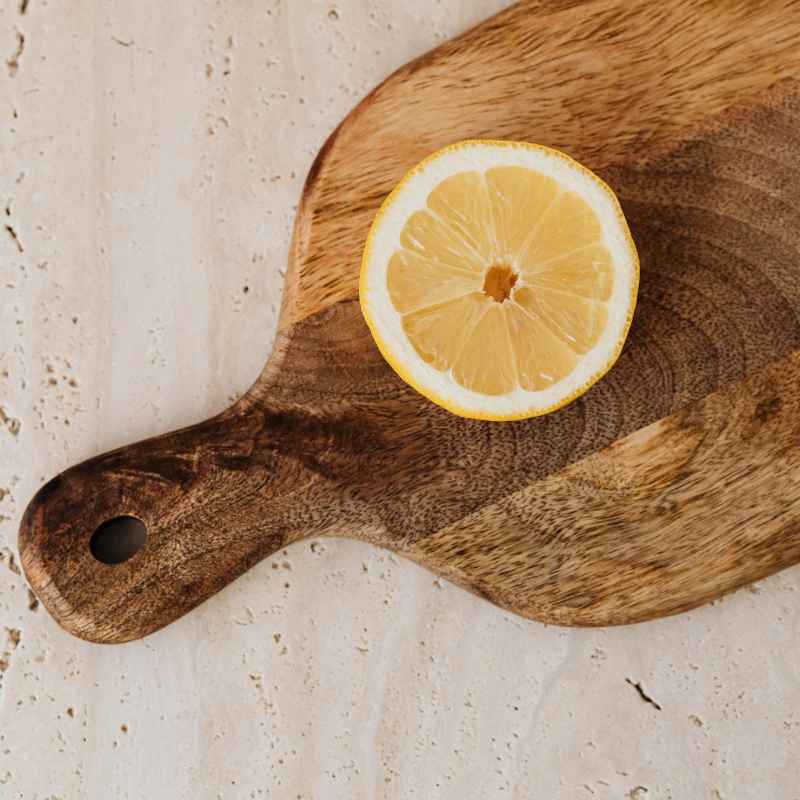
Cut a lemon in half. Sprinkle a generous amount of coarse salt all over your cutting board. Use the cut side of the lemon half to scrub the salt into the board.
Go in circles. Make sure you cover the whole surface. Let the mixture sit for about 5 to 10 minutes.
Then, scrape off the salty residue. Rinse the board well with warm water. Allow it to air dry.
This scrub is not only effective but also smells wonderfully fresh. The lemon scent is a nice bonus. It leaves your board looking and smelling clean.
It’s a bright and effective way to refresh your wood.
Preventing Future Odors
The best way to deal with smells is to stop them from happening in the first place. Simple habits make a huge difference. It’s all about taking care of your board after each use.
Daily Board Care Checklist
Wash Immediately: Clean your board right after you use it. Don’t let food sit on it.
Mild Soap: Use a little dish soap and warm water. Avoid harsh detergents.
Scrub Gently: Use a soft brush or sponge. Get into all the nooks.
Rinse Well: Make sure all soap and food bits are gone.
Dry Thoroughly: This is very important. Never let it air dry flat.
The Importance of Drying
This is a step many people miss. If you leave your wooden cutting board lying flat after washing, water can pool. This trapped moisture is a breeding ground for bacteria.
It will definitely cause odors to return.
Always stand your board up to dry. You can lean it against a wall or a dish rack. This allows air to circulate all around it.
This helps it dry evenly and quickly. A fully dry board is much less likely to hold smells. Make this a habit.
It’s simple but incredibly effective.
Separate Your Boards
If you do a lot of cooking, consider having more than one cutting board. Designate one board for raw meats. Use a different board for vegetables, fruits, and bread.
This separation prevents cross-contamination. It also stops strong meat odors from getting into other foods.
Having separate boards makes cleaning easier too. You know exactly what kind of smells to expect. It’s a practical step for any kitchen.
It helps maintain freshness across all your cooking tasks. It’s a game-changer for preventing persistent smells.
Seasoning Your Wooden Board
Wood needs care, just like our skin. Seasoning your board helps protect it. It creates a barrier.
This barrier repels moisture and food particles. It also helps prevent stains and odors from sinking in too deep.
Use a food-grade mineral oil or a beeswax-based conditioner. Apply the oil generously with a clean cloth. Rub it into the wood.
Let it soak in for at least a few hours, or even overnight. Wipe off any excess oil. Do this once a month, or whenever the board looks dry and dull.
Seasoning isn’t just about looks. It’s about the health of your board. A well-seasoned board is more resistant to smells.
It will serve you well for many years. This protection is key to long-term freshness.
When to Consider a New Board
Sometimes, a board is just too far gone. If you have deep cuts and grooves, smells can hide there permanently. Even with the best cleaning methods, these areas can remain a problem.
If your board is heavily warped or cracked, it’s also time to replace it.
A well-maintained wooden board can last a lifetime. But if it’s constantly giving off bad smells, and none of the cleaning methods work, it’s okay to let it go. Investing in a new, good-quality wooden board will be worth it.
You can start fresh with good care habits.
Deep Clean Recap
Method 1: Baking Soda Paste
- Mix baking soda with water to make a paste.
- Apply paste to the board.
- Let it sit for 10-15 minutes.
- Scrub gently and rinse.
- Dry thoroughly.
Method 2: Vinegar Soak
- Pour white vinegar on the board.
- Let it soak for a few minutes.
- Rinse well with water.
- Air dry standing up.
Method 3: Lemon and Salt Scrub
- Sprinkle salt on the board.
- Scrub with a lemon half.
- Let it sit briefly.
- Scrape off, rinse, and dry.
Common Myths About Wooden Board Smells
There are a few things people often think about wooden boards and smells. Let’s clear them up. Some myths might lead you to use the wrong cleaning methods.
Myth vs. Reality
Myth: You can just rinse a wooden board and it’s clean.
Reality: Wood needs more than a quick rinse. It needs washing and thorough drying.
Myth: Harsh chemical cleaners are best for deep smells.
Reality: Natural cleaners like baking soda and vinegar are safer and just as effective for wood.
Myth: Once a wooden board smells, it’s ruined forever.
Reality: With the right methods, most smells can be removed.
What This Means for Your Kitchen
Understanding how to manage smells in your wooden cutting board means a cleaner, more pleasant cooking experience. You can feel more confident using your favorite board.
It means you won’t have to worry about last night’s garlic ruining your morning toast. It also means you’re taking better care of your tools. Well-cared-for kitchen items last longer.
They perform better too. You can achieve that fresh kitchen smell consistently.
Quick Tips for a Fresh Board
Here are some super simple things to remember. They will help keep your wooden board smelling great.
- Wipe down with vinegar: Keep a spray bottle of diluted white vinegar handy. A quick spray and wipe after washing can help.
- Sunlight is your friend: If possible, let your board dry in a sunny spot. Sunlight can help kill some bacteria naturally.
- Don’t use the dishwasher: Ever. The heat and moisture will ruin the wood.
- Oil regularly: Make seasoning a routine. It’s like a protective shield.
These small actions add up. They contribute to a board that smells fresh and clean. They ensure your board stays a joy to use.
It’s about building good habits for your kitchen tools.

Frequently Asked Questions About Wooden Cutting Board Odors
Can I use bleach on a wooden cutting board to remove smells?
Click to reveal answer
No, it is strongly advised not to use bleach on wooden cutting boards. Bleach is a harsh chemical. It can damage the wood fibers and leave behind a residue that is not safe for food contact.
Natural methods like baking soda, vinegar, or lemon are much safer and effective for odor removal.
How often should I deep clean my wooden cutting board?
Click to reveal answer
You should wash your wooden cutting board after every use. For deep cleaning to remove odors, the frequency depends on what you cut. If you cut very pungent items like onions, garlic, or fish, you might want to do a deeper clean (like a baking soda paste or vinegar rinse) every few days.
Otherwise, once a week or when you notice a smell is usually sufficient.
Will olive oil or other cooking oils work for seasoning?
Click to reveal answer
While olive oil or other cooking oils might seem like a good idea, they are not recommended for seasoning wooden cutting boards. These oils can go rancid over time. This can lead to their own unpleasant smells.
It’s best to use food-grade mineral oil or a dedicated cutting board conditioner. These are stable and won’t spoil.
How can I tell if my wooden cutting board is developing mold?
Click to reveal answer
Mold on a wooden cutting board often appears as dark spots or fuzzy patches. It might also have a musty or damp smell. If you see any signs of mold, it’s important to address it immediately.
A thorough cleaning with vinegar and then proper drying might help. However, if the mold is deep-set or widespread, it might be safer to replace the board.
Is it normal for a new wooden cutting board to have a smell?
Click to reveal answer
Sometimes, new wooden cutting boards can have a faint smell from the wood treatment or packaging. This is usually normal and should dissipate quickly after the first wash and seasoning. If the smell is strong or unpleasant, double-check the source.
Ensure it’s not a sign of a problem with the board’s material or storage.
What if the smell doesn’t go away after trying these methods?
Click to reveal answer
If you’ve tried several cleaning methods and the smell persists, the odor might be deeply embedded in the wood. This can happen with very old boards or those with many nicks and scratches where food particles and bacteria hide. In such cases, it might be time to consider replacing the cutting board.
Prevention and regular maintenance are key to avoiding this situation.
Final Thoughts on Board Freshness
Keeping your wooden cutting board smelling fresh is totally doable. It just takes a little care and the right approach. By using simple, natural methods and adopting good daily habits, you can banish odors.
Your board will be a clean, reliable tool for years to come. Enjoy cooking without the lingering smells!
Sponsored / affiliate links. As an Amazon Associate I earn from qualifying purchases. I may earn additional commission from eligible campaigns.