Can You Use Solid Stain Over A Painted Fence? Here’S The Truth
The good news is, we’re going to break this down. We’ll talk about what really happens. We’ll look at the pros and cons.
By the end, you’ll know exactly what you need to do for a fence that looks great and lasts. Let’s get to the bottom of this common fence dilemma.
Understanding if you can use solid stain over a painted fence is key for a lasting finish. While sometimes possible, success depends on prep. Poor prep leads to peeling. Proper steps ensure your fence looks good for years. Always check paint condition and prepare surfaces well.
Solid Stain Over Painted Fence: The Real Story
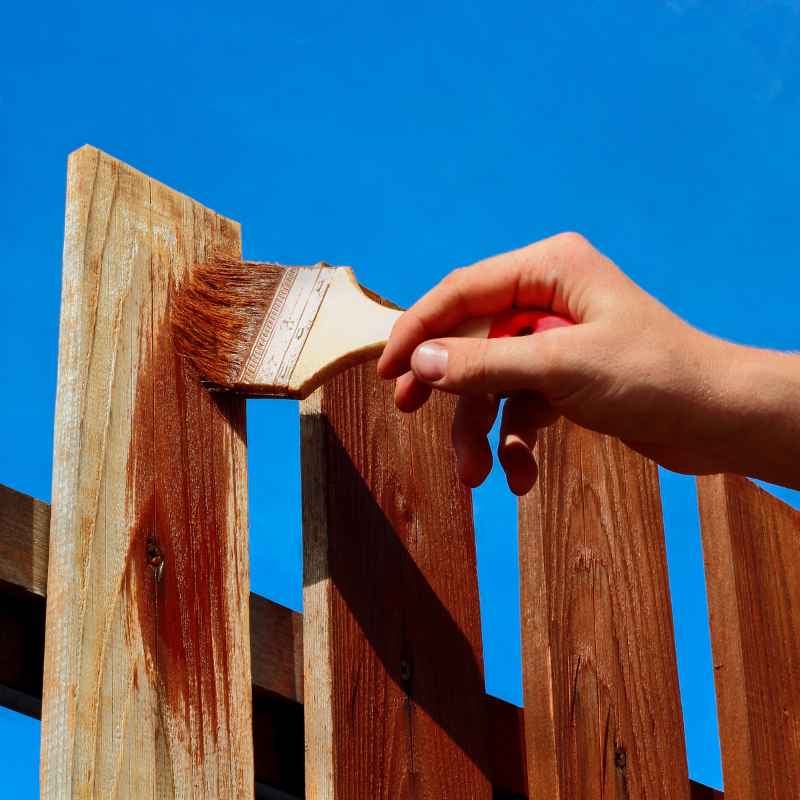
So, can you actually put solid stain on a painted fence? The short answer is: it’s complicated, and usually, it’s not the best idea without a lot of work.
Solid stain is designed to look like paint. It’s thick. It covers wood grain completely.
Many people think it’s just like painting again. But underneath that thick layer, there’s a difference in how it bonds. Paint forms a film.
Stain soaks in a bit.
When you apply solid stain over paint, you’re not letting the stain soak into the wood. You’re just putting a new coat on top of an old one. This can lead to problems down the road.
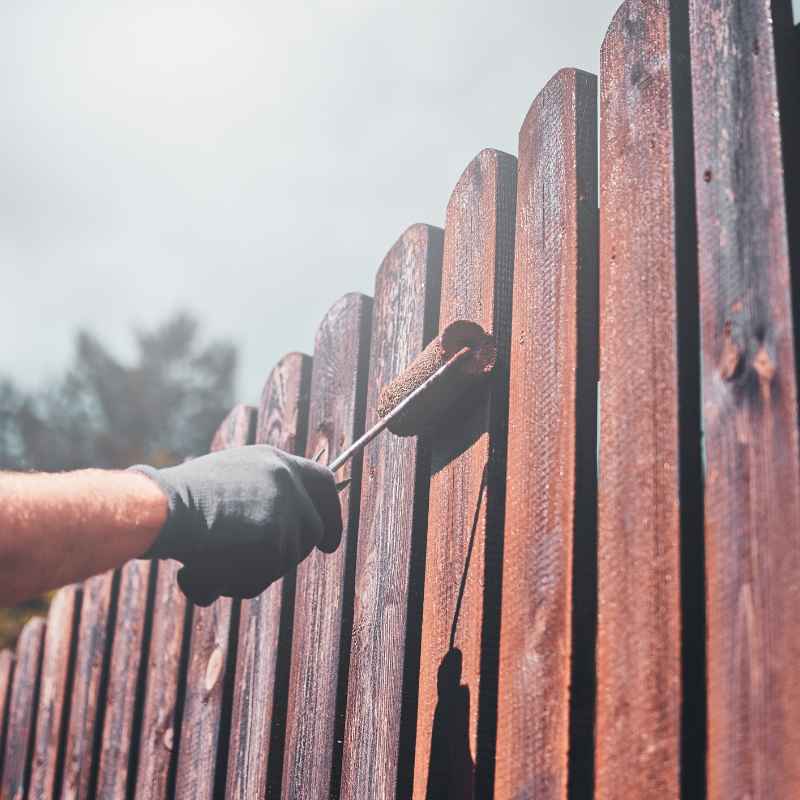
My Fence Painting Mishap: A Story
I remember a few summers ago. My backyard fence was looking sad. It was painted a light blue, but it was chipping everywhere.
My neighbor swore by solid stain. He said it was so much easier. He’d just slathered it on his deck and it looked amazing.
I thought, “Why not my fence?”
I grabbed a can of dark brown solid stain. I didn’t do much prep. Maybe I brushed off a few loose flakes.
I figured the thick stain would just cover everything up. I started painting. It went on fast.
It covered the old blue perfectly. I felt so proud of myself. That weekend felt like a win!
My fence looked brand new, dark and rich.
Fast forward a year. The solid stain started peeling. Not everywhere, but in spots.
Especially where the old paint was loose. It looked worse than before. I had paint, then stain, then wood showing through.
It was a patchy mess. I was so frustrated. I’d wasted time and money.
I learned a hard lesson about proper fence care.
Solid Stain vs. Paint: What’s the Difference?
Solid Stain: It has pigments like paint. It covers wood grain fully. It sits more on the surface than other stains.
It offers good protection.
Paint: It forms a hard film on the surface. It’s very durable when applied right. It can hide imperfections well.
The key is how they connect to the wood.
Why You Can’t Just Paint Over Paint with Solid Stain
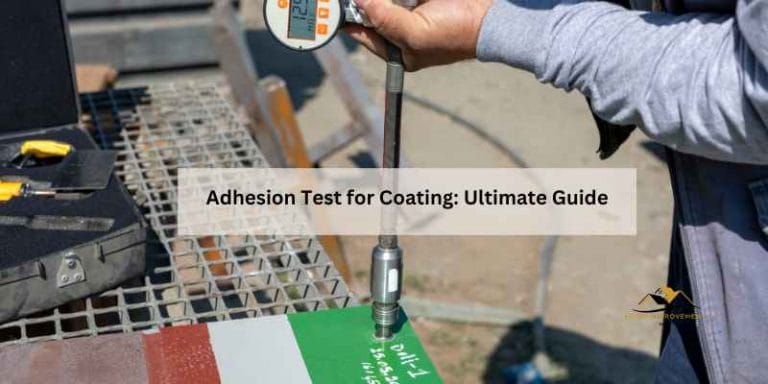
The biggest issue is adhesion. Paint creates a smooth, sometimes glossy, surface. Solid stain needs something to grip.
If that surface is old, loose paint, it won’t grip well.
Think of it like trying to stick tape to a dusty window. It sticks for a bit. But it won’t hold for long.
The dust makes it weak. Old paint is the dust for your solid stain.
Also, paint can sometimes trap moisture. If the paint is old and cracking, water can get under it. When you add another layer on top, you might be sealing that moisture in.
This can cause the paint and the new stain to bubble or peel.
Quick Check: Is Your Paint Flaking?
Yes: This is a big warning sign. Loose paint will not hold solid stain. You need to remove it.
No, but it’s old: Even if it looks okay, it might be brittle. A good cleaning and light sanding can help.
The Proper Way: Removing Old Paint First
If your fence is painted, and you want to use solid stain, you must prepare the surface. This means removing the old paint.
How do you do this? It takes effort. You can use a wire brush.
You can use a paint scraper. For larger areas, a power washer can help. But be gentle.
You don’t want to damage the wood underneath.
Sometimes, you might need to use a chemical paint stripper. Follow the product directions carefully. Wear gloves and eye protection.
After you remove the loose paint, you need to clean the fence thoroughly. Wash off any dirt or residue. Let it dry completely.
This can take a few days, depending on the weather.
What If the Paint is in Really Good Shape?
What if your fence is painted, but the paint is still very sound? No peeling, no major cracks? This is rare, but possible.
In this case, you might be able to get solid stain to stick. But you still need prep. Clean the fence very well.
Then, lightly sand the entire surface. This roughens the paint surface. It gives the solid stain something to grip onto.
Use a fine-grit sandpaper. You’re not trying to remove the paint. You’re just scuffing it up a bit.
After sanding, clean off all the dust.
Test a small, hidden area first. Apply the solid stain. Let it cure for a week.
Then, try to scratch it with your fingernail. If it comes off easily, it won’t work.
Prep Steps for Success
- Assess Paint: Check for peeling, chipping, or cracking.
- Remove Loose Paint: Use scrapers, brushes, or power washers.
- Clean Thoroughly: Wash away dirt and residue.
- Dry Completely: Wait for the wood to dry out.
- Light Sanding (if paint is sound): Create a surface for adhesion.
- Clean Dust: Make sure the surface is dust-free.
The Appeal of Solid Stain: Why It’s Popular
Even with the prep work, solid stain is popular for good reason. It offers a beautiful, uniform look. It hides imperfections in the wood, like knots or minor damage.
It also provides excellent protection against the elements. Think sun, rain, and snow. It can extend the life of your fence significantly.
For homeowners who want a rich, opaque color, it’s a great choice. It mimics the look of paint but can sometimes be easier to apply. It often flows better and shows fewer brush marks than traditional paint.
Plus, when applied to bare, prepped wood, it’s very durable. It’s designed to withstand wear and tear. It’s a good alternative to painting, especially if you like the look of stained wood but want full coverage.
What Happens If You Don’t Prep?
We’ve talked about this, but it’s worth repeating. If you skip the prep, you’re setting yourself up for failure. Here’s what can happen:
Peeling and Chipping: This is the most common problem. The solid stain will lift away from the painted surface. It looks patchy and ugly.
It’s worse than the original peeling paint.
Bubbling: Moisture trapped under the old paint can cause bubbles. These can break and create more peeling.
Uneven Wear: The stain might wear off faster in some areas than others. This leads to a messy appearance.
Reduced Lifespan: You won’t get the full protective benefits of the solid stain. Your fence will degrade faster.
Essentially, you’re wasting your time and money on a fix that won’t last. It’s better to do it right the first time.
A Quick Comparison Table
| Feature | Solid Stain Over Bare Wood (Properly Prepped) | Solid Stain Over Peeling Paint (No Prep) |
|---|---|---|
| Adhesion | Excellent. Bonds directly to wood fibers. | Poor. Relies on weak bond of old paint. |
| Durability | High. Withstands weather and wear. | Low. Prone to peeling and flaking. |
| Appearance | Uniform, rich color. Lasts long. | Patchy, uneven wear. Deteriorates quickly. |
| Lifespan | 5-10 years, depending on climate and product. | 1-3 years, or less. |
Alternatives to Solid Stain Over Painted Fence
If the thought of stripping all that paint feels overwhelming, what else can you do?
Repaint: If the old paint is sound, you can simply repaint it. Use a high-quality exterior paint. Make sure to clean the fence first.
A light sanding might still be a good idea for better adhesion.
Transparent or Semi-Transparent Stain: If your goal is to change the color and add some protection without a solid finish, consider a transparent or semi-transparent stain. These soak into the wood more. They let the wood grain show through.
They are usually more forgiving over painted surfaces than solid stains, but still, prep is best.
Fence
What Does the Wood Stain Manufacturer Say?
Most manufacturers of solid stains will tell you the same thing. They design their products for bare wood. They want the stain to penetrate and bond correctly.
Their instructions will usually say to clean and prep the surface. They will often warn against applying over paint or existing coatings. Their warranty will likely be void if you don’t follow their guidelines.
It’s always a good idea to read the product label. Look for specific instructions about applying over previous finishes. When in doubt, contact the manufacturer directly.
Real-World Context: When Prep is Non-Negotiable
Imagine you live in a place with harsh winters. Snow, ice, and freeze-thaw cycles put a lot of stress on exterior wood. If your solid stain isn’t bonded well to the underlying surface, it will fail quickly under these conditions.
Or consider a fence that gets a lot of direct sun. UV rays can break down coatings over time. A poorly adhered coat will be much more vulnerable to this damage.
Homeowners who live in humid climates might also face mold and mildew issues. If the paint underneath isn’t breathable, or if it traps moisture, the new stain can become a breeding ground for problems.
What This Means for Your Fence Project
If your fence is currently painted, and you want to switch to solid stain, here’s what you need to know.
It’s possible, but requires work. You can’t just brush it on and expect great results. You will likely need to remove the old paint.
Prep is everything. This is the most crucial step. It’s what separates a fence that lasts from one that fails in a year or two.
Check the paint condition. If it’s peeling badly, you must remove it. If it’s sound, a thorough cleaning and sanding might be enough, but test first.
Factor in the time. Stripping paint is time-consuming. Make sure you have enough time to do it right before you plan to apply the stain.
When Is Solid Stain Over Paint Okay (with Major Caveats)?
There are very few situations where this is truly okay, and they require extreme care. If the paint is in absolutely pristine condition (think a fence painted last year with high-quality exterior paint), and you lightly scuff it with 220-grit sandpaper, then clean it meticulously, you might get decent adhesion.
However, even then, the longevity might be less than staining bare wood. Most DIYers overestimate the condition of their existing paint. They underestimate the amount of prep needed.
The safest bet is always to remove the old paint. If you’re not prepared for that, consider repainting instead.
Quick Fixes and Tips for Fence Staining
Don’t Rush: Take your time with the prep work. It’s the most important part.
Read Labels: Always read the instructions on your stain and paint products.
Test First: If you’re unsure, test on an inconspicuous area.
Ventilate: When using strippers or cleaners, make sure the area is well-ventilated.
Weather Matters: Stain when the weather is mild and dry. Avoid extreme heat or cold, or rain.
Tools Matter: Use good quality brushes and rollers for even application.
Frequent Questions About Solid Stain Over Painted Fences
Can I just power wash the paint off and then use solid stain?
Power washing can help remove loose paint, but it often doesn’t get all of it. You might still need to do some scraping or sanding for a smooth, properly prepped surface. Overpower washing can also damage the wood, creating splinters or gouges that will show through the stain.
Will solid stain cover up wood imperfections if applied over paint?
Solid stain is good at covering wood grain and minor flaws when applied to bare wood. However, if applied over peeling paint, it can highlight those peeling areas. The imperfect surface underneath will likely show through, even with the opaque stain.
How long does solid stain usually last on a fence?
When applied correctly to bare, prepped wood, solid stain can last anywhere from 5 to 10 years. This depends a lot on your climate, sun exposure, and the quality of the product used. The lifespan will be significantly shorter if applied over a poorly prepped surface like old paint.
What’s the difference between solid stain and paint?
Solid stain is similar to paint in that it has opaque pigments and sits on the surface. However, it’s often formulated to be more flexible and penetrate slightly better than traditional paint. Paint forms a harder film.
Both require proper surface preparation for best results.
Is it ever okay to apply solid stain over an oil-based paint?
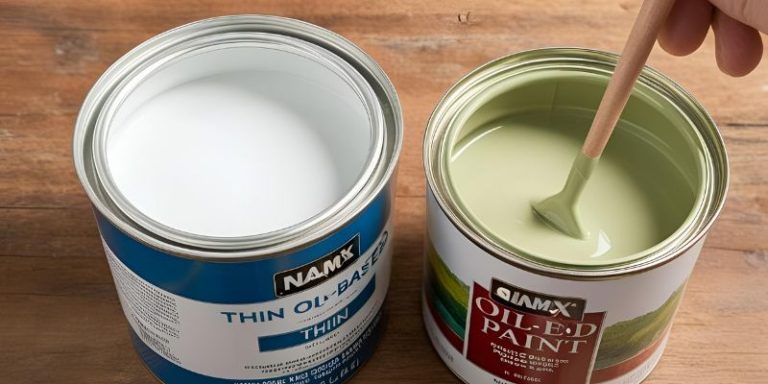
Applying any water-based stain or paint over oil-based paint usually requires specific priming steps to ensure adhesion. Most solid stains are water-based. If your fence is painted with oil-based paint, you’ll likely need to thoroughly clean, lightly sand, prime, and then apply the solid stain.
It’s complex and often not worth the trouble.
What if I only have a small area of peeling paint?
Even a small area of peeling paint can compromise the entire finish. You should carefully scrape or sand away all the loose paint in that area. Feather the edges so there’s a smooth transition to the sound paint.
Clean the whole fence afterward. For best results, you might consider removing all the paint.
Final Thoughts on Solid Stain and Painted Fences
Ultimately, the decision to use solid stain over a painted fence comes down to your willingness to do the work. If you want a finish that looks great and lasts for years, proper preparation is non-negotiable.
Skipping the prep work might save you time upfront, but it will cost you more in the long run with peeling, frustration, and premature failure. Think of it as an investment in your fence’s beauty and durability. Doing it right will give you peace of mind and a fence you can be proud of.
Sponsored / affiliate links. As an Amazon Associate I earn from qualifying purchases. I may earn additional commission from eligible campaigns.