Can You Use Paint With Primer On New Drywall? Here’S The Truth
Thinking about painting that fresh drywall? It’s a common question. You’ve just finished hanging it or had it done.
Now you’re looking at those smooth, white walls. You might wonder if you can skip a step. Can you just grab a can of paint that already has primer in it?
It seems like a good idea, right? Saving time and effort is always nice. But does it really work on new, unpainted drywall?
Let’s break down what you need to know.
Using paint with primer directly on new, unprimed drywall is generally not recommended for the best results. While it might cover the surface, it often won’t seal it properly or ensure even paint absorption, leading to a less durable and less attractive finish. Proper priming is key.
Understanding New Drywall and Paint
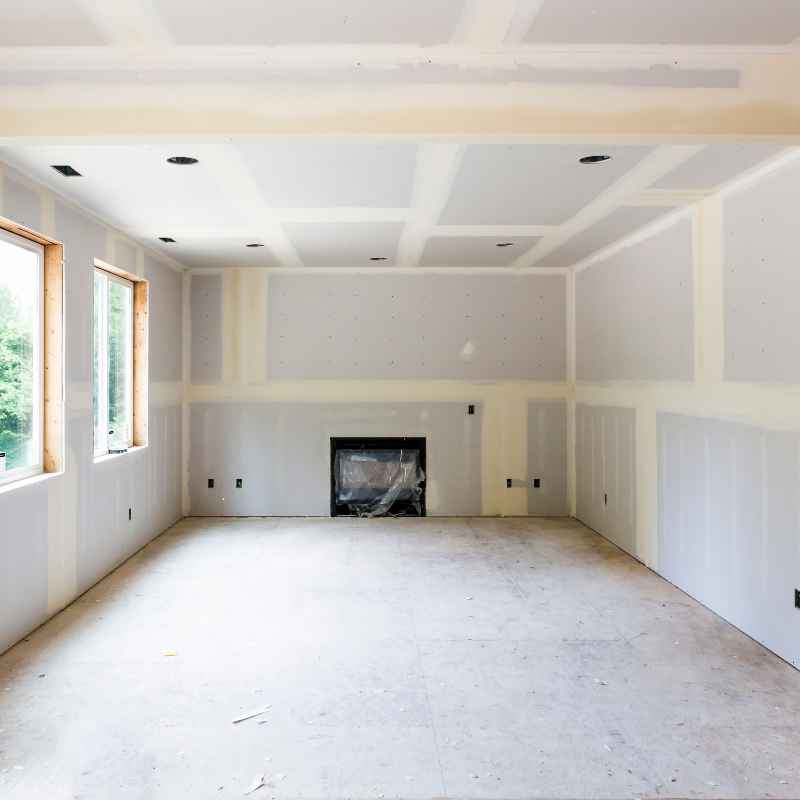
New drywall is like a blank canvas. But it’s not just plain plaster. Drywall has a paper facing.
Then, there’s a layer of joint compound. This compound covers the seams and screw holes. It also has a primer applied to it at the factory.
This factory primer is thin. It’s meant to help the drywall mud stick. It’s not meant to be the final paint layer.
This paper and mud combination behaves differently than finished, painted walls. It soaks up paint unevenly. Think of it like a sponge.
Some parts are drier than others. If you use regular paint or even paint with primer, it can get patchy. The new drywall will absorb the paint faster in some spots.
This makes those spots look darker.
The factory primer is very thin. It doesn’t seal the porous paper or joint compound well. It’s a base coat.
It helps things stick. But it doesn’t prepare the wall for a smooth, even finish. This is where a dedicated primer coat comes in.
It’s a special step. It makes a big difference in the final look and feel of your walls.
Why a Dedicated Primer is So Important
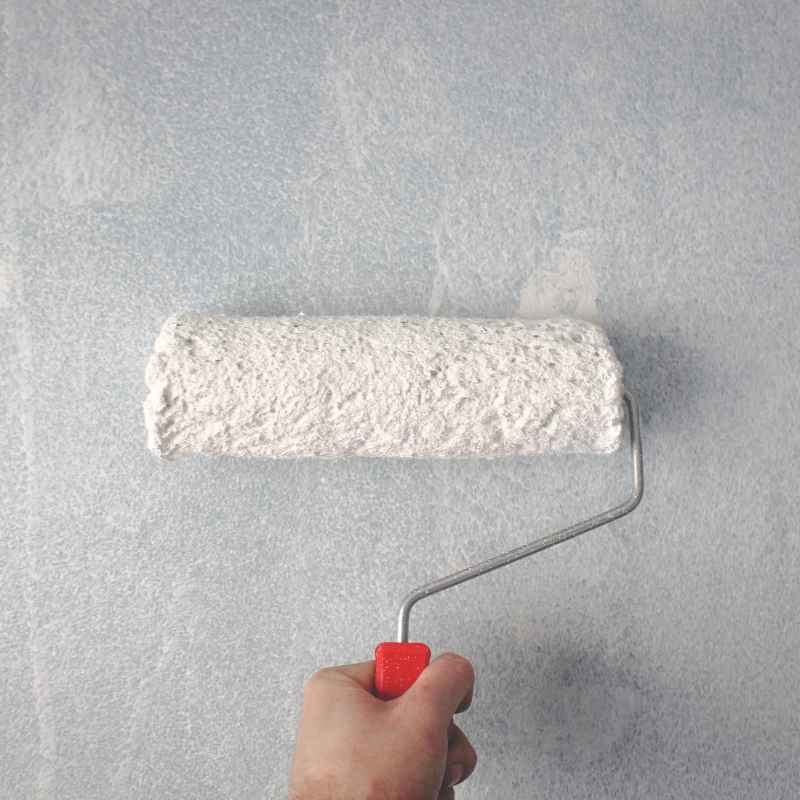
A dedicated primer is a special kind of paint. It’s made to prepare surfaces. It does a few key things.
First, it seals porous surfaces. New drywall is very porous. The paper and the mud drink up liquids.
Primer fills these tiny holes. This stops the paint from being soaked in too much. It creates a uniform surface.
Second, primer helps your topcoat of paint stick better. It creates a good bond. This means your paint will last longer.
It’s less likely to peel or chip. Think of it like glue for your paint. It makes sure the paint holds on tight.
Third, primer helps with color consistency. If you’re painting a dark color over a very light or uneven surface, primer helps. It covers up old colors or stains.
It creates a neutral base. This makes it easier to achieve the true color you want with fewer coats of paint. This is especially true for vibrant or dark colors.
When you use paint with primer, it’s a compromise. It’s often a good choice for repainting. It can help cover minor scuffs.
It might work well on a wall that already has a good base coat of primer. But for raw, new drywall, it’s often not enough. The new drywall needs a thicker, more robust sealing layer.
The Paint With Primer Myth Busters
Myth: Paint with primer is a magic bullet. It replaces separate primer coats.
Reality: It’s a good all-in-one for some jobs. But it’s not a true primer. It doesn’t seal raw surfaces as well as a dedicated primer.
For new drywall, dedicated primer is the way to go.
Myth: You can save time by skipping primer on new drywall with paint+primer.
Reality: You might save time upfront. But you’ll likely need more paint coats. The finish may not be as smooth.
It could even fail faster. It often costs more in the long run.
My Own Drywall Painting Blunder
I remember a time I was so eager to finish a basement project. I had just hung a whole room of drywall. The mudding and taping were done.
It looked so smooth and perfect. I bought a fancy brand of paint. It proudly said “Paint + Primer” on the can.
I thought, “Great! I can skip that extra step.” It felt like a smart shortcut.
So, I grabbed my roller and started painting. The first coat went on okay. I was still feeling pretty good about my decision.
But as it dried, I saw it. Darker patches. Lighter patches.
It looked like a weird, blotchy map of my room. The paint was soaking into the drywall mud differently than the paper. It was a mess.
I felt a pang of panic. I had made a mistake.
I had to stop. I had to admit I was wrong. I ended up buying a good quality drywall primer.
I had to paint a whole extra coat just to cover my botched job. It took way longer. It cost more money.
And the finish wasn’t as good as it could have been if I had just primed it right the first time. That experience taught me a valuable lesson about trusting those “all-in-one” products on raw surfaces.
The Science Behind the Absorption Problem
Let’s talk a little more about why this happens. Drywall paper is like thick paper. It’s absorbent.
The joint compound used to tape seams and cover screws is often gypsum-based. It’s also very porous. Think of it like a dried-out sponge.
When you put liquid paint on it, it drinks it up.
The factory primer on the drywall is thin. It offers minimal sealing. It’s like a quick dab of water on that sponge.
It doesn’t fill all the tiny pores. So, when you apply your paint (even paint with primer), the actual paint pigments and binder get absorbed. The paper and mud pull the liquid out.
In areas where the joint compound is thicker or more porous, the paint sinks in deeper. In areas where the paper is less absorbent, the paint sits more on the surface. This difference in absorption is what creates those visible lines and splotches.
It’s called “flashing.” The sheen of the paint looks different in these areas. It looks duller where it soaked in more. It looks shinier where it didn’t.
Paint with primer products try to do two jobs. They offer some pigment. They offer some binding properties.
But they are not formulated to provide the deep sealing power that raw drywall needs. They are meant for surfaces that are already primed or painted. They help with adhesion and color coverage on those surfaces.
What About Different Types of Drywall Finish?
Drywall comes in different finishes. The paper itself is a consistent base. But the joint compound can vary.
There are different levels of drywall finish. These are often called “levels of finish.” They go from 0 to 5. Level 0 is just the drywall board.
Level 5 is the smoothest, most perfect finish. It has multiple coats of compound and a skim coat.
Most homes use levels 3, 4, or 5 for the main walls. Level 3 has two coats of joint compound. Level 4 has three coats.
Level 5 is the most polished. It’s often used in high-end homes or where glossy paint will be used. The more compound used, the more porous the surface can become.
This makes proper priming even more critical.
Even if you have a Level 5 finish, which is very smooth, new drywall still needs a primer. The paper facing still needs to be sealed. The compound needs a uniform surface to adhere to.
So, no matter the finish level, a dedicated primer is the best first step before painting new drywall.
Quick Scan: Drywall Prep Essentials
- Clean the Walls: Dust and debris hinder adhesion.
- Sand Lightly: Smooth out any rough spots.
- Wipe Down: Remove all sanding dust.
- Apply Primer: Use a dedicated drywall primer.
- First Paint Coat: Apply your chosen color.
- Second Paint Coat: For full coverage and depth.
Best Primer Choices for New Drywall
So, what kind of primer should you use? For new drywall, you want a good quality drywall primer. These are often called “drywall primer-sealer.” They are formulated to penetrate and seal the paper and joint compound effectively.
They create a uniform surface for paint.
You can find these in latex (water-based) or oil-based formulas. Latex primers are popular. They are easy to clean up.
They dry fast. They work well for most interior walls. Oil-based primers offer superior sealing and adhesion.
They are sometimes recommended for tricky surfaces or very dark colors. But for standard new drywall, a good latex drywall primer is usually perfect.
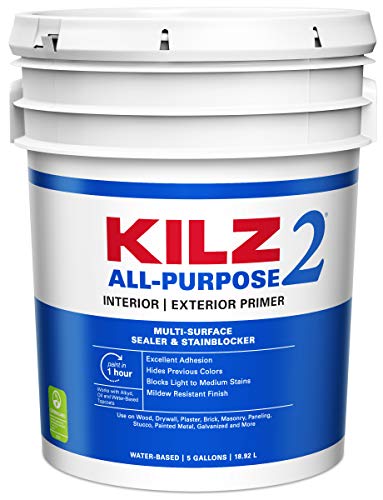
Look for primers that specifically mention “new drywall” or “bare drywall” on the can. Brands like Kilz, Zinsser, and Sherwin-Williams offer excellent options. These are trustworthy brands.
They have been around for a long time. They are known for quality products.
When you apply the primer, make sure to cover the entire surface evenly. Get into corners and around outlets. Use a roller for the large areas and a brush for the edges.
Let it dry completely according to the manufacturer’s instructions. This usually takes a few hours. Some primers recommend a second coat, especially if the drywall is very porous or you plan to use a dark paint.
The Experience of Using Paint With Primer on Other Surfaces
Now, let’s be fair. Paint with primer products do have their place. I’ve used them many times myself.
They are fantastic for touching up scuffs on a wall that’s already been painted. If you have a minor ding or a crayon mark, a coat of paint with primer can cover it. It often blends in well with the existing paint.
They are also good for painting over a wall that is already in decent shape. Maybe you’re changing from a light color to another light color. Or you’re painting a room that was already primed.
In these cases, the “paint + primer” can save you a step. It offers a bit more coverage and hide than a standard paint.
I once painted a rental apartment. The walls were already painted, but they were a bit faded. I chose a paint with primer.
It covered the old color well. It gave me a nice, even finish without needing a separate priming step. This is where these products shine.
They are convenient for repainting over finished surfaces.
The key difference is the starting surface. Is it raw, unsealed paper and mud? Or is it a surface that already has a layer of paint or primer on it?
That’s the crucial distinction. New drywall needs that deep seal. Existing painted walls need a good base for adhesion and color.
Paint with primer is good for the latter, but not ideal for the former.
Contrast: New Drywall vs. Existing Painted Walls
New Drywall
Surface: Bare paper and joint compound.
Needs: Deep sealing, absorption control, uniform surface.
Best Primer: Dedicated drywall primer (latex or oil).
Paint+Primer: Not recommended as the first coat.
Existing Painted Walls
Surface: Already sealed with paint or primer.
Needs: Adhesion, color change coverage, scuff resistance.
Best Primer: Often can use Paint + Primer.
Paint+Primer: Good option for convenience.
What Happens If You Do Use Paint With Primer?
Let’s say you’ve gone ahead and used paint with primer on your new drywall. What’s the worst that can happen? Well, as I learned, you’ll likely see uneven color.
This is called “flashing.” The paint will look blotchy. Some areas will be duller than others. This is because the paint is soaking in unevenly.
You might also find that the paint doesn’t adhere as well. Over time, it could be more prone to chipping or peeling. This is because the primer in the “paint + primer” might not be formulated to bond with raw drywall as strongly as a dedicated primer.
It’s designed to work with existing paint.
You’ll probably need more coats of paint. The “primer” part of the paint with primer isn’t as effective as a true primer. So, to get solid, even color, you might end up applying three or even four coats.
This ends up costing you more paint. It also takes more time than doing one coat of primer and two coats of paint.
The finish might just not look professional. It won’t have that smooth, rich look that well-prepared walls have. For a high-traffic area or a room you want to look really nice, it’s worth the extra step.
The goal is a beautiful, long-lasting finish. Skipping primer on new drywall makes that goal much harder to reach.
Real-World Scenario: A New Build Home
Imagine you just bought a new home. The walls are all newly finished drywall. They are painted a builder’s basic white.
You want to make it your own. You pick out a beautiful deep blue for your living room. You think you can just paint over that white.
You buy a “paint + primer” in that deep blue.
As you paint, you notice the blue looks a bit splotchy. The old white is showing through in places. You put on a second coat.
It’s better, but still not perfect. You can see subtle lighter and darker areas where the paint absorbed differently. You feel frustrated.
You thought you were being smart by buying “paint + primer.”
In this scenario, the builder’s white paint is a coat of primer. But it’s not necessarily a primer designed for new drywall. It’s a cheap coating.
The underlying drywall still has its own absorption issues. A dedicated primer on top of that builder’s coat would have sealed everything. It would have created a smooth, uniform surface.
Then your deep blue paint would have gone on beautifully in just two coats. The primer would have blocked the old color and created an even base for the new color to adhere to and show its true tone.
The Cost of Skipping the Primer
Let’s talk about money. Does skipping primer actually save you money? In the short term, maybe.
You buy one less can of paint. But think about the paint you’ll need to buy. You’ll likely need more coats of your top color.
If you normally use two coats, you might end up using three or even four. That adds up.
Then there’s the time factor. Each coat of paint takes time to apply and dry. If you have to do extra coats, your project takes longer.
You might have to wait longer to move furniture back into the room. This can be a big inconvenience.
And what about the long-term? A properly primed surface helps paint last longer. It adheres better.
It’s less likely to chip or fade. If you have to repaint sooner because the paint didn’t adhere well, you’ll spend more money and time in the future. So, that “shortcut” can actually cost you more in the long run.
The cost of a good quality drywall primer is usually quite reasonable. A gallon might cost $20-$30. That’s a small price to pay for a professional-looking, durable finish.
Think of it as an investment in your home’s appearance. It’s a foundational step that pays off.
Paint+Primer vs. Dedicated Primer: A Quick Comparison
- Paint+Primer:
- Good for repainting over existing paint.
- Convenient for light color changes.
- May require more coats on new surfaces.
- Less effective at sealing raw drywall.
- Dedicated Primer:
- Essential for raw drywall, wood, plaster.
- Seals porous surfaces perfectly.
- Ensures even paint absorption.
- Provides superior adhesion for topcoat.
- Results in a smoother, more durable finish.
When Can You Potentially Get Away With It?
There are very rare cases where you might get away with using a paint with primer on new drywall, but I wouldn’t bet on it. If the “paint with primer” product is exceptionally high-quality. If it’s specifically formulated to deeply penetrate and seal.
And if you are painting over it with another coat of the exact same paint with primer product. Even then, you risk the flashing issue.
Another scenario: If you are painting a very light, flat finish color. And the wall is perfectly smooth. And you don’t mind a slightly less perfect finish.
In these very specific conditions, it might look acceptable. But it’s still not the best practice. It’s a gamble.
The safest and most reliable approach is always to use a dedicated primer. Especially when you’ve invested time and effort into new drywall. You want that beautiful finish to last.
You want to be proud of your work. The extra step of priming is the key to achieving that.
Think about it this way: Would you build a house on a foundation that wasn’t properly prepared? No. You need that strong, stable base.
Drywall is the base for your paint. A good primer is the foundation for that paint. Skipping it is like building on shaky ground.
DIY Expert Tips for Priming New Drywall
When you’re ready to prime, here are some tips to make the job easier and the results better:
1. Choose the Right Primer: As we discussed, grab a quality drywall primer-sealer. Look for one that says “new drywall” or “bare drywall” on the label.
This ensures it’s formulated for your specific situation.
2. Prepare the Surface: Make sure the drywall is clean. Check for any dust from sanding.
Wipe down the walls with a damp cloth or a tack cloth. This removes fine dust particles that could affect primer adhesion.
3. Apply Evenly: Use a good quality roller with a nap suitable for drywall (usually 3/8 inch to 1/2 inch). Load the roller evenly.
Avoid overloading or applying too thinly. Work in sections, maintaining a wet edge to prevent lap marks.
4. Cut in Carefully: Use a good quality brush for the edges and corners. This is called “cutting in.” Take your time here.
A clean cut-in line makes the whole job look more professional. Feather the primer where it meets the cut-in line so it blends smoothly.
5. Allow Proper Drying Time: Read the primer can carefully. Let it dry completely.
Rushing this step can lead to problems with paint adhesion. Most primers take a few hours to dry to the touch. But they might need longer to be fully ready for paint.
6. Inspect and Touch Up: Once dry, look over the primed walls. Are there any missed spots?
Any thin areas? You can do a quick touch-up with the primer if needed. Then, you’re ready for your beautiful paint color!
What This Means for Your Next Painting Project
So, the big takeaway is clear. When you have brand new drywall, especially after it’s been taped and mudded, you need a dedicated primer. This isn’t just an old-fashioned rule.
It’s based on how the materials work. It’s about creating a stable, even surface for your paint to adhere to.
Using paint with primer directly on new drywall is a shortcut that often leads to more work and a less satisfying result. It might seem like a time saver, but it usually isn’t in the long run. The investment in a good primer is well worth it for a smooth, durable, and beautiful paint job.
Think of it as setting yourself up for success. You’ve put in the effort to get the drywall looking perfect. Don’t let the painting process undermine that.
Give your walls the best possible start. That means primer first, then your chosen paint color.
When is it Okay to Use Paint With Primer?
While not for new drywall, paint with primer is excellent for refreshing existing painted surfaces. If your walls are already primed or painted, and you’re just changing the color, it can be a great option. This includes:
- Painting over a previously painted wall.
- Updating a room with a similar color.
- Covering minor scuffs or stains on a finished surface.
- Touching up small areas of damage.
In these situations, the “primer” aspect helps with adhesion and blocking the old color. It can often reduce the number of topcoats needed compared to a standard paint. It’s a convenience product for established surfaces.
It’s not a replacement for proper surface preparation on new materials.
When to Worry About Paint Absorption Issues
You should worry if you see any of these signs after painting new drywall without a dedicated primer:
- Obvious Flashing: Darker or lighter splotches that look like shadows.
- Uneven Sheen: Some areas look matte while others look slightly shiny.
- Poor Adhesion: The paint scrapes or peels off easily.
- Color Not True: The final color looks different from the swatch.
- Multiple Coats Needed: You’re applying more than two coats and still not getting even coverage.
If you notice any of these, it’s a strong sign that the underlying drywall wasn’t sealed properly. You might need to apply a dedicated primer over the problem areas before repainting. It’s better to catch these issues early.
Frequently Asked Questions
Can I skip primer if my paint says “paint and primer in one”?
For new, unprimed drywall, it’s best not to skip a dedicated primer. While “paint and primer in one” products are convenient for repainting existing walls, they often don’t provide the deep sealing and uniform surface that raw drywall needs. Using a separate drywall primer first will give you a much better, longer-lasting finish.
What is the best primer for new drywall?
The best primer for new drywall is a dedicated drywall primer-sealer. These are specifically formulated to penetrate and seal the porous paper and joint compound. Look for products that mention “new drywall” or “bare drywall” on the label from reputable brands.
How many coats of primer do I need on new drywall?
Typically, one good coat of dedicated drywall primer is sufficient for new drywall. However, if the drywall is extremely porous or if you plan to use a very dark or vibrant color as your topcoat, a second coat of primer might be beneficial for optimal coverage and color depth.
What happens if I paint directly on drywall mud?
Painting directly on drywall mud without priming is not recommended. Drywall mud is very porous and will absorb paint unevenly. This leads to a patchy, blotchy finish where some areas appear duller or darker than others.
It can also affect the paint’s adhesion and durability over time.
Can I use an oil-based primer on new drywall?
Yes, oil-based primers can be used on new drywall and offer excellent sealing and adhesion. They are known for their ability to block stains and create a very durable surface. However, latex (water-based) drywall primers are often easier to work with and clean up, and they perform very well for most interior applications.
Will painting with primer on new drywall look bad?
It might not look “bad” immediately, but it likely won’t look its best. You’ll probably notice uneven color absorption, a phenomenon called “flashing,” where some areas look duller or darker than others. The finish may not be as smooth or as durable as it would be with a dedicated primer coat.
Conclusion
So, can you use paint with primer on new drywall? The short answer is no, not for the best results. While convenient for many situations, these products don’t
Sponsored / affiliate links. As an Amazon Associate I earn from qualifying purchases. I may earn additional commission from eligible campaigns.