Acetone Vs Paint Thinner: What’S The Real Difference?
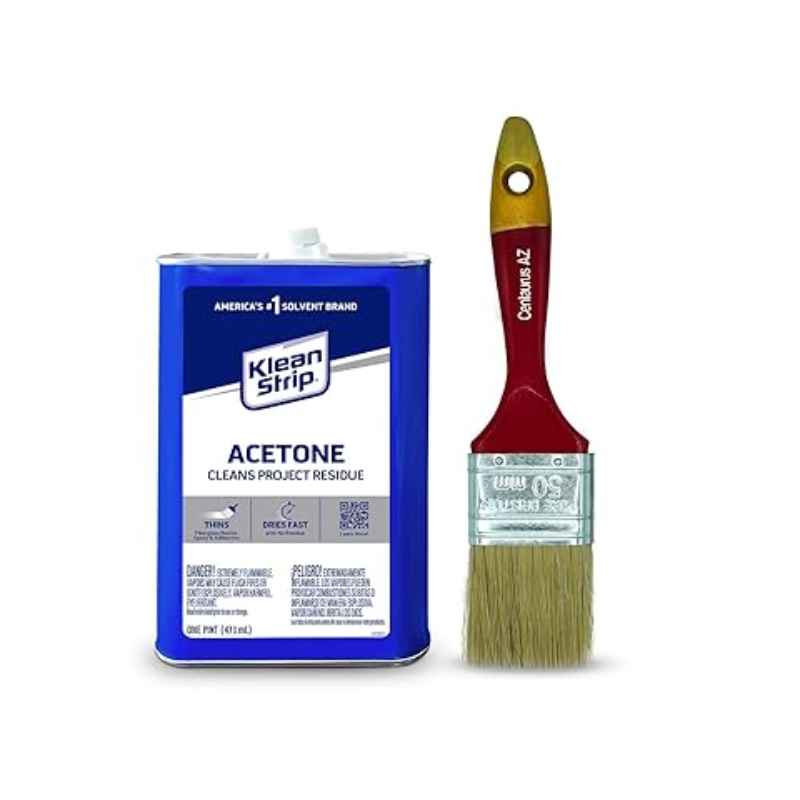
Acetone and paint thinner are both strong solvents, but they have different chemical makeups and primary uses. Acetone is a powerful, fast-evaporating solvent best for cleaning nail polish, adhesives, and certain plastics. Paint thinner, often mineral spirits or turpentine, is designed to thin oil-based paints and clean brushes used with them, evaporating more slowly.
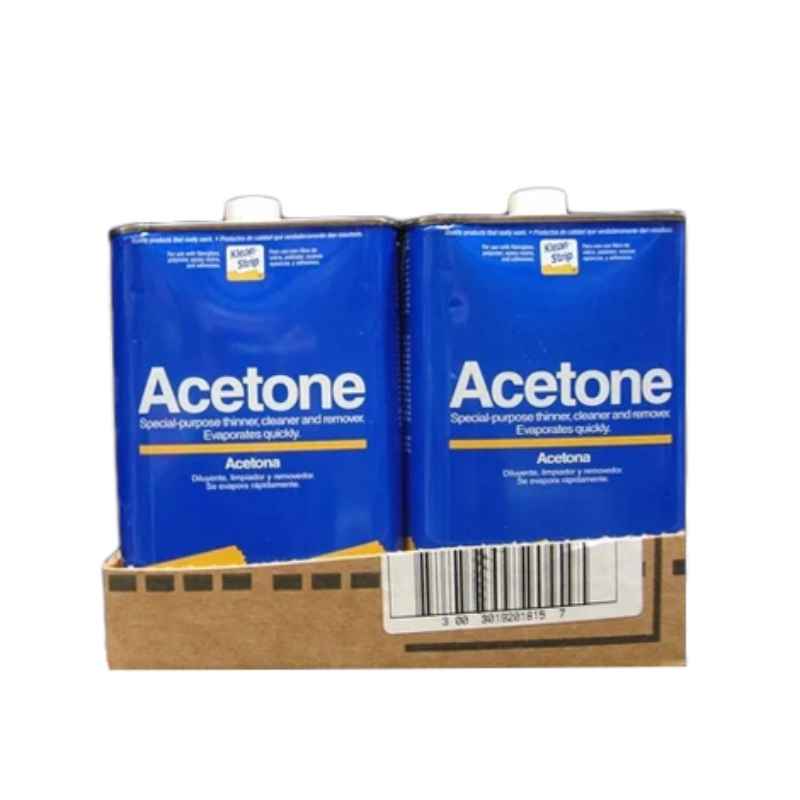
Understanding Acetone
Acetone is a clear, volatile liquid. It’s a ketone. This means its chemical structure has a specific group of atoms.
It smells strong and sweet. You might know it best as the main ingredient in nail polish remover. But its power goes way beyond pretty nails.
Acetone is a super-strong solvent. This means it can break down and dissolve many other substances. It’s very good at dissolving things like resins, plastics, and natural glues.
It also tackles grease and oil with ease. One of its most notable traits is how fast it dries. This makes it useful when you need quick cleanup.
However, this fast evaporation also means it can be harsh. It can damage certain surfaces. Things like finished wood or some plastics can become cloudy or even melt.
Always test it in a hidden spot first. Understanding its strength is key to using it safely and effectively.
What Is Paint Thinner?
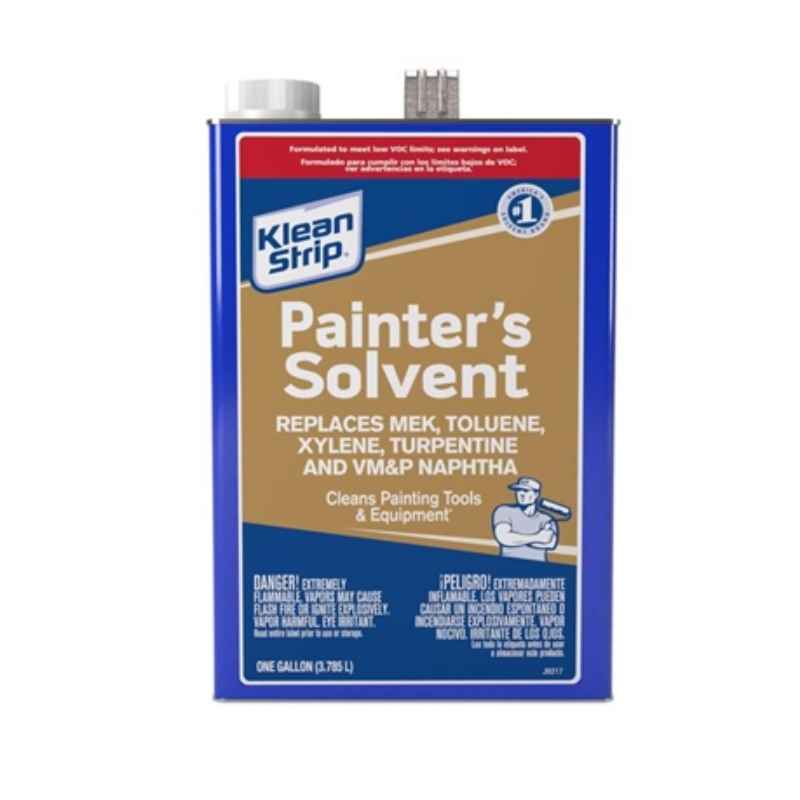
Paint thinner is a bit of a broad term. It refers to a group of solvents used with paints. The most common type in the U.S.
is mineral spirits. Sometimes people use turpentine, which comes from pine trees.
Mineral spirits are made from petroleum. They are less harsh than acetone. They evaporate much slower, too.
This slow drying is important when you are working with oil-based paints. It gives you more time to spread the paint evenly. It also helps clean up paint brushes and tools after you use oil paints.
Turpentine is an older type of thinner. It smells strongly of pine. It’s also good for thinning oil paints.
But it can be more expensive and sometimes harder to find than mineral spirits. Both are designed to work with specific types of paint, mainly oil-based ones.
Key Differences: Acetone vs. Paint Thinner
The biggest difference between acetone and paint thinner lies in their chemical makeup and how they behave. Acetone is a pure chemical compound. Paint thinner, like mineral spirits, is a mixture of hydrocarbons.
This leads to different strengths and uses.
Acetone is a very powerful cleaner. It dissolves things very quickly. It also evaporates almost instantly.
This is great for some tasks but bad for others. For example, it can melt some plastic items. It can also damage painted surfaces if you are not careful.
Paint thinner is a bit gentler. It works more slowly. This makes it ideal for thinning oil paints.
It also makes cleaning up oil paint tools much easier. It doesn’t damage surfaces as much as acetone, but it’s still a strong chemical. You should always use it in a well-ventilated area.
Chemical Family Matters
Acetone: Part of the ‘ketone’ family. Known for fast action.
Paint Thinner: Often ‘mineral spirits’ (hydrocarbons from petroleum) or ‘turpentine’ (from pine trees). Work more gently.
When to Use Acetone
Acetone shines when you need to remove tough, sticky stuff. Think about nail polish. That’s where acetone truly excels.
It breaks down the color and film quickly. It’s also amazing for removing dried glue or adhesive residue. You know, those stubborn labels on jars or stickers on products?
It’s fantastic for cleaning up mistakes with certain types of plastic. If you accidentally got super glue on your fingers, a little acetone can help. It can also clean tools used with specific adhesives.
Many craft projects benefit from its cleaning power. It can remove wax or crayon marks from hard surfaces too.
In a workshop, it’s often used to degrease metal parts. It leaves the surface clean and dry. This is important before painting or applying other coatings.
Just remember its strength. Always wear gloves. Make sure the area has plenty of fresh air.
Never use it near open flames, as it’s very flammable.
Acetone’s Top Jobs
1. Nail Polish Remover: Its most common use.
2. Adhesive Removal: Takes off sticky labels and glue.
3. Cleaning Plastics: Good for some types, but test first!
4. Degreasing: Cleans metal parts before painting.
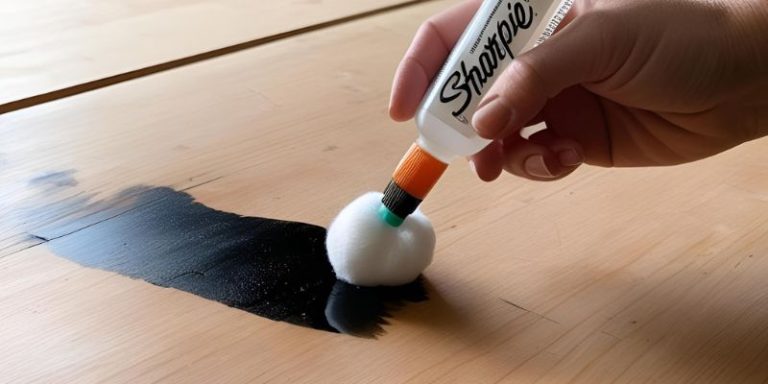
5. Spot Cleaning: Wipes away ink or marker from hard surfaces.
When to Use Paint Thinner
Paint thinner has a clear main job: working with oil-based paints. If you are painting with oil paints, this is your go-to. You use it to make the paint thinner.
This helps it flow better. It makes brushing easier. It helps create a smoother finish on your project.
After you finish painting with oil-based products, you need to clean your brushes and rollers. Paint thinner is perfect for this. It dissolves the oil paint.
It washes away the color and pigment. This keeps your brushes soft and ready for the next use. It’s also used to clean up spills of oil paint.
It’s important to know the type of paint you are using. Water-based paints (like latex or acrylics) need water or a special cleaner. They do not mix well with paint thinner.
Using paint thinner on latex paint can actually make a mess. It can cause the paint to clump up or become sticky.
Paint Thinner’s Main Tasks
1. Thinning Oil Paints: Makes paint flow smoother.
2. Cleaning Oil Paint Brushes: Removes oil paint residue.
3. Cleaning Oil Paint Rollers: Cleans tools used with oil-based paints.
4. Stain Cleanup: Can help clean up oil-based stains.
5. Degreasing Surfaces: Good for prepping some surfaces.
Can You Substitute One for the Other?
Generally, no. You shouldn’t swap acetone for paint thinner or vice versa. They do different jobs.
Using the wrong one can cause problems. Imagine trying to thin your oil paint with acetone. It would evaporate too fast.
It might even damage the paint itself. The paint could become gummy or peel off later.
On the flip side, using paint thinner to remove nail polish won’t work well. It’s too slow. It’s not strong enough.
You’d be left with a sticky mess. It might also leave an oily residue behind. This residue could interfere with applying new nail polish.
Sometimes, for very light cleaning tasks, they might seem to do a similar job. For instance, removing a small bit of grease. But their core purposes are distinct.
Sticking to the right solvent for the task ensures the best results and avoids damage. It saves you time and frustration in the long run.
Safety First: Handling Solvents
Both acetone and paint thinner are strong chemicals. They require careful handling. Always read the label on the product.
It will tell you specific safety tips. Wear protective gear. This includes chemical-resistant gloves.
Safety glasses are a must. They protect your eyes from splashes.
Ventilation is super important. Always use these products in an area with fresh air. Open windows and doors.
If you can, work outside. This helps fumes clear out. Breathing in these fumes can be bad for you.
It can cause headaches or dizziness. In large amounts, they can be harmful.
Both are flammable. Keep them away from heat, sparks, and open flames. This includes pilot lights on stoves or water heaters.
Don’t smoke while using them. Store them in their original containers. Keep them out of reach of children and pets.
Dispose of used materials properly. Check with your local waste disposal service.
Safety Checklist
Ventilation: Always use in a well-aired space.
Gloves: Wear chemical-resistant gloves.
Eyes: Protect your eyes with safety glasses.
Fire: Keep away from heat and flames.
Storage: Store safely, away from kids and pets.
Disposal: Follow local guidelines for waste.
Real-World Scenarios: A Day in the Life
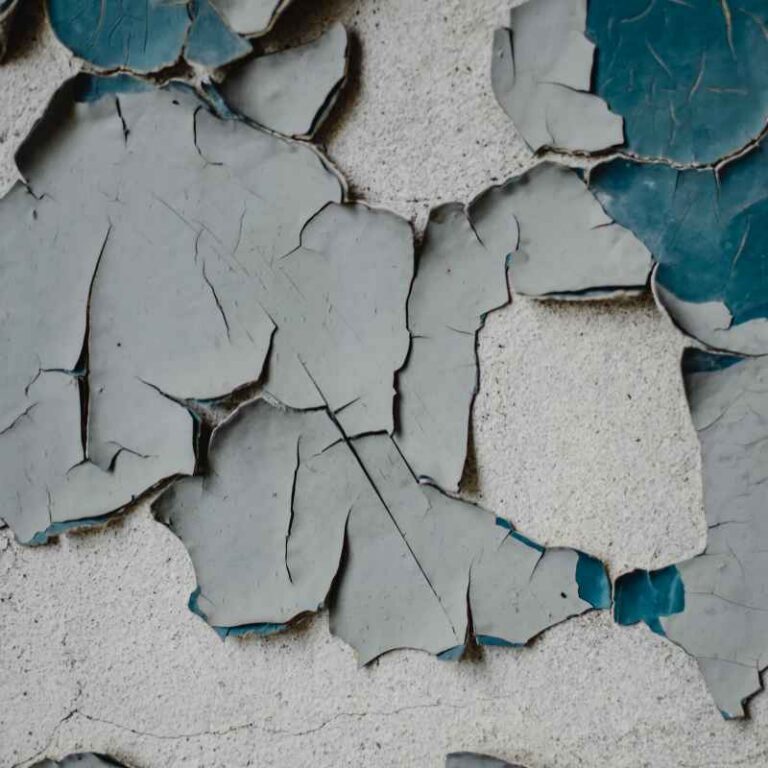
Let’s walk through a couple of typical home scenarios. Imagine you’re redoing your kitchen cabinets. You decide to switch from old, chipped paint to a new, fresh color.
If you’re using a modern acrylic or latex paint, you’ll clean your brushes with soap and water. But if you chose an old-school oil-based enamel for that super-hard finish, you’ll need paint thinner.
After a long painting session, your brushes are stiff with dried paint. You grab your trusty can of mineral spirits. You dip the brush in and start working the thinner through the bristles.
The thick paint begins to dissolve. It turns into a gooey mess in the can. You rinse and repeat until the brush is clean and soft again.
This is paint thinner’s territory.
Now, picture this: you’re trying to put a new knob on a wooden drawer. The old knob left a sticky, gummy residue. You try water, but it doesn’t budge.
You remember that little bottle of acetone you used for nail polish. You put on gloves and dab a tiny bit on a cloth. You rub the sticky spot.
It melts away like magic. You wipe the area clean with a damp cloth to remove any acetone residue. This is where acetone saves the day.
Another situation: you’re crafting and accidentally spill a bit of super glue on your workbench. It’s dried hard. You get out your acetone.
You carefully apply it to the edge of the glue. It starts to soften. You gently scrape it away with a plastic putty knife.
You’re careful not to damage the wood surface. Then you wipe it clean. This is a job acetone is perfect for.
What About Other “Thinners”?
It gets even more confusing because there are other products labeled “thinner” or “solvent.” You might see lacquer thinner, enamel thinner, or paint and epoxy thinner. These are all different. They are made for specific types of coatings.
Lacquer thinner is very strong. It’s used for lacquers and some other coatings. It evaporates extremely fast.
It can be quite harsh on plastics and finishes. Enamel thinner is usually tailored for enamel paints. It might be similar to mineral spirits but could have other additives.
Always check the can.
The key is to match the solvent to the paint or coating. Water-based paints use water. Oil-based paints typically use mineral spirits or turpentine.
Lacquers use lacquer thinner. Epoxies have their own special thinners. Using the wrong one can ruin your paint job.
It can also damage your tools or the surface you are working on. Reading the product label is always the best first step.
Specialty Thinners to Know
Lacquer Thinner: For lacquers. Very strong, fast evaporating.
Enamel Thinner: For enamel paints. Often petroleum-based.
Paint & Epoxy Thinner: For specific industrial coatings. Check label.
Rubbing Alcohol (Isopropyl Alcohol): A milder solvent. Good for electronics or light cleaning. Not for paint.
Denatured Alcohol: Alcohol with additives to make it undrinkable. Used for shellac and some finishes.
Understanding Paint Types: A Quick Guide
To really get why acetone and paint thinner are different, it helps to know about paint types. There are two main groups: oil-based and water-based.
Water-Based Paints: These are paints like latex and acrylics. They use water as their main solvent. When you’re done painting with them, you just need soap and water to clean your brushes.
They dry relatively quickly. They are also easier to clean up. Most interior house paints are water-based.
Oil-Based Paints: These paints use oils or alkyds as their binder. They need a solvent to thin them. This is where paint thinner comes in.
They dry slower than water-based paints. They often give a harder, more durable finish. They are used for things like trim, doors, or furniture where a tough finish is needed.
They also have a stronger odor when wet.
Knowing your paint type is the first step to picking the right cleaner or thinner. If your paint can says “clean up with soap and water,” you do not need paint thinner. If it says “clean up with mineral spirits” or “use paint thinner,” then that’s what you need.
What This Means For Your Projects
For your DIY projects, this distinction is crucial. If you’re painting a wall in your living room with a standard latex paint, forget about paint thinner. Water is your friend.
If you are restoring an old piece of furniture and want a classic, glossy finish with oil-based paint, then paint thinner is essential.
When you find sticky residue, like from a price tag or old tape, reach for acetone. But be careful. If the surface is painted or made of a delicate plastic, test acetone first.
It can eat through some finishes. For general cleaning of everyday grime, sometimes just mild soap and water is enough. Don’t use harsh chemicals when you don’t have to.
Think about the end goal. Do you need to dissolve something tough and fast? Acetone is likely your answer.
Do you need to work with oil paint and clean your tools? Paint thinner is the way to go. Using the wrong product can mean more work, damaged items, or a poor finish.
It’s about choosing the right tool for the specific job.
Common Misconceptions
One big mix-up is thinking “thinner” means any liquid that makes paint thinner. While true in a broad sense, the type of thinner matters hugely. Mineral spirits are for oil paints.
Water is for latex paints. Lacquer thinner is for lacquers.
Another idea people have is that acetone is just a stronger version of paint thinner. While acetone is generally a stronger solvent, its evaporation rate and chemical properties make it unsuitable for many painting tasks. It’s not just about strength; it’s about compatibility.
Some folks believe if a product is tough, it must be paint thinner. They might use paint thinner to remove nail polish or strong adhesives. This often doesn’t work as well as acetone.
It can leave an oily film. It might not break down the substance as effectively. It’s a bit like using a hammer to screw in a screw – it’s the wrong tool.
Myth vs. Reality
Myth: All “thinners” work on all paints.
Reality: Different paints need different thinners (water, mineral spirits, lacquer thinner).
Myth: Acetone is just a stronger paint thinner.
Reality: Acetone is a different chemical with a much faster evaporation rate and different uses.
Myth: You can use paint thinner for any tough cleaning job.
Reality: Acetone is better for adhesives and nail polish. Paint thinner is for oil paints.
When to Worry: Signs of Trouble
If you’re using acetone and you see the surface you’re cleaning get cloudy, bubbly, or soft, stop immediately. That’s a sign acetone is damaging the material. This is more common on varnished wood, certain plastics, or painted surfaces that aren’t meant for strong solvents.
If you’re using paint thinner and the oil paint you’re trying to thin starts to separate, look lumpy, or seems to dry too fast, that’s also a warning sign. It could mean the thinner isn’t compatible with that specific paint. Or you might be using too much.
When cleaning tools, if paint thinner isn’t removing the paint easily, don’t just keep soaking. It might be an old, dried-up paint. Or it could be a paint that doesn’t respond well to mineral spirits.
Forcing it can damage your brushes.
If you experience strong headaches, nausea, or dizziness while using either product, get to fresh air right away. These are signs you are breathing in too many fumes. Make sure your workspace is properly ventilated next time.
If symptoms persist, seek medical advice.
Quick Tips for Success
Always test first. Before using acetone or paint thinner on a large area or a visible spot, try it on a small, hidden section. This is especially true for painted surfaces, finished wood, or plastics.
Use the right amount. When thinning paint, start with a little solvent and add more slowly until you get the right consistency. Too much can weaken the paint.
For cleaning, use enough to do the job but avoid soaking materials unnecessarily.
Work in layers for tough jobs. For stubborn adhesives with acetone, apply, let it sit for a moment, then gently wipe. Repeat if needed.
Don’t just blast it with solvent.
Clean tools immediately. The longer oil paint sits on brushes or rollers, the harder it is to remove. Clean them right after you finish painting.
Read the labels. Every product is a little different. The label has important safety information and usage tips.
It’s your best guide.
Frequently Asked Questions
Is acetone safe for all plastics?
No, acetone can damage or melt many types of plastic. Always test it on a small, hidden area first. Some plastics, like polyethylene or polypropylene, are resistant.
Others, like ABS or polystyrene, can be dissolved by acetone.
Can I use acetone to clean latex paint?
Generally, no. Acetone is too harsh for latex paint. It can damage the paint film.
For latex paint cleanup, soap and water is the best option.
What if I run out of paint thinner? Can I use something else?
It depends on the paint. For oil-based paints, mineral spirits or turpentine are standard. If you don’t have them, you might need to stop your project until you can get the right thinner.
Using the wrong substitute can ruin your paint job.
How long does acetone take to dry?
Acetone evaporates very quickly. It usually dries in seconds to a minute or two, depending on the temperature and airflow.
How long does paint thinner take to dry?
Paint thinner, like mineral spirits, dries much slower than acetone. It can take anywhere from 10 minutes to an hour or more to fully evaporate, depending on conditions.
Are paint thinners and solvents the same thing?
Solvent is a broad term for a liquid that dissolves another substance. Paint thinner is a specific type of solvent used with paints. Acetone is also a solvent, but it’s a specific chemical compound with different uses than typical paint thinners.
Wrapping Up: Choosing Wisely
Acetone and paint thinner are both powerful tools in your cleaning and DIY arsenal. They are not interchangeable. Understanding their unique properties—how fast they work, what they dissolve, and how they affect surfaces—is key.
Always choose the right one for your specific task. Read labels carefully. Prioritize safety with good ventilation and protective gear.
This ensures your projects go smoothly and safely.
Sponsored / affiliate links. As an Amazon Associate I earn from qualifying purchases. I may earn additional commission from eligible campaigns.