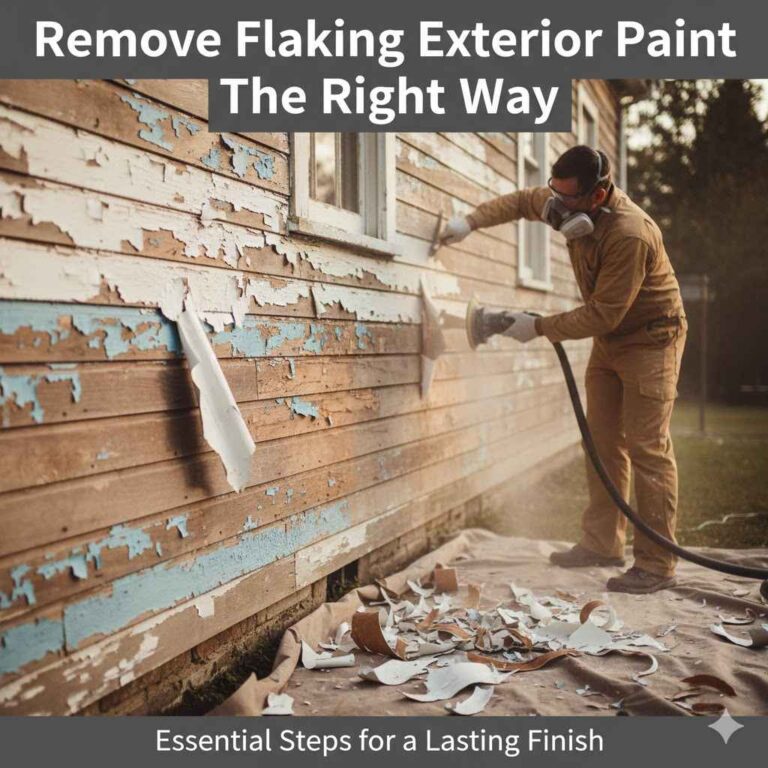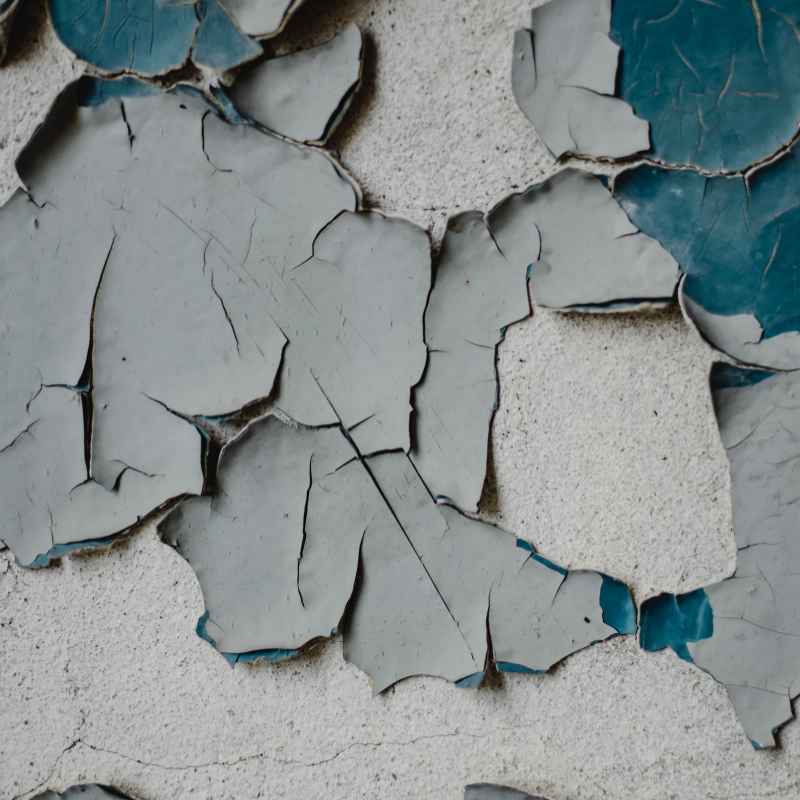
How to Remove Epoxy Paint From Concrete Without Damage
Removing epoxy paint from concrete can feel like a nightmare if you choose the wrong technique. Whether you’re prepping a garage floor or a warehouse, this guide walks you through safe, effective methods that preserve your concrete while stripping away stubborn epoxy.
Simply put, the safest way to remove epoxy paint from concrete is to use a chemical stripper designed for epoxy followed by gentle scraping and thorough rinsing. Avoid aggressive grinding unless the coating is extremely thick—it can damage the concrete surface.
Key Takeaways
- Removing epoxy paint from concrete without damage starts with choosing the right chemical stripper for your specific epoxy type.
- Always test a small area first to see how the concrete reacts to the solvent you plan to use.
- Mechanical methods like grinding should be your last resort—they can wear down the concrete if done incorrectly.
- Timing is critical: letting the stripper dwell for the full recommended time ensures you don’t have to reapply.
- Proper neutralization and cleaning after removal prevent future adhesion issues or chemical residue.
What You’ll Need to Remove Epoxy Paint From Concrete
Before you start, gather the right tools and materials. Using the wrong solvent or tool can ruin your concrete or leave hazardous waste. Here’s a checklist of essentials you’ll need for a safe, effective removal project.
| Category | Item | Purpose |
|---|---|---|
| Chemical Stripper | Methylene chloride‑free epoxy remover or citrus‑based stripper | Breaks down the epoxy so it can be scraped off |
| Safety Gear | Nitrile gloves, safety goggles, respirator with organic vapor cartridges | Protects you from fumes and skin contact |
| Scraping Tools | Plastic putty knife, floor scraper, wire brush (stainless steel) | Removes softened epoxy without scratching concrete |
| Mechanical Tools (optional) | Angle grinder with diamond cup wheel or floor buffer with abrasive pad | Removes stubborn epoxy that won’t dissolve |
| Cleanup Supplies | Baking soda, water, scrub brush, wet/dry vacuum | Neutralizes chemical residue and rinses surface |
Always check the stripper’s label for compatibility with concrete. Some solvents can etch the surface if left on too long.
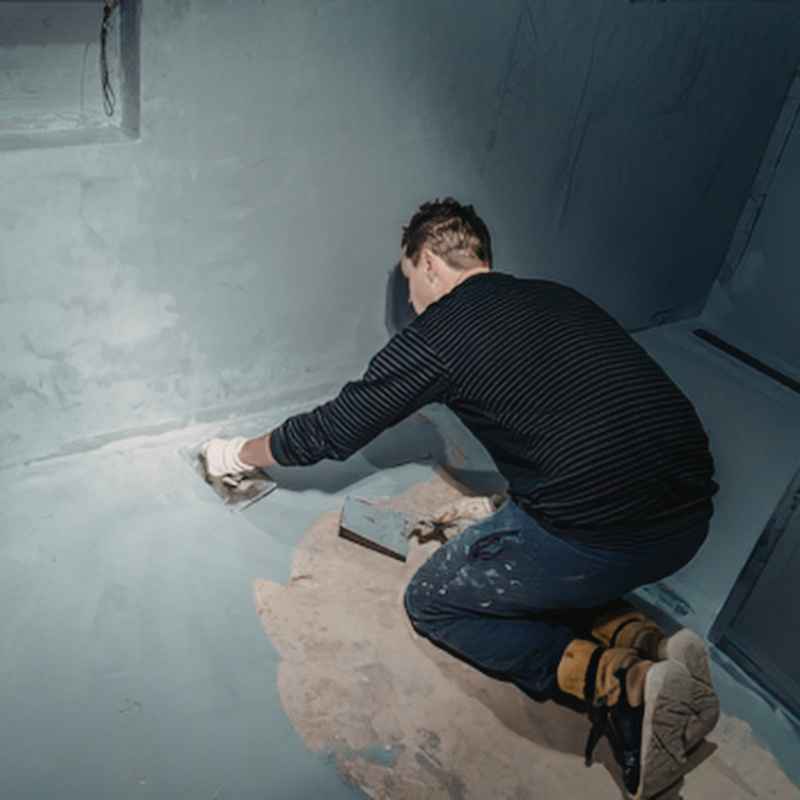
Step 1: Assess Your Epoxy Coating and Concrete Condition
Before applying anything, you need to know what you’re dealing with. Removing epoxy paint from concrete starts with an honest assessment of both the coating and the substrate. Two‑part epoxy is much harder to remove than water‑based or urethane‑modified epoxy.
- Check if the epoxy is still glossy and intact or already peeling. Peeling areas are easier to remove.
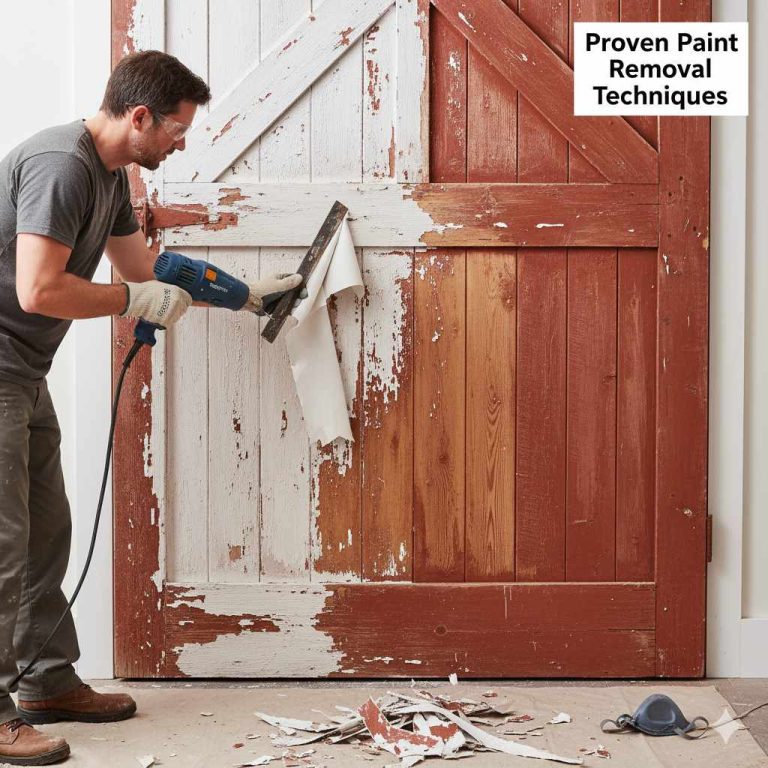
- Test a small corner with a heat gun. If the epoxy softens quickly, it may respond well to heat.
- Look for cracks or spalling in the concrete. Damaged concrete needs gentler removal methods.
- Note the age of the coating. Old epoxy may be more brittle, while newer floors may still be curing.
- Check for moisture issues. Damp concrete can prevent strippers from penetrating.
According to the American Concrete Institute, epoxy coatings fail about 15% of the time within the first two years if applied to improperly prepared concrete. A simple moisture test with a plastic sheet taped to the floor for 24 hours will tell you if moisture is a concern.
Important: Never use a floor grinder on concrete that is less than 28 days old. The concrete is still curing and can be easily damaged.
Step 2: Choose the Right Chemical Stripper for Epoxy
Not all paint strippers work on epoxy. You need a solvent specifically designed to break down epoxy resins. The three most common types are methylene chloride‑based (strongest but most toxic), benzyl alcohol‑based (safer but slower), and citrus‑based (least toxic, works best on thin coats).
| Stripper Type | Effectiveness | Safety | Best For |
|---|---|---|---|
| Methylene chloride | High – softens epoxy in 15–30 minutes | Low – toxic fumes, requires full PPE | Thick, multi‑coat epoxy |
| Benzyl alcohol | Medium – requires 4–24 hours dwell time | Moderate – less toxic but still needs ventilation | Medium‑thickness epoxy on garage floors |
| Citrus‑based (d‑limonene) | Low‑Medium – best for thin or peeling epoxy | High – low odor, safer for indoor use | Small areas, thin topcoats, DIY projects |
The Occupational Safety and Health Administration (OSHA) strongly advises against using methylene chloride in poorly ventilated spaces, as chronic exposure can cause serious health issues. For most DIY jobs, a benzyl alcohol‑based stripper hits the sweet spot between safety and cost.
Tip: Always buy a stripper that lists “epoxy” or “two‑part coating” on the label. General paint strippers often won’t touch industrial‑grade epoxy.
Step 3: Apply the Chemical Stripper Safely and Effectively
Now it’s time to apply the stripper. For effective removing epoxy paint from concrete, you need to follow these steps in order:
- Ventilate the area by opening doors and windows. Set up fans to push air outward if using a strong solvent.
- Wear your respirator, goggles, and gloves. Do not skip this step—even citrus strippers can irritate skin.
- Apply the stripper thickly using a paint roller, brush, or plastic squeegee. A heavy coat prevents it from drying out.
- Let it dwell according to the manufacturer’s instructions—usually 30 minutes to 24 hours. Cover with plastic sheeting to keep it wet if needed.
- Check periodically by scraping a corner. The epoxy should be soft and gummy, not hard or dry.
- Do not let the stripper fully evaporate. If it dries out, reapply and wait again.
If you’re working outdoors, watch for wind that can blow debris onto the wet stripper. On concrete, avoid puddling the chemical in one spot—spread it evenly so the surface stays consistent.
Warning: Never mix two different strippers together. The chemical reaction can release toxic gas or ignite. Stick to one product per job.
Step 4: Scrape Off the Softened Epoxy
Once the stripper has done its job, you’ll see the epoxy lifting into a soft film or blistering. Now you need to remove it without gouging the concrete. Use a plastic putty knife or a wide floor scraper for large areas.
Metal tools can scratch the surface, so be cautious.
- Work in small sections (about 2×2 feet at a time) to prevent the stripper from drying.
- Push the scraper at a low angle (30 degrees) to lift the epoxy without digging into concrete.
- Use a stiff‑bristle brush on textured or rough concrete to remove residue from pores.
- Wipe the scraper clean on a rag after each pass to avoid smearing epoxy back onto the floor.
- If some spots remain hard, reapply stripper to those areas only.
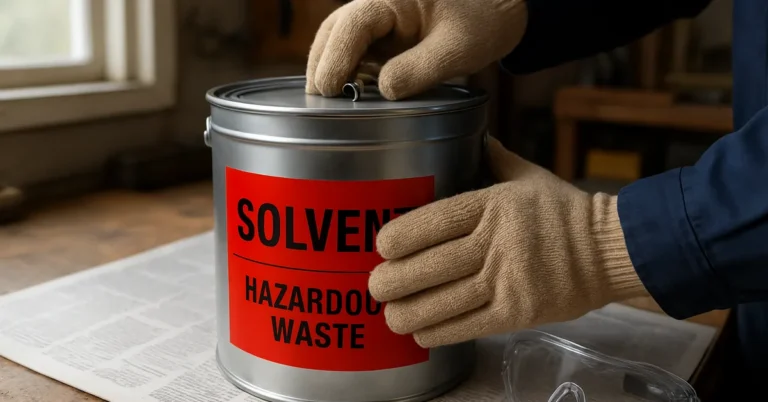
According to the Environmental Protection Agency (EPA), discarded epoxy waste should be handled as hazardous material if it contains hazardous solvents. Collect all scrapings in a heavy‑duty trash bag and check local regulations for disposal.
Step 5: Use Mechanical Abrasion for Stubborn Spots
After scraping, you may still have thin patches or epoxy that penetrated deep into the concrete pores. Mechanical removal is your next option, but it must be done carefully to avoid damaging the surface. Removing epoxy paint from concrete mechanically works well for small problem areas.
| Method | Tool | Risks to Concrete |
|---|---|---|
| Sanding | Random‑orbit sander with 40‑80 grit paper | Minimal if you don’t press too hard; can create swirl marks |
| Grinding | Angle grinder with diamond cup wheel | High – can leave grooves and remove too much concrete |
| Shot blasting | Commercial shot blaster | Moderate – requires experience to avoid pitting |
For most DIYers, a rotary buffer with a medium‑grit abrasive pad is the safest power tool. It takes longer but gives you more control. Always wear a dust mask and keep a wet/dry vacuum running to collect silica dust, which is a serious lung hazard.
Step 6: Clean, Neutralize, and Rinse the Concrete
Once all visible epoxy is gone, the concrete still has chemical residue that must be neutralized. Most strippers are alkaline or acidic, so you need to balance the pH to prevent future paint adhesion problems and to protect the environment.
- Mix a solution of warm water and baking soda (half cup per gallon) for most strippers. Check the manufacturer’s recommendation.
- Scrub the entire floor with a stiff broom or scrub brush.
- Rinse thoroughly with clean water. A pressure washer works best, but a garden hose with a nozzle will do.
- Vacuum up standing water with a wet/dry vac to speed drying.
- Let the concrete dry completely—at least 24–48 hours—before applying any new coating.
Tip: Test the pH of the rinse water with a simple pool test strip. It should be between 6 and 8 before you stop rinsing.
Common Mistakes to Avoid When Removing Epoxy Paint From Concrete
Even experienced DIYers can make errors that damage concrete or waste time. Here are the most frequent pitfalls and how to avoid them while removing epoxy paint from concrete.
- Using undiluted grinding without first testing chemical removal. Grinding removes concrete along with the paint. Always try chemicals first.
- Leaving stripper on too long. Some formulations can etch the concrete if left for more than 24 hours. Set a timer.
- Skipping the patch test. A hidden crack can absorb stripper and cause discoloration or weakening.
- Working in direct sunlight. Heat evaporates the solvent too quickly, reducing its effectiveness. Work in shade or during cooler hours.
- Not protecting adjacent surfaces. Epoxy stripper can stain wood, asphalt, or painted walls. Use plastic sheeting and painter’s tape.
- Disposing of residue improperly. Many strippers are classified as hazardous waste. Check your city’s household hazardous waste program.
Warning: Never use a propane torch or open flame to burn off epoxy. The fumes are highly flammable, and you can crack the concrete from thermal shock.
Frequently Asked Questions
Will vinegar or bleach remove epoxy paint from concrete?
No. Vinegar and bleach are not strong enough to break down cured epoxy. They may clean the surface but will not soften the coating enough for removal.
Can I use a pressure washer alone to remove epoxy?
Pressure washing can remove loose epoxy, but it won’t dissolve or lift a well‑bonded coat. It’s best used for rinsing after chemical stripping.
How long does it take to remove epoxy from a two‑car garage floor?
With a chemical stripper, you can expect about 4–6 hours of active work plus 24 hours for dwell time and drying. Total project time is usually one full weekend.
Is it safe to remove epoxy indoors with citrus strippers?
Yes, citrus‑based strippers are the safest for indoor use. Still, ventilate the area and wear gloves and goggles. Avoid skin contact even with natural products.
Can I repaint the concrete immediately after removing epoxy?
No. You must wait for the concrete to dry completely and for any chemical residue to be fully neutralized. A moisture test and pH test are recommended before repainting.
Final Thoughts
Successfully removing epoxy paint from concrete requires patience, the right tools, and a method that respects the concrete’s integrity. Start with chemical strippers before resorting to mechanical abrasion, and always prioritize safety with proper ventilation and PPE. With the steps outlined above, you can restore your concrete surfaces without costly damage and prepare them for a fresh new finish.
Sponsored / affiliate links. As an Amazon Associate I earn from qualifying purchases. I may earn additional commission from eligible campaigns.