How Do You Get Blood Stains Out Of Concrete Surfaces?
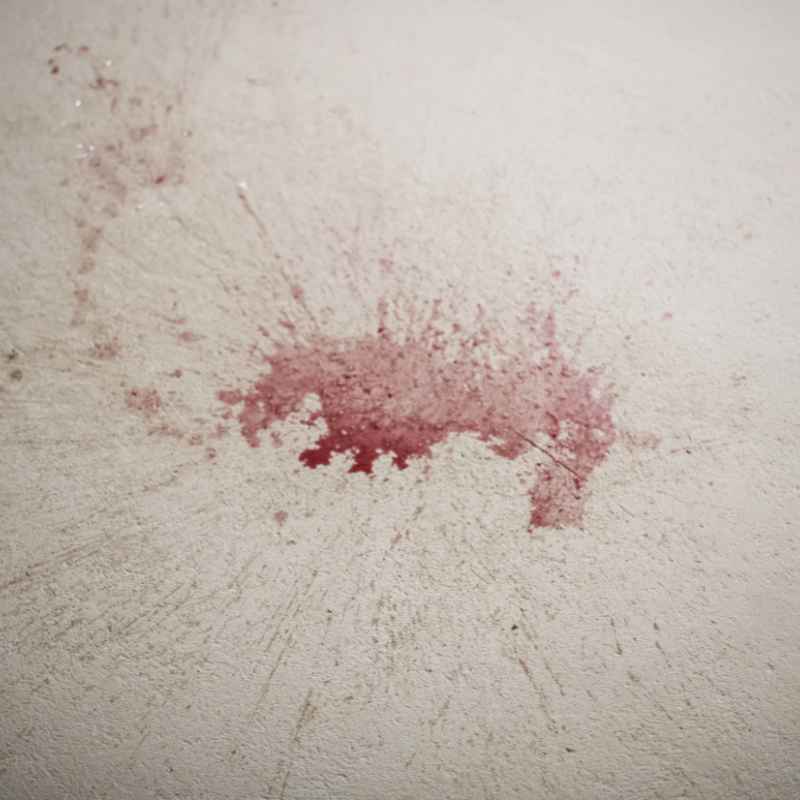
It’s a mess nobody wants. A spill or an accident leaves a dark, unpleasant stain on your concrete. This can be your driveway, your patio, or even inside your garage. You might panic a little. Blood stains on concrete look scary. But don’t worry. Most of the time, you can clean them up. This guide will show you how. We will talk about what to do right away. We will also cover older stains. You’ll learn safe ways to clean. You’ll also know what to avoid. Let’s get your concrete looking clean again.
Getting blood stains out of concrete might seem tough. However, with the right approach, most stains can be removed. Fresh stains are easier. Older stains require more effort. Always use safety gear and test cleaning solutions first.
Understanding Blood Stains on Concrete
Blood is a tricky substance. It has proteins. These proteins can bond with porous surfaces like concrete. Concrete is like a sponge. It soaks things up. When blood hits concrete, it sinks in. The color comes from iron. This iron can become permanent if not treated quickly. Heat makes it worse. It can set the stain. That’s why cool water is usually best at first.
Why Concrete Is a Tricky Surface
Concrete is made of cement, sand, and gravel. It’s not smooth like tile. It has tiny pores and cracks. These little spaces are perfect for stains to hide in. Think about a stained t-shirt. It’s bad. A stained concrete floor is even harder to fix. It’s part of your house. You want it to look nice.
The Science Behind Blood Stains
Blood is mostly water. It also has red blood cells. These cells contain hemoglobin. Hemoglobin has iron. This iron is what makes blood red. When blood dries, the water goes away. The hemoglobin and other parts are left behind. They get into the concrete pores. The proteins in blood can also get sticky. This makes the stain cling to the concrete.
My Own Blood Stain Story
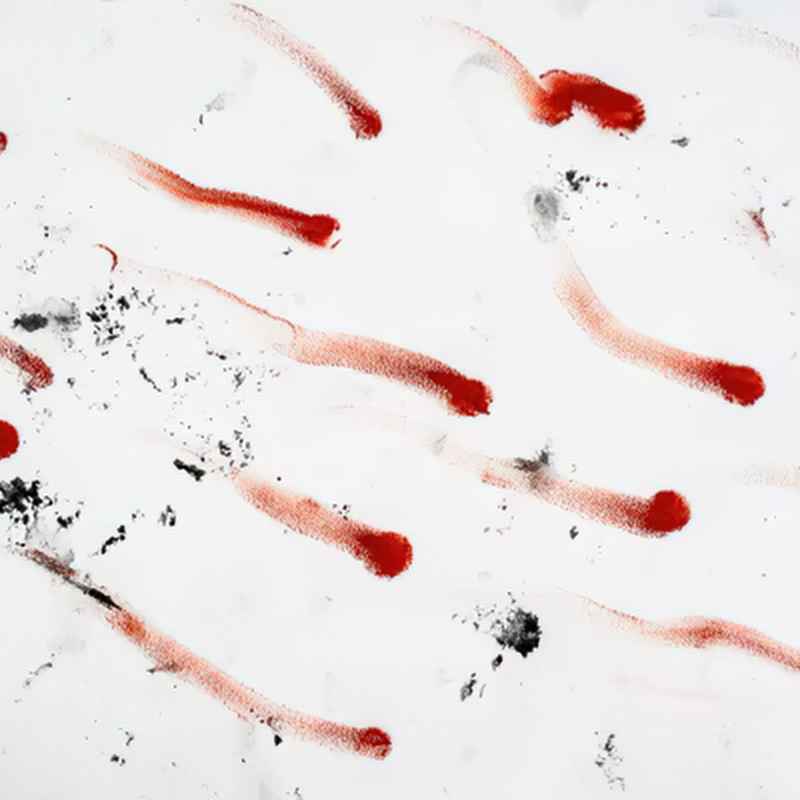
I remember one time. It was a summer evening. My son was learning to ride his bike without training wheels. He took a big tumble. It happened right in our driveway. There was blood. A lot of it. He was okay, just a scraped knee. But the driveway had a dark red mark. I tried to just hose it off. That did nothing. I started to get worried. Would this stain be there forever? I felt a wave of annoyance mixed with panic. I didn’t want to look at that stain every day. I grabbed a bucket and some dish soap. It helped a little. But the stain was still visible. I learned a big lesson that day. You need more than just water.
How to Tackle Fresh Blood Stains Immediately
Speed is key for fresh blood. The sooner you act, the easier it is. This is the best chance you have. Don’t let it dry. Don’t rub it in.
Step 1: Act Fast!
As soon as you see the blood, grab a clean cloth or paper towels. You want to soak up as much as you can. Gently blot the area. Don’t scrub. Scrubbing can push the blood deeper into the concrete. This makes it harder to remove later.
Step 2: Cool Water Rinse
After blotting, use cold water. A hose is perfect if it’s outside. For indoor concrete, use a damp cloth or mop. Rinse the area well. Again, avoid hot water. Heat can cook the proteins in the blood. This sets the stain.
Step 3: Mild Soap Solution
If plain water doesn’t get it all, use a mild soap. Dish soap works well. Mix a few drops of dish soap with a gallon of cold water. Use a soft brush or sponge. Gently scrub the stained area. Rinse thoroughly with cold water.
Fresh Stain Quick Guide
What to do:
- Blot immediately.
- Rinse with cold water.
- Use mild soap and brush.
- Rinse again.
What to avoid:
- Hot water.
- Harsh scrubbing.
- Letting it dry.
Dealing with Older, Dried Blood Stains
Older stains are tougher. They’ve had time to soak in. The concrete has grabbed onto them. You’ll need stronger cleaning agents. Always test these in a small, hidden spot first. This ensures they don’t damage your concrete.
Option 1: Hydrogen Peroxide
Hydrogen peroxide is great for blood. It’s a mild bleach. It helps break down the stain.
How to use: Pour 3% hydrogen peroxide directly onto the stain. Let it bubble for a few minutes. You should see it lift the stain. Scrub gently with a stiff brush. Rinse with cold water. You might need to repeat this.
Option 2: Baking Soda Paste
Baking soda is a natural cleaner. It’s also a mild abrasive. It can help lift stains.
How to use: Make a paste with baking soda and water. Spread it over the stain. Let it sit for about 30 minutes. Scrub with a brush. Rinse well with cold water. This is good for less severe older stains.
Older Stain Power-Ups
Try these if fresh methods fail:
1. Hydrogen Peroxide: Pours on, bubbles up, lifts the color. Scrub and rinse.
2. Baking Soda Paste: Make a thick mix. Apply, let sit, scrub, rinse.
3. Oxygen Bleach (like OxiClean): Mix with water. Apply, let soak, scrub, rinse.
Option 3: Oxygen Bleach
Products like OxiClean are based on oxygen bleach. They are often safe for concrete.
How to use: Follow the product’s instructions. Usually, you mix a powder with water. Apply the solution to the stain. Let it soak for a while, maybe 15-30 minutes. Scrub with a stiff brush. Rinse thoroughly.
Using Stronger Cleaners (With Caution)
Sometimes, you need to go a bit stronger. These can be harsh. Always wear gloves and eye protection. Ensure good ventilation.
Option 4: Enzyme Cleaners
Enzyme cleaners are designed to break down organic matter. Blood is organic. These can be very effective.
How to use: Get an enzyme cleaner made for pet stains or organic matter. Follow the directions on the bottle. You usually spray it on. Let it sit for a specific time. Then, scrub and rinse. They work by “eating” the stain.
Option 5: Trisodium Phosphate (TSP)
TSP is a strong cleaner. It’s very effective but can be harsh on skin and plants. Use it only when other methods fail.
How to use: Mix TSP with water according to package directions. Wear rubber gloves and eye protection. Apply the solution to the stain. Scrub with a stiff brush. Let it sit for a short time. Rinse the area very well. You may need to neutralize it with vinegar and water afterward. Check local regulations; TSP is restricted in some areas.
Option 6: Bleach (Chlorine Bleach)
Chlorine bleach can work, but it’s risky. It can damage concrete color. It’s also harmful if mixed with other cleaners.
How to use: Mix 1 part bleach with 10 parts water. Apply to the stain. Let it sit for only a few minutes. Scrub and rinse thoroughly with water. NEVER mix bleach with ammonia or other cleaners.
When to Call for Backup
If stains persist, consider these:
- Enzyme Cleaners: Nature’s way to break down organic messes.
- Trisodium Phosphate (TSP): A powerful cleaner, use with care.
- Mild Acid (like diluted vinegar): Can help lift certain stains. Use sparingly.
Important Note: Always test in an unseen spot first!
Safety First: Protect Yourself and Your Property
Cleaning blood stains involves more than just the stain itself. You need to be safe. You also need to protect your surroundings.
Wear Protective Gear
Always wear rubber gloves. This protects your skin from cleaners. It also prevents the stain from transferring to you. Safety glasses are a good idea too. Some cleaners can splash. A mask can help if you’re using strong fumes.
Ventilation is Crucial
If you’re cleaning inside, open windows and doors. Use fans to move the air. Good ventilation is important for most cleaning chemicals. It helps fumes dissipate quickly.
Protect Surrounding Areas
Cover nearby plants with plastic sheeting. Some cleaners can harm them. Protect any painted surfaces or wood. Use old rags or tarps to catch drips.
Safety Checklist
Before you start cleaning:
- Gloves on? Check.
- Eye protection? Check.
- Ventilation open? Check.
- Nearby plants covered? Check.
- Test cleaner in a hidden spot? Check.
What to Avoid When Cleaning Concrete Blood Stains
Some common cleaning mistakes can make things worse. Knowing what to skip is as important as knowing what to do.
Avoid Hot Water
I’ve said this, but it’s worth repeating. Hot water cooks the blood. It sets the stain deep into the concrete. Always use cold or cool water.
Don’t Use Harsh Scrub Brushes Too Soon
A stiff brush is needed sometimes. But start gently. If you scrub too hard early on, you can spread the stain. You might also damage the concrete’s surface.
Never Mix Cleaning Products
This is a big one. Mixing cleaners can create dangerous fumes. For instance, bleach and ammonia create toxic gas. Stick to one cleaner at a time. Rinse thoroughly between trying different methods.
Don’t Let Cleaners Dry on the Surface
If you’re using a strong cleaner, don’t let it dry out. It can leave its own stain or damage the concrete. Keep the area wet with the cleaner or rinse it off in time.
Cleaning Don’ts
Common mistakes to skip:
- Heat: No hot water or heat guns!
- Aggression: Don’t scrub hard on fresh stains.
- Mixing: Never combine cleaning agents.
- Drying: Don’t let powerful cleaners bake on.
When is a Blood Stain Normal, and When Should You Worry?
Most blood stains are from accidents. Scrapes, nosebleeds, or cuts. These are usually one-off events.
Normal Occurrences
If you have kids or pets, accidents happen. A dropped glass, a pet injury, or a gardening mishap. These create single, isolated stains. They are usually manageable with the right cleaning.
When to Be Concerned
However, if you find blood stains frequently, it might signal a problem. Are there ongoing issues leading to repeated injuries? If you see unexplained blood stains, consider the source. This is more about the why behind the stain than the stain itself.
Quick Checks and Maintenance
Keeping your concrete clean is easier than deep cleaning. A little effort goes a long way.
Regular Sweeping and Rinsing
Sweep your concrete areas often. This removes dirt and debris. Dirt can hold onto stains. A quick rinse with a hose can wash away surface dirt.
Sealing Your Concrete
Consider sealing your concrete. A good sealer creates a barrier. It makes the concrete less porous. This means stains won’t soak in as easily. They will sit on top and be easier to wipe away. Most sealers need reapplication every few years.
Concrete Care Tips
Keep it clean, keep it strong:
- Sweep Often: Dirt is stain enemy number one.
- Rinse Regularly: Wash away loose debris.
- Seal It Up: A sealer is your concrete’s best friend.
- Address Spills Fast: The quicker you clean, the better.

Frequently Asked Questions
Can I use a pressure washer on blood stains?
Click to expand
A pressure washer can be effective for rinsing away loosened stains. However, use it on a low setting. High pressure can damage the concrete surface or spread the stain if not pre-treated. Always test in an inconspicuous area first. For dried stains, pre-treat them with a cleaner before pressure washing.
Will a blood stain on concrete permanently damage it?
Click to expand
Generally, no. Concrete is a durable material. A single blood stain, even if it’s tough to remove, won’t typically cause structural damage. The main issue is aesthetics. If left for a very long time, it might discolor the surface slightly, but it’s unlikely to weaken the concrete itself.
How long does it take for a blood stain to set in concrete?
Click to expand
A blood stain can start to set in as soon as it dries. The proteins and iron in the blood begin to bond with the porous concrete. The longer it’s left, the deeper it sets. Fresh stains are easiest to remove within the first hour or two. Dried stains can be more challenging.
Is it safe to use bleach on my concrete driveway?
Click to expand
Yes, but with extreme caution. Diluted bleach (1 part bleach to 10 parts water) can work on tough stains. However, it can lighten the concrete color. Always test in a small area. Never mix bleach with other cleaners, as it creates toxic fumes. Rinse very thoroughly afterward. Oxygen bleach is often a safer alternative.
What should I do if the blood stain is very large or widespread?
Click to expand
For very large or widespread stains, you might need a more systematic approach. Consider using a concrete cleaner specifically designed for organic stains. You may need to apply it over the entire affected area. If the stain is extensive or very old, professional concrete cleaning services might be the best option.
Can I use vinegar on concrete blood stains?
Click to expand
Yes, diluted vinegar can be helpful. White vinegar is a mild acid that can help break down stains. Mix one part vinegar with one part water. Apply to the stain, let it sit for about 10-15 minutes, then scrub with a brush and rinse thoroughly with cold water. It’s generally safer than bleach.
Final Thoughts on Concrete Blood Stains
Seeing a blood stain on your concrete can be unsettling. But remember, you have options. Start with the simplest methods first. Act fast for fresh spills. Be patient and persistent with older stains. Always prioritize safety. Protect yourself and your surroundings. With the right approach, you can restore your concrete’s appearance. Don’t let a tough stain get you down.
Sponsored / affiliate links. As an Amazon Associate I earn from qualifying purchases. I may earn additional commission from eligible campaigns.