How To Remove Red Clay Stains From Concrete (Works Fast)
Red clay stains on concrete can feel impossible to get rid of. They show up after rain. They cling to driveways and walkways.
It’s frustrating to see those ugly red marks. You want your concrete to look clean again. We’ll explore simple ways to tackle these tough stains.
Red clay stains on concrete are tough but not permanent. Effective removal often involves a combination of the right cleaning agents and a bit of elbow grease. The key is to act quickly and use methods suited to the stain’s depth and age.
Gentle scrubbing followed by a good rinse is usually the first step.
Understanding Red Clay Stains on Concrete
Red clay is a common soil type. It’s rich in iron oxides. These iron particles are what give the clay its distinct reddish-brown color.
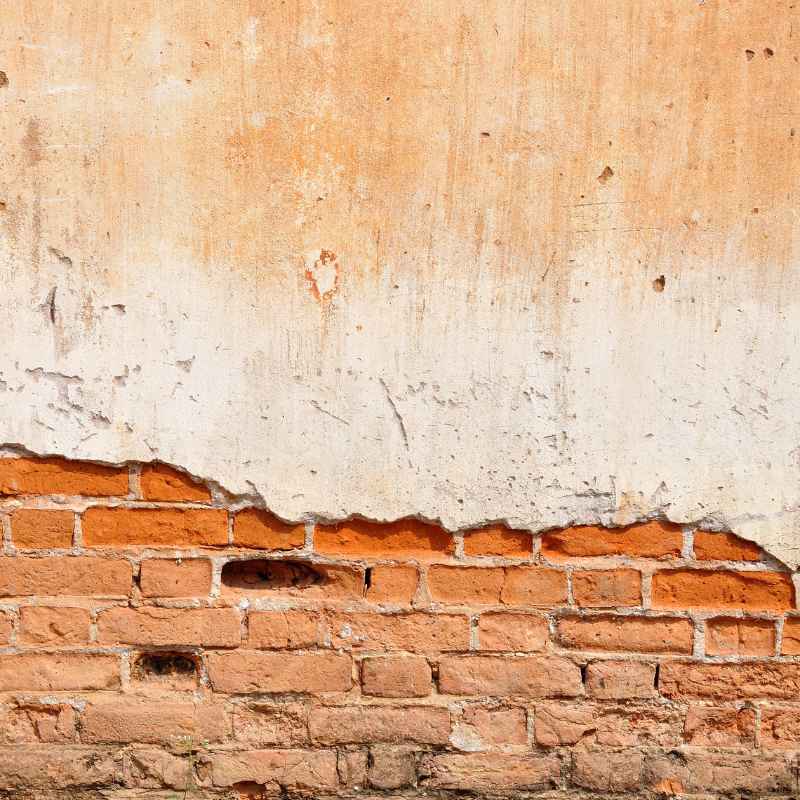
When it rains or the ground is wet, this clay can easily transfer onto surfaces like concrete. The porous nature of concrete makes it a perfect spot for these particles to settle into.
Once the water dries, the iron particles are left behind. They bond with the concrete’s surface. This makes them harder to remove than regular dirt.
Think of it like a tiny rust stain. The longer the stain sits, the deeper it can penetrate. This is why it feels so stubborn.
Several factors make red clay stains particularly tricky. The iron content is one. The porosity of concrete is another.
Also, the size of the clay particles can matter. Smaller particles can get into more nooks and crannies. This means they are harder to scrub out.
Many people wonder why their concrete looks different after a rainy spell. That’s often red clay. It can come from nearby landscaping.
It can also be blown in by the wind. Sometimes, it’s from vehicles tracking it in. No matter how it gets there, it’s a common sight for homeowners.
My Experience with Stubborn Red Clay Marks
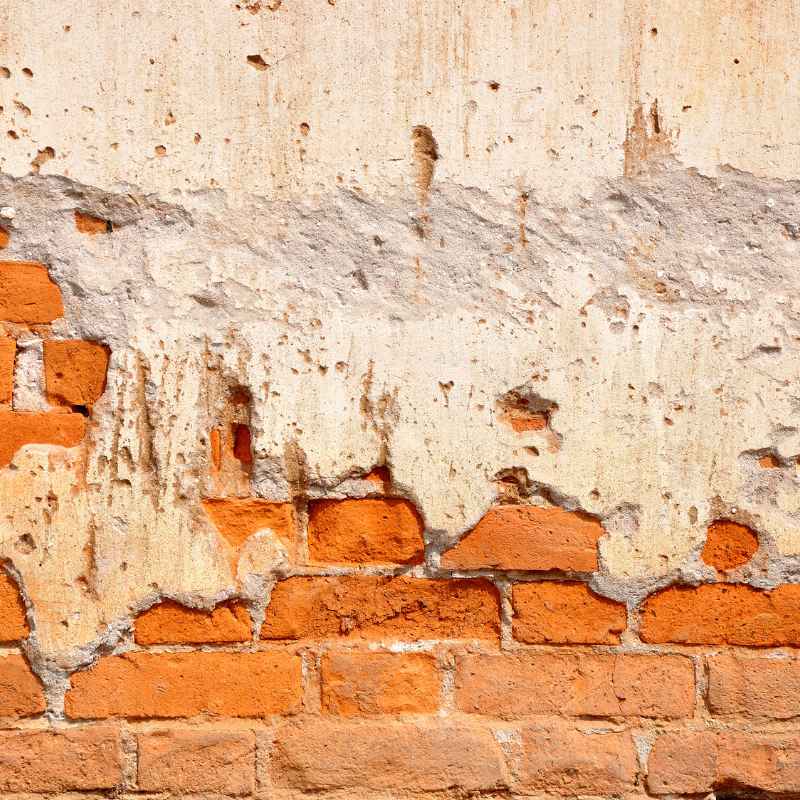
I remember one spring day vividly. We had a huge storm roll through. My entire driveway looked like it had a giant, ugly rust stain.
It was bright red. I had just washed the car a week before. Now it looked terrible.
I felt a wave of annoyance. I tried just hosing it down. That didn’t even touch it.
Then I grabbed a stiff brush. I scrubbed hard. My arms got tired.
The stains looked a little lighter. But they were still very visible. I was worried I would have to buy some super strong chemical.
I hate using harsh stuff around my plants. I started researching. I learned that the iron in the clay was the issue.
It’s like a mini rust stain. That gave me an idea.
What Makes Red Clay Stains Stick?
Concrete is like a sponge. It has tiny holes. This is called porosity.
Red clay particles are very small. They can easily get into these tiny holes. When the water dries, the clay particles stay there.
They get wedged into the concrete. The iron in the clay also plays a big part. Iron can cause rust.
These clay stains are like very light rust stains. They bond to the concrete. This makes them stick.
Old stains are harder to remove. They have had more time to soak in. They have bonded more strongly.
The weather also matters. Hot, dry weather can bake stains into the concrete. This makes them even tougher.
It makes them bake deeper. Think of it like baking a cake. The heat makes things set.
Rain can also spread the stain. It can push the clay deeper. It can make a small spot bigger.
This is why acting fast is helpful. You can stop the clay from setting in.
Red Clay Stain Breakdown
What it is: Red clay is soil with iron. Iron gives it a red color.
How it stains: Rain or water moves clay. It lands on concrete. Concrete is porous.
Clay seeps into the pores. Water dries. Clay stays stuck.
Why it’s tough: Iron in clay is like rust. It bonds to concrete. Old stains go deeper.
What helps: Quick action. The right cleaners. Gentle scrubbing.
Simple Cleaning Agents That Work Wonders
You don’t always need super harsh chemicals. Many common household items can help. These are often safer for you and your garden.
Let’s look at some simple, effective options.
Dish Soap and Water
This is your first line of defense. It’s great for fresh or light stains. Pour warm water.
Add a good amount of dish soap. Use a stiff brush. Scrub the stained area well.
Rinse it off thoroughly with a hose. Sometimes, this is all you need. It helps lift the surface dirt.
It can loosen the clay particles.
Vinegar Solution
White vinegar is acidic. This acid can help break down the iron in the clay. It’s a natural cleaner.
Mix equal parts white vinegar and water. Pour this solution onto the stain. Let it sit for about 15-20 minutes.
Then, scrub with a stiff brush. Rinse thoroughly with water. Be careful not to let the vinegar sit too long on certain surfaces.
It’s generally safe for concrete, though.
Vinegar is great for many cleaning tasks. Its acidity is key. It helps dissolve mineral deposits.
It also works on some types of stains. For red clay, it helps loosen the iron’s grip. This is why it’s a good choice.
Always test in a small, hidden spot first. This is good practice for any cleaner.
Baking Soda Paste
Baking soda is a mild abrasive. It can also absorb odors. It’s very gentle but effective.
Mix baking soda with a little water. Make a thick paste. Apply this paste directly to the stain.
Let it dry completely. Once dry, scrub it with a brush. You can also add a bit of dish soap to the paste.
This adds extra cleaning power. Rinse very well. Baking soda is a favorite for many cleaning jobs.
Making a paste is easy. You just add water slowly. You want it thick enough to stick to the stain.
You don’t want it runny. The drying action of the paste can also help lift the stain. It pulls some of the dirt out with it.
It’s a gentle but effective method.
Lemon Juice
Like vinegar, lemon juice is acidic. It can help with stains. Squeeze fresh lemon juice onto the stain.
You can also use bottled lemon juice. Let it sit for about 10-15 minutes. Scrub with a brush.
Rinse thoroughly. The natural bleaching agents in lemon juice can also help fade the stain. It has a nice smell too.
Lemon juice is a natural bleach. It’s much gentler than chemical bleaches. It works by breaking down pigments.
For red clay, it helps fade the iron color. This makes the stain less noticeable. It’s a good option if you want something natural.
It’s also great if you have sensitive plants nearby.
Quick Cleaner Cheatsheet
- For light stains: Dish soap and warm water. Scrub and rinse.
- For tougher stains: White vinegar and water (1:1 mix). Let sit, scrub, rinse.
- For absorbent action: Baking soda paste (baking soda + water). Let dry, scrub, rinse.
- For natural fading: Lemon juice. Let sit, scrub, rinse.
Tackling Deep-Set Red Clay Stains
Sometimes, the simple cleaners aren’t enough. The stains are old or very deep. You need a bit more power.
But you still want to be careful.
Oxygen Bleach
Oxygen bleach is a good option. It is less harsh than chlorine bleach. It works by releasing oxygen when mixed with water.
This oxygen helps lift stains. Follow the product instructions carefully. Mix it with water.
Apply it to the stain. Let it sit for the recommended time. Scrub with a stiff brush.
Rinse very, very well. Oxygen bleach is effective. It’s often safer for colored concrete.
But always test first.
Look for products like OxiClean. They are oxygen-based. They break down stains without damaging the concrete.
They are also better for the environment. Always wear gloves. Ensure good ventilation.
Read the label. It will tell you how to mix and use it. The goal is to break down the iron compounds.
Specialized Concrete Cleaners
There are cleaners made specifically for concrete. Some target rust and iron stains. Look for products that mention iron or rust removal.
Read reviews before buying. Some are very strong. Others are milder.
Always follow the manufacturer’s instructions. Wear protective gear. Ensure good ventilation.
These cleaners are often the most effective for old, stubborn stains. They are formulated to work on concrete.
These cleaners can be very powerful. They often contain acids or alkaline compounds. These help break down the stain.
They can be very effective. But they can also damage concrete if used incorrectly. Always test in an inconspicuous area first.
Make sure the product is safe for your type of concrete. Some are for sealed concrete. Others are for unsealed.
Pressure Washing (Use with Caution)
A pressure washer can be very effective. It blasts away dirt and stains with high-pressure water. However, you must use it carefully.
Too much pressure can damage your concrete. It can etch the surface. This can make it more prone to future stains.
Start with the lowest pressure setting. Use a fan-tip nozzle. Hold the wand at a consistent distance.
Work in sweeping motions. Never focus the spray on one spot for too long. It is best to use this method after applying a cleaner.
The cleaner loosens the stain. The pressure washer removes it.
Pressure washers are powerful tools. They can make cleaning much faster. But they require skill.
If you are not comfortable using one, it is better to hire a professional. Or stick to gentler methods. Always read your pressure washer’s manual.
Know its limits. The wrong pressure can cause permanent damage. You don’t want to trade a stain for a damaged surface.
Advanced Stain Fighters
Oxygen Bleach: Releases oxygen to lift stains. Safer than chlorine bleach.
Concrete Cleaners: Formulated for concrete. Look for iron/rust removers.
Pressure Washer: Powerful but use with caution. Low pressure, fan nozzle.
The Scrubbing Technique Matters
It’s not just about the cleaner. How you scrub makes a big difference. You need the right tool.
And the right motion.
Choosing the Right Brush
For concrete, a stiff-bristled brush is best. A wire brush can work. But it can also scratch the concrete.
A nylon-bristled deck brush is a good choice. It’s tough enough. It won’t damage the surface as easily.
For very stubborn spots, you might need something a bit tougher. But always start with a nylon brush.
The brush needs to be stiff. This helps agitate the stain. It gets into the pores of the concrete.
It lifts the clay particles. A soft brush will just push the dirt around. A brush with a long handle is also useful.
It saves your back. It lets you cover more area. It’s important to have a brush that fits your needs.
Scrubbing Motion and Pressure
When scrubbing, use a firm, circular motion. Apply steady pressure. Work in small sections.
This allows you to focus your effort. Don’t just swipe back and forth. Really work the cleaner into the stain.
Scrub until you see a difference. Sometimes, you need to scrub multiple times. Let the cleaner do its work first.
Then scrub.
The pressure is important. Too little pressure, and it won’t clean. Too much pressure, and you could damage the concrete.
It’s a balance. You’re trying to dislodge the particles. You are not trying to grind down the concrete.
Work with the cleaner. Let it soak. Then scrub.
This combination is often the most effective.
Rinsing is Crucial
After scrubbing, you must rinse thoroughly. Use a garden hose with good water pressure. Rinse the entire area.
Make sure all the cleaner and loosened dirt is gone. If you leave cleaner residue, it can attract more dirt. Or it could even cause new stains.
Rinse until the water runs clear.
Rinsing is like the final step. It washes away everything. It leaves the concrete clean.
If you don’t rinse well, the cleaning effort is wasted. You might even make things worse. A good rinse is as important as the scrubbing.
Make sure you get all the soap or cleaner out of the pores.
Scrubbing Secrets
Brush Type: Use a stiff nylon or deck brush. Avoid aggressive wire brushes.
Motion: Use firm, circular strokes. Work in small sections.
Pressure: Apply steady, firm pressure. Balance cleaning with surface safety.
Rinsing: Rinse thoroughly with a hose until water runs clear.
Preventing Future Red Clay Stains
It’s always easier to prevent stains than to remove them. What can you do to stop red clay from messing up your concrete?
Sealing Your Concrete
Sealing concrete is a great preventative measure. A good concrete sealer creates a barrier on the surface. This makes it harder for stains to penetrate.
It also makes cleaning easier. There are different types of sealers. Some are clear.
Others add a sheen. Choose a sealer meant for driveways or patios.
Applying a sealer usually involves cleaning the concrete first. Then you apply the sealer with a roller or sprayer. It needs time to dry and cure.
Reapply the sealer every few years. Check the sealer manufacturer’s recommendations. A sealed surface is much more resistant to stains.
It’s a worthwhile investment.
Managing Water Runoff
Clay stains often appear after rain. This means water is carrying the clay to your concrete. Think about how water flows on your property.
Are there areas where clay soil is exposed? Can you redirect the water? Maybe add a small French drain.
Or create a berm. The goal is to keep the muddy water off your concrete.
Look at your landscaping. Is there a lot of exposed red clay soil? Consider planting ground cover.
Or add mulch. This will help hold the soil in place. It will reduce erosion.
It will keep clay from washing onto your driveway. Proper grading is also key. Water should flow away from your house and driveway.
Regular Cleaning
Don’t wait for stains to appear. Regular sweeping and rinsing can help. Sweep your driveway often.
This removes loose dirt and clay particles. If you see a small spot of mud, rinse it off quickly. This prevents it from drying and setting in.
A simple rinse with the hose can make a big difference.
Make it a habit. After a rainy spell, give your concrete a quick sweep. If you see any muddy patches, spray them off.
This simple routine can save you a lot of trouble later. It keeps your concrete looking its best. It also makes deep cleaning less frequent.
Prevention Tips
Seal It: Apply a concrete sealer to create a protective layer.
Manage Water: Direct runoff away from clay soil areas.
Ground Cover: Plant ground cover or add mulch to exposed soil.
Sweep Often: Remove loose dirt and clay before it settles.
Quick Rinse: Wash off mud spots right after they appear.
What to Avoid When Cleaning Red Clay Stains
Some cleaning methods can do more harm than good. It’s important to know what to stay away from.
Harsh Acids and Bleaches
While acids can help, very strong ones can damage concrete. Muriatic acid is very powerful. It can etch the surface.
It can also damage plants. Similarly, chlorine bleach can discolor concrete. It can also be harmful to the environment.
Stick to milder acids like vinegar. Or oxygen bleach.
Never mix cleaning products. Especially not bleach and ammonia. This creates dangerous fumes.
Always use products as directed. If you are unsure, consult a professional. It’s better to be safe than sorry.
Some chemicals are too aggressive. They can create bigger problems.
Abrasive Tools on Delicate Surfaces
Using a wire brush on delicate or colored concrete can cause permanent scratches. These scratches will be visible. They can also become spots where new dirt collects.
Always check the type of concrete you have. If it’s stamped or colored, be extra careful. Test any tool or cleaner in a hidden spot first.
Think about the finish of your concrete. Is it smooth and polished? Or is it rough and exposed aggregate?
Rough concrete can take more abuse. Smoother concrete needs gentler treatment. It’s about matching your tools to your surface.
And your cleaner to your stain.
Ignoring Manufacturer Instructions
If you buy a specialized concrete cleaner, read the label. It tells you how to use it safely and effectively. Not following instructions can lead to poor results.
Or worse, damage. Pay attention to dilution ratios. And dwell times.
These are there for a reason.
These instructions are based on tests. They ensure the product works as intended. They also help prevent problems.
It might seem boring to read a label. But it can save you a lot of effort. And money.
It’s a key part of using any cleaning product correctly.
Cleaning Don’ts
- Avoid: Strong acids (like muriatic acid) and chlorine bleach.
- Avoid: Wire brushes on delicate or colored concrete.
- Avoid: Mixing cleaning products.
- Avoid: Ignoring product instructions.
When to Call a Professional
Sometimes, a problem is just too big to handle yourself. When should you consider calling in experts?
If the stains are very old and deep. If you have tried multiple methods. And nothing has worked.
Or if you have a large area of concrete. That needs cleaning. Professionals have access to stronger equipment.
They also have more experience. They can often remove stains that seem impossible.
Also, if you have delicate concrete. Like stamped or colored concrete. And you are worried about damaging it.
A professional can assess the surface. They can choose the right method. They know how to clean without causing harm.
It can be a good investment for peace of mind. And for getting the best results.
Real-World Scenarios & Solutions
Let’s look at some common situations and how to handle them.
Scenario 1: Fresh Muddy Tracks After a Rain
Problem: You just had a downpour. Your driveway is covered in thin, wet red mud.
Solution: Don’t let it dry.
As soon as the rain stops, grab your hose. Blast the mud away with good water pressure. If a little remains, use a stiff brush and dish soap.
Rinse thoroughly.
Scenario 2: Faint Reddish Haze on the Patio
Problem: After a dry spell, you notice a light red tint on parts of your patio. It’s not a dark stain, but it dulls the concrete.
Solution: This is likely dried clay.
Try a solution of equal parts white vinegar and water. Spray it on. Let it sit for 20 minutes.
Scrub with a nylon brush. Rinse very well.
Scenario 3: Dark, Old Stains on the Walkway
Problem: You’ve found old, dark red stains near your garden beds. They look deep and set in.
Solution: Start with oxygen bleach.
Follow product directions carefully. Apply the solution. Let it dwell.
Scrub firmly. If that doesn’t work, consider a specialized concrete cleaner for rust. Always test first.
Pressure washing on a low setting might help after cleaning.
Scenario 4: Stains on Stamped Concrete
Problem: Your stamped concrete has red clay marks. You’re worried about ruining the pattern or color.
Solution: Be very gentle.
Start with dish soap and water. Use a soft-bristled brush. If that doesn’t work, try a baking soda paste.
Avoid harsh chemicals. And high-pressure washing. If stains persist, call a professional experienced with stamped concrete.
Common Situations
- Fresh Mud: Hose it down immediately.
- Light Haze: Vinegar and water solution.
- Old Stains: Oxygen bleach or specialized cleaner.
- Stamped Concrete: Gentle cleaning, avoid harsh methods.
Frequently Asked Questions
How quickly should I clean red clay stains?
It’s best to clean red clay stains as soon as possible. Fresh stains are much easier to remove than old, dried ones. Water can help wash them away easily when they are still wet.
Will using a pressure washer damage my concrete?
A pressure washer can damage concrete if used incorrectly. Always use a low-pressure setting. Use a fan-tip nozzle.
And keep the wand moving. Too much pressure can etch or pit the surface. Test in an inconspicuous area first.
Can I use chlorine bleach on red clay stains?
It’s generally not recommended to use chlorine bleach on concrete for red clay stains. It can discolor concrete. It can also harm plants and the environment.
Oxygen bleach is a safer and often more effective alternative.
How do I know if my concrete is sealed?
A simple test: pour a small amount of water on the concrete. If the water beads up and sits on the surface, it’s likely sealed. If the water soaks in quickly, the concrete is probably unsealed.
Is red clay stain removal safe for pets and kids?
Many natural cleaners like dish soap, vinegar, and baking soda are safe. If you use stronger commercial cleaners, follow all safety instructions. Keep pets and children away from the area while cleaning.
And until the concrete is fully rinsed and dry.
Can I paint over red clay stains on concrete?
Painting over stains is usually not a good long-term solution. The stain may bleed through the paint. It’s best to remove the stain first.
Then, if desired, you can paint or seal the concrete.
Conclusion
Red clay stains on concrete can be a real headache. But they don’t have to be permanent. With the right approach, you can get your concrete looking clean again.
Start with simple methods. Move to stronger options if needed. Prevention is key.
Sealing your concrete. And managing water runoff will save you trouble later. Don’t get discouraged.
A little effort goes a long way.
Sponsored / affiliate links. As an Amazon Associate I earn from qualifying purchases. I may earn additional commission from eligible campaigns.