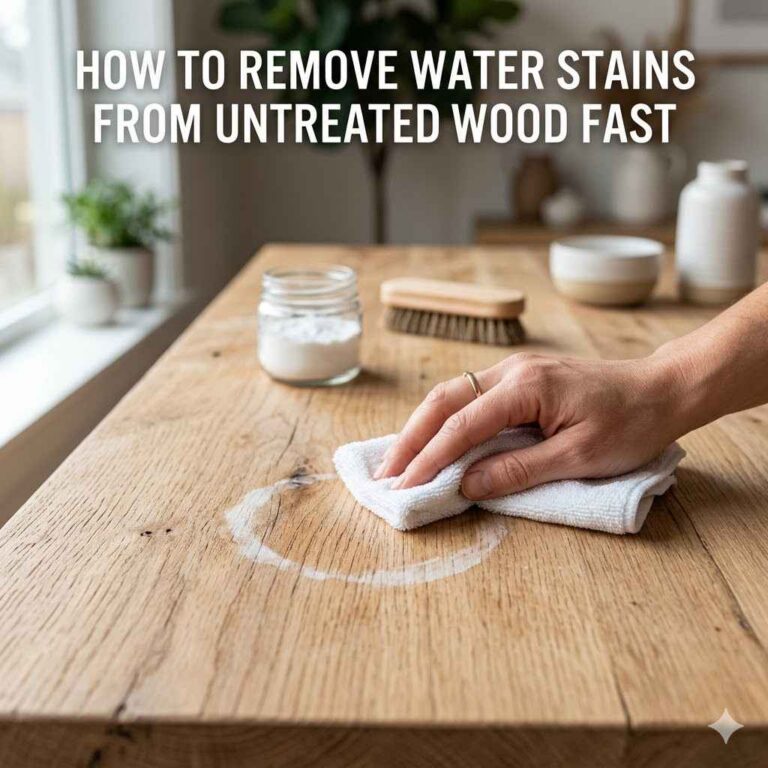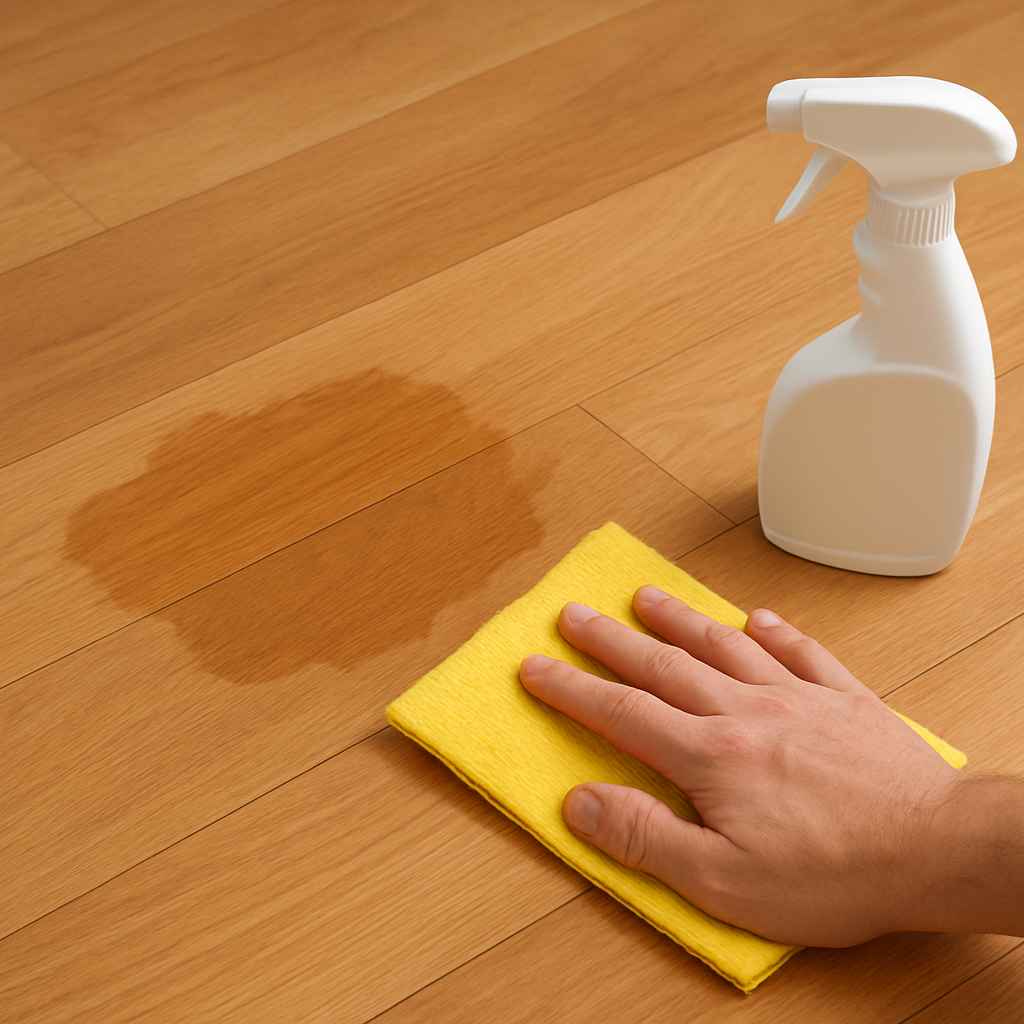
How To Remove Cat Urine Stains From Wood Floor Completely
Removing cat urine stains from wood floors requires immediate attention and the right cleaning agents. Successful removal depends on the type of wood, the finish, and how long the urine has sat. Often, a combination of enzymatic cleaners and careful spot treatment can lift the stain and neutralize the odor. Prevention and understanding your cat’s behavior are also key to avoiding future accidents.
Understanding Cat Urine Stains on Wood
Cat urine is a tricky thing for wood floors. When it first happens, it might look like a small wet spot. But that moisture soaks right into the wood. And it doesn’t just sit there. Cat urine has ammonia in it. It also has other compounds like urochrome and uric acid. These can break down the wood finish. They can also deeply discolor the wood itself.
The longer the urine stays there, the worse the damage gets. The uric acid crystals are the real troublemakers. They don’t dissolve in water. This is why just wiping it up often isn’t enough. Those crystals stick around. They can continue to cause smells and stains. Even after the surface looks clean.
Different types of wood react differently. Softwoods like pine can soak up liquids faster. Hardwoods like oak or maple might resist a bit more. But they are not immune. The finish on your floor also plays a big role. A thick, sealed finish might offer some protection. But if there are any tiny cracks or worn spots, the urine will find them.
Why Does My Cat Urinate Outside the Box?
It’s a question many pet owners ask. And it’s usually not about being naughty. Cats are very clean animals. There are often reasons behind this behavior. Sometimes it’s a health issue. Urinary tract infections (UTIs) are common. Kidney problems or diabetes can also cause accidents. It’s always a good idea to visit the vet.
Other reasons can be stress or changes in the home. A new pet. A new baby. Or even a change in their litter box. Is it clean enough? Is the litter type right? Is the box in a quiet place? Sometimes, they might not like the location. Or they feel unsafe using it. Marking territory is another reason. Especially if there’s another cat in the house. Or if they feel insecure.
My Own Cat Urine Disaster
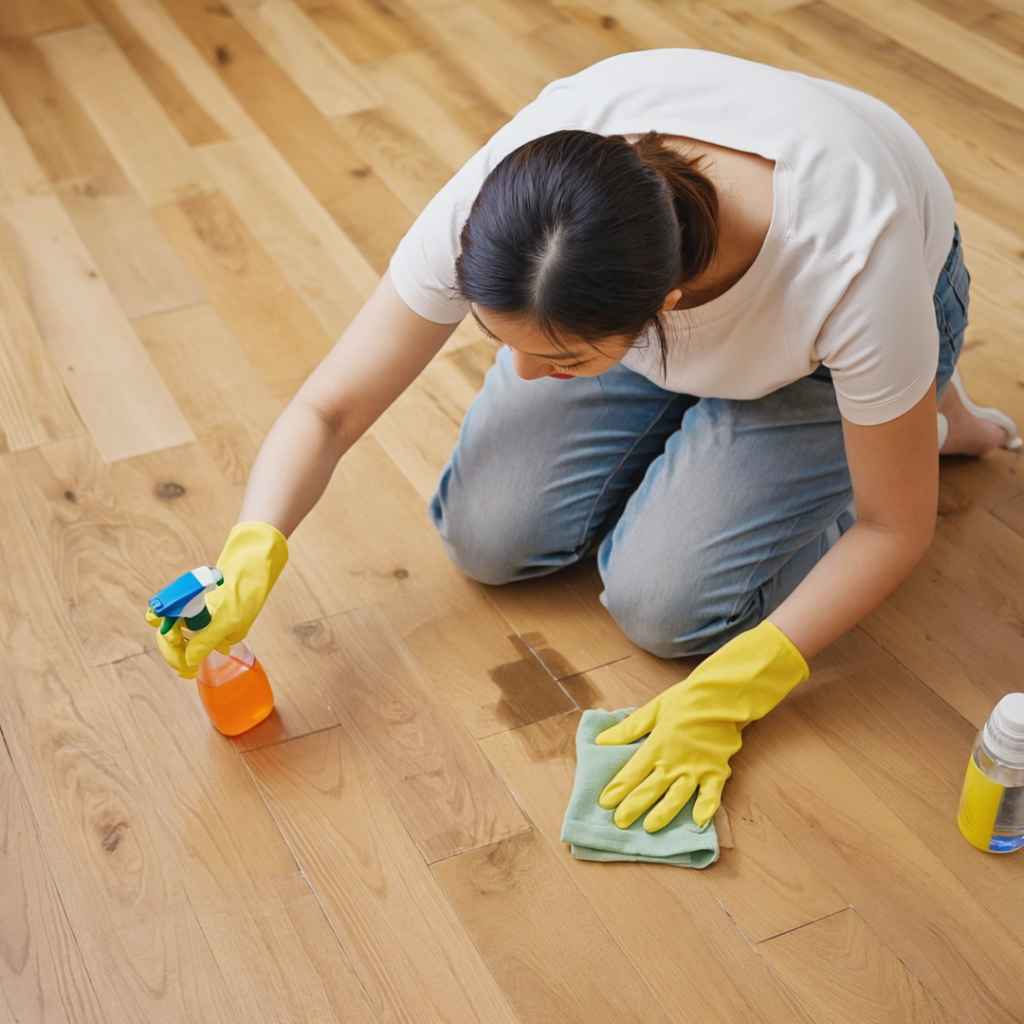
I remember one time, late at night. I was working on a big project. My cat, Whiskers, was being unusually quiet. Too quiet, actually. I got up to get some water. And there it was. A dark, unmistakable puddle. Right in the middle of my living room. My lovely, light-colored hardwood floor. My stomach dropped. It was a beautiful sunny afternoon, but it felt like a storm cloud rolled in.
I panicked. I grabbed paper towels. I wiped and wiped. I thought I got it all. But the smell lingered. And a few days later, a faint dark spot started to appear. I tried everything I could think of. Dish soap. Baking soda. Nothing seemed to fully get rid of it. I felt so guilty. And so frustrated. I thought my floor was ruined. I spent hours online searching for solutions. That’s when I learned about enzymatic cleaners. And the real science behind these stains. It took a few tries, but I finally got it out. My floor looked almost new again. And the smell was gone for good. It was a huge relief.
Tackling the Stain: Step-by-Step Removal
Getting rid of cat urine stains isn’t always easy. But with the right approach, you can win. The key is to act fast. And to use the right cleaners.
First, you need to soak up as much fresh urine as possible. Use thick layers of paper towels. Press down firmly. You want to absorb the liquid that’s just on the surface. And also pull out some from the wood. Change the towels often. Keep pressing until they come away mostly dry.
Next, we need to tackle the odor and the stain. For fresh stains, a simple solution might work. Mix one part white vinegar with one part water. Vinegar is acidic. It helps to neutralize the ammonia smell. Dampen a clean cloth with this solution. Gently wipe the stained area. Don’t oversaturate the wood.
After wiping with the vinegar mix, let it air dry. You can open windows. Or use a fan. Ensure the area is completely dry before the next step.
If the stain is still there, or if it’s an older stain, we need something stronger. This is where enzymatic cleaners come in. These cleaners have special enzymes. They break down the organic matter in the urine. This includes the smelly uric acid crystals.
You can find these cleaners at pet stores or online. Look for ones specifically for pet stains. Follow the product instructions carefully. Usually, you’ll spray the cleaner onto the stain. Then you let it sit. Some require you to cover the area with plastic wrap. This keeps the moisture in. It helps the enzymes work better. Let it sit for several hours. Or even overnight.
After the time is up, blot up any excess cleaner. Let the spot dry completely. You might need to repeat this process. Especially for older or darker stains. Sometimes, two or three treatments are necessary.
For Stubborn Stains: Hydrogen Peroxide
If the enzymatic cleaner doesn’t quite get it all, or if the wood is discolored, we can try hydrogen peroxide. This is a mild bleaching agent. It can help lift the discoloration.
Always test hydrogen peroxide on an inconspicuous spot first. You don’t want to lighten the wood too much. Or damage the finish. Use a 3% hydrogen peroxide solution. Dampen a clean white cloth with it. Gently dab the stained area. Don’t rub. You just want to apply it to the stain.
Let it sit for a short time. Maybe 5-10 minutes. Then blot with a clean, dry cloth. Let the area dry completely. You might see the stain lighten. Again, you may need to repeat this. Be patient. And always test first.
Important Note on Wood Finishes
Some wood finishes can be sensitive to cleaning agents. Oil finishes or wax finishes might react differently than polyurethane. If you have a very delicate or antique floor, it’s best to consult a professional floor restorer. Or at least do a very thorough patch test in a hidden area.
Quick Stain Check
Fresh Stain: Blot immediately. Use paper towels. Apply vinegar-water solution.
Let dry. Use enzyme cleaner if needed.
Set-in Stain: Blot if still wet. Use enzyme cleaner. May need multiple applications.
Consider 3% hydrogen peroxide for discoloration. Always test first.
Dealing with the Smell
Sometimes, the stain is gone. But that faint, unpleasant smell lingers. This is usually because some urine solids or bacteria are still in the wood. Or even in the subfloor.
Enzymatic cleaners are your best friend here. They are designed to break down the odor-causing molecules. Make sure you use enough cleaner. And allow it to work for the full recommended time. Sometimes, you need to use it more than once.
Baking soda is another natural odor absorber. After the area is completely dry, you can sprinkle a generous amount of baking soda over the spot. Let it sit for several hours. Or overnight. Then vacuum it up. This can help pull out lingering odors.
Another option is activated charcoal. You can place bowls of activated charcoal near the affected area. It’s very good at absorbing smells.
If the odor is very strong and persistent, it might have soaked into the subfloor. In severe cases, you might need to address that. This could involve sanding down the area. Or even replacing a few floorboards. This is a more involved process. It’s usually a last resort.
Odor Neutralizing Power-Ups
- Enzymatic Cleaners: The champion for breaking down urine components.
- White Vinegar: Helps cut through ammonia smells.
- Baking Soda: A natural odor absorber. Sprinkle and let it sit.
- Activated Charcoal: Excellent at trapping airborne odors.
Understanding Your Wood Floor’s Finish
The finish on your wood floor is its first line of defense. It’s like a protective shield. Most modern wood floors have a polyurethane finish. This is a durable, water-resistant coating. It helps prevent liquids from soaking in quickly.
However, even polyurethane can be damaged. Prolonged exposure to urine can break it down. It can cause the finish to cloud or become dull. In severe cases, it can actually wear away the finish. Leaving the raw wood exposed.
If your floor has an oil-based finish or a wax finish, it’s more vulnerable. These finishes penetrate the wood more. They are not as resistant to liquids. They can stain and damage more easily.
When you clean, always use a soft cloth. Avoid abrasive scrubbers. They can scratch the finish. Also, don’t use too much water. Excess moisture is the enemy of wood floors, especially when it comes to stains.
Finish vs. Stain: What’s the Difference?
Floor Finish: This is the top protective layer. It makes the floor shiny or matte. It resists spills and wear.
Examples: Polyurethane, oil, wax.
Wood Stain: This is color added to the wood itself. It changes the natural color of the wood. It can be applied before the finish.
Cat Urine Stain: This is discoloration caused by the urine chemicals. It can damage both the finish and the wood underneath. It’s not a color you chose.
When to Call a Professional
Sometimes, you’ve tried everything. The stain is still there. Or the wood looks damaged. This is when it’s time to think about professional help.
A professional floor refinisher has special tools and knowledge. They can assess the damage accurately. They might be able to sand down the affected area. This removes the stained wood. Then they can re-stain and re-finish that section. Or sometimes, the whole floor if the damage is widespread.
If the urine has soaked deep into the subfloor, professionals can address that too. They might need to treat or replace parts of the subfloor. This prevents future odor issues.
Don’t feel like a failure if you need professional help. Cat urine can be one of the toughest stains to remove. Especially from porous materials like wood. It’s a sign that you’ve got a serious problem that needs expert attention.
Preventing Future Accidents
The best way to deal with cat urine stains is to prevent them. This means understanding why your cat is having accidents. And taking steps to stop it.
Litter Box Management
This is the most common area to look at.
Cleanliness: Cats are very picky. Scoop the litter box at least once a day. Do a full litter change and wash the box weekly.
Number of Boxes: The rule of thumb is one litter box per cat, plus one extra. So, for two cats, you should have three boxes.
Type of Litter: Most cats prefer unscented, clumping litter. Some cats are sensitive to fragrances.
Box Size and Type: Ensure the boxes are large enough. Cats need to turn around comfortably. Many prefer open boxes over covered ones.
Location: Place litter boxes in quiet, accessible spots. Avoid areas with a lot of foot traffic. Or near noisy appliances. Don’t place them near their food and water bowls.
Addressing Stress and Changes
If there’s been a change in your household, your cat might be stressed.
New Pet or Person: Introduce them slowly. Give your cat a safe space.
Loud Noises or Construction: Try to provide a quiet zone for your cat.
Changes in Routine: Try to maintain a consistent schedule for feeding and playtime.
Feliway Diffusers: These release calming pheromones that can help reduce stress.
Health Checks
Always rule out health problems first. If your cat suddenly starts having accidents, a vet visit is crucial. UTIs, kidney stones, diabetes, and other issues can cause these problems. Your vet can diagnose and treat any underlying health conditions.
Protecting Your Floors
In the meantime, you can take steps to protect your floors from future accidents.
Waterproof Mats: Place mats under food and water bowls. Or near favorite resting spots.
Covering High-Traffic Areas: If you have a cat that tends to spray, consider temporary rugs or runners in problem areas.
Durable Flooring Options: If you’re renovating, consider more durable flooring in areas where pets spend a lot of time. Luxury vinyl plank or tile can be good options.
Cat Urine Stain Hotspots
Where to look: Near doors (spraying), favorite sleeping spots, corners, under furniture, near litter boxes (if there’s an issue).
Common reasons for accidents: Medical issues, dirty litter box, too few litter boxes, stress, territorial marking, dislike of litter type, location of litter box.
What This Means for You
It can feel overwhelming when you find a cat urine stain on your wood floor. You worry about the permanent damage. And that lingering smell. But knowing how to approach it makes a big difference.
When a stain is fresh, acting quickly is your best bet. Blotting up the excess liquid is the first, most important step. Then, using the right cleaner, like an enzymatic one, can break down the stain and odor.
If the stain is older, it will take more effort. You might need several treatments. And you’ll need to be patient. Sometimes, discoloration is deeper than the surface. Hydrogen peroxide can help with this, but always test first.
Understanding your floor’s finish is also key. Some finishes are tougher than others. And some cleaning methods can damage certain finishes. If you’re unsure, it’s always safer to test in a hidden spot. Or to ask a professional.
The smell is often the hardest part to get rid of. Again, enzymatic cleaners are designed for this. But if the smell persists, it might mean the urine has gone deeper than the floorboards. In those cases, professional intervention might be needed.
Quick Fixes and Gentle Tips
When dealing with cat urine, gentleness is often best. Aggressive scrubbing can make things worse. It can damage the wood or spread the stain.
Blot, Don’t Rub: This is crucial for fresh stains. Rubbing pushes the liquid deeper.
Test Cleaners First: Always test any cleaner on a small, hidden area of your floor. Wait to see how the wood and finish react.
Ventilate: Open windows when cleaning. This helps dry the area. And it dissipates fumes from cleaners.
Patience is Key: Removing tough stains can take time. Don’t get discouraged if it’s not gone after one attempt.
Keep Your Cat Calm: If stress is a factor, use calming techniques. Like Feliway diffusers or extra playtime.
Frequently Asked Questions
How quickly should I clean up cat urine from wood floors?
As soon as you notice it. The longer urine sits on wood, the deeper it soaks in. This makes stains and odors harder to remove.
Can I use bleach on cat urine stains on wood?
No, it’s not recommended. Bleach can damage the wood finish. It can also react with urine compounds, sometimes creating toxic fumes.
It may also lighten the wood unevenly, creating a new stain.
What is an enzymatic cleaner and how does it work on urine?
Enzymatic cleaners contain natural enzymes. These enzymes break down the organic proteins and uric acid in cat urine. This process eliminates both the stain and the odor.
Will sanding and refinishing remove cat urine stains?
Yes, in many cases. If the stain is deep, sanding removes the damaged wood layer. Then, refinishing restores the floor’s appearance.
This is often a professional job.
My cat keeps peeing on the same spot. What should I do?
Clean the spot thoroughly with an enzymatic cleaner. Then, try to make the area less attractive to your cat. You can place a mat there or move furniture.
Consider if there’s an underlying reason like stress or a health issue.
Are there any natural remedies for cat urine odor?
Yes. White vinegar and water solutions can help neutralize ammonia. Baking soda can be sprinkled on dry areas to absorb odors.
Activated charcoal is also very effective at trapping smells.
How do I know if the urine has gone into the subfloor?
If the odor persists after thorough cleaning and drying of the wood floor, it likely has. You might also see damage or discoloration that goes beyond the visible floorboards.
Final Thoughts
Dealing with cat urine on your wood floors can be a disheartening experience. But with the right knowledge and tools, you can restore your floors. Remember to act fast, use enzymatic cleaners, and be patient. And if all else fails, don’t hesitate to seek professional help. Your goal is a clean floor and a happy, healthy cat.
Sponsored / affiliate links. As an Amazon Associate I earn from qualifying purchases. I may earn additional commission from eligible campaigns.