Can You Spray Deck Stain With A Pump Sprayer? Find Out
Yes, you can spray deck stain with a pump sprayer. However, success depends on the type of stain, the sprayer’s nozzle, and proper technique. Not all stains are ideal for spraying, and some sprayers work better than others. It’s important to know the best way to do it.
Spraying Deck Stain: The Big Picture
Deck staining can feel like a huge task. You want your deck to look great. A good stain protects the wood.
It also makes your outdoor space look nice. Many people think about using a sprayer to speed things up. It seems like a smart shortcut.
But is it really that simple?
The idea behind spraying is even coats. It can cover large areas fast. This sounds perfect for a deck.
Deck surfaces are big. They have lots of individual boards. Hand-brushing takes a lot of time.
It can also be tiring. A sprayer offers a tempting alternative. It promises less effort and quicker results.
But there’s more to it than just pointing and shooting.
You need to think about the stain itself. Some stains are thin. They flow easily.
These are usually better for spraying. Other stains are thicker. They might have more solids in them.
These can clog sprayers. They can also be hard to get out of the nozzle. So, the type of stain is a big deal.
The sprayer matters too. Not all pump sprayers are the same. Some are made for light liquids.
Others can handle thicker stuff. You need a sprayer with the right size nozzle. A nozzle that’s too small will block up.
A nozzle that’s too big might put out too much stain. This can lead to drips and runs.
Technique is also key. Just spraying isn’t enough. You need to know how to hold the sprayer.
You need to move it at the right speed. You need to overlap your passes. This helps you get an even coat.
It also prevents splotches. You might need to back-brush right after spraying. This pushes the stain into the wood grain.
It also smooths out any drips.
My Own Deck Staining Scare
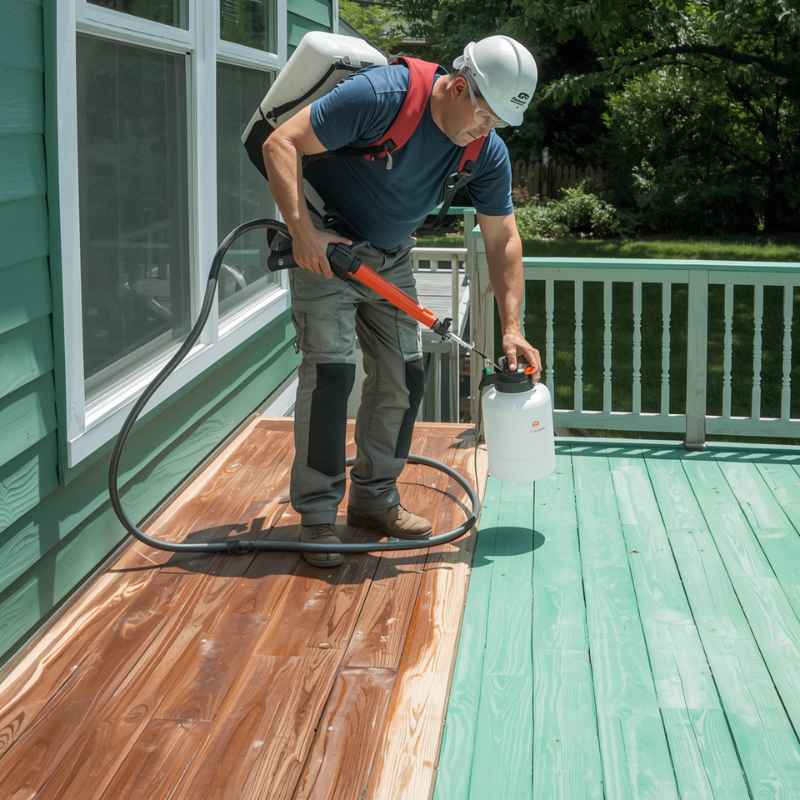
I remember one summer, my deck was looking pretty sad. It was a big deck, too. I’d put it off for a while.
The wood was gray and dry. I bought a really nice looking stain. It was a solid color, a deep brown.
I thought, “This is my chance to save time!” I grabbed my trusty garden pump sprayer. It had worked fine for weed killer and general cleaning. So, I figured it would be perfect for stain.
I mixed the stain well. I filled up the sprayer. I started spraying the first few boards.
It went on okay. But then, I noticed something odd. The stain wasn’t going on very smoothly.
It looked a little patchy. And I was getting drips down the side of the boards. I stopped.
A wave of worry washed over me. This wasn’t the easy, quick job I had imagined. It looked like I was making a mess.
I almost gave up and grabbed my brushes. But I took a deep breath and tried to figure out what was wrong. It took some adjusting, and a lot of wiping up drips, to get it to look decent in the end.
Understanding Different Stain Types
Not all deck stains are created equal. This is a super important point when you’re thinking about spraying. The thickness and composition of the stain will tell you if your pump sprayer can handle it.
Let’s break down the common types.
Stain Types and Sprayability
Clear Water Sealers: These are very thin. They usually spray very well. They offer little color.
They mainly protect from water. Many pump sprayers can handle these easily.
Toner or Semi-Transparent Stains: These have a bit of color. They are still quite thin. They let the wood grain show through.
Most pump sprayers work well with these. You might need a slightly larger nozzle than for clear sealers.
Semi-Solid Stains: These have more pigment. They cover more of the wood grain. They are a bit thicker than semi-transparents.
Some pump sprayers can spray them. But clogs can happen more. You might need a sprayer with good pressure and a larger nozzle.
Solid Stains: These are like thin paint. They hide the wood grain almost completely. They are the thickest type.
Many standard pump sprayers will struggle with solid stains. They can clog easily. They might not atomize (spray into a fine mist) well.
This can lead to a poor finish.
If you have a solid stain, a regular garden pump sprayer might not be the best tool. You might need a more powerful sprayer. Some high-pressure sprayers are designed for thicker paints.
Always check the stain can. It often says if it’s sprayable. It might even suggest a nozzle size.
Thin, watery stains are your friend when using a pump sprayer. If you’re unsure, always test on a scrap piece of wood first. See how it sprays.
Check for clogs. See how the finish looks. This simple test saves a lot of headache later.
Choosing the Right Pump Sprayer
You might have a basic garden pump sprayer. Or you might be looking to buy one. The sprayer you choose makes a big difference.
Not all pump sprayers are built the same. Some are much better for certain jobs than others. Think about these things.
Sprayer Features to Consider
Tank Size: How big is your deck? A bigger tank means fewer refills. But bigger tanks are heavier to carry.
For a typical deck, 1 to 2 gallons is usually fine.
Material: Plastic is common. Make sure it’s chemical-resistant. Some plastics break down with certain stains.
Pump Type: Some pumps are easier to use than others. A pump that builds pressure quickly is nice. Look for one that feels sturdy.
Nozzle Options: This is crucial. Does the sprayer come with different nozzles? Can you buy other nozzles for it?
You’ll want a nozzle that can spray a fine mist. The spray pattern should be adjustable.
Hose and Wand Length: A longer wand can help you reach more areas. It also keeps you further from the spray. This is good for comfort and avoiding drips.
For deck stain, especially if it’s not super thin, you want a sprayer that can handle a bit more. Some pump sprayers are called “high-pressure” sprayers. These can be a good choice.
They build up more force. This helps push thicker liquids through the nozzle. They often have better seals too.
This means they hold pressure longer.
You might see sprayers with different nozzle types. For deck stain, you generally want a cone-shaped spray. This helps you cover a good area evenly.
Some sprayers let you adjust the pattern from a narrow stream to a wide fan. A fan pattern is usually best for large, flat surfaces like a deck.
Always clean your sprayer very well after use. Stains can dry inside. This can ruin the sprayer.
Follow the manufacturer’s instructions for cleaning. It’s usually a good idea to run water through it first. Then use soap and water.
Rinse thoroughly.
The Process: Spraying Deck Stain Step-by-Step
So, you have the right stain and the right sprayer. Now what? Doing it right is key to a good finish.
Follow these steps carefully. It will help you avoid common problems.
Your Spraying Game Plan
1. Prep Your Area: This is vital. Cover anything you don’t want stained.
This includes plants, house walls, furniture, and concrete. Use plastic sheeting or drop cloths. Tape them securely.
2. Clean and Dry Your Deck: The deck must be clean. Sweep off all dirt and debris.
Wash it with a deck cleaner. Rinse it well. Let it dry completely.
This can take a day or two, depending on the weather.
3. Mix the Stain: Stir the stain thoroughly. If it’s been sitting, the pigments can separate.
Use a paint stirrer. Stir from the bottom up. Make sure it’s all mixed evenly.
If the can says to thin it, do it now. Use the recommended thinner. Follow the instructions on the stain can.
4. Set Up Your Sprayer: Put the correct nozzle on your sprayer. Make sure it’s clean.
Fill the sprayer with stain. Don’t fill it all the way. Leave some room for air.
Seal the lid tightly.
5. Test Your Spray: Find a scrap piece of wood or cardboard. Try spraying it.
Adjust the nozzle. Get the right spray pattern. Make sure it’s atomizing well.
You want a fine mist, not big drops.
6. Start Staining: Work in sections. Spray along the length of a few boards.
Keep the sprayer moving. Move at a steady pace. Aim for an even coat.
Overlap your spray passes by about half. This ensures good coverage.
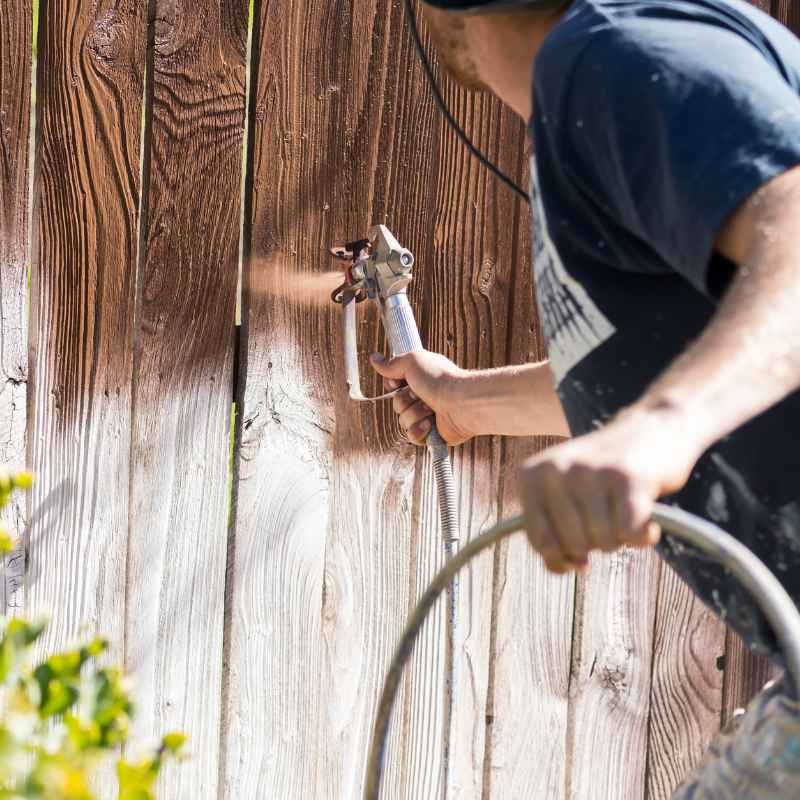
7. Back-Brush (Highly Recommended): This is a crucial step many people skip. Immediately after spraying a section, use a brush.
Gently brush the stain into the wood grain. This pushes the stain into the pores. It also smooths out any puddles or drips.
This step makes a huge difference in the final look.
8. Continue Section by Section: Move to the next section of the deck. Repeat steps 6 and 7.
Always work from one end of the deck to the other. This helps prevent lap marks where one section meets another.
9. Clean Up: Once you are done, clean your sprayer immediately. Use the recommended cleaner for your stain.
Rinse thoroughly. Dispose of waste materials properly.
The back-brushing part is really important. It’s what turns a potentially splotchy job into a professional-looking finish. Don’t skip it.
It takes a little extra time. But it’s worth it for the durability and appearance of your deck.
When Spraying Isn’t the Best Idea
While spraying can be great, it’s not always the perfect solution. Sometimes, other methods work better. Or spraying might just cause more problems than it solves.
Knowing when NOT to spray is as important as knowing how to spray.
Thick, Heavy Stains: As we talked about, very thick solid stains are tough. They can clog sprayers. They might not atomize correctly.
This leads to an uneven finish. You’ll see globs and drips. Brushing or rolling might be much better here.
Windy Conditions: Wind is your enemy when spraying. It blows the stain everywhere. You’ll waste a lot of product.
You might stain things you don’t want stained. This includes your house, cars, or neighbors’ property. On a windy day, stick to brushes and rollers.
Detailed or Small Areas: If your deck has a lot of intricate details, railings with many spindles, or tight spots, a sprayer might be overkill. It can be hard to control the spray in these areas. You might end up wasting stain or getting it where you don’t want it.
Brushes are much more precise for these parts.
First-Time Stainers: If you’ve never stained a deck before, starting with brushing might be easier. You get a feel for how the stain works. You can control it better.
Once you’re comfortable with how stain behaves, you can try spraying.
Budget Sprayers: If you only have a very basic, cheap pump sprayer, it might not be up to the task. These often have poor seals. They might not build enough pressure.
The nozzles might be limited. It could lead to frustration and a poor finish.
Think about your project’s specifics. What kind of stain do you have? What’s the weather like?
What’s your experience level? These factors will help you decide if spraying is the right path.
Real-World Scenarios and Tips
Let’s look at some common situations you might face with deck staining and how spraying fits in.
Dealing With Different Deck Styles
Scenario: Large, Simple Deck: If you have a big, flat deck with minimal railings and few steps, spraying is often ideal. You can cover the main surface quickly. You’ll likely still need brushes for edges and tricky spots.
Back-brushing is key here.
Scenario: Multi-Level Deck with Railings: This is a bit trickier. You can spray the main deck boards. Then you might spray the railings.
But you’ll need to be careful. Railings have many angles. Overspray can be a big issue.
You might want to use a smaller nozzle or a brush for railings.
Scenario: Older, Porous Wood: If your deck wood is very dry and thirsty, it will soak up stain fast. Spraying can be good here because it applies a thin, even coat quickly. Back-brushing helps push it into the deep pores.
You might need two coats for very dry wood.
Scenario: New Deck: New wood might not soak up stain as well. Spraying a very thin coat is usually best. Let it dry.
Then you might apply a second, lighter coat if needed. Avoid applying too much on new wood, as it can peel later.
One thing to remember is climate. If you live in a very humid area, drying times can be longer. This means your stain stays wet longer.
This increases the chance of it tracking or getting damaged before it cures. In hot, dry climates, stain dries very fast. This can make back-brushing harder.
You need to work quickly.
Also, consider the surrounding landscape. If you have delicate plants right next to your deck, overspray is a big concern. You might need to cover them very well or use a brush instead of a sprayer in those areas.
What This Means For Your Deck Project
Knowing if you can spray deck stain with a pump sprayer boils down to a few key takeaways. It’s not a simple yes or no for everyone. It depends on your specific situation.
When Spraying is Probably a Good Idea
For thin stains: Toners, semi-transparent stains, and clear sealers.
For large, flat areas: Big, open decks with few details.
When you want speed: If time is a major factor.
With a good quality sprayer: One that can handle stains and has adjustable nozzles.
When to Be Cautious or Avoid Spraying
For thick solid stains: These are prone to clogging and uneven finish.
In windy conditions: You’ll waste stain and get overspray.
For detailed or intricate areas: Brushes offer better control.
If you have a very basic sprayer: It might not perform well.
If you’re a beginner: Brushing gives you more control to learn.
The goal is a beautiful, protected deck. A pump sprayer can help you achieve that. But only if you use it correctly.
And only if it’s the right tool for the stain and the job.
Quick Tips for Better Spraying Results
If you decide to spray, here are some final tips to help you get the best results. These are small things that can make a big difference in how your deck turns out.
- Work in small sections: Don’t try to spray the whole deck at once. Focus on a few boards at a time.
- Keep the sprayer moving: Never stop spraying in one spot. Keep it in motion.
- Maintain a consistent distance: Hold the sprayer the same distance from the wood for each pass.
- Overlap your passes: Aim for about a 50% overlap. This ensures no gaps.
- Check for drips constantly: Wipe away any drips or puddles immediately with a brush or cloth.
- Use a good quality brush for back-brushing: A 2-3 inch synthetic bristle brush works well.
- Don’t over-apply: It’s better to apply two thin coats than one thick, gloppy coat.
- Read the stain manufacturer’s directions: They often have specific advice about spraying.
Think of the sprayer as a tool to get the stain onto the deck. The real magic happens with careful technique and that essential back-brushing step. This combination helps the stain soak in properly and gives you a smooth, even finish.
Frequently Asked Questions
Can I spray any type of deck stain with a pump sprayer?
No, not all deck stains are suitable for spraying with a standard pump sprayer. Thin, watery stains like toners and semi-transparent stains usually work well. Thicker solid stains, which are more like paint, can clog many pump sprayers and may not atomize properly.
Always check the stain manufacturer’s recommendations.
What kind of pump sprayer is best for deck stain?
A sprayer with a larger tank (1-2 gallons) and a durable pump is a good start. More importantly, look for a sprayer that can handle thicker liquids and offers adjustable nozzles. Some “high-pressure” garden sprayers or dedicated paint sprayers are better suited than very basic models.
Ensure it has a nozzle that can create a fine mist.
How do I prevent drips when spraying deck stain?
Drips happen when you apply too much stain in one spot or move the sprayer too slowly. To prevent them, use a consistent spraying motion, maintain a steady distance from the wood, and overlap your passes. Crucially, immediately back-brush any area you spray to smooth out excess stain before it forms drips.
Is it necessary to back-brush after spraying deck stain?
Yes, for the best results, back-brushing is highly recommended. Spraying applies the stain quickly, but brushing pushes it into the wood grain. It also smooths out any unevenness or small puddles left by the sprayer.
This step significantly improves the stain’s penetration and the final finish’s appearance and durability.
What is overspray and how can I avoid it?
Overspray is the fine mist of stain that drifts away from the target area. You can avoid it by spraying on a calm day with no wind. Also, use the correct nozzle setting to create a fine mist rather than a wide, atomized spray.
Keep the sprayer closer to the surface when possible, and always protect surrounding areas with drop cloths.
How much stain will I need if I spray my deck?
Spraying can sometimes use slightly more stain than brushing because of overspray and the fine mist. However, if done efficiently with back-brushing, the usage can be comparable. Always buy a little extra stain just in case.
Check the coverage rate on the stain can, which is usually given in square feet per gallon.
Final Thoughts
So, can you spray deck stain with a pump sprayer? The answer is a qualified yes. It’s a great way to save time and effort on large decks.
But it requires the right stain, the right sprayer, and the right technique. Back-brushing is your best friend here. It ensures a smooth, long-lasting finish.
Choose your tools wisely, prepare well, and you’ll likely be happy with the results.
Sponsored / affiliate links. As an Amazon Associate I earn from qualifying purchases. I may earn additional commission from eligible campaigns.