How To Cover Drill Holes On A Screen Door Frame Fast
Quickly cover drill holes on screen door frames using simple fixes. Options include wood filler for small dents, epoxy putty for larger gaps, or decorative caps. Always clean the area first.
Sand smooth after drying. A final paint coat makes the repair invisible. These methods are fast and effective for most home screen doors.
Understanding Screen Door Frame Holes
Screen doors are great. They let fresh air in. They keep bugs out.
Sometimes, you need to put something on the door. Maybe a new lock. Or perhaps a door closer.
You might drill a hole to put a screw in. That screw holds the new part. But drilling can leave a small hole.
These holes can look messy. They can also let tiny pests or drafts sneak in.
Screen door frames are often made of metal or wood. Metal frames might be aluminum. Wood frames are usually pine or fir.
Each type can get holes. Aluminum is softer than steel. Wood can dent or splinter.
Knowing the frame type helps pick the best fix. The goal is always a smooth, strong repair. You want it to look like the hole was never there.
Why do these holes matter? A clean screen door looks nice. It makes your home look cared for.
Uncovered holes can be weak points. Water might get in. This could lead to rust on metal.
Or rot on wood. Small critters might chew around them. So, fixing them is more than just looks.
It’s about keeping your door strong and working well.
My Own Screen Door Oops Moment
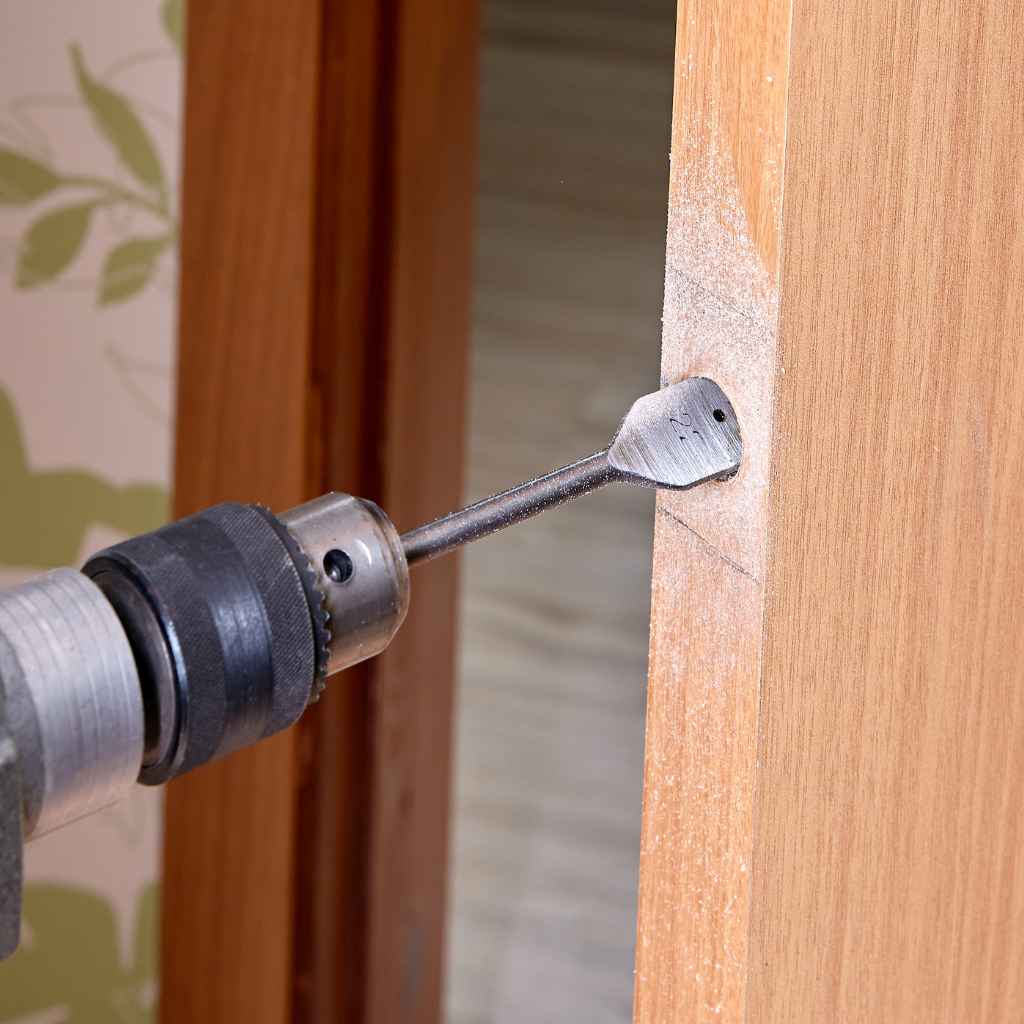
I remember one summer. It was really hot. I wanted to add a little peephole to my screen door.
I thought it would be a quick job. I grabbed my drill. I marked where I wanted it.
Then, I pressed the trigger. The drill bit went in a bit too far. Oops.
I hadn’t expected that. The hole was just a little bigger than I wanted. It looked ragged.
I felt a bit annoyed. This was supposed to be easy!
I looked at the hole. It wasn’t huge. But it was ugly.
It was right at eye level. I knew I couldn’t just leave it. It would drive me crazy every time I walked by.
I thought about just ignoring it. But my inner DIYer kicked in. I needed a fix.
I grabbed some stuff from my toolbox. I wanted something quick and easy. I found some wood filler.
It wasn’t wood, but it was close enough for a small hole. I mixed it up. I pushed it into the hole.
It was a bit messy. But it filled the gap. After it dried, I sanded it.
Then I painted it. It wasn’t perfect. But it was so much better.
That little repair taught me a lot.
Quick Fix Options at a Glance
For Small Holes (Nail/Screw Size):
- Wood Filler: Great for wood frames. Dries hard. Can be sanded and painted.
- Exterior Spackle: Similar to wood filler. Good for minor dents.
For Slightly Larger Holes or Cracks:
- Epoxy Putty: Very strong. Fills gaps well. Can be molded before hardening.
- Auto Body Filler: Durable and smooth. Best for metal frames.
For a Decorative Touch:
- Screw Covers/Caps: Adhesive or snap-on caps. Come in many colors.
- Decorative Stickers: Small decals can hide tiny marks.
Common Scenarios for Drill Holes
There are many reasons you might drill into your screen door frame. Understanding these helps you choose the right repair. It also helps you avoid them in the future.
Adding Hardware
This is a very common one. People add or change hardware. This includes things like:
- Door Knobs or Levers: If your screen door has a handle that needs screws.
- Door Closers: These springy arms often attach to the frame with screws.
- Kick Plates: Small metal plates at the bottom to prevent kicks. They screw in.
- Chains or Security Bars: Some people add these for extra security.
Each of these needs holes drilled. Sometimes you miss. Sometimes the screw isn’t long enough.
Or you drill an extra hole by mistake. This is totally normal.
Replacing Parts
What if a part breaks? Or you want to upgrade? You might remove old hardware.
You could be left with old screw holes. You’ll want to cover those. Then drill new ones in the right spot.
This is especially true if you’re changing the type of hardware.
DIY Projects and Customizations
Some folks like to customize. Maybe adding a small window. Or a pet door flap.
Or even a little speaker. These projects often involve drilling. They can lead to small holes you need to hide.
Or holes for mounting brackets. It’s all part of making the door your own.
Screen Door Frame Materials
Wood Frames:
- Pros: Easy to drill into, easy to repair with fillers, can be painted.
- Cons: Can rot if not sealed, can splinter.
- Common Woods: Pine, Fir, Cedar.
Aluminum Frames:
- Pros: Lightweight, rust-resistant, durable.
- Cons: Can dent, harder to repair seamlessly, special fillers might be needed.
- Common Finishes: Anodized, painted, or powder-coated.
Vinyl Frames:
- Pros: Low maintenance, weather-resistant.
- Cons: Can crack or become brittle, harder to repair holes.
- Common Colors: White, Tan, Gray.
Repairing Holes in Wood Screen Door Frames
Wood is forgiving. It’s easier to fix small holes here. The goal is to fill the void.
Then make it smooth and match the rest of the frame.
Using Wood Filler
This is your best friend for wood. You can get it in many colors. But it’s best to get a stainable one.
Or one that paints well.
Steps:
- Clean the hole: Use a small brush. Get rid of dust and loose bits.
- Mix the filler: Follow the can’s instructions. Some are ready to use. Others need mixing.
- Apply the filler: Use a putty knife. Press it firmly into the hole. Overfill slightly. This is because it shrinks a little when drying.
- Smooth it: Wipe away excess filler from the frame. Do this before it hardens.
- Let it dry: Check the can for drying times. It can take a few hours.
- Sand it: Use fine-grit sandpaper. Sand until it’s flush with the frame.
- Paint or stain: Match the color of your frame. A few thin coats are best.
This method works well for nail holes. Or small screw holes. It’s cheap and effective.
Using Epoxy Putty
Epoxy putty is tougher. It’s like a super-strong play-doh. You knead it until it’s mixed.
Then you shape it. It hardens like steel.
Steps:
- Clean the area: Make sure it’s free of dust.
- Cut a piece: You’ll need a piece that fits the hole.
- Knead it: Wear gloves. Knead the putty until it’s one color. This mixes the two parts.
- Apply it: Press the putty into the hole. Mold it to the shape of the frame. Make it slightly proud.
- Let it cure: This takes time. Check the package. It can be 24 hours.
- Sand and paint: Once hard, sand it smooth. Then paint to match.
Epoxy putty is great for slightly larger holes. Or when you need extra strength. It’s good for areas that get a lot of wear.
Wood Filler vs. Epoxy Putty
Wood Filler:
- Best For: Small holes, nail holes, screw holes in wood.
- Ease of Use: Very easy. Ready to use or easy to mix.
- Strength: Good for cosmetic fixes. Not structural.
- Drying: Quick, often a few hours.
- Finishing: Sands and paints well. Can accept stain if specified.
Epoxy Putty:
- Best For: Larger holes, cracks, areas needing strong repair. Works on wood and metal.
- Ease of Use: Requires kneading. Can be sticky.
- Strength: Very strong. Can be drilled and shaped after curing.
- Drying: Slower, can take 12-24 hours.
- Finishing: Can be sanded and painted. May be harder to get a perfectly smooth finish.
Repairing Holes in Metal Screen Door Frames
Metal frames are different. They don’t absorb fillers like wood. You need something that bonds well.
And is strong.
Using Epoxy Putty for Metal
Epoxy putty is ideal here. It sticks to metal. It hardens strong.
Steps:
- Clean the metal: This is crucial. Use a degreaser or rubbing alcohol. You need a totally clean surface. Sand lightly if there’s any rust.
- Prepare the putty: Cut a piece. Knead it until it’s uniform in color.
- Apply and shape: Press the putty into the hole. Mold it flush with the frame. You can use a wet finger to smooth it.
- Let it cure: Allow the full cure time. This ensures maximum strength.
- Sand: Use a sanding block. Start with a coarser grit. Then move to finer grits. Aim for a smooth surface.
- Prime and paint: Use a metal primer first. Then paint to match.
For aluminum, be careful not to sand too aggressively. You can scratch the finish easily.
Metal Filler (Auto Body Filler)
This is similar to auto body filler for cars. It’s a two-part system. It dries very hard.
And it sands very smoothly.
Steps:
- Clean the metal: Again, cleanliness is key. Degrease and dry the area. Lightly sand for adhesion.
- Mix the filler: You’ll mix the base with a hardener. Usually a small amount of hardener. Follow the instructions exactly.
- Apply the filler: Use a stiff plastic spreader. Fill the hole. Aim to get it as smooth as possible.
- Let it set: It hardens quickly. Usually within 15-30 minutes.
- Sand: Start with medium-grit sandpaper. Then use finer grits. Sand until it’s perfectly flush and smooth.
- Prime and paint: Use a metal primer. Then apply matching paint.
This is a robust option. It’s great for larger dents or holes in metal frames. It creates a very durable repair.
Best Filler for Metal Frames?
Epoxy Putty:
- Pros: Easy to shape, bonds well, can fill odd shapes.
- Cons: Can be slightly harder to get perfectly smooth than auto filler.
Auto Body Filler:
- Pros: Very smooth finish, dries rock hard, excellent for large repairs.
- Cons: Can be trickier to mix and apply, dries fast.
Recommendation: For small screw holes, epoxy putty is usually easiest. For bigger damage or a flawless finish, auto body filler is excellent.
Decorative and Quick Cover-Ups
Sometimes, you don’t need a full repair. You just need to cover a small mark or hole. These methods are fast and easy.
Screw Covers and Caps
These are small, self-adhesive caps. They come in many colors. Beige, white, brown, black.
You can also find wood-grain ones.
How to use:
- Clean the area: Make sure it’s dry and dust-free.
- Peel and stick: Peel the backing off the cap. Stick it over the hole. Press firmly.
These are perfect for hiding screw heads. Or small, neat drill holes. They blend in well.
They’re a super quick fix.
Paint Touch-Ups
If the hole is very small, and the frame is painted, touch-up paint works wonders.
How to use:
- Clean the hole: Dust it out.
- Apply paint: Use a small brush. Or even a toothpick. Dip it in paint. Carefully fill the hole.
- Let it dry: One thin coat might be enough.
This works best if the hole is tiny. Like a pinprick. It hides the dark hole against a lighter frame.
Decorative Stickers or Decals
For a fun or temporary fix, stickers can work.
How to use:
- Clean the spot: Make sure it’s smooth and dry.
- Apply the sticker: Place it over the hole. Press down firmly.
You can find small decorative decals. Like little leaves, or geometric shapes. Or even custom vinyl lettering.
This is more for hiding minor cosmetic flaws.
Choosing the Right Cover-Up
Small, neat screw hole in wood: Wood filler + paint or a matching screw cover.
Small, neat screw hole in metal: Epoxy putty + paint or a matching screw cover.
Slightly larger, ragged hole in wood: Epoxy putty, then sand and paint.
Slightly larger, ragged hole in metal: Auto body filler or epoxy putty, then sand and paint.
Very minor scratch or ding: Touch-up paint.
When to Worry About a Hole
Most drill holes are not a big deal. They are easy to fix. But sometimes, a hole can be a sign of something more.
Structural Integrity
If the hole is very large. Or if there are many holes close together. This could weaken the frame.
Especially in wood. A weak frame might not support the screen well. Or it could break under pressure.
If the frame feels loose or wobbly, a hole might be a symptom of a bigger problem.
Moisture Damage
Holes can let water in. This is bad for wood. It can lead to rot.
Rot makes the wood soft and weak. On metal, water can cause rust. Rust can spread.
It can make the metal weak. If you see signs of rot (soft spots, mold) or rust around a hole, you need to deal with it.
Check the area around the hole. Is it damp? Does it smell musty?
Are there black spots (mold)? On metal, is there orange or brown flaky stuff (rust)? If so, the hole is letting in moisture.
Pest Infestation
Small holes can be an entry point for insects. Or even mice. They can nest in the frame.
This can cause more damage. Look for tiny holes that seem too perfect. Or if you see sawdust-like material near the hole.
That could be termites. Or small droppings.
If you suspect pests, it’s best to get professional help. Trying to patch a hole where pests live won’t solve the problem. You need to get rid of them first.
What This Means for Your Screen Door
So, you’ve drilled a hole. What does it mean for your door? Usually, it’s just a cosmetic issue.
A small hole is easy to fix. It won’t hurt the door’s function.
Normal Scenarios:
- You drilled a small, clean hole for a screw.
- You want to add hardware.
- The hole is minor.
In these cases, choose a filler or cover that matches your frame. Follow the steps. Your door will look great again.
When to be concerned:
- The hole is large or ragged.
- The frame feels loose around the hole.
- You see rot or mold on wood.
- You see rust on metal.
- You suspect pests.
If any of these are true, take a closer look. You might need more than just a filler. You might need to repair structural damage.
Or treat for pests. For larger issues, it might be time for a new screen door. Or at least a more involved repair by a professional.
Quick Tips for a Clean Repair
Here are some final tips to make your repair job smooth and professional-looking.
- Cleanliness is Key: Always start with a clean surface. Dust, grease, or old paint can stop fillers from sticking. Use a damp cloth or rubbing alcohol.
- Work in Layers: For larger holes, don’t try to fill it all at once. Apply filler in thin layers. Let each layer dry. This prevents shrinking and cracking.
- Overfill Slightly: Most fillers shrink a little as they dry. It’s better to have a bit too much filler than not enough. You can always sand it down.
- Sand Smoothly: Use fine-grit sandpaper (150-220 grit). Sand in the direction of the wood grain or frame. Use a sanding block for flat surfaces.
- Prime Before Painting: Especially on metal. A good primer helps the paint stick. It also seals the repair.
- Match the Color Exactly: Take a chip of the old paint to the store. Or check the original color code. Even a small difference will show.
- Use the Right Tool: A small putty knife for wood filler. A spreader for auto body filler. A toothpick for tiny touch-ups.
- Read the Instructions: Each product is different. Always read the directions on the can or package. Drying times and application methods vary.
Frequently Asked Questions About Screen Door Holes
Can I use regular caulk to fill drill holes?
While caulk can fill small gaps, it’s not ideal for drill holes. Caulk stays flexible. It won’t harden like wood filler or epoxy.
This can lead to the caulk sagging or pulling away over time. It also won’t sand well, making a smooth finish hard to achieve. For a lasting repair, use wood filler, epoxy putty, or a specific metal filler.
How do I fix a hole in an aluminum screen door frame that’s too big for putty?
For very large holes in aluminum, you might need a two-part epoxy metal repair kit. These are designed for larger damage. You might also consider using a metal patch if the hole is very significant.
This would involve cutting a piece of aluminum slightly larger than the hole. Then bonding it in place with a strong metal adhesive or epoxy. For extensive damage, replacing the section of the frame or the entire door might be necessary.
What if the drill hole is in the screen itself, not the frame?
Holes in the screen mesh are different. You can use a screen repair kit. These usually come with adhesive patches.
You cut a patch to size and stick it over the hole. For small holes, you might be able to carefully darn them with strong thread. If the hole is large, it might be easier to replace the entire screen panel.
Do I need to seal the frame after filling a hole?
If you’ve used a good quality filler like wood filler or epoxy putty and painted over it, it usually provides enough sealing. However, if the frame is in a very wet area, or if the filler itself is porous, applying a clear sealant or another coat of exterior paint over the repaired area can add extra protection against moisture.
Can I just use a screw to cover a hole?
You could technically put a larger screw in the hole. But this isn’t a clean or attractive solution. The screw head would stick out.
It might not be secure. Using a decorative screw cover or a proper filler is a much better approach for a neat finish. It makes the repair look intentional and tidy.
Is it okay to drill new holes near old ones?
Yes, you can usually drill new holes near old ones. Just be mindful of the material. In wood, old holes can sometimes make the wood weaker.
So, avoid drilling too close to the edge of the frame. For metal, ensure you’re not drilling into an area that’s already weakened by previous holes or corrosion. If there are many holes, consider a larger reinforcing plate or bracket.
Conclusion
Drill holes in your screen door frame can happen to anyone. They might look bad. But they don’t have to stay that way.
We’ve shared many simple ways to cover them. From wood filler for wood frames to epoxy for metal. Decorative caps offer a quick fix too.
With a little care, you can make your screen door look good again. Take your time. Choose the right method.
Your door will thank you for it.
Sponsored / affiliate links. As an Amazon Associate I earn from qualifying purchases. I may earn additional commission from eligible campaigns.