How to Mount a Flag on Brick Without Drilling
A flag mounts on brick without drilling using mortar-joint clips rated up to 25 lbs, or a masonry-specific adhesive for lighter setups, since standard Command strips are not rated for rough brick. Wind load, not just weight, causes most no-drill mounts to fail. This guide covers clip selection, adhesive alternatives, and the mortar-joint requirement that determines which method will actually hold.
This post contains affiliate links. If you buy through one, we may earn a commission at no extra cost to you.
Quick Answer
Slide a mortar-joint brick clip into a recessed mortar line (needs at least ⅛” of recess) and mount your flag pole bracket to it — most clips hold 20–30 lbs. If your mortar is flush or your brick is painted, use a masonry-rated construction adhesive instead; standard Command strips aren’t rated for rough or painted brick.
What You’ll Need
- Mortar-joint brick clips (sized to your brick height) or a masonry construction adhesive
- A flag pole wall bracket with a flat or clip-compatible back
- A stiff brush, mild detergent, and water for cleaning the brick
- A tape measure to check brick height and mortar recess depth

How to Mount a Flag on Brick With No-Drill Clips
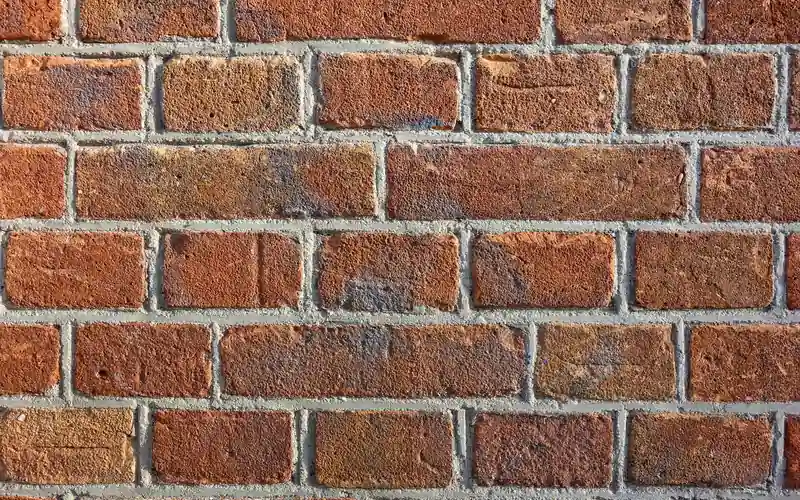
A mortar-joint brick clip is a spring-steel bracket that grips the recessed mortar line between two bricks instead of the brick itself. It works by wedging into the joint and using a toggle or spring tension to bite against the back of the brick face — no adhesive or holes required. Clips only grip if the mortar sits at least ⅛ inch back from the brick face; flush or “beaded” mortar joints won’t hold a clip.
- Measure your brick: Most clips fit standard bricks 2¼” to 2⅛” tall — measure yours before buying, since oversized or undersized bricks won’t seat properly.
- Check the mortar recess: Run a fingernail or thin card into the joint. If it sits back at least ⅛ inch from the brick face, a clip will work.
- Pick your spot: Choose a joint on solid, undamaged brick — avoid crumbling mortar or cracked bricks.
- Seat the clip: Slide or gently tap the clip into the joint until the toggle engages behind the brick. Give it a firm tug — it should not move.
- Attach your bracket: Hook or screw your flag pole bracket to the clip’s mounting point, then insert the pole.
Most brick clips are rated between 20 and 30 lbs when properly seated — well above what a standard house flag and aluminum pole weigh, but check the manufacturer’s rating for your specific clip before hanging a large or heavy flag.
Best No-Drill Clip Pick
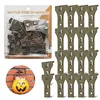
NACETURE No-Drill Brick Hook Clips (18-Pack) – $6.99
Fits the 2¼”–3” brick range this guide’s measuring step covers, with enough clips to mount a flag bracket plus other outdoor decor from the same pack.
- Best for: Standard modern brick with a recessed mortar joint
- Why we picked it: 18 clips per pack covers a flag bracket plus extra outdoor hangers
- Main drawback: Needs at least ⅛” mortar recess — won’t grip flush-pointed brick
Compare more no-drill mounting options
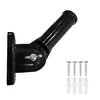 Option 1 Adjustable Aluminum Flag Bracket – $9.30
|
 Option 2 Loctite PL Premium Max Adhesive – $12.98
|
 Option 3 Budget Brick Clips (8-Pack) – $6.99
|
As an Amazon Associate we earn from qualifying purchases.
Using Masonry Adhesive Instead of Clips
If your mortar joints are flush, beaded, or painted over, a clip has nothing to grip — a masonry-rated construction adhesive is the better option. Apply a bead to the back of a flat-backed flag pole bracket, press it firmly onto clean, dry brick, and hold or brace it in place while it cures. Full cure time runs anywhere from several hours to a full day depending on the product, so avoid hanging your flag until then.
Not every adhesive works on brick. General-purpose picture-hanging strips like Command are rated for smooth indoor surfaces and are not recommended by the manufacturer for rough or painted brick — you need a product specifically formulated for masonry, such as a polyurethane or construction-grade adhesive. This is a genuine limitation of the tape-only approach the internet often recommends without checking the fine print.
📊 Even 3M’s heavy-duty outdoor Command strips top out around 16 lbs and are intended for smooth surfaces — rough or painted brick needs a masonry-specific adhesive instead. Source: 3M Command, Product Weight Limits Guide
Brick Clips vs. Masonry Adhesive vs. Command Strips
| Method | Typical Weight Rating | Best For |
|---|---|---|
| Mortar-joint brick clips | 20–30 lbs | Standard brick with a recessed (⅛”+) mortar joint |
| Masonry construction adhesive | Varies by product; often 20+ lbs when cured | Flush or painted mortar joints where clips can’t grip |
| Outdoor Command strips | Up to 16 lbs | Smooth, painted, or sealed brick only — not rough brick |
“For a brick clip to securely grip, the mortar joint needs to be recessed at least ⅛ inch from the brick face — flush or beaded mortar joints won’t hold a clip, no matter how much you push.”
Preparing the Brick Surface
Whichever method you choose, a clean, dry surface makes the difference between a mount that holds and one that fails in the first storm. Scrub away dirt, dust, cobwebs, and loose mortar with a stiff brush, then wash with water and a mild detergent if the brick is heavily soiled.
Let the brick dry completely before applying adhesive or seating a clip — this can take a day or two depending on humidity. A fan or gentle airflow speeds this up; avoid direct high heat, which can crack older or soft brick.
Choosing the Right Flag Pole Bracket
Your bracket needs to match your mounting method. For clips, look for a bracket with a hook or loop that fits the clip’s mounting point. For adhesive, choose a bracket with a flat, smooth back — the more contact area, the stronger the bond.
Multi-position brackets that angle 0–90 degrees let you adjust how far the flag projects from the wall, which also affects how much wind load the mount has to resist — a flag held closer to the wall catches less wind than one on a long, straight pole.
Checking Flag Condition and Size
Before mounting, check your flag for tears and confirm the grommets are intact. A larger, heavier flag puts more stress on your mount, especially in wind — for anything beyond a standard 3×5 ft house flag, use two mounting points or the adhesive method rather than a single clip.
Maintaining Your No-Drill Flag Mount
Check adhesive mounts periodically for peeling or lifting at the edges, especially after storms — water and wind pressure are what typically cause a bond to fail over time. Reinforce with extra adhesive at the first sign of lifting rather than waiting for a full failure.
For clips, give them a firm wiggle every few months. If a clip has loosened, remove and re-seat it, or try a slightly different spot on the joint. Wipe down mounting hardware periodically, and check your other no-drill brick mounts at the same time if you have them.
Frequently Asked Questions
What Is the Easiest Way to Mount a Flag on Brick Without Drilling?
A mortar-joint brick clip is usually the easiest method — it requires no curing time, no mess, and is fully reversible. Slide the clip into a recessed mortar joint, attach your flag pole bracket, and you’re done in minutes, provided your mortar has at least ⅛ inch of recess.
Can I Use Suction Cups to Mount a Flag on Brick?
No. Suction cups need a smooth, non-porous surface to form a seal, and brick’s rough, porous texture prevents that seal from forming. Suction cups work on glass or tile, not brick or mortar.
How Long Will an Adhesive Mount Last on Brick?
A quality masonry-rated adhesive can last several months to a few years outdoors, depending on the product, climate, and how much wind exposure the flag gets. Inspect it after major storms and reinforce at the first sign of lifting.
Will Brick Clips Damage the Mortar?
No, not when installed correctly. Brick clips are designed to grip without chipping mortar or brick, since they rely on spring tension rather than force. Avoid hammering a clip into a joint that’s too narrow — that’s what causes damage, not the clip itself.
Is It Safe to Hang a Heavy Flag on Brick Without Drilling?
Yes, if you match the method to the weight. Standard house flags (3×5 ft or smaller) are well within a single clip’s 20–30 lb rating or a cured masonry adhesive’s capacity. For larger flags, use two mounting points and check the manufacturer’s weight rating before hanging.
Do Command Strips Work on Brick?
Not reliably. 3M’s own guidance rates Command strips for smooth surfaces, and rough or painted brick isn’t one of them. Outdoor-rated Command strips top out around 16 lbs on surfaces they’re actually designed for — use a masonry-specific adhesive on real brick instead.
What Mortar Joint Depth Do I Need for a Brick Clip?
At least ⅛ inch of recess between the mortar and the brick face. Flush, extruded, or beaded mortar profiles don’t leave a clip anything to grip — check yours with a fingernail or thin card before buying clips.
Conclusion
Mounting a flag on brick without drilling comes down to matching the method to your mortar: recessed joints hold a clip rated for 20–30 lbs, while flush or painted brick needs a masonry-specific adhesive instead of general-purpose tape. Either way, clean and dry the brick first, and match your bracket and hardware to your flag’s size and weight. For more no-drill options, see our guide to hanging things on brick without drilling, or if you’re working with wood trim instead of open brick, check how to attach wood to brick without drilling. Browse more no-drill and drilling guides, including how to put anchors in a wall without a drill.
Sponsored / affiliate links. As an Amazon Associate I earn from qualifying purchases. I may earn additional commission from eligible campaigns.
 Luontgom 50 Pack Brick Clips for Hanging Outdoors, Stainless Steel Brick Hooks Wall Clips, No Drilling Required, Require Over 1/8" Brick Gap, Fits 2-1/4 to 2-2/5 Inch Bricks, Silver
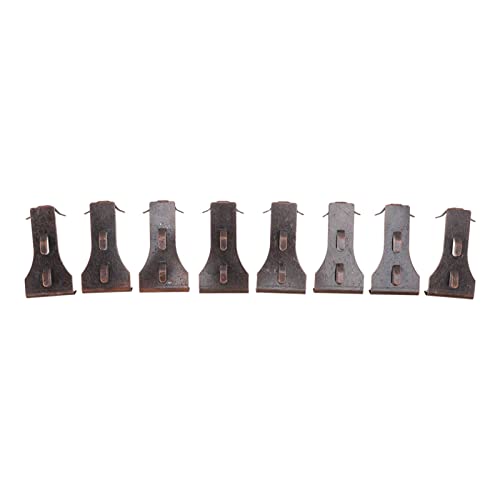 Hapivida Brick Hook Clips, Set of 8 Steel Hangers for Standard Size Bricks, No Drill Installation for Hanging Wall Decorations, Mailboxes, and Plants