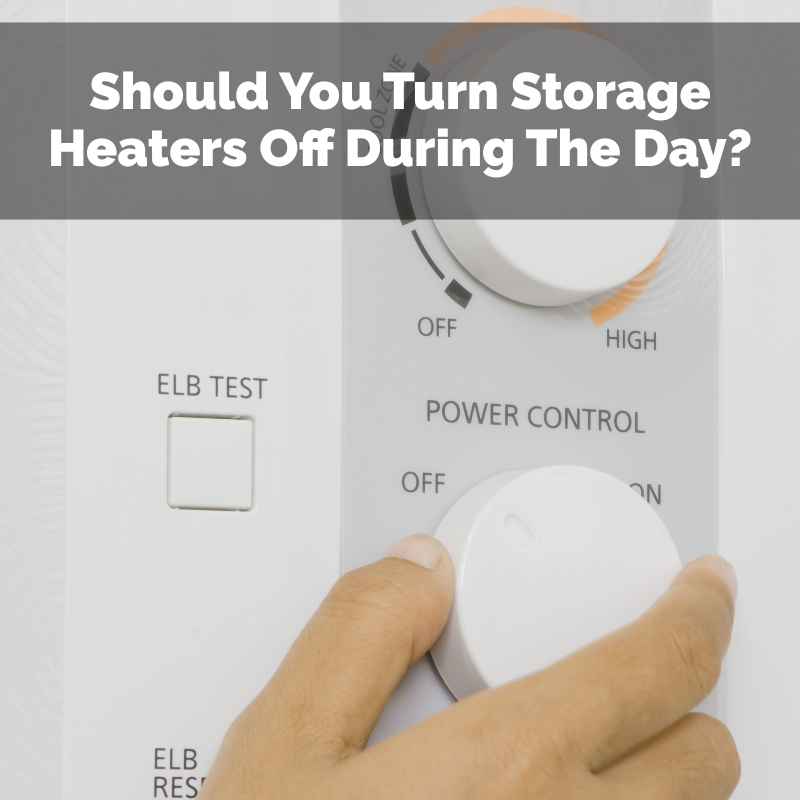
Should You Turn Storage Heaters Off During The Day?
Turning storage heaters off during the day is generally not recommended for efficiency. They are designed to store heat overnight and release it gradually. Shutting them off can disrupt this cycle, potentially leading to a cold house and higher running costs as they struggle to reheat. Understanding how they work is key.
Understanding How Storage Heaters Work
Storage heaters are a bit like a cozy secret keeper for your home. They don’t just blast heat when you want it. Instead, they work on a timer, usually linked to cheaper night-time electricity rates. This is often called an “off-peak” or “economy” tariff.
Think of it like this: during the night, when electricity is cheaper, the heater uses that power to heat up special bricks inside. These bricks are like a thermal battery. They soak up the heat and hold onto it. Then, during the day, when electricity is more expensive, the heater releases this stored warmth slowly into your room.
There are typically two types. Some have a manual dial to control how much heat is released. Others are more automatic. The goal is always to have warmth when you need it, without paying peak prices for it. This design is what makes them tricky to manage sometimes.
My Own Storage Heater Mishaps
I remember a particularly chilly March morning. The sun was out, but it hadn’t warmed things up outside yet. I’d been fiddling with my storage heaters for a while, trying to be “smart” about energy. I thought, “It’s sunny, the house feels okay for now, I’ll switch the main storage heater off for a few hours to save power.”
So, I turned the controls down, feeling rather pleased with myself. By mid-morning, the sun had dipped behind some clouds, and a cold draft seemed to creep in from everywhere. The room, which had felt okay an hour before, was suddenly quite nippy. I could feel a chill on my skin that wasn’t there before.
I went to turn the heater back up, and that’s when I realized my mistake. It hadn’t released much heat because I’d told it to stop. The bricks inside were still warm, but the release mechanism was shut off. It took ages for the room to feel properly warm again. I ended up having to turn on another heater, which was much less efficient and cost more. That day taught me a valuable lesson about not fighting the system.
The Science Behind Stored Heat
Storage heaters use a special kind of insulating material. This material is designed to get very hot. It can hold that heat for many hours. When the heater is on at night, electricity flows through coils. These coils heat the bricks. The bricks absorb this energy.
Then, when the electricity is cut off, the bricks start to cool down. But because they are well-insulated, they cool very slowly. Think of a cast-iron pot after you’ve used it on the stove. It stays warm for a long time. Storage heater bricks are like that, but much bigger and hotter.
The heater has a way to control how fast the heat escapes. This is often a vent or a flap. You can usually adjust this vent. Opening it more lets more heat out. Closing it lets less heat out. This is how you manage the temperature during the day. If you turn it off, you stop this release completely. The stored heat just sits there, trapped inside.
Different Types of Storage Heaters Explained
Not all storage heaters are the same. The older ones are pretty basic. They just have a thermostat and maybe a fan to help push the heat out. You set them at night, and they do their thing. You often have a manual control for how much heat comes out during the day.
Then came the more modern ones. These are often called “dynamic” or “thermostatically controlled” storage heaters. They are much smarter. They have sensors that measure the room temperature. They also have better insulation. This means they can store more heat.
Some of these advanced models can even adjust their output based on the weather forecast. They might use less heat if it’s going to be a warmer day. They might store a bit more if it’s going to be cold. This is great for saving energy. But they still need that initial charge at night. Turning them off during the day would be like turning off your phone when you still need it to work.
Real-World Scenarios: When to Adjust vs. When Not To
Imagine you’re going on holiday for a week in winter. In that case, you’d likely want to turn them off completely. There’s no point heating an empty house. You might leave one on a very low setting, or just shut them all down.
But what about a normal Tuesday? You’re home all day. The sun is out. It’s a mild day. Your heater is set to release a certain amount of heat. If you turn it off, that heat isn’t released. The room will start to cool. When you want heat back, the bricks are still hot, but they aren’t releasing it. You’ve missed the chance to use that stored warmth.
If the room gets too hot with the manual control, you don’t turn it off. You just close the vent a little. That slows down the heat release. It’s about managing the output, not stopping it altogether. Think of it like a tap – you don’t turn it off if it’s flowing too fast; you just turn it down a bit.
The Energy Cost Breakdown: Day vs. Night Rates
This is where the real savings or losses happen. Electricity prices change throughout the day. Overnight, from about midnight to 7 AM (this can vary), electricity is much cheaper. This is the “off-peak” period. Storage heaters are designed to take advantage of this cheap rate.
During the day, the price of electricity goes up. This is the “peak” period. If you turn your storage heater off, you’re trying to avoid using expensive daytime electricity. That sounds smart. But here’s the catch: the heat you need during the day was supposed to come from the bricks charged during the night.
If you turn the heater off, you’re stopping that stored heat from coming out. The room cools down. To get warm again, you would need to use daytime electricity to either recharge the heater (which is very expensive) or use a different heater. So, you end up paying more by trying to save.
Expert Insights: What the Heating Engineers Say
I’ve spoken to a few heating engineers over the years about these systems. They all say the same thing. Storage heaters are built to be “set and forget” for the most part. You set the charge level at night. Then, you manage the output during the day.
They told me, “If you turn them off during the day, you’re wasting the stored heat. The bricks will still be warm, but you’re not getting the benefit. It’s like buying a full tank of gas and then deciding not to drive your car because the sun is out.” They also mentioned that constantly switching them off and on can sometimes put strain on the controls.
The best practice they advise is to understand your heater’s controls. Learn how to adjust the output vent. If it’s getting too warm, close the vent slightly. If it’s too cool, open it a bit more. This way, you use the stored heat efficiently. You avoid needing to buy more expensive electricity.
Common Misconceptions About Storage Heaters
One big myth is that storage heaters are always old-fashioned and inefficient. While older models might not be as good as new ones, they can still be cost-effective if used correctly. The system relies on those cheaper night tariffs. If you’re not on such a tariff, then storage heaters might not be the best choice.
Another thought people have is that they make your house feel dry and dusty. This can happen if the heaters are very old or not cleaned. Modern ones are much better. They heat the air gently. They don’t blow hot air around like some other systems. Good airflow and regular cleaning help.
People also worry about them being dangerous. Like any electrical appliance, they need to be installed and maintained properly. But they are generally very safe when used as intended. The heating elements are well-protected inside the casing.
Contrasting Myth vs. Reality
Myth: Turning storage heaters off during the day saves a lot of money.
Reality: It often leads to a cold house and higher bills because you miss out on using stored, cheaper energy. You might then need to use more expensive daytime electricity.
Myth: Storage heaters are complicated to use.
Reality: They have a learning curve, but once you understand the charge and output controls, they are straightforward. Most modern ones have simple settings.
Myth: Storage heaters are only for old homes.
Reality: While they were popular in older housing, modern versions are efficient and suitable for many homes. They are particularly good for homes with access to off-peak electricity.
The Impact of Insulation and Room Size
How well your home is insulated plays a big role. If your walls and roof are well-insulated, the heat from the storage heater will stay in the room longer. This means you might need less heat overall. You might be able to turn the output down a bit sooner.
Room size also matters. A big, open-plan living area will need more heat than a small bedroom. You might need to adjust the settings differently for different rooms. Some storage heaters have individual controls. This allows you to tailor the heat to each space.
If you have very leaky windows or thin walls, the stored heat will escape quickly. This means even if you had the heater on full blast, the room would still feel cold. In such cases, improving your home’s insulation is the first step. Then, you can focus on using the storage heater effectively.
When to Let Them Do Their Job
The whole point of a storage heater is to store energy when it’s cheap and release it when it’s needed. So, during the night, you want them to be charging. You set the amount of heat you think you’ll need for the next day. This is the “charge control.”
Then, during the day, you adjust the “output control.” This is usually a lever or a dial. If the room is getting too warm, you push the lever in or turn the dial down. This reduces the amount of heat that comes out. The bricks inside are still warm, but less heat is being let into the room.
If the room feels a bit cool, you pull the lever out or turn the dial up. This lets more of the stored heat out. This is the intended way to use them. Turning them off is like stopping the flow completely. You’ve paid for the water in the tank, but you’ve shut off the faucet.
Quick Tips for Managing Your Storage Heaters
1. Understand Your Tariffs: Make sure you know when your cheap night-time electricity rate starts and stops. This is crucial for setting your charge correctly.
2. Master the Output Control: Learn how to adjust the heat release. This is your main tool for controlling the temperature during the day.
3. Don’t Over-Charge: If you know it’s going to be a mild day, don’t set the charge to maximum. You’ll just overheat the room and waste energy.
4. Check Your Insulation: Good insulation makes your storage heaters much more effective. Seal drafts around windows and doors.
5. Regular Cleaning: Dust can block vents and reduce efficiency. Clean your heaters regularly.
6. Consider a Timer Switch (for some models): Some older models can benefit from a plug-in timer to ensure they only charge during off-peak hours. Modern ones usually have this built-in.
What This Means for Your Home Comfort and Bills
If you’re using storage heaters, the goal is to have a warm home without high costs. When you use them as designed, they can be very economical. You’re using cheap electricity to power your heating.
Turning them off during the day means you are fighting against their core purpose. You’re essentially wasting the heat that was stored for you. This can lead to a less comfortable home because it takes time to warm up again. It also means your energy bills could be higher than they need to be.
The key takeaway is that they are designed for a specific way of working. Trying to force them to work differently often backfires. Trust the system, learn its controls, and you’ll likely find it works well for you.
Frequent Questions About Storage Heaters
Can I turn my storage heater off if I go out for a few hours?
It’s generally better to adjust the output control to a lower setting rather than turning it off completely. If you turn it off, the stored heat won’t be released, and the room will cool down. When you return, it will take longer and potentially more energy to warm up again. Adjusting the output lets you use the stored heat efficiently.
How do I know if I’m using my storage heater correctly?
If your home is warm when you need it to be, and your electricity bills seem manageable for the type of heating you have, you’re likely using them correctly. The main sign you’re not is if your home is cold during the day or if your bills are unexpectedly high. Pay attention to the output control.
What is the difference between charge and output control?
The charge control determines how much heat the storage heater absorbs from the electricity supply overnight. The output control (often a lever or dial) regulates how much of that stored heat is released into the room during the day. You set the charge once, but adjust the output as needed.
Are storage heaters still a good option in the UK?
Yes, storage heaters can still be a good option, especially in homes with access to off-peak electricity tariffs (like Economy 7 or Economy 10). They are cost-effective when used correctly. However, their efficiency depends heavily on your home’s insulation and the specific model of heater you have.
My storage heater feels very hot to touch, is this normal?
The internal bricks get very hot during the charging period, which is normal and necessary for them to store heat. The outer casing should be warm to touch during the day when releasing heat, but not excessively hot or dangerous. If the casing feels dangerously hot, or if the heater is making strange noises, it’s worth getting it checked by a professional.
How often should I service my storage heaters?
It’s a good idea to have your storage heaters checked by a qualified technician every few years, or if you notice any performance issues. Regular maintenance can ensure they are working efficiently and safely. This includes checking the insulation, the discharge mechanism, and the electrical connections.
Final Thoughts on Smart Heating
Storage heaters have a unique way of working. They are designed to save you money by using cheaper night electricity. Turning them off during the day goes against this core principle. It often leads to a cold home and higher bills. Instead of switching them off, learn to control their output. This way, you can enjoy a comfortable home and keep your energy costs down.
Sponsored / affiliate links. As an Amazon Associate I earn from qualifying purchases. I may earn additional commission from eligible campaigns.