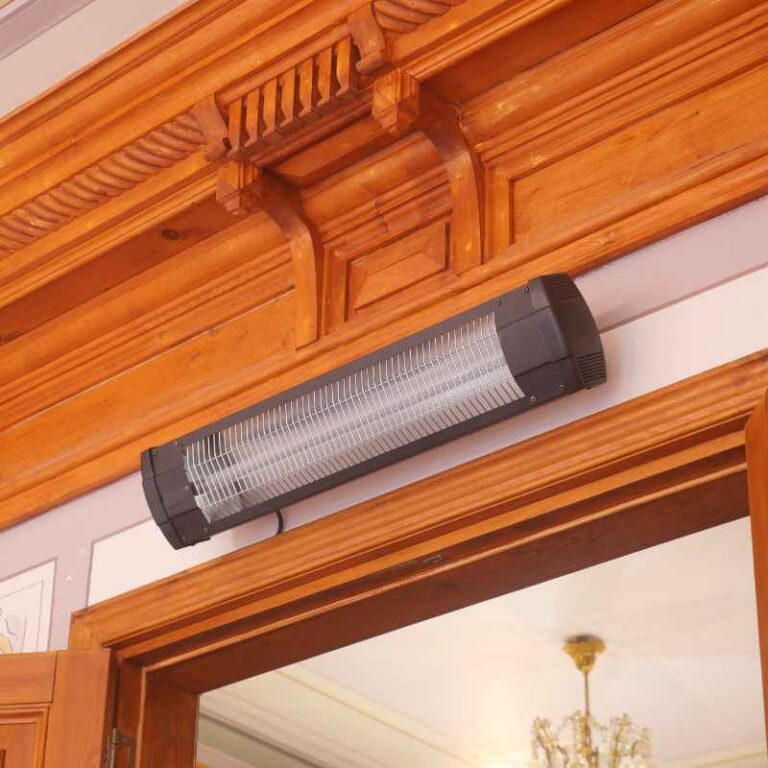
Will Plug-In Heaters Pass Fha Inspection In California?
It can be tough when you’re getting ready to sell your home or buy a new one. Especially when inspections come up. You want everything to go smoothly.
But sometimes, little things can cause big worries. One of those things might be how you heat your house. Lots of folks in California use plug-in electric heaters.
They seem easy and cheap. But will they pass a strict FHA inspection? This is a common question for many homeowners and buyers.
Let’s break it down so you can feel confident.
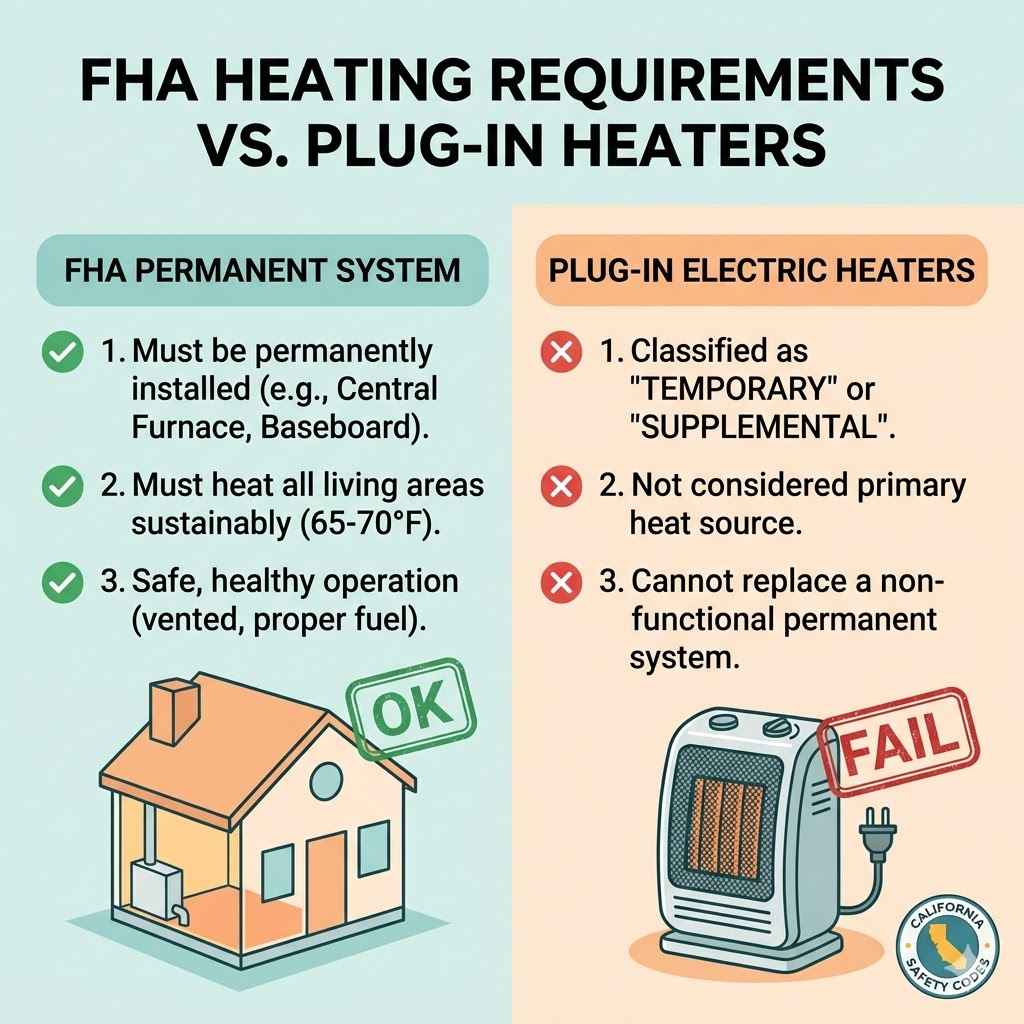
Plug-in electric heaters are generally NOT considered adequate primary heating sources by FHA standards. FHA loans require a permanent, safe, and reliable heating system. This often means central heating or a permanently installed electric furnace. Portable heaters usually don’t meet these requirements for a primary system.
Understanding FHA Heating Requirements
The Federal Housing Administration (FHA) sets rules for homes getting FHA-insured loans. These rules are there to protect both the buyer and the lender. They want to make sure the home is safe and sound.
One big part of this is the heating system. A home needs to have a way to stay warm, especially in colder months. This isn’t just about comfort.
It’s about preventing damage from freezing. It’s also about health and safety.
FHA guidelines focus on a few key things. The heating system must be functional. It needs to be safe to operate.
It must be reliable. And it needs to be able to heat the entire living space. This means enough heat for all habitable rooms.
Think about bedrooms, living rooms, and kitchens. The system should be able to maintain a safe and comfortable temperature. This is crucial for the well-being of anyone living in the home.
When an FHA inspector looks at a house, they’re checking if the heating system meets these standards. They want to see a system that is built-in or permanently attached. This shows it’s a long-term solution.
It’s not something that can be easily removed or broken. They also look at the condition of the heating unit itself. Is it old?
Does it look well-maintained? Are there any safety concerns?
Why Plug-In Heaters Fall Short
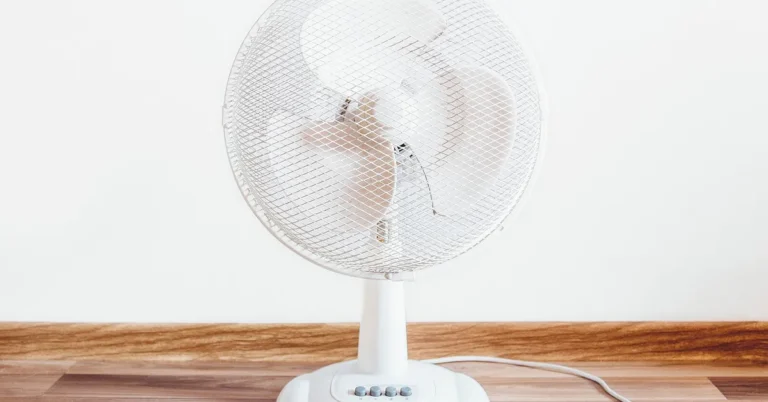
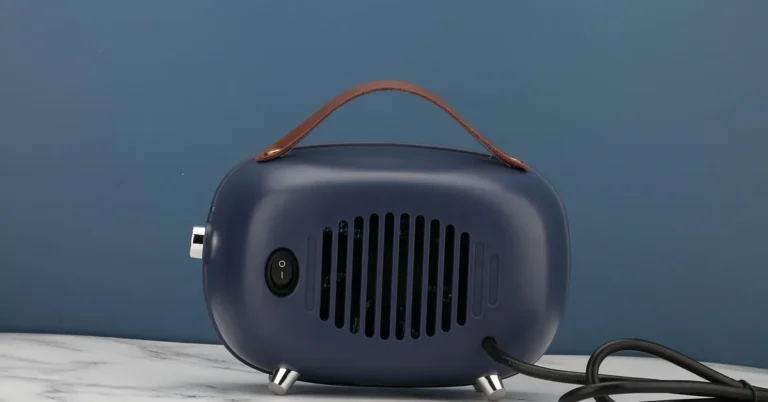
Now, let’s talk about those plug-in heaters. You know the ones. They’re often small, portable boxes.
Some look like little stoves. Others are more like tower fans with heating elements. They’re great for warming up a single room quickly.
Maybe your main system is down for a bit. Or you have a room that’s always a little cooler.
However, these plug-in heaters are usually seen as supplemental heat. They are not designed to be the main source of warmth for an entire house. The FHA inspector needs to see a heating system that can handle the whole home.
They need to be sure the house can be heated even on the coldest days. A plug-in heater just can’t do that for a whole house. It’s only good for a small space.
It might even cause problems if you try to rely on it too much.
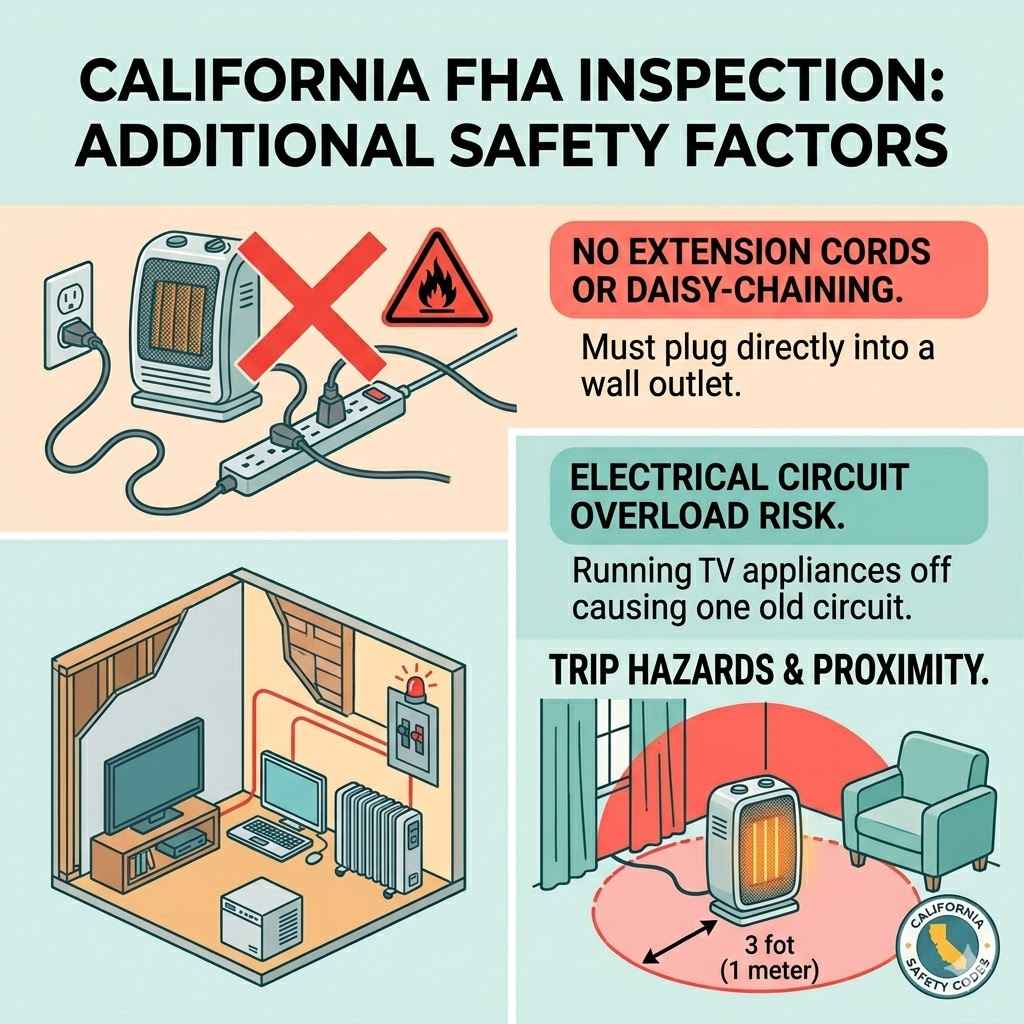
Think about it. You can only plug so many of these into your electrical outlets. They draw a lot of power.
Too many could overload circuits. That’s a safety hazard. The FHA is all about safety.
Also, these heaters can be tipped over. Some might not have good auto-shutoff features. This is another reason why inspectors often flag them.
They are not seen as a permanent, safe, and whole-house solution.
The system needs to be installed in a way that shows it’s part of the house structure. A plug-in heater is just that – a plug-in item. It can be unplugged and taken away.
This lack of permanence is a big hurdle for FHA approval. It doesn’t meet the requirement for a fixed, reliable heating source for the entire dwelling unit.
Plug-In Heater vs. FHA Standards: A Quick Look
Plug-In Heaters:
- Portable, not fixed
- Usually heat only one room
- Can be a fire or electrical hazard
- Not a permanent heating solution
FHA Requirements:
- Permanent, installed heating system
- Adequate for the entire home
- Safe and reliable
- Properly functioning
What the FHA Inspector Looks For
When the inspector walks into a home, they’re following a checklist. This checklist is based on FHA guidelines. For heating, they’re looking for specific types of systems.
They want to see a system that is permanently installed. This includes things like:
- Central furnaces (gas, oil, or electric)
- Electric baseboard heating (permanently wired)
- Heat pumps
- Boilers (for hot water or steam systems)
- Permanently installed electric wall heaters
These systems are connected to the home’s electrical or fuel supply. They are designed to heat all habitable areas. The inspector will check if the system is operational.
They’ll likely turn it on to see if it produces heat. They’ll also look for any obvious defects. This could be rust, damage, or leaks.
They want to ensure the system is safe to use.
The inspector also checks the condition of any ductwork or pipes associated with the heating system. They want to make sure there are no major issues. For example, with a furnace, they check the vents.
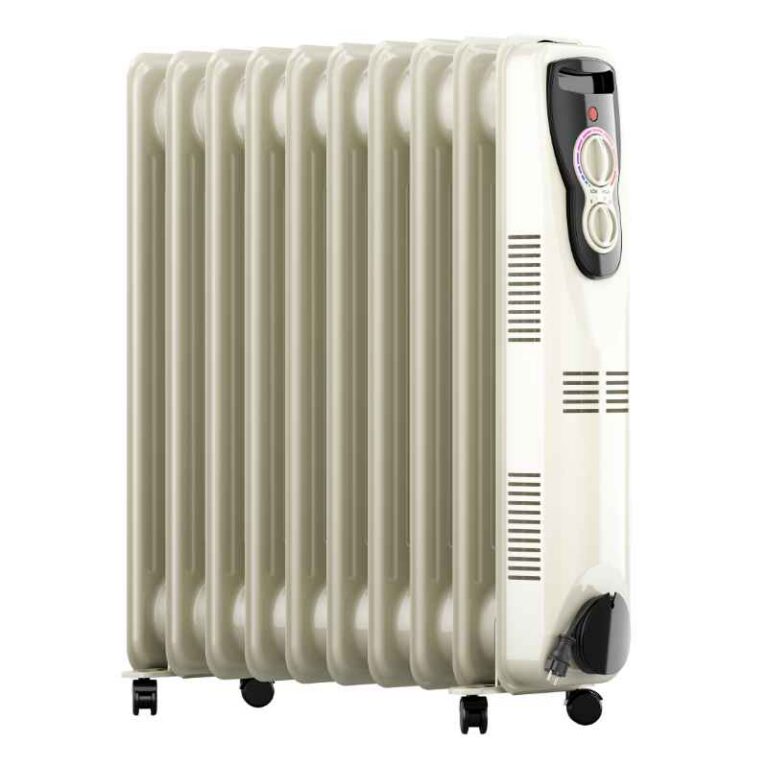
They ensure they are not blocked or damaged. If the home has radiators for a boiler system, they check for leaks or damage.
Crucially, the inspector needs to confirm that the heating system can heat the entire property. They will assess if the installed system is sufficient for the size of the home. They also check that all habitable rooms have a way to receive heat.
This means no room should be left out. For example, a detached garage is usually not considered part of the habitable space. But every bedroom, living area, and kitchen should be able to be heated.
If the FHA inspector finds that the heating system is inadequate or not functioning properly, they will report it. This report is called a “Notice of Intended Action” or similar. It will list the deficiencies.
The buyer or seller will then need to address these issues. This often means installing a proper heating system before the loan can be approved.
Real-World Scenarios in California Homes
California is a big state. The weather varies a lot. In Southern California, it might be mild.
But in mountain towns or northern areas, it can get quite cold. Many homes, especially older ones, might not have central heating. People might have relied on space heaters for years.
This is where the FHA inspection can cause a surprise.
I remember a client in Sacramento. They were buying a cute older bungalow. It had a lovely fireplace.
But the only heat was from a few electric wall heaters. They were old, but they worked. The seller insisted they were fine.
However, during the FHA inspection, the inspector pointed out these weren’t permanent enough. They were wired, yes. But they were small and only in a few rooms.
The inspector worried about heating the whole house in winter.
The buyer was distraught. They really loved the house. The seller was reluctant to make changes.
It turned into a bit of a negotiation. We had to explain to the seller that for an FHA loan, this was a non-negotiable item. They eventually agreed to have an electrician install electric baseboard heaters in the bedrooms and living area.
This was a permanent, whole-house solution. It cost the seller a few thousand dollars, but it saved the sale.
Another situation involved a buyer in the San Bernardino Mountains. Their dream cabin was heated solely by a large, freestanding wood stove. It was a beautiful, rustic setup.
But it wasn’t an FHA-approved primary heating system. The inspector noted it. While it provided heat, it wasn’t considered a reliable, safe, and permanent system for the whole house.
It also didn’t have a way to heat smaller rooms consistently. They had to install an electric furnace. It felt less charming, but it met the loan requirements.
These stories highlight a common issue. What works for daily living might not work for a mortgage. The FHA has specific needs for safety and durability.
Owners often don’t realize their heating setup doesn’t meet these official standards. They’ve lived comfortably for years. But the inspection is a different ball game.
Contrast Matrix: Plug-In Heaters vs. FHA Approved Systems
Temporary heat source
Zone heating only
Potential electrical overload
Easy to move or remove
Not a permanent fixture
Limited safety features for whole-home use
Permanent, installed fixture
Whole-home heating capability
Safe and regulated operation
Integral part of the home
Designed for long-term use
Meets safety and reliability standards
What If Your Home Relies on Plug-In Heaters?
If you’re selling a home that currently uses plug-in heaters as its primary heat, you need to be prepared. The FHA appraisal will likely flag this. The buyer will need to get a compliant heating system installed.
This is usually before the loan can close. It’s often the seller’s responsibility to cover these costs.
So, what are your options? You can
- Electric Baseboard Heaters: These are permanently wired into the walls. They provide steady heat along the base of the walls. They are a popular choice for homes without existing ductwork.
- Wall Heaters: Permanently installed electric wall heaters can also work. They need to be sufficient in size and number to heat all habitable rooms.
- Central Heating System: If your home is large enough or you plan on a bigger renovation, installing a ducted central furnace or heat pump is ideal. This is the gold standard for FHA.
- Gas Wall Heaters: If natural gas is available, permanently installed gas heaters are also a good option. They must be properly vented and meet all safety codes.
It’s important to use a licensed electrician or HVAC professional for these installations. They will ensure the work is done correctly and safely. They can also advise on the best system for your home’s size and your climate needs.
Sometimes, a home might have a fireplace that is in good working order. While a fireplace alone is rarely enough, it might be considered a supplemental heat source. However, it still needs to be functional and safe.
The FHA inspector will evaluate this on a case-by-case basis. It’s unlikely to replace the need for a primary heating system.
What if you’re buying a home with plug-in heaters? You need to discuss this with your lender and real estate agent early on. Understand the cost and timeline for installing a new heating system.
Get quotes from contractors. Make sure this is factored into your offer and closing plan. You might be able to negotiate with the seller for them to install the system.
Quick Scan: Options for FHA-Compliant Heating
| Heating Type | FHA Approval Status | Notes |
|---|---|---|
| Plug-in Space Heaters | No (as primary) | Only for temporary or supplemental heat. |
| Electric Baseboard Heaters | Yes | Permanent installation required. |
| Central Furnace/Heat Pump | Yes | Ideal whole-home solution. |
| Permanently Installed Wall Heaters | Yes | Must be sufficient for all rooms. |
| Wood Stove | Unlikely (as primary) | May be supplemental if safe and functional. |
| Fireplace | Unlikely (as primary) | May be supplemental if safe and functional. |
When is a Plug-In Heater Okay (and When Isn’t It)?
It’s important to distinguish between different uses of plug-in heaters. The FHA inspection is specifically about the primary heating source for the entire home. If your home has a perfectly good, FHA-approved primary heating system, then using a plug-in heater for an extra boost in a cold room is usually fine.
For example, let’s say you have a central furnace that heats your main living areas. But your home office, which is a bit far from the main vents, gets chilly. Using a small, safe plug-in heater in that office when you’re working might be acceptable.
The inspector isn’t going to fail the house because you have one in a secondary, supplemental role.
The issue arises when the only heat source, or the main heat source, for the house is a collection of plug-in units. This is what the FHA inspector will flag. They need to see a system that is part of the home’s infrastructure.
It needs to be designed to heat all the habitable spaces reliably and safely.
Think about it from the lender’s perspective. They are investing a lot of money in this property. They want to ensure the home is protected from the elements.
They want to make sure the occupants will be safe and healthy. A collection of plug-in heaters doesn’t offer that level of assurance. They can be unreliable.
They can pose safety risks if not used properly. And they don’t guarantee consistent warmth throughout the house.
In California, even in warmer areas, winters can bring cold snaps. Pipes can freeze. Homes can become uncomfortable.
The FHA wants to prevent these issues. They want to ensure the property is livable and protected year-round. This is why the permanent heating system requirement is so critical.
What Does This Mean for Buyers and Sellers?
For Sellers: If you know your home relies on plug-in heaters as its main source of warmth, get ahead of the problem. You can either:
- Install a new, FHA-compliant heating system before listing your home.
- Be prepared to negotiate with the buyer to have one installed as part of the sale.
- Be aware that the sale might fall through if this isn’t resolved.
It’s best to consult with your real estate agent. They can advise on what buyers in your area typically expect. Getting an independent inspection (not for the loan, but to identify potential FHA issues) can also be helpful.
For Buyers: If you are getting an FHA loan and the home you want uses plug-in heaters, have a frank discussion with your lender and agent. Understand how much a new heating system will cost. Factor this into your budget.
Don’t assume the seller will cover everything. It’s a negotiation. If the seller is unwilling to install a proper system, you may need to walk away.
Or, you might need to get a loan that doesn’t have such strict heating requirements.
It’s also wise to understand the climate in the area you’re buying. Even in California, some regions experience colder winters. Ensure the permanent system you install or require is adequate for that specific climate.
A system that works in San Diego might not be enough for Lake Tahoe.
This situation is more common than you might think. Many homes are updated over time. Sometimes, the heating system gets overlooked.
But for an FHA loan, it’s a critical component. Addressing it proactively can save a lot of stress and potential deal-breaking problems.
Quick Fixes & Tips for FHA Heating Compliance
While you can’t “fix” the need for a primary system with a quick trick, there are proactive steps.
- Get a Pre-Listing Inspection: Before you even list, have an inspector (or a qualified HVAC professional) assess your heating system. This way, you know exactly what issues might come up.
- Obtain Multiple Quotes: If you know you need to replace your heating, get quotes from at least three licensed HVAC contractors. Compare not just price, but also warranty and proposed system.
- Understand Local Codes: Ensure any new system installed meets all local building codes in California. This is a must for any inspector.
- Document Everything: Keep all receipts and permits for any heating system work done. This shows the buyer and lender that the work was done professionally and legally.
- Consult Your Agent: Your real estate agent is your best resource for navigating these situations. They know the local market and FHA loan processes.
Frequently Asked Questions about Plug-In Heaters and FHA Inspections
Can plug-in heaters be used at all during an FHA inspection?
Yes, they can be present in the home. However, the FHA inspector will note if they are being used as the primary source of heat for the entire property. If they are, it will likely be a condition that needs to be addressed.
What if my home has a fireplace AND plug-in heaters?
If the fireplace is functional and safe, it might be considered a supplemental heat source. However, it still might not be enough to satisfy the FHA requirement for a primary heating system. The inspector will assess if both, together, provide adequate heat for the whole home.
How much does it typically cost to install a new heating system?
Costs vary widely. Installing electric baseboard heaters can range from $1,500 to $5,000 or more, depending on the size of the home and the number of rooms. A central furnace or heat pump installation can be much more, often starting at $5,000 and going up to $15,000 or higher.
Can an FHA loan be approved if the home has no heat in warm weather?
The FHA requires that the heating system be operational during the inspection. If it’s too warm to test the heat in the climate where the property is located, the inspector might note that the system is present and appears functional. However, if it’s cold enough to test and the system doesn’t work, it’s a major issue.
What if my home has radiant floor heating that is electric?
Permanently installed radiant floor heating systems that are electric are generally considered acceptable by the FHA, as they are a fixed, integral part of the home’s structure designed to heat the entire space. The inspector will verify its functionality and safety.
Is there a specific temperature the FHA requires the heating system to reach?
The FHA does not specify an exact temperature. Instead, they require the system to be capable of maintaining a safe and comfortable temperature. This is typically interpreted as being able to keep the home above freezing and to a reasonable living temperature (e.g., 65-70°F) on the coldest days for that region.
Conclusion
So, to circle back to our initial question: Will plug-in heaters pass an FHA inspection in California? The short answer is almost certainly no, not as the primary heat source. The FHA’s goal is to ensure homes are safe, sound, and reliably heated.
Plug-in units, by their very nature, do not meet these core requirements for a primary system. If you’re buying or selling a home with an FHA loan, pay close attention to the heating system. Addressing this potential issue early can make the inspection process much smoother.
It ensures everyone is on the same page and that the home meets the necessary standards for a safe and secure living environment.
Sponsored / affiliate links. As an Amazon Associate I earn from qualifying purchases. I may earn additional commission from eligible campaigns.
 AZEUS Portable AC and Heater Unit, 420W 110V Compact Air Conditioner for Tent RV Truck Cabin and Small Room, 1400W Cooling, 800W Heating, Remote Control, Dehumidifier, Sleep Timer, Champagne
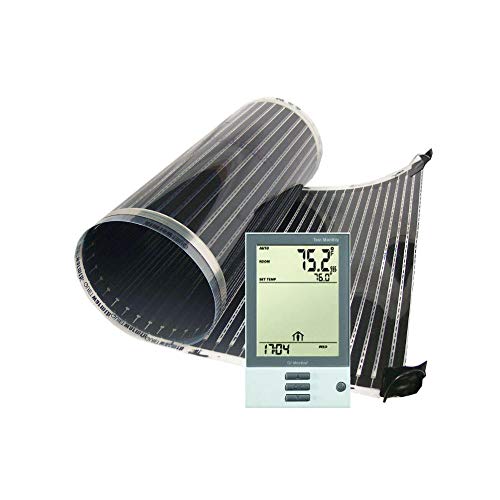 QuietWarmth Float QWARMKITFF Radiant Floor Heating Starter Kit Mat w/Programmable Thermostat for Laminate, Wood, Luxury Vinyl Floating Flooring- Cuttable Mat Size 3’x10' 120Volt (Covers 30sf)