Is It Okay To Plug Fish Tank Heaters Into Power Strips?
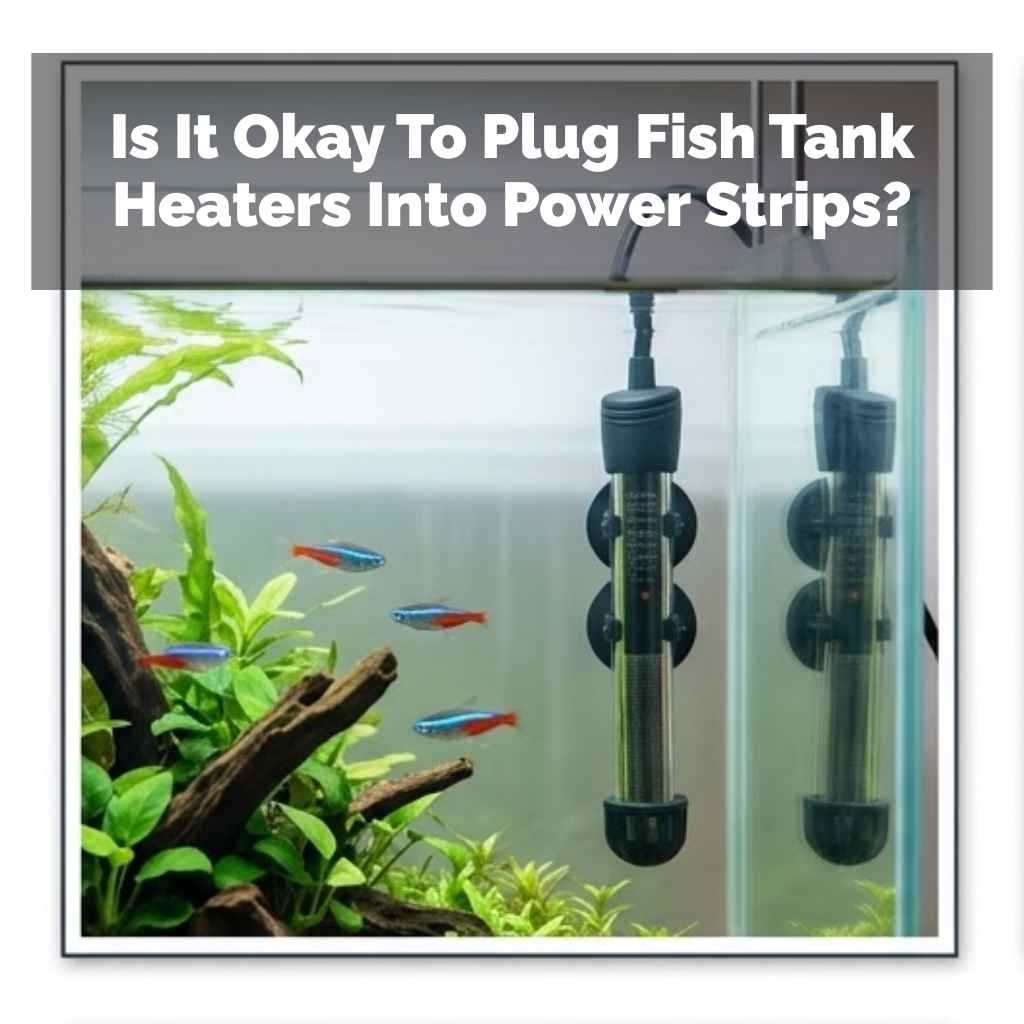
While plugging some electronics into power strips is common, it’s generally not recommended for fish tank heaters due to potential safety risks and reliability issues. Dedicated outlets or specialized surge protectors designed for aquariums are often better choices to ensure stable temperatures and prevent hazards.
Understanding Fish Tank Heater Safety

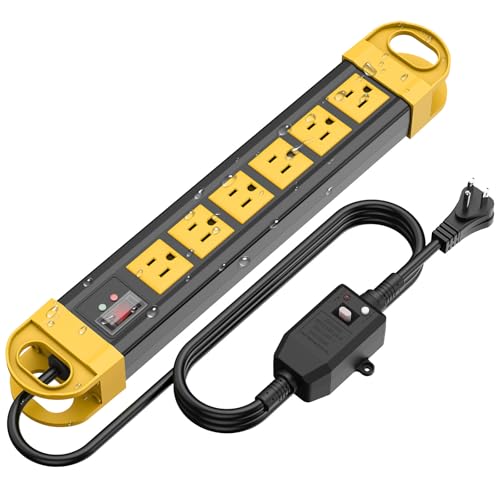

Fish tank heaters are vital. They keep the water at a steady, comfortable temperature for your aquatic pets. Most tropical fish need warm water.
Cold water can stress them out. It can even make them sick. A reliable heater is, therefore, non-negotiable for a healthy aquarium.
But how you connect that heater to power matters a lot. Many people have a power strip nearby. It’s handy for plugging in filters, lights, and other aquarium gear.
The thought of just adding the heater to that strip is tempting.
However, power strips are not all created equal. Some are just simple extension cords with multiple sockets. Others have built-in surge protection.
Some even have individual on/off switches. The type of power strip you use makes a difference. More importantly, the demands of a fish tank heater are different from, say, a desk lamp.
Heaters draw a consistent, often significant, amount of power. This is where things can get tricky.
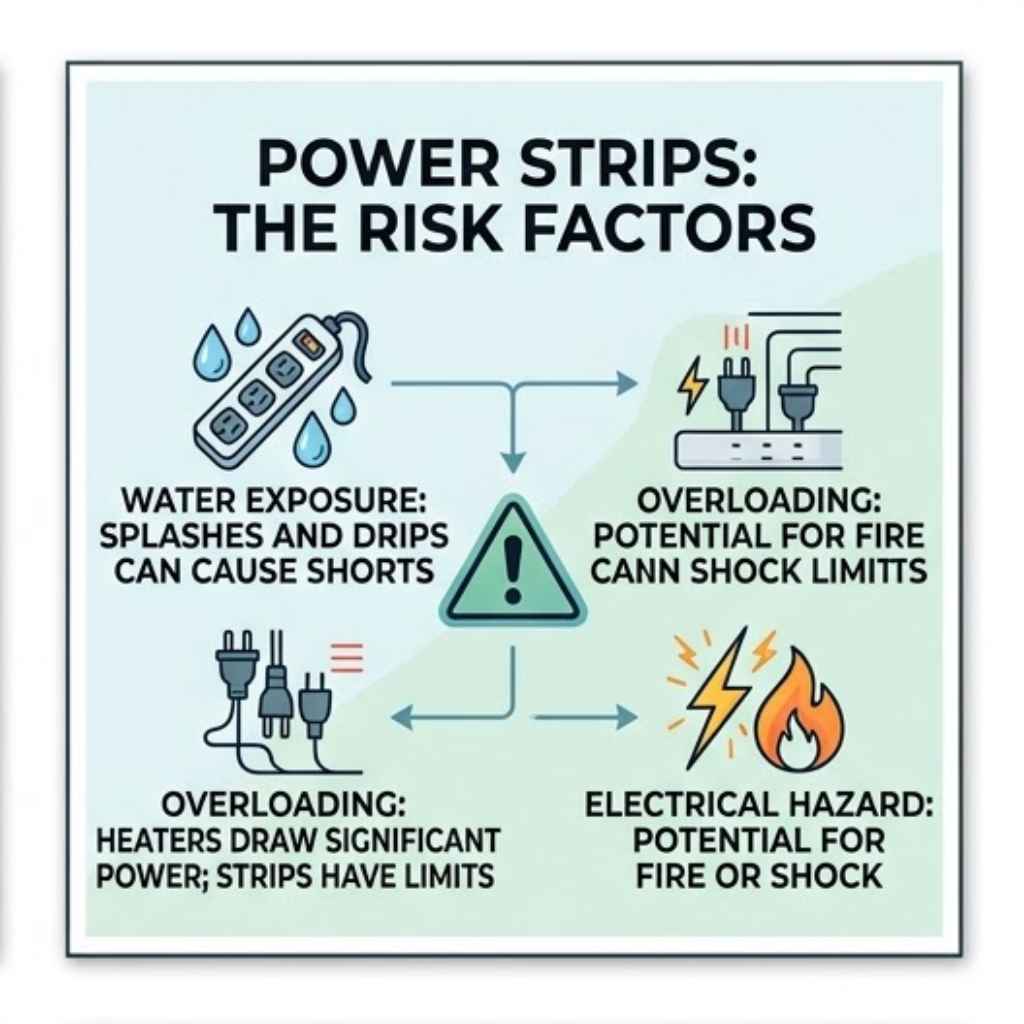
The core issue is about load and reliability. Overloading a power strip can cause it to overheat. This is a fire hazard.
It can also lead to the strip failing. If the strip fails, the heater stops working. This means the tank temperature drops.
For many fish, this is a quick path to distress. Imagine your heater suddenly cutting out. The water cools fast.
Your fish shiver. It’s not a good scenario. So, is this a risk you should take?
The Case Against Power Strips for Heaters
Let’s talk about why plugging your fish tank heater directly into a power strip isn’t the best idea. There are a few main reasons. They all boil down to safety and the well-being of your fish.
This isn’t about scaring you. It’s about giving you the facts so you can make the best choice.
First, consider the electrical load. Fish tank heaters, especially for larger tanks, can pull a lot of power. Wattage varies.
A 100-watt heater is common. A 300-watt heater for a big tank is also standard. When you plug multiple devices into one power strip, you’re combining their power draws.
Many basic power strips are not designed to handle a constant high load from one or two devices like a heater. They might overheat.
Overheating can melt the plastic casing of the power strip. It can damage the internal wiring. In worst-case scenarios, it can start a fire.
This is a serious risk. Many household fires start from faulty electrical equipment. You don’t want your aquarium setup to be the cause.
Water and electricity are a dangerous mix. A compromised power strip near a tank full of water is a double risk.
Second, think about reliability. Power strips are often made with less robust components than wall outlets. They are meant for temporary use or for convenience.
They aren’t typically built for the continuous, heavy-duty power draw of a heating element that runs for hours each day. A power strip might flicker, cause intermittent power, or simply fail without warning. This intermittent power can cause the heater to cycle on and off erratically.
This is bad for temperature stability.
Temperature fluctuations stress fish. They can weaken their immune systems. This makes them more prone to diseases.
Stable water temperature is one of the most critical factors for aquarium health. Anything that jeopardizes that stability is a concern. A power strip failure is a direct threat to that stability.
Third, surge protectors are not always the answer. Many power strips have surge protection. This is good for protecting electronics from power spikes.
However, it doesn’t always solve the problem of overloading. A surge protector will shut off power during a surge. But if the strip is overloaded, it can still overheat before a surge occurs.
Also, some surge protectors might not react fast enough to protect a sensitive heater or the aquarium system.
Finally, water and electricity. This is a no-brainer for anyone with an aquarium. If a heater malfunctions, or if water splashes onto the power strip, disaster can strike.
A power strip with multiple plugs is like a collection of potential failure points. Each socket, each connection, is a place where things could go wrong, especially in a humid environment near water.
What Experts and Experienced Hobbyists Say
If you talk to people who have kept fish for a long time, or to aquarium professionals, you’ll hear a consistent message. They often advise against using standard power strips for essential aquarium equipment like heaters and filters. The consensus leans towards reliability and safety above all else.
Many experienced aquarists will tell you they’ve learned this lesson the hard way. Someone might share a story. They plugged their heater into a strip.
It seemed fine for months. Then, one day, the strip quit. The tank got cold.
They lost fish. Or, worse, they saw smoke coming from the strip. This kind of firsthand experience often shapes advice.
Organizations like the ASPCA or reputable aquarium societies often offer guidelines for setting up a safe aquarium. While they might not specifically say “Don’t use a power strip,” their advice on electrical safety for aquariums is always strict. They emphasize using grounded outlets and avoiding overloading circuits.
This implies that a standard power strip might not meet these standards.
You’ll often see recommendations to plug heaters and filters into their own dedicated outlets or into a specialized aquarium power strip. These are usually more robust. They might have features like individual switches or built-in timers designed for aquarium use.
They are built to handle the continuous load better than a cheap, general-purpose power strip.
The goal is always to create a stable environment. This means ensuring that the equipment that maintains that stability—like the heater—is plugged in safely and reliably. A power strip, with its many connections and potential for overload, often introduces an unnecessary risk factor into this critical setup.
Aquarium Electrical Safety Checklist
Dedicated Outlets: Use outlets specifically for your aquarium gear when possible. This prevents circuit overload.
GFCI Protection: Ensure outlets are GFCI (Ground Fault Circuit Interrupter) protected. This is a vital safety feature near water.
Drip Loops: Always create drip loops in all cords. Water running down a cord can reach the outlet.
Avoid Extension Cords: Limit the use of standard extension cords. They are not designed for continuous aquarium equipment power.
Aquarium-Specific Power Strips: If using a power strip, choose one designed for aquariums. These are often more robust and safer.
Regular Checks: Periodically inspect all cords, plugs, and power strips for any signs of damage or wear.
The Benefits of Dedicated Outlets
When it comes to plugging in your fish tank heater, the safest and most reliable option is often a dedicated electrical outlet. Think of your home’s electrical system. It has circuits that run to different parts of the house.
Each circuit can only handle so much power. Plugging too many high-draw items into one circuit can trip a breaker.
A dedicated outlet means that the heater has its own path to the circuit. It’s not competing with other appliances. This reduces the risk of overloading the circuit.
It also means the power supply to the heater is more consistent. There are fewer points of potential failure.
In many homes, especially older ones, a single circuit might serve a whole room. This room could have a TV, lights, a gaming console, and more. Adding a 200-watt heater to that same circuit, through a power strip, could be pushing it.
A dedicated outlet, perhaps installed specifically for your aquarium, bypasses this issue. It provides a clean, strong power source.
Beyond just not overloading, dedicated outlets offer a higher level of reliability. They are part of the home’s permanent wiring. They are designed for consistent use.
They don’t have the extra connections and potential points of failure that a portable power strip does. This means a more stable power flow to your heater. This stability is gold for maintaining a healthy aquarium environment.
Some people might say, “But my heater is only 50 watts!” Even a smaller heater runs for long periods. It adds up. And if you have other equipment running on the same circuit, even indirectly, it’s still a factor.
So, while a small heater might seem less risky, the principle of dedicated power for critical equipment remains sound. It’s about building in layers of safety and reliability.
What About Aquarium-Specific Power Strips?
Not everyone can easily add a dedicated outlet. This is where aquarium-specific power strips come into play. These are not your average store-bought power strips.
They are designed with aquariums in mind. They often have features that make them a safer choice than a general-purpose strip.
What makes them different? For starters, they are usually built with higher quality components. This means they can better handle the continuous power draw from aquarium equipment.
They might have thicker wiring inside. They might use more durable outlet sockets. This construction helps prevent overheating.
Many aquarium power strips also come with individual on/off switches for each outlet. This is useful. You can turn off lights or other non-essential equipment easily.
But more importantly for safety, they often have built-in circuit breakers or fuses. If the strip becomes overloaded, the breaker will trip, cutting off power safely. This protects the strip and your home from fire hazards.
Another feature you might find is a surge protector. This is good for protecting your equipment from power surges. However, remember that surge protection is different from overload protection.
You still need to be mindful of the total wattage you plug into the strip. Check the maximum wattage rating for the aquarium power strip.
Some aquarium power strips also incorporate timers. These are great for automating lighting schedules. They help create a consistent day/night cycle for your fish and plants.
While this is more about convenience and environment control, it’s part of the specialized design for aquariums. These strips are meant to be a central, safe hub for your aquarium’s electrical needs.
When choosing one, look for reputable brands. Read reviews. Make sure it clearly states it’s designed for aquarium use.
And always, always check the maximum wattage it can handle. Never exceed this limit. Even with a specialized strip, overloading is a danger.
When to Consider an Aquarium Power Strip
Limited Outlets: If you only have one or two wall outlets available for your tank setup.
Multiple Devices: When you have several pieces of equipment (heater, filter, lights, pump, etc.) that need power.
Convenience: If you want central control and easy access to turn equipment on/off.
Built-in Safety: When you want features like surge protection and circuit breakers designed for aquarium equipment.
Space Constraints: Some strips are designed to mount discreetly on the tank stand.
The Role of Drip Loops
Regardless of whether you use a dedicated outlet or an aquarium power strip, one simple yet vital safety measure is creating drip loops. This is something every aquarist should do for every single cord connected to their tank.
What is a drip loop? It’s when you let the electrical cord hang down in a curve below the outlet or power strip before it goes back up to the device. Imagine the cord forming a U-shape.
This loop is crucial. If water ever runs down the cord from a spill or condensation, it will drip off the bottom of the loop.
This prevents water from traveling all the way down the cord and reaching the outlet or power strip. Water and electricity are a deadly combination. A drip loop is a physical barrier against that contact.
It’s a low-tech, high-impact safety feature. It costs nothing but a little bit of slack in the cord.
For a fish tank heater, this is especially important. Heaters can sometimes develop small leaks. Condensation can form on the cord.
Accidental splashes happen. Without a drip loop, water could travel straight into the electrical connection. This could cause a short circuit, damage the heater, or worse, create a shock hazard.
Make it a habit. Whenever you plug something in for your aquarium, take a moment to create that little U-shape with the cord. Make sure the lowest point of the loop is below the electrical connection.
It’s a small effort that can prevent a big problem. It’s a fundamental part of electrical safety around water, and it applies to heaters plugged into any source.
Drip Loop Explained
What it is: A downward loop in an electrical cord.
How it works: Water traveling down the cord drips off the bottom of the loop.
Why it’s important: Prevents water from reaching electrical outlets or power strips.
Where to create it: For all aquarium equipment cords, including heaters, filters, and lights.
Ease of implementation: Requires only a few inches of extra cord length.
Real-World Scenarios and Considerations
Let’s paint a picture of why this matters in a real home. Imagine Sarah. She’s setting up her first aquarium.
It’s a 55-gallon tank. She buys a good heater, a filter, and some lights. She notices she only has one free outlet near the stand.
She grabs a power strip from her office to plug everything in.
It seems like a good solution. The strip has plenty of outlets. She plugs in the heater, filter, and lights.
She’s happy she has power for everything. She creates a drip loop for each cord, which is good. But she doesn’t know the total wattage she’s drawing.
She also doesn’t know the quality of the power strip.
A few weeks later, the heater starts acting up. It’s not keeping the temperature as steady. Sarah notices it.
She checks the heater itself. It seems okay. She wonders if the power strip is the issue.
She decides to research it.
This is where the knowledge about dedicated outlets and aquarium-specific strips becomes important. Sarah’s basic power strip might be struggling with the continuous load of the heater and filter running 24/7. It could be causing the temperature fluctuations.
Or, it might be an indicator of a component wearing out. If the strip fails, the heater stops. The fish get cold.
Consider another scenario. John has a high-end reef tank. He has a powerful heater, return pumps, and wavemakers.
He uses a heavy-duty power strip designed for industrial use. It’s rated for high wattage. He still creates drip loops.
In this case, a robust power strip might be acceptable, but he’s also likely exceeding the capacity of standard household circuits. He’s probably aware of his electrical load and ensuring his home’s wiring can handle it.
The key takeaway from these scenarios is that context matters. What is the wattage of your heater? How large is your tank?
What other equipment is plugged in? What is the quality of the power strip? Are you using a basic, cheap strip or a specialized, robust one?
What is the condition of your home’s wiring and electrical panel?
For the average home aquarium owner, especially beginners, the simplest and safest path is to avoid the ambiguity of a standard power strip for critical equipment like heaters. Opting for a dedicated outlet or a quality aquarium power strip removes a significant potential point of failure and risk.
It’s also worth noting that some modern heaters have built-in safety features. They might have overheat protection or alarms. However, these features rely on the heater receiving consistent power.
If the power source itself is unreliable, even the best heater can be affected. The heater is only as good as the power it receives.
When It’s Okay (With Caveats)
Can you plug a fish tank heater into a power strip? Technically, yes, you can physically plug it in. But the question is: Is it okay?
For most people, the answer leans towards no, or at least, “be very careful and consider the risks.”
There are a few situations where it might be considered, but always with extreme caution and understanding the potential downsides:
1. Very Low Wattage Heater and Light Load: If you have a very small tank, like a betta or shrimp tank, the heater might be only 25 or 50 watts. If this is the only item plugged into the power strip, and the strip itself is a good quality one with surge protection, the risk is lower.
However, even then, the reliability concern remains. A 50-watt heater running continuously is still a significant load for a cheap strip.
2. Temporary Setup: If you are setting up a quarantine tank or a temporary setup for a short period, and a power strip is your only option, you might use one. But you should be actively monitoring the temperature and the power strip for any signs of overheating.
This should not be a long-term solution.
3. Specialized Aquarium Power Strips: As discussed, high-quality power strips specifically designed for aquariums are engineered to handle the loads better. If you are using one of these, ensure you do not exceed its maximum wattage rating.
4. Power Strip with Independent Circuit Breakers: Some higher-end power strips have multiple circuits or individual breakers for each outlet. This offers a layer of protection against overloading a single outlet within the strip.
However, the overall strip still has a total power limit.
Even in these situations, it’s crucial to remember:
- Monitor Constantly: Keep a close eye on the temperature of your tank. Use a reliable thermometer.
- Check the Power Strip: Feel the power strip occasionally. If it feels warm, it’s a warning sign.
- Wattage Calculation: Always know the total wattage of everything plugged into the strip. Add up the wattage of the heater, filter, lights, etc. Compare this to the strip’s maximum rating.
- Fire Safety: Understand that any electrical device near water carries a risk. A power strip adds more points of potential failure.
For most hobbyists, the peace of mind that comes from using a dedicated outlet or a robust aquarium-specific power strip far outweighs the convenience of a standard power strip. It’s an investment in the safety of your home and the health of your fish.
Quick Checks for Power Strip Use
Wattage Limit: Is the total wattage of devices plugged in below the strip’s maximum? (Heater Watts + Filter Watts + Light Watts + etc. <= Strip Max Watts)
Quality: Is it a basic strip or an aquarium-rated one with surge protection and circuit breakers?
Age & Condition: Is the strip old, damaged, or showing signs of wear?
Proximity to Water: How close is it to the tank and potential splashes?
Monitoring: Are you actively checking tank temperature and strip warmth?
What This Means for Your Aquarium
The decision of how to power your fish tank heater has direct consequences for your aquatic pets and your home. When you choose a safer, more reliable setup, you are actively protecting your investment in your aquarium hobby.
For Your Fish: The most critical implication is temperature stability. A failing power source for your heater means temperature swings. These swings can lead to stressed fish.
Stressed fish are prone to disease. They can become lethargic. Their colors might fade.
In severe cases, rapid temperature drops can be fatal. A stable temperature, maintained by reliable equipment, is the foundation of a healthy aquarium.
For Your Home: Electrical faults are a significant cause of house fires. A cheap, overloaded power strip near a water source is an elevated risk. By opting for safer electrical connections, you are reducing the chance of an electrical fire.
This protects your property and your family.
For Your Wallet: While buying a good aquarium power strip or having an electrician install an outlet might seem like an added expense, it can save you money in the long run. Preventing fish loss is priceless. Preventing a fire is even more so.
Replacing a melted power strip or damaged equipment is also an avoidable cost.
For Your Peace of Mind: Knowing that your aquarium’s life support system is plugged in reliably allows you to relax and enjoy your fish. You don’t have to worry every time you walk past the tank. You can trust that the heater is doing its job, day in and day out.
Ultimately, the health and safety of your fish, and the safety of your home, should guide your decisions. Powering critical equipment like heaters should never be an afterthought. It requires careful consideration.
Quick Fixes and Best Practices
So, what’s the best way to power your fish tank heater? Here are the top recommendations:
- Prioritize Dedicated Outlets: If possible, have an electrician install a dedicated GFCI-protected outlet near your aquarium stand. This is the gold standard for safety and reliability.
- Invest in Aquarium-Specific Power Strips: If dedicated outlets aren’t feasible, purchase a high-quality power strip designed specifically for aquariums. Ensure it has surge protection and a built-in circuit breaker.
- Calculate Total Wattage: Always know the wattage of your heater and all other aquarium equipment. Add them up. Never exceed the maximum wattage rating of your power strip or the circuit’s capacity.
- Create Drip Loops: Make this a habit for ALL electrical cords connected to your tank. It’s a simple, vital safety measure.
- Regularly Inspect Equipment: Check your heater, its cord, and your power strip for any signs of damage, fraying, or discoloration. Replace anything that looks suspect.
- Use a Reliable Thermometer: Always have a separate, reliable thermometer to verify the water temperature. Don’t just trust the heater’s dial.
- Avoid Standard Power Strips for Heaters: While you might be able to plug one in, it introduces unnecessary risk. For a critical component like a heater, it’s best to avoid the uncertainty.
These practices ensure that your heater has a stable, safe, and consistent power supply. This is key to a thriving aquarium environment.
Frequently Asked Questions
Is it safe to plug a fish tank heater into any power strip?
It is generally not recommended to plug a fish tank heater into a standard, general-purpose power strip. These strips may not be designed to handle the continuous power draw of a heater and can overheat, posing a fire hazard or failing, which leads to dangerous temperature drops for your fish.
What are the risks of plugging a heater into a power strip?
The main risks include overloading the power strip, leading to overheating and potential fire. There’s also the risk of intermittent power or complete failure of the strip, causing the heater to stop working and the tank temperature to drop critically low for your fish. Water near electrical connections is also a significant hazard.
What is the best way to power a fish tank heater?
The safest and most reliable methods are plugging the heater directly into a dedicated, GFCI-protected wall outlet or using a high-quality power strip specifically designed for aquarium use that has surge protection and a circuit breaker.
What is an aquarium-specific power strip?
An aquarium-specific power strip is built with higher quality components to handle continuous loads from aquarium equipment. It often includes features like surge protection, individual on/off switches, circuit breakers, and sometimes even timers, all designed for the unique demands of an aquarium setup.
How can I calculate if my power strip can handle my heater and other equipment?
To calculate, find the wattage of each device (heater, filter, lights, etc.). Add these wattages together. Compare this total to the maximum wattage rating listed on your power strip.
Ensure your total wattage is well below the strip’s maximum rating (leaving some buffer is wise).
What is a drip loop and why is it important for aquarium heaters?
A drip loop is a downward curve in an electrical cord that prevents water from running down the cord to the outlet or power strip. It’s vital for aquarium heaters because it stops water from reaching electrical connections, preventing short circuits, equipment damage, and electrical shock hazards.
When might it be acceptable to use a power strip for a heater?
It might be acceptable only for very low-wattage heaters (e.g., 25-50 watts) in small tanks, with the strip being the only device plugged in, provided it’s a good quality strip. Temporary setups also might require it, but constant monitoring is essential. Aquarium-specific power strips are a much better option than standard ones.
Conclusion
Keeping your fish healthy and your home safe involves making smart choices about how you power your aquarium. While a power strip might seem like a simple solution for plugging in your fish tank heater, the risks often outweigh the convenience. Opting for dedicated outlets or specialized aquarium power strips provides the reliability and safety needed for this crucial piece of equipment.
Protect your finned friends and your home by powering your heater the right way.
Sponsored / affiliate links. As an Amazon Associate I earn from qualifying purchases. I may earn additional commission from eligible campaigns.