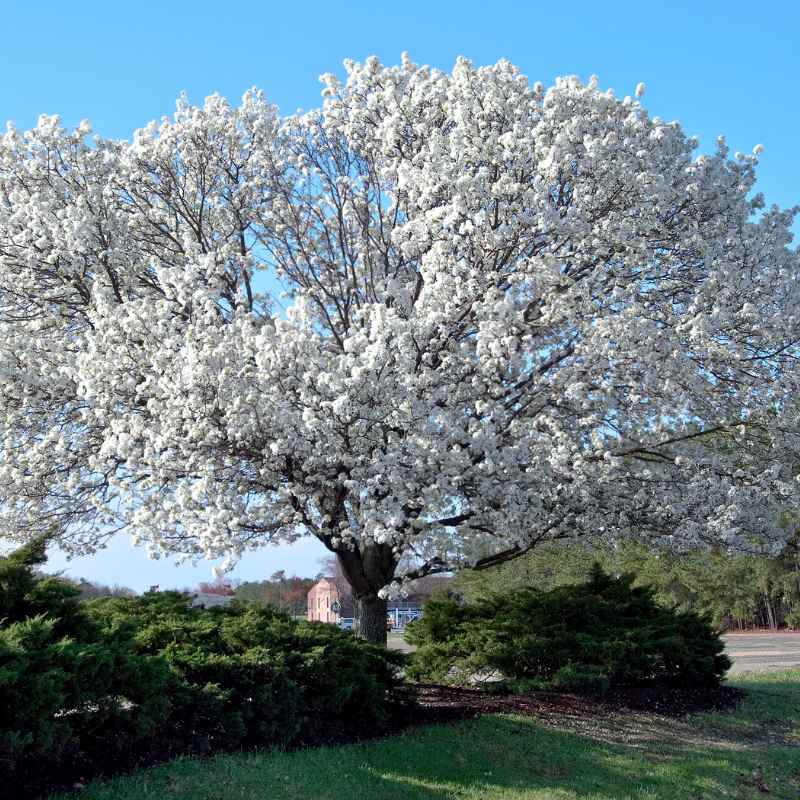
When Is The Best Time To Trim A Dogwood Tree? Find Out
It can feel like a puzzle, trying to figure out the perfect moment to tend to your dogwood tree. You want it to look its best and stay healthy. Getting the timing wrong can sometimes mean fewer flowers or even stress for the tree.
But don’t worry, we can sort this out together.
The best time to trim a dogwood tree is usually in the late spring after it finishes flowering, or in the dormant season during winter. Early spring or mid-summer trimming should be avoided to prevent disease and stress.
Understanding Dogwood Pruning Needs
Dogwood trees are beautiful. They bring lovely flowers in spring. They also have nice color in fall.
To keep them looking good, you might need to trim them. This helps them grow strong. It also makes sure they produce lots of flowers.
Pruning is like giving the tree a haircut. It removes dead or weak branches. It also helps shape the tree.
It can make the tree healthier overall. But the timing is super important. Doing it at the wrong time can cause problems.
Think about a dogwood tree’s life cycle. It has seasons. Flowers bloom in spring.
Then leaves grow. In fall, leaves change color. Winter is a quiet time.
Each part of the year affects the tree differently. This is why knowing when to trim matters so much.
The main goal is to help the tree. We want to help it thrive. This means removing what it doesn’t need.
This also means not stressing it out. Trimming at the right time supports its natural growth. It helps it heal well.
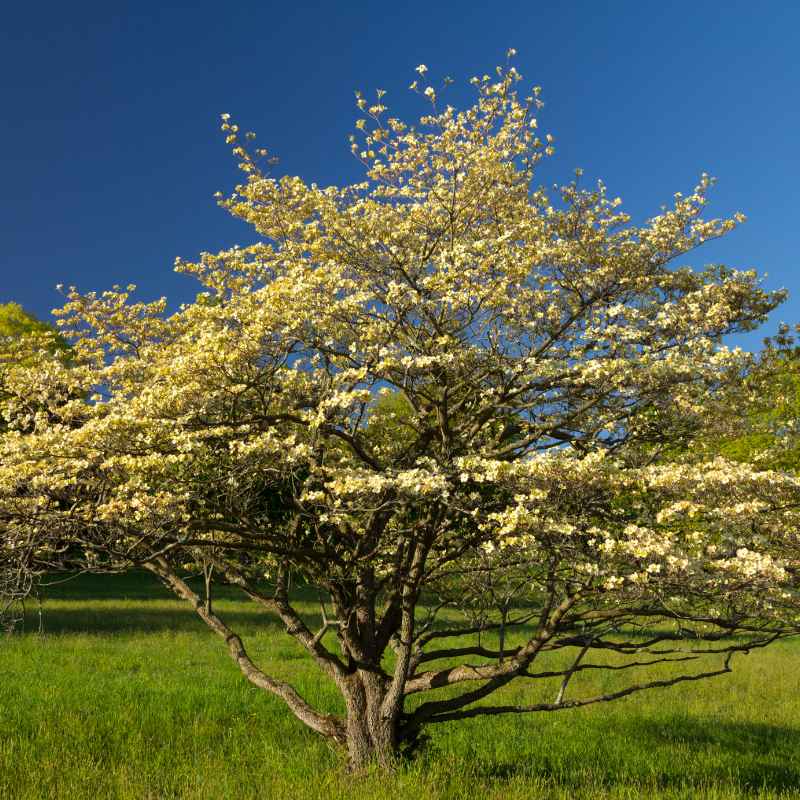
When is the Best Time to Trim a Dogwood Tree?
Let’s talk about the best times. Most experts agree on two main windows for dogwood pruning. These times work best for the tree’s health and its flowering cycle.
Late Spring Pruning
One of the best times is right after the dogwood tree has finished blooming. This is usually in late spring. The flowers are fading.
The tree is not putting all its energy into new buds. This is a good time to trim.
Why is this good? The tree has already shown its spring beauty. You can see what branches were strong enough to flower.
You can also see if any branches were damaged during winter. You can remove any dead twigs or crossing branches.
This timing also lets the tree heal before the hot summer arrives. It has time to recover. It can get ready for leaf growth.
It’s a gentle way to tidy things up after the showy bloom is over.
Winter Dormant Pruning
Another excellent time to prune is during the tree’s dormant season. This is usually in the winter. Think of a time when there are no leaves.
The tree is resting. This is often from late fall to early spring. But avoid the very early spring when buds might start to swell.
In winter, the tree’s sap is not flowing heavily. This means less stress on the tree. It also means less risk of spreading diseases.
Many tree diseases are active when the weather is warmer. Winter pruning helps avoid these.
When the tree is bare, it’s easier to see its structure. You can see the main branches. You can spot weak or poorly placed limbs clearly.
This helps you make better decisions about what to cut.
Winter pruning also encourages strong growth in the spring. The tree focuses its energy on new shoots. It does this after the pruning.
It’s like giving the tree a fresh start for the new growing season.
Times to AVOID Trimming Dogwood Trees
Just as important as knowing when to trim is knowing when NOT to trim. Certain times of the year can really harm your dogwood tree.
Avoid Early Spring Pruning
You might think early spring is good. The tree is waking up. But this is a risky time.
The tree is starting to push out sap. It is also forming its flower buds for the next year. These buds are precious.
Cutting branches in early spring can remove these flower buds. This means fewer flowers next year. It also stresses the tree.
It’s like waking someone up before they are ready. The tree needs this time to recover from winter and prepare for spring.
Also, many pests and diseases are becoming active in early spring. Cutting wounds can make the tree more vulnerable. This can lead to infections or insect problems.
Avoid Mid-Summer Pruning
Mid-summer is another time to skip pruning. The tree is busy growing leaves. It is storing energy from the sun.
It is working hard to stay healthy in the heat.
Cutting branches in hot weather can shock the tree. The large leaf surfaces are important for the tree. They help it make food.
Removing them suddenly can be damaging. It can cause the tree to lose too much water.
The wounds from summer pruning may also not heal as quickly. This can invite pests and diseases. It is best to let the tree focus on its summer growth without added stress.
Why These Times Matter: Understanding Tree Physiology
To really get why timing is key, we need to think about how trees work. Trees have their own rhythms. They are living things with cycles.
Sap Flow: In early spring, sap starts to rise. It moves sugars and nutrients up to the branches. Pruning at this time can cause a lot of sap to bleed from the cuts.
This weakens the tree. It also makes it harder for the wounds to close.
Energy Storage: Trees store energy in their roots and trunk. This energy is used for growth and flowering. Pruning too late in the season can remove branches that are vital for this energy storage.
This can leave the tree depleted for the next year.
Disease and Pest Cycles: Many problems like fungi and insects have specific times of year when they are most active. Pruning wounds are open invitations. If you prune when these are active, you increase the risk of infection.
Winter pruning helps avoid these active cycles.
Flower Bud Formation: Dogwood trees form their flower buds in the summer. These buds overwinter. They open in spring.
If you trim in late summer or fall, you might cut off these flower buds. This means no flowers next spring.
Understanding these basic ideas helps you make smart choices. It’s about working with the tree, not against it.
Dogwood Pruning: Quick Guide
Best Time:
- Late Spring (after flowering)
- Winter (dormant season)
Avoid:
- Early Spring (budding, sap flow)
- Mid-Summer (heavy growth, heat stress)
- Late Summer/Fall (flower bud formation)
Signs Your Dogwood Needs Pruning
Sometimes a tree tells you it needs help. You just have to look for the signs. Don’t just prune because it’s a certain month.
Look at the tree itself.
Dead or Damaged Branches
This is the most obvious sign. You will see branches that are clearly dead. They might be brown and brittle.
They might have no leaves. You might also see branches broken by wind or snow. These need to be removed right away, no matter the season.
But try to do major shaping at the best times.
Crossing or Rubbing Branches
Look at the branches. Do any rub against each other? This can create wounds.
It can also spread disease. These branches should be trimmed. Choose the weaker or poorly placed one to remove.
This helps the tree grow in a better direction.
Diseased or Infested Areas
If you see any signs of disease, like spots on leaves or bark. Or if you see insects attacking the tree. You may need to prune.
Remove the affected parts. This helps stop the spread. You might need to do this carefully outside the main pruning windows.
But again, try to get the bulk of your pruning done at the right times.
Crowded Growth
Sometimes branches grow too close together. This can block sunlight and air flow. It can make the inside of the tree damp.
This can lead to disease. Thinning out some of these branches helps. It lets light and air reach more parts of the tree.
Improving Tree Shape
You might want to trim to make the tree look better. This is more about aesthetics. You might want to remove branches that grow inward.
Or ones that make the tree look unbalanced. This type of pruning is best done when the tree is not under stress.
What to Look For Before You Trim
Normal Signs:
- Dead twigs
- Branches growing inward
- Branches rubbing
Urgent Signs:
- Broken branches
- Signs of disease
- Insect infestation
How to Trim a Dogwood Tree: The Basics
Once you know when to trim, you need to know how. Using the right tools and techniques is important. This ensures clean cuts and fast healing.
Tools You’ll Need
For dogwood trees, you don’t need huge equipment. Most trimming can be done with hand tools.
- Hand Pruners (Secateurs): These are for small branches, up to about 1/2 inch thick. Bypass pruners make a clean cut.
- Loppers: These have longer handles. They give you more leverage. Use them for branches up to 1.5 inches thick.
- Pruning Saw: For branches thicker than 1.5 inches. There are different types, like bow saws or folding saws.
Make sure your tools are sharp. Sharp tools make clean cuts. This helps the tree heal faster.
Dull tools can tear the wood. This makes the tree more open to disease.
Making the Cut
The way you cut is important. You want to make a cut that the tree can seal easily.
For small branches: Cut just outside the branch collar. The branch collar is the slightly swollen area where the branch joins the trunk or a larger limb. Do not cut flush against the trunk.
Do not leave a long stub.
For larger branches: Use the three-cut method. This prevents the branch from tearing the bark down the trunk.
- Undercut: About 12 inches out from the trunk, cut about one-third of the way up the branch.
- Top Cut: A few inches further out than the undercut, cut all the way through the branch. The branch will fall.
- Final Cut: Now remove the remaining stub. Cut just outside the branch collar.
Important Note: Avoid using wound sealants or paints. For most trees, these are not necessary. They can actually trap moisture and make disease problems worse.
The tree is designed to heal its own wounds.
Pruning Technique: Three Simple Steps
1. Identify the Cut: Find the branch collar at the base of the branch.
2. Make the Cut: Use sharp tools. Cut at a slight angle away from the trunk.
3. Clean Up: Remove any torn bark. Do not leave stubs or cut too close.
Common Mistakes to Avoid
Even with the best intentions, people can make mistakes when pruning. Knowing these common errors can help you avoid them.
Over-Pruning
This is a big one. Taking off too much of the tree at once is stressful. A general rule is to remove no more than 25% of the live canopy in a year.
For dogwoods, aim for even less if you can. Too much pruning can weaken the tree.
Topping the Tree
Topping is cutting off the main leader branches to a stub. This looks very unnatural. It creates weak, fast-growing sprouts.
It damages the tree’s structure. It also makes the tree more prone to disease. Always prune back to a lateral branch or the branch collar.
Using the Wrong Tools
As mentioned, dull or dirty tools are bad. They make messy cuts. They can spread diseases.
Invest in good quality tools and keep them clean and sharp. Clean them with rubbing alcohol between trees if you suspect disease.
Pruning at the Wrong Time
We’ve covered this extensively. But it’s worth repeating. Pruning in early spring or mid-summer can cause significant harm.
Stick to the late spring or winter windows.
Not Understanding the Tree’s Needs
Every tree is different. Observe your tree. Does it grow quickly?
Is it in a windy spot? Is it in full sun or shade? These factors influence how it responds to pruning.
A healthy, vigorous tree can handle more than a stressed one.
Pruning Pitfalls to Watch For
Don’t:
- Cut more than 25% of the tree’s branches at once.
- Cut the top of the tree off (topping).
- Use dull or dirty tools.
- Prune during peak growing or flowering seasons.
Real-World Scenarios: When I Learned the Hard Way
I remember one spring, my beloved dogwood was looking a bit sad. Some branches seemed weak. I thought, “I’ll just give it a quick trim now to tidy it up before it gets too hot.” It was late March.
The buds were just starting to swell. I didn’t think much of it.
I used my sharpest hand pruners. I snipped off a few small, spindly branches. I felt like I was helping.
The tree looked a little neater. But as spring progressed, I noticed something was off. The flowers weren’t as abundant as usual.
Some branches that I didn’t trim seemed to bloom more. Others seemed bare.
Then came summer. The leaves on some of the pruned branches seemed smaller. The tree just didn’t have that full, vibrant look it usually did.
I started reading more. I learned that early spring pruning, right when sap is rising and buds are forming, is a big no-no. I had removed potential flower buds.
I had also stressed the tree at a critical time. That year, my dogwood looked okay, but it wasn’t its best. It was a good lesson for me.
Now, I wait. I patiently wait until after it blooms in late spring, or I tackle any major work in the quiet of winter. It’s always worth the wait.
The Role of Climate on Pruning Time
Where you live matters. U.S. climates vary a lot.
This can shift the exact timing of spring and winter.
Warmer Climates
In warmer regions, spring might arrive earlier. Your dogwood might start budding sooner. This means you need to adjust your late spring pruning.
Aim for right after flowering. Don’t wait too long. Winter pruning might also be shorter.
The dormant period might end sooner.
Colder Climates
In colder areas, spring comes later. Your dogwood might stay dormant longer. Winter pruning can extend further into early spring.
But be careful. As soon as you see any signs of swelling buds, it’s time to stop. Late spring pruning might happen a bit later in the season.
Always observe your local weather. Watch for the tree’s signals. The general guidelines are good, but local conditions are king.
A mild winter might mean you can prune a bit longer into February. A sudden warm spell in March means you might need to halt pruning.
Climate Considerations
Early Spring Start: In warmer areas, spring starts earlier. Prune right after flowers fade.
Late Spring End: In colder areas, spring is later. You can prune longer into winter.
Observe Your Tree: Always check your tree for budding. Stop pruning as buds swell.
What This Means for Your Dogwood’s Health and Blooms
Getting the pruning timing right has direct benefits for your dogwood tree.
Better Flowering
The most noticeable effect is on the flowers. By pruning after flowering in late spring, you avoid removing the flower buds for the next year. Winter pruning also protects these buds.
This leads to a more spectacular display of dogwood blooms.
Stronger Growth
When you prune at the right time, the tree uses less energy. It can focus that energy on healthy new growth. This means stronger branches and a more robust tree structure.
It also helps the tree recover faster from any necessary cuts.
Reduced Risk of Disease
Dogwoods can be susceptible to certain diseases. Pruning during their dormant period or just after flowering minimizes the risk of infection. This is because the tree is less stressed.
Also, disease pathogens are less active in cooler, drier weather.
Longevity and Vigor
Consistent, proper pruning contributes to the tree’s overall health and lifespan. A well-maintained dogwood will live longer. It will also be more resistant to environmental stresses like drought or pests.
When to Call a Professional
While most dogwood pruning is a DIY job, there are times you should seek expert help.
Large Trees
If your dogwood tree is very large, reaching high into the canopy can be dangerous. Professional arborists have the equipment and training to safely prune tall trees.
Significant Disease or Damage
If the tree has extensive disease or major storm damage, an arborist can assess the situation. They can provide the best course of action. They might be able to save a tree that looks like a lost cause.
Uncertainty
If you’re just not sure about pruning, or you’ve made a mistake in the past. It’s always better to ask a pro. They can often give you advice or even do the job for you.
Look for certified arborists. They have the knowledge to care for your trees properly. They understand tree biology and safety.
You can often find them through local tree care companies or university extension offices.
Quick Fixes & Tips for Dogwood Pruning
Here are some easy tips to keep in mind:
- Cleanliness is Key: Always clean your pruning tools between cuts if disease is suspected.
- Follow the Collar: Always cut just outside the branch collar. Never cut flush to the trunk.
- Shape Naturally: Aim for a natural, vase-like shape for most dogwoods.
- Remove Suckers: Cut off any shoots growing from the base of the tree (suckers).
- Water Well: After pruning, especially if it’s dry, water your tree well.
- Mulch: Apply a layer of mulch around the base of the tree. Keep it a few inches away from the trunk.
Frequently Asked Questions About Dogwood Trimming
Can I prune my dogwood tree in the fall?
It’s best to avoid pruning in the fall. Dogwoods form their flower buds for the next spring in late summer and early fall. Pruning at this time can remove these buds, leading to fewer flowers.
Fall pruning also doesn’t give the tree enough time to heal before winter.
Should I use pruning paint on my dogwood cuts?
Generally, no. Most experts agree that pruning paints and sealants are not necessary for dogwood trees. The tree has its own natural defenses to heal wounds.
Sealants can sometimes trap moisture and encourage disease. Make clean cuts, and let the tree do the rest.
My dogwood has yellow leaves. When should I prune it?
Yellow leaves can indicate a few things, like overwatering, underwatering, or nutrient deficiency, not necessarily a need for pruning. Before pruning, try to figure out why the leaves are yellow. If the yellowing is due to a disease that affects certain branches, you might need to prune those specific branches.
However, do this during the best pruning times (late spring or winter) if possible, unless the disease is spreading rapidly.
How much should I prune off my dogwood tree each year?
It’s important not to over-prune. A good rule of thumb is to remove no more than 25% of the live canopy in any given year. For dogwoods, it’s often better to remove less.
Focus on removing dead, damaged, or crossing branches. Aim for light shaping rather than heavy reduction.
What is a branch collar, and why is it important?
The branch collar is the slightly swollen area where a branch attaches to the trunk or a larger limb. It contains specialized tissue that helps the tree seal the wound. When pruning, it’s crucial to cut just outside the branch collar.
Cutting too close or leaving a long stub hinders the tree’s ability to heal properly.
Are there any specific dogwood varieties that need different pruning times?
While the general timing for dogwood pruning remains consistent across most common varieties (like Flowering Dogwood, Cornus florida, or Kousa Dogwood, Cornus kousa), there might be slight variations based on their growth habits. However, the principles of avoiding stress during peak growth and bloom periods, and protecting flower buds, apply universally. Always consult specific care guides for your particular variety if you have concerns.
Conclusion: A Healthy Dogwood Awaits
Figuring out the best time to trim your dogwood tree isn’t complicated. It’s about working with nature. Late spring after flowering or winter dormancy are your golden windows.
Avoid the times when the tree is busy budding or growing fast.
By pruning at the right time and using good technique, you help your dogwood tree thrive. You ensure it stays healthy. You get to enjoy its beautiful blooms year after year.
Happy pruning!
Sponsored / affiliate links. As an Amazon Associate I earn from qualifying purchases. I may earn additional commission from eligible campaigns.