Where To Buy Hardwood Chips For A Chicken Run Near You
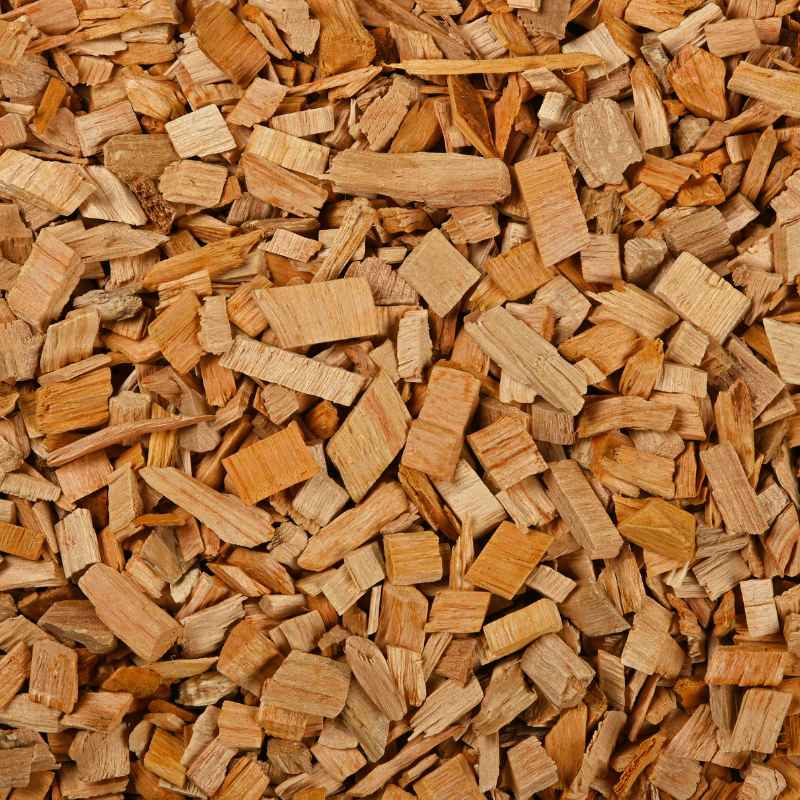
You can buy hardwood chips for a chicken run from garden centers, lumber yards, mulch suppliers, and sometimes directly from tree service companies. Look for untreated, kiln-dried chips like oak or maple. Avoid pine or cedar due to their oils.
Understanding Hardwood Chips for Your Chicken Run
So, why all the fuss about hardwood chips for a chicken run? It’s simple. Chickens spend a lot of time on the ground, whether they’re scratching for bugs, dust bathing, or just roosting.
The bedding you choose directly impacts their health and happiness. Hardwood chips offer a few key benefits that make them a popular choice for many backyard chicken farmers.
First, they are great for absorption. Chicken droppings can be wet. Hardwood chips soak up that moisture well.
This helps keep the coop dry. A dry coop means less smell and fewer problems with mold or ammonia build-up. Ammonia fumes can really irritate a chicken’s lungs.
So, good absorption is super important for their respiratory health.
Second, they provide a nice, soft surface. Chickens have delicate feet. Walking on hard, bare ground isn’t ideal.
Hardwood chips give them a cushion. This can help prevent foot problems. It also makes their living space more comfortable.
They can scratch and peck around naturally without feeling like they’re on a hard surface.
Third, they are quite durable. Unlike straw or pine shavings, hardwood chips don’t break down as quickly. This means you won’t have to change out the bedding quite as often.
This can save you time and money. It also means less waste, which is good for the environment.
However, not all wood chips are created equal. It’s really important to pick the right kind. You want to avoid woods that are toxic to chickens or that might cause respiratory issues.
For example, cedar and pine have strong scents and oils. These can be harmful to birds. Oak, maple, and beech are generally considered safer choices.
Also, ensure the chips are untreated. Many wood chips you find at garden stores might have chemicals or dyes. These are for decoration, not for animal bedding.
You need something natural and safe. The goal is to create a healthy, comfortable environment for your flock, not introduce potential hazards.
My Own Chip Discovery: A Tale of Two Coops
I remember when I first started with chickens. I had about six hens. My coop was a simple wooden box.
I used pine shavings. They worked okay, but I found myself cleaning it out every other week. The smell was the worst part.
Even with ventilation, it got pretty strong. My chickens seemed okay, but I knew there had to be a better way.
I started reading up on chicken coop bedding. That’s when I heard about hardwood chips. People said they were drier, smelled better, and lasted longer.
My curiosity was piqued. The nearest garden center had bags of mulch. I grabbed a bag that said “Hardwood Mulch.” It looked good, a nice mix of browns and tans.
I spread it in the coop. It was a bit dusty, but it looked nice.
The first few days were great. It did seem to absorb moisture better. The smell wasn’t as bad.
But then I noticed one of my hens, Henrietta, was sneezing a lot. She seemed a bit listless. I started to worry.
Was it the new bedding? I looked at the bag again. It didn’t say what type of hardwood it was.
It just said “hardwood.”
A neighbor, who’s been raising chickens for years, saw me looking concerned. I told her about Henrietta and the new bedding. She took one look at the bag and chuckled.
“That’s probably not the best stuff for chickens,” she said. She explained that some hardwoods, especially if they aren’t processed correctly or are mixed with other types, can still cause problems. She told me about kiln-dried chips.
She also pointed me to a local landscape supply yard. They sold bulk hardwood chips. They were specifically for animal bedding.
They were kiln-dried and made from oak and maple. I bought a small load. It was much less dusty.
It looked cleaner too. I
That experience taught me a lot. It’s not enough to just buy “hardwood chips.” You need to know what kind and how they’re processed. That’s why I’m so passionate about sharing this info.
You want safe, healthy bedding for your birds. It makes all the difference in their well-being and your cleaning chores.
Types of Hardwood Chips and What to Look For
Not all hardwood chips are created equal when it comes to chicken coops. Some types are much better than others. Knowing the difference can save you a lot of headaches and keep your flock healthy.
Let’s break down what makes a good hardwood chip for your chicken run.
Safe Hardwood Options
When choosing hardwood chips, focus on species that are known to be safe for poultry. These typically have lower levels of oils and are less likely to splinter or break down into fine dust.
- Oak Chips: Oak is a very popular choice. It’s hard, durable, and absorbs moisture well. Oak chips tend to stay drier for longer. They also break down slowly, meaning less frequent changes.
- Maple Chips: Maple is another excellent option. It’s similar to oak in terms of absorption and durability. Maple chips offer a good balance of comfort and practicality.
- Beech Chips: Beech wood is also a good choice. It’s a dense hardwood that holds up well. It provides a comfortable bedding material for chickens.
These hardwoods are generally considered safe because they don’t contain the same problematic aromatic oils found in softwoods like pine or cedar. They also tend to be less dusty than finer shavings when properly processed.
Wood Chips to Avoid
There are certain types of wood you should definitely steer clear of for chicken bedding. These can pose health risks to your birds.
- Pine and Cedar: These are softwoods. They contain phenols and aromatic oils. These oils can irritate a chicken’s respiratory system. They can cause breathing problems and even liver damage over time. Cedar is especially known for its strong smell, which comes from these oils.
- Walnut: Walnut wood and hulls can be toxic to poultry. They can cause serious health issues if ingested. It’s best to avoid any bedding that might contain walnut.
- Treated or Painted Wood: Any wood that has been treated with chemicals, preservatives, or painted is a big no-no. These chemicals can leach out and poison your chickens.
Always check the source of your wood chips. If you’re not sure what kind of wood it is, or if it has been treated, it’s best to look elsewhere.
Processing Matters: Kiln-Dried is Best
How the wood chips are processed is just as important as the type of wood. For chicken bedding, kiln-dried chips are highly recommended.
Kiln-Dried vs. Air-Dried Chips
Kiln-Dried: Wood is heated in a large oven. This kills off bacteria, mold spores, and insect eggs. It also reduces moisture content significantly.
This makes the chips drier, less dusty, and safer.
Air-Dried: Wood is left outside to dry. This takes longer and doesn’t always kill everything. It can leave more moisture in the chips, making them more prone to mold.
It might also contain more dust or small debris.
Kiln-drying results in a cleaner, drier product. It’s less likely to harbor harmful pathogens or attract pests. It also typically means fewer fine dust particles, which is better for your chickens’ lungs and your own.
Chip Size and Consistency
You want chips that are a good size for scratching. Too small and they can become dusty mud. Too large and they might be uncomfortable.
Ideal Chip Size
Size: Generally, chips that are about 1/2 inch to 1 inch in size are ideal. They should be large enough to allow airflow and absorb moisture without clumping.
Consistency: Look for chips that are relatively uniform in size. A mix of very small particles and very large chunks isn’t as good. Uniformity means better drainage and less chance of creating dusty patches.
Some suppliers offer different sizes of wood chips. If you can, opt for a medium-sized chip. This offers the best balance for your chicken run.
Where to Find Hardwood Chips for Your Chicken Run
Now that you know what to look for, where can you actually buy these ideal hardwood chips? It might take a little searching, but there are several common places to check. The key is to ask questions and verify the type and processing of the chips.
Garden Centers and Nurseries
Many local garden centers sell bagged mulch. Some of these will be hardwood mulch. Look for bags that specifically state “hardwood” and ideally mention if they are kiln-dried or suitable for animal bedding.
Tips for Buying at Garden Centers
Check the Label: Always read the ingredients or product description. If it’s dyed, skip it.
Ask Staff: Don’t hesitate to ask the staff about the type of hardwood and how it’s processed. They might not know everything, but they can often check.
Bag Size: Bags can be expensive if you need a lot. This option is usually best for smaller coops or for topping up.
The variety at garden centers can be hit or miss. You might find great options, or you might find mostly decorative mulches. It’s worth a look, but be prepared to keep searching.
Lumber Yards and Sawmills
These places process wood for construction and other purposes. They often have by-products like wood chips. Some might even produce their own kiln-dried chips.
Lumber Yard Advantages
Bulk Options: Lumber yards often sell chips in bulk, which can be more cost-effective for larger chicken runs.
Less Processing for Decoration: They are less likely to dye or add chemicals for purely aesthetic reasons.
Direct Source: You might be able to get information directly from the source about the wood type and drying process.
You’ll need to call ahead and ask if they have hardwood chips suitable for animal bedding. Make sure they aren’t treated for outdoor furniture or other non-animal uses.
Landscape Supply Companies and Mulch Suppliers
These businesses specialize in landscaping materials, including large volumes of mulch and wood chips. They are often a great source for bulk purchases.
Working with Mulch Suppliers
Ask About Kiln-Drying: This is your most important question. If they don’t kiln-dry, ask how they process their chips and if they are safe for animals.
Wood Types: Inquire about the specific hardwoods they use. Oak, maple, and beech are good signs.
Delivery: Many will deliver bulk loads directly to your home, which is a huge convenience.
These suppliers are often more knowledgeable about wood products for practical uses, so they are a prime place to check. They understand that different uses require different qualities of material.
Tree Service Companies and Arborists
When trees are trimmed or removed, the branches and logs are often chipped up. Some tree service companies will sell these chips, or even give them away for free to recoup disposal costs.
Tree Service Chip Considerations
Variety of Wood: You might get a mix of different wood types, so it’s crucial to identify them. Ask if they know what types of trees they’ve chipped.
Untreated: Confirm that the wood has not been treated with any chemicals for disease or pest control.
Free or Low Cost: This can be the most budget-friendly option, but requires careful vetting.
It’s essential to be selective if you go this route. You want to be sure you’re getting safe hardwoods and not a mix that includes anything toxic or treated.
Online Retailers
You can find bagged hardwood chips from various online retailers. These often ship directly to your door. Be sure to read reviews and product descriptions very carefully.
Online Shopping Tips
Detailed Descriptions: Look for sellers who clearly state the wood type, processing (e.g., kiln-dried), and intended use.
Customer Reviews: Pay attention to reviews from other animal owners if possible.
Shipping Costs: Factor in shipping, as wood chips can be heavy and expensive to transport.
While convenient, online purchases require you to trust the seller’s description. It’s always a bit of a gamble compared to seeing the product in person.
Making the Switch: Best Practices for Adding Hardwood Chips
Once you’ve found your ideal hardwood chips, you’ll want to introduce them to your chicken run smoothly. If you’re making a full switch from another bedding type, there are a few things to consider. A gradual introduction can help your chickens adjust, and proper placement ensures the best results.
If your current bedding is very different, like sand or straw, you might want to mix the new hardwood chips in slowly at first. Put a layer of the new chips on top of the old bedding. Let the chickens get used to the feel and smell.
This can help reduce any initial stress.
If you’re just adding more bedding, you can simply spread a fresh layer over the existing chips. Aim for a depth of about 2-4 inches. This gives them enough material to scratch and dust bathe in.
It also provides good absorption.
Cleaning and Preparing the Run
Before you add any new bedding, it’s a good idea to do a thorough cleaning. Remove all the old bedding. Scrape down the coop floor to get rid of any stuck-on droppings.
You can even give it a quick wash with a mild, chicken-safe cleaner or just water.
Let the coop dry completely before adding the new chips. This helps prevent any trapped moisture from causing mold. A dry base is crucial for keeping the new bedding dry and effective.
How to Lay Down the Chips
When you add the hardwood chips, spread them evenly across the entire coop floor. Make sure to cover all the areas where your chickens spend time. Pay attention to corners and nesting boxes.
Layering for Success
Even Distribution: Aim for a consistent depth of 2-4 inches. This ensures good coverage and absorption.
Avoid Deep Piles: Don’t create huge mounds of chips. Keep it relatively even so chickens can move around easily.
Nesting Boxes: If you use chips in nesting boxes, you might add a slightly thinner layer or mix with a softer material if your hens prefer it.
Some people like to add a thin layer of absorbent material, like plain straw, on top of the hardwood chips in nesting boxes. This can make them softer for egg-laying. However, many chickens are perfectly happy with just the chips.
Adding a Dust Bath Area
Chickens love to dust bathe. It’s important for their feather health and parasite control. Hardwood chips can be a good base for a dust bath.
You can dedicate a corner of the run or a specific container for dust bathing.
Creating a Dust Bath
Base: A layer of hardwood chips can work as a base for your dust bath.
Mix-ins: Many people add dried herbs like lavender or rosemary, food-grade diatomaceous earth (use sparingly), or a bit of sand to the dust bath mix.
Location: Place the dust bath in a dry, sunny spot in the run. This encourages its use.
The key is to keep the dust bath dry. If it gets wet, it will turn into mud and won’t be used. Hardwood chips help with drainage, which is a big plus.
Maintaining Your Hardwood Chip Bedding
Hardwood chips are known for being durable, but they still require some maintenance. Regular spot cleaning and occasional full changes will keep the coop healthy and pleasant. It’s all about balancing the pros and cons of any bedding material.
The biggest benefit of hardwood chips is that they don’t need to be changed out as frequently as pine shavings or straw. This saves a lot of labor. However, you still need to keep an eye on things.
Spot Cleaning
Daily or every-other-day spot cleaning is essential for any chicken coop. This involves removing the wettest droppings and any soiled bedding.
Daily Coop Sweep
Scoop it out: Use a rake or small shovel to scoop out obvious piles of poop.
Check for Wet Spots: Look for any areas that have become saturated. Remove these as well.
Stir the Top Layer: A quick stir can help air things out and keep the surface drier.
This simple daily task makes a huge difference in controlling odors and maintaining a healthy environment. It also extends the life of your bedding.
Topping Up the Bedding
Over time, as you remove soiled chips, the overall depth will decrease. You’ll need to add more fresh hardwood chips to maintain the ideal 2-4 inch layer.
The frequency of topping up depends on the number of chickens you have and their coop habits. For a standard flock, you might need to add a bit of fresh bedding once a week or every couple of weeks.
Full Coop Cleaning and Replacement
Even with regular spot cleaning and topping up, eventually, you’ll need to do a full clean-out. This is when you remove all the old bedding and
When to Do a Full Clean-Out
Frequency: For hardwood chips, a full clean-out might be needed every 2-4 months. This can vary greatly.
Signs it’s Time: If you notice persistent strong odors, excessive dampness that spot cleaning doesn’t fix, or if mold starts to appear, it’s time for a change.
Composting: Old chicken bedding is excellent for composting! Just make sure to let it break down fully before using it in your garden.
When you do a full clean-out, you can take the old bedding and add it to your compost pile. It’s rich in nitrogen and will break down into valuable soil amendment. Just remember to let it compost thoroughly to kill any potential pathogens.
Real-World Scenarios: When Hardwood Chips Shine (and When to Be Cautious)
Hardwood chips are fantastic in many situations, but like any bedding, they have their ideal use cases. Understanding these scenarios helps you make the best choice for your specific flock and environment. It’s about fitting the material to the need.
Ideal for Outdoor Runs and Coops
Hardwood chips excel in both indoor coops and outdoor runs. Their durability and absorbency make them perfect for high-traffic areas.
Outdoor Run Benefits
Drainage: In an outdoor run, especially if it’s prone to getting wet, hardwood chips provide better drainage than fine shavings.
Durability: They stand up well to the elements and constant scratching.
Natural Look: They blend well with a natural outdoor environment.
For dusty climates, they can help keep dust down compared to some other materials. For wet climates, their drainage is a lifesaver.
Considerations for Deep Litter Method
The deep litter method involves building up layers of bedding over time. Hardwood chips are a great base for this. Their slow decomposition means they can be left in the coop for extended periods, with fresh layers added on top.
However, for the deep litter method to work best, you need good airflow and a healthy population of beneficial microbes. Ensure your coop is well-ventilated. The heat generated by decomposition helps break down droppings and control odor.
Hardwood chips provide the structure for this process.
When to Be Extra Cautious
While generally safe, there are times when you need to be extra diligent. Young chicks, for example, might try to eat bedding materials. For very young chicks, a finer, more digestible bedding like pine shavings or a sand base might be safer until they are older.
Chicks and Bedding
Ingestion Risk: Baby chicks peck at everything. Large chips can cause impaction or digestive blockage.
Safer Alternatives: For the first few weeks, use fine pine shavings, paper pulp, or a shallow layer of sand.
Transition: As they grow, you can gradually introduce larger chips into their brooder or coop.
Also, if you have a very small, enclosed coop with poor ventilation, even hardwood chips can eventually become too moist or develop odors. Good airflow is always key, no matter the bedding.
What This Means for Your Flock: Health and Happiness
Choosing the right bedding for your chicken run is more than just about convenience. It has a direct impact on your birds’ well-being. Hardwood chips, when chosen correctly, offer a significant boost to flock health and happiness.
Improved Air Quality
A major benefit of good hardwood chips is how they help maintain better air quality in the coop. Less ammonia means less irritation to their eyes and lungs. This can reduce the incidence of respiratory infections and make your chickens more comfortable.
A comfortable chicken is a happy chicken.
Comfort and Natural Behaviors
Chickens love to scratch. They need a surface that allows them to do this naturally. Hardwood chips provide a satisfying texture for scratching and dust bathing.
This engagement helps reduce boredom and stress. It allows them to perform their natural behaviors.
Reduced Pest Issues
A dry, clean coop is less attractive to pests like mites and red bugs. By absorbing moisture and being less prone to mold, good hardwood chip bedding helps create an environment where these pests are less likely to thrive. This means fewer health problems for your flock and less work for you.
Long-Term Cost-Effectiveness
While the initial purchase might seem comparable to other options, the durability of hardwood chips often makes them more cost-effective in the long run. You’ll change them less often, saving money on bedding material and labor. This practical benefit is a big plus for any chicken keeper.
Quick Tips for Success with Hardwood Chips
To sum it all up, here are some quick tips to make using hardwood chips a breeze for you and your flock.
- Always Ask: When buying, always ask what kind of hardwood it is and how it’s processed.
- Kiln-Dried is Key: If you can find kiln-dried chips, go for them. They are the safest and driest.
- Avoid Softwoods: Steer clear of pine and cedar. Their oils can be harmful.
- Check Size: Aim for chips that are about 1/2 inch to 1 inch in size.
- Ventilation is Crucial: Make sure your coop has good airflow, no matter the bedding.
- Spot Clean Daily: Remove droppings and wet spots regularly.
- Top Up as Needed: Keep the bedding layer at a comfortable depth.
- Full Clean-Outs: Plan for a full change every 2-4 months, or as needed.
- For Chicks: Use finer bedding for very young chicks until they are older.
Following these simple guidelines will help you provide the best possible environment for your chickens. It’s all about making informed choices for their health and your peace of mind.
Frequently Asked Questions About Hardwood Chips for Chicken Runs
Are hardwood chips safe for chicken bedding?
Yes, generally safe. Look for untreated oak, maple, or beech. Avoid pine and cedar due to their oils.
Kiln-dried chips are best for dryness and safety.
Where can I buy bulk hardwood chips near me?
Try local lumber yards, landscape supply companies, mulch suppliers, or sometimes tree service companies. Garden centers offer bagged options, but bulk is usually cheaper.
How deep should the hardwood chip bedding be in a chicken run?
A depth of 2 to 4 inches is generally recommended. This provides good absorption and allows chickens to scratch comfortably.
How often should I change out hardwood chip bedding?
With regular spot cleaning, hardwood chips can last 2-4 months before a full change is needed. This depends on flock size and coop ventilation.
Can I use dyed hardwood mulch for my chicken run?
No, you should never use dyed mulch. The dyes can be toxic to chickens. Stick to natural, untreated hardwood chips.
What is the difference between hardwood chips and wood shavings?
Hardwood chips are larger, coarser pieces. Wood shavings are thinner, more like flakes. Chips tend to be more durable and drain better.
Shavings can be dustier but are often preferred for very young chicks.
Can hardwood chips help control coop odor?
Yes, when properly maintained, hardwood chips absorb moisture well and create a drier environment. This helps reduce ammonia build-up, which is the main cause of coop odor.
Conclusion: A Natural Choice for a Happy Flock
Finding the right bedding for your chicken run can feel like a big task. But with hardwood chips, you’re choosing a natural, effective, and often cost-efficient option. Knowing where to find them and what to look for makes all the difference.
They help keep your coop dry, your chickens comfortable, and your cleaning chores a bit lighter. It’s a win-win for everyone involved.
Sponsored / affiliate links. As an Amazon Associate I earn from qualifying purchases. I may earn additional commission from eligible campaigns.