How To Tell If Old Wood Is Pressure Treated (Sure Signs)
Identifying if old wood is pressure treated involves looking for specific visual cues like greenish hues, incision marks, or labels, and understanding its common uses in outdoor structures. Recognizing treated wood is crucial for safety and proper disposal.
What is Pressure-Treated Wood and Why Is It Used?
Pressure-treated wood is wood that has been chemically preserved. This treatment makes it resistant to rot, decay, and insect attacks. Think of termites or carpenter ants.
These treatments help the wood last much longer, especially when it’s used outdoors. Common places you’ll find it are decks, fences, garden beds, and playground equipment.
The process forces these chemicals deep into the wood fibers. This isn’t just a surface coating. It’s a deep soak that makes the whole piece of wood more durable.
This is why it’s a popular choice for anything exposed to the elements. It stands up to rain, sun, and humidity much better than untreated wood.
Over the years, the types of chemicals used have changed. Older treatments, like those using CCA (Chromated Copper Arsenate), contained arsenic. These are a bigger concern today.
Newer treatments use different copper-based compounds. They are generally considered safer. But understanding the history helps when looking at very old wood.
The main goal of pressure treatment is preservation. It extends the life of the wood significantly. This means fewer
Signs of Old Pressure-Treated Wood
When you’re trying to figure out if that old piece of wood is pressure treated, you need to look for a few key things. It’s like being a detective for your lumber. Some signs are quite obvious, while others are more subtle.
One of the first things many people notice is a greenish or sometimes bluish tint. This color is from the copper in the treatment chemicals. Even when the wood has aged and faded, you might still see hints of this color in unexposed areas, like under a deck or inside a cut end.
Over time, this green can fade to gray, just like regular wood, making it harder to spot.
Another tell-tale sign is the presence of small holes or incisions on the wood’s surface. These are made during the treatment process. Machines cut tiny slits or holes into the wood.
This helps the preservatives penetrate deeper. So, if you see a pattern of these small marks, it’s a strong indicator that the wood was pressure treated. These marks are often more visible on older, weathered wood.
Sometimes, you might find stamps or labels on the wood. These are usually put there by the lumber mill or treatment facility. They might say “Treated,” list the type of preservative, or show a certification mark.
These are the easiest ways to confirm. However, on old wood, these stamps can wear off or become illegible over time.
The ends of the wood can also give clues. If the ends look darker or feel denser, it might mean the treatment chemicals soaked in more there. You might also see a distinct line where the treated part meets any untreated core, especially if the wood was cut after treatment.
This is less common but can be a hint.
Consider where you found the wood. If it was part of an outdoor structure like a deck, fence posts, or retaining walls, it’s highly likely to be pressure treated. These applications demand durability.
They are prime candidates for this type of wood preservation.
Finally, think about the age of the wood. Wood treated before the early 2000s often used CCA. This is the kind that contains arsenic and requires more caution.
Wood treated more recently uses different chemicals, often copper-based, like ACQ (Alkaline Copper Quaternary) or CA (Copper Azole). These are generally less toxic but still require careful handling.
Visual Clues: Color and Texture
The color of the wood is a significant indicator. Freshly treated wood often has a distinct greenish hue. This comes from the copper compounds in many wood preservatives.
As the wood ages and is exposed to sunlight and the elements, this green color tends to fade. It often turns a silvery gray, similar to untreated wood that has weathered.
However, the green might linger in places that haven’t seen as much sun. Think about the undersides of deck boards, the inside faces of posts where they meet concrete, or areas that are shaded by other structures. Even a faint greenish or bluish cast can be a clue.
Look closely at the grain and any cut surfaces. Sometimes, the treated wood appears slightly smoother or denser than untreated wood.
The texture can also be different. The pressure treatment process forces chemicals and sometimes wood fibers into the wood. This can sometimes lead to a slightly more uniform texture.
However, with age and weathering, this distinction can become very hard to discern. It’s more about the lingering color in protected spots.
Surface Markings: Incisions and Stains
The small cuts or incisions on the wood surface are a strong clue. During the pressure treatment process, machines make these incisions. This helps the preservatives soak deeper into the wood.
You might see a pattern of these tiny slits or diamond-shaped cuts all over the wood. They are usually quite regular.
These marks are often more apparent on older wood because the surface may have worn away slightly. This reveals the deeper penetration. While not all treated wood has obvious incision marks, their presence is a very good sign.
It means the wood underwent a specific type of treatment designed for deep penetration.
Some treatments also leave behind a faint stain or residue. This might be more visible on rougher-cut lumber. When you look at the wood surface, especially after it’s been cleaned a bit, you might notice a slightly different sheen or a subtle discoloration that isn’t just weathering.
These subtle visual cues, when combined, point towards treated wood.
Labels and Stamps
The easiest way to know for sure is to find an original label or stamp. Wood treatment plants often mark their products. You might see a small stamp on the end of a board or a label adhered to the surface.
These marks can tell you a lot.
Look for symbols like the American Wood Protection Association (AWPA) seal. This indicates the wood has been treated to industry standards. You might also see a code that specifies the type of preservative and its retention level.
For example, codes like “ACQ,” “CA,” or older ones like “CCA” are important.
Unfortunately, on old wood, these stamps and labels often fade or peel off entirely. They are susceptible to weathering, abrasion, and time. If you find one, treat it with great care.
It’s your best piece of evidence. But don’t be discouraged if you don’t find any. Many other signs can help you identify it.
The Role of Wood Preservatives
Wood preservatives are the key to pressure-treated lumber. They are chemicals designed to stop living organisms from damaging the wood. Think of fungi that cause rot and insects that eat wood.
These preservatives act as a shield.
The most common preservatives are copper-based. These include chemicals like Copper Azole (CA) and Alkaline Copper Quaternary (ACQ). Copper is a natural fungicide and insecticide.
The other components in these treatments help the copper stay in the wood and enhance its protective qualities. These are the preservatives typically used today for residential applications.
Older treatments, like Chromated Copper Arsenate (CCA), used arsenic and chromium. These were very effective. But concerns about arsenic’s toxicity led to restrictions on its use in residential lumber in the early 2000s.
CCA-treated wood is still found in older structures. It requires special handling, especially if it’s being cut or disposed of.
Other less common preservatives exist. Some use quaternary ammonium compounds or borates. The specific chemical cocktail used influences how the wood looks, feels, and what safety precautions are needed.
Knowing the general type of preservative can help you understand potential risks.
The pressure treatment process ensures these preservatives are driven deep into the wood. This means the protection isn’t just on the surface. It goes all the way through the wood fibers.
This deep penetration is what makes pressure-treated wood so long-lasting in harsh environments. It’s a robust way to protect natural materials from decay.
Common Preservative Types & Their Appearance
CCA (Chromated Copper Arsenate):
- Older treatment (largely phased out for residential use).
- Often has a greenish-gray or brownish tint.
- May show incision marks.
- Requires careful handling due to arsenic content.
ACQ (Alkaline Copper Quaternary):
- Common modern treatment.
- Distinct greenish color when new, fades to gray.
- May have slight incision marks.
- Generally considered safer than CCA.
CA (Copper Azole):
- Another common modern treatment.
- Similar appearance to ACQ, often greenish.
- Fades to gray with age.
- Considered safe for residential use.
Note: Appearance can vary based on wood species, age, and specific product formulation.
Where You’ll Typically Find Old Treated Wood
If you’re exploring a property or working on a renovation, certain areas are prime spots for encountering old pressure-treated wood. Knowing these common locations can help you anticipate what you might find.
Decking and deck framing are perhaps the most common places. Decks are constantly exposed to moisture, ground contact, and insects. Pressure-treated lumber is ideal for these conditions.
You might find old deck boards, joists, beams, and especially the support posts that go into the ground.
Fences are another major area. Fence posts that are sunk into the earth are almost always pressure treated. This is because the bottom of the post is in constant contact with soil and moisture, which is a recipe for rot.
You might also find older fence pickets or rails that were treated for extra longevity.
Retaining walls, especially those built with stacked lumber, are frequently made from pressure-treated wood. The wood needs to withstand the pressure of the soil and constant dampness. You’ll often see thick timbers or boards used for these structures.
Playground structures, like swingsets, forts, and climbing frames, often use pressure-treated wood for safety and durability. They need to be robust and resist decay from weather and frequent use. Old school playgrounds would definitely have this material.
Other outdoor structures like garden sheds, pergolas, arbors, and even some types of outdoor furniture might incorporate pressure-treated wood. Any element of a home’s exterior that needs to stand up to the elements and last for many years is a candidate for this material.
Sometimes, you might find older treated wood used for subflooring in sheds or garages, or even as base plates in some construction. While not always visible, during renovations, you can uncover these uses. It’s always wise to check the condition and type of any wood you encounter in these structural roles.
Common Locations for Old Treated Wood
Outdoor Structures:
- Decks (boards, joists, posts)
- Fences (posts, pickets, rails)
- Retaining Walls (timbers, boards)
- Playgrounds (forts, swings)
- Pergolas and Arbors
- Outdoor Furniture
- Sheds and Gazebos
Structural Elements:
- Foundation Sill Plates (older homes)
- Subflooring in sheds/garages
- Raised Garden Beds
Consideration: If a wood structure is in constant contact with the ground or exposed to significant moisture, it’s highly probable it used pressure-treated lumber.
Potential Health and Safety Concerns
When dealing with old wood, especially if you suspect it’s pressure treated, it’s wise to be aware of potential health and safety concerns. This is particularly true for older treated wood that might contain arsenic.
The primary concern with older CCA-treated wood is the arsenic content. Arsenic is a known carcinogen. When this wood is cut, sanded, or burned, it can release arsenic particles into the air and dust.
Inhaling or ingesting this dust can be harmful over time. This is why specific safety measures are recommended when working with it.
Modern pressure-treated wood uses copper-based preservatives that are not considered carcinogenic. However, they can still cause skin irritation or allergic reactions in some sensitive individuals. It’s always a good idea to wear gloves when handling treated lumber, regardless of its age.
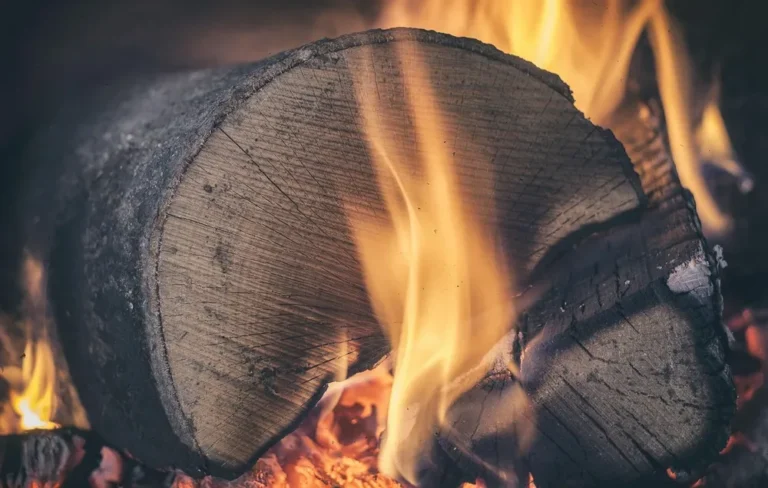
Another important consideration is disposal. Treated wood should not be burned in open fires or fireplaces. Burning it can release toxic fumes, including arsenic and dioxins.
It’s also generally not recommended for use in vegetable gardens or areas where children frequently play, especially older CCA-treated wood. Check your local regulations for proper disposal methods.
If you’re planning to use old treated wood for a project, consider where it will be used. For indoor projects, it’s usually not recommended due to potential off-gassing or dust. For outdoor projects, using newer treated wood or even naturally rot-resistant woods might be a safer bet if you’re concerned.
Always err on the side of caution. If you are unsure about the type of treatment or are dealing with very old wood, assume it requires careful handling. Wear protective gear like gloves, a mask, and eye protection when cutting or sanding it.
Wash your hands thoroughly after handling.
Safety First: Handling Old Treated Wood
What to Know:
- Older CCA Wood: Contains arsenic. Avoid inhaling or ingesting dust.
- Modern Treated Wood: Copper-based. Less toxic but can cause irritation.
- Cutting/Sanding: Wear a dust mask (N95 recommended), gloves, and eye protection.
- Burning: NEVER burn treated wood. It releases toxic fumes.
- Disposal: Follow local landfill or hazardous waste guidelines.
- Food Gardens: Avoid using CCA-treated wood for vegetable gardens. Newer treatments may be acceptable but check guidelines.
General Rule: If in doubt, treat it with caution.
My Experience with Identifying Old Treated Wood
I remember a few years back I was helping a friend clear out his late uncle’s backyard. The uncle had been a keen gardener. He’d built all sorts of structures over the decades.
We came across this very old, weathered-looking lumber stacked near the back fence. It was gray and looked like it had seen better days.
My friend wanted to reuse some of it for a small project in his own yard. He asked me, “Is this stuff safe to use?” I’ll admit, at first glance, it looked like any other old piece of wood. It was rough, splintery, and the color was muted.
I thought it was just old pine or cedar.
But as I picked up a few pieces, I noticed something. On one of the thicker posts, there were faint, diamond-shaped marks pressed into the surface. It wasn’t just accidental damage; it was a regular pattern.
That immediately made me pause. I’d seen something similar on deck lumber before.
Then, I looked at the ends of some of the boards. They were darker than the rest of the wood. And in some spots, under the weathered gray, I could see a faint, almost dusty greenish hue.
It wasn’t vibrant, but it was there if you looked closely. This was enough to make me suspect it was treated.
I told my friend, “Hold on a second. I think this might be pressure-treated wood.” He looked at me, confused. “Really?
It looks so old and faded.” That’s when I explained that older treatments often fade, but the structure and markings can remain. I talked about the incision marks and the possible green tint. We then looked up some pictures online together.
Seeing the faint marks and the hint of color on the underside of a few boards confirmed it for us. It was likely older treated lumber, possibly CCA given its age. We decided against reusing it for his small project, especially since he has young kids.
We opted to get some new lumber instead. It’s better to be safe than sorry, especially with unknown materials.
When Is It Okay to Reuse Old Treated Wood?
The decision to reuse old pressure-treated wood depends heavily on its condition, the type of treatment it received, and the intended use. It’s not a simple yes or no answer. Sometimes, it’s perfectly fine, and other times, it’s best to avoid it.
For outdoor projects where the wood won’t be in direct contact with food or play areas, reusing older treated wood can be a good option. For example, building a simple compost bin, a back-of-the-yard storage unit, or even temporary supports for a garden path might be suitable. The key here is that children or pets are unlikely to chew on it, and it’s not in contact with edibles. If you plan to give reused wood a fresh look, check how long to wait before staining pressure treated wood first, since it still needs to dry out fully for the new finish to adhere.
If you’re certain the wood is newer, treated with ACQ or CA preservatives, it’s generally safer for a wider range of outdoor uses. However, always consider the condition. Is it rotted?
Is it falling apart? If the structural integrity is compromised, it’s not safe for any reuse, treated or not.
When reusing, always inspect the wood carefully. Look for any signs of excessive decay, warping, or splitting. If the wood feels soft or crumbly in places, it’s probably past its prime.
Also, be mindful of fasteners like nails or screws. Old ones can be rusty and difficult to remove, or they might not hold well.
Crucially, if you suspect the wood is older CCA-treated lumber (often wood from before 2003), it’s best to avoid reusing it for projects where children might play or where it could come into contact with food. The risk of arsenic exposure, especially from dust created during cutting or sanding, is a significant concern.
If you decide to reuse older treated wood, wear protective gear. Gloves, a dust mask (preferably N95), and eye protection are essential, especially if you need to cut or sand the wood. Wash your hands thoroughly after handling.
For projects like raised garden beds, it’s highly recommended to use new, untreated lumber or naturally rot-resistant wood like cedar or redwood. If you must use treated wood, consider lining the inside of the bed with a heavy-duty plastic barrier to prevent soil contact. Always check local regulations regarding the use of treated wood for gardens.
Guidelines for Reusing Old Treated Wood
Suitable Uses (with caution):
- Compost bins
- Sheds or storage structures (non-play areas)
- Temporary garden paths
- Backyard utility structures
Considerations:
- Age/Treatment Type: Newer (ACQ/CA) is generally safer than older (CCA).
- Condition: Must be structurally sound, free from rot.
- Contact: Avoid where children play or food is grown (especially with CCA).
- Protective Gear: Always wear gloves, mask, and eye protection when cutting/sanding.
- Disposal: Dispose of unusable pieces properly according to local rules.
When in Doubt: Opt for new, untreated lumber.
How to Dispose of Old Treated Wood Properly
Disposing of old pressure-treated wood isn’t as simple as tossing it in your regular trash bin. Because of the chemicals used in its preservation, there are specific rules and best practices to follow. Proper disposal helps protect the environment and public health.
First, and most importantly, never burn pressure-treated wood. Burning it releases toxic chemicals into the air. These can include arsenic, dioxins, and furans, which are harmful to people and animals.
This applies to both outdoor fires and wood stoves or fireplaces. Many areas have laws prohibiting the burning of treated wood.
Your local landfill or solid waste facility is usually the best place to take old treated wood. Many have designated areas for construction and demolition debris or special drop-off points for treated lumber. It’s always a good idea to call ahead and confirm their policies.
Ask if they accept pressure-treated wood and if there are any specific requirements for bringing it in.
Some municipalities offer hazardous waste collection events or have permanent hazardous waste drop-off sites. Treated wood, especially older CCA-treated wood, might be classified as a hazardous material. These sites are equipped to handle it safely.
If you’re removing a large amount of treated wood, you might need to rent a dumpster. Ensure the dumpster rental company is aware that you’ll be disposing of treated wood, as they may have specific guidelines or fees associated with it.
When transporting the wood, try to minimize dust. If the wood is broken or being cut, wear appropriate respiratory protection. It’s also a good idea to cover the load with a tarp to prevent pieces from falling off and to contain any loose debris.
Avoid putting treated wood in your regular curbside recycling bin. It’s not a recyclable material in the same way as paper or plastic. It needs to be handled separately.
Remember, disposal regulations can vary significantly by state and even by county. Always check with your local waste management authority for the most accurate and up-to-date information for your area. Doing so ensures you’re disposing of it responsibly and legally.
Frequently Asked Questions About Old Treated Wood
What are the main differences between old and new pressure-treated wood?
The main difference is the type of chemicals used. Older treated wood (often before 2003) frequently used CCA (Chromated Copper Arsenate), which contains arsenic. Newer treated wood uses less toxic, copper-based preservatives like ACQ and CA.
This means older CCA wood requires more caution for health and disposal.
Can I use old treated wood for a vegetable garden?
It’s generally not recommended to use older CCA-treated wood for vegetable gardens due to arsenic. For newer treated wood (ACQ/CA), some people do, but it’s often advised to line the inside of the bed with a plastic barrier. Using new, untreated wood or naturally rot-resistant woods like cedar is the safest option for gardens.
Is there a way to test if wood is pressure treated?
Visual inspection for greenish hues, incision marks, or old stamps is the primary method. There are also home testing kits available that can detect copper, a common component in modern treatments. However, these kits might not be definitive for older treatments like CCA.
What does “ground contact” treated wood mean?
Wood labeled for “ground contact” has been treated with higher levels of preservatives. This is because wood in direct contact with soil experiences greater moisture and decay risks. It’s typically used for fence posts, deck pilings, and retaining wall components that are buried.
How can I tell if the green color on old wood is from treatment or just mold/mildew?
Faint green hues from treatment are often integrated into the wood fibers, especially noticeable on cut ends or in protected areas. Mold and mildew typically form a fuzzy or powdery layer on the surface and can be scrubbed off more easily. Treatment color is usually more of a subtle tint within the wood itself.
What are the risks of cutting or sanding old pressure-treated wood?
The main risk is inhaling or ingesting the dust created. Older CCA-treated wood can release arsenic particles. Even newer treatments can create irritating dust.
Always wear a good quality dust mask (N95 or better), gloves, and eye protection when cutting or sanding any treated wood.
Conclusion
Figuring out if old wood is pressure treated takes a keen eye. Look for those greenish hints, tiny cuts, or old stamps. Knowing where this wood is typically found helps too.
Understanding the difference between older and newer treatments is key. And always remember to handle it safely, especially when cutting or disposing of it. This knowledge helps you make smart choices for your projects and your home.
Sponsored / affiliate links. As an Amazon Associate I earn from qualifying purchases. I may earn additional commission from eligible campaigns.