How Long Does Pressure Treated Wood Last on a Deck? Unveiled!
Pressure treated deck lifespan is typically 15 to 40 years, depending on climate, moisture exposure, wood quality, and maintenance. In high-moisture areas or places with heavy insect activity, it may last less time.
Regular cleaning and sealing can extend the life of a pressure treated wood deck. Good drainage, proper ventilation, and avoiding direct ground contact also help reduce decay and warping.
A well-constructed and maintained deck enhances the outdoor living space, providing an area for relaxation and entertainment. Pressure treated wood, commonly used for deck construction, offers durability and resistance to rot, decay, and insect damage. Understanding the expected lifespan of pressure treated wood on a deck is crucial for homeowners to make informed decisions about materials and maintenance.
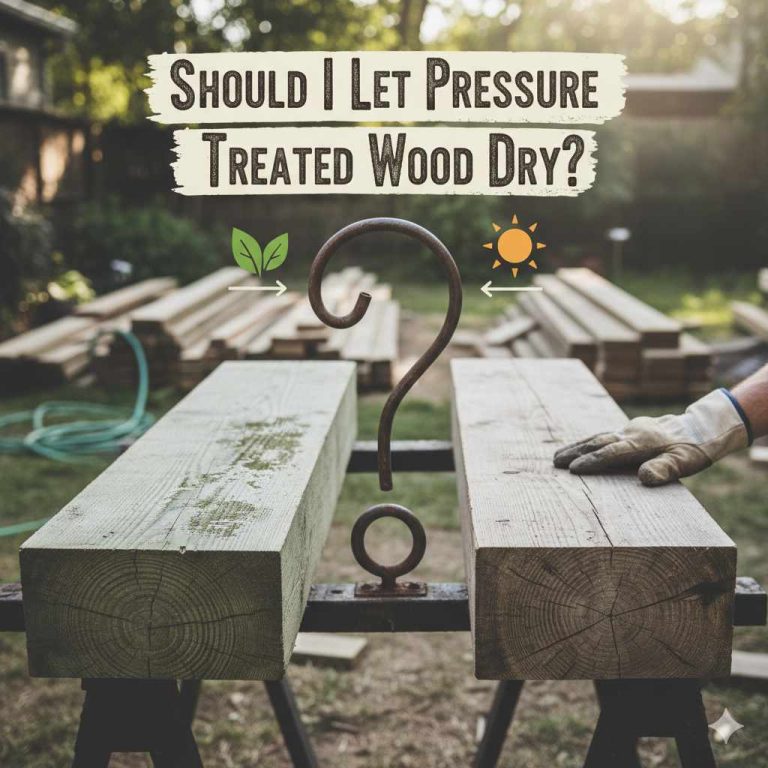
Factors such as climate, maintenance practices, and wood quality influence the longevity of a deck. By exploring these aspects, homeowners can maximize the lifespan of their pressure treated wood deck and enjoy its benefits for many years to come, starting with knowing when it is actually ready to be sealed.
Introduction To Pressure Treated Wood For Decks


Pressure treated wood is a popular choice for decks due to its durability. On average, pressure treated wood can last anywhere from 15 to 30 years, depending on factors such as maintenance, climate, and exposure to moisture. Regular sealing and proper care can help extend the lifespan of pressure treated wood on a deck.
Pressure treated wood is a popular choice for deck construction due to its durability and resistance to decay and insect damage. This type of wood is infused with chemicals that help protect it from the elements, making it last longer compared to untreated wood. In this section, we will explore the benefits of using pressure treated wood for your deck and the factors that influence its lifespan.
Benefits Of Using Pressure Treated Wood
Pressure treated wood offers several advantages that make it an ideal choice for deck construction:
- Enhanced durability: The treatment process helps prevent rot, decay, and termite infestation, extending the lifespan of the wood.
- Cost-effective: Pressure treated wood is generally more affordable compared to other decking materials, making it a budget-friendly option.
- Wide availability: You can easily find pressure treated wood at most home improvement stores, making it accessible for deck construction projects.
- Easy to work with: Pressure treated wood is relatively easy to cut, shape, and install, making it a convenient choice for DIY enthusiasts.
- Customizable finishes: You can stain or paint pressure treated wood to match your desired aesthetic, adding versatility to your deck design.
Factors Influencing The Lifespan Of Deck Wood
The lifespan of pressure treated wood on a deck can vary depending on several factors:
- Quality of treatment: The effectiveness of the treatment process can vary, affecting how well the wood resists decay and insects. It is essential to choose high-quality pressure treated wood for optimal durability.
- Maintenance: Regular maintenance, such as cleaning and sealing, can significantly extend the lifespan of your deck wood. Proper care helps protect the wood from moisture, UV rays, and other damaging elements.
- Climate and environmental conditions: The climate and the specific environmental conditions your deck is exposed to can impact the lifespan of the wood. Harsh climates with extreme temperature variations or high humidity levels may accelerate the wood’s deterioration.
- Deck design and construction: The design and construction of your deck can influence the wood’s longevity. Factors such as proper ventilation, adequate drainage, and avoiding direct ground contact can help prevent moisture buildup and promote a longer lifespan.
By considering these factors and taking appropriate measures, you can ensure that your pressure treated wood deck lasts for many years, providing you with a beautiful and functional outdoor space.

The Lifespan Of Pressure Treated Decks
Pressure treated wood is a popular choice for building decks due to its resistance to rot, decay, and termites. Understanding the lifespan of pressure treated decks is essential for homeowners looking to invest in a durable and long-lasting outdoor space.
Average Longevity Explained
Pressure treated wood decks typically have an average lifespan of 15-40 years, depending on various factors such as maintenance, climate, and exposure to elements. Properly maintained decks in moderate climates tend to last longer, while those in harsher conditions may require more frequent upkeep to maximize their longevity.
Comparative Lifespan With Other Decking Materials
When compared to other decking materials, pressure treated wood offers a competitive lifespan. While composite and PVC decking materials often boast longer lifespans of 25-30 years, pressure treated wood remains a cost-effective and durable option for homeowners seeking a balance between longevity and affordability.
AWPA Use Categories: Above-Ground vs. Ground Contact
Pressure treated wood does not have one fixed lifespan. Its durability depends heavily on the AWPA use category, which matches the lumber to the environment where it is installed. For deck parts that stay above ground, such as deck boards and railings, UC3B lumber is rated for about 25 to 40 years with regular sealing. Parts exposed to harsher conditions, such as posts in or near the ground, need a higher treatment level because soil contact creates more moisture exposure and faster wear. Ground-contact lumber, such as UC4A material used for posts, is typically rated for about 15 to 30 years.
This difference matters because not every deck component faces the same conditions. Deck boards, framing, posts, and other exposed parts can all age differently depending on where they sit in the structure. Using lumber with the right treatment level helps prevent early rot and structural failure. Above-ground lumber should not be used where soil or constant moisture is present, since it does not have the chemical density needed for those conditions. Choosing the correct AWPA category is one of the most important steps for building a deck that lasts.
Key Factors Affecting Deck Durability
Pressure treated wood is a popular choice for decking, but its durability depends on several factors. The wood’s species, treatment quality, and maintenance can all affect how long pressure treated wood lasts on a deck. Pine or cedar are the best species for deck framing, while proper sealing and maintenance can extend the lifespan of the deck.
Pressure-treated wood is a popular material choice for building decks, thanks to its durability and resistance to decay and insects. But how long does pressure treated wood last on a deck? The answer depends on several key factors, including climate and environmental impact, the quality and type of wood treatment, and construction and design considerations.
Climate and Environmental Impact
The climate and environmental impact of a deck’s location can have a significant impact on its lifespan. In areas with high humidity or frequent rainfall, decks are more prone to moisture damage and decay. In regions with extreme temperature fluctuations, decks may be subject to expansion and contraction, leading to warping or cracking.
Quality and Type of Wood Treatment
The quality and type of wood treatment can also affect the lifespan of a pressure-treated wood deck. Some wood species absorb and hold the treatment chemicals better than others, resulting in a longer lifespan. Southern pine is one of the most commonly-used species for deck framing in the eastern United States.
Construction and Design Considerations
Finally, the construction and design of the deck can play a role in its longevity. Proper installation and maintenance can help prevent rot and decay, while a well-designed deck can withstand heavy foot traffic and other wear and tear.
In conclusion, the lifespan of a pressure-treated wood deck depends on a variety of factors, including climate, wood treatment, and construction and design considerations. By taking these factors into account and properly maintaining your deck, you can help ensure it lasts for many years to come.
Maintenance Tips For A Longer Deck Life
To ensure a longer deck life, it’s important to properly maintain pressure-treated wood. The lifespan of pressure-treated wood on a deck can vary depending on the environment it’s in, but it can last up to 20 years with proper care.
Regular cleaning, sealing, and avoiding standing water can help extend its life.
Pressure treated wood is a popular choice for decks due to its durability. However, like any other material, it requires regular maintenance to ensure a longer lifespan. Here are some maintenance tips to help you extend the life of your pressure treated wood deck.
Regular cleaning and care
Regular cleaning and care are essential to maintaining a pressure treated wood deck. Dirt, debris, and moisture can accumulate on the surface and lead to rot and decay. To prevent this, it is important to clean your deck regularly. Use a broom or brush to remove dirt and debris, and then use a pressure washer to clean the surface thoroughly. Be careful not to use too much pressure as it can damage the wood.
Sealing and staining intervals
Sealing and staining are two of the most important maintenance tasks for a pressure treated wood deck. These treatments help protect the wood from moisture, UV rays, and other elements that can cause damage. The frequency of sealing and staining depends on the climate and the amount of exposure to the sun and rain. In general, it is recommended to seal or stain your deck every two to three years.
To determine if your deck needs to be sealed or stained, conduct a simple water test. Pour a small amount of water on the surface of the deck. If the water beads up, the deck is still protected. If the water soaks into the wood, it’s time to reseal or restain.
In conclusion, regular cleaning and care, along with sealing and staining at appropriate intervals, are crucial to extending the life of your pressure treated wood deck. By following these maintenance tips, you can enjoy your deck for many years to come.
Sealing, Field Cuts, and Joist Tape
Newly installed pressure-treated wood should not be stained or sealed right away. Above-ground deck boards can last 25 to 40 years with regular sealing, but the wood needs time to dry before a finish is applied. Sealing too early can trap moisture inside the lumber and work against the protection the treatment provides.
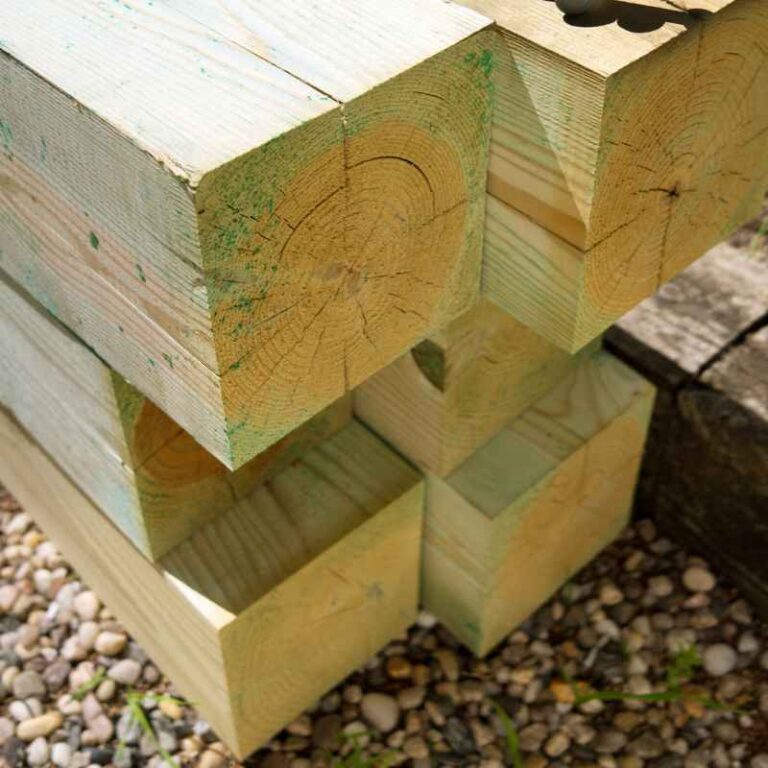
Any time lumber is cut, the exposed end grain should be sealed before the deck is put into service. Cutting opens untreated interior wood, and unsealed field cuts are a common place for moisture to enter. That extra moisture can lead to premature internal rot and shorten the life of the deck.
Joist flashing tape, also called joist tape, adds another layer of protection to hidden framing members. It helps shield joists and other covered surfaces from moisture where water can sit unnoticed. Keeping both the visible boards and the concealed framing dry is an important part of making a pressure-treated deck last as long as possible.
Common Threats To Pressure Treated Wood
Pressure treated wood can be vulnerable to common threats such as moisture, UV rays, and insect damage, which can impact its longevity on a deck. Regular maintenance and proper sealing can help extend the lifespan of pressure treated wood, typically lasting around 15-20 years when well-maintained.
Pest Infestations And Solutions
Pest infestations can be a common threat to pressure treated wood decks. Insects like termites and carpenter ants can cause significant damage to the wood, compromising the structural integrity of the deck. It is important to take preventive measures to protect your deck from these pests.
Here are some solutions to combat pest infestations:
1. Regular Inspections: Regularly inspect your deck for signs of pest activity, such as small holes, sawdust, or hollow-sounding wood. Early detection can help prevent further damage.
2. Use Insect-Resistant Wood: Opt for pressure treated wood that has been specifically treated to resist pests. This type of wood is infused with chemicals that deter insects from infesting the deck.
3. Apply Insecticides: If you notice signs of pest infestation, consider applying insecticides specifically formulated for wood decks. Follow the manufacturer’s instructions carefully and ensure proper ventilation during the application process.
4. Remove Moisture Sources: Insects are attracted to moisture, so it is important to eliminate any potential water sources near your deck. Fix any leaks or drainage issues and ensure proper ventilation to keep the wood dry.
Moisture And Rot Prevention
Moisture is another common threat to pressure treated wood decks, as it can lead to rot and decay. Here are some preventive measures to keep your deck protected from moisture:
1. Regular Cleaning: Regularly clean your deck to remove dirt, debris, and organic materials that can trap moisture. Use a mild detergent and a soft-bristle brush to scrub the surface.
2. Proper Drainage: Ensure that your deck has proper drainage to prevent water from pooling on the surface. Make sure that rainwater can easily flow away from the deck.
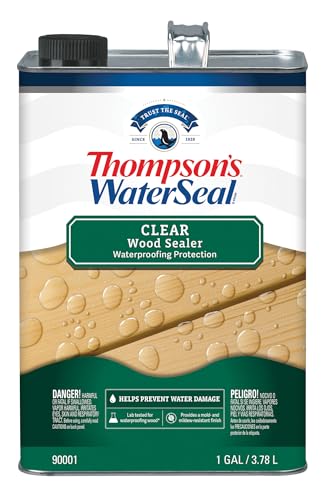
3. Seal the Wood: Apply a water-resistant sealer or stain to the deck to create a protective barrier against moisture. This will help to prevent water absorption and minimize the risk of rot.
4. Ventilation: Ensure that your deck has proper airflow to allow moisture to evaporate. Trim back any nearby vegetation that may impede air circulation.
Remember, regular maintenance is key to extending the lifespan of your pressure treated wood deck. By taking proactive steps to prevent pest infestations and moisture damage, you can enjoy your deck for many years to come.
Deck Inspection And Repair
When To Inspect Your Deck
Regularly inspect your deck at least once a year.
Identifying And Addressing Common Issues
- Check for rot, cracks, or insect damage.
- Ensure railings and stairs are secure.
- Look for loose or popped nails and screws.
Address any issues promptly to maintain deck safety.
Enhancing Deck Longevity Through Design
When it comes to increasing the lifespan of your deck, design plays a crucial role. By selecting the right materials and incorporating longevity into the design process, you can ensure that your deck lasts for many years to come.
Choosing The Right Materials
Choosing high-quality materials is essential for the longevity of your deck. Opt for pressure-treated wood known for its durability and resistance to rot and insects.
Consider using rot-resistant wood species like cedar or redwood for decking boards to enhance longevity.
Incorporating Longevity Into The Design Process
- Ensure proper ventilation underneath the deck to prevent moisture buildup.
- Use stainless steel or galvanized hardware to prevent rust and corrosion.
- Regularly inspect and maintain the deck to address any issues promptly.
The Economics Of Deck Replacement Vs. Repair
When it comes to the durability of pressure-treated wood on your deck, understanding the economics of whether to replace or repair is crucial. Let’s delve into the cost-benefit analysis of deck upkeep.
Cost-benefit Analysis Of Deck Upkeep
Regular maintenance:
- Sanding and staining can extend wood lifespan.
- Cleaning and sealing prevent decay and rot.
When To Consider Deck Replacement
Signs for replacement:
- Extensive rot or decay.
- Structural damage poses safety risks.
Factors to consider:
| Repair | Replacement |
|---|---|
| Cheaper upfront cost | Long-term solution |
| Temporary fix | Enhanced durability |
Conclusion: Making an informed decision based on the condition of your deck can save you time and money in the long run.
Conclusion: Maximizing Deck Lifespan
Maximizing the lifespan of a pressure-treated wood deck is crucial. With proper care and maintenance, pressure-treated wood can last for many years. Regular sealing and protection from moisture and UV rays will help extend the life of the deck, ensuring its durability and longevity.
Summary Of Best Practices
Regularly inspect the deck for damage or rot. Keep the deck clean and free from debris. Apply a water sealant every 1-3 years. Avoid using harsh chemicals for cleaning.
Final Thoughts On Pressure Treated Wood Decks
Pressure treated wood decks can last up to 20 years with proper maintenance. Regularly seal and stain the wood to extend its lifespan. Consider using high-quality materials for construction.

Frequently Asked Questions
How Long Should Pressure-treated Deck Boards Last?
Pressure-treated deck boards can last anywhere between 20 to 30 years, depending on various factors such as climate, maintenance, and usage. Properly sealing and maintaining the deck can help extend its lifespan.
How Often Should You Seal A Pressure-treated Deck?
Seal a pressure-treated deck every 1-3 years to protect it from the elements and maintain its appearance. Regular maintenance helps extend the lifespan of the wood.
What Is The Longest Lasting Pressure-treated Wood?
The longest lasting pressure-treated wood is determined by the wood species’ ability to absorb and hold treatment chemicals. Pine or cedar, especially southern pine, are commonly used for long-lasting deck framing in the eastern United States.
Can A Wood Deck Last 30 Years?
A well-maintained wood deck can last up to 30 years with proper care and maintenance.
Conclusion
Pressure-treated wood can last up to 20-30 years on a deck with proper maintenance. Regular sealing and staining can prolong its lifespan, making it a durable choice for outdoor structures. By choosing high-quality wood and following maintenance guidelines, you can ensure your deck remains strong and attractive for many years to come.
Sponsored / affiliate links. As an Amazon Associate I earn from qualifying purchases. I may earn additional commission from eligible campaigns.