How Can You Tell If Wood Is Pressure Treated? Quick Test
Understanding if wood is pressure treated helps you make smart choices. It ensures safety and lasting results for your projects. This guide shows you easy tests to know for sure.
What Pressure-Treated Wood Looks Like
Pressure-treated wood is wood that has been forced to soak up chemicals. These chemicals help it resist bugs and rot. This makes it last much longer, especially when it’s outside. Think of decks, fences, and playground sets.
The treatment process involves putting the wood in a big tank. Then, they use a vacuum to pull air out. Next, they fill the tank with a special liquid. This liquid gets pushed deep into the wood. It’s not like just painting something on.
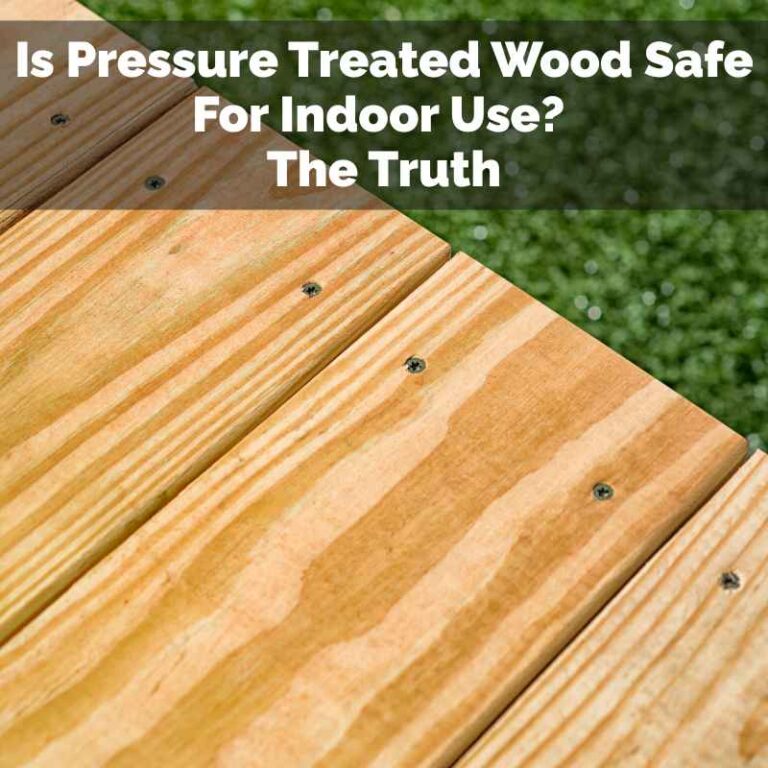
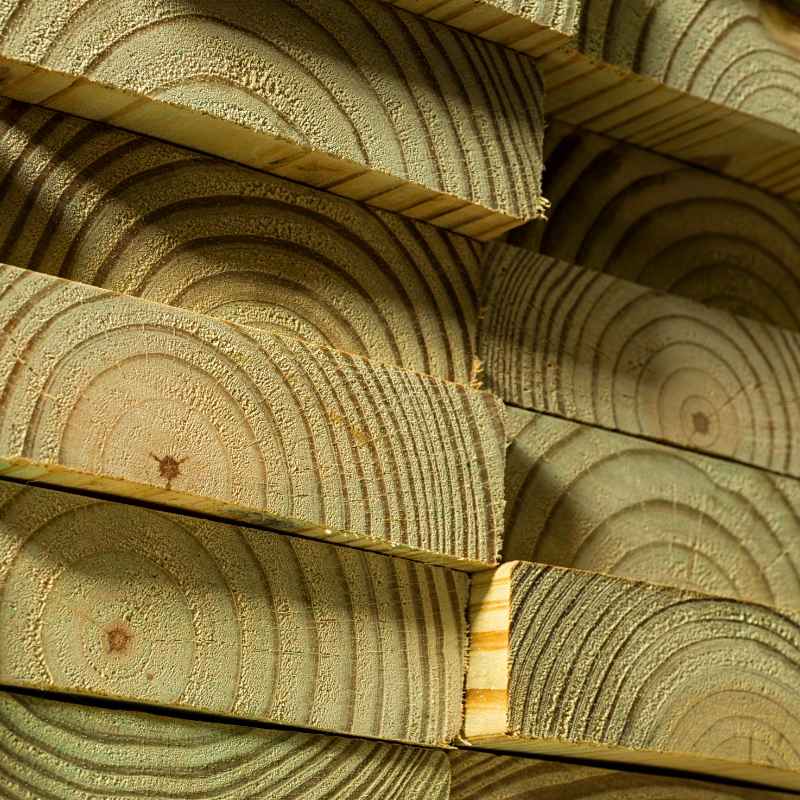
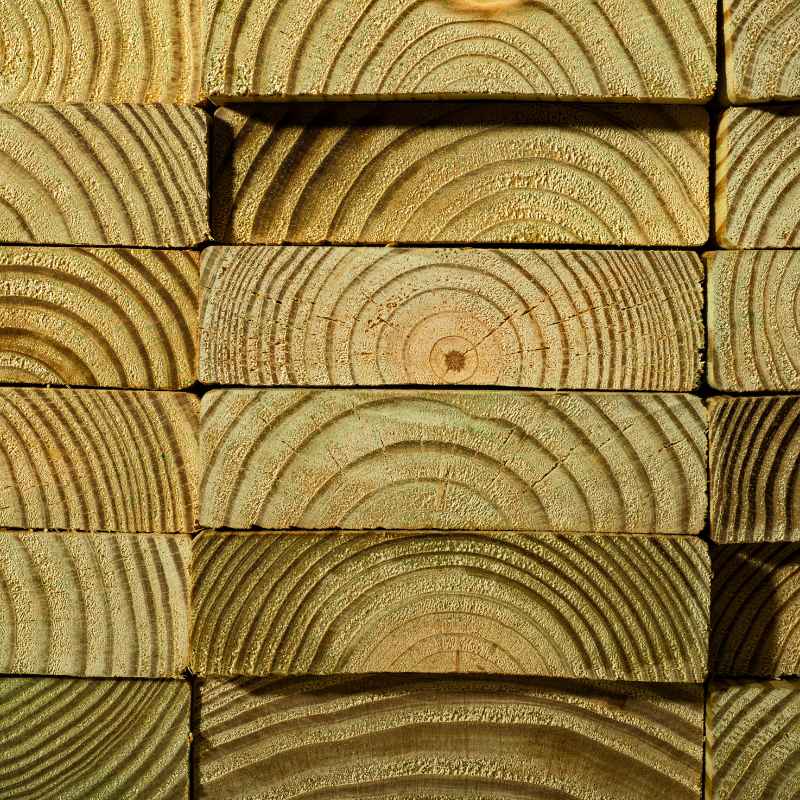
Most of the time, you can spot pressure-treated wood by its look. It often has a greenish tint. Sometimes it’s more yellow or even brown. This color comes from the chemicals used. These chemicals are usually copper-based. They give the wood its protective color.
The Greenish Hue
That common green color is a big clue. It’s the preservative showing. As the wood ages, especially if it’s left out in the sun, this color might fade. It can turn a silvery gray. But when it’s new or recently installed, the green is often clear.
Markings and Stamps
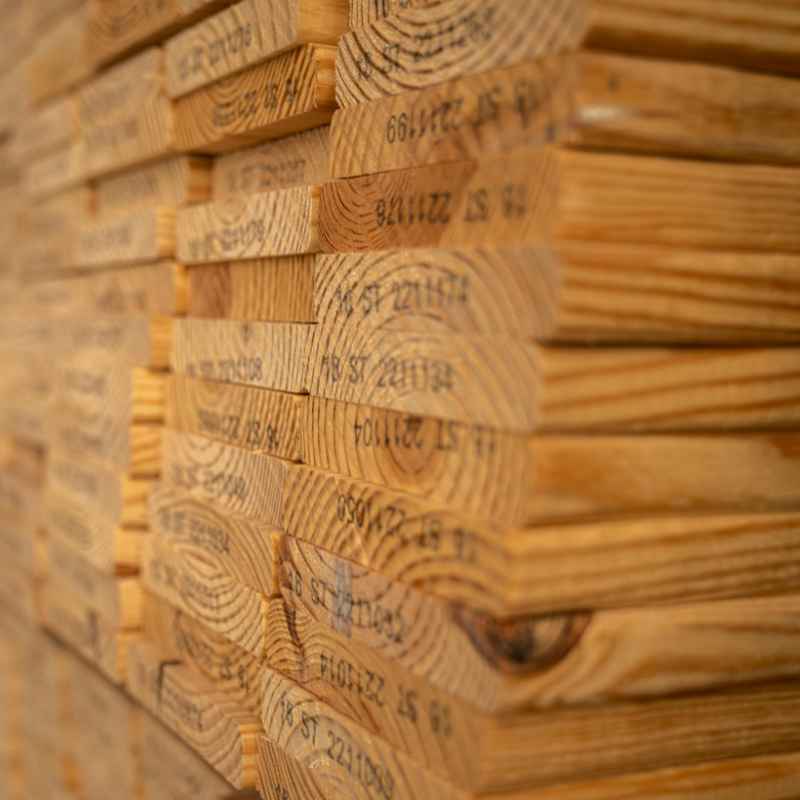
Sometimes, you’ll see stamps on the wood. These stamps come from the treatment plant. They show the wood meets certain standards. You might see an “AWPA” mark. This means it was treated according to the American Wood Protection Association standards. You might also see a code for the type of treatment. This is a very reliable way to know.
Simple Tests to Identify Pressure-Treated Wood
You don’t need fancy tools to check. A few simple tests can give you a good idea. Some are visual. Others involve a little bit of physical testing.
The Color Test
This is the first and easiest test. Look closely at the wood. Does it have a greenish or bluish-green color? Is the color deeper in the center cuts? If you see this, it’s very likely pressure treated.
Remember, the color can fade over time. So, if the wood is old and gray, this test might not be as clear. But for newer wood, it’s a strong indicator.
The Weight Test
Pressure-treated wood is often heavier. The chemicals add weight. If you pick up two pieces of wood that look the same size and type, and one feels much heavier, it might be treated.
This test is best when you have a known piece of untreated wood to compare. It helps you feel the difference. If you can’t compare, it’s just a hint, not proof.
The Smell Test
Sometimes, pressure-treated wood has a faint chemical smell. It’s not always strong. It might smell a bit like a chemical plant or even slightly metallic. If you notice an odd, non-woody smell, it could be treated.
This smell is usually more noticeable when the wood is freshly treated or when you cut into it. Once it’s been outside for a while, the smell tends to go away.
The Cut Test
This is one of the most revealing tests. If you have a piece of wood you suspect is treated, try cutting it. When you cut into treated wood, you will often see the preservative chemicals deep inside. The inside might be darker. It could be greenish, bluish, or even black in the center.
Untreated wood will look the same all the way through. The inside will match the outside color. The cut surface might show sawdust that is colored. This colored sawdust is another sign.
Quick Check: Sawdust Clues
What to look for: When you cut into the wood, pay attention to the sawdust.
Treated wood sawdust: May be colored. It can be greenish, bluish, or even darker.
Untreated wood sawdust: Will be the natural color of the wood.
Why it matters: This is a direct sign that chemicals were forced into the wood.
The Surface Test (for sealed wood)
Sometimes, pressure-treated wood might be sealed or stained. This can hide the color. If the wood has a finish on it, it’s harder to tell by color alone. In this case, the cut test becomes even more important.
If it’s sealed, the chemicals might not have penetrated as deeply if the wood wasn’t properly treated first. But generally, they still treat the wood before sealing.
The Water Absorption Test (not recommended for regular checks)
This test is not for everyday use. It involves seeing how fast the wood soaks up water. Treated wood is designed to resist water. It might soak it up slower. However, this test isn’t very practical for quick checks. It can also alter the wood.
Why Knowing If Wood Is Treated Matters
There are several reasons why you need to know if wood is pressure treated. Safety is a big one. So is how you use and dispose of it.
Safety When Cutting and Handling
When you cut pressure-treated wood, you release tiny particles of the chemicals. It’s important to protect yourself. Always wear a dust mask when cutting. Wear gloves too. The dust can irritate your skin and lungs.
The chemicals can be harmful if swallowed or inhaled in large amounts. So, good ventilation is key when you work with it. Washing your hands after handling is also a smart step.
Disposal of Treated Wood
You can’t just throw pressure-treated wood in your regular trash. It’s considered a special waste. Because of the chemicals, it needs to be disposed of properly. You might need to take it to a special landfill or burning facility. Check with your local waste disposal service for rules in your area.
Burning treated wood can release toxic fumes. So, never burn it in a fireplace or an outdoor fire pit.
Painting and Staining
If you plan to paint or stain your wood, knowing if it’s treated is crucial. You need to let treated wood dry out first. This can take weeks or even months after you buy it. If you paint or stain too soon, the finish might peel or bubble. The moisture from the treatment needs to escape.
There are specific paints and stains made for treated wood. Always check the product label.
Longevity and Use
Pressure-treated wood is designed for use where wood faces harsh conditions. This includes contact with soil, water, and constant exposure to the elements. If you use untreated wood in these places, it will rot and decay much faster. You’ll end up replacing it sooner.
So, if you need wood for outdoor projects, treated wood is usually the better choice for lasting results.
Types of Wood Treatments
There are different ways wood is treated. The most common is pressure treatment. But understanding the types can help you identify it.
CCA (Chromated Copper Arsenate)
This was one of the first common treatments. It used arsenic. It was very effective but raised health concerns. Because of this, its use in homes is now limited in the U.S. You might still find it in older structures. If you suspect wood is very old and has a dark green color, it might be CCA.
ACQ (Alkaline Copper Quaternary)
This is a more modern treatment. It uses copper along with other chemicals. It’s less toxic than CCA. ACQ treated wood often has a greenish or brownish color. It’s widely used for decks and fences.
CA (Copper Azole)
Another common treatment. It also uses copper. It offers good protection against rot and insects. Copper Azole treated wood can have a greenish tint. It’s a popular choice for many outdoor projects.
Other Treatments
There are other treatments like Micronized Copper Azole (MCA) and newer, “eco-friendly” options. These also rely on copper and other preservatives. The exact color and smell can vary a bit. But the core idea of forcing chemicals into the wood remains the same.
Personal Experience with Treated Wood
I remember building a deck at my first house. I bought all the lumber from the home improvement store. Most of it looked normal. But a few of the 4×4 posts had a distinct greenish tint. I’d never worked with pressure-treated wood before. I assumed it was just a different type of pine.
When I started cutting the posts for the frame, the sawdust was a strange color. It was a dusty green. I also noticed a faint chemical smell. That’s when I paused. I looked at the store’s tags. Sure enough, those green pieces were labeled “pressure treated.”
I didn’t know much back then. I didn’t wear a mask. I just cut away. Later, I learned how important it was to protect myself. That experience taught me to always check the wood before I start working. It’s easy to make assumptions. But a quick look or a small cut can save you from potential health risks and mistakes.
Later, I had to dispose of some old treated deck boards. I learned the hard way that they can’t go in the regular bin. I had to make a special trip to the dump. It was a hassle. So, knowing what you’re working with from the start saves trouble later.
Spotting Treated Wood: A Quick Visual Guide
- Greenish or Bluish Tint: Most common sign, especially on new wood.
- Colored Sawdust: Green, blue, or dark dust when you cut it.
- Faint Chemical Smell: A non-woody odor, often when freshly cut.
- Weight Difference: Can feel heavier than untreated wood of the same size.
- Stamps or Markings: Look for official treatment stamps on the wood.
Real-World Context: Where You’ll Find Treated Wood
Treated wood is common in many parts of American homes and yards. Its purpose is to withstand things that would quickly destroy normal wood.
Decks and Patios
This is probably the most frequent place to see it. Deck boards, posts, and joists are often treated. They sit outside, exposed to rain, sun, and humidity. Treated wood prevents rot and insect damage, keeping your deck safe and strong.
Fences
Fence posts are almost always pressure treated. They are buried in the ground, which is a very damp environment. The posts need to resist decay and stay upright for years. Fence pickets might also be treated, but sometimes they are not.
Outdoor Furniture
Benches, picnic tables, and other outdoor furniture often use treated wood. This is because they are left outside in all kinds of weather. They need to be durable and long-lasting.
Playgrounds and Garden Beds
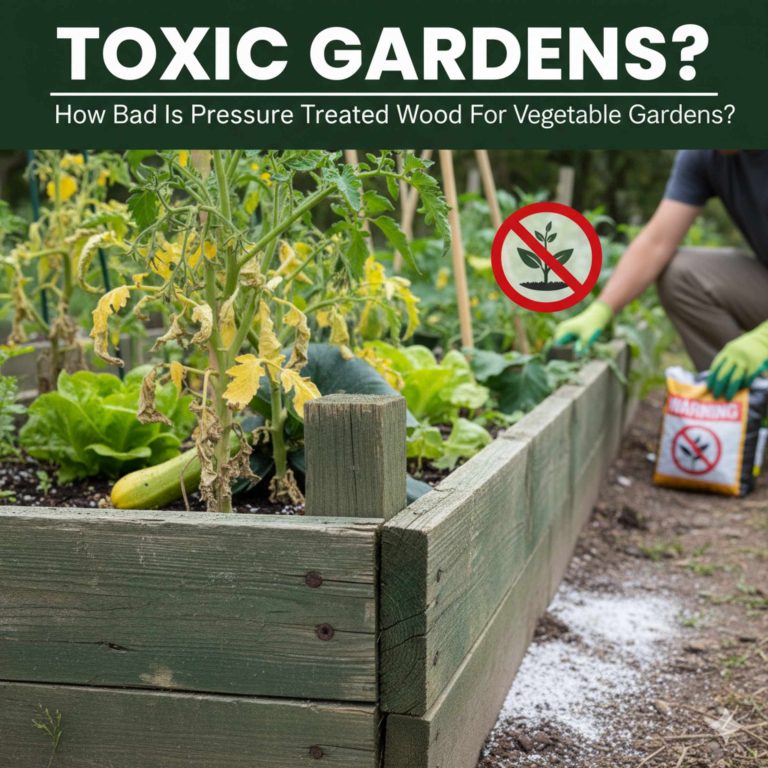
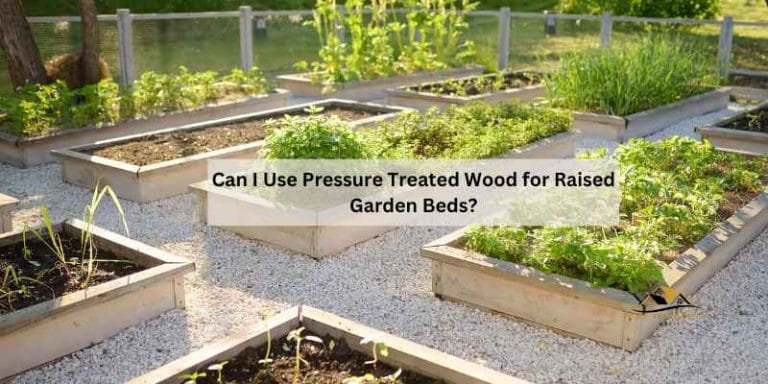
Swing sets, sandboxes, and raised garden beds are often made from treated wood. For garden beds, it’s important to know what kind of treatment was used. Some older treatments are not recommended for garden beds where food is grown. Newer treatments are generally considered safer.
Structural Supports
In areas prone to moisture, like crawl spaces or certain foundation elements, treated wood might be used. This is to prevent rot and structural failure.
What This Means for You: When It’s Normal and When to Worry
Most of the time, seeing pressure-treated wood is normal. It’s a good thing for its intended use. But there are times when you need to be cautious.
When It’s Normal
Outdoor Projects: If you’re building a deck, fence, or planter box, treated wood is expected.
Fading Color: An old, graying deck is likely treated. The color fades naturally.
Stamps on Wood: Official stamps are a sign of proper treatment.
When to Worry (or Be Extra Cautious)
Indoor Use: You usually don’t need treated wood inside your house. If you see it used structurally indoors without a clear moisture reason, it might be an old building. Just be aware when you cut or renovate.
Contact with Food: Be careful if you are building garden beds for vegetables. Always use wood treated with modern, safer chemicals. Look for “ground contact” ratings. Older CCA-treated wood should be avoided for food gardens.
Disposal: Never burn it or put it in regular trash. Always check local rules.
Dust Exposure: If you’re cutting or sanding treated wood, always wear a mask and gloves. Wash hands well afterward.
Simple Checks You Can Do
Visual Scan: Look for the greenish tint on new wood.
Cut a Small Piece: If unsure, make a small cut. Look at the inside color and the sawdust.
Check for Stamps: Look for treatment marks on the wood.
Treated Wood vs. Untreated Wood: Key Differences
Feature | Pressure-Treated Wood | Untreated Wood
Appearance | Often greenish or bluish tint; can fade to gray | Natural wood color
Durability (Outdoor) | High resistance to rot and insects | Low resistance; decays quickly
Weight | Often heavier | Lighter
Sawdust (when cut) | May be colored | Natural wood color
Use | Decks, fences, outdoor structures | Indoor furniture, framing (if dry)
Quick Tips for Working with Treated Wood
If you decide to use pressure-treated wood for a project, here are a few helpful pointers.
Buy Dry Wood: Treated wood is usually sold wet. Let it dry out for a few days or weeks before painting or staining.
Use Stainless Steel Fasteners: The chemicals in treated wood can corrode regular metal screws and nails. Use screws and nails made of stainless steel or coated specifically for treated lumber.
Seal Cut Ends: When you cut treated wood, the ends are exposed. Use a wood preservative or sealer on these cut surfaces to maintain protection.
Wear Protection: Always use a dust mask and gloves when cutting or sanding.
Proper Disposal: Know your local rules for disposing of treated wood.
Frequently Asked Questions About Treated Wood
How can I tell if my old deck wood is pressure treated?
Look for a faded greenish or grayish color. Cut a small piece; if the inside is darker or has colored sawdust, it’s likely treated. Also, check for old stamps on the wood.
Older wood might have been treated with CCA, which is more concerning.
Can I paint or stain pressure-treated wood right away?
No, it’s best to let it dry out first. This can take weeks or months. If you paint or stain too soon, the finish may peel.
Check the wood by sprinkling water on it; if it beads up, it’s still too wet. If it soaks in, it’s ready.
Is pressure-treated wood safe for vegetable gardens?
Use wood treated with newer preservatives like ACQ or CA. These are generally considered safe. Avoid wood treated with older CCA chemicals, as the arsenic can leach into the soil.
Look for wood rated for “ground contact” if your garden beds touch the soil.
What happens if I burn pressure-treated wood?
Burning treated wood releases toxic fumes into the air. These fumes can be harmful to your health and the environment. Never burn treated wood in fireplaces, wood stoves, or outdoor fire pits.
Dispose of it according to local regulations.
Does all wood meant for outdoors have to be pressure treated?
No, some naturally rot-resistant woods like cedar and redwood are used outdoors without treatment. However, pressure-treated wood is often more affordable and offers a higher level of protection against insects and decay, making it a popular choice.
What is the green color in pressure-treated wood?
The green color comes from copper-based preservatives. These chemicals are forced into the wood to protect it from fungi and insects. As the wood ages and is exposed to sunlight, this color often fades.
Final Thoughts
Figuring out if wood is pressure treated is pretty straightforward once you know what to look for. A quick visual check, a small cut, or even a sniff can tell you a lot. Knowing this helps you handle it safely, use it correctly in your projects, and dispose of it responsibly. It’s all about making informed choices for your home and your safety.
Sponsored / affiliate links. As an Amazon Associate I earn from qualifying purchases. I may earn additional commission from eligible campaigns.