Is Pressure Treated Wood Safe For Indoor Use? The Truth
Many people wonder if pressure treated wood is safe for indoor use. While it’s designed for outdoor protection against rot and insects, its indoor safety depends on the type of treatment, ventilation, and how it’s used. We’ll explore the nuances to help you decide.
Understanding Pressure Treated Wood
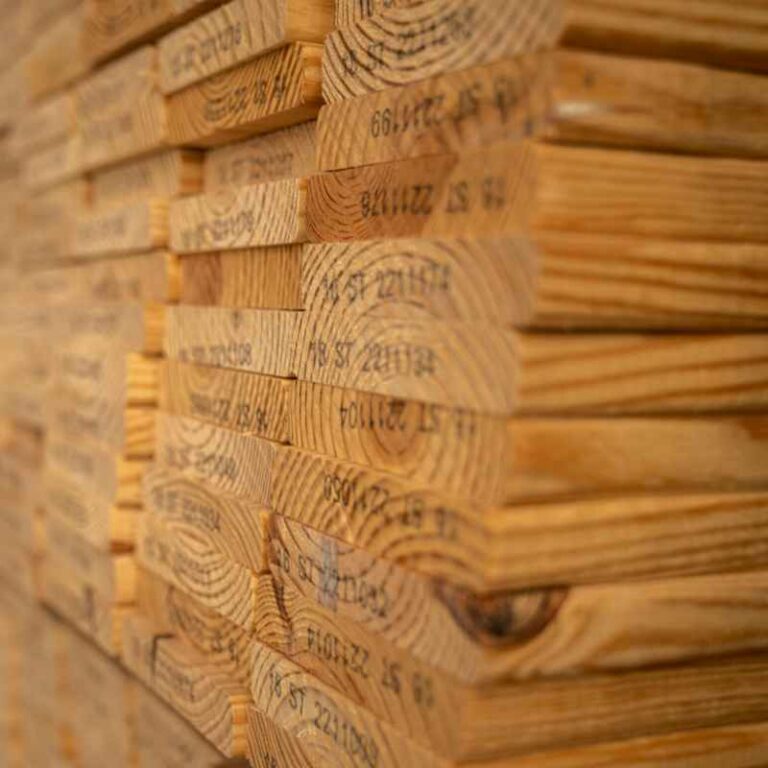
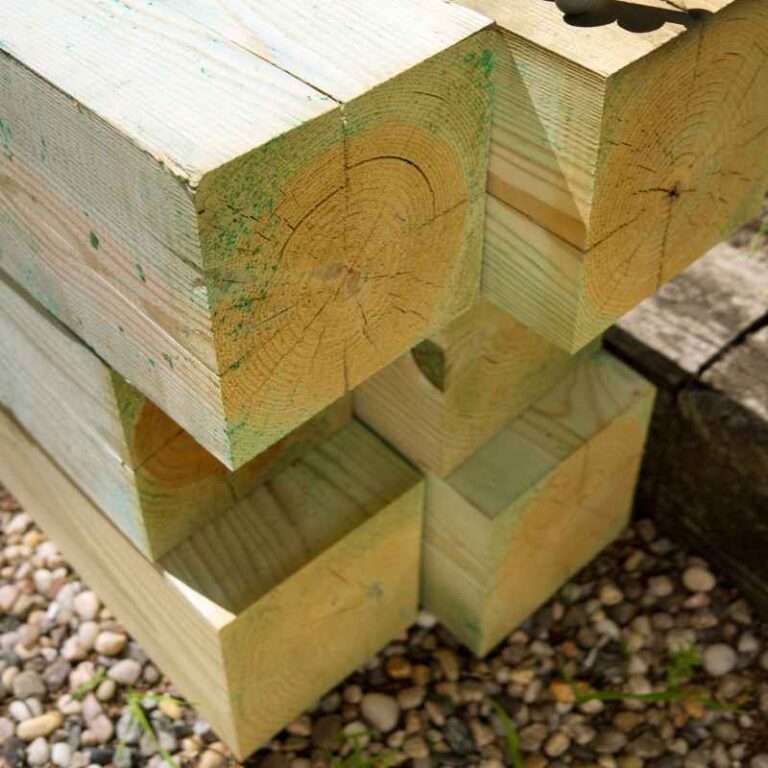
Pressure treated wood is just regular wood that goes through a special process. This process makes it tough. It fights off bugs and rot really well.
Think of it like giving the wood a strong shield. This shield keeps it from getting eaten by termites or decaying from moisture. That’s why it’s so popular for decks, fences, and other outdoor spots.
The treatment uses chemicals. These chemicals are forced deep into the wood. This happens under high pressure.
The goal is to protect the wood from things that want to break it down. It works great for keeping wood looking good for a long time outside. But these chemicals are strong.
That makes people pause when thinking about using it inside their homes. You want your living space to be clean and healthy. So, this question pops up naturally.
My Own Close Call with Lumber Choices
I remember a time a few years back. I was helping a friend redo his basement. He had a bunch of leftover lumber from a fence he built.
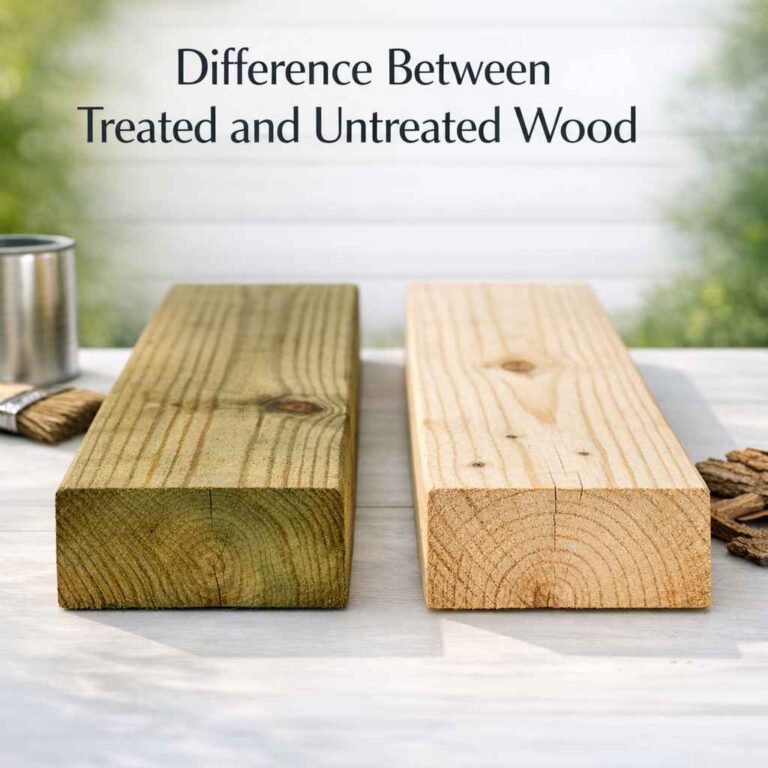
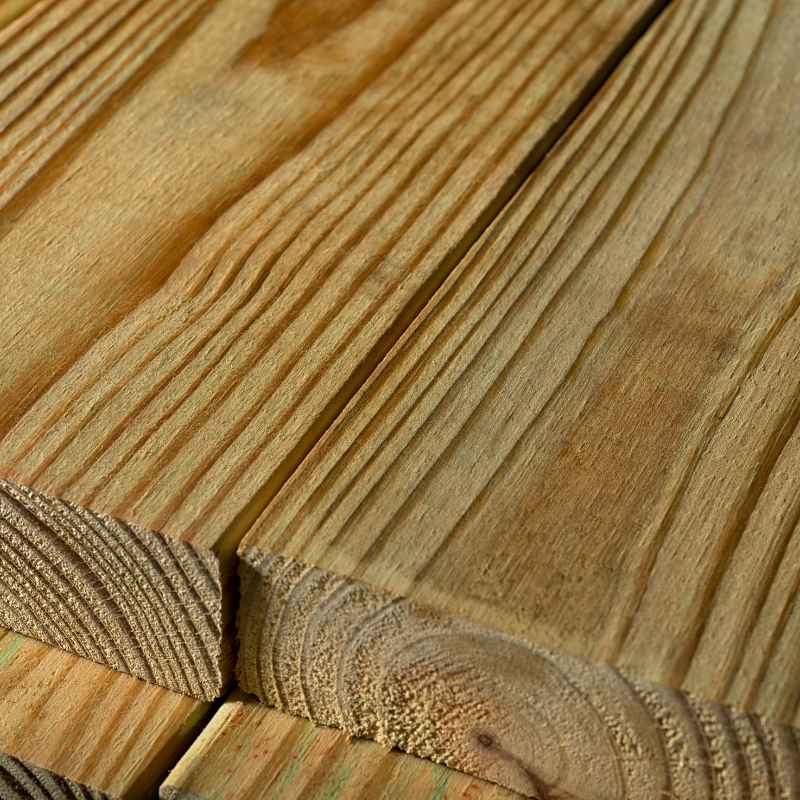
It looked sturdy. The price was right. He figured, “Why buy new when I have this?” I saw the tell-tale greenish tint.
My gut twisted a little. But he was so set on saving money. He talked about using it for some framing and shelves.
I politely, but firmly, suggested we look into it more. He thought I was being overly cautious. The thought of chemicals leaching into his living space, even slowly, just didn’t sit right with me.
We ended up not using it for the main areas. We found a different, safer wood for his shelves.
That experience stuck with me. It showed me how easy it is to overlook potential risks when trying to be thrifty. The key is knowing the difference between outdoor protection and indoor safety.
It’s not always black and white. It takes a little digging to get the full picture. And that’s exactly what we’re doing here.
What Makes Wood “Pressure Treated”?
The process itself is quite technical. But the basic idea is simple. Wood is put into a big tank.
Then, air is pumped out. This makes the wood porous. Next, special liquids with preservatives are pumped in.
The pressure pushes these liquids deep into the wood fibers. This is far better than just soaking it. It ensures the protection goes all the way through.
The chemicals used have changed over time. Older treatments had arsenic. Those are mostly gone now for residential use.
Modern treatments use different compounds. Copper is a common one. It’s often mixed with other things like quaternary ammonium or acid copper chromate.
These are less toxic. But they are still chemicals. They are designed to kill fungi and insects.
The brand name for many of these treated woods is often “CCA” for the older arsenic-based ones or “ACQ” for the newer copper-based ones. There are also other types. They all aim to do the same thing: make wood last longer by protecting it.
The type of treatment matters a lot for indoor use. This is a crucial point we’ll keep coming back to.
Common Pressure Treatment Chemicals
Copper-Based Treatments (e.g., ACQ, CA-B, ACZA): These are the most common for residential use today. They use copper to resist fungi and insects. They are generally considered safer for indoor applications than older treatments.
However, they can still off-gas small amounts of volatile organic compounds (VOCs).
Amine Copper Quat (ACQ): A popular choice. It uses copper and a quat compound.
Copper Azole (CA): Another widely used option. It combines copper with an azole fungicide.
Older Treatments (e.g., CCA – Chromated Copper Arsenate): These contain arsenic and chromium. They are largely phased out for home use due to health concerns. Avoid these for any indoor projects.
Why the Concern About Indoor Use?
The main worry is chemical exposure. Even with newer treatments, there’s a chance of chemicals leaching out. This can happen as a gas or dust.
Especially when the wood is cut or sanded. This dust can then be breathed in. Or it can settle on surfaces.
Young children and pets are more at risk. Their bodies are smaller. They spend more time close to the floor.
Also, some older treated wood might still be around. If you’re buying used lumber or renovating an older home, you might encounter it. These older types had arsenic.
Arsenic is a known carcinogen. It’s linked to serious health problems. The Environmental Protection Agency (EPA) has rules about this.
They restrict where CCA-treated wood can be used. It’s generally not allowed for things like indoor flooring or countertops.
The newer copper-based treatments are much better. They are not considered acutely toxic in the same way. But they can still release small amounts of VOCs.
These are gases that can affect air quality. For most outdoor uses, the benefits outweigh the risks. The wood is exposed to the elements.
Any off-gassing happens in the open air. Indoor spaces are enclosed. This concentrates any vapors.
This is why the question of indoor use is so important.
When is Pressure Treated Wood Okay Indoors?
There are times when it might be acceptable. This usually involves specific conditions. And it’s often for parts of the house that aren’t primary living spaces.
For example, a garage or a shed. If the wood is completely sealed, that helps a lot. Sealing means applying a good quality sealant or paint.
This creates a barrier. It stops chemicals from getting into the air. This is a big step towards making it safer.
Another factor is ventilation. If you use treated wood in an area that is well-ventilated, like a workshop or a garage, the risk is lower. The air circulation helps disperse any released chemicals.
It prevents them from building up. So, a properly built deck attached to your house is one thing. Using that same wood for a bookshelf in your bedroom is quite another.
The key is to assess the specific situation. What is the treatment type? How old is the wood?
How will it be used? Will it be in direct contact with people, food, or skin? Is the area well-ventilated?
Is it sealed? Answering these questions helps determine the safety. For most of us, when in doubt, it’s best to choose wood specifically meant for indoor use.
The peace of mind is worth it.
Quick Scan: Indoor Treated Wood Use
| Situation | Considerations |
|---|---|
| Unfinished, untreated wood framing (e.g., garage walls) | Generally acceptable if it’s modern treatment and well-ventilated. Avoid if it’s old CCA-treated wood. |
| Shelving or furniture | Not recommended. Needs to be sealed completely. Best to use indoor-specific wood. |
| Flooring | Strongly discouraged. Direct skin contact and potential for dust is high. |
| Areas with pets or children | High caution. Always seal and ensure good ventilation. Better to avoid. |
The “Dust” Factor: Why Cutting is Risky
Cutting, sanding, or drilling pressure-treated wood creates dust. This is a major concern. The treatment chemicals are concentrated in the wood.
When you break the wood apart, these chemicals become airborne. The dust particles can then be inhaled. Or they can get onto your skin.
This is where exposure risks jump up significantly.
I’ve seen construction sites where workers don’t wear masks when cutting treated lumber. It’s a bad habit. The fine sawdust looks like regular wood dust.
But it’s not. It contains the preservatives. Long-term exposure to this dust can lead to health problems.
This is why safety gear is a must if you handle treated wood.
Always wear a good quality mask. A respirator is best. Also, wear gloves.
And safety glasses. Work in a well-ventilated area. Or outside.
Clean up the dust immediately. Do not sweep it. Use a vacuum with a HEPA filter.
Or a damp cloth. This is especially important if you plan to use the wood indoors. You don’t want that dust settling into your home.
What the Experts and Authorities Say
Government agencies like the EPA provide guidance. They focus on preventing health risks. For residential use, they strongly recommend using newer, copper-based treatments.
They also advise against using treated wood in places where it might get into the food chain. Or where children might chew on it. This includes things like garden beds for vegetables.
Or indoor play structures.
Consumer Reports has also done extensive testing. They often highlight the importance of ventilation and sealing. They generally lean towards advising caution for indoor use.
Their advice often boils down to: If a wood product is labeled for outdoor use, it’s usually best to keep it outdoors. Unless you take significant steps to seal it and ensure airflow.
The U.S. Forest Products Laboratory also shares research. They explain how the chemicals work and their longevity.
They confirm that while modern treatments are safer, they are not entirely inert. They can degrade over many years. And they can be released into the environment.
This reinforces the need for careful consideration for indoor spaces.
Key Takeaways from Safety Agencies
Use Modern Treatments: Opt for copper-based preservatives (ACQ, CA) over older CCA treatments for any application. CCA-treated wood is restricted for many indoor uses.
Avoid Direct Contact: Do not use treated wood where it will be in constant skin contact, especially for children. This includes furniture or indoor flooring.
Seal Treated Wood: If using treated wood indoors, seal all surfaces with a good quality paint or stain. This acts as a barrier.
Ventilate Well: Ensure good air circulation in areas where treated wood is used indoors. This helps disperse any off-gassed chemicals.
Handle Safely: Always wear a mask, gloves, and eye protection when cutting, sanding, or drilling treated wood. Dispose of sawdust properly.
Testing for Treatment Type: A Practical Tip
How do you know what kind of treatment your wood has? If it’s new, the label or tag usually tells you. It will say something like “ACQ” or “MCA” (Micronized Copper Azole).
If the tag is missing, or the wood is old, it gets trickier.
One way is to look at the color. Newer treatments often have a greenish or brownish tint. Older CCA treatments might have a more grayish-green color.
But color can fade or change. Another clue is the hardware used. If the wood is used with fasteners (screws, nails), they might be special “corrosion-resistant” fasteners.
This is often needed for copper-treated woods. Regular steel can corrode faster.
If you suspect it’s old CCA-treated wood, it’s best to assume it’s not safe for indoor use. Especially for any direct contact. The EPA has specific guidelines for removing and disposing of CCA-treated wood.
If in doubt, err on the side of caution. It’s not worth the risk. Look for new, clearly labeled wood.
Or choose a different type of material for your indoor projects. Your health is the priority.
The Difference Between “Framing” and “Finishing”
There’s a big difference between using pressure-treated wood for structural framing in a garage versus using it for a finished bookshelf. For framing in a garage, the wood is often covered. It’s not something you touch or see regularly.
And garages typically have better ventilation than living rooms. In these cases, the risk is much lower.
However, when you’re talking about finishing touches – like shelves, cabinets, or decorative trim – the risk increases. These are surfaces people touch. They are often in areas with less airflow.
The wood is more exposed. Any dust or off-gassing becomes a more direct concern. For these applications, it’s almost always better to use wood specifically rated for interior use.
Common choices include pine, spruce, fir, or hardwoods like oak or maple. These woods don’t need chemical treatment to resist rot indoors. They are safe by nature for your living spaces.
Think about what the wood will do. Will it be structural support hidden behind drywall? Or will it be a visible, touchable part of your home decor?
The answer to this question significantly impacts the safety of using treated lumber. It’s about exposure. How much and how often?
Indoor Wood Use: Framing vs. Finishing
Framing (e.g., in a garage, workshop):
- Pros: Offers protection against moisture and pests in potentially damp areas. Can be cost-effective if you already have the wood.
- Cons: Requires careful handling during cutting. May off-gas minimal VOCs. Needs good ventilation.
- Recommendation: Use modern treated wood. Ensure good ventilation. Consider sealing if possible.
Finishing (e.g., shelves, cabinets, trim):
- Pros: None specifically for treated wood indoors.
- Cons: High risk of direct contact and dust exposure. Can off-gas VOCs into living spaces.
- Recommendation: Strongly avoid. Use wood specifically designed for indoor use.
The Importance of Sealing and Painting
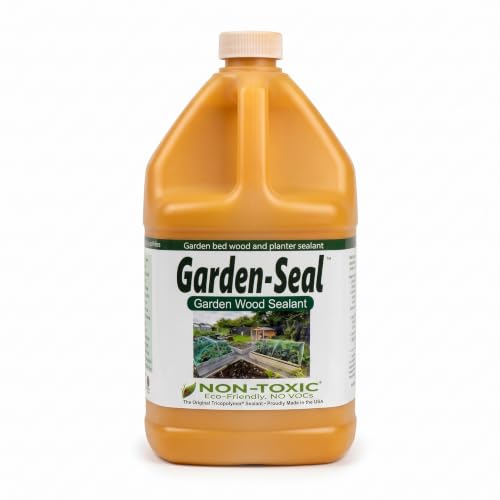
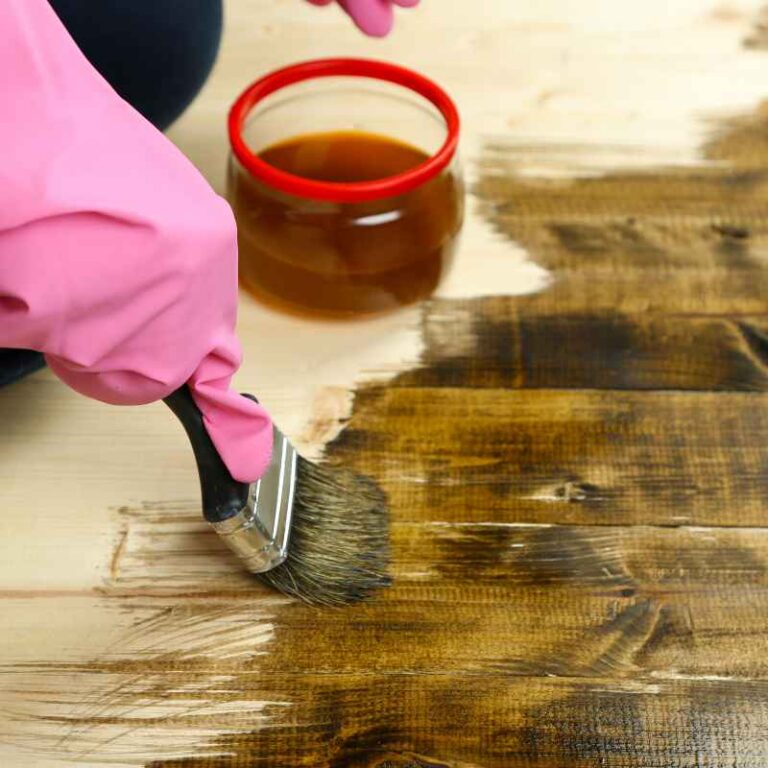
If you decide to use pressure-treated wood indoors, sealing it is vital. Think of it like putting a coat of armor over the chemicals. A good sealant, primer, and paint can create a strong barrier.
This barrier stops the wood from releasing gases. It also prevents contact with the treated wood itself.
Make sure you use a high-quality product. A thin coat of paint might not be enough. You might need multiple coats.
Pay attention to the edges and ends of the wood. These are often the most vulnerable spots. Also, check the sealant regularly.
If it starts to crack or peel, you need to reapply it. This creates an ongoing maintenance task.
This is another reason why many people avoid treated wood indoors. The extra work and maintenance can be a hassle. It’s often simpler to buy wood meant for interior use.
That wood is already safe. It doesn’t require special treatment or sealing for its intended environment. It saves time and worry.
Sealing Treated Wood Indoors: A Checklist
Choose the Right Products: Use a quality primer and at least two coats of interior paint or a good sealant specifically designed for treated wood.
Cover All Surfaces: Ensure every surface of the wood is coated, including the ends and edges. These are areas where chemicals can escape.
Allow Proper Curing: Let the sealant or paint dry and cure completely according to the manufacturer’s instructions. This might take several days.
Inspect Regularly: Periodically check the finish for any chips, cracks, or peeling. Reapply the coating if any damage is found.
Consider Ventilation: Even when sealed, ensure the area has good airflow. This is an extra layer of protection.
Real-World Scenarios: What to Look For
Let’s imagine a few common situations. You’re building a workbench in your garage. You have some leftover pressure-treated 2x4s.
Is it okay? For the basic structure, yes, it’s likely acceptable. The garage is usually well-ventilated.
The wood is structural, not for direct handling of food or fine items. But if you want a smooth top for projects, cover the treated wood with plywood or a laminate. Don’t use the treated wood surface directly.
Now, consider building shelves in your pantry. You have the same treated lumber. Here, it’s less ideal.
While a pantry might have some airflow, it’s an enclosed space. You’ll be storing food. You’ll be reaching for things.
Direct contact is more likely. If you use it, you MUST seal every surface thoroughly. And even then, many experts would advise against it.
Opt for untreated pine, oak, or even MDF for pantry shelves.
What about the joists under a finished basement floor? If these are pressure-treated, it’s usually because the basement might be prone to moisture. Modern treatments are generally okay here, especially since they are covered.
But if you’re renovating and find old, greenish wood, it’s worth investigating further. Old wood could be CCA-treated. That’s a different story.
Always check the age and type if possible.
When to Worry: Red Flags
There are definite signs that using pressure-treated wood indoors is a bad idea. First, if you have any doubt about the treatment type. If it’s old and you can’t identify it, assume the worst.
Especially if it looks distinctly green. Modern treated wood is usually clearly labeled. Old wood often isn’t.
Second, if the wood is used in high-contact areas. Think about a child’s playhouse built from treated wood. Or shelves in a nursery.
Or even a countertop for a craft room where you work with bare hands. These are situations where exposure is almost guaranteed. That’s a red flag.
Third, if the area has poor ventilation. Basements, crawl spaces, or small, enclosed rooms are concerns. Any chemicals released will build up.
This increases the risk. Also, if you notice a strong chemical odor. Even modern treatments can have a faint smell.
But a strong, persistent smell is a sign something might be off. It could mean higher levels of off-gassing.
What This Means for Your Home Projects
So, what’s the bottom line for your home? For most indoor projects, especially those involving finished surfaces or direct contact, it’s best to avoid pressure-treated wood. There are plenty of safe, beautiful, and affordable indoor wood options available.
These woods don’t carry the same potential risks.
If you absolutely must use pressure-treated wood indoors, follow strict guidelines. Use only modern, copper-based treated wood. Seal every surface meticulously.
Ensure excellent ventilation. And handle it safely when cutting or sanding. Be aware of the risks, especially for children and pets.
Consider the long-term implications and maintenance required.
Your home is your sanctuary. Making informed choices about the materials you use is key. For peace of mind and general health, stick to interior-grade lumber for living spaces.
Save the pressure-treated wood for its intended purpose: guarding against the elements outdoors.
Quick Fixes and Tips
If you find yourself with some leftover pressure-treated wood and want to use it indoors, here are a few safe bets:
- Garage/Shed Framing: Use it for structural elements in these areas. Ensure good airflow.
- Outdoor Furniture Reinforcement: If building outdoor furniture, treated wood can be a base. Then, cover it with non-treated wood for seating areas.
- Temporary Supports: For very short-term, non-contact needs in a well-ventilated area.
Remember, these are for situations where exposure is minimal. Always err on the side of caution. When in doubt, don’t use it indoors.
Frequently Asked Questions About Indoor Treated Wood
Is it safe to use pressure treated wood for indoor furniture?
It is generally not recommended to use pressure treated wood for indoor furniture. While modern treatments are safer, there’s still a risk of off-gassing and contact with chemicals. It’s best to use wood specifically designed for indoor use for furniture.
Can I use pressure treated wood for basement framing?
For basement framing, using modern, copper-based pressure treated wood can be acceptable, especially if the basement has good ventilation. It helps protect against moisture. However, avoid older CCA-treated wood.
Always ensure good airflow and consider sealing if possible.
What are the signs of CCA-treated wood?
CCA-treated wood often has a greenish tint and may have very fine green or brown particles visible on the surface. It was common before 2003. If you suspect you have CCA-treated wood, it’s best to avoid using it for indoor projects where there’s direct contact.
Does sealing pressure treated wood make it completely safe for indoor use?
Sealing pressure treated wood significantly reduces the risk by creating a barrier against chemical off-gassing and direct contact. However, it may not eliminate all risks, especially with very old or damaged wood. It’s a strong protective measure, but not a complete guarantee of absolute safety.
What is the difference between outdoor and indoor wood treatments?
Outdoor wood treatments, like those in pressure treated lumber, are designed to resist rot, insects, and harsh weather. Indoor wood treatments are often more focused on aesthetics, finishing, and fire resistance. Standard indoor woods don’t require chemical preservatives to last indoors.
Can I use pressure treated wood scraps for small DIY projects indoors?
For very small, non-contact projects in a well-ventilated area, such as a temporary support or a part of a workbench that will be covered, treated wood scraps might be usable. However, always handle them safely and consider sealing any exposed surfaces. For items meant for display or regular use, choose indoor-specific wood.
Final Thoughts on Indoor Treated Wood
Using pressure-treated wood indoors is a complex choice. While modern treatments are much safer, they still involve chemicals. The goal is always to minimize exposure in your home.
For most indoor projects, opting for lumber specifically designed for interior use is the simplest and safest path. Your home should be a healthy space. Making informed choices ensures that.
Sponsored / affiliate links. As an Amazon Associate I earn from qualifying purchases. I may earn additional commission from eligible campaigns.