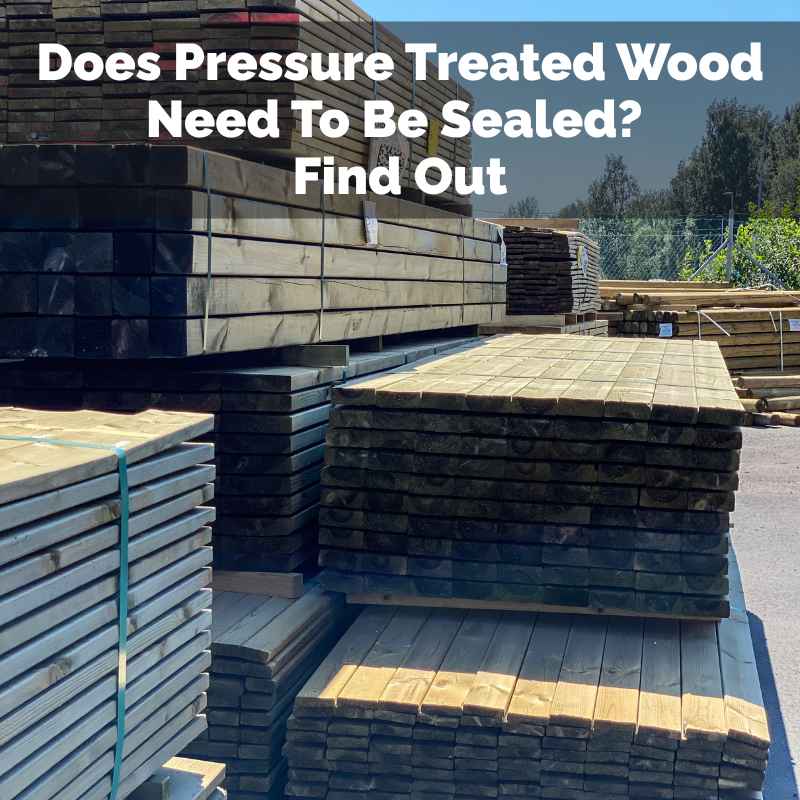
Does Pressure Treated Wood Need To Be Sealed? Find Out
It’s a question many homeowners face when building decks, fences, or other outdoor projects. You’ve invested time and money into using pressure treated wood, and now you’re wondering about the next step. Does it really need a sealant?
We get it. You want your project to last and look good for years. Let’s clear up the confusion about sealing pressure treated wood.
Pressure treated wood does not need to be sealed for structural integrity, as the treatment process itself protects it from rot and insects. However, sealing offers significant benefits for appearance, preventing UV damage, and reducing moisture absorption, which can lead to cracking and splintering over time.
Understanding Pressure Treated Wood
First, let’s talk about what pressure treated wood actually is. This wood is infused with chemicals under high pressure. This process pushes the preserving chemicals deep into the wood fibers.
These chemicals act like a shield. They fight off things that want to eat or rot the wood. We’re talking about fungi, mold, and wood-boring insects.
This makes it super tough for outdoor use. Think of decks, fences, and playground equipment. Without this treatment, these would fall apart pretty quickly in our weather.
The treatment makes the wood resistant to decay. It also helps it withstand moisture. This is a big deal, especially in humid climates or areas with a lot of rain.
You might see labels like ACQ, CA, or MCA on the wood. These tell you what type of chemical treatment was used. They are all designed to protect the wood from nature’s forces.
So, in a basic sense, the wood is already “protected.” This is why you don’t have to seal it just to keep it from rotting or being eaten by bugs. The chemicals do that job for you. Many people build beautiful, long-lasting structures with just the pressure treatment.
They let the wood weather naturally. This gives it that classic gray look.
But, and this is a big “but,” nature doesn’t just attack wood with bugs and rot. The sun has its own power. Water, even though the wood resists soaking it up deeply, still cycles in and out.
This constant change can wear the wood down in other ways. That’s where sealing comes into play. It’s not about adding basic protection, but about adding extra layers of defense and preserving its look.
Why Sealing Pressure Treated Wood Matters
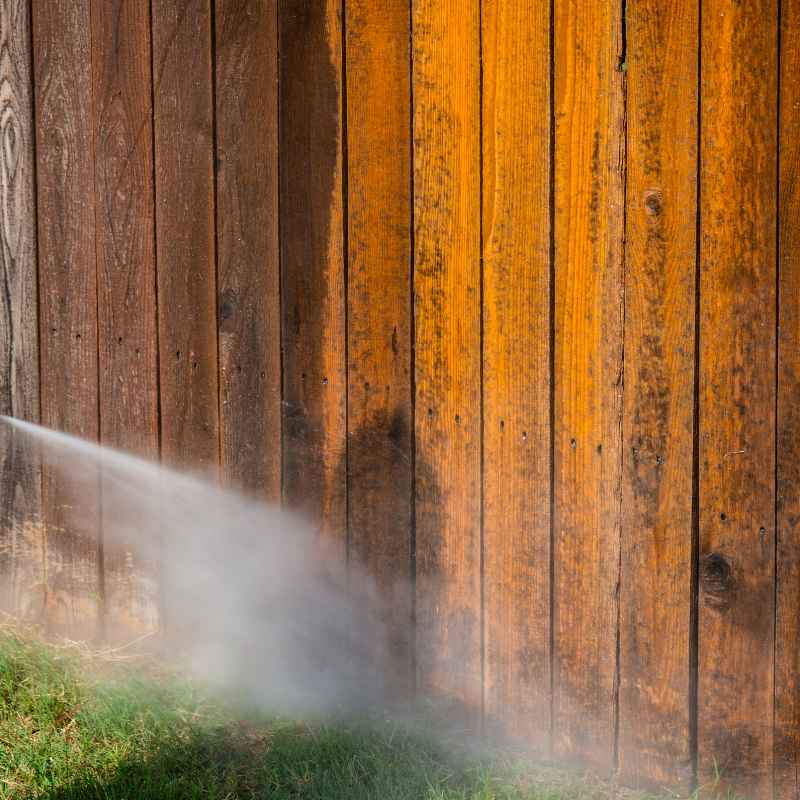
Even though the wood is treated, it’s not indestructible. The sun, for instance, is a powerful force. Ultraviolet (UV) rays from the sun break down the wood’s surface over time.
This is called photodegradation. It causes the wood to lose its color. It turns that familiar grayish tone we often see.
More importantly, it can make the wood’s surface brittle.
Think about your skin in the sun. Without sunscreen, it can get dry and damaged. Wood is similar.
UV rays weaken the lignin in the wood. Lignin is what gives wood its strength and structure. When it breaks down, the wood surface can become fuzzy or splintery.
This makes it less pleasant to walk on or touch.
Then there’s moisture. While the treatment helps, wood still expands and contracts with changes in humidity. When wood gets wet, it swells.
When it dries out, it shrinks. This constant cycle puts stress on the wood fibers. Over time, this can lead to cracks, warping, and even checking (small splits that run along the grain).
Sealing creates a barrier. This barrier helps to slow down how quickly the wood absorbs and loses moisture.
This means less dramatic expansion and contraction. It can help keep the wood more stable. A good sealant can significantly reduce the amount of water the wood takes in.
This is especially true during heavy rain or if the wood is in constant contact with damp soil. It acts like a raincoat for your wood.
So, while the pressure treatment handles the rot and bugs, sealing addresses the sun’s rays and moisture fluctuations. It’s about maintaining the wood’s beauty and its structural integrity in a different way. It’s an added step that many find well worth the effort for the longevity and appearance of their projects.
When Is the Best Time to Seal?
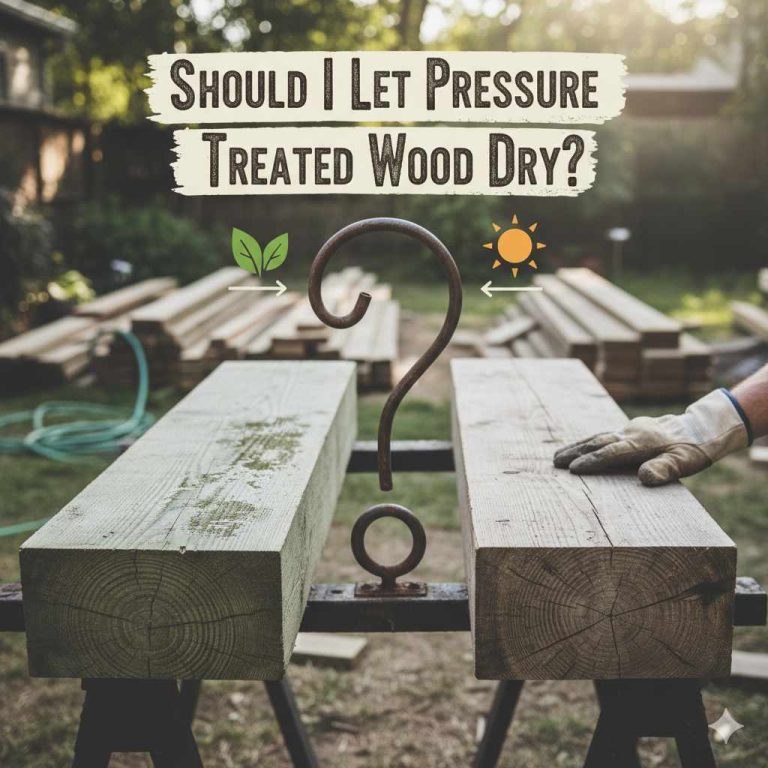
This is a common point of confusion. Some people think you can seal pressure treated wood right after you buy it. Others wait a while.
There’s a good reason for this. When wood is pressure treated, it’s often quite “wet” from the treatment process. It’s loaded with moisture and the treatment chemicals.
If you try to seal it too soon, the sealant might not soak in properly.
The sealant needs a chance to bond with the wood. If the wood is still saturated, the sealant might just sit on the surface. It could peel or wear off much faster.
It’s like trying to put a sticker on a wet surface; it doesn’t stick well. You want the sealant to penetrate and form a protective layer.
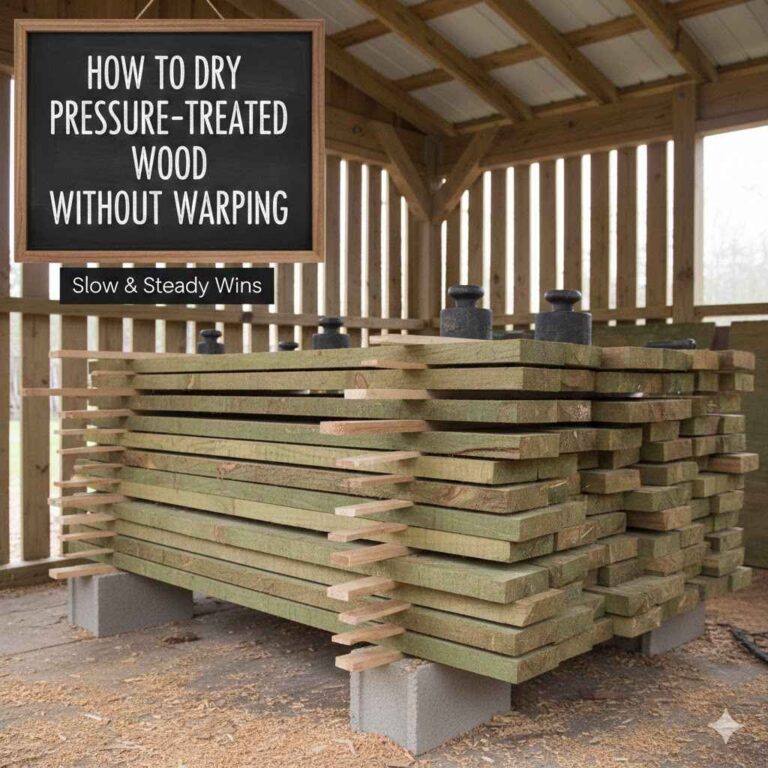
So, the general advice is to let the wood dry out. How long does this take? It really depends on a few things.
The weather is a big factor. If it’s hot, dry, and sunny, the wood will dry faster. If it’s cool, damp, and cloudy, it will take much longer.
A good rule of thumb is to wait until the wood has had a chance to dry for at least a few days, and often a few weeks.
A simple test is to sprinkle some water on the wood. If the water beads up and sits on the surface, the wood is likely ready. If the water soaks in quickly, it’s still too wet.
You can also look for changes in the wood’s appearance. It might seem a bit lighter and less “green” looking when it’s dried out.
For new projects, especially decks that will be used a lot, many people wait for a full season. They let the wood go through a few months of weather. This allows it to dry naturally and settle.
Then, they clean it and apply the sealant. This ensures the best adhesion and longest-lasting protection. Patience here really pays off.
If you’re working with older, already installed pressure treated wood, the drying time might be less of a concern. However, you’ll need to make sure it’s clean and dry before applying any sealant. Mold, mildew, and dirt will prevent the sealant from working effectively.
So, always clean the wood thoroughly first.
Quick Sealing Timeline Guide
For New Construction:
- Let wood dry for 2-4 weeks minimum.
- Test water absorption.
- Clean thoroughly before sealing.
For Existing Structures:
- Ensure wood is clean and dry.
- Allow at least 24-48 hours of dry weather after cleaning.
The Benefits of Sealing
You might be wondering if the effort is truly worth it. Let’s break down the specific advantages of sealing your pressure treated wood. It’s not just about making it look pretty, though that’s a big part for many people.
One of the most significant benefits is enhanced UV protection. As we discussed, the sun’s rays are damaging. Sealants often contain UV inhibitors.
These special ingredients act like sunscreen for your wood. They absorb or reflect the harmful UV radiation. This helps to preserve the wood’s natural color for longer.
It prevents that rapid fading to gray. For many, this is key to keeping their deck or fence looking its best.
Next is moisture control. A good sealant creates a water-repellent barrier. This barrier reduces the amount of water that penetrates the wood.
This is crucial for preventing the damaging cycle of swelling and shrinking. Less moisture absorption means less stress on the wood fibers. This directly translates to fewer cracks, less warping, and reduced splintering.
It helps the wood maintain its shape and integrity.
Improved stain resistance is another plus. Outdoor surfaces can get dirty. Think about spills from food and drinks on a deck, or mud splashed onto a fence.
Sealants can make the surface smoother and less porous. This makes it harder for stains to penetrate the wood. Cleanup becomes much easier.
A quick wipe down might be all that’s needed.
It also helps prevent mold and mildew growth. While pressure treated wood is resistant, prolonged exposure to damp conditions can still encourage surface mold or mildew. A sealant can create a surface that is less hospitable to these organisms.
This helps keep your project looking cleaner and healthier.
Finally, and this ties into everything, it extends the life of your project. By protecting the wood from UV rays, moisture, and stains, you are essentially slowing down the aging process. The wood stays stronger and more attractive for longer.
This means you can enjoy your deck, fence, or other wooden structure for many more years without needing costly repairs or replacement.
So, while not strictly necessary for the wood’s basic survival against rot and insects, sealing offers a comprehensive upgrade. It’s about protecting the wood’s appearance, its feel, and its overall longevity in the face of everyday outdoor challenges.
Choosing the Right Sealant
This is where things can get a little tricky. There are many types of sealants out there, and choosing the wrong one can lead to disappointing results. We want to make sure you pick a product that actually helps.
First, let’s think about the base of the sealant. You’ll mostly see two main types: water-based and oil-based. Water-based sealants are generally easier to clean up.
They tend to dry faster and have lower VOCs (volatile organic compounds), which is better for the environment and your health. They are good for regular maintenance and offer decent UV and water protection.
Oil-based sealants often penetrate deeper into the wood. They can provide a richer look and sometimes better water repellency. However, they can be harder to clean up, take longer to dry, and often have stronger fumes.
They can also be a bit more prone to darkening the wood.
Next, consider what the sealant actually does. Some sealants are primarily water repellents. Others offer UV protection.
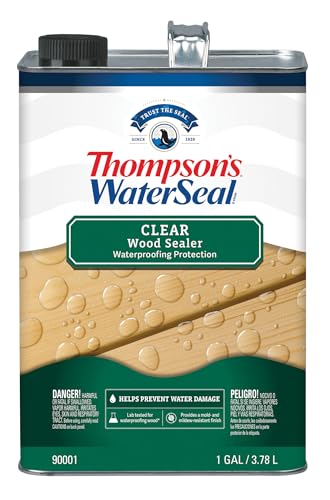
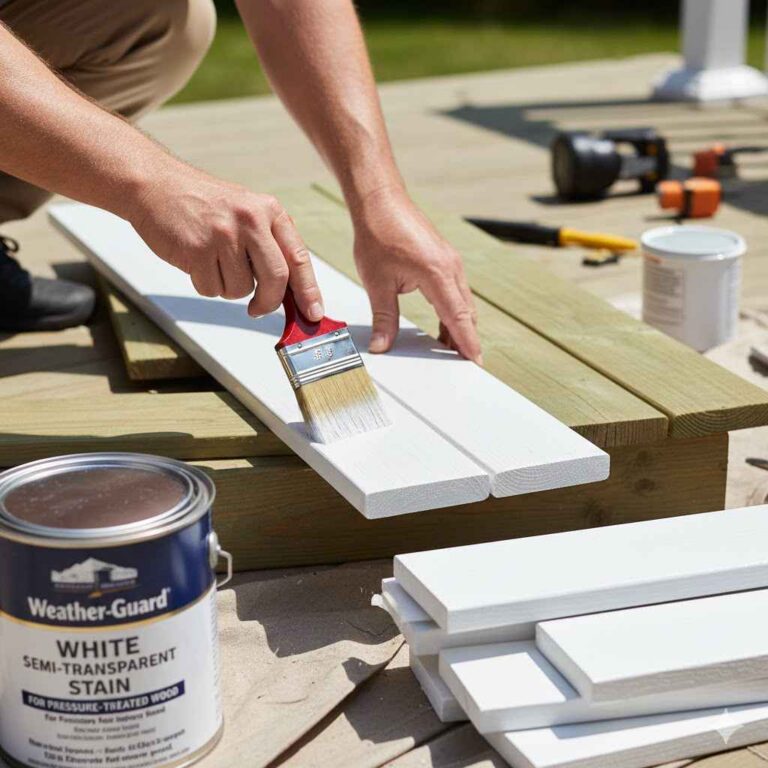
Some are “stains and sealers” that also add color. For pressure treated wood that you want to protect but keep its natural (or weathered) look, a clear or lightly tinted water-repellent sealer with UV inhibitors is often a great choice. If you want to add color, a semi-transparent stain with sealing properties is a good option.
Sealant Types at a Glance
Water-Based Sealers:
- Easy cleanup
- Fast drying
- Lower VOCs
- Good for regular use
Oil-Based Sealers:
- Deeper penetration
- Rich look
- Stronger water repellency
- Longer drying time, higher VOCs
Look for products specifically designed for decks and fences. These are usually formulated to withstand foot traffic and exposure to the elements. Read the labels carefully.
Does it mention UV protection? Does it say it repels water? Is it suitable for softwood or pressure treated lumber?
Don’t be tempted by the cheapest option. Often, a higher-quality sealant will last longer and perform better, saving you time and money in the long run. Consumer reports and online reviews can be helpful here.
See what other people are saying about specific brands and products for similar applications.
Another thing to think about is the finish. Do you want a matte finish, a satin sheen, or something glossier? Most outdoor sealants lean towards a matte or satin look, as high gloss can be slippery on decks.
The product label should give you an idea of the final appearance.
My own experience with sealing a fence panel really highlighted this. I grabbed a cheap, generic “wood sealer.” It looked okay for a few weeks, but then the first big rain came, and the water just soaked right in. The color evened out, but it clearly wasn’t protecting the wood.
I ended up having to re-seal it a few months later with a better quality, UV-resistant sealer. It made a huge difference, and I haven’t had to touch it since, even after a couple of harsh winters.
Application Tips for Best Results
Getting the sealant on correctly is just as important as picking the right one. A poorly applied sealant won’t do its job. It might look streaky or uneven.
Let’s walk through how to do it right.
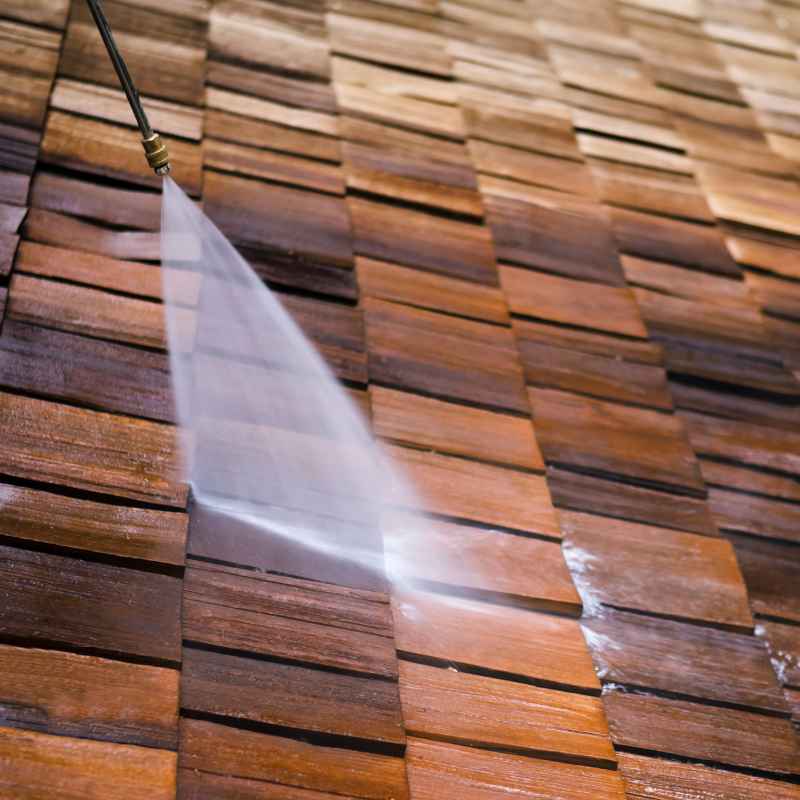
First, preparation is key. Make sure your wood is clean, dry, and free of any old sealants or finishes. You might need to use a wood cleaner or a deck wash.
For older wood, a stiff brush or even a pressure washer (on a low setting!) can help. After cleaning, you must let the wood dry completely. As we said, this can take 24-48 hours or more, depending on the weather.
Next, gather your tools. You’ll likely need a paintbrush, a roller, or a garden sprayer. For large areas like decks, a sprayer can be faster.
However, you’ll often need to back-brush or back-roll to ensure even coverage and that the product penetrates the wood. For railings or smaller areas, a brush or roller might give you more control.
Always work in the right conditions. Avoid applying sealant in direct, hot sunlight. The wood can get too hot, and the sealant can dry too quickly before it has a chance to soak in properly.
This can lead to lap marks and an uneven finish. Overcast days or early morning/late afternoon are usually best.
Do not apply when rain is in the forecast. Most sealants need a certain amount of time to cure before they can withstand rain. Check the product’s instructions for recoat times and rain-free drying times.
This is crucial. Applying too soon can wash away the product.
When applying, work in manageable sections. Don’t try to cover the entire deck at once. Apply the sealant in long, even strokes.
If you’re using a brush or roller, try to maintain a wet edge. This means overlapping the recently sealed area with the new application. This prevents those dreaded lap marks where one section looks different from the next.
If you’re using a sprayer, start with a light, even coat. Then, immediately go over the same area with a brush or roller to work the product into the wood. This is called “back-brushing” or “back-rolling.” It ensures the sealant is absorbed rather than just sitting on the surface.
Pay attention to the ends of the boards. The ends of the wood are like the cuticles of your fingernails; they absorb moisture much faster. Make sure to thoroughly coat the end grain of each board.
This is a critical step in preventing water penetration.
Allow the first coat to dry according to the manufacturer’s instructions. Some sealants only require one coat. Others recommend two.
If a second coat is needed, apply it after the first coat has dried sufficiently. Again, follow the product’s guidelines for drying and recoat times.
Proper application means the sealant will look good and perform well for years. It’s a bit of a process, but one that makes a big difference in the end.
Step-by-Step Sealing Process
1. Clean the Wood: Use a wood cleaner and stiff brush. Rinse well.
2. Dry Thoroughly: Allow at least 24-48 hours of dry weather.
3. Choose the Right Conditions: Avoid direct sun, high heat, and rain.
4. Gather Tools: Brush, roller, or sprayer. Wear gloves.
5. Apply Evenly: Work in sections, maintaining a wet edge. Back-brush if spraying.
6. Coat End Grain: Pay extra attention to the wood ends.
7. Follow Drying Times: Allow proper curing before use or rain.
When Sealing Isn’t Necessary (Or When to Reconsider)
We’ve talked a lot about why you should seal pressure treated wood. But let’s be honest, sometimes you just don’t need to. Or maybe you’ve got a specific situation where sealing isn’t the best idea.
The most straightforward reason is if you genuinely prefer the weathered, silver-gray look of aged wood. Many people find this aesthetic very appealing. It blends in naturally with landscapes and gives a rustic charm.
If you’re going for this look, and you’re not worried about minor cracking or splintering over many years, then skipping the sealant is perfectly fine.
Another situation is if your pressure treated wood is entirely covered or indoors. For example, if you’re building a structure where the wood is completely protected from the elements, like the internal frame of a shed that will have siding all around it, or lumber used in a basement, then sealing is generally unnecessary. The pressure treatment itself will still offer protection if it gets damp unexpectedly, but a sealant won’t add much practical value.
If you’re planning to paint the wood, you generally don’t need to seal it first. Paint acts as its own protective barrier. However, you will need to ensure the wood is properly prepped, clean, and dry before painting.
Some paint manufacturers might have specific recommendations regarding priming pressure treated wood, so it’s always good to check their guidelines.
What if the wood is already old and has been through many years without sealing? If it’s still structurally sound and you like its appearance, forcing a sealant on it might not be the best move. You’d first need to thoroughly clean it.
If it’s very dry and has significant cracks, a sealant might seep into these, which could be okay, or it could seal in moisture if not applied perfectly. In such cases, focusing on cleaning and perhaps a light maintenance coat might be more appropriate than a heavy-duty seal.
Sometimes, the type of pressure treated wood matters too. Newer treatments might offer even better inherent resistance, making the need for sealing even less critical for basic protection. However, for appearance and extended life, the benefits often still hold true.
The key is to assess your goals. If your primary goal is structural longevity against rot and insects, and you don’t mind the natural weathering, the pressure treatment alone is sufficient. If you value appearance, want to slow down weathering, reduce cracking, and make cleaning easier, then sealing is a wise choice.
It’s about personal preference and priorities for your project.
What This Means for You
So, what’s the takeaway for your own project? You’ve learned that pressure treated wood is already built tough. It’s got internal defenses against rot and bugs.
That’s its primary superpower. This means you don’t have to seal it just to keep it from falling apart quickly.
However, sealing adds a significant layer of protection that the basic treatment doesn’t provide. It’s like wearing a raincoat and sunscreen on top of your normal clothes. The clothes protect you, but the extra gear handles specific weather challenges.
For most people who want their decks, fences, or outdoor furniture to look good and last as long as possible, sealing is a worthwhile step. It helps keep the wood from fading too quickly in the sun. It makes it more resistant to cracking and splintering from drying out too much.
It also makes cleaning off dirt and spills much easier.
When should you consider sealing? Ideally, after the wood has had a chance to dry out from the treatment process. This usually means waiting a few weeks for new projects.
For older wood, make sure it’s clean and dry before applying a sealer.
What kind of sealant? Look for a quality water-repellent sealer with UV inhibitors. These offer the best balance of protection without drastically changing the wood’s color, unless that’s what you want.
Always read the product instructions carefully.
The decision really comes down to your personal goals. If you’re going for a natural, weathered look and don’t mind the signs of aging, then skip the sealant. If you want to preserve the wood’s color, reduce future maintenance, and slow down the effects of sun and moisture, then sealing is a smart investment.
Think about the effort involved. Applying a sealant takes time and some elbow grease. But the results can be quite rewarding, extending the beauty and life of your outdoor structures.
It’s about making an informed choice for your specific needs and preferences.
Quick Fixes & Tips for Longevity
While sealing is a proactive step, there are other simple things you can do to help your pressure treated wood last longer. These tips are easy to follow and can make a real difference over time.
Keep it Clean: Regularly sweep debris like leaves and dirt off your deck or fence. This debris can trap moisture. Trapped moisture is a breeding ground for mold and mildew.
It can also lead to premature decay, even on treated wood.
Ensure Good Drainage: For decks, make sure water can drain away freely. Avoid placing planters directly on the deck surface for long periods without protection. Allow air to circulate around wooden structures.
Good airflow helps wood dry out faster.
Trim Overhanging Branches: Trees can provide shade, which is nice. But constant shade and dripping from leaves can keep wood wet for longer periods. If possible, trim back branches that constantly drip onto your deck or fence.
Avoid Direct Contact with Soil: Whenever possible, make sure the bottom of your fence posts or deck framing isn’t sitting directly in the soil. Use concrete footings or gravel bases. This prevents the wood from constantly wicking up moisture from the ground.
Inspect Regularly: Take a few minutes each year to walk around your deck or fence. Look for any loose boards, popped nails, or signs of excessive wear. Addressing small issues early can prevent them from becoming big, costly problems.
Reapply Sealant as Needed: Sealants don’t last forever. Depending on the product and the amount of wear and tear, you’ll likely need to reapply every 1-3 years. Watch for signs that the water is no longer beading up on the surface.
That’s usually a good indicator it’s time for another coat.
Use a Good Cleaner Before Sealing: When it’s time to re-seal, don’t just slap it on over dirt. Use a quality wood cleaner designed for decks or fences. This removes grime and prepares the surface for the new sealant.
These are small habits, but they add up. They help maintain the integrity of the wood and keep it looking its best. It’s about consistent care, not just one big project.
Frequent Questions About Sealing Pressure Treated Wood
Do I have to seal pressure treated wood if it’s going in the ground?
Pressure treated wood rated for ground contact already has a higher level of treatment. While it’s designed to resist rot and insects even when buried, sealing can still offer extra protection against moisture wicking from the soil. However, many people choose not to seal it if it’s entirely underground, relying on the treatment alone.
Can I paint pressure treated wood instead of sealing it?
Yes, you can paint pressure treated wood. Ensure the wood is clean and dry first. Most paints will adhere well after proper prep.
Paint itself acts as a protective barrier against the elements, similar to a sealer.
How often should I reapply sealant to my deck?
The frequency of reapplication depends on the type of sealant used, the climate, and the amount of foot traffic or exposure to the elements. Generally, you might need to reapply every 1 to 3 years. A good indicator is when water stops beading on the surface and starts soaking in.
Does sealing pressure treated wood make it slippery?
Most quality sealants designed for decks will not make the wood excessively slippery. Some sealants can provide a slight sheen, but they are typically formulated to maintain grip. If you’re concerned, look for products that specifically mention having a non-slip finish or consider adding a non-slip additive.
What happens if I seal pressure treated wood too soon?
If you seal pressure treated wood before it has fully dried out, the sealant may not adhere properly. It could peel, flake, or wear off quickly. The trapped moisture can also cause issues.
It’s best to wait for the wood to dry, typically a few weeks for new projects.
Will sealing change the color of my pressure treated wood?
Some sealants can slightly darken the wood, especially oil-based ones. Clear sealants are designed to enhance the wood’s natural color or the color it turns after weathering. Stains and sealers will add color.
Always test a small, inconspicuous area first to see how the sealant affects the wood’s appearance.
Conclusion
So, to wrap it all up, pressure treated wood doesn’t need sealing to resist rot and bugs. The treatment handles that. But sealing offers real benefits.
It protects against sun damage and moisture changes. This helps your wood look better and last longer. Consider your goals, choose the right product, and apply it well for the best results.
Sponsored / affiliate links. As an Amazon Associate I earn from qualifying purchases. I may earn additional commission from eligible campaigns.