Can Pressure Treated Wood Be Buried in Dirt? Safe or Not?
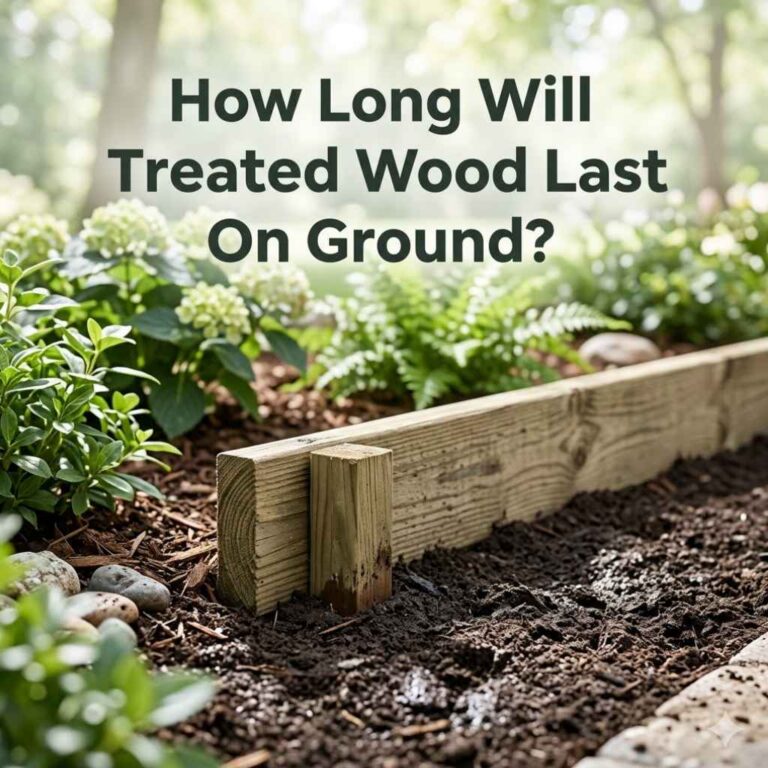
Can pressure treated wood be buried in dirt? This question comes up for anyone planning fence posts, raised garden beds, or retaining walls. The short answer is yes, but only under the right conditions. This post covers the safety, lifespan, application types, and best practices for using pressure treated lumber in direct ground contact.
In short, modern pressure treated wood labeled for ground contact can be buried in dirt safely and effectively. However, proper installation, drainage, and wood species selection are critical to maximize lifespan and avoid premature rot or structural failure.
Key Takeaways
- Pressure treated wood designed for ground contact resists decay and insects for decades when installed correctly.
- Not all treated wood is equal – above-ground grades degrade quickly if buried; always check the label.
- Proper drainage, gravel backfill, and post caps extend the buried lifespan by 5 to 10 years.
- Modern preservatives (ACQ, CA-B) are EPA-approved and safe for most residential uses.
- Even with treatment, buried wood eventually fails; plan for a 15- to 30-year service life.
What Is Pressure Treated Wood? Understanding the Basics
Pressure treated wood is lumber infused with chemical preservatives under high pressure to resist rot, fungi, and insect attack. The process forces preservatives deep into the wood fibers, creating a barrier that lasts for many years.
The two most common modern preservatives are Alkaline Copper Quaternary (ACQ) and Copper Azole (CA-B). Both replace the older CCA (chromated copper arsenate) system that was phased out for residential use in 2003 due to arsenic concerns.
According to the American Wood Protection Association (AWPA), treatment standards are determined by the intended wood end use. Lumber designated for “Ground Contact” must contain a higher chemical retention level than “Above Ground” lumber.
- Above Ground (UC2/UC3) – for decks, fences not touching soil; retention ~0.25 pcf for ACQ
- Ground Contact (UC4A/UC4B) – for posts, landscape timbers; retention ~0.40 pcf for ACQ
- Heavy Duty (UC4C) – for marine or extreme conditions; retention >0.60 pcf
| Preservative | Common Use | Retention (pcf) |
|---|---|---|
| ACQ (Alkaline Copper Quat) | Decks, fences, posts | 0.25 (above) / 0.40 (ground) |
| CA-B (Copper Azole) | General residential | 0.26 (above) / 0.40 (ground) |
| MCA (Micronized Copper Azole) | Modern alternative | 0.25 (above) / 0.40 (ground) |
The retention level directly correlates with how long the pressure treated wood can survive buried in dirt. Ground contact grade provides the needed protection.
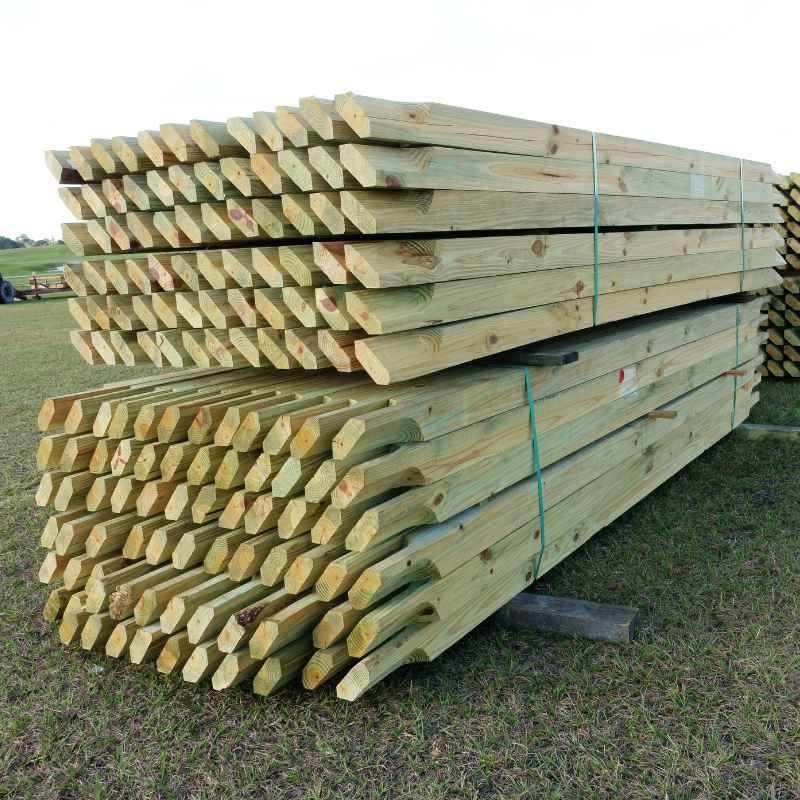
Can Pressure Treated Wood Be Buried in Dirt? The Direct Answer
Yes, pressure treated wood can be buried in dirt, but only if it is specifically labeled for ground contact. Above-ground rated wood will begin to rot within 2–5 years when buried because the preservative concentration is too low.
The AWPA Standard UC4A (Ground Contact) requires a minimum preservative retention of 0.40 pounds per cubic foot for southern pine. This level is proven to resist soil-borne decay fungi, termites, and carpenter ants for at least 20 years in moderate climates.
A 2017 study by the USDA Forest Products Lab found that properly treated ground-contact posts in well‑drained soil averaged 25 years before replacement was needed. In contrast, untreated wood posts lasted only 2–4 years.
However, several factors affect actual lifespan:
- Soil moisture – constantly wet soil accelerates decay.
- Wood species – heartwood of cedar or redwood is naturally durable; pine requires deeper treatment.
- Installation method – using gravel at the base improves drainage.
- Climate – high heat and humidity speed fungal growth.
- Insect pressure – termite-prone areas reduce service life.
Tip: Always check the end tag on the lumber for “Ground Contact” or “UC4A” labeling. If it says “Above Ground” only, do not bury it.
How to Prepare the Soil for Buried Pressure Treated Wood
Proper soil preparation is just as important as using the right wood. Even ground-contact rated lumber can fail prematurely if surrounded by wet, poorly draining clay soil.
Start by digging a hole that is 2 to 3 times the width of the post. This extra space allows you to backfill with gravel or crushed stone, which improves drainage away from the wood. The depth should be at least one‑third of the post length plus 6 inches of gravel at the bottom.
For example, a 6‑foot post needs a hole about 2.5 feet deep, with 6 inches of gravel base, leaving 2 feet of the post in the ground. The gravel prevents the wood from sitting in standing water.
Key steps for optimal installation:
- Remove all grass, roots, and organic debris from the hole.
- Pour a 6‑ to 8‑inch layer of ¾‑inch clean gravel at the bottom.
- Set the post and plumb it vertically.
- Backfill with alternating layers of gravel and tamped soil, or use all gravel for best drainage.
- Slope the soil surface away from the post to divert rainwater.
- Apply a post‑saver sleeve or wrap for added protection (especially in wet climates).
Warning: Do not use concrete backfill around buried posts. Concrete traps moisture against the wood, causing faster rot at the ground line. Use gravel instead.
The EPA notes that proper installation can double the useful life of pressure treated wood in the ground. A 2019 survey by the North American Wood Preservation Council found that 87% of premature failures were due to improper backfill, not the preservative itself.
How Long Does Pressure Treated Wood Last When Buried?
With correct ground‑contact grading and good installation, expect a lifespan of 15 to 30 years. The exact number depends on the factors mentioned – soil type, climate, and maintenance.
Here is a realistic breakdown based on real‑world data:
| Condition | Typical Lifespan | Why It Lasts |
|---|---|---|
| Well‑drained sand/gravel soil | 25–30 years | Fast water movement, low fungal activity |
| Clay soil with poor drainage | 15–20 years | Moisture retained, higher rot risk |
| Wetland or flood‑prone area | 8–12 years | Constant moisture accelerates decay |
| High termite activity | 10–15 years | Insects can bypass preservative with enough moisture |
These numbers assume you used ground‑contact rated wood and followed proper drainage practices. Using above‑grade wood will reduce these figures by half or more.
What Are the Safety Concerns With Buried Pressure Treated Wood?
Safety is a top concern for homeowners, especially when using pressure treated wood near vegetable gardens, playgrounds, or wells. Modern preservatives are much safer than older CCA treatments, but some precautions still apply.
Both ACQ and CA‑B use copper as the primary biocide. Copper is a naturally occurring element and is not classified as a carcinogen by the EPA. However, copper can be toxic to aquatic life if large amounts leach into groundwater.
Studies by the Wood Preservation Council show that leaching rates are very low – typically less than 1% of the preservative over 20 years. The risk to humans from normal contact is negligible. Still, you should avoid burning pressure treated wood, as the smoke contains harmful chemicals.
Key safety guidelines for buried wood:
- Do not use pressure treated wood for direct contact with drinking water systems.
- If building raised garden beds, line the inside with heavy‑duty plastic to limit soil contact.
- Wear gloves and a dust mask when cutting or sanding treated wood.
- Keep children and pets away from freshly cut sawdust until cleaned up.
- Dispose of cut ends and scraps at a construction landfill, not in yard waste.
Important: The EPA states that pressure treated wood is safe for use in gardens when proper barriers exist. Never use treated wood for cutting boards or direct food contact surfaces.
The American Wood Council reports that approximately 14 million cubic meters of treated wood are produced annually in the U.S., with a safety record spanning over 70 years. No significant health issues have been linked to proper use of modern treatments.
How to Choose the Right Pressure Treated Wood for Burial
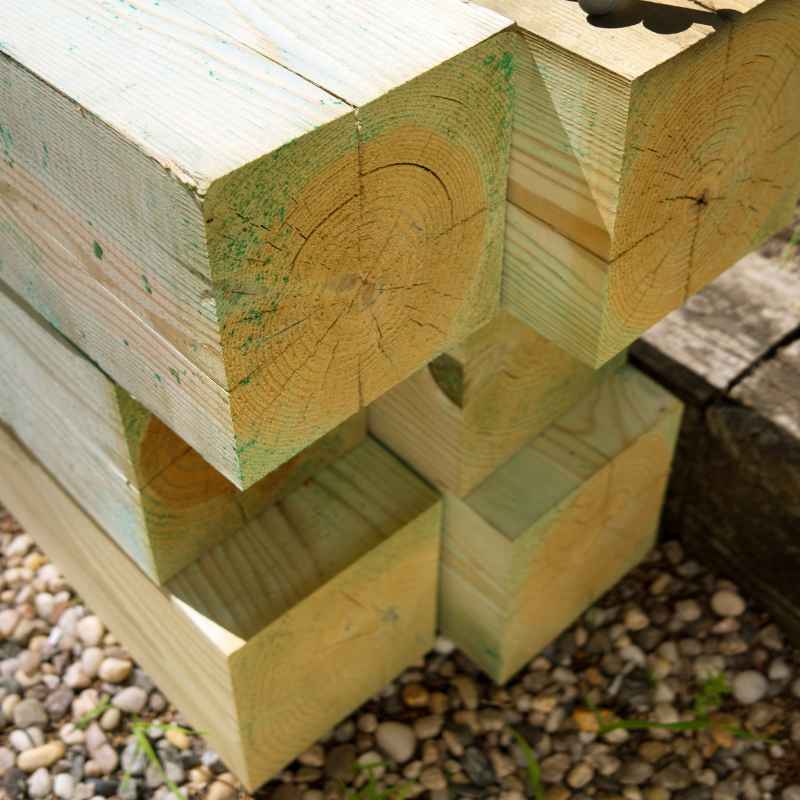
Not all pressure treated wood is made the same. When you buy at a lumberyard, look for the AWPA stamp on the end of each board. The stamp indicates retention level, preservative type, and intended use. See our guide on what pressure treated wood looks like for photos of that stamp and the color changes as the wood ages.
For direct burial in dirt, always choose lumber with a “Ground Contact” label. Here is what to look for on the tag:
- Treatment type – ACQ, CA‑B, or MCA (all are fine for ground contact)
- Retention rating – at least 0.40 pcf for southern yellow pine
- Wood species – Southern yellow pine is most common; Douglas fir, hemlock, and spruce are also used
- “Permeability” – some species treat more deeply; heartwood of any species is harder to treat
- Factory warranty – some brands offer a 20‑year limited warranty against rot and termites
You might also encounter “Heat Treated” or “KDAT” (kiln dried after treatment) wood. This is not a preservative – it only indicates the wood has been heated to kill pests. Do not confuse it with pressure treated wood.
| Feature | Ground Contact | Above Ground |
|---|---|---|
| Preservative retention | 0.40 pcf or higher | 0.25 pcf |
| Burial safe | Yes | No |
| Typical uses | Fence posts, landscape timbers, retaining walls | Decking, railings, above-ground fence rails |
| Cost per board foot | $2.00 – $3.50 | $1.20 – $2.00 |
Investing in ground‑contact lumber adds 30–50% to the upfront cost, but the extended lifespan more than pays off. Using cheaper above‑ground wood for burial will cost more in the long run due to early replacement.
What Are the Alternatives to Buried Pressure Treated Wood?
If you prefer not to bury pressure treated wood due to safety or durability concerns, several alternatives exist. Each has trade‑offs in cost, lifespan, and appearance.
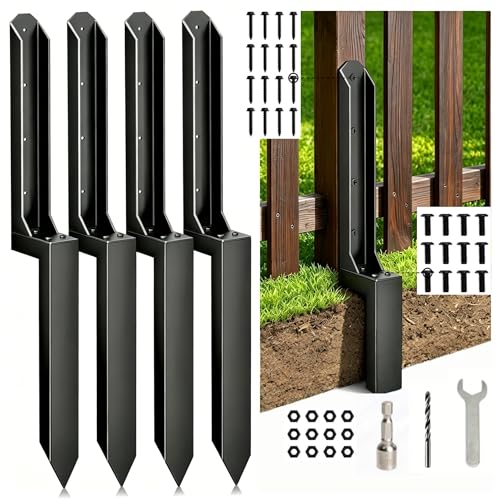
Concrete posts – Precast concrete fence posts are rot‑proof and can last 50+ years. They are heavier and more expensive but eliminate any risk of chemical leaching. concrete also requires special footing preparation.
Steel and aluminum – Galvanized steel or aluminum posts are very durable in the ground. They resist rust when properly coated. Steel is strong but can be bent by heavy impacts; aluminum is lighter but more costly.
Plastic/composite lumber – High‑density polyethylene (HDPE) or recycled composite materials are fully waterproof. They never rot, but they are not structural and will flex under heavy loads. Best for decorative or light‑duty posts.
Untreated natural rot‑resistant wood – Cedar, redwood, black locust, and to some extent cypress have natural resistance to decay when used in ground contact. Their lifespan in the ground is typically 10–15 years, less than treated wood.
Comparison of key attributes:
| Material | Burial Lifespan | Cost per 8‑ft post | Maintenance |
|---|---|---|---|
| Pressure treated pine (ground contact) | 25–30 years | $10–$18 | Low |
| Concrete | 50+ years | $25–$40 | None |
| Galvanized steel | 30–40 years | $20–$35 | Low (check coating) |
| HDPE composite | 40+ years (non‑structural) | $30–$50 | None |
| Cedar (untreated) | 10–15 years | $15–$25 | Moderate |
For most fence and garden projects, ground‑contact pressure treated wood remains the best balance of cost, longevity, and ease of installation. Alternatives are worth considering if you have specific environmental concerns or need an extremely long service life.
Tip: If you decide to use steel or concrete, be sure to install them with a gravel base just like wood posts – it prevents frost heave and keeps the ground dry around the foundation.
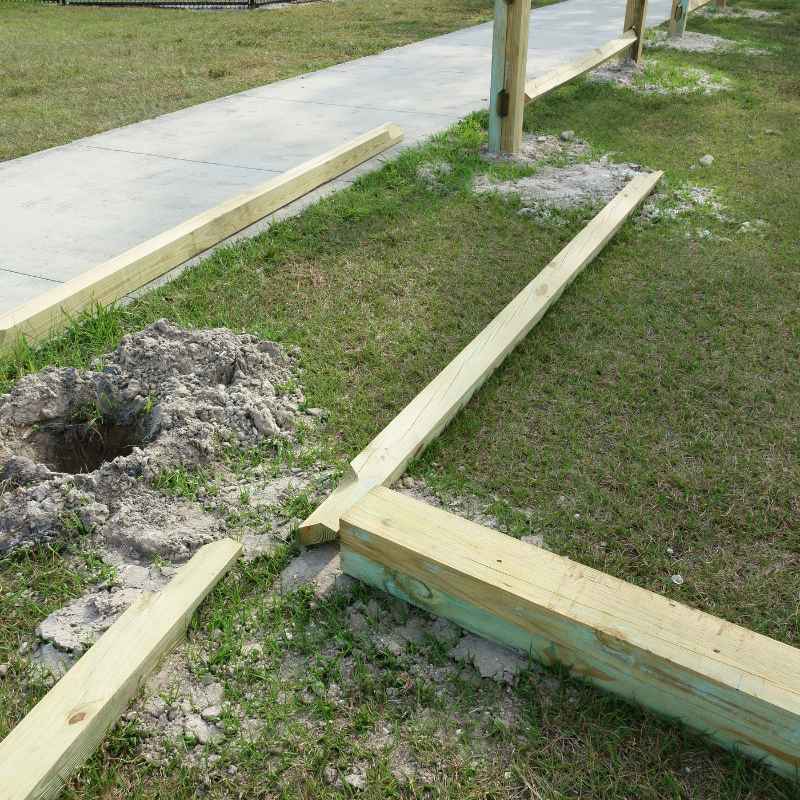
Frequently Asked Questions
Can pressure treated wood be buried in dirt for a fence post?
Yes, ground‑contact rated pressure treated wood is specifically designed for fence post burial. Use only UC4A or higher lumber, backfill with gravel, and ensure good drainage for maximum lifespan.
How long will pressure treated wood last if buried?
With proper ground‑contact grade and installation, 15 to 30 years is typical. Wet clay soil and warm climates shorten this, while dry, sandy soil extends it.
Is pressure treated wood safe for vegetable gardens if buried?
Modern ACQ and CA‑B treated wood is considered safe when not in direct contact with soil that touches edible roots. Line raised beds with plastic to be extra cautious, and avoid using treated wood for garden structures that contact the soil directly.
What happens if you bury above‑ground pressure treated wood?
Above‑ground rated wood has lower preservative retention. It will start to rot within 2–5 years when buried, especially in damp conditions. It is not designed for ground contact and will fail prematurely.
Do I need to seal the cut ends of pressure treated wood before burying?
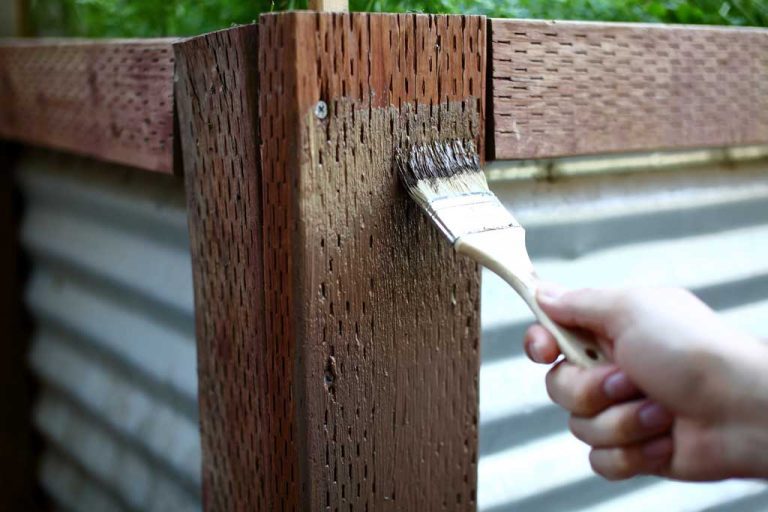
Yes, it is highly recommended to apply a wood preservative or end‑cut sealer to all freshly cut ends. The ends are the most vulnerable point because they expose untreated heartwood. Use a copper‑naphthenate based product for best results.
Final Thoughts
Pressure treated wood can be buried in dirt safely and last for many years – but only when you choose the correct ground‑contact grade and install it with proper drainage. Always check the tag, avoid concrete backfill, and seal exposed ends. The small extra effort up front will give you a fence, post, or structure that stays strong for decades.
Choose wisely, dig carefully, and your buried wood will reward you with reliable performance.
Sponsored / affiliate links. As an Amazon Associate I earn from qualifying purchases. I may earn additional commission from eligible campaigns.