Is Treated Wood Safe for Raised Garden Beds?
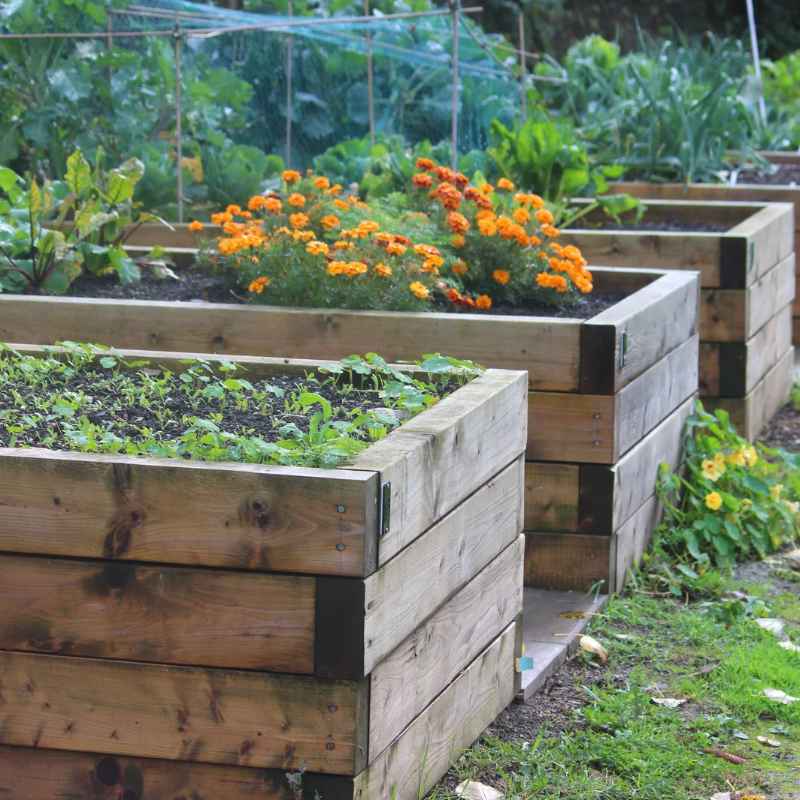
In short, while older treatments posed risks, modern ACQ and other treated woods are generally considered safe for raised garden beds, especially when specific precautions are taken. The key is to understand the type of treatment and to minimize direct contact between treated wood and edible soil.
Key Takeaways
- Modern wood treatments like Alkaline Copper Quaternary (ACQ) are considered safer for garden beds than older Chromated Copper Arsenate (CCA) treatments.
- Minimize direct contact between treated wood and edible soil by using barriers or lining the beds.
- Allowing wood to weather can reduce surface chemical levels.
- Untreated wood options are available, though they require more maintenance and have a shorter lifespan.
- Research specific treatment codes to understand the chemicals used.
What is Treated Wood and Why Use It?
Treated wood is lumber that has been infused with chemical preservatives under pressure. This process makes the wood resistant to decay, fungi, and insect infestation. It’s widely used in construction for decks, fences, docks, and, of course, raised garden beds because of its longevity and durability.
Without treatment, wood exposed to soil and moisture would quickly rot, significantly shortening the lifespan of any garden structure.
The primary benefit of using treated wood in garden beds is its extended lifespan. Untreated wood, especially when in constant contact with moist soil, can begin to rot within a few years. Treated wood, on the other hand, can last for decades.
This means less frequent replacement of your garden beds, saving you time and money in the long run. It also provides a sturdy and reliable structure for growing your plants.
However, the question of safety arises because these preservatives are, by definition, chemicals designed to prevent biological breakdown. While effective, understanding what these chemicals are and how they interact with the environment and your food is vital. This has led to significant debate and research over the years, with regulations changing to ensure safer practices.
Understanding Wood Preservatives: From CCA to ACQ
Historically, one of the most common wood preservatives was Chromated Copper Arsenate (CCA). CCA treatments contained arsenic and chromium, chemicals that are known carcinogens and were a significant concern for leaching into garden soil. Due to these health risks, the use of CCA in residential applications, including garden beds, has been largely phased out or banned in many regions since the early 2000s.
The transition away from CCA has led to the development and widespread adoption of alternative preservatives. The most prevalent among these is Alkaline Copper Quaternary (ACQ). ACQ uses copper as the primary fungicide and an organic quaternary ammonium compound as an insecticide.
This combination is highly effective against rot and insects but is considered significantly less toxic than CCA. Other alternatives include Copper Azole (CA) and Micronized Copper Quaternary (MCQ).
When purchasing treated lumber, look for stamps or labels on the wood. These will indicate the type of treatment used. For instance, you might see “ACQ,” “CA,” or “MCQ.” If the wood is stamped “UCN,” “CCA,” or simply “Treated,” it’s wise to investigate further or opt for a different wood, especially for edible gardens.
Modern treatments are designed to bind more tightly to the wood fibers, reducing the likelihood of significant leaching.
The Science Behind Leaching and Toxicity
The main concern with using treated wood in raised garden beds is chemical leaching. Leaching occurs when water dissolves chemicals from the wood and carries them into the surrounding soil. From the soil, these chemicals could potentially be absorbed by plant roots and accumulate in the edible parts of the plants.
Studies have been conducted to quantify this leaching, particularly for older CCA-treated wood and newer ACQ-treated wood.
Research, including studies by the U.S. Department of Agriculture (USDA) and various university extension programs, has consistently shown that leaching from ACQ and other modern treated woods is minimal, especially compared to CCA. The copper compounds, while still metals, are less mobile in soil and are not readily absorbed by most plants in significant quantities.
The organic components of ACQ also degrade more readily in the environment.
Toxicity is another factor. While CCA contained arsenic, a known carcinogen, ACQ and similar treatments use compounds that are generally considered less hazardous to human health. Copper is an essential micronutrient for plants, though excessive amounts can be toxic.
However, the levels leached from ACQ wood are typically well below thresholds that would cause plant toxicity or pose a risk to human consumers.
Are Treated Wood Garden Beds Safe for Edibles?
The consensus among most horticultural and environmental health organizations is that garden beds constructed with modern treated wood (like ACQ or CA) are safe for growing edible plants. This is based on extensive research that indicates minimal chemical uptake by plants and low toxicity of the preservatives used.
However, “safe” is a relative term, and some gardeners prefer to err on the side of caution. If you have concerns, several strategies can significantly reduce any potential risk. One of the most effective is to create a physical barrier between the treated wood and the soil where your food will grow.
This can involve lining the inside of the beds with heavy-duty, food-grade plastic sheeting or pond liner.
Another consideration is the type of plants you are growing. Root vegetables (like carrots, potatoes, and radishes) that grow directly in the soil might be more susceptible to absorbing substances from the soil than leafy greens or fruits that grow above ground. While risks are minimal with modern treatments, avoiding direct contact with edible soil is a prudent approach.
Practical Tips for Using Treated Wood Safely
If you decide to use treated wood for your raised garden beds, especially for growing edibles, implementing a few best practices can provide peace of mind. These tips are designed to minimize any potential exposure to preservatives and ensure the safety of your harvest.
Lining Your Garden Beds
This is perhaps the most effective way to ensure safety. Before adding soil, line the interior of your raised bed with a thick, durable plastic sheeting. Ensure the liner extends all the way up the sides of the bed and is stapled or secured to the top edge of the wood.
This creates a physical barrier, preventing soil from coming into direct contact with the treated wood.
- Use heavy-duty, food-grade plastic sheeting (e.g., 6-mil polyethylene) to prevent degradation over time.
- Ensure there are no gaps or holes in the liner.
- For added durability, consider using pond liner material.
- Be mindful of drainage; ensure your liner doesn’t impede water flow if drainage holes are incorporated into the bed’s design.
Allowing Wood to Weather
Newer treated wood can have higher concentrations of preservatives on its surface. Allowing the wood to weather for a few months (or even a year) before constructing the beds and filling them with soil can help reduce these surface chemicals. Rain and sun exposure will naturally break down and wash away some of the preservatives.
Tip: You can accelerate this process slightly by lightly power washing the wood before installation, but ensure you collect and dispose of the runoff properly. Avoid sanding or cutting treated wood indoors or without proper respiratory protection, as inhaling the sawdust can be harmful.
Choosing the Right Wood
Always opt for wood treated with ACQ, CA, or MCQ. Avoid any wood treated with CCA. Check the lumber stamps or ask your supplier for confirmation.
Even within ACQ, there can be variations in the exact chemical composition, so choosing reputable brands and suppliers is advisable.
Consider Untreated Options
If you are highly concerned about any potential chemical exposure, or if you plan to grow sensitive crops, there are excellent untreated wood alternatives. Cedar, redwood, and cypress are naturally resistant to rot and insects, though they will have a shorter lifespan than treated wood. You can also use untreated pine or fir, but be prepared to replace these beds more frequently.
For extremely long-lasting beds without chemical concerns, consider composite lumber or stone/brick construction.
Comparing Treated Wood Options for Garden Beds
When it comes to treated wood, not all treatments are created equal, especially concerning garden use. Understanding the differences can help you make an informed choice for your raised beds.
| Treatment Type | Common Chemicals | Safety for Edibles | Durability | Leaching Concern |
|---|---|---|---|---|
| Chromated Copper Arsenate (CCA) | Arsenic, Chromium, Copper | Generally NOT recommended | Very High | High |
| Alkaline Copper Quaternary (ACQ) | Copper, Quaternary Ammonium Compounds | Considered Safe | High | Low |
| Copper Azole (CA) | Copper, Azole | Considered Safe | High | Low |
| Micronized Copper Quaternary (MCQ) | Micronized Copper, Quaternary Ammonium Compounds | Considered Safe | High | Very Low |
This table highlights the shift towards safer, more environmentally friendly treatments. ACQ, CA, and MCQ are the primary choices for modern construction and are suitable for garden applications when proper precautions are taken.
Alternatives to Treated Wood
While modern treated wood is generally deemed safe, some gardeners prefer to avoid it entirely. Fortunately, there are several excellent alternatives for constructing durable and attractive raised garden beds.
Naturally Rot-Resistant Woods
Certain types of wood possess natural oils and compounds that make them resistant to decay and insect damage. These woods are a fantastic choice for a more natural approach to gardening.
- Cedar: Widely available and naturally resistant to rot and insects. It has a beautiful color and aroma.
- Redwood: Similar to cedar in its natural resistance, though often more expensive.
- Cypress: Another durable wood that holds up well in moist conditions.
- Black Locust: Extremely rot-resistant, often used in outdoor furniture and structures, but can be harder to source.
These woods can last for many years, though typically not as long as properly treated lumber. They will eventually decompose, but at a much slower rate than untreated pine or fir.
Untreated Softwoods
Woods like pine, fir, and spruce are more affordable but will rot much faster when in contact with soil. If you choose these, expect to replace your garden beds every few years. You can extend their life slightly by using thicker boards or by applying natural sealants, though these will need reapplication.
Composite Lumber
Made from a blend of recycled plastic and wood fibers, composite lumber is highly durable and resistant to rot, insects, and moisture. It requires very little maintenance and can last for decades. However, it can be more expensive upfront and might not offer the natural aesthetic some gardeners desire.
Stone, Brick, or Concrete Blocks
These materials offer unparalleled durability and longevity. They are completely inert, meaning there’s no concern about chemical leaching. The upfront cost and labor can be higher, but they are a long-term solution that requires minimal maintenance.
Metal Raised Beds
Galvanized steel or corrugated metal panels are increasingly popular for raised beds. They are durable, resistant to rot and insects, and can offer a modern aesthetic. Ensure the metal is properly coated to prevent rust.
Common Concerns and Misconceptions
Despite scientific consensus, there are persistent concerns about treated wood. One common misconception is that all treated wood is equally dangerous. As discussed, older CCA treatments posed significant risks, but modern treatments like ACQ are fundamentally different and have been extensively studied.
Another concern is whether plants absorb enough chemicals to be harmful. Studies by institutions like the University of Minnesota Extension have shown that even in direct contact with ACQ-treated wood, the levels of copper absorbed by common vegetables like tomatoes and lettuce are extremely low and well within safe dietary limits. The bioavailability of these chemicals in soil is also a factor; not all chemicals in the soil are readily absorbed by plants.
Important: It’s vital to distinguish between different types of treated wood. Assuming all treated wood is unsafe for edible gardens is an oversimplification that overlooks the advancements in wood preservation technology and regulatory oversight.
One final area of confusion can be around the term “pressure-treated.” This simply refers to the method of infusion, not the specific chemicals used. Always check for the treatment code (e.g., ACQ, CA) to understand the actual preservatives.
Frequently Asked Questions
Is ACQ treated wood safe for vegetable gardens?
Yes, ACQ (Alkaline Copper Quaternary) treated wood is widely considered safe for use in vegetable gardens. It uses copper-based preservatives that are less toxic and leach less into the soil compared to older treatments like CCA.
What is the safest wood for raised garden beds?
The safest options are naturally rot-resistant woods like cedar, redwood, or cypress, or materials like stone, brick, or composite lumber. If using treated wood, opt for ACQ or similar modern treatments and consider lining the bed.
Can I use old treated lumber from a deck for my garden beds?
It’s generally not recommended to use old treated lumber, especially if it’s CCA-treated. Even if it’s a newer treatment, the wood might be degraded, and identifying the exact treatment can be difficult. It’s best to purchase new lumber specifically treated for ground contact if you choose this route.
How long does treated wood last in a raised garden bed?
When using modern treated wood like ACQ and ensuring it’s rated for ground contact, raised garden beds can last 15-25 years or even longer, depending on the climate and maintenance. Untreated woods will have a much shorter lifespan.
Are there any chemicals in treated wood that can harm beneficial soil organisms?
While preservatives are designed to kill fungi and insects, the levels leached into the soil from modern treated woods like ACQ are generally not high enough to significantly harm beneficial soil organisms like earthworms or microbes in the long term. However, excessive chemical concentrations could have localized effects.
Final Thoughts
Ultimately, the question of whether treated wood is safe for raised garden beds, especially for edibles, has a nuanced answer. Modern treatments like ACQ and CA are considered safe by most regulatory bodies and agricultural experts. To maximize safety and peace of mind, employing lining techniques or opting for naturally resistant woods are excellent strategies.
By understanding the types of treatments and taking simple precautions, you can confidently build beautiful and productive raised garden beds.
Sponsored / affiliate links. As an Amazon Associate I earn from qualifying purchases. I may earn additional commission from eligible campaigns.
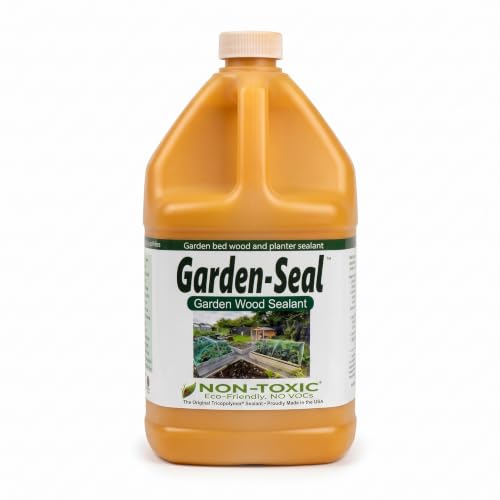 Garden-Seal Golden Cedar Solid Color Stain | Raised Garden Beds & Planters | One Coat Coverage, Natural Pigments | Zero VOC, UV Resistant | Waterproof Sealer, 30-Year Formula, Made in USA | 1 Gallon
 63PCS Laminate Wood Flooring Installation Kit, Vinyl/LVP Flooring Tools, Tapping Block with Double-Sided Notches, Pull Bar, Floor Spacers, Rubber Mallet