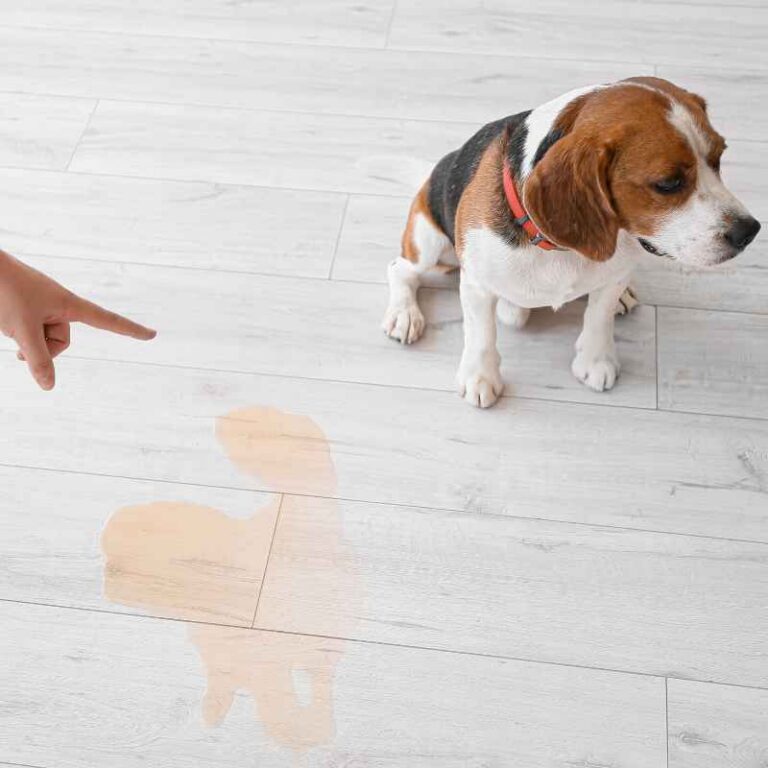
How to Remove Dog Pee Stains From Wood Floors for Good
Removing dog pee stains from wood floors is a common challenge for pet owners, but with the right approach, you can restore your flooring’s appearance and eliminate odors. Understanding the best methods and products is key to preventing permanent damage and ensuring a clean home environment. This guide will walk you through effective techniques to tackle these tough pet stains.
Simply put, act fast on fresh stains by blotting, then use an enzymatic cleaner specifically designed for pet odors and stains on wood. For older or set-in stains, a gentle DIY solution or a specialized wood floor cleaner may be necessary, always testing in an inconspicuous area first to avoid damaging the finish.
Key Takeaways
- Act quickly: Blot up fresh urine immediately to minimize absorption into the wood.
- Use enzymatic cleaners: These break down odor-causing molecules and stain proteins effectively.
- Test first: Always test any cleaning solution in a hidden spot to ensure it doesn’t harm your wood finish.
- Address odor: Ensure the odor is completely eliminated to prevent your dog from returning to the same spot.
- Prevent recurrence: Understand why the accident happened and take steps to prevent future accidents.
What is Dog Urine Damage on Wood Floors?
Dog urine damage on wood floors refers to the discoloration, odor, and potential structural compromise that occurs when pet urine seeps into the porous material of hardwood. Unlike spills that sit on the surface, urine, especially when left untreated, can penetrate the wood grain, the finish, and even the subfloor. This infiltration leads to a variety of problems, ranging from unsightly dark or light spots to a lingering, unpleasant smell that is difficult to eradicate.
The severity of the damage often depends on how long the urine was present before being discovered, the type of wood floor finish, and the concentration of the urine itself. Fresh urine is acidic and can etch the finish and lighten the wood. As it dries, bacteria begin to break down the urea, producing ammonia, which is responsible for the strong, pungent odor.
Over time, this ammonia can further discolor the wood, often turning it darker, and can even cause the wood to swell or warp.
Understanding the composition of dog urine is crucial for effective removal. It contains urea, uric acid, sodium, and other organic compounds. Uric acid crystals are particularly stubborn and are the primary source of persistent odors, as they are not easily dissolved by water alone.
This is why simple mopping often fails to completely remove the problem, and why specialized cleaning agents are often required.
- Initial Absorption: Urine quickly soaks into unfinished or lightly finished wood.
- Discoloration: Can cause lightening (etching) or darkening (tannin bleed) of the wood.
- Odor Formation: Bacteria break down urine, releasing ammonia and creating a strong smell.
- Finish Damage: Acids in urine can strip or damage protective wood finishes.
- Wood Degradation: Prolonged exposure can lead to swelling, warping, or rot.
- Re-soiling: Lingering odors can encourage pets to urinate in the same spot again.
The long-term effects of untreated urine can be quite costly, potentially requiring partial or complete replacement of floorboards. Prevention and prompt, correct treatment are therefore essential for maintaining the integrity and beauty of your wood floors.
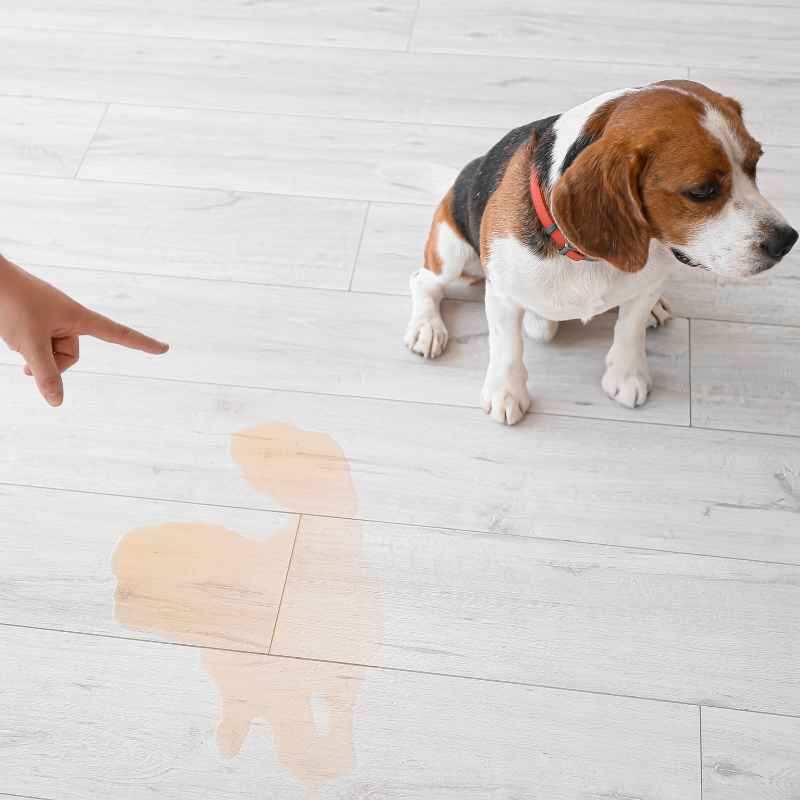
How to Tackle Fresh Dog Pee Stains
When you catch your dog in the act or discover a fresh accident, immediate action is your best defense. The faster you can remove the liquid, the less chance it has to penetrate deeply into the wood grain and finish. Your primary goal at this stage is absorption and surface cleaning to prevent the stain from setting in.
Start by gathering absorbent materials. Paper towels or clean, white cloths are ideal. Avoid using colored towels, as the urine can bleed through them, potentially transferring dye to your wood.
Gently blot the affected area, working from the outside of the stain inward to prevent spreading. Press firmly to soak up as much moisture as possible. Repeat this process with fresh towels until no more liquid is absorbed.
Be thorough; even a small amount of residual moisture can lead to staining and odor issues.
After thoroughly blotting, you’ll want to clean the surface to remove any remaining urine residue. A mild solution of water and white vinegar can be effective for this initial rinse. Mix equal parts water and white vinegar and lightly dampen a clean cloth.
Gently wipe down the area. Vinegar is a natural deodorizer and can help neutralize some of the ammonia. Again, avoid saturating the wood; a damp cloth is sufficient.
Once wiped, allow the area to air dry completely.
- Discover the fresh stain.
- Gather absorbent materials (paper towels, white cloths).
- Blot the liquid thoroughly from the outside in.
- Repeat blotting until no more moisture is absorbed.
- Prepare a mild cleaning solution (equal parts water and white vinegar).
- Dampen a clean cloth with the solution.
- Gently wipe the stained area.
- Allow the area to air dry completely.
Tip: For fresh stains, it’s better to blot than to scrub. Scrubbing can push the urine deeper into the wood grain and potentially damage the floor’s finish.
For extremely fresh, surface-level accidents, this initial blotting and wiping might be enough. However, for most cases, especially if the urine has had even a moment to soak in, further treatment for odor and potential staining is usually necessary. Always proceed with caution and consider the type of finish on your wood floors.
Using Enzymatic Cleaners for Deep Cleaning
Enzymatic cleaners are the gold standard for dealing with pet urine stains and odors because they work by breaking down the complex organic molecules in urine, including the uric acid crystals that cause lingering smells. These cleaners contain specific enzymes and beneficial bacteria that literally consume the odor-causing compounds, rather than just masking them with fragrances.
When selecting an enzymatic cleaner for wood floors, look for products specifically formulated for pet stains and engineered for use on sealed wood surfaces. Not all enzymatic cleaners are created equal, and some may be too harsh for delicate wood finishes. Always read the product label carefully and follow the manufacturer’s instructions precisely.
Many brands are readily available at pet supply stores and online retailers.
To use an enzymatic cleaner, first, ensure the area has been blotted dry. Then, generously apply the cleaner to the stained area, making sure it saturates the spot and extends slightly beyond the stain’s visible edges. This is crucial because the urine odor might have spread further than the visible stain.
Allow the cleaner to dwell for the time recommended by the manufacturer, which can range from a few minutes to several hours, or even overnight. This dwell time is essential for the enzymes to work effectively.
- How it works: Enzymes and beneficial bacteria break down organic matter.
- Target: Effectively eliminates odor-causing uric acid crystals.
- Application: Apply generously, ensuring full saturation of the affected area.
- Dwell Time: Crucial for enzymes to work; follow product instructions.
- Drying: Allow to air dry naturally, or blot excess moisture after dwell time if instructed.
- Repeat if necessary: Stubborn odors or stains may require multiple applications.
After the recommended dwell time, you may need to blot up any excess moisture or allow the area to air dry completely. Some cleaners may leave a slight residue that can be wiped away with a damp cloth once dry. The effectiveness of enzymatic cleaners often improves over time as they continue to break down any remaining residues deep within the wood pores.
DIY Solutions for Stubborn Stains
For those who prefer natural alternatives or need to tackle a stubborn stain that enzymatic cleaners haven’t fully resolved, several DIY solutions can be effective. These methods often utilize common household ingredients known for their cleaning and deodorizing properties. However, it’s vital to remember that wood floors, especially those with delicate finishes, can be sensitive, so always test these solutions in an inconspicuous area first.
One popular DIY approach involves a paste made from baking soda and water. Baking soda is a fantastic natural deodorizer and mild abrasive. Mix about one cup of baking soda with enough water to form a thick paste.
Apply this paste generously over the stained area and let it sit for several hours, or even overnight. The paste will dry and absorb odors and some of the staining. Once dry, gently scrape away the hardened paste with a plastic scraper or putty knife and vacuum the residue.
Follow up with a damp cloth wipe using a diluted vinegar solution.
Another option combines hydrogen peroxide and baking soda. Hydrogen peroxide has mild bleaching properties that can help lift stains, while baking soda tackles odors. Mix about 1/4 cup of 3% hydrogen peroxide with one tablespoon of baking soda and a single drop of dish soap.
Stir to combine. Apply this mixture to the stain and let it sit for about 10-15 minutes. Gently blot the area with a clean, damp cloth.
Be extremely cautious with hydrogen peroxide on darker woods, as it can cause lightening. Always test this mixture in a hidden spot first.
| Solution | Ingredients | Application Method | Caution |
|---|---|---|---|
| Baking Soda Paste | 1 cup Baking Soda + Water (to form paste) | Apply paste, let dry (hours), scrape, vacuum, wipe. | Use plastic scraper; avoid oversaturation. |
| Hydrogen Peroxide & Baking Soda | 1/4 cup 3% Hydrogen Peroxide + 1 tbsp Baking Soda + 1 drop dish soap | Apply, let sit 10-15 mins, blot with damp cloth. | Test for lightening on dark woods. Use sparingly. |
For any DIY solution, it’s critical to follow up with a thorough drying process. Never leave excess moisture on wood floors, as this can lead to swelling, warping, and further damage. If the stain persists or the odor remains after trying these methods, it may be time to consult a professional or consider a more intensive restoration process.
What About Old, Set-In Stains?
Dealing with old, set-in dog urine stains on wood floors presents a greater challenge. The urine has had ample time to penetrate deeply, potentially causing significant discoloration and odor deep within the wood fibers. In these cases, aggressive cleaning methods might be required, but always with extreme caution to avoid damaging the wood or its finish.
For deeply ingrained odors and stains, professional wood floor cleaners often recommend a chemical approach. Products containing oxalic acid can be effective at lightening dark stains caused by tannins in the wood that have reacted with urine. However, oxalic acid is a strong chemical and must be used with extreme care, wearing protective gear and ensuring excellent ventilation.
It can strip finishes and lighten wood significantly, so it’s typically a last resort before refinishing.
Another approach for very old stains involves a process similar to refinishing. This might include light sanding of the affected area to remove the stained surface layer of wood, followed by reapplication of a matching stain and finish. This is a more involved process and may require professional expertise to achieve a seamless result, especially if the stain is widespread.
For widespread, deep-set damage, a full floor refinishing might be the only way to completely eliminate the stains and odors.
When tackling old stains, consider these steps:
- Assess the damage: Determine if it’s just a surface stain, deep discoloration, or if the wood is warped.
- Try specialized wood floor cleaners: Look for products designed for pet stains on hardwood.
- Consider oxalic acid treatments: Use with extreme caution and proper protective gear for deep stains.
- Light sanding and refinishing: For very stubborn stains, this may be the only option.
- Professional consultation: If unsure, consult a wood floor professional for advice or services.
For a set-in stain, remember that time and patience are key. You might need to try multiple cleaning methods or repeat a process several times before seeing significant improvement. Always prioritize the health of your wood floor and avoid overly aggressive scrubbing or harsh chemicals that could cause irreparable damage.
When to Call a Professional
While many dog urine stains can be managed with DIY methods and specialized cleaners, there are certain situations where calling a professional is the wisest course of action. If you’ve tried multiple cleaning methods without success, or if the stain has caused visible damage to the wood itself, a professional wood floor cleaner or restorer will have the expertise and equipment to handle the problem effectively.
One primary indicator that professional help is needed is when the urine has caused significant structural damage to the wood. This can include warping, buckling, or deep pitting of the floorboards. These issues go beyond simple staining and odor removal, requiring specialized knowledge of wood repair and restoration.
Professionals can assess the extent of the damage and recommend the best course of action, which might involve replacing damaged boards.
Additionally, if your wood floors have a particularly delicate or antique finish, you run a higher risk of causing irreparable damage with DIY cleaning attempts. Professionals are trained to identify different types of finishes and use appropriate, safe cleaning agents and techniques. They can also tackle widespread staining or persistent odors that seem to defy all conventional treatment methods.
Investing in professional cleaning can save you money in the long run by preventing further damage and ensuring a proper, lasting repair.
| Indicator | Reason | Professional Solution |
|---|---|---|
| Widespread Staining | Urine has soaked through multiple areas. | Spot repair, board replacement, or full refinishing. |
| Persistent Odor | DIY methods fail to eliminate smell. | Deep cleaning, odor neutralization, or sealing. |
| Wood Damage | Warping, buckling, rot, or deep pitting. | Board replacement, structural repair. |
| Delicate Finish | Antique, oiled, or specialty finishes. | Specialized cleaning agents and techniques. |
When researching professionals, look for companies with specific experience in hardwood floor cleaning and pet stain removal. Ask for references, read reviews, and get detailed quotes before proceeding. A good professional can assess the situation accurately and provide a solution that restores your wood floors to their former glory.
Frequently Asked Questions
What is the best way to remove a dog urine stain from a sealed wood floor?
For sealed wood floors, the best approach is to act quickly. Blot up fresh urine immediately. Then, use an enzymatic cleaner specifically designed for pet stains and wood floors, following the product’s instructions carefully.
Always test in an inconspicuous area first.
Can I use bleach on dog urine stains on wood floors?
It is generally not recommended to use bleach on wood floors. Bleach can strip the finish, discolor the wood, and potentially damage the material. For tougher stains, hydrogen peroxide or specialized wood cleaners are safer alternatives, but always test first.
How do I get rid of the smell of dog urine from wood floors?
Enzymatic cleaners are the most effective for odor removal as they break down the uric acid crystals. For persistent odors, you can also try a paste of baking soda and water, or a diluted vinegar solution, ensuring the area is thoroughly dried afterward. Ensure the urine has not penetrated the subfloor.
Will sanding remove dog urine stains from wood?
Light sanding can remove superficial stains or the discolored top layer of wood. However, if the urine has penetrated deeply into the wood grain or caused significant discoloration, sanding alone may not be sufficient, and refinishing or board replacement might be necessary.
How can I prevent my dog from peeing on my wood floors?
Prevention involves consistent potty training, frequent potty breaks, positive reinforcement, and addressing any underlying medical or behavioral issues. Ensure your dog has a designated potty area outside and clean up accidents thoroughly to avoid re-soiling.
Final Thoughts
Successfully removing dog pee stains from wood floors requires prompt action and the right cleaning agents. By understanding the nature of the stain and employing effective techniques like blotting, enzymatic cleaning, and cautious DIY solutions, you can significantly improve your chances of restoring your floors. Remember to always test products in a hidden area and consider professional help for severe damage or persistent odors.
Sponsored / affiliate links. As an Amazon Associate I earn from qualifying purchases. I may earn additional commission from eligible campaigns.