How To Get Rid Of Black Spots On Wood Floors For Good
Black spots on your beautiful wood floors can be a real head-scratcher. They show up out of nowhere. You try to wipe them away, but they just won’t budge.
It’s frustrating, right? You want your home to look its best. These dark marks can make even the prettiest wood look dingy.
Don’t worry, though. We’ll dive deep into what causes them. We’ll also explore the best ways to get rid of them for good.
Let’s make those floors shine again.
Black spots on wood floors are often caused by metal reactions with moisture or tannins. Common culprits include pet urine, spilled liquids containing metal ions, or even dropped metal objects. Addressing these spots requires understanding the cause to use the right cleaning and restoration method.
Prevention is also key to keeping your floors looking their best.
Understanding Black Spots on Wood Floors
Black spots on wood floors are a common problem. They can appear suddenly. Often, they look like tiny dark marks.
Sometimes, they are larger splotches. These spots happen for a few main reasons. Knowing why they form helps us tackle them effectively.
It’s not just about cleaning. It’s about fixing the root cause too.
The wood itself has natural elements. These are called tannins. When these tannins meet certain things, a reaction happens.
This reaction creates a dark stain. Moisture is a big player here. Water alone can cause issues.
But when water mixes with other things, the problem gets worse.
Metal is another major cause. Think about nails, screws, or even some furniture legs. If these metal items get wet on your wood floor, they can corrode.
This corrosion process stains the wood. The stain is usually black or very dark grey. It can seep deep into the wood grain.
Pet urine is a notorious cause of black spots. Urine contains ammonia. It also contains other chemicals.
These react with the wood. The moisture soaks in. The tannins in the wood react.
The metal in the urine can also cause problems. This combination often leads to stubborn black stains.
Even small spills can cause trouble. Think about spilled juice. Or maybe a drink with metal ions.
If left for too long, these can create stains. Sometimes, it’s the container that causes the issue. A metal can left on a damp floor can rust and stain.
It’s all about what touches the wood and for how long.
My Own Black Spot Nightmare
I remember one time, I was just finishing up a floor refinishing project. The floors looked amazing. I felt so proud.
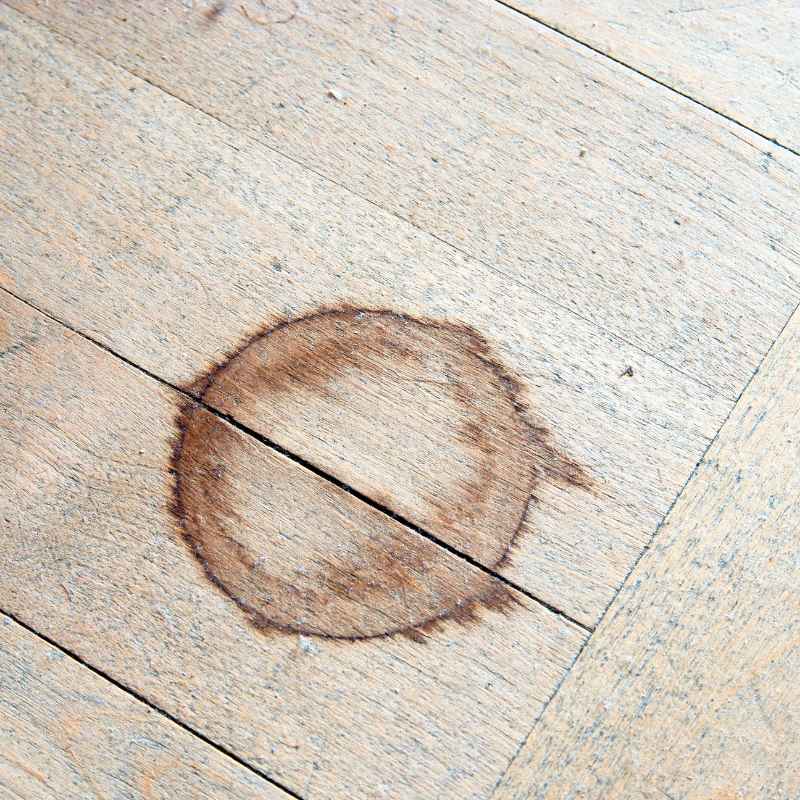
Then, the next morning, I saw them. Tiny black dots peppered the living room. My heart sank.
I had no idea what caused them. I’d worked so hard on those floors.
I grabbed a damp cloth. I scrubbed. Nothing.
I tried a wood cleaner. Still nothing. It felt like a personal attack.
Then I remembered. Earlier that week, my dog had an accident. I thought I’d cleaned it up perfectly.
But clearly, some moisture or chemical had lingered. The tannins in the wood had reacted. It was a harsh lesson in how quickly things can go wrong.
That experience taught me a lot. It pushed me to learn more about wood floor care. I learned that sometimes, the simplest things cause the biggest problems.
And sometimes, the fix isn’t as simple as wiping. It requires a bit more digging to find the real issue and the right solution. That’s when I really started paying attention to the science behind wood floor stains.
Common Causes of Black Spots
Moisture + Tannins: Wood contains natural tannins. Water or spills can activate them. This causes dark discoloration.
Metal Reactions: Dropped metal objects, furniture nails, or pet tags can rust on damp wood. This stains the floor black.
Pet Urine: Urine is acidic and contains ammonia. It reacts with wood and its tannins, causing deep, dark stains.
Spilled Liquids: Certain liquids, especially acidic ones or those with metal content, can leave stains if not cleaned promptly.
Old Floor Finishes: Sometimes, the finish itself can break down. This allows moisture and other elements to penetrate and stain the wood.
The Science Behind the Stain
Wood is a natural material. It’s made of cellulose and lignin. It also has other compounds.
One important group is tannins. Tannins are types of polyphenols. They are found in many plants.
In wood, they help protect it. But they can also cause problems. They are key to understanding those black spots.
When moisture comes into contact with wood, it can affect these tannins. The tannins can leach out. They can also react with other substances.
This reaction often leads to oxidation. Oxidation is a chemical process. It changes the color of the tannins.
This is what creates the dark color we see as a stain.
Metals are particularly reactive with wood tannins. Iron is a common culprit. Think about nails or screws.
If they are exposed to moisture, they will rust. The rust particles then get into the wood. They react with the tannins.
This creates a strong chemical bond. This bond results in a very dark, permanent-looking stain.
Pet urine is a powerful stain maker. Urine contains urea. When urea breaks down, it forms ammonia.
Ammonia is alkaline. It reacts with the wood fibers. It also reacts with the tannins.
This reaction breaks down the wood’s structure. It also darkens the color significantly. The moisture also helps it soak deep into the wood.
The type of wood also matters. Some woods have more tannins than others. Oak, for example, is rich in tannins.
This makes it more prone to staining from metal and moisture. Softwoods might react differently. Understanding your floor’s wood type can give clues.
Wood Science Quick Facts
Cellulose & Lignin: These are the main components of wood. They give wood its strength and structure.
Tannins: Natural compounds in wood. They can cause dark stains when reacting with moisture and metals.
Oxidation: A chemical process. It changes the color of substances, including tannins in wood.
pH Levels: Urine is alkaline. This pH change can damage wood fibers and cause stains.
Wood Type: Hardwoods like oak have more tannins. They are more susceptible to certain types of stains.
Dealing with the Black Spots: Your Options
Okay, so you’ve got these black spots. What now? The good news is, there are ways to deal with them.
The best method depends on what caused the spot and how deep it is. It’s not always a one-size-fits-all solution. We need to be a bit strategic.
First, let’s talk about identifying the cause. Was it a pet accident? Did you drop something metal?
Is the area constantly exposed to moisture? Answering these questions helps choose the right approach. If you can identify the cause, you can prevent it from happening again.
That’s half the battle.
For lighter, surface-level spots, a good cleaning might be enough. But for deeper, ingrained stains, you’ll need to do more. Sometimes, you might need to use a special cleaner.
Other times, you might need to lightly sand the area. For very stubborn spots, a professional might be the best bet.
We’ll cover a few methods here. Some are DIY. Some might require a bit more effort.
The goal is to restore the look of your floor without damaging it further. Remember to always test any cleaning solution in an inconspicuous spot first. This is important.
It ensures it won’t harm your floor’s finish.
Spot Treatment Strategies
Surface Cleaning: For very fresh, light spots. Use a mild wood cleaner.
Chemical Treatment: For deeper stains. Use a wood brightener or oxalic acid.
Sanding: For stubborn, embedded stains. Lightly sand the affected area.
Refinishing: For widespread or very deep issues. May involve sanding and re-sealing.
Professional Help: When in doubt or for valuable floors.
The Gentle Cleaning Approach
Sometimes, the black spot is just a surface issue. Maybe it’s from a small water ring with a metal object. Or a minor spill.
In these cases, gentle cleaning is your first step. It’s always best to start with the least abrasive method.
Get a soft cloth. Dampen it with plain water. Gently wipe the spot.
Sometimes, this is all it takes. If that doesn’t work, try a pH-neutral wood floor cleaner. Follow the product instructions carefully.
Most cleaners are designed to be safe for sealed wood floors.
You can also make a mild cleaning solution. Mix a tiny bit of dish soap with water. Use a very weak solution.
Dip your cloth in it. Wring it out well. You don’t want to saturate the wood.
Wipe the spot. Then, wipe it again with a clean, damp cloth to rinse. Finally, dry the area completely with a soft, dry cloth.
What about something a little stronger, but still gentle? Baking soda can sometimes help. Make a paste of baking soda and water.
Apply it to the spot. Let it sit for a short time, maybe 10-15 minutes. Then, gently scrub with a soft brush or cloth.
Wipe clean with a damp cloth and dry thoroughly. Baking soda is mildly abrasive, so be gentle.
The key here is patience. And not using too much water. Excess water can cause more damage.
It can seep into the wood and create new problems. Always dry the area well after cleaning. This helps prevent future issues.
Gentle Cleaning Steps
Step 1: Damp Cloth Wipe. Use plain water on a soft cloth.
Step 2: Mild Wood Cleaner. Follow product directions. Rinse with a damp cloth.
Step 3: Weak Soap Solution. Use a tiny amount of soap. Rinse and dry well.
Step 4: Baking Soda Paste. Apply, let sit, gently scrub. Rinse and dry.
Always Dry: Never leave wood floors wet.
Tackling Tougher Stains with Chemical Solutions
When gentle cleaning doesn’t cut it, you might need a chemical solution. This is where we get into stronger stuff. But we still need to be careful.
The wrong chemical can damage your floor’s finish or even the wood itself.
A common ingredient for removing dark stains is oxalic acid. You can buy oxalic acid crystals. You’ll need to mix them with water.
Be very careful when handling oxalic acid. It’s a strong chemical. Always wear gloves and eye protection.
Work in a well-ventilated area. The U.S. Environmental Protection Agency (EPA) has guidelines for safe chemical handling, which are good to keep in mind.
To use oxalic acid: Mix a solution according to product directions. Usually, it’s a few tablespoons of crystals per pint of warm water. Apply the solution to the stain using a cloth or sponge.
Let it sit for a short period, perhaps 5-10 minutes. You should see the stain start to lighten.
After the acid has worked, you need to neutralize it. Use a solution of baking soda and water. This will stop the acid from damaging the wood further.
Then, rinse the area thoroughly with a clean, damp cloth. Make sure to remove all traces of the acid and the baking soda. Finally, dry the area completely.
Another option is a commercial wood brightener. These products are designed to lift stains and lighten wood. They often contain oxalic acid or similar compounds.
Always read and follow the product label precisely. Some brighteners are more aggressive than others.
Remember that these chemicals can strip the finish from your wood floor. After treating a tough stain with a chemical solution, you will likely need to reapply a protective finish to the spot. This helps prevent future staining and protects the wood.
Sometimes, a small area might need a complete re-sanding and refinishing to match the rest of the floor.
Chemical Treatment Guide
Oxalic Acid: Effective for deep organic stains and rust. Requires careful handling and neutralization.
Wood Brighteners: Commercial products designed to lift stains. Follow instructions closely.
Safety First: Always wear gloves and eye protection. Ensure good ventilation.
Neutralize: After treatment, neutralize acids with a baking soda solution.
Rinse & Dry: Thoroughly rinse the area and dry it completely.
Re-finish: Often necessary after chemical treatment to restore protection.
Sanding and Refinishing: The Deeper Dive
What if the stain is really deep? What if it’s in the wood grain? In these cases, cleaning might not be enough.
You might need to sand the wood. Sanding removes the top layer of wood. This can get rid of the stain.
For a small spot, you can use sandpaper by hand. Start with a medium-grit sandpaper. Then move to a finer grit.
You want to gently sand away the stained wood. Be careful not to over-sand. You don’t want to create a divot in your floor.
You’ll need to match the sheen of your existing finish. After sanding, you’ll probably need to re-stain the area to match. Then, you’ll need to apply a protective topcoat.
This could be polyurethane or a similar product.
If you have many black spots, or if they are widespread, you might need to consider a full floor refinishing. This is a bigger job. It usually involves using a floor sander.
This machine removes the entire top layer of the wood. It’s a professional job for most people.
After sanding, you can re-stain the floor. You can even change the color if you want. Then, you apply several coats of a durable finish.
This not only gets rid of the spots but also renews the entire floor. It can make your old floors look brand new. Consumer Reports often has guides on choosing the right finishes for durability.
Sanding and refinishing are significant undertakings. They require the right tools and knowledge. If you’re not comfortable with this type of work, it’s best to hire a professional flooring contractor.
They have the experience and equipment to do the job right. They can ensure a seamless finish. They also know how to protect your home during the process.
When Sanding is Needed
Deep Stains: When cleaning chemicals don’t remove the spot.
Embedded Objects: If a metal object has deeply corroded the wood.
Widespread Issues: For multiple spots or overall dullness, full refinishing is an option.
DIY Spot Sanding: Use sandpaper by hand for small areas. Start medium, finish fine.
Professional Refinishing: For large areas or if you want a perfect match. Highly recommended for beginners.
Preventing Future Black Spots
The best way to deal with black spots is to stop them from happening in the first place. Prevention is always easier than repair. And it saves you a lot of time and frustration.
It’s about forming good habits around your wood floors.
Control Moisture: This is the number one rule. Wipe up spills immediately. Use coasters for drinks.
Be careful with plants. Don’t let pet water bowls sit in one spot for too long. If you have a leaky appliance near your wood floor, fix it right away.
Protect from Metal: Be mindful of anything metal that touches your floor. Use felt pads on furniture legs. Make sure any metal rugs pads or furniture bases don’t have sharp edges that could scratch.
Keep metal objects off the floor when possible.
Pet Care: Clean up pet accidents as soon as they happen. Use an enzymatic cleaner specifically designed for pet messes. These cleaners break down the organic matter and odors.
This helps prevent staining and lingering smells. Regular grooming can also help. Keeping nails trimmed can prevent scratches that might hold moisture.
Regular Maintenance: Keep your floors clean. Sweep or vacuum regularly to remove grit. Grit can scratch the finish.
Scratches allow moisture to penetrate. Periodically clean your floors with a recommended wood floor cleaner. A well-maintained finish is your best defense.
Consider Your Finish: The type and condition of your floor’s finish matter. A good quality, well-maintained sealant is crucial. If your finish is worn or damaged, it’s time to consider refinishing.
This provides a fresh, protective layer.
Top Prevention Tips
Wipe Spills FAST: Don’t let liquids sit on the wood.
Furniture Pads: Always use them on chair legs and furniture feet.
Pet Zone: Clean pet accidents immediately. Use enzyme cleaners.
Protect from Rust: Keep metal items away from damp areas.
Consistent Cleaning: Regular sweeping and light cleaning protect the finish.
Check Seals: Ensure your floor’s protective finish is intact.
Real-World Scenarios and What to Do
Let’s look at some real situations you might encounter. This can help you decide how to act.
Scenario 1: The “Mystery Black Spot”
You notice a small black spot. You have no idea where it came from. It’s not near a pet area.
You haven’t spilled anything. What do you do?
Action: Start with gentle cleaning. Try a damp cloth. Then a mild wood cleaner.
If that fails, consider a baking soda paste. If it’s still there, you might have to move to a stronger cleaner or light sanding. Look closely at the area for any tiny metal fragments, like a staple or small nail.
Scenario 2: The Pet Urine Stain
You know your dog had an accident. You cleaned it, but a black spot appeared days later. This is a common one.
Action: First, use an enzymatic cleaner. Let it soak in and do its work. If the stain persists, you’ll likely need oxalic acid or a wood brightener.
This type of stain often penetrates deeply. Be prepared for potential sanding and re-sealing.
Scenario 3: Metal Rust on the Floor
You moved a metal plant stand. You saw a faint black mark where it sat. The floor felt slightly damp there.
Action: Try a paste of baking soda and water to lift surface rust. If that doesn’t work, oxalic acid is very effective against rust stains. You’ll need to neutralize it well.
Then, protect the area with a new finish.
Scenario 4: General Darkening or Spots All Over
Your floor isn’t just a few spots. It looks dull. There are many dark areas, especially in high-traffic zones or near windows.
Action: This might be more than just simple spots. It could be wear and tear on the finish. Or it could be widespread moisture damage over time.
A full floor refinishing might be the best solution to restore its appearance. It’s a big job but can make a huge difference.
Scenario Breakdown
Mystery Spot: Gentle cleaning first, then consider stronger options.
Pet Stain: Enzyme cleaner, then chemical treatment or sanding.
Rust Stain: Baking soda or oxalic acid, followed by re-finishing.
Widespread Dullness: Likely needs a full floor refinish.
When is it Time to Call a Professional?
You’ve tried the DIY methods. You’ve scrubbed, you’ve treated. But the black spots are still there.
Or perhaps you’re just not comfortable using strong chemicals or sanding. It’s okay to ask for help.
Hiring a professional flooring contractor is often the best route for several reasons. They have the expertise to diagnose the exact cause of the problem. They also have specialized tools and products.
These can tackle issues that aren’t easily handled at home.
If your black spots are widespread, or if they are very deep and have discolored the wood significantly, a pro can assess if sanding and refinishing are necessary. They can match the stain and finish perfectly. This ensures a seamless look across your entire floor.
For very old or valuable wood floors, it’s especially important to get professional advice. They understand different wood types and finishes. They know how to work with them without causing more damage.
They can also advise on the best ways to protect your investment.
Don’t hesitate to get quotes from a few different contractors. Ask about their experience with dark stains. See what solutions they recommend.
A good contractor will explain the process clearly. They will also give you an estimate for the work. Sometimes, the cost of professional help is well worth the peace of mind and the beautiful results.
When to Call a Pro
Stubborn Stains: When DIY methods fail to remove spots.
Widespread Damage: Many spots or large discolored areas.
Valuable Floors: For antique or high-value wood flooring.
Lack of Confidence: If you’re not comfortable with the repair process.
Need for Perfection: When a flawless finish is essential.
Frequently Asked Questions
Can I just paint over black spots on my wood floor?
Painting over black spots is generally not recommended for wood floors. It covers the problem temporarily but doesn’t fix the cause. The underlying issue could worsen.
Also, paint can flake or peel on wood floors, leading to a poor appearance. It’s better to address the stain directly.
How long does it take for metal to stain a wood floor?
The time it takes for metal to stain a wood floor varies. It depends on the type of metal, the amount of moisture, and the type of wood. Even a few hours of contact with a wet metal object can start a reaction.
Prolonged exposure can lead to deep, permanent stains. Always remove wet metal items promptly.
Is it safe to use bleach on wood floor stains?
It is generally NOT recommended to use bleach on wood floor stains. Bleach is a harsh chemical. It can lighten the wood too much, causing a noticeable bright spot.
It can also damage the wood fibers and the protective finish. Stick to wood-specific cleaners or safer, targeted treatments like oxalic acid for tough stains.
What is the best way to clean pet urine stains from wood floors?
The best way to start is with an enzymatic cleaner made for pet stains. These cleaners break down the urine’s components. If the stain is still visible after the enzymatic cleaner has worked, you may need to use a wood brightener or a solution containing oxalic acid.
Always neutralize and rinse thoroughly afterwards. Be prepared for possible sanding.
How can I test a cleaning product on my wood floor without causing damage?
Always test any new cleaning product or solution in an inconspicuous area first. This could be inside a closet or under a large piece of furniture. Apply a small amount and let it sit for the recommended time.
Then, wipe it clean and let it dry. Check for any discoloration, etching, or damage to the finish before applying it to visible areas.
What are wood tannins and why do they cause stains?
Wood tannins are natural compounds found in many types of wood. They help protect the tree. However, they can react with moisture and certain chemicals, like those found in metal or pet urine.
This reaction causes oxidation, which changes the color of the tannins and creates dark stains in the wood.
Conclusion
Black spots on wood floors can be frustrating, but they are usually fixable. Understanding the cause is your first step. Moisture, metal, and organic matter are the main culprits.
Gentle cleaning might work for light spots. For tougher stains, targeted treatments like oxalic acid or careful sanding may be needed. Prevention is always key.
Keep your floors dry and protected. If you’re unsure, don’t hesitate to call a professional. Your beautiful wood floors are worth the effort!
Sponsored / affiliate links. As an Amazon Associate I earn from qualifying purchases. I may earn additional commission from eligible campaigns.