Oil Filled Radiator Vs Convection Heater: Which Is Best?
The best choice between an oil-filled radiator and a convection heater depends on your specific needs, like how quickly you need heat, how long you need it to last, and what kind of warmth you prefer. Oil-filled radiators offer a gentle, lasting heat, while convection heaters provide faster, more direct warmth.
Understanding Oil Filled Radiators
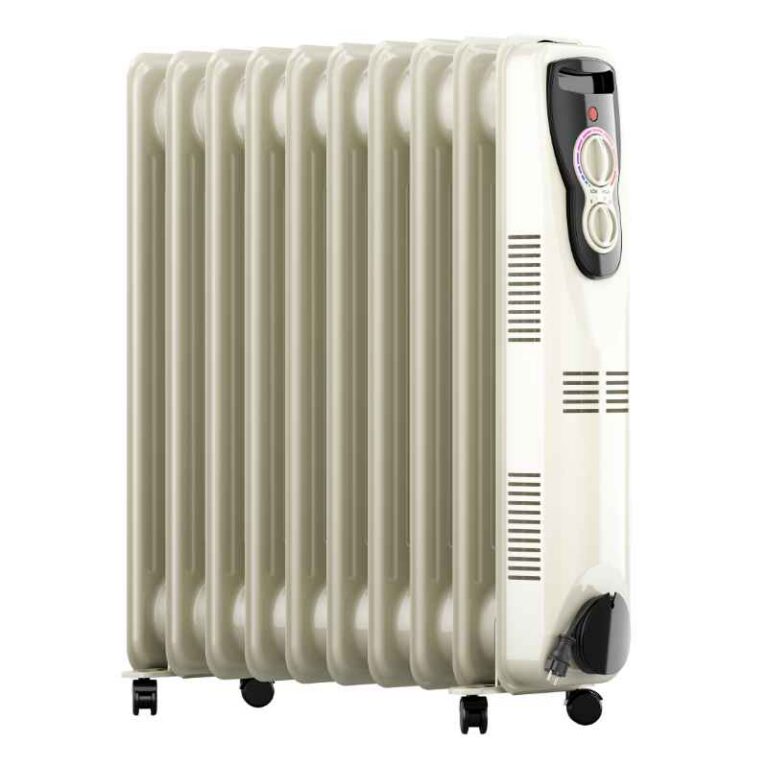
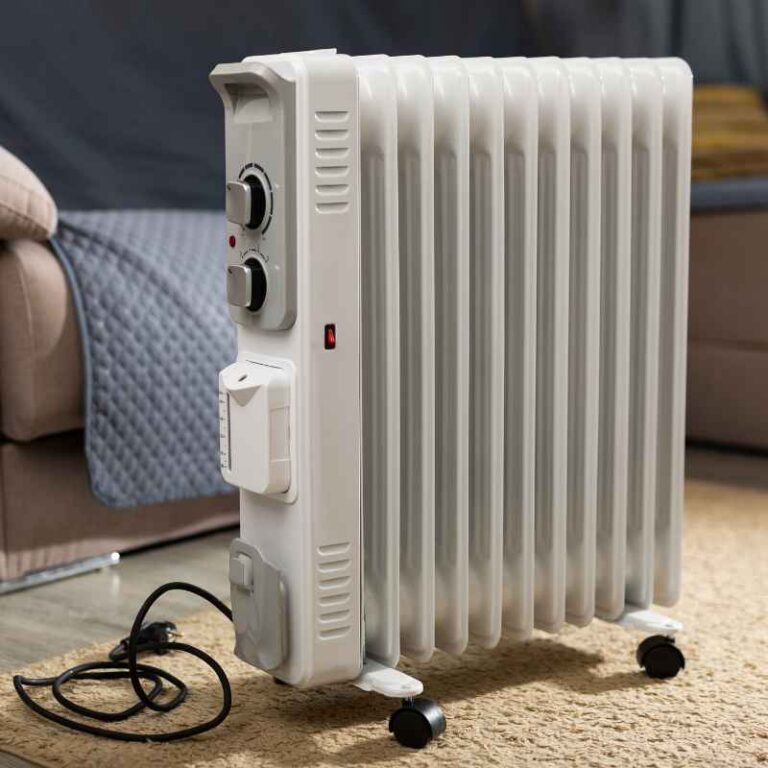
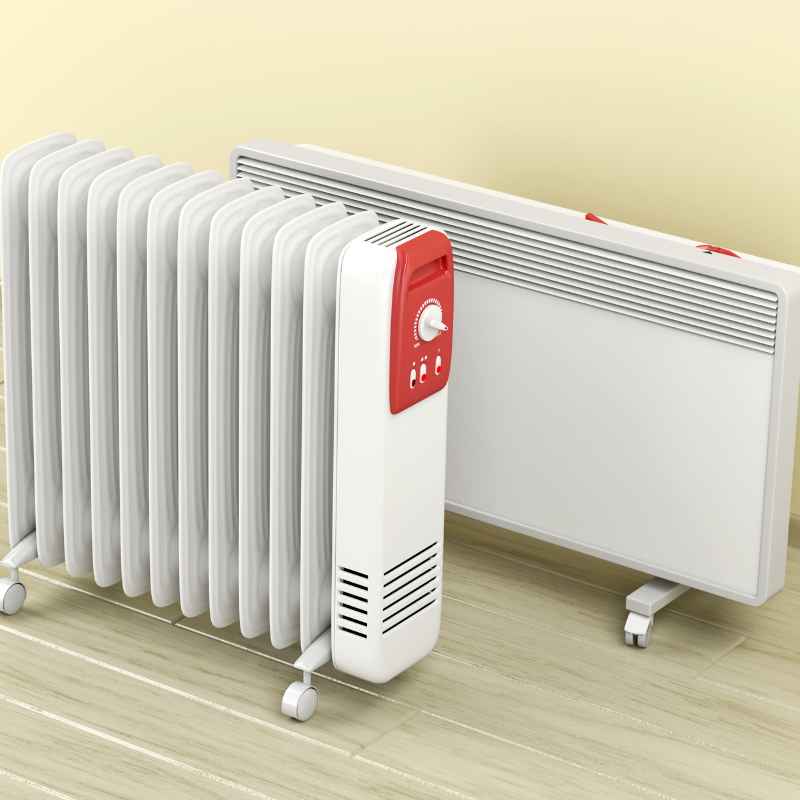
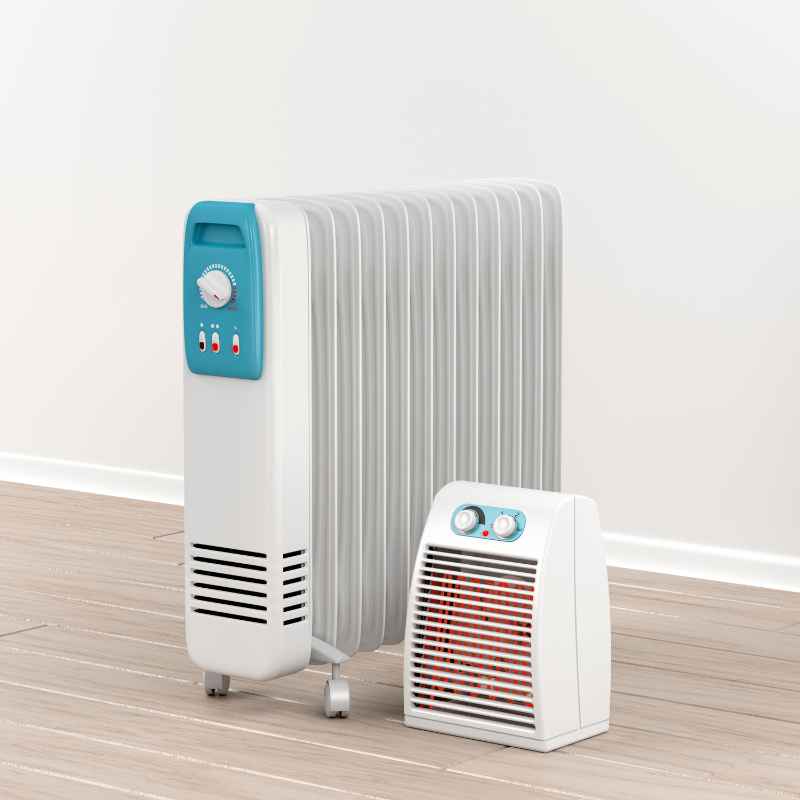
An oil filled radiator is a type of electric heater. It looks a bit like a classic cast-iron radiator you might see in older buildings. But instead of steam or hot water, it uses a special heating element inside.
This element heats up a thermal oil. The oil is sealed within the metal fins of the radiator.
Think of it like a giant, self-contained hot water bottle. The heating element warms the oil. The oil then transfers its heat to the metal fins.
These fins release the heat into the room. This happens through a process called radiant heat and convection. The oil stays hot for a while, even after the heater is turned off.
This helps keep the room warm for longer.
The oil itself never needs to be replaced. It’s designed to last the lifetime of the heater. This makes them very low maintenance.
The sealed system also means there’s no risk of leaks or spills. It’s a quiet heater too. You won’t hear much noise as it warms up.
This is great for bedrooms or offices where you need peace.
The heat from an oil-filled radiator is often described as soft or gentle. It doesn’t blast hot air. Instead, it provides a steady, comfortable warmth.
This is because the oil releases heat slowly and evenly. It’s like a warm hug for your room. This slow release is also good for energy saving.
Once it reaches temperature, it cycles on and off to maintain it.
Many models come with features like adjustable thermostats. You can set a specific temperature. Some also have timers.
This lets you schedule when the heater turns on or off. This is very handy for waking up to a warm room or ensuring it’s warm when you get home. Safety features are also common.
These include tip-over switches and overheat protection.
Pros of Oil Filled Radiators
- Gentle, Lasting Heat: The oil stores heat. It continues to radiate warmth after being turned off. This makes the heat feel more consistent.
-
Quiet Operation: They are very quiet.
There are no fans to make noise. This is ideal for sleeping or working.
- Low Maintenance: The oil is sealed. It never needs refilling or changing.
-
Safety Features: Most have tip-over switches and overheat protection.
This gives peace of mind.
- Good for Dry Air: They don’t blow air. This means they don’t dry out the air as much as fan heaters.
Cons of Oil Filled Radiators
- Slow to Heat Up: It takes time for the oil to heat. This means the room warms up slowly.
- Less Portable: They are often heavier and bulkier. Moving them can be harder.
-
Surface Can Get Hot: The fins can get very hot.
This can be a concern with small children or pets.
- Not Ideal for Large Spaces: They work best in smaller, enclosed rooms. They may struggle to heat large open areas effectively.
Oil Filled Radiator: Best For
Longer Heating Periods: If you need steady warmth for many hours.
Quiet Environments: Bedrooms, offices, living rooms.
Maintaining a Consistent Temperature: After initial warm-up.
People Sensitive to Dry Air: Offers a more humid warmth.
Understanding Convection Heaters
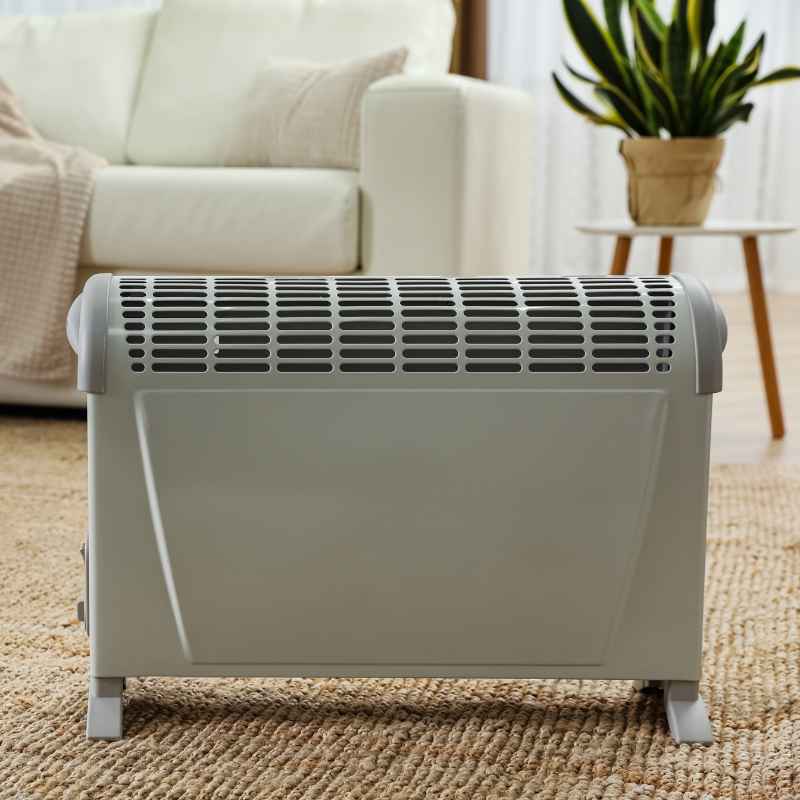
A convection heater works by moving air. It has a heating element. This element heats the air around it.
A fan then blows this warm air out into the room. This process is called convection. The warm air rises.
Cooler air is drawn into the heater. This cycle continues, warming the entire room.
Convection heaters are known for heating up a space quickly. Because they use a fan, they circulate the warm air rapidly. If you need to warm a chilly room fast, a convection heater is a good choice.
They are often more lightweight and easier to move around than oil-filled radiators.
There are different types of convection heaters. Some have visible heating elements. Others have enclosed elements.
The ones with enclosed elements are generally safer. They are less likely to cause burns if touched. Fan heaters are a common type.
They use a fan to blow warm air. Panel heaters also use convection. They are usually mounted on walls.
Convection heaters are great for supplemental heating. You can use them to quickly take the chill off a room. They are also good for heating spaces you use only occasionally.
For example, a spare bedroom or a home office that isn’t used all day.
The heat from a convection heater can feel more direct. Since it’s blowing warm air, you feel the warmth quickly. However, this can also mean the air feels drier.
The fan can circulate dust and allergens too. So, if you have allergies or asthma, this might be something to consider.
Most convection heaters have adjustable thermostats. You can set your desired room temperature. Some also have different heat settings.
This lets you choose how much heat you need. Timers are also a common feature. This helps you control when the heater is running.
Safety features like automatic shut-off are also built-in.
One thing to keep in mind with convection heaters is noise. The fan can create a humming or whirring sound. This might be distracting for some people.
The loudness can vary depending on the model.
Pros of Convection Heaters
- Fast Heating: They warm up a room very quickly.
- Portable: Most are lightweight and easy to move.
- Energy Efficient for Quick Heating: Good for heating a room for a short time.
- Thermostat Control: Allows you to set a specific temperature.
- Wall Mountable Options: Some models can be mounted to save space.
Cons of Convection Heaters
- Can Dry Out Air: The fan circulates air, which can reduce humidity.
- Can Be Noisy: The fan may produce an audible sound.
- Circulates Dust: The fan can stir up dust and allergens.
- Heat is Less Sustained: Once turned off, the room cools down faster than with an oil-filled radiator.
- Surface Can Get Hot: Some models have exposed heating elements.
Convection Heater: Best For
Quick Warmth: When you need a room to feel warm fast.
Temporary Heating: For rooms used for short periods.
Portability: If you need to move the heater often.
Supplemental Heat: To boost existing heating.
Key Differences: Oil Filled Radiator vs Convection Heater
The main difference lies in how they heat the room. An oil filled radiator uses stored heat. It releases it gently and steadily.
This is a slower but more sustained kind of warmth. It relies more on radiant heat and natural air movement.
A convection heater, on the other hand, actively moves air. It uses a fan to push warm air into the room. This makes it much faster.
But the heat is more direct and can feel less gentle. It also stops warming as soon as the fan stops.
Let’s look at some specific comparisons. Think about speed. If you walk into a cold room and want to feel warm in 10 minutes, a convection heater is your pick.
If you can wait 30 minutes to an hour for a consistent, cozy warmth to build, an oil-filled radiator is better.
Consider the feel of the heat. Some people dislike the feeling of hot air blowing on them. They prefer the ambient warmth of an oil-filled radiator.
It feels more like the room itself is warm, rather than just the air you’re breathing. Others don’t mind the direct heat. They just want the room to be warm.
Portability is another big factor. Oil-filled radiators are often heavier. They have wheels, but they aren’t meant to be moved constantly.
Convection heaters are usually lighter. They are designed to be carried from room to room easily. This makes them more versatile if you need heat in different places throughout the day.
Noise is also a factor. Oil-filled radiators are virtually silent. This is a huge advantage for bedrooms or quiet workspaces.
Convection heaters have fans. Even quiet ones make some noise. This might be a deal-breaker for some.
Comparison Table: Oil Filled Radiator vs. Convection Heater
| Feature | Oil Filled Radiator | Convection Heater |
|---|---|---|
| Heating Method | Radiant heat and natural convection from stored heat in oil. | Forced convection using a fan to circulate warm air. |
| Speed of Heating | Slow to heat up, provides gradual warmth. | Very fast to heat up a room. |
| Heat Quality | Gentle, soft, even, and lasting warmth. Less drying. | Direct, warmer air.
Can feel less gentle. May dry out air more. |
| Noise Level | Virtually silent. | Fan noise can be present. |
| Portability | Heavier, less portable. | Lighter, more portable. |
| Best Use Case | Long periods of consistent heat, bedrooms, quiet areas. | Quick heating, temporary use, small rooms, easy movement. |
Energy Efficiency and Costs
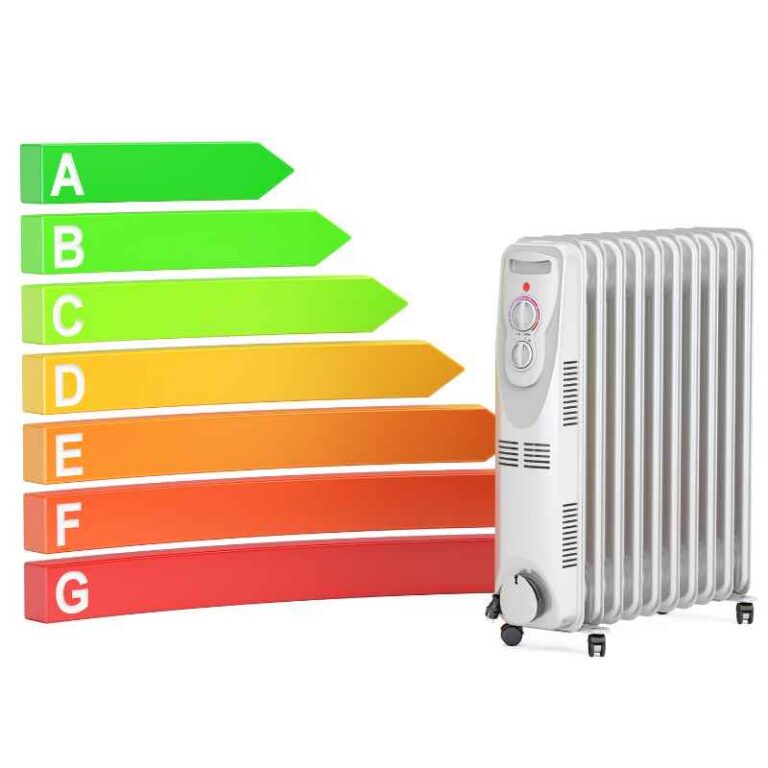
When we talk about energy efficiency, it’s not always black and white. Both types of heaters use electricity. The cost depends on how you use them.
An oil filled radiator might use less power once it reaches its set temperature. This is because it relies on stored heat. It cycles less frequently than a convection heater that has to constantly reheat air.
However, a convection heater is more efficient if you only need heat for a short burst. If you need to warm a room for an hour, a convection heater will do that faster. It will then turn off.
An oil-filled radiator might take longer to reach that temperature. It would also continue to radiate heat. This could mean it runs for longer than needed for a short period.
Think about the initial cost. Oil-filled radiators can sometimes be more expensive to buy upfront. Convection heaters are often more budget-friendly.
But over time, the running costs can differ based on usage patterns.
If you live in a place with very cold winters, you might use a heater for many hours a day. In this case, a more efficient heater for consistent warmth could save money. If you only need heat occasionally, a cheaper convection heater might be the better financial choice.
It’s also worth noting that the size of the heater matters. A heater that is too small for a room will struggle. It will run constantly and use more energy.
A heater that is too big might cycle too much. It could also be more expensive to buy.
Always check the wattage of a heater. Higher wattage means it uses more power. But it also means it can heat a space faster.
It’s a balance. Look for models with good thermostat controls. This helps you manage energy use effectively.
Eco modes or low-power settings can also help save energy.
Energy Use Comparison
Oil Filled Radiator:
- Steady Draw: Once oil is hot, uses less power to maintain heat.
- Slower Warm-up: Uses energy for a longer period initially.
- Good for Long Sessions: More energy-efficient for hours of consistent warmth.
Convection Heater:
- Quick Burst: Uses higher wattage for faster heating.
- Stops When Off: No residual heat means no energy use after shutdown.
- Good for Short Sessions: More energy-efficient for brief heating needs.
Personal Experience: The Chilly Morning Dash
I remember one particularly brutal winter morning a few years back. My old house had terrible insulation. The living room felt like an icebox when I woke up.
I had both an oil filled radiator and a convection heater. I was running late for a virtual meeting.
My first thought was, “I need heat NOW.” So, I grabbed the convection heater. It’s the small, boxy kind with a fan. I plugged it in and turned it to high.
Within five minutes, I could feel warm air hitting my face. It was a relief! I put on my headset and joined my call.
The room was still a bit cool at the edges, but I was comfortable.
Later that day, after the meeting, I realized I needed sustained warmth. I wanted the whole room to feel cozy. That’s when I switched to the oil-filled radiator.
I plugged it in and turned the thermostat up. The heating element inside hummed softly. The fins started to get warm.
It took a good 30 minutes before the room felt truly warm. It wasn’t blast-furnace hot. It was a gentle, even heat that just made the whole space feel nice.
What struck me was the difference in the quality of heat. The convection heater was like a quick shot of adrenaline – gets you going fast. But it was fleeting.
The oil-filled radiator was like a slow, comforting drink – it lasted and settled in. That morning taught me that the “best” heater really depends on what you need in that moment.
Real-World Context and Usage
Where you plan to use the heater is a big factor. For a bedroom, especially for sleeping, an oil-filled radiator is often preferred. Its quiet operation is a major plus.
The gentle, consistent heat also helps maintain a comfortable sleeping temperature without drying out the air too much.
In a living room or family room, the choice might depend on your habits. If you like to turn on the heat before you settle down for the evening, an oil-filled radiator will create a nice, ambient warmth. If you sometimes forget to turn off the heat and leave the room, the sustained warmth of an oil-filled radiator might keep the room comfortable longer.
For a home office, especially if you’re in and out of the room, a convection heater might be more practical. You can quickly heat it up before you start work. Then, when you leave for a break, it won’t continue running and wasting energy.
However, if you spend long hours in your office and need steady, quiet warmth, an oil-filled radiator is a great choice.
Bathrooms can be tricky. Many people like a burst of heat before a shower. A convection heater is good for this.
However, you need to be very careful. Make sure the heater is rated for bathroom use and is kept well away from water. Oil-filled radiators are generally not recommended for bathrooms due to their size and the risk of tipping.
Consider the size of the room. For small rooms, like a home office or a small bedroom, both can work well. For larger, open-plan living areas, neither might be enough on their own.
You might need a more powerful heater or to use multiple heaters. Oil-filled radiators are generally better suited for smaller, more contained spaces.
User Habits and Preferences
Think about your daily routine. Do you need heat first thing in the morning, or do you get up later? If you wake up cold, you might want a heater that can warm the room before you even get out of bed.
Some oil-filled radiators have timers that can be set for this. Alternatively, you could use a smart plug with a convection heater.
Do you tend to move from room to room throughout the day? If so, a portable convection heater makes more sense. You can easily take it with you.
If you tend to stay in one room for long periods, a stationary oil-filled radiator might be better for consistent comfort.
What kind of warmth do you prefer? Some people dislike the feeling of hot air blowing on them. They find it irritating or drying.
They prefer the gentle, all-encompassing warmth of radiant heat. Others don’t mind the fan. They just want the room to be warm as quickly as possible.
Design and Materials
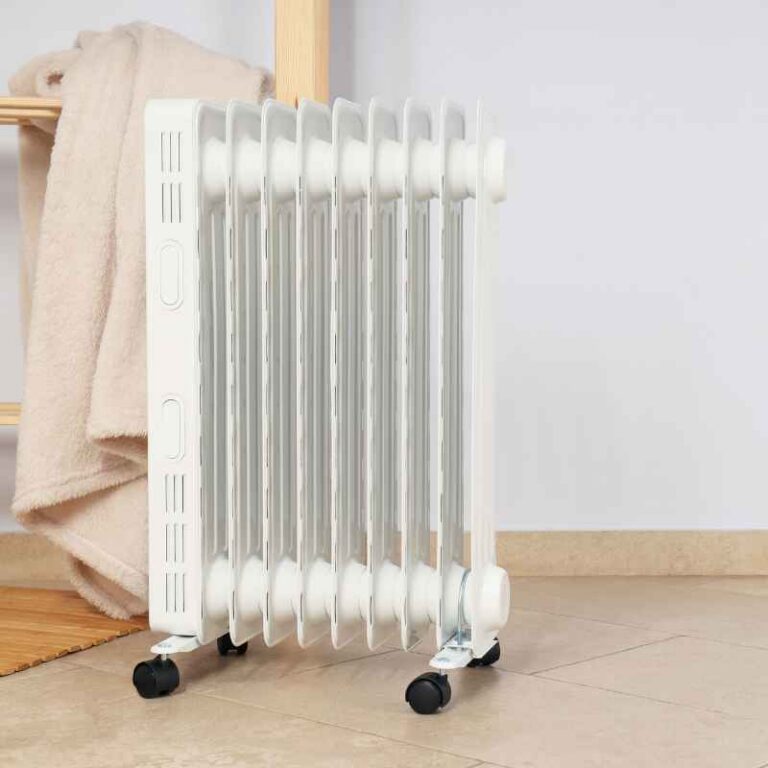
Oil-filled radiators are typically made of steel. They have vertical fins that increase their surface area. This helps them radiate heat more effectively.
The heating element and the oil are completely enclosed. This makes them durable and safe. The fins can get hot to the touch, so caution is needed.
Convection heaters come in various designs. Many are made of plastic. They often have a grille where the warm air exits.
Some have exposed heating elements, which can be a safety hazard. Better models have enclosed elements or ceramic heaters inside. These are safer and more durable.
Choosing Based on Room Size
Small Rooms (e.g., small bedroom, bathroom, home office):
- Oil Filled Radiator: Excellent for steady, quiet warmth.
- Convection Heater: Good for quick heat before use.
Medium Rooms (e.g., living room, master bedroom):
- Oil Filled Radiator: Can provide good consistent heat if sized correctly.
- Convection Heater: Good for supplemental heat or quick warm-ups.
Large Rooms / Open Plan Areas:
- Neither alone is ideal. Consider a larger, more powerful heater or multiple units.
- Convection heaters might be better for quick blasts in specific zones.
What This Means for You
So, what’s the takeaway? It really boils down to your personal priorities. Do you value speed, or do you value sustained, quiet comfort?
This is the fundamental question when choosing between an oil filled radiator and a convection heater.
If you often come home to a cold house and want to feel warm instantly, a convection heater is likely your best bet. It will get the job done fast. If you need to heat a room overnight or for long work sessions, and you can’t stand noise, an oil-filled radiator is the way to go.
Its gentle, persistent warmth is hard to beat.
When is it Normal?
It’s normal for an oil-filled radiator to take a while to heat up. Don’t expect immediate warmth. It’s also normal for it to stay warm for a period after you turn it off.
This is its main advantage!
It’s normal for a convection heater to produce noticeable airflow. You should feel warm air coming out. It’s also normal for it to cool down relatively quickly once it’s switched off.
This is how it works – it heats air and then stops.
When to Worry (or Reconsider)
If your oil filled radiator is making strange knocking or gurgling sounds that are very loud, it might be worth checking the manual. While some minor noises are normal, excessive noise could indicate an issue.
If a convection heater seems to be running constantly and not warming the room effectively, it might be undersized for the space. Or, there could be a problem with the thermostat. Also, if the air from a convection heater feels excessively dry or irritating, you might want to consider using a humidifier or looking at an oil-filled radiator for more humid heat.
Simple Checks
For Oil Filled Radiators:
- Check the Thermostat Setting: Ensure it’s set to a comfortable temperature.
- Check for Obstructions: Make sure nothing is blocking the fins.
- Let it Run: Give it at least 30-60 minutes to fully warm up a room.
For Convection Heaters:
- Check the Thermostat Setting: Make sure it’s set correctly.
- Check the Fan: Ensure it’s spinning and blowing air.
- Clear Air Vents: Make sure dust or debris isn’t blocking the vents.
Quick Fixes and Tips
If you find your convection heater is making the air too dry, here’s a simple trick. Place a small, heat-safe bowl of water on a surface near the heater. As the water heats up, it will add a little humidity to the air.
Just be very careful not to knock it over.
For oil-filled radiators, consider using them alongside another heat source if you need quick warmth. For example, turn on your central heating for a bit to take the edge off. Then, let the oil-filled radiator maintain the comfortable temperature.
This can be a good balance of speed and sustained warmth.
If you have pets or small children, always be mindful of the surface temperature of any heater. For oil-filled radiators, the fins can get very hot. For convection heaters, some models have very hot surfaces.
Always position them where they won’t be accidentally touched for long periods. Look for models with safety grilles or enclosed heating elements.
Maximizing Efficiency
No matter which type of heater you choose, proper usage is key. Always close doors and windows when the heater is on. This prevents warm air from escaping.
If you have drafty windows, consider using draft stoppers. This simple step can make a big difference in how efficiently your heater works.
Using timers or smart plugs can also help. Set your heater to turn on only when you need it. Don’t let it run all day and night if you’re not home or not using the room.
This is a common energy waste.
Finally, choose the right size heater for your room. An undersized heater will run constantly and not heat the room. An oversized heater will cycle on and off too much.
Both scenarios are inefficient.
Smart Usage Tips
- Seal the Room: Keep doors and windows closed.
- Use Timers: Schedule heating times to avoid waste.
- Right Size Matters: Match heater wattage to room size.
- Draft Proofing: Block drafts from windows and doors.
- Combine if Needed: Use a convection for speed, oil-filled for comfort.
Frequently Asked Questions
Can an oil filled radiator heat a large room?
Oil-filled radiators are best suited for small to medium-sized rooms. They provide gentle, steady warmth. For larger rooms, they might struggle to heat the space effectively.
You may need a more powerful heater or multiple units for large areas.
Is a convection heater noisy?
Convection heaters use a fan to circulate warm air. This fan can produce a humming or whirring sound. The noise level varies by model.
Some are quieter than others. If you need a very quiet heater, an oil-filled radiator is a better choice.
Which is more energy-efficient, oil-filled or convection?
It depends on usage. Oil-filled radiators are more efficient for long periods of steady heat because they retain heat. Convection heaters are more efficient for short bursts because they heat up quickly and then turn off.
Proper sizing and thermostat use are key for both.
Can I leave an oil filled radiator on overnight?
Yes, many oil-filled radiators are designed to be left on overnight. They have safety features like tip-over switches and overheat protection. Always check the manufacturer’s instructions.
Ensure the area around the heater is clear.
Which is better for allergies, oil-filled or convection?
Oil-filled radiators are often better for people with allergies. They don’t use a fan. This means they don’t circulate dust and allergens around the room.
Convection heaters, with their fans, can stir up dust. If you have allergies, an oil-filled radiator may provide cleaner air.
Do convection heaters dry out the air a lot?
Convection heaters can dry out the air more than oil-filled radiators. This is because the fan circulates the air and can reduce humidity. If you find the air too dry, consider using a humidifier.
Or, opt for an oil-filled radiator which tends to be gentler on air moisture.
Conclusion
Choosing between an oil filled radiator and a convection heater comes down to your needs. Do you want fast warmth or slow, steady comfort? Is quiet operation your top priority, or do you need to move the heater often?
Both are effective ways to add warmth. Understand their differences. Then you can pick the perfect heater for your home and your comfort.
Sponsored / affiliate links. As an Amazon Associate I earn from qualifying purchases. I may earn additional commission from eligible campaigns.