Do Oil Filled Radiator Heaters Work Well In Cold Climates?
It’s that time of year again. The temperatures are dropping, and you’re starting to think about how to keep your home cozy. You might be looking at different heating options.
Maybe you’ve heard about oil filled radiator heaters. People wonder if they really do a good job when it’s super cold outside. We’re going to dive deep into this.
You’ll learn if these heaters are a good choice for your chilly home.
Oil filled radiator heaters can work well in cold climates, especially for supplemental heating or in smaller spaces. They provide consistent, radiant heat without blowing air, making them quiet and good for dry air. However, their slow heat-up time and limited power output mean they are often best used alongside a primary heating system.
Understanding How Oil Filled Radiator Heaters Work
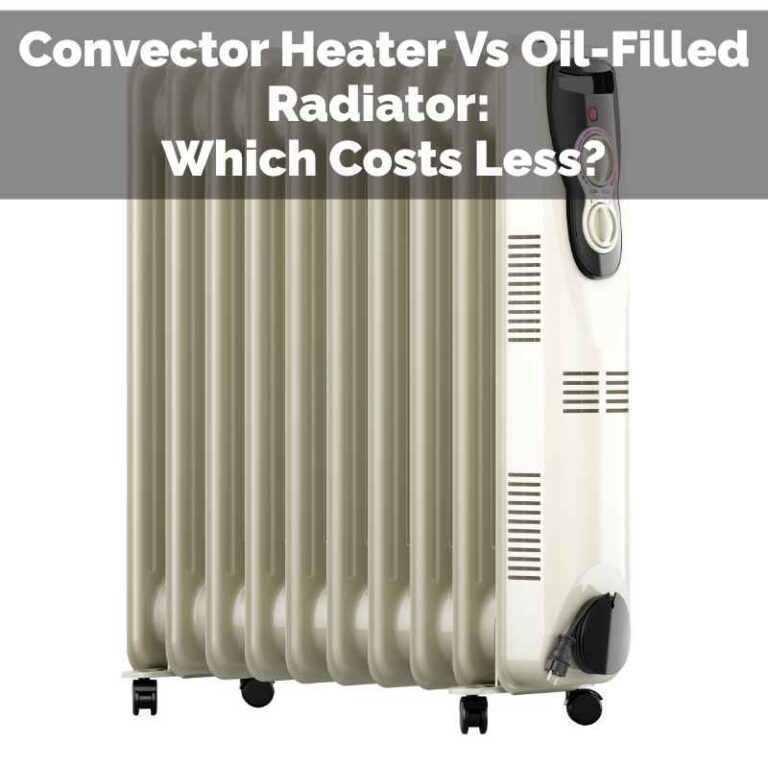
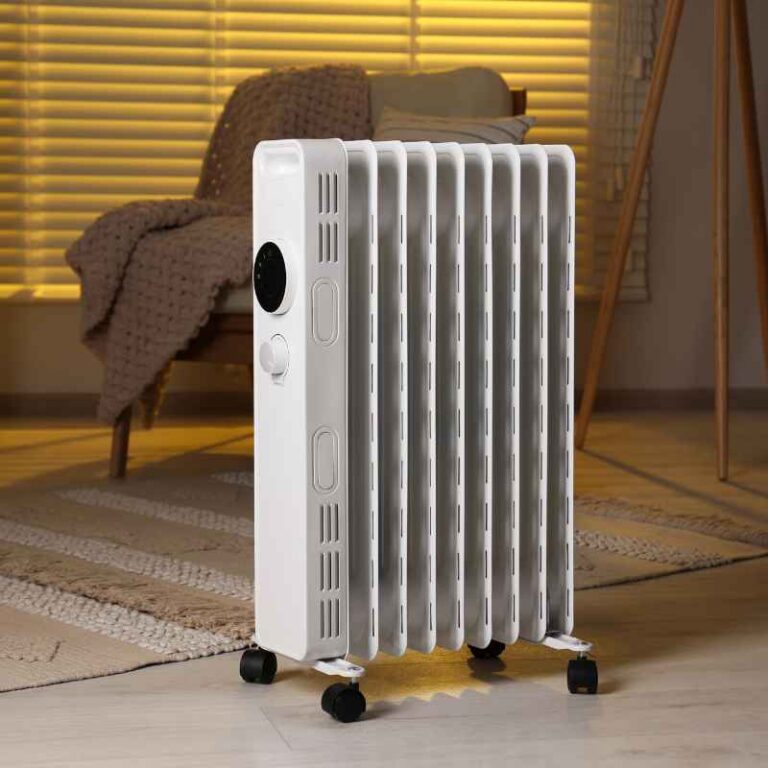
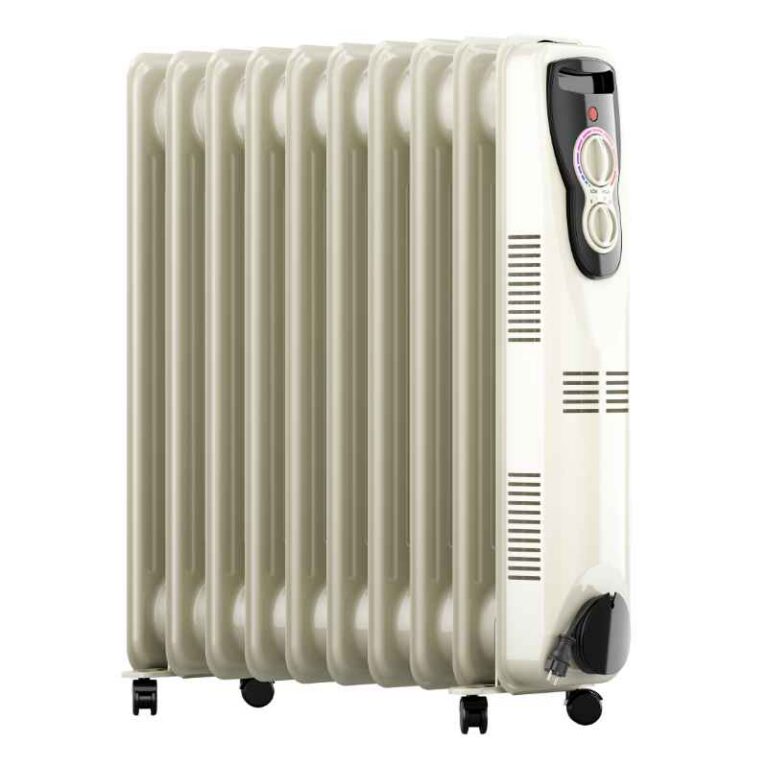
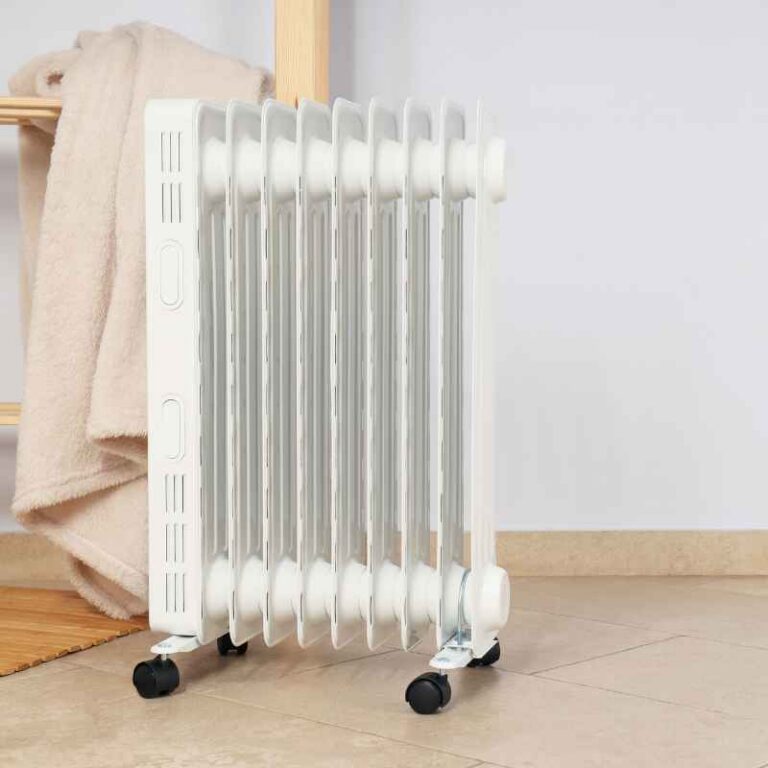
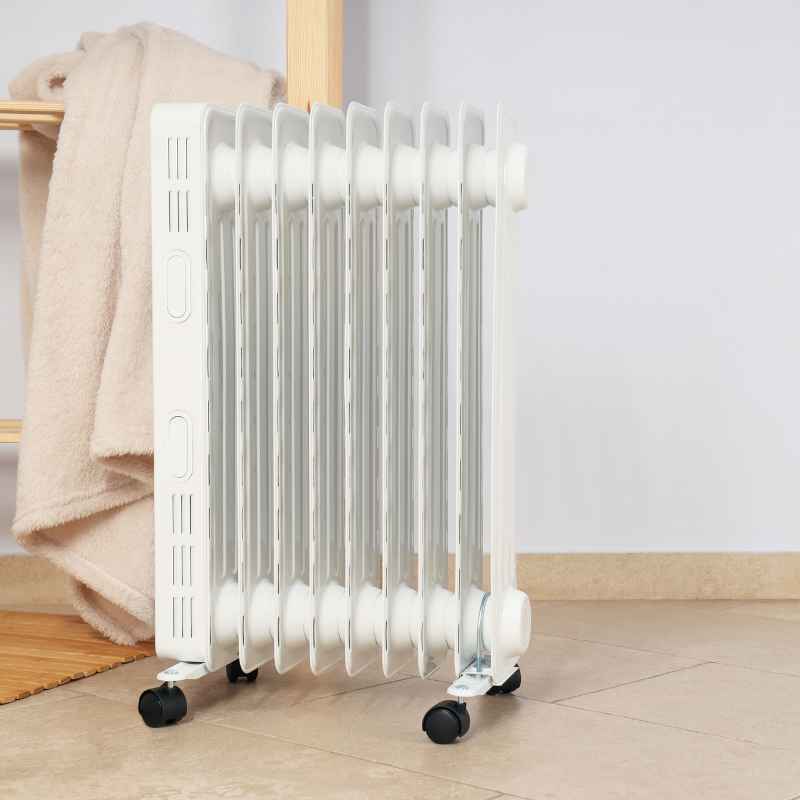
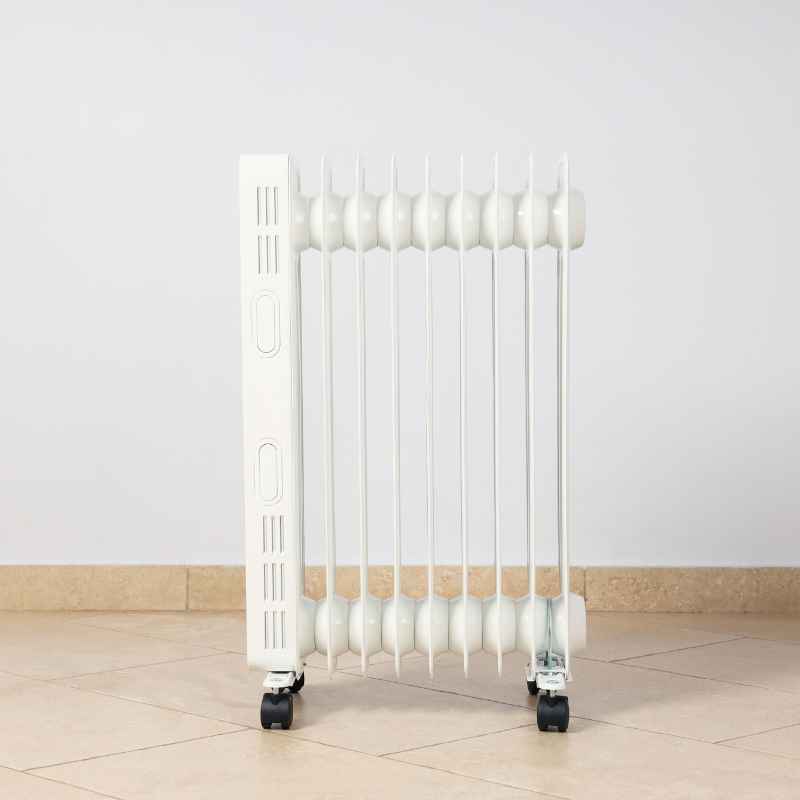
Oil filled radiator heaters are quite unique. They don’t have fans like many other portable heaters. Instead, they use electricity to heat up a special oil sealed inside.
This oil then gently warms the metal fins of the heater. These fins radiate heat out into the room. It’s a very quiet and steady way to warm up a space.
Think of it like a warm, gentle hug for your room.
The heating element inside the heater warms the oil. This oil is like a thermal battery. It stores the heat.
Then, it slowly releases that warmth into the air. This process happens without any noisy fans or drafts. The heat spreads out evenly.
It’s a gentle, radiant heat. This is different from forced-air heaters that blast hot air.
Many people find this type of heat very comfortable. It doesn’t dry out the air as much as other heaters. This is a big plus in winter.
Dry air can make your skin itchy. It can also make breathing feel harder. Oil filled radiators help keep some moisture in the air.
This can make your home feel more pleasant. It’s a subtle but important difference for many.
The oil inside is not meant to be refilled. It’s sealed in for the life of the heater. This makes them very safe.
There are no leaks to worry about. The oil just circulates and heats up over and over. It’s a closed system.
This means less maintenance for you. You don’t have to check oil levels or add more. That’s one less thing to think about during the cold months.
My Own Experience with a Cold Snap
I remember one particularly harsh winter a few years back. We live in an older house. It’s charming, but drafty.
The main furnace struggled. It just couldn’t keep up with the brutal cold. The living room, especially, felt like an ice box.
I was working late one night, trying to finish a project. My fingers were so cold I could barely type. I looked over at the thermostat.
It was showing a temperature that made me shiver just looking at it.
My spouse had bought an oil filled radiator heater a few months before. I honestly hadn’t paid much attention to it. I thought it looked a bit old-fashioned.
But that night, I was desperate. I plugged it in. I set the dial to a medium setting.
I felt a little skeptical, to be honest. I’m used to heaters that blast hot air instantly. This one felt different.
It took a little while. I could hear a faint hum. Then, slowly, I started to feel warmth.
Not a rush of heat, but a gentle wave. It spread out from the radiator. Soon, the air around my desk felt much more comfortable.
My fingers warmed up. I could finally focus on my work. That night, I learned that slow and steady could be incredibly effective.
It wasn’t a quick fix, but a persistent comfort. It made a real difference to my ability to work and stay warm. It changed my mind about these quiet heaters.
Quick Facts About Oil Filled Radiators
How they work: Electricity heats oil inside, which then radiates heat.
Heat type: Radiant and convection heat. Gentle and even.
Noise level: Very quiet. No fans.
Air dryness: Less drying than fan heaters.
Warm-up time: Slow to heat up initially.
Portability: Usually on wheels for easy moving.
Are They Powerful Enough for Extreme Cold?
This is where we need to be honest. Oil filled radiator heaters are generally not designed to be the sole source of heat for a large, poorly insulated home in a very cold climate. Their power output is typically lower than that of a central furnace or even some larger electric space heaters.
Think of them as wonderful supplemental heaters. They are great for heating a specific room. They can also help maintain a comfortable temperature in a space.
This is especially true if your main heating system struggles. For instance, a chilly bedroom, a drafty home office, or a basement room that never seems to warm up can benefit greatly.
In extremely cold weather, say below 0°F (-18°C), a single oil filled radiator might not be able to raise the temperature of a large room significantly. It will work harder, and it will take much longer to feel the effect. The heat it produces might be absorbed by the cold air seeping in from windows and doors.
It’s like trying to fill a leaky bucket. You can add water, but it keeps draining out.
However, if you use them smartly, they can be very effective. Using multiple units in different rooms can help distribute heat. They are fantastic for zones.
You can keep the rooms you use most at a comfortable temperature. This might let you turn down your main thermostat a bit. This can save energy and money.
The key is understanding their limitations. They provide a steady, low-level heat. They are not for quick, intense bursts of warmth.
For extreme cold, they shine when they are part of a heating strategy, not the whole plan.
The Pros of Using Oil Filled Radiators in Winter
There are many good reasons why people choose oil filled radiators, especially when the weather gets tough. Let’s break down some of the biggest advantages. These are the things that make them a favorite for many.
Silent Operation: This is a huge one for most people. Unlike space heaters with noisy fans, oil filled radiators are almost completely silent. You might hear a faint click as the thermostat cycles, but that’s it.
This makes them perfect for bedrooms, nurseries, or any place where you need peace and quiet. Imagine trying to sleep with a loud heater running. It’s not ideal.
These heaters let you sleep soundly.
Consistent, Even Heat: The oil inside the radiator helps to store and release heat steadily. This means the heat is spread out evenly throughout the room. There are no hot spots or cold spots.
It’s a gentle, enveloping warmth. This consistent temperature is much more comfortable than the on-and-off blasts of hot air you get from some other heaters.
Reduced Air Dryness: This is a big win for winter comfort. Fan-forced heaters tend to dry out the air. This can lead to dry skin, sore throats, and static electricity.
Oil filled radiators heat the air gently without blowing it around. This helps to retain moisture in the air. Your home will feel more comfortable and healthier.
It’s a noticeable difference, especially for people with allergies or respiratory issues.
Safety Features: Most modern oil filled radiators come with excellent safety features. They often have an overheat protection system. This means they will automatically shut off if they get too hot.
They also have a tip-over switch. If the heater is accidentally knocked over, it will shut off immediately. This gives you peace of mind, especially if you have pets or young children.
Portability: While they are filled with oil, they are designed to be moved. Most have wheels or casters at the base. This makes it easy to move them from room to room.
You can warm up the living room during the day and then move it to your bedroom at night. It’s a flexible heating solution for your whole home.
Energy Efficiency (when used correctly): Because they provide consistent heat and can be used for zone heating, they can be energy efficient. You can heat only the rooms you are using. You don’t need to heat your entire house to a high temperature.
This saves energy and lowers your electricity bills. The slow release of heat also means they can maintain a temperature with less cycling than other heaters.
Oil Filled Radiator: Myth vs. Reality
Myth: They don’t get hot enough.
Reality: They get plenty hot for their intended purpose, which is usually supplemental or zone heating. They heat slowly but consistently.
Myth: They are a fire hazard because of the oil.
Reality: The oil is sealed inside and is not flammable. Modern units have safety features to prevent overheating and tipping.
Myth: They are slow and take forever to heat a room.
Reality: They do take longer to start producing noticeable heat than fan heaters. However, they maintain heat very well once warm.
Myth: You need to refill the oil.
Reality: The oil is permanently sealed inside the unit and never needs refilling.
What About the Downsides?
No heater is perfect. It’s important to know the drawbacks of oil filled radiators. This helps you make the best decision for your home and needs.
Knowing these points will help you use them most effectively. You won’t be surprised by any of their quirks.
Slow Heat-Up Time: This is probably the biggest downside. When you first turn on an oil filled radiator, it takes a while for the oil to heat up. Then, it takes time for that heat to radiate into the room.
This can be frustrating if you need instant warmth. If you come home to a cold house, you’ll need to turn it on ahead of time. You can’t expect it to warm things up in just a few minutes.
Limited Power Output: As we discussed, these heaters are usually not powerful enough to heat large spaces on their own. They are best for smaller rooms or for maintaining a comfortable temperature. If you have a very large living area or a poorly insulated basement, one unit might not be enough.
You might need multiple units or a different type of heater for primary heating.
Can Be Heavy: Even though they have wheels, they can be quite heavy. This is due to the oil inside. Moving them up or down stairs can be a bit of a workout.
While they are portable for moving between rooms on the same floor, consider the weight if you need to relocate them often.
Surface Can Get Hot: While they don’t have exposed heating elements like some other heaters, the metal fins can still get quite hot to the touch. This is something to be mindful of, especially if you have very young children or pets who might get too close. Always supervise children and pets around any portable heater.
Energy Cost for Continuous Use: If you run an oil filled radiator 24/7 in a large space that it can’t adequately heat, it could use a significant amount of electricity. While they are efficient for zone heating, using them to try and heat an entire large home in extreme cold might lead to higher energy bills than expected. They are not a replacement for an efficient central heating system.
Real-World Context: When Are They a Great Fit?
Let’s look at some common scenarios where oil filled radiator heaters truly shine. These are the situations where their unique strengths really come into play. They are perfect problem-solvers for specific needs.
1. The Drafty Bedroom: Many bedrooms, especially those with older windows or on exterior walls, can get quite chilly at night. An oil filled radiator placed in the corner can provide a steady, silent warmth.
It won’t dry out the air, which is great for sleeping. You can set it on a low setting and let it do its work all night. This is a much more comfortable way to sleep than shivering under blankets.
2. The Home Office or Study: If you work from home, you need a comfortable environment. A drafty office can make concentration difficult.
An oil filled radiator is ideal for a home office. It’s quiet, so it won’t disturb your work calls or focus. It heats the immediate area without making the whole house feel too hot.
You can keep your office at a perfect temperature, even if the rest of the house is cooler.
3. Supplemental Heat for Older Homes: Older homes often have charming character but struggle with modern heating efficiency. Radiator heaters can boost the heat in rooms that the main system doesn’t reach well.
They can take the edge off a cold living room or dining room. This makes the whole house feel more uniformly comfortable. It’s a less intrusive way to add heat than installing new vents.
4. Keeping Pipes from Freezing: In garages, basements, or crawl spaces that get extremely cold, pipes can be at risk of freezing. An oil filled radiator set on a very low setting can provide just enough warmth to prevent this.
It’s a safer and more energy-efficient option than leaving a main heat source on low in an uninsulated area. Always ensure good ventilation if using any heater in such spaces.
5. Gentle Heat for Nurseries or Pet Areas: The gentle, consistent, and quiet heat is perfect for areas where little ones or pets spend time. It provides warmth without the noise or dry air associated with fan heaters.
You can ensure a comfortable environment for babies or animals without worry. The safety features add an extra layer of reassurance.
6. Areas Where Airflow is Undesirable: Some people prefer not to have air blown around their space. This might be due to allergies, dust concerns, or simply a preference for radiant heat.
Oil filled radiators provide this type of gentle, ambient warmth. It’s a very natural feeling heat that doesn’t stir up dust.
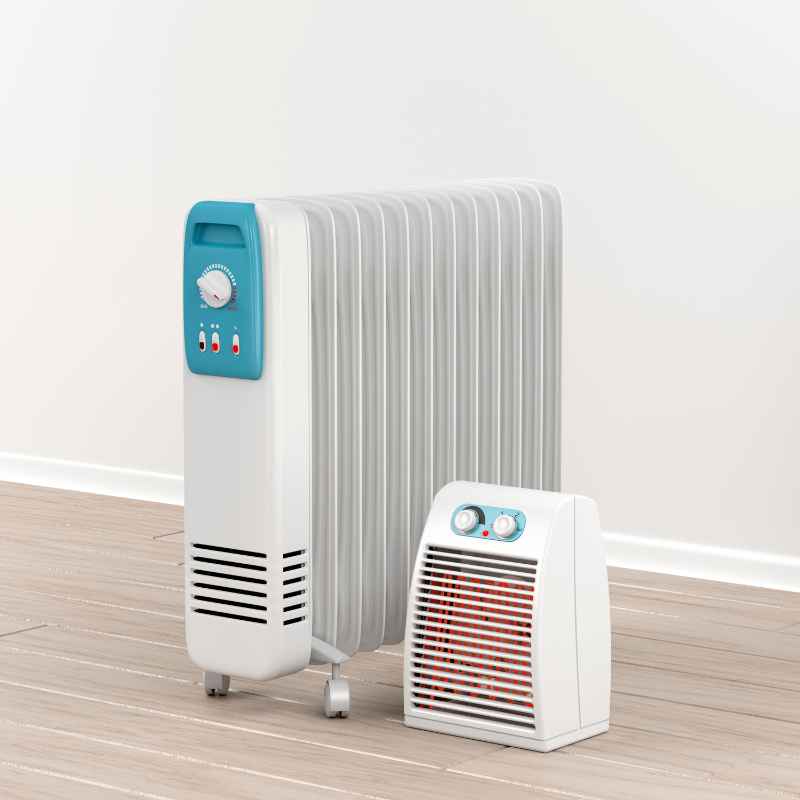
When to Use What: Radiator vs. Fan Heater vs. Ceramic Heater
Oil Filled Radiator:
- Best for: Silent, consistent, gentle heat. Bedrooms, offices.
- Pros: Quiet, no air drying, even heat.
- Cons: Slow to heat up, limited power for large spaces.
Fan Heater:
- Best for: Quick spot heating. Small rooms.
- Pros: Heats up fast, portable.
- Cons: Noisy, can dry out air, uneven heat.
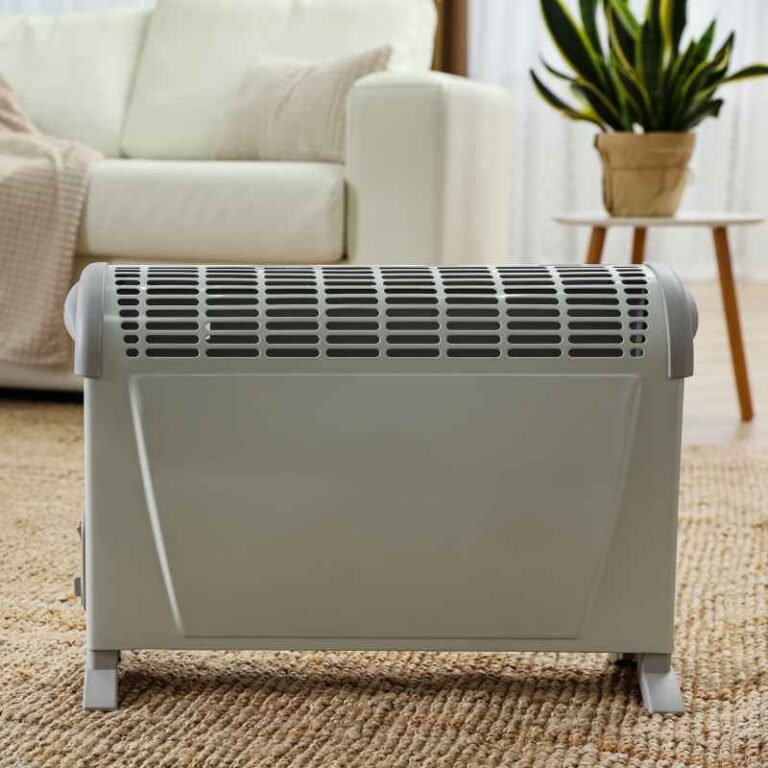
Ceramic Heater:
- Best for: Medium-sized rooms, balancing speed and quietness.
- Pros: Heats up relatively quickly, often quieter than fan heaters, some safety features.
- Cons: Can still dry air, fan noise present.
What This Means for Your Cold Climate Home
So, what does all this tell us about using oil filled radiator heaters in a cold climate? It means they are a fantastic tool in your heating arsenal. They are not typically a one-size-fits-all solution for extreme cold, but they excel in specific roles.
When it’s Normal: It is perfectly normal for an oil filled radiator to take 15-30 minutes to start providing noticeable warmth. It’s also normal for it to maintain a steady temperature without much noise. It’s normal for it to make a room feel cozy and comfortable without drying out the air.
When to Worry: You should worry if the heater stops producing heat, makes unusual noises (grinding, sparking), or if the cord feels hot to the touch. If the unit smells like burning plastic or electrical components, turn it off immediately and have it checked or replaced. Also, worry if you are relying solely on small oil filled radiators to heat a very large, uninsulated space in deep winter and the temperature is still dangerously low.
That’s when you know it’s not enough for the job.
Simple Checks: Before relying on your oil filled radiator, give it a quick check. Make sure the power cord is in good condition. Ensure the wheels are secure.
Dust off the fins if they look clogged with debris. When you turn it on, listen for any strange sounds. Feel the air coming off it to ensure it’s warming up.
Check that the thermostat seems to be working by adjusting it.
For cold climates, think of these heaters as expert comfort creators. They are the silent partners that make your main heating system work better. They ensure that no corner of your home feels left out in the cold.
They offer a quiet, comfortable heat that can make a big difference in your daily life. They are a smart addition to many households navigating winter chills.
Quick Tips for Maximizing Warmth
Using your oil filled radiator heater smartly can make a big difference in how well it works, especially when it’s really cold outside. Here are a few simple things you can do to get the most out of yours.
- Pre-heat the Room: Since they take time to warm up, turn your heater on about 30 minutes before you plan to use the room. This gives it time to heat the oil and start radiating warmth.
- Use it in Smaller Spaces: Oil filled radiators work best in smaller to medium-sized rooms. They are not ideal for heating very large open-plan areas or garages on their own.
- Close Doors and Windows: Make sure the room you are heating is sealed. Close the door to the room. Ensure windows are shut tightly. This keeps the warm air in and the cold air out.
- Place it Strategically: Put the heater near where you spend the most time. It should be out in the open, not tucked away behind furniture. This allows the heat to circulate freely.
- Use the Thermostat Wisely: Set the thermostat to the desired temperature. Don’t crank it up to the highest setting hoping it will warm up faster. This just uses more energy. Let the thermostat do its job.
- Combine with Other Heat Sources: In very cold weather, don’t rely on just one oil filled radiator. Use it to supplement your main heating system. It can help take the chill off a room that your furnace struggles with.
- Keep it Clean: Dust can build up on the fins. This can make the heater less efficient. Gently dust the fins with a soft cloth every now and then.
Frequently Asked Questions
Can an oil filled radiator heater heat an entire house in winter?
Generally, no. Oil filled radiator heaters are best suited for heating individual rooms or small spaces. They provide supplemental heat.
For very cold climates, they are usually not powerful enough to be the sole heating source for an entire house, especially larger or older homes.
How long does it take for an oil filled radiator to heat a room?
It takes time because the electricity first heats the oil, and then the oil heats the fins, which then radiate heat. You can usually feel some warmth within 15-30 minutes. For the room to reach a comfortable temperature, it might take 1-2 hours, depending on the room size, insulation, and outside temperature.
Are oil filled radiators energy efficient for cold climates?
They can be energy efficient when used correctly. They are very efficient for zone heating, meaning you only heat the room you are in. This can save energy compared to heating your whole house.
However, if used constantly in a large, uninsulated space in deep cold, their energy consumption can be high.
Can I leave an oil filled radiator on overnight?
Yes, most oil filled radiators are designed to be used safely for extended periods, including overnight. They have safety features like overheat protection and tip-over switches. Always follow the manufacturer’s instructions and ensure the room is well-ventilated and the heater is placed safely away from flammable materials.
Do oil filled radiators make a lot of noise?
No, oil filled radiators are known for their quiet operation. They do not have fans, which are the primary source of noise in many other types of portable heaters. You might hear a faint clicking sound as the thermostat cycles on and off, but this is usually very minimal and not disruptive.
Is the oil inside an oil filled radiator dangerous?
The oil inside is a specially formulated heating oil, and it is permanently sealed within the unit. It is not flammable and does not need to be refilled. The risk comes from electrical issues or damage to the unit, not the oil itself.
Modern units have robust safety features to prevent problems.
Final Thoughts on Winter Warmth
Oil filled radiator heaters are wonderful allies for staying warm when winter hits hard. They offer silent, gentle heat that doesn’t dry out your air. They are perfect for quiet spaces like bedrooms or offices.
While they might not be the main hero for heating your whole house in the coldest weather, they are essential supporting players. They help ensure every corner feels cozy and comfortable. Use them smartly, and they’ll make your cold climate home much more bearable.
Sponsored / affiliate links. As an Amazon Associate I earn from qualifying purchases. I may earn additional commission from eligible campaigns.