Is It Cheaper To Use Portable Heaters Instead Of Furnace?
Portable heaters can be cheaper for spot heating specific rooms. However, they are generally not cheaper than a central furnace for heating an entire home. The overall cost depends on usage, type of heater, and home insulation.
Portable Heaters vs. Furnace: The Big Picture
When we talk about heating our homes, we usually mean two main things. First, there’s your central furnace. This is the workhorse that heats your whole house.
It uses a system of ducts to push warm air everywhere. Second, there are portable heaters. These are smaller, self-contained units.
You can move them from room to room. They give off heat directly into the space they are in.
The question of which is cheaper is not a simple yes or no. Many things play a role. Your home’s size matters.
How well your home keeps heat in is also a big deal. This is called insulation. The type of portable heater you choose makes a difference too.
And how you use them is super important. We will look at all these parts.
Think of it like this: Is it cheaper to drive your car to the store down the street, or to walk? It depends. If it’s raining, the car is faster and easier.
If it’s sunny and you want exercise, walking is better. Heating your home is similar. Sometimes you need the big, powerful tool.
Other times, a smaller, focused tool is just right.
Understanding the Costs Involved
To really compare them, we need to look at the costs. There are a few kinds of costs for both systems. First, there’s the cost to buy them.
Furnaces are a big upfront cost for your house. Portable heaters are much cheaper to buy. You can get one for less than $50.
A furnace can cost thousands.
But the purchase price is only part of the story. The big cost for most people is running them. This is the energy cost.
How much electricity or gas do they use? How much does that energy cost in your area? We also need to think about maintenance.
Furnaces need tune-ups. Portable heaters usually don’t need much. But if they break, you might just replace them.
Let’s break down the energy costs. Furnaces often use natural gas. Some use electricity or oil.
Portable heaters almost always use electricity. Electricity prices can change a lot. Gas prices can too.
This is why comparing costs is tricky. It’s not just about the heater itself. It’s about the energy it uses and what you pay for that energy.
So, while buying a portable heater is cheap, using it a lot might add up. We need to look closely at how much power they gobble up. And how that compares to your furnace’s power use.
How Furnaces Heat Your Home
A furnace is designed to heat your entire living space. It takes in air, heats it up, and sends it through ducts. These ducts are like tubes that go to different rooms.
Vents in each room let the warm air out. A thermostat controls the whole system. You set the temperature, and the furnace tries to reach it.
Furnaces are usually quite efficient at heating large spaces. Modern furnaces are much better than older ones. They have higher AFUE ratings.
AFUE stands for Annual Fuel Utilization Efficiency. It tells you how much of the fuel you pay for actually becomes heat. An 80% AFUE furnace means 80 cents of every dollar you spend on fuel is used for heat.
The rest is lost.
The main advantage of a furnace is its power. It can heat your whole house, even on the coldest days. It’s a consistent, whole-house solution.
But it’s also a bit of a blunt instrument. It heats rooms you might not even be using. This can be wasteful if you only need a little bit of heat somewhere.
Think about a big, powerful fan. It can move a lot of air. A furnace is like that for heat.
It’s built for a big job. It can feel good to have the whole house warm. But that takes a lot of energy, and that energy costs money.
How Portable Heaters Work
Portable heaters are simpler. They plug into a wall outlet and heat a single room. There are a few common types.
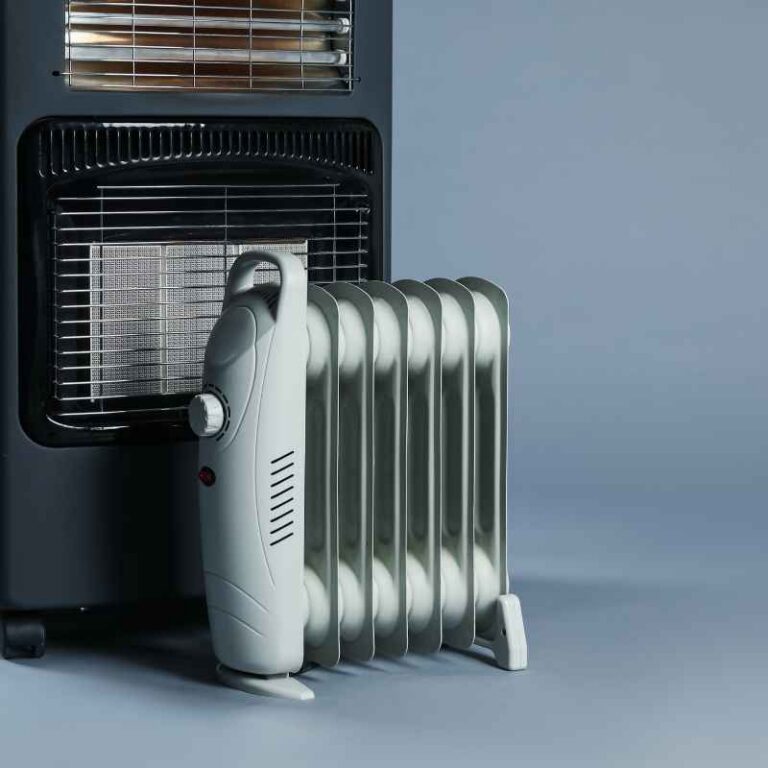
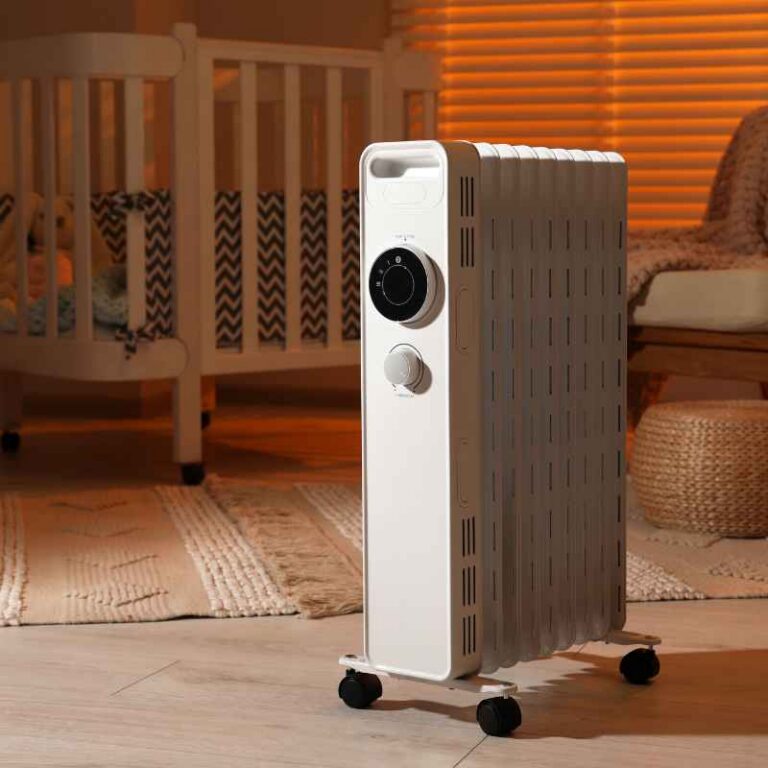
Ceramic heaters use a ceramic element that heats up. This heat is then blown into the room by a fan. Oil-filled radiators look like old-fashioned radiators.
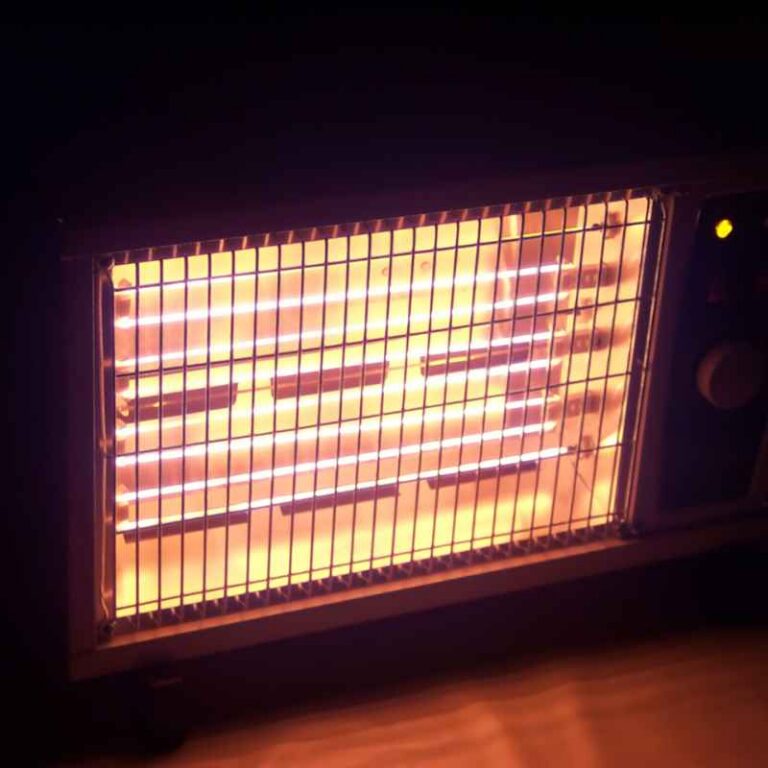
They heat oil inside, which then radiates heat. Infrared heaters use radiant heat. They warm objects and people directly, not just the air.
The energy they use is electricity. The cost depends on the watts they consume and your local electricity rate. Most portable heaters use between 750 and 1500 watts.
This is a pretty standard amount of power for an appliance.
Their strength is their focus. They heat only the space you are in. If you are spending most of your time in one room, like an office or a bedroom, a portable heater can make that room cozy.
This means you might be able to turn down the thermostat for your whole house. This is where the potential savings come in.
But it’s important to know that most portable heaters are not as efficient at converting energy to heat as a modern furnace. They are essentially electric resistance heaters. For every watt of electricity they use, they produce about one watt of heat.
This is 100% efficient in terms of converting electricity to heat. But electricity itself can be expensive to produce compared to natural gas.
So, while they are efficient in their little box, the cost of the electricity they use is the key factor. It’s like using a really good blender. It does a great job with the ingredients you put in.
But if the electricity to run the blender is very costly, the smoothie might be expensive.
Portable Heater Types & Their Energy Use
Ceramic Heaters: Use a fan to push air over a heated ceramic plate. Good for quick heating. Uses about 1500 watts.
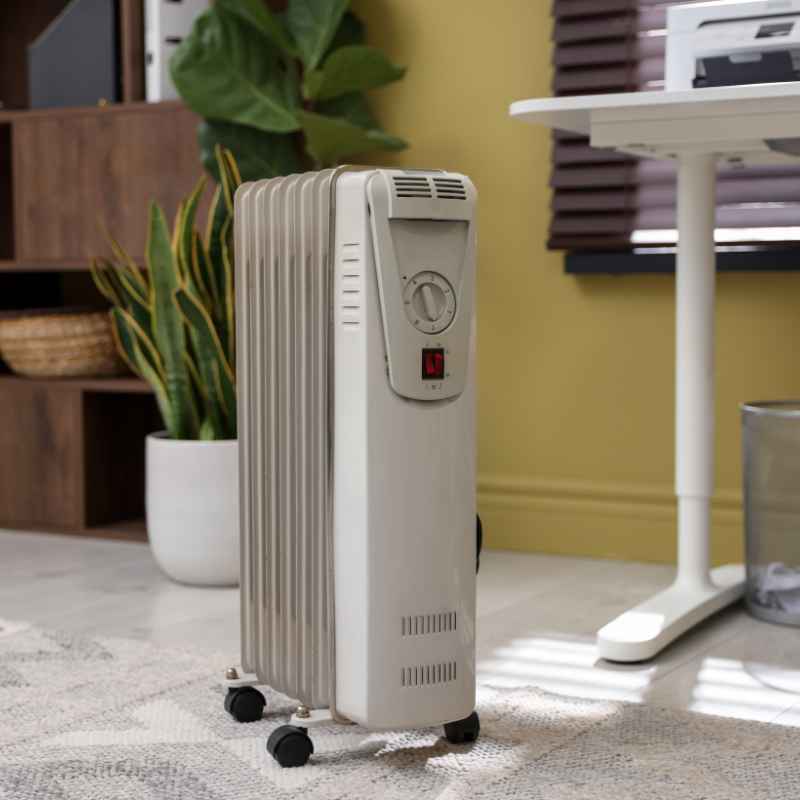
Oil-Filled Radiators: Heat oil inside, which then radiates warmth. Slower to heat but provide steady, even heat. Uses about 1500 watts.
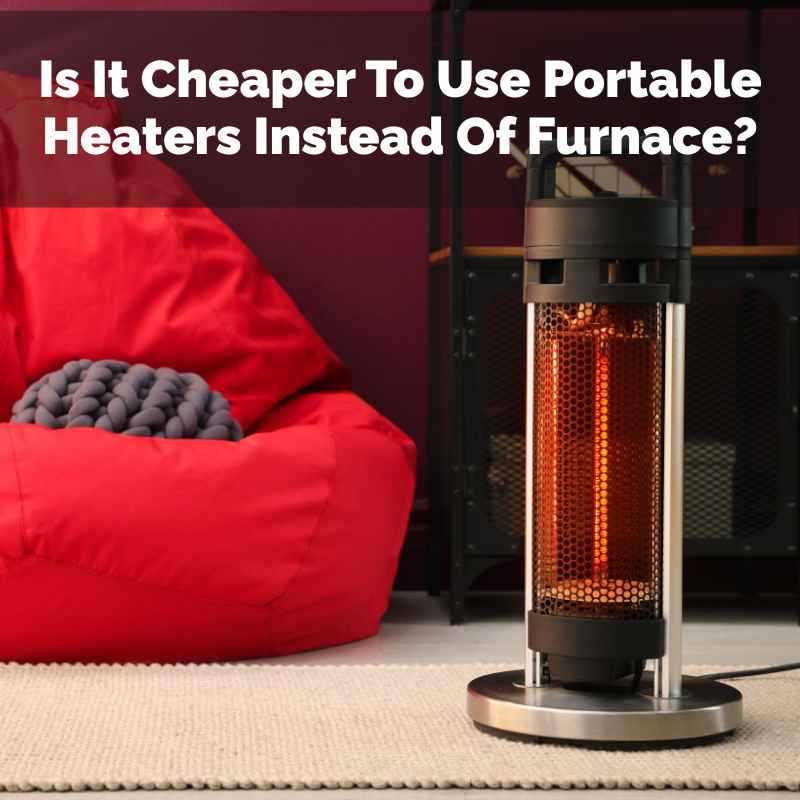
Infrared Heaters: Use radiant energy to warm objects and people directly. Heat feels instant. Uses about 1500 watts.
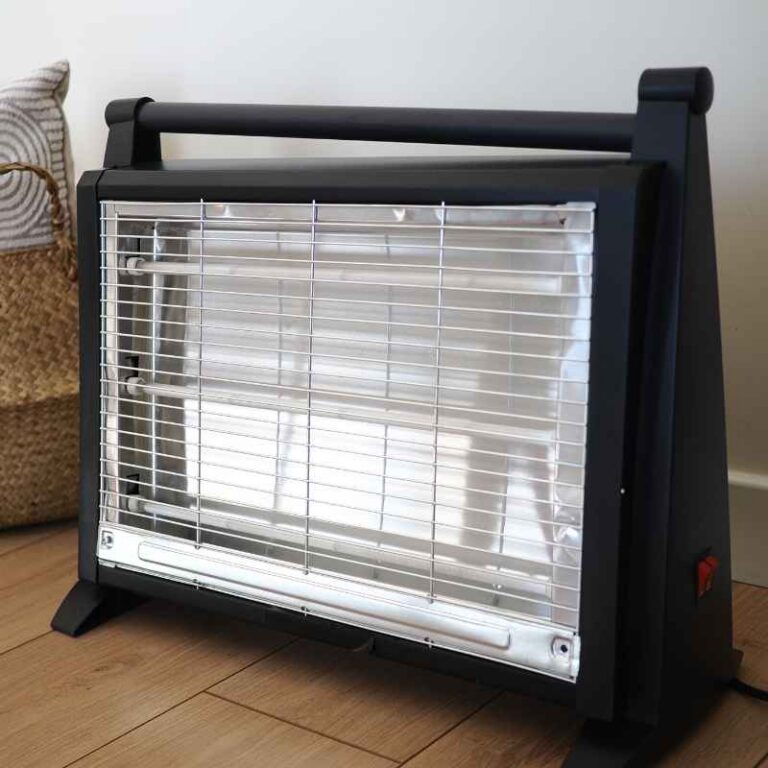
Convection Heaters: Warm the air, which then circulates. Similar to oil-filled radiators but without the oil. Uses about 1500 watts.
When Portable Heaters Might Be Cheaper
There are specific situations where using portable heaters can save you money. The biggest factor is how you use them. If you only need to heat one room for a few hours, a portable heater is likely cheaper than running your furnace for the whole house.
Imagine you work from home and spend all day in your office.
Instead of keeping your whole house at 70°F, you could turn down the main thermostat to maybe 60°F. Then, use a portable heater to keep your office at a comfortable 70°F. You are only using energy for the one room that matters.
The furnace isn’t running, or it’s running much less. This can lead to real savings on your energy bill.
Another scenario is during mild weather. On days when it’s not super cold, but just a bit chilly, you might not need the furnace at all. A small heater in the room you are in can be enough.
This avoids firing up the furnace for a small job.
Also, consider if your furnace is old or inefficient. If your furnace is constantly breaking down or has a very low AFUE rating, it might be using a lot of energy just to produce a little heat. In this case, a new, efficient portable heater for a single room could be more cost-effective for that room’s heating needs.
Think about a small cabin or a rarely used guest room. Heating these spaces all the time with a central furnace is wasteful. Bringing a portable heater in only when you need it makes much more sense and saves money.
When Furnaces Are the Cheaper Option
Now, let’s flip that. When is running your furnace actually the more economical choice? The main reason is when you need to heat your entire home.
If you have a large house, or if multiple people are in different parts of the house, trying to use several portable heaters can become very expensive.
Portable heaters use electricity. In most parts of the U.S., electricity is more expensive per unit of heat than natural gas. Natural gas furnaces are often the most cost-effective way to heat a whole house.
Even if your furnace is older, the price of gas might make it cheaper than heating your entire home with electric portable heaters.
Consider a very cold winter day. If your furnace is working hard to keep the whole house warm, and you try to supplement with portable heaters in every room, your electricity bill could skyrocket. It’s often cheaper to let the furnace do its job for the whole house than to pay for multiple portable heaters to do smaller jobs that add up.
Another point is safety and convenience. A furnace is a set-it-and-forget-it system. You set the thermostat, and it handles the heating.
Portable heaters require you to manage them. You need to turn them on and off, move them, and ensure they are used safely. For a whole house, the convenience of a furnace is hard to beat, and the cost-effectiveness often follows.
If your home is well-insulated, the furnace can maintain temperature efficiently. The heat loss is minimized. In this case, the furnace is doing its job well, and adding portable heaters might just be an unnecessary extra cost on top of already efficient heating.
Cost Comparison: Furnace vs. Portable Heater (Hypothetical)
Scenario: Heating one room for 8 hours.
Furnace: Turning thermostat down to 60°F for whole house. Assume minimal furnace run time. Cost: $0.50 – $1.00
Portable Heater: Running a 1500-watt heater for 8 hours. Assume $0.20 per kWh. Cost: 1.5 kW 8 hours $0.20/kWh = $2.40
Scenario: Heating entire 2000 sq ft home for 12 hours.
Furnace (Gas): Efficient furnace running periodically. Cost: $4.00 – $8.00
Portable Heaters (Electric): Using 3 portable heaters in main areas. 3 heaters 1.5 kW 12 hours * $0.20/kWh = $10.80 (and likely not as effective)
Note: These are estimates. Actual costs vary greatly by energy prices and home efficiency.
The Role of Insulation and Home Efficiency
This is a HUGE factor. How well your home holds heat directly impacts your heating costs. If your home is poorly insulated, your furnace is constantly working to replace heat that is escaping through walls, windows, and the roof.
The same goes for portable heaters – they heat a room, but if that room isn’t sealed well, the heat won’t stay inside.
Think of your house like a cup. If the cup has no lid and is made of thin material, the hot coffee inside will cool down very quickly. Your furnace or portable heater has to keep adding more heat.
This uses more energy and costs more money.
Homes built more recently often have better insulation. They also have better windows and doors that seal more tightly. Older homes can be real energy leaks.
Adding insulation to your attic, walls, and basement is one of the best investments you can make for lowering heating bills, no matter what system you use.
Sealing air leaks is also critical. Look for drafts around windows, doors, electrical outlets, and where pipes enter your home. Using caulk and weatherstripping can make a big difference.
This helps both furnace and portable heater effectiveness.
So, before you even compare heater costs, think about your home’s “leakiness.” A well-insulated home makes any heating system work better and cheaper. A leaky home makes them all struggle and cost more.
Energy Prices: The Wildcard
As touched on before, the cost of energy is a massive variable. In some regions, electricity is relatively cheap, perhaps because of abundant hydroelectric power or other sources. In these areas, electric heating (including portable heaters) might be more competitive.
However, in many parts of the U.S., natural gas is significantly cheaper per British Thermal Unit (BTU) of heat than electricity. BTUs are a standard measure of heat energy. If you have access to natural gas, a gas furnace is often the most economical choice for whole-home heating.
Electricity prices fluctuate too. They can change seasonally and based on demand. Some areas have time-of-use pricing, where electricity is cheaper during off-peak hours (like at night) and more expensive during peak hours (like late afternoon).
This can influence when you might choose to run a portable heater.
It’s worth checking your local utility rates. Look at the price per kilowatt-hour (kWh) for electricity and the price per therm or cubic foot for natural gas. This will give you a clearer picture of which fuel source is more cost-effective in your specific location.
For instance, if your electricity costs $0.12 per kWh and natural gas costs $1.00 per therm, and you know how many therms your furnace uses versus how many kWh your portable heater uses to produce the same amount of heat, you can do a direct cost comparison. This is where the math can truly show which is cheaper for you.
Understanding Energy Units
Kilowatt-hour (kWh): A unit of electrical energy. Used for electricity billing.
Therm: A unit of heat energy, commonly used for natural gas. One therm is about 100,000 BTUs.
British Thermal Unit (BTU): The amount of heat needed to raise the temperature of one pound of water by one degree Fahrenheit. A common unit for measuring heat output of furnaces and heaters.
How they relate: 1 kWh of electricity produces roughly 3,412 BTUs of heat. One therm of natural gas produces about 100,000 BTUs of heat. This difference in BTU production per dollar is why natural gas is often cheaper for whole-house heating.
Safety Considerations with Portable Heaters
While cost is a big concern, safety is even more important. Portable heaters, especially older or damaged ones, can pose risks. It’s crucial to use them correctly.
Always read the manufacturer’s instructions. Never leave a portable heater on unattended, especially when you are sleeping. Make sure it’s placed on a stable, level surface away from anything flammable like curtains, furniture, or bedding.
Keep them away from water. They should not be used in bathrooms or laundry rooms where they might get wet. It’s also important to check the power cord for any damage before plugging it in.
A frayed cord is a fire hazard.
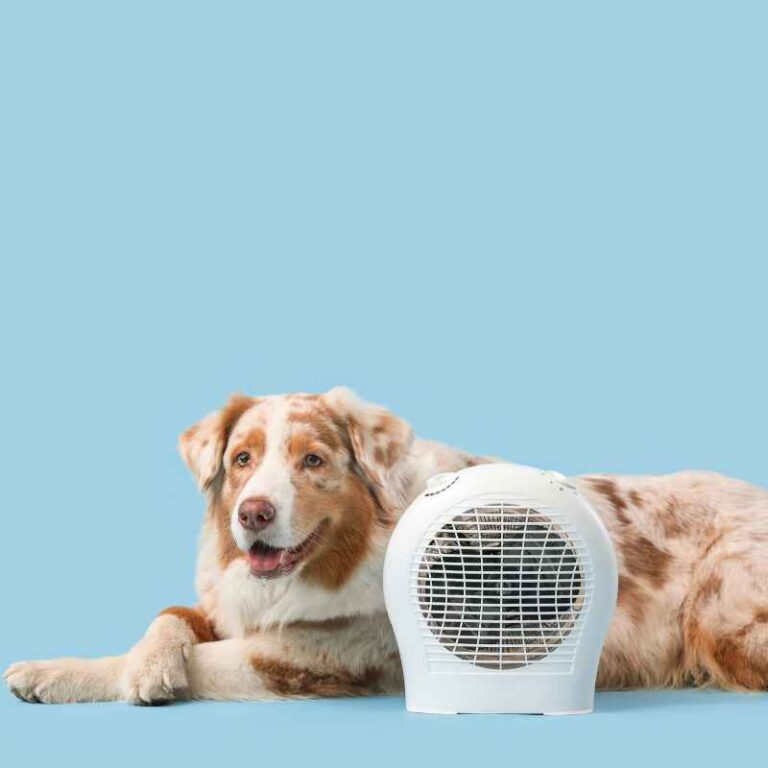
Children and pets should be kept at a safe distance. Some heaters get very hot. Newer models often have safety features like tip-over protection (they shut off if knocked over) and overheat protection.
These features are highly recommended.
Compared to a furnace, which is usually installed professionally and has safety checks built into the home system, portable heaters require more active user vigilance. They are a tool, and like any tool, they need to be used with care and attention to avoid accidents.
The risk of fire is a serious concern with any portable heating device. The National Fire Protection Association (NFPA) reports that heating equipment is a leading cause of home fires. Space heaters account for a significant portion of these fires.
This risk, combined with the potential for carbon monoxide if the heater is faulty or used improperly, means safety must be a top priority.
When is it Normal to Use Portable Heaters?
It’s perfectly normal and often smart to use portable heaters in certain situations. Think of them as supplements to your main heating system, or as primary heaters for specific, limited uses.
Spot Heating: This is the most common and sensible use. If one room in your house is always colder than the others, and you spend a lot of time there, a portable heater can bring that one room to a comfortable temperature. This lets you keep the thermostat for the whole house lower.
Occupancy Heating: If you only occupy certain rooms at certain times, why heat the whole house? For example, if you only use the living room in the evening and a bedroom at night, you can turn down the main thermostat and use portable heaters in those specific rooms when you are there. This is a great way to save energy and money.
Transitional Seasons: In the spring and fall, the weather can be unpredictable. Some days might be cool enough to want heat, but not cold enough for the furnace to kick on for long. A portable heater can provide just enough warmth without engaging the larger, less efficient (for small jobs) central system.
Power Outages: During a power outage in colder months, if you have a generator that can safely power a portable heater (check the wattage requirements and your generator’s capacity), it can provide localized warmth. However, this is secondary to safety and proper generator use.
Unheated Spaces: For garages, workshops, or basements that aren’t typically heated by your central system, a portable heater can make them usable during colder months, but only if they are properly ventilated and used safely.
In essence, it’s normal to use portable heaters when you need targeted, temporary warmth, and doing so allows you to reduce the use of your primary heating system.
When Should You Worry About Your Heating?
There are signs that your heating system, whether it’s a furnace or the way you’re using portable heaters, might not be working right or efficiently. If your energy bills are suddenly much higher than usual, even with the same heating habits, that’s a red flag. It could mean your furnace is losing efficiency or that your portable heater is drawing more power than it should.
If your furnace struggles to heat your home to your set temperature, especially on colder days, it might need servicing. Uneven heating, where some rooms are freezing while others are too hot, can also indicate a problem with the furnace or the ductwork. This is where portable heaters might be used to compensate, but it’s masking a larger issue.
With portable heaters, you should worry if you notice any strange smells (like burning plastic or electrical smells) when they are on. Any unusual noises, like grinding or loud buzzing, are also reasons to stop using them immediately and have them checked or replaced. If a heater seems to overheat, or its safety features don’t engage, that’s a serious concern.
Another sign to worry is if you find yourself relying heavily on portable heaters to keep any part of your home at a minimally comfortable temperature, even when the furnace is running. This suggests that your main heating system is failing to do its job effectively. It’s always better to address the root cause of heating issues rather than just adding temporary fixes.
Simple Checks You Can Do
You don’t need to be a heating expert to do a few simple checks. For your furnace, regularly change the air filter. A dirty filter makes the furnace work harder and reduces air flow.
Check your thermostat to make sure it’s set correctly and functioning. Listen for unusual sounds when it turns on and off.
For portable heaters, a quick visual inspection before each use is wise. Check the power cord for damage. Make sure the vents are clear of dust and debris.
Ensure the heater is clean and stable. If it’s a ceramic heater, make sure the fan spins freely.
Check your home’s insulation. Are there any obvious gaps or thin spots, especially in the attic? Feel around window and door frames for drafts.
You can often feel cold air coming in or warm air going out.
Look at your energy bills. Compare them to previous years for the same months. Are they significantly higher?
This can be a sign that something is consuming more energy than it should. Understanding your baseline energy usage can help you spot problems sooner.
Quick Heating System Checks
Furnace Filter: Replace every 1-3 months. A clean filter is vital.
Thermostat: Ensure it’s set to the correct mode (Heat) and temperature. Test battery if applicable.
Vents & Registers: Make sure they are not blocked by furniture or rugs.
Portable Heater Cord: Inspect for nicks, cuts, or fraying. Discard if damaged.
Portable Heater Vents: Clear any dust or obstructions. Ensure free airflow.
Quick Tips for Smarter Heating
Here are some easy ways to use your heating more wisely, whether you’re using a furnace or portable heaters.
Seal Drafts: Use caulk and weatherstripping around windows and doors. This is a low-cost, high-impact fix.
Use Curtains and Blinds: Open curtains on south-facing windows during the day to let in sunlight (free heat!). Close them at night to add a layer of insulation.
Dress in Layers: Wearing warmer clothes indoors allows you to keep your thermostat set lower.
Programmable Thermostat: If you have a furnace, a programmable or smart thermostat can automatically adjust temperatures when you’re away or asleep. This saves energy without sacrificing comfort when you are home.
Zone Heating: This is where portable heaters shine. Only heat the room you are in. Turn down the thermostat for the rest of the house.
This is often much cheaper than heating unused spaces.
Maintenance is Key: Keep up with furnace maintenance. Ensure your portable heaters are in good working order. Well-maintained systems are more efficient and safer.
Consider Insulation: If your home is poorly insulated, look into adding more. This is a long-term investment that pays off in lower energy bills year after year.
Frequently Asked Questions
Can I use portable heaters to replace my furnace entirely?
No, typically not for an entire home. Portable heaters are best for spot heating individual rooms. Relying on them for whole-house heating is usually less efficient and more expensive than a properly functioning furnace, especially in colder climates.
How much electricity does a typical portable heater use?
Most portable electric heaters use between 750 watts and 1500 watts. A 1500-watt heater running for an hour uses 1.5 kilowatt-hours (kWh) of electricity. The cost depends on your local electricity rate.
Is it cheaper to heat one room with a portable heater or turn down the furnace?
It’s usually cheaper to turn down the furnace thermostat for the whole house and use a portable heater in the room you are occupying. This “zone heating” approach saves energy by not heating unused spaces.
Are oil-filled radiators more efficient than ceramic heaters?
Both types of portable heaters are essentially 100% efficient at converting electricity into heat. The difference is in how they deliver that heat. Oil-filled radiators provide a steadier, more even heat over time, while ceramic heaters heat up faster with a fan.
Neither is inherently more “efficient” in terms of energy usage for the same wattage.
What are the biggest safety risks with portable heaters?
The main safety risks are fire hazards due to proximity to flammable materials or electrical faults, and potential for burns from hot surfaces. Always follow manufacturer instructions, keep them away from anything that can burn, and place them on a stable surface.
How can I make my home more energy-efficient for heating?
Key steps include improving insulation (attic, walls, basement), sealing air leaks around windows and doors, using energy-efficient windows, and ensuring your furnace is well-maintained with clean filters.
When should I consider upgrading my furnace instead of using portable heaters?
If your furnace is over 15-20 years old, frequently needs repairs, is very noisy, or has a low AFUE rating, it’s likely time to consider an upgrade. A more efficient furnace will save you money and provide better comfort overall compared to relying on portable heaters for a large portion of your heating needs.
Final Thoughts on Smart Heating
Deciding between a furnace and portable heaters for your heating needs is all about context. Portable heaters are fantastic for targeted warmth in specific rooms. They can save you money if used to reduce your furnace’s workload.
Your furnace remains the champion for keeping your whole house cozy during deep winter chills.
The true savings often come from smart usage. Focus on insulating your home well. Seal up those drafts.
Then, use the right tool for the job. A little bit of planning and awareness can make a big difference on your comfort and your energy bills.
Sponsored / affiliate links. As an Amazon Associate I earn from qualifying purchases. I may earn additional commission from eligible campaigns.