Do Portable Heaters Dry the Air? How to Fix It
Do portable heaters dry the air? This is a common question for many during colder months, and the short answer is generally yes, they can contribute to drier indoor environments. Portable heaters work by circulating warm air, but this process often leads to a reduction in relative humidity, which can cause discomfort and other issues. This post will explore exactly why this happens, what effects it has, and most importantly, how you can combat dry air when using portable heaters.
Simply put, most portable heaters do dry out the air because their heating mechanisms reduce the air’s ability to hold moisture, leading to lower relative humidity. However, this effect can be managed with humidifiers and other simple strategies to maintain a comfortable indoor climate.
Key Takeaways
- Portable heaters can significantly dry out indoor air by reducing its relative humidity.
- Dry air from heaters can cause physical discomfort, skin issues, and exacerbate respiratory problems.
- Using a humidifier is the most effective way to counteract the drying effects of portable heaters.
- Maintaining optimal humidity levels also improves the efficiency and comfort provided by your portable heater.
How Portable Heaters Affect Indoor Humidity
Portable heaters operate on a variety of principles, but most share a common outcome: they warm the air. This warming process, especially with convection and radiant heaters, is the primary reason for a decrease in relative humidity. As air temperature rises, its capacity to hold moisture increases.
However, the actual amount of water vapor in the air doesn’t change instantaneously. This means that as the air gets warmer, its relative humidity—the amount of moisture present compared to the maximum it could hold at that temperature—drops.
Consider it like a sponge. A larger sponge can hold more water. When you heat the air, you’re essentially making the “sponge” bigger.
If you don’t add more “water” (moisture), the sponge will feel drier. This is precisely what happens. For example, air at 70°F (21°C) with 50% relative humidity contains a certain amount of moisture.
If you heat that same air to 75°F (24°C) without adding more moisture, the relative humidity can drop to around 35-40%, which is noticeably dry.
Different types of portable heaters have varying impacts. Forced-air heaters, which use a fan to blow air over a heating element, tend to have a more pronounced drying effect. This is because the fan mechanism actively circulates air and can speed up the evaporation of moisture from surfaces.
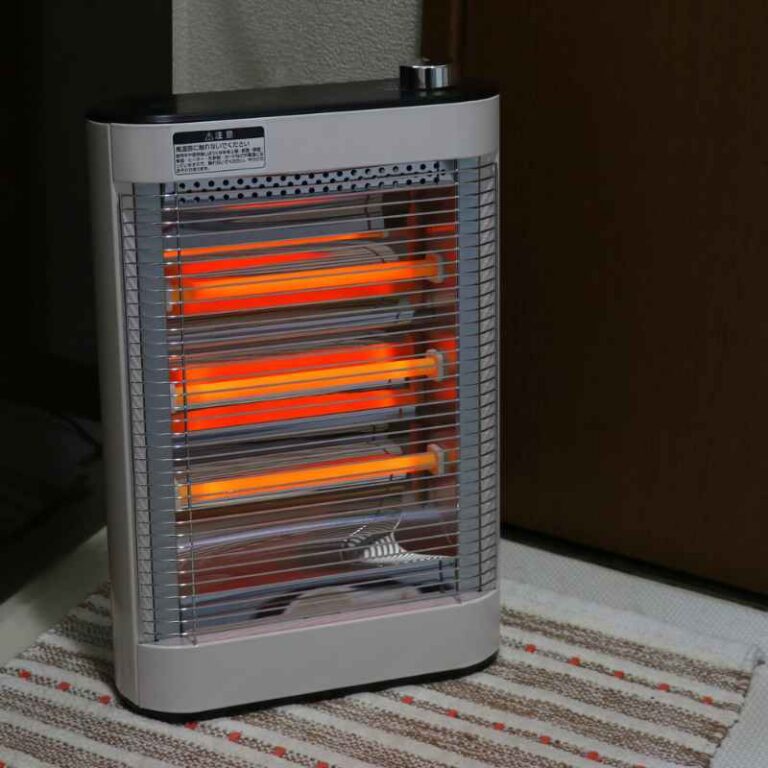
Radiant heaters, which emit infrared heat, might have a slightly less direct impact on the air’s overall humidity, but they still contribute to the warming effect that lowers relative humidity in the space they are heating.
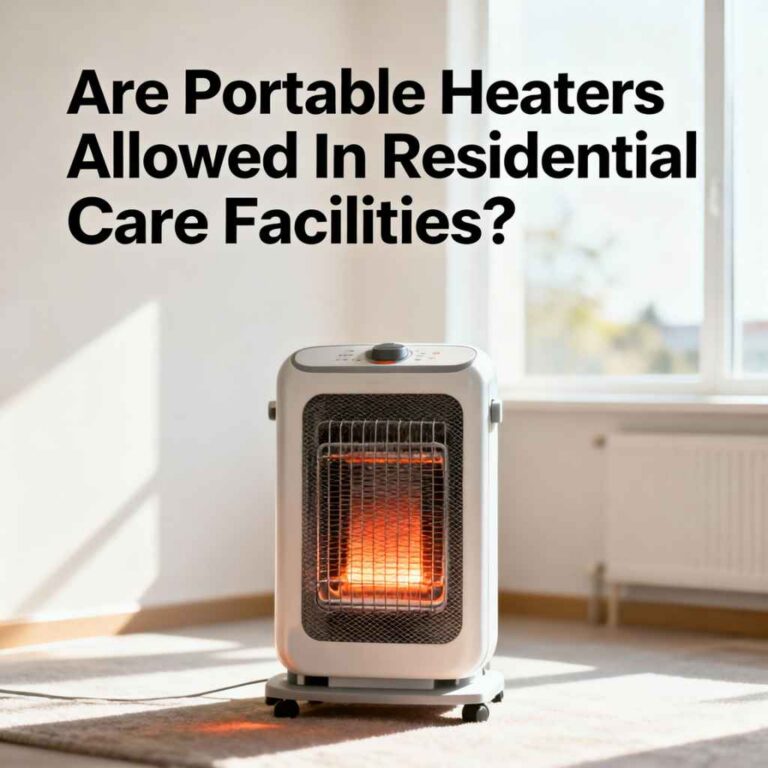
- Convection Heaters: These heat the air in a room, which then circulates. As the air warms, its relative humidity decreases.
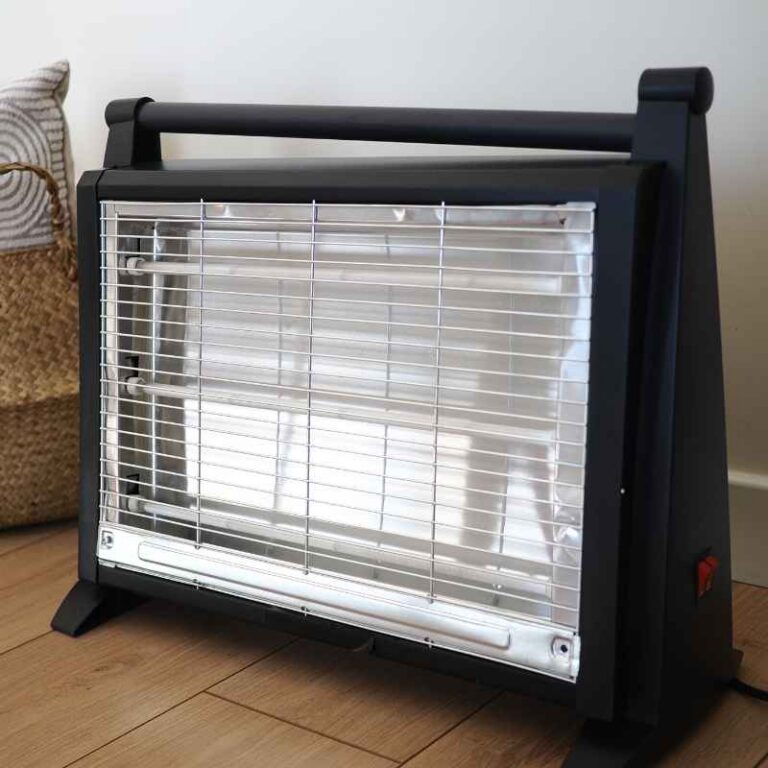
- Radiant Heaters: They emit heat directly, warming objects and people. While less direct, the warming of the space still affects humidity.
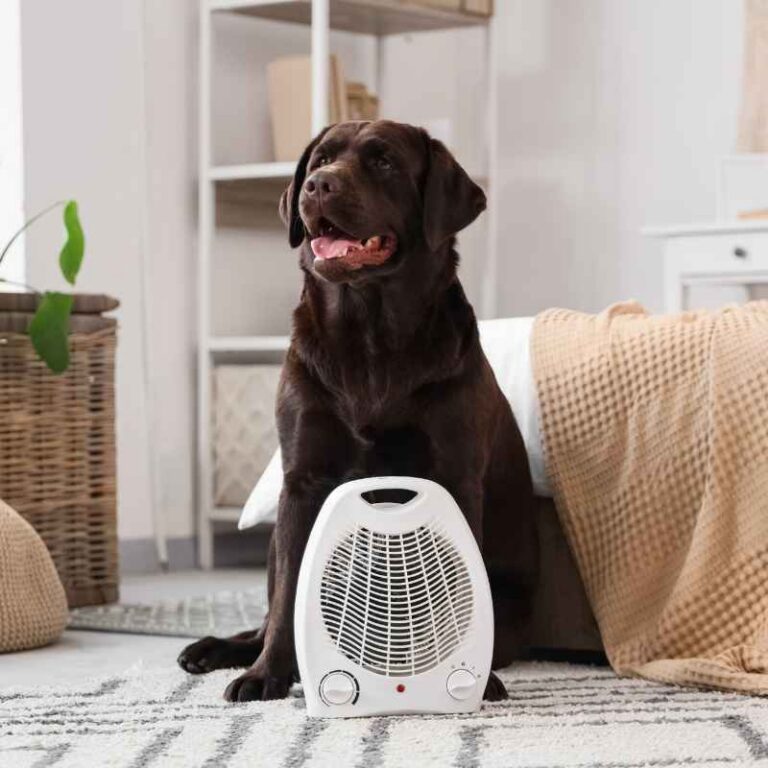
- Fan-Forced Heaters: The fan can accelerate the evaporation of moisture, potentially leading to quicker drying of the air.
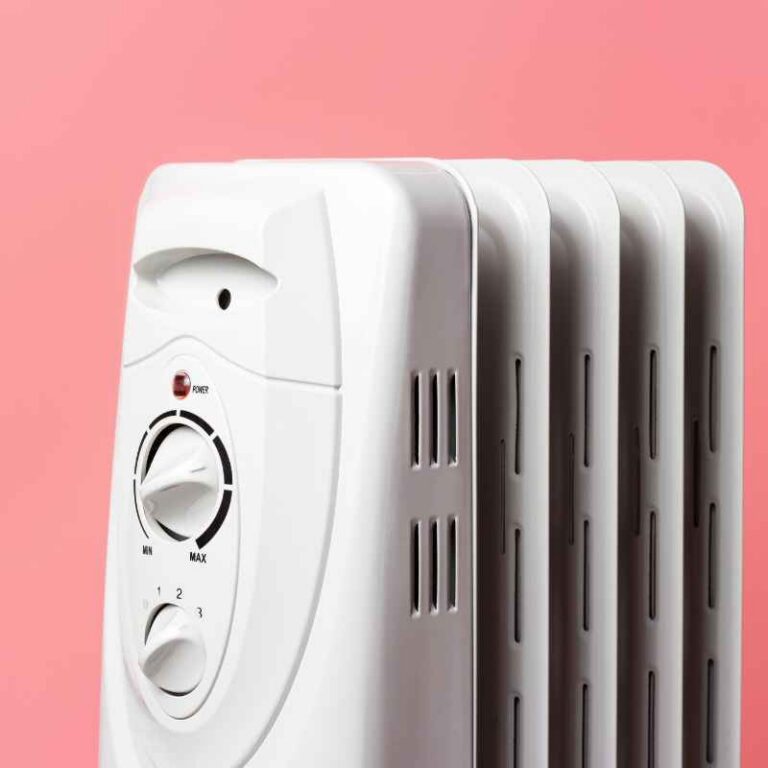
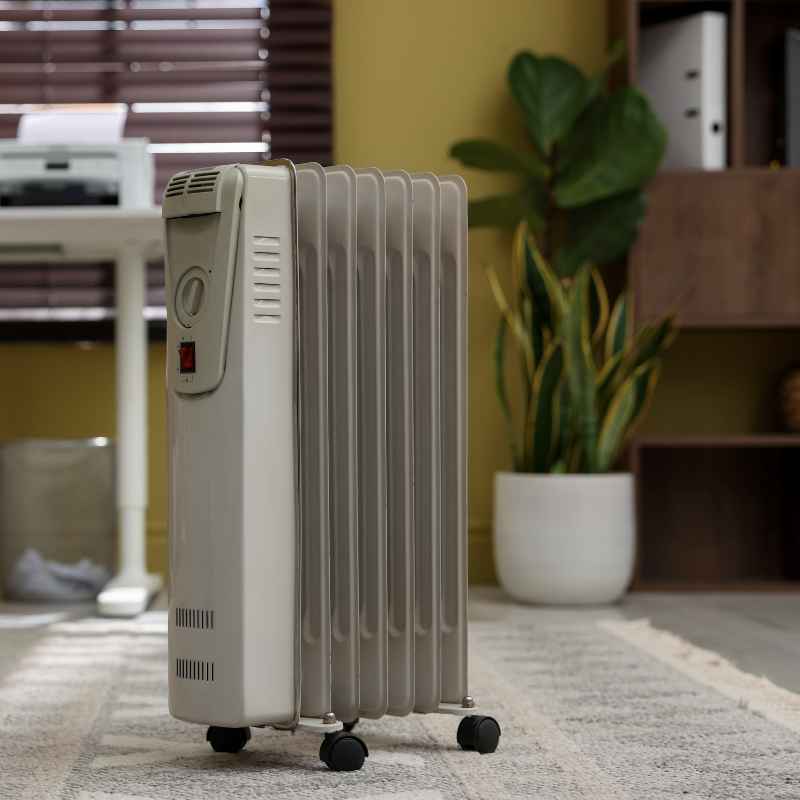
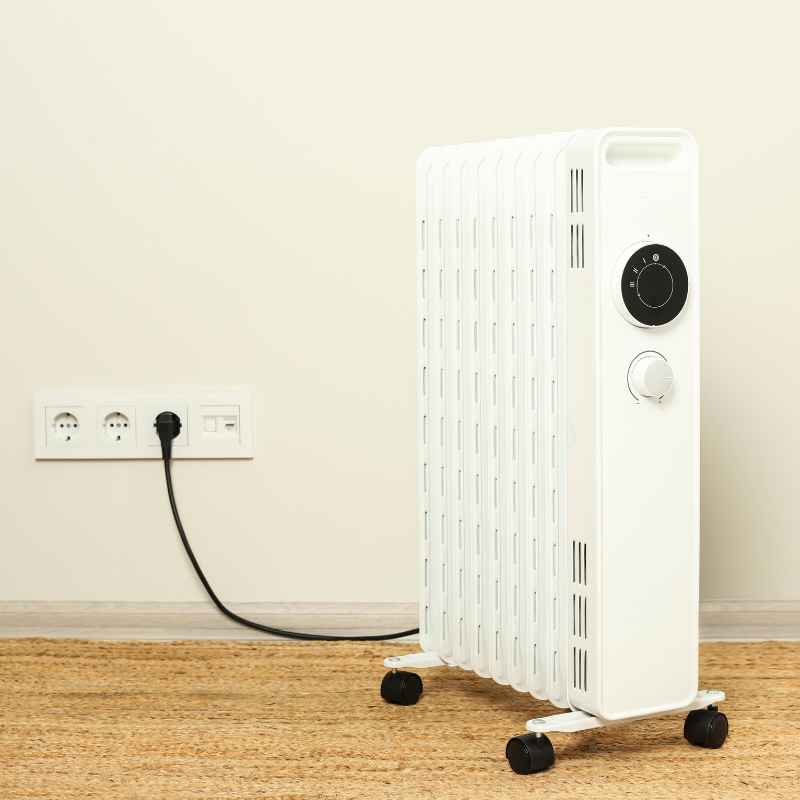
- Oil-Filled Radiators: These are generally considered less drying than other types because they heat the air more gradually and don’t rely on fans.
Understanding Relative Humidity
Relative humidity (RH) is a crucial metric for indoor comfort and health. It’s the ratio of the water vapor present in the air to the maximum amount of water vapor the air can hold at a specific temperature. When portable heaters raise the air temperature without adding moisture, the RH plummets.
The American Society of Heating, Refrigerating and Air-Conditioning Engineers (ASHRAE) recommends indoor RH levels between 40% and 60% for optimal comfort and health.
When RH drops below 40%, especially into the 20-30% range often experienced with heaters, you start to notice the effects. This dry air can lead to discomfort for people and even damage to your home and belongings. Maintaining a balanced humidity is key, not just for comfort but also for preserving the integrity of your living space.
The Effects of Dry Indoor Air
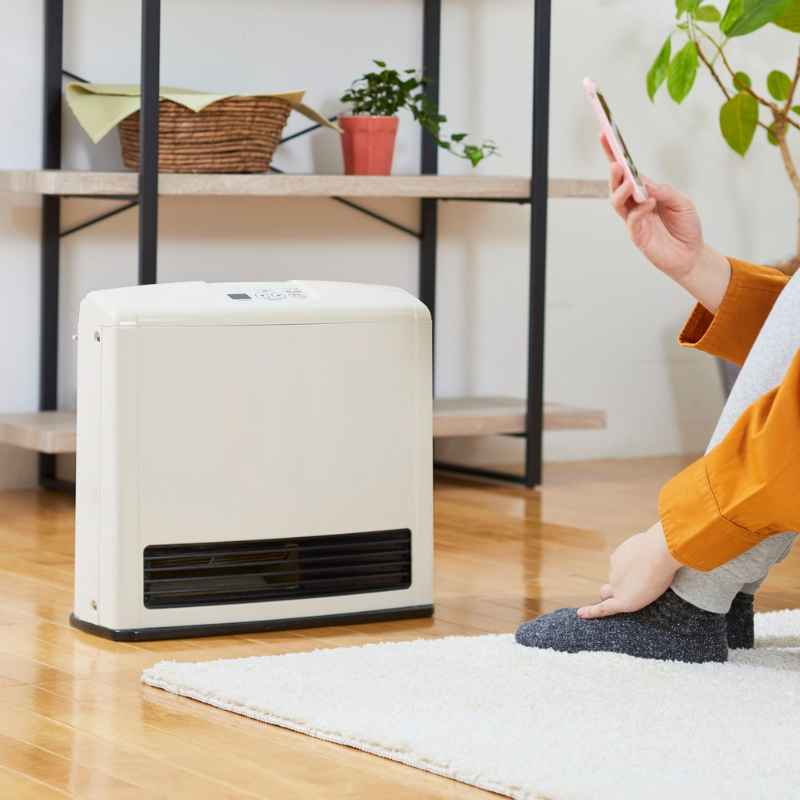
The reduced humidity caused by portable heaters can manifest in several ways, impacting both your physical well-being and your home environment. One of the most immediate effects is on your skin and mucous membranes. Dry air leaches moisture from your skin, leading to dryness, itching, flakiness, and chapped lips.
Similarly, the delicate mucous membranes in your nose and throat can become dry and irritated, making you more susceptible to colds, flu, and sinus infections.
This dryness also affects your respiratory system. For individuals with asthma, allergies, or other respiratory conditions, dry air can trigger symptoms, making breathing more difficult. The irritation to nasal passages and the throat can lead to increased mucus production in an attempt to compensate, which can paradoxically make congestion worse.
Even for healthy individuals, a dry throat and persistent cough can be uncomfortable side effects of prolonged exposure to low humidity environments.
Beyond personal comfort, dry air can also impact your home. Wood furniture, flooring, musical instruments, and even the structural wood in your home can lose moisture and shrink or warp. This can lead to gaps in flooring, cracked finishes on furniture, and structural issues over time.
Static electricity also becomes more prevalent in dry air, leading to annoying shocks when you touch metal surfaces or even your pets. This static can also be a concern for electronics.
| Health and Home Effects of Dry Air | Symptoms/Issues |
|---|---|
| Skin and Hair | Dryness, itching, flakiness, chapped lips, brittle hair. |
| Respiratory System | Irritated nasal passages, dry throat, increased susceptibility to infections, aggravated asthma and allergies. |
| Eyes | Dry, itchy eyes. |
| Wood and Furniture | Shrinking, cracking, warping of wood furniture, flooring, and instruments. |
| Static Electricity | Increased static shocks, potential interference with electronics. |
These issues highlight the importance of monitoring and managing indoor humidity levels, especially when relying on portable heaters.
How to Combat Dry Air from Portable Heaters
Fortunately, the dryness caused by portable heaters doesn’t have to be an accepted consequence. Several effective strategies can help you maintain a comfortable and healthy humidity level. The most direct and impactful solution is to use a humidifier.
Humidifiers add moisture back into the air, directly counteracting the drying effect of your heater. They come in various types, including evaporative, ultrasonic, and steam humidifiers, each with its own pros and cons regarding maintenance and output.
Choosing the right type of humidifier and placing it strategically can significantly improve your indoor climate. For instance, an evaporative humidifier uses a fan to blow air through a wet wick, which is generally safe and efficient. Ultrasonic humidifiers use vibrations to create a cool mist, often operating quietly.
Steam humidifiers boil water to release warm mist, which can also help kill bacteria and mold spores, though they use more energy and require caution due to the hot steam.
Beyond humidifiers, simple lifestyle adjustments and home improvements can also help. While not as effective as a dedicated humidifier, placing bowls of water near your portable heater or on top of radiators (if applicable and safe) can allow for some passive evaporation. Indoor plants also release moisture through transpiration, contributing a small amount of humidity to the air.
Ensuring your home is well-sealed to prevent air leaks can also help maintain the humidity you do have, rather than letting it escape.
Tip: Regularly clean your humidifier according to the manufacturer’s instructions to prevent mold and bacteria buildup. Use distilled or demineralized water if possible to reduce mineral dust in the air.
- Use a Humidifier: This is the most effective solution. Aim for a model suitable for the size of your room.
- Monitor Humidity Levels: Use a hygrometer (humidity meter) to keep track of your indoor RH. The ideal range is 40-60%.
- Place Water Near Heater: Bowls of water can allow for passive evaporation, a low-tech supplement.
- Incorporate Indoor Plants: Plants release moisture through transpiration, adding a small amount of humidity.
- Seal Air Leaks: Prevent conditioned air (and humidity) from escaping your home by sealing gaps around windows and doors.
- Avoid Overheating: Setting your portable heater too high can exacerbate drying. Find a comfortable but not excessive temperature.
Choosing the Right Humidifier
Selecting the correct humidifier depends on your needs and room size. Cool-mist humidifiers (ultrasonic or evaporative) are generally safer for homes with children and pets as they don’t produce hot steam. Warm-mist humidifiers can be beneficial in very cold conditions as the warm mist can feel more comfortable, and boiling the water can reduce the risk of dispersing airborne bacteria.
The capacity of the humidifier is also important; a small unit might be sufficient for a bedroom, but a larger room might require a more powerful model or even a whole-house humidifier if you’re using multiple heaters extensively.
Consider maintenance requirements. Some humidifiers require daily cleaning and refilling, while others can operate for longer periods. The presence of a filter or demineralization cartridge also adds to ongoing costs but can improve air quality.
Researching different brands and models, reading reviews, and understanding the specific features each offers will help you make an informed decision that best suits your living space and health requirements.
What is the Ideal Humidity Level?
The ideal indoor relative humidity level for comfort and health is generally considered to be between 40% and 60%. Below 40%, you begin to experience the negative effects of dry air, such as dry skin, irritated sinuses, and increased static electricity. Above 60%, the air can feel damp and clammy, creating an environment conducive to mold growth, dust mites, and increased allergen activity, which can also be problematic for respiratory health.
Portable heaters often push humidity levels down into the 20-30% range, and sometimes even lower, especially in very cold and dry climates. This is well below the comfort zone and can significantly impact your well-being. The goal when using portable heaters is not to eliminate their use but to mitigate their drying effects by actively managing your indoor humidity.
Investing in a good humidifier and a hygrometer is a proactive step towards a more comfortable winter.
How to Measure Indoor Humidity
Measuring indoor humidity is straightforward and essential for managing the impact of portable heaters. A hygrometer is the device used for this purpose. These are readily available as standalone units or as part of a thermometer.
Digital hygrometers are common, easy to read, and often quite accurate. Some smart thermostats and home weather stations also include integrated hygrometers, allowing you to monitor humidity levels along with temperature.
To get an accurate reading, place your hygrometer in the main living area, away from direct heat sources like your portable heater, windows, or doors. Allow it some time to acclimate to the room’s conditions. Consistent monitoring will give you a clear picture of how your heating habits affect your home’s humidity and inform your decisions about using humidifiers or other moisture-adding strategies.
If your hygrometer consistently shows readings below 40% when your heater is in use, it’s a strong indicator that you need to increase your efforts to add moisture to the air.
| Humidity Level | Impact on Comfort & Health | Potential Issues |
|---|---|---|
| Below 30% | Very Dry; Uncomfortable | Dry skin, chapped lips, irritated sinuses, static shocks, wood damage, increased susceptibility to illness. |
| 30% – 40% | Dry; Noticeable Discomfort | Skin dryness begins, throat irritation, static electricity increases. |
| 40% – 60% | Ideal; Comfortable & Healthy | Optimal for respiratory health, skin moisture, and home preservation. |
| 60% – 70% | Humid; Can Feel Damp | Potential for mold growth, dust mites, musty odors, condensation on windows. |
| Above 70% | Very Humid; Unpleasant | Significant mold risk, condensation, material degradation, allergen proliferation. |
Maintaining humidity in the ideal range is crucial for a healthy and comfortable living environment when using supplemental heating.
Why Are Oil-Filled Heaters Less Drying?
Oil-filled radiators are often cited as being less drying than other types of portable heaters. This is primarily due to their heating mechanism. Unlike fan-forced heaters that blow air across a hot element, oil-filled radiators contain oil that is heated by an electric element.
This hot oil then heats the metal fins of the radiator, which in turn warms the surrounding air through convection and radiation.
This process is much slower and gentler. There’s no fan actively blowing air, so moisture isn’t being rapidly evaporated or blown out of the room. The heat is distributed more evenly and gradually.
Because the heating element doesn’t directly heat the air, and there’s no forced circulation, the air’s capacity to hold moisture isn’t as drastically altered as with other types of heaters. The result is a more ambient, less aggressive warming that contributes less to a significant drop in relative humidity.
While they are considered less drying, they can still contribute to some reduction in humidity over extended periods, especially in very dry climates. However, their tendency to maintain a more stable temperature and avoid aggressive air circulation makes them a preferred choice for individuals particularly sensitive to dry air. For instance, someone with chronic dry eye or a sensitive respiratory system might find an oil-filled radiator more comfortable than a fan-powered convection heater in the same room.
Are Space Heaters Bad for You?
In general, portable space heaters are not inherently “bad” for you, provided they are used correctly and safely. The primary concern, as we’ve discussed, is their potential to dry out indoor air. However, this is a manageable side effect.
The real dangers associated with space heaters come from improper use, such as placing them too close to flammable materials, using damaged cords, or leaving them unattended.
According to the U.S. Fire Administration, portable heaters are involved in about 25,000 fires each year, resulting in hundreds of deaths and injuries. This statistic underscores the importance of safety precautions.
Always place heaters on a stable, non-flammable surface at least three feet away from curtains, furniture, bedding, and any other combustible materials. Ensure they have safety features like automatic tip-over shutoff switches. Never use extension cords with space heaters, as they can overheat and pose a fire risk.
Beyond fire hazards, some people are concerned about air quality. Electric heaters don’t produce combustion byproducts like fuel-burning heaters (propane, kerosene, natural gas). However, any heater can circulate dust and allergens.
If the heater elements get very hot, they can also “bake” dust particles, creating a slightly unpleasant odor. The biggest health concern remains the drying of the air, which, as detailed, can be addressed with humidification. When used with caution and proper humidity management, portable heaters are a valuable tool for localized heating.
Important: Always read and follow the manufacturer’s safety instructions for your specific portable heater model. Never leave a space heater operating unattended, especially overnight while sleeping.
Frequently Asked Questions
Do portable heaters make the air less humid?
Yes, most portable heaters do tend to dry out the air. They work by increasing the air temperature, and warmer air can hold more moisture. As the air’s capacity to hold moisture increases, its relative humidity decreases, making the air feel drier.
What are the symptoms of dry air caused by heaters?
Symptoms can include dry and itchy skin, chapped lips, dry throat, irritated nasal passages, increased static electricity, and a greater susceptibility to colds and other respiratory infections.
How can I humidify my room when using a portable heater?
The most effective way is to use a humidifier. You can also place bowls of water near the heater or on safe surfaces, or incorporate indoor plants, which release moisture through transpiration.
Are some portable heaters less drying than others?
Yes, oil-filled radiators are generally considered less drying than fan-forced convection heaters. This is because they heat the air more gradually without forced air circulation, leading to less moisture evaporation.
What is the ideal indoor humidity level for health and comfort?
The ideal indoor relative humidity level is typically between 40% and 60%. Levels below 40% can lead to dry air issues, while levels above 60% can encourage mold and dust mite growth.
Final Thoughts
While portable heaters are excellent for providing localized warmth, their tendency to dry out indoor air is a common concern. Understanding that this drying effect is a result of increased air temperature reducing relative humidity is the first step. By implementing strategies like using humidifiers, monitoring humidity levels with a hygrometer, and choosing less drying heater types like oil-filled radiators, you can effectively combat dry air.
Maintaining an optimal humidity balance ensures both your comfort and the health of your home environment throughout the colder months.
Sponsored / affiliate links. As an Amazon Associate I earn from qualifying purchases. I may earn additional commission from eligible campaigns.