Do Portable Heaters Need To Be Vented? Safety Facts Inside
You’re looking at getting a portable heater to warm up a chilly room. It seems like a simple way to add comfort. But then a question pops into your mind: Do these things need to be vented?
It’s a smart question to ask. Safety is always first. Let’s get to the bottom of this so you can use your heater with peace of mind.
We’ll cover what you need to know about portable heater ventilation.
Portable heaters generally do not require a vent. Most are designed for indoor use and operate by safely containing combustion byproducts within the unit. However, specific types of portable heaters, like unvented propane heaters, do release fumes and require adequate ventilation for safety. Always check the manufacturer’s instructions.
Understanding Portable Heater Ventilation Needs
Portable heaters are super handy. You can move them from room to room. They help when your main heating system isn’t quite cutting it.
Or maybe you have a room that’s always colder. The big question is about how they handle their exhaust. Do they let out fumes?
If so, where do those fumes go?
The type of portable heater you have matters a lot. Most common electric portable heaters don’t need any kind of vent at all. They work by using electricity to create heat.
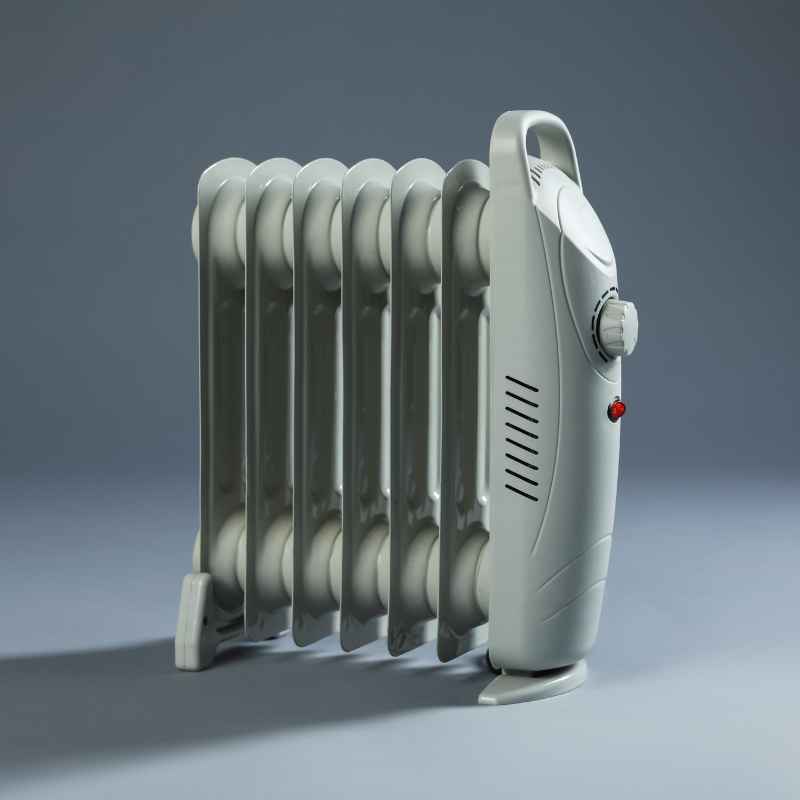
Think of electric space heaters, ceramic heaters, or oil-filled radiators. These don’t burn fuel. So, they don’t produce harmful gases.
They are designed to be used safely indoors.
Other types of portable heaters do burn fuel. These are often propane or kerosene heaters. These are sometimes called unvented heaters.
They are meant to be portable but require special attention. Because they burn fuel, they create byproducts. These can include carbon monoxide.
Carbon monoxide is a gas you can’t see or smell. It can be very dangerous. This is why understanding the type of heater is the first step.
So, the short answer is: it depends on the fuel source. Electric heaters are usually vent-free. Fuel-burning heaters might need ventilation or special care.
Always read the manual that comes with your heater. It will tell you exactly how to use it safely. It will also explain if any ventilation is needed for your specific model.
My Own Portable Heater Scare
I remember one particularly cold winter. My old house had a drafty sunroom. The heat just wouldn’t reach it well.
I decided to get a portable heater for that space. I picked out a nice-looking electric one. It was ceramic and promised quick warmth.
I set it up, plugged it in, and it worked like a charm. The room got toasty fast. I felt so proud of myself for solving the cold-room problem.
A few days later, I was reading in the sunroom. The heater was running. I started to feel a bit odd.
Not sick, exactly, but a dull headache. My cat, usually very alert, was acting sluggish. She was just lying there, not even purring.
I brushed it off at first. Maybe I was just tired. But then I noticed a faint smell.
It wasn’t a strong smell, more like. a slight metallic tang. It made me uneasy.
That feeling of unease grew. I remembered reading something somewhere about heaters and fumes. My heart started to pound a little.
Was my electric heater doing something wrong? I immediately unplugged it. I opened the windows to air out the room, even though it was freezing outside.
The headache slowly went away. My cat perked up. It hit me then.
Even electric heaters need to be used in well-aired spaces sometimes, or maybe there was a different issue.
It turned out my specific heater was fine. The issue was that the sunroom door had been closed for too long, and I had used it for many hours straight. This meant the air wasn’t circulating enough.
It’s a good reminder that even “safe” heaters need air. If I had been using a fuel-burning heater without knowing its needs, it could have been much worse. That experience taught me to always double-check and understand exactly how any heating device works and what its specific safety needs are.
It really stuck with me.
Electric Portable Heaters: The Vent-Free Champions
How they work: Electric heaters convert electricity into heat. They use elements like coils or ceramic plates. There’s no burning of fuel involved.
Why no vent: Because there’s no combustion, no harmful gases are produced. They don’t release carbon monoxide or other fumes.
Safety note: Always ensure they are in good condition. Damaged cords or units can be fire hazards. Proper placement away from flammables is key.
Different Types of Portable Heaters
It’s not just one kind of portable heater. They come in many shapes and sizes. And their fuel or power source makes a big difference in their ventilation needs.
Let’s break down the most common ones you’ll see.
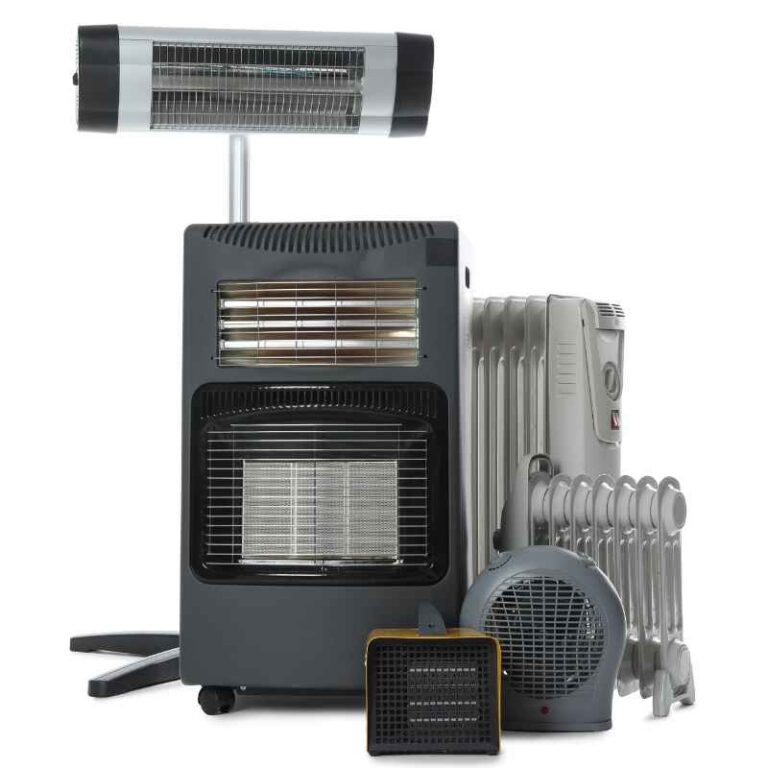
Electric Heaters are the most popular for indoor home use. They are simple to operate. Just plug them in.
Types include:
- Ceramic Heaters: These use a ceramic plate. A fan blows air over the hot plate. They heat up quickly.
- Oil-Filled Radiators: These look like old-fashioned radiators. They have oil inside. Electricity heats the oil, which then radiates heat. They provide a gentle, steady warmth.
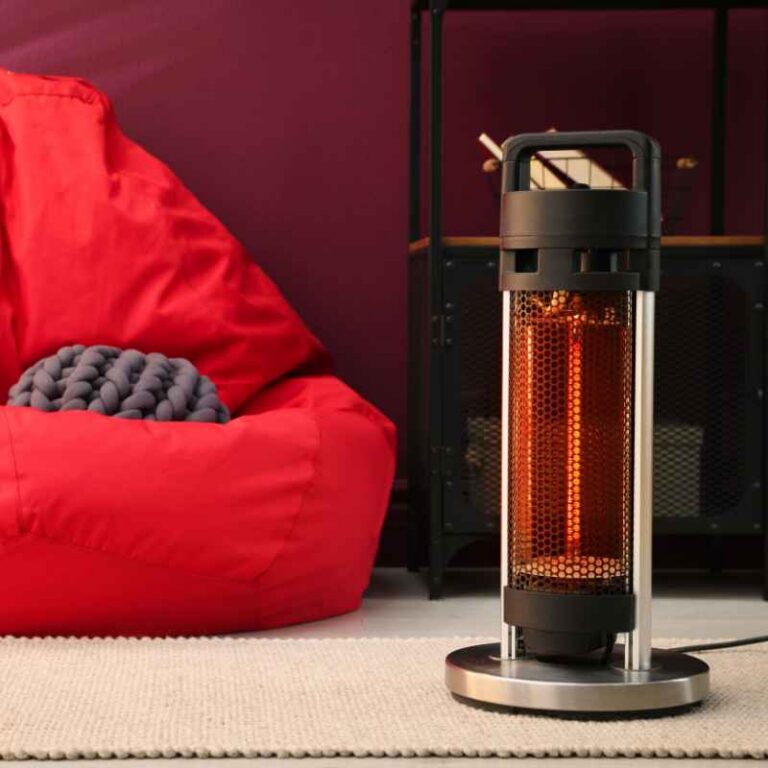
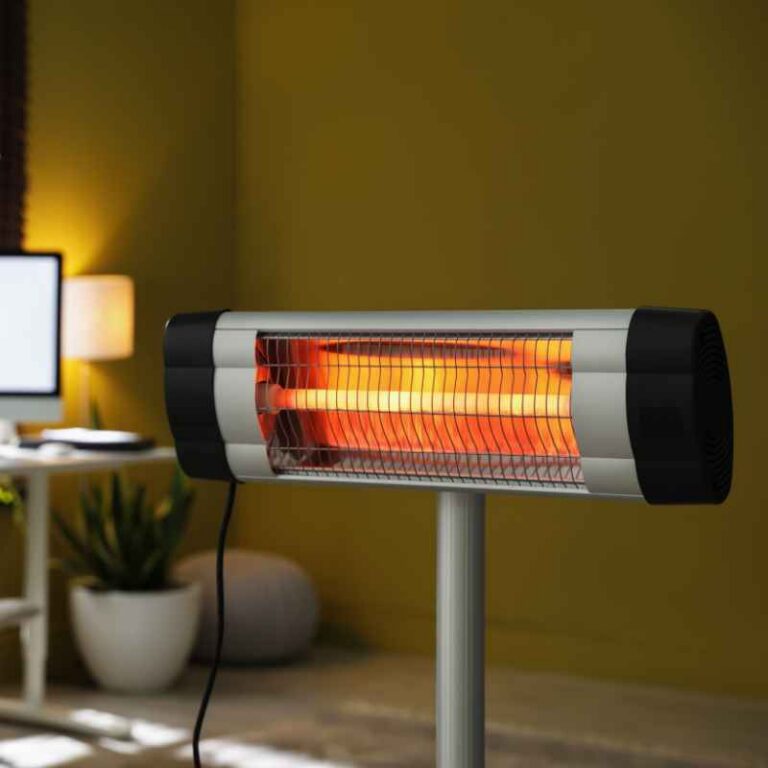
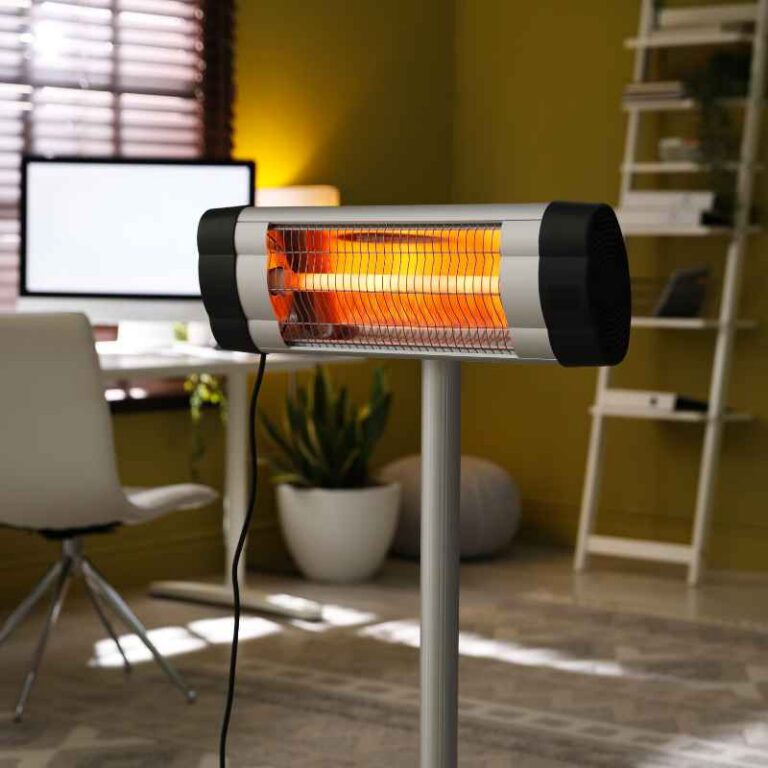
- Infrared Heaters: These heat objects directly, not the air. They use radiant heat. You feel warm when you are in their “beam.”
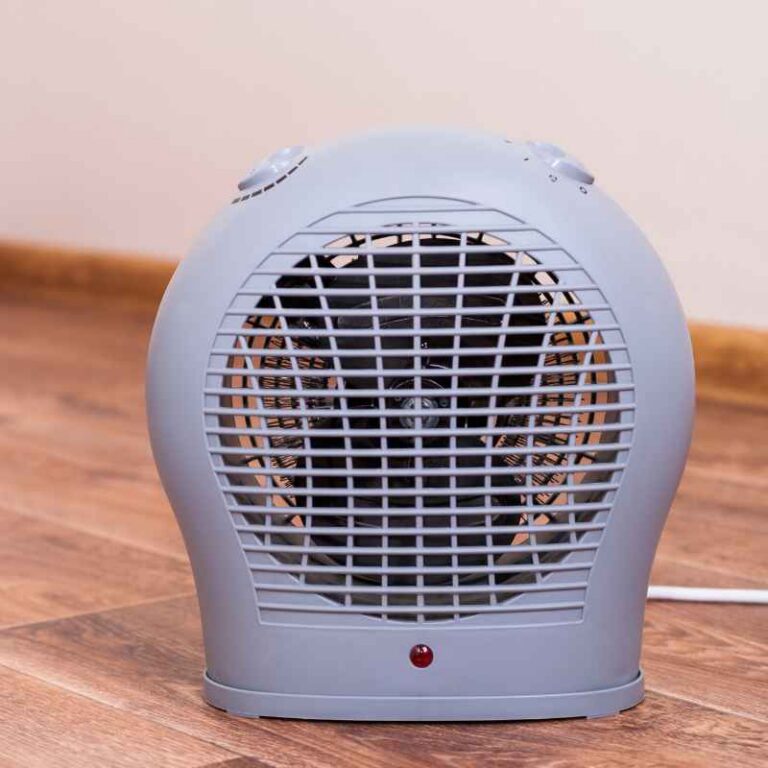
- Fan Heaters: Basic electric coils get hot. A fan blows air across them and into the room.
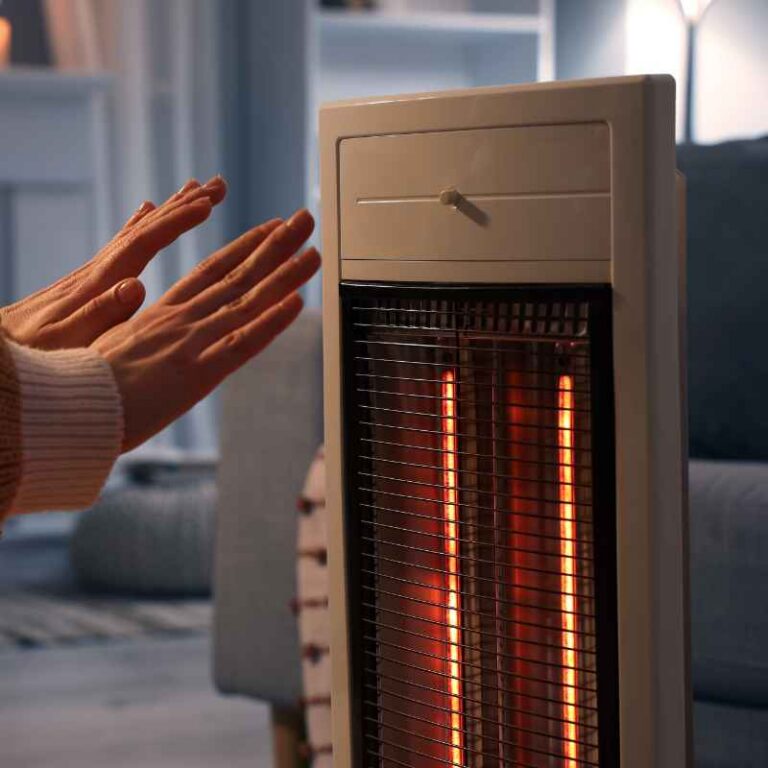
None of these electric types need venting. They are designed for safe indoor use as long as they are in good working order and placed correctly.
Fuel-Burning Heaters are different. They are often used where there is no electricity. Or for quick, powerful heating.
But they produce byproducts.
- Propane Heaters (Unvented): These are common for patios or sometimes garages. They burn propane gas. Unvented models release carbon monoxide, CO2, and water vapor. They need a lot of fresh air. Some larger propane heaters are vented, but they are less common as “portable” units for inside homes.
- Kerosene Heaters: These also burn fuel. They can produce significant amounts of carbon monoxide and other pollutants. They absolutely require ventilation. Using one indoors without proper airflow is extremely dangerous.
- Natural Gas Heaters: While less common as truly “portable” units for home use, some can be plumbed in. If they are portable, they still need to be vented if they burn natural gas.
The key takeaway is this: if your heater burns fuel, it’s a different story than an electric one. Always check the label and the manual. It will clearly state its type and any ventilation requirements.
Never guess with fuel-burning appliances.
Quick Scan: Portable Heater Types and Venting
| Heater Type | Fuel Source | Venting Required? | Key Safety Point |
|---|---|---|---|
| Electric (Ceramic, Oil-Filled, Infrared, Fan) | Electricity | No | Prevent fire hazards; ensure good condition. |
| Unvented Propane Heater | Propane Gas | Yes (Adequate Room Ventilation) | Risk of CO poisoning; needs fresh air. |
| Kerosene Heater | Kerosene | Yes (Specific Venting Often Needed) | High risk of CO; use with extreme caution. |
The Dangers of Carbon Monoxide
Carbon monoxide (CO) is the silent killer. It’s a colorless, odorless gas. It is produced when fuels don’t burn completely.
This can happen in cars, stoves, fireplaces, and yes, fuel-burning heaters.
When you breathe in carbon monoxide, it stops your blood from carrying oxygen. Your body’s cells need oxygen to live. If they don’t get enough, they start to shut down.
This is why CO poisoning can happen so quickly and be deadly.
Symptoms of CO poisoning can be mild at first. You might feel a headache. You could feel dizzy or nauseous.
Some people get confused. If you ignore these signs, they get worse. You can lose consciousness.
Eventually, it can lead to death.
This is why ventilation is so important for fuel-burning heaters. Ventilation means letting fresh air in and stale air out. For portable heaters that burn fuel, it means creating an environment where the CO can escape.
This is often done by opening a window or door slightly. It allows for a constant exchange of air.
For some types of heaters, especially larger or more powerful ones, specific venting systems might be required. This would involve a pipe or chimney that directs the exhaust gases safely outside. However, most “portable” heaters for home use are either electric (no vent needed) or unvented fuel-burning types that rely on room air exchange.
CO Detectors are Essential: If you use any kind of fuel-burning appliance in your home, you must have carbon monoxide detectors. They are like smoke detectors but for CO. They will sound an alarm if CO levels get too high.
Place them on every level of your home, especially near sleeping areas. Test them regularly. Never rely on smell to detect CO.
You can’t smell it.
Understanding CO Safety
What is Carbon Monoxide (CO)? A poisonous gas from burning fuel.
How it affects you: It prevents your blood from carrying oxygen.
Symptoms: Headache, dizziness, nausea, confusion. Can lead to unconsciousness and death.
Prevention: Use CO detectors. Ensure proper ventilation for fuel-burning devices. Never use fuel-burning heaters indoors without specific safety measures.
When is a Vent Required?
Most portable electric heaters you buy for your home do not require a vent. This is their main advantage. They are designed for convenience and safety in a typical room.
You plug them in, and they provide heat without needing to poke holes in your walls or windows.
However, a vent or specific ventilation is absolutely required for certain types of portable heaters. This mainly applies to heaters that burn fuel. These are often called unvented heaters.
They burn propane, kerosene, or sometimes natural gas. Because they burn fuel, they produce combustion byproducts. These include carbon monoxide (CO), carbon dioxide (CO2), and water vapor.
Unvented propane heaters are a common example. They are often used in garages, workshops, or for outdoor activities like camping or tailgating. When used indoors, even in a garage, they must have access to fresh air.
This means opening a door or window. The amount of ventilation needed depends on the size of the heater and the size of the space. The manufacturer’s instructions will usually give guidance on this.
Kerosene heaters also require ventilation. Some older models might have required specific chimney-like vents. Newer portable ones often rely on adequate room air exchange.
But again, the risk of CO is very high. They are often recommended for emergency use only, and only with extreme caution and proper ventilation.
The Rule of Thumb: If it burns fuel, assume it needs ventilation. If it plugs into the wall, it almost certainly does not. But always, always check the product manual.
It is the definitive source for safety information for your specific appliance.
What “ventilation” means in practice for unvented fuel heaters: It means ensuring a constant flow of fresh air into the space. This could be by opening a window a crack, propping open a door, or using a fan to move air around. The goal is to dilute any fumes produced and allow them to escape the living area.
Ventilation Checklist for Fuel-Burning Heaters
1. Read the Manual: This is non-negotiable.
2. Identify the Fuel: Propane, kerosene, etc.?
3. Check for “Unvented”: If it’s unvented, it relies on room air.
4. Ensure Airflow: Open a window or door slightly. Or use a fan.
5. Install CO Detectors: Absolutely mandatory. Test them.
6. Never Use in Small, Sealed Spaces: Attics, closets, or tightly sealed rooms are dangerous.
Real-World Context: Where Do You See These Heaters?
Portable heaters show up in many places. Their use often depends on their type and ventilation needs. Understanding these contexts helps us see why venting is or isn’t an issue.
In Homes: This is where electric portable heaters shine. They are used in bedrooms, living rooms, home offices, basements, and sometimes garages (if the garage is well-insulated and used for living space). Because they are electric, they don’t need vents.
You just plug them into a standard outlet. People use them to supplement their main heating, warm up cold spots, or provide heat in rooms not connected to central heating.
In Garages and Workshops: This is a common place to see both electric and sometimes unvented propane heaters. Electric heaters are safe and easy. However, if you need more powerful heat or don’t have an outlet readily available, an unvented propane heater might be considered.
If one is used, it’s critical that the garage door is kept slightly open, or there’s another way for fresh air to circulate. Many garages are not as airtight as a house, which helps. But it’s still a risk if not managed carefully.
For Outdoor Spaces: Propane patio heaters are a prime example of fuel-burning heaters. They are designed for outdoor use. They vent their exhaust directly into the open air.
So, they don’t pose a CO risk to people sitting around them. However, using one in a poorly ventilated enclosed porch or sunroom can still be dangerous.
In RVs and Cabins: These often have specific heating systems. However, sometimes people use portable heaters as a backup. If it’s an electric portable heater, it’s fine.
If it’s a fuel-burning type, it’s extremely risky. RVs and cabins can be very airtight. Manufacturers of RVs typically recommend specific types of heaters that are designed for enclosed spaces and are properly vented.
For Emergencies: During power outages, people might consider using propane or kerosene heaters. These can be lifesavers, but they come with serious risks. If used indoors, proper ventilation is paramount.
Many emergency preparedness guides strongly advise having a backup power source for electric heaters or ensuring extreme caution and knowledge if using fuel-burning types.
The common thread here is that the environment and intended use dictate the heating choice and its safety requirements. A sealed living room is different from an open patio. A tightly sealed RV is different from a breezy workshop.
Where Portable Heaters Fit In
Scenario: Cozying up a home office.
Best Choice: Electric portable heater. No venting needed. Safe for indoor use.
Scenario: Warming a detached garage during winter projects.
Good Choice: Electric heater. If more heat is needed, an unvented propane heater can work, BUT ensure the garage door is open at least a foot.
Scenario: Heating a enclosed three-season porch.
Risky: Fuel-burning heaters. Even with a door open, CO can build up in enclosed spaces. Stick to electric or ensure very wide openings.
What This Means for You: Normal vs. Concerning
Knowing whether your portable heater needs venting is crucial for safety. Let’s look at what’s normal and when you should be concerned.
When It’s Normal
Using an electric portable heater: If you plug in a ceramic heater, oil-filled radiator, infrared heater, or fan heater into a wall outlet, it’s normal for it to not need any special venting. These are designed for this. They don’t produce fumes.
Using a fuel-burning heater outdoors: If you are using a propane heater on your patio, deck, or in an open backyard, it’s normal for it to vent its exhaust into the open air. This is what they are designed for. As long as you are not in a completely enclosed space with it, the fumes disperse safely.
Using an unvented fuel-burning heater with adequate airflow: If you are using a portable propane heater in a garage or workshop, and you have a door or window open to allow fresh air in, this is the normal and safe way to operate it. The key word is “adequate airflow.”
When to Worry
Using any fuel-burning heater in a sealed or poorly ventilated space: This is the biggest red flag. If you use a propane or kerosene heater in a basement, a small bedroom with closed windows, an RV, or a tightly sealed garage, you are creating a dangerous situation. Carbon monoxide can build up to deadly levels.
Smelling gas or exhaust: If you smell any unusual odors when using any heater, especially a fuel-burning one, this is a sign something is wrong. It could be incomplete combustion or a leak. Turn off the heater immediately and ventilate the area.
Experiencing symptoms of CO poisoning: If you or anyone else in the home starts feeling headaches, dizziness, nausea, or confusion while a heater is running, it’s a serious sign. Turn off the heater, get to fresh air, and seek medical attention if symptoms are severe. Have your CO detectors checked.
Heater making strange noises or running poorly: Any appliance that is malfunctioning is a risk. If your heater is sparking, making loud noises, or not heating as it should, it could be a fire hazard or producing more fumes than normal.
Not having a working CO detector: If you use any appliance that burns fuel, not having working CO detectors on every level of your home is a major concern. They are your early warning system.
Simple Checks You Can Do:
- Check the label: Does it say “electric” or “fuel-burning”?
- Read the manual: What does it say about ventilation?
- Look at the exhaust: Does it have a pipe or vent? Or does it seem to release heat and air directly?
- Check your CO detectors: Are they installed? Are they within their expiration date? Do they have fresh batteries? Test them monthly.
Is it Safe? Quick Guide
Safe: Electric heater plugged in, no smell, good airflow.
Safe: Propane heater used on an open patio.
Concerning: Fuel-burning heater used in a closed room, even with a door ajar.
Very Concerning: Headache or dizziness appears while heater is on. Turn off immediately.
Emergency: No CO detector when using fuel-burning appliances.
Quick Tips for Safe Portable Heater Use
Using portable heaters safely is all about understanding their type and following basic rules. Here are some quick tips to keep you warm and protected.
- Know Your Heater Type: Is it electric or fuel-burning? This is the most important first step. Electric heaters are generally vent-free. Fuel-burning heaters require careful attention to ventilation.
- Read the Manual: Seriously, read it. It has the manufacturer’s specific safety guidelines for your model.
- Placement is Key: Keep heaters at least three feet away from anything that can burn. This includes curtains, furniture, bedding, paper, and pets. Never place them on soft surfaces like beds or sofas.
- Use on a Flat Surface: Make sure the heater is on a stable, level surface. This prevents it from tipping over. Many modern heaters have tip-over shutoff switches, but it’s still a good practice.
- Never Leave Unattended: Turn off portable heaters when you leave the room or go to sleep. This is a common cause of fires.
- Check Cords: Ensure the power cord is not frayed, damaged, or worn. Don’t run it under carpets or rugs where damage can go unnoticed.
- Don’t Overload Outlets: Plug your electric heater directly into a wall outlet. Avoid using extension cords or power strips if possible, as they can overheat. If you must use one, make sure it’s rated for the heater’s wattage.
- Ventilate Fuel-Burning Heaters: If you are using a portable propane or kerosene heater, always ensure adequate ventilation. Open a window or door to allow fresh air in and fumes out.
- Install Carbon Monoxide Detectors: This is essential if you use any fuel-burning appliance. Have detectors on every floor, especially near bedrooms. Test them regularly.
- Keep Children and Pets Safe: Make sure they cannot touch the hot surfaces of the heater. Keep them at a safe distance.
- Clean Your Heater: Dust and debris can build up on heating elements or fans. This can be a fire hazard. Clean your heater according to the manufacturer’s instructions.
- Use for Intended Purpose: Don’t try to dry clothes on a portable heater. Don’t use it to thaw pipes unless it’s specifically designed for that purpose and you know what you’re doing.
Smart Heater Habits
Always: Maintain a 3-foot clearance from flammables.
Always: Turn off when leaving the room or sleeping.
Always: Ensure fuel-burning heaters have fresh air.
Never: Use damaged cords or faulty equipment.
Never: Leave children or pets unattended with a heater.
Never: Forget to test your CO detectors monthly.
Frequently Asked Questions
Do I need to vent my electric portable heater?
No, you do not need to vent electric portable heaters. They convert electricity into heat without burning fuel, so they don’t produce carbon monoxide or other harmful fumes. Just ensure it’s placed safely away from flammables.
What happens if I use a portable propane heater without enough ventilation?
Using a portable propane heater without adequate ventilation can lead to a buildup of carbon monoxide (CO) in the air. CO is a dangerous, odorless gas that can cause headaches, dizziness, nausea, and in severe cases, unconsciousness and death. Always ensure fresh air is circulating.
Are kerosene heaters safe to use indoors?
Kerosene heaters can be very dangerous if used indoors without proper, specific ventilation. They produce significant amounts of carbon monoxide and other pollutants. They are often recommended only for emergency use with extreme caution and with very good airflow.
Always check the manufacturer’s instructions and use CO detectors.
My portable heater smells funny. What should I do?
If your portable heater smells funny, turn it off immediately and unplug it. For electric heaters, it might be dust burning off the element. For fuel-burning heaters, it could indicate incomplete combustion or a leak, which is dangerous.
Ventilate the area well. If the smell persists or is strong with a fuel-burning heater, do not use it and have it inspected or replaced.
Can I use a portable heater in my RV or camper?
Using portable heaters in RVs or campers requires careful consideration. Electric heaters are generally safe if your RV has sufficient power. However, fuel-burning portable heaters are extremely risky due to the enclosed and often airtight nature of RVs.
Only use heaters specifically designed and approved for RV use, and ensure they are properly vented according to manufacturer guidelines.
How often should I test my carbon monoxide detector?
You should test your carbon monoxide detector at least once a month. Also, check the manufacturer’s recommended replacement date, as detectors have a limited lifespan.
Conclusion
So, do portable heaters need to be vented? For the vast majority of electric portable heaters, the answer is a clear no. They are designed for safe, vent-free indoor use.
However, if your portable heater burns fuel like propane or kerosene, ventilation is absolutely critical. Always prioritize safety by understanding your heater’s type and its specific requirements. Use them wisely, keep flammable items far away, and always have working carbon monoxide detectors if you use fuel-burning appliances.
Stay warm and stay safe!
Sponsored / affiliate links. As an Amazon Associate I earn from qualifying purchases. I may earn additional commission from eligible campaigns.