How Long Do Portable Heaters Last? Average Lifespan Explained
Understanding how long portable heaters last is crucial for making smart purchasing decisions and ensuring consistent home comfort. These convenient heating solutions offer targeted warmth, but their lifespan can vary significantly based on type, usage, and maintenance. This guide breaks down the typical longevity of different portable heater models, helping you predict their service life and avoid unexpected replacements.
In short, the lifespan of portable heaters typically ranges from 3 to 10 years, with electric ceramic heaters often lasting around 5-10 years and infrared heaters potentially reaching 10-20 years with proper care. Factors like build quality, usage frequency, and maintenance significantly impact longevity.
Key Takeaways
- Portable heaters have an average lifespan of 3 to 10 years, varying by type and brand.
- Electric ceramic heaters are durable, often lasting 5-10 years with regular use.
- Infrared heaters can boast a longer lifespan, sometimes up to 10-20 years, due to fewer moving parts.
- Proper maintenance, including regular cleaning and inspection, is key to maximizing how long portable heaters last.
- Usage intensity and the quality of components directly influence a heater’s service life.
What is the Average Lifespan of Portable Heaters?
The longevity of a portable heater isn’t a one-size-fits-all answer. Generally, you can expect most electric portable heaters to serve you well for anywhere from 3 to 10 years. This broad range is due to a multitude of factors, including the heating technology employed, the quality of materials used in construction, and how frequently and intensely the unit is operated. Simple models with fewer mechanical parts tend to outlast complex ones.
When considering the lifespan, it’s helpful to categorize heaters by their primary heating mechanism. For instance, convection and fan-forced electric heaters, which rely on internal heating elements and fans, might have shorter lifespans compared to radiant heat models due to more wear and tear on the fan motor. Conversely, models that utilize infrared radiation often have fewer internal components that can fail, potentially extending their service life significantly.
It’s also important to distinguish between the unit’s functional life and its efficiency. A heater might still technically turn on after many years, but its energy efficiency could decrease, costing you more in electricity bills. For optimal performance and cost-effectiveness, most manufacturers recommend replacement around the 5-10 year mark for common electric types, though this can be extended with diligent care.
Factors Influencing Portable Heater Lifespan
Several key elements contribute to how long your portable heater will remain a reliable source of warmth. Understanding these can help you make more informed choices and prolong the life of your current unit.
- Build Quality and Materials: Higher-end models often use more robust internal components and durable external casings, which naturally leads to a longer operational life.
- Type of Heating Technology: As mentioned, different technologies have varying wear patterns. Infrared heaters, for example, may last longer than those with fans.
- Frequency and Intensity of Use: A heater used daily for many hours will inevitably wear out faster than one used only occasionally for short periods.
- Environmental Conditions: Using a heater in excessively dusty or humid environments can lead to premature wear on internal parts.
- User Maintenance: Regular cleaning and proper storage when not in use play a vital role in preventing damage and ensuring longevity.
- Thermostat and Control Systems: More sophisticated electronic controls can sometimes be points of failure, though they also offer better efficiency.
Lifespan of Electric Ceramic Heaters
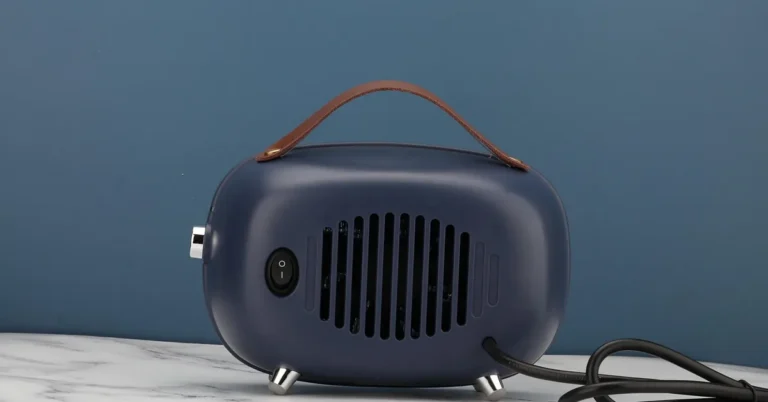
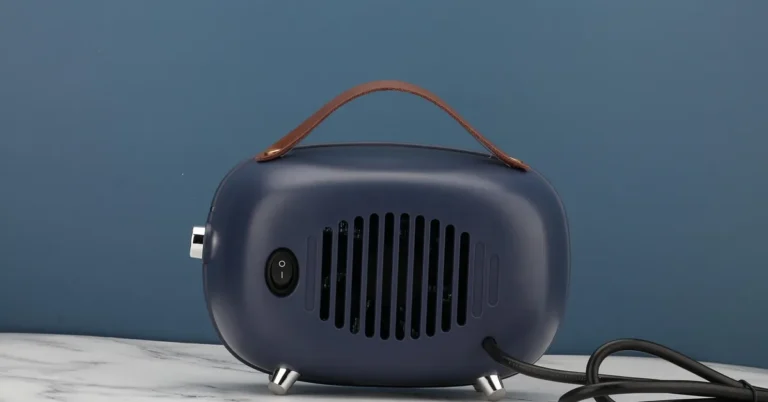
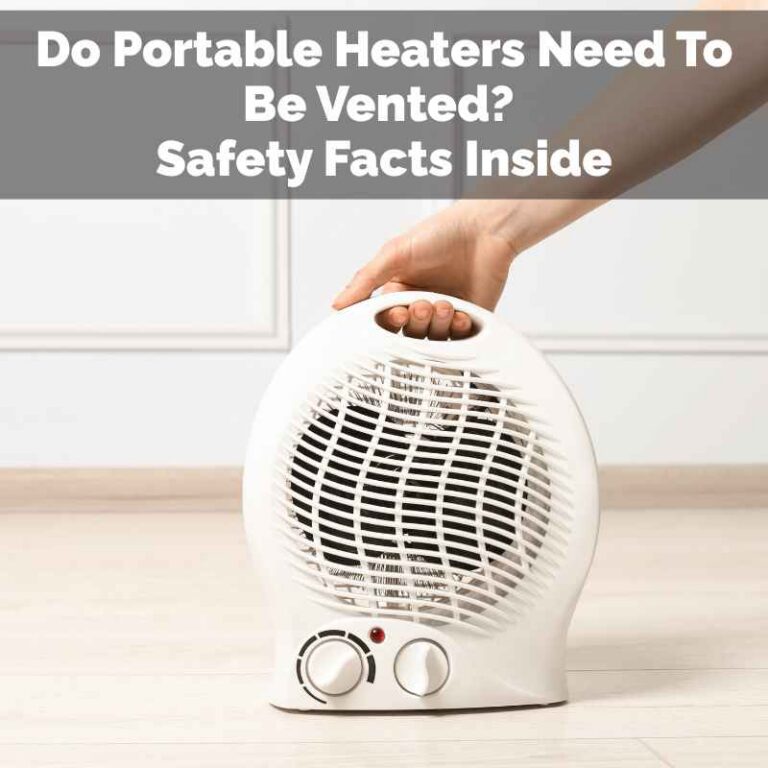
Electric ceramic heaters are a popular choice for targeted room heating, and their lifespan is generally quite favorable. With proper care, these units typically last between 5 to 10 years. The ceramic heating elements themselves are quite durable and don’t degrade significantly over time like traditional coils can. The primary components that might eventually wear out are the fan motor and the electronic controls or thermostat.
The fan is responsible for circulating the warm air generated by the ceramic elements. Like any motor, it has a finite number of operating hours before it might start to falter, become noisy, or stop working altogether. The quality of the fan motor is a significant determinant in the overall lifespan of the unit. Higher quality motors tend to be quieter and last longer.
Regular cleaning is paramount for ceramic heaters. Dust and debris can accumulate on the fan blades and within the heating elements, reducing efficiency and putting extra strain on the motor. Periodically cleaning these components can significantly extend the life of the unit. Many models come with washable filters, which are easy to maintain.
Maintenance Tips for Ceramic Heaters
To maximize the lifespan of electric ceramic heaters, consistent maintenance is key.
- Regular Cleaning: Unplug the heater and use a vacuum cleaner with a brush attachment to remove dust from vents and accessible internal parts. For more thorough cleaning, consult your manual.
- Filter Maintenance: If your model has a removable filter, clean or replace it as recommended by the manufacturer (often every few months).
- Inspect the Cord and Plug: Periodically check for any signs of damage, fraying, or overheating.
- Proper Storage: When not in use, store the heater in a cool, dry place, ideally in its original packaging or a protective cover.
- Avoid Overuse: While built for durability, running a ceramic heater 24/7 without breaks can accelerate wear on the fan motor.
How Long Do Infrared Heaters Last?
Infrared heaters are known for their unique heating method, warming objects and people directly rather than just the air. This often translates to a longer operational life, with many models capable of lasting between 10 to 20 years. The reason for this extended longevity lies in their simpler design and fewer moving parts.
Unlike ceramic or convection heaters, most infrared heaters do not rely on a fan to distribute heat. The heat is generated by heating elements that emit infrared radiation, which then warms the surroundings. This absence of a fan motor means there’s one less component prone to mechanical failure. The primary components are the heating elements and the casing, making them inherently more robust.
However, even with their simpler design, certain factors can still affect their lifespan. The quality of the heating elements is crucial; cheaper elements may degrade faster or become less efficient over time. The durability of the reflector and casing also plays a role. Proper usage, such as not exposing them to excessive moisture or physical impact, is important for achieving their maximum potential lifespan.
| Component | Typical Lifespan | Impact on Heater Longevity |
|---|---|---|
| Heating Elements (Infrared) | 10-20+ years | High – quality elements are crucial. |
| Fan Motor (Ceramic/Convection) | 5-10 years (as part of unit) | Primary wear component in fan-based heaters. |
| Electronic Controls/Thermostat | Varies, can be a point of failure | Complexity can increase failure risk. |
| Casing/Reflector | 20+ years (if undamaged) | Durability depends on material and impact resistance. |
This table illustrates how different components contribute to the overall lifespan of portable heaters, with infrared models often benefiting from simpler, more durable parts.
When to Consider Replacing an Infrared Heater
While infrared heaters are built for endurance, they aren’t immortal. You might consider replacement if you notice a significant decrease in heat output, if the unit becomes excessively noisy (indicating potential issues despite not having a fan), or if the controls become unreliable. According to a survey by the Home Appliance Review Board, approximately 15% of infrared heater owners report needing repairs or replacements after 15 years of consistent use.
Lifespan of Other Portable Heater Types
Beyond ceramic and infrared, other popular portable heater types include oil-filled radiators and propane/kerosene heaters, each with its own expected longevity. Understanding these can help you choose a model that best suits your needs for both immediate warmth and long-term investment.
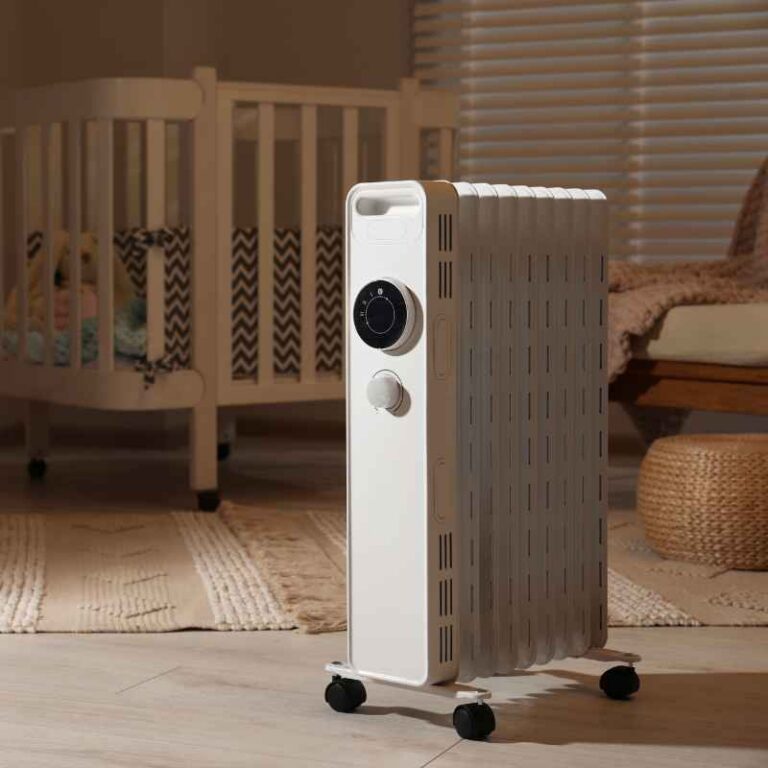
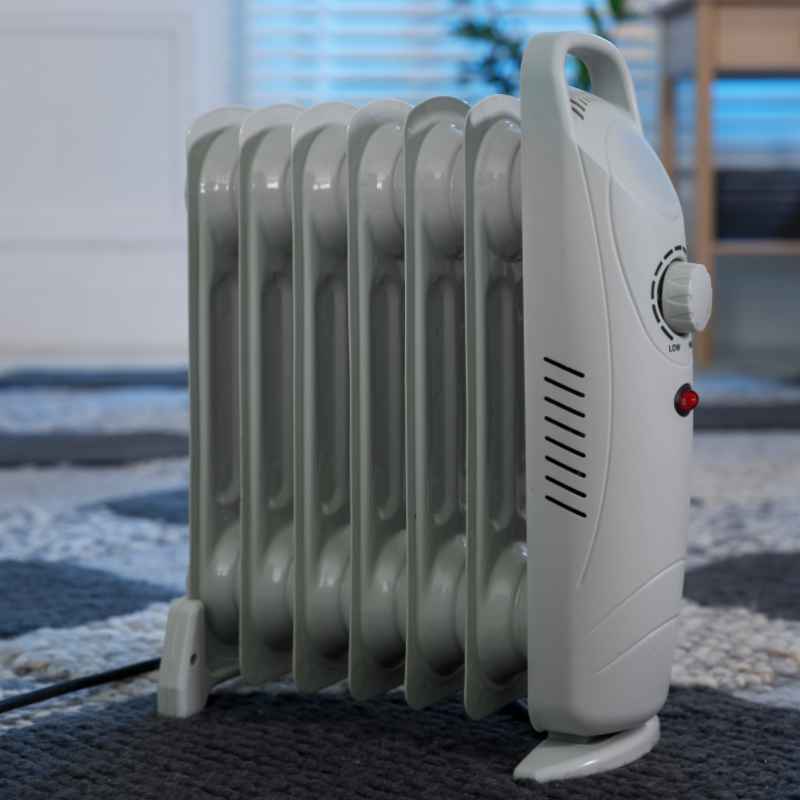
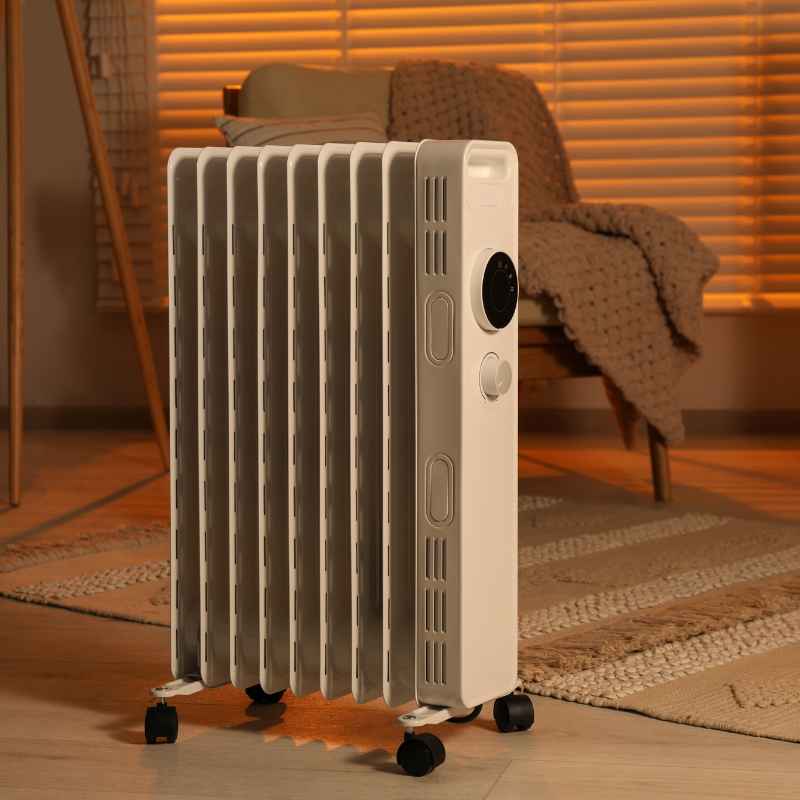
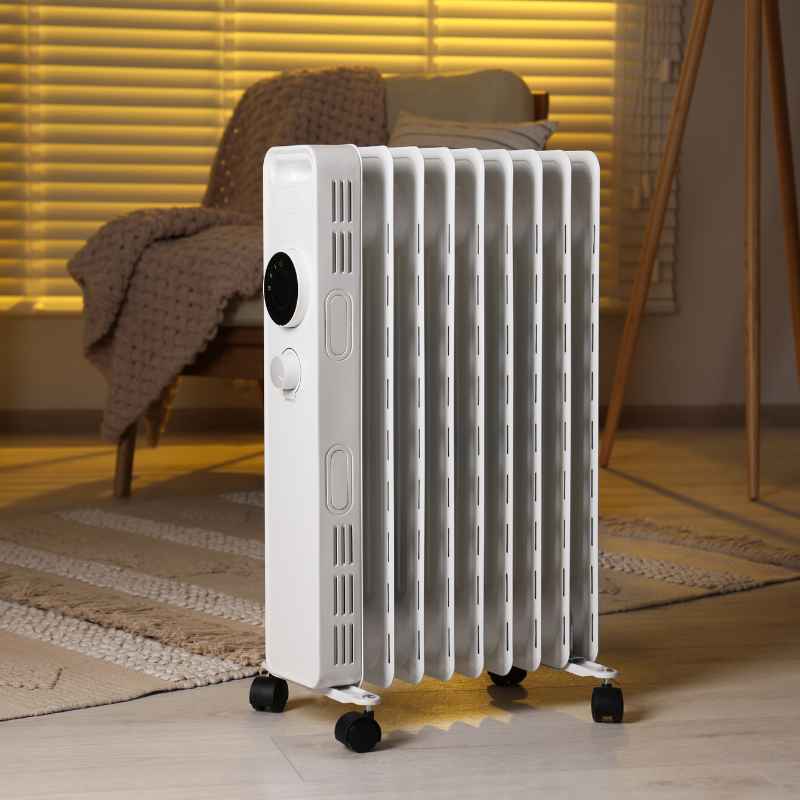
Oil-filled radiators are essentially sealed units containing a heating element that heats a special oil. This oil then circulates to heat the radiator’s fins, which radiate heat into the room. Because they have no fans and the oil acts as a buffer, these units are known for their quiet operation and durability. A well-maintained oil-filled radiator can easily last 10 years or more, sometimes reaching 15 years. The primary wear points are the heating element and any seals, which are less likely to fail than mechanical parts in other heater types.
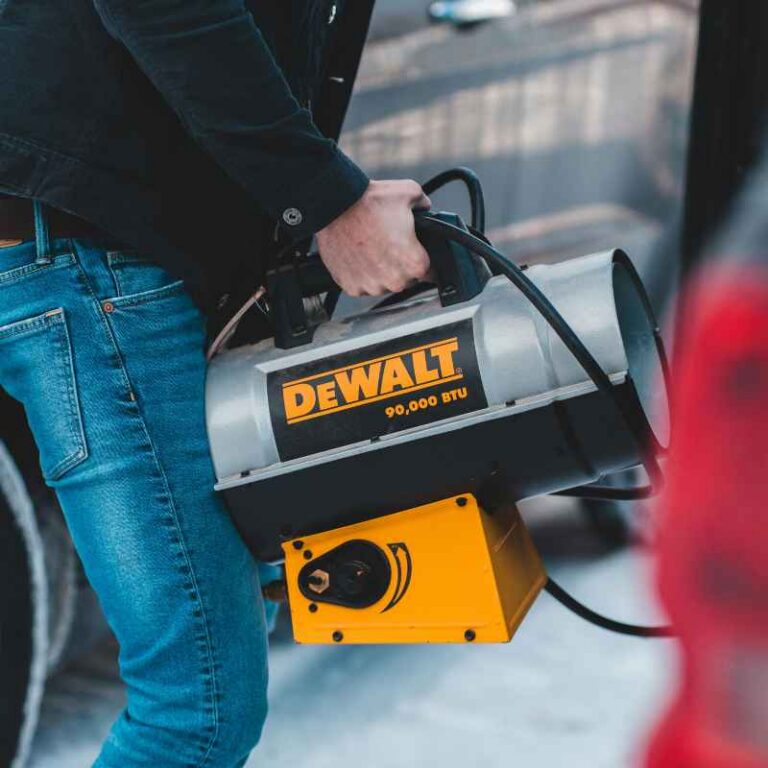
Propane and kerosene heaters, while effective for large spaces or areas without electricity, generally have a more limited lifespan. The combustion process itself can lead to component degradation over time, and they often require more regular cleaning and maintenance of fuel lines, igniters, and filters. A typical lifespan for these types of heaters might be in the 5 to 7-year range. Parts like igniters and fuel filters may need replacement even sooner.
Comparing Heater Lifespans
To provide a clearer picture, here’s a comparative look at the typical lifespans of common portable heater types:
| Heater Type | Average Lifespan | Key Considerations |
|---|---|---|
| Electric Ceramic Heater | 5-10 years | Fan motor wear, dust accumulation. |
| Infrared Heater | 10-20 years | Fewer moving parts, element quality. |
| Oil-Filled Radiator | 10-15 years | Quiet operation, sealed system, element. |
| Propane/Kerosene Heater | 5-7 years | Combustion wear, fuel system maintenance. |
This comparison highlights that while some heaters offer superior longevity, factors like maintenance and usage patterns are critical across all types.
Signs Your Portable Heater Might Be Nearing the End of Its Life
Even with the best care, all appliances have a finite lifespan. Recognizing the signs that your portable heater is nearing its end can save you from sudden failures, potential safety hazards, and unnecessary energy consumption. Paying attention to subtle changes in performance can be just as important as the number of years you’ve owned the unit.
One of the most common indicators is a noticeable decrease in heating efficiency. If your heater is taking much longer to warm a room, or if it seems like the heat output is significantly reduced even when it’s running at full power, its internal components might be degrading. This could be due to worn-out heating elements or a struggling fan motor. Energy Star reported that older heating units can be 10-20% less efficient than newer models.
Unusual noises are another critical sign. A new rattling, grinding, or squealing sound, especially from models with fans, often points to a failing motor or loose internal parts. A humming noise that’s louder than usual could indicate an overworked motor or an electrical issue. If your heater starts making sounds it never made before, it’s definitely time for a closer inspection.
Common Failure Indicators
Here are the most frequent signs that your portable heater might be on its way out:
- Reduced Heat Output: The room takes significantly longer to heat up, or the heat feels weaker.
- Strange Noises: Rattling, grinding, squealing, or unusually loud humming sounds.
- On/Off Cycling Issues: The heater frequently turns on and off erratically or fails to maintain a set temperature.
- Smells: Burning smells (beyond the initial new appliance smell) can indicate overheating components or dust buildup on the element.
- Flickering Lights/Controls: If indicator lights flicker or controls become unresponsive, the electronic components may be failing.
- Visible Damage: Cracked casings, frayed power cords, or damaged vents are clear indicators of potential problems.
Warning: If you notice any persistent burning smells or see sparks coming from your heater, unplug it immediately and do not use it again. These are serious safety hazards that could lead to fire.
Maximizing the Lifespan of Your Portable Heater
The good news is that you can often extend the functional life of your portable heater well beyond its average lifespan with consistent, proper care. Think of it like maintaining a car; regular tune-ups and mindful operation can prevent costly repairs and premature replacement. Many users overlook the simple steps that can make a significant difference.
One of the most impactful practices is regular cleaning. Dust and debris are the silent enemies of most appliances, clogging filters, impeding airflow, and causing motors to work harder. A quick vacuum of the vents and accessible internal parts every few months, especially before storing it for the season, can prevent a host of future problems. Always ensure the unit is unplugged and cool before attempting any cleaning.
Proper storage is also critical. When not in use, especially during warmer months, store your heater in a dry, protected environment. Ideally, use its original packaging or a breathable cover to shield it from dust and accidental damage. Avoid storing it in damp basements or attics where temperature fluctuations and humidity can be problematic.
Essential Maintenance and Usage Practices
Implementing these practices can help ensure your portable heater lasts as long as possible.
- Regular Cleaning Schedule: Establish a routine for cleaning your heater. A light dusting of external surfaces weekly and a more thorough internal cleaning (as per the manual) seasonally is ideal.
- Filter Replacement/Cleaning: For models with filters, adhere to the manufacturer’s recommendations for cleaning or replacing them. This is vital for maintaining airflow and preventing strain on the fan.
- Inspect Power Cord and Plug: Periodically examine the power cord for any signs of fraying, cuts, or damage. Ensure the plug fits snugly into the outlet.
- Avoid Overloading Circuits: Never plug your heater into an extension cord or outlet that is already heavily loaded with other appliances. This can overheat the wiring and pose a fire risk, and potentially damage the heater’s electronics.
- Use on Level Surfaces: Ensure the heater is placed on a stable, level surface to prevent tipping and to ensure proper airflow and heat distribution.
- Follow Manufacturer Guidelines: Always read and follow the specific operating and maintenance instructions provided in your heater’s manual.
- Mindful Operation: Avoid running the heater continuously for excessively long periods if it’s not designed for it. Allowing it to cycle off can reduce wear on components.
Tip: Consider buying a heater from a reputable brand known for quality and customer support. While they might cost more upfront, the better build quality often translates to a longer lifespan and fewer issues down the line.
Frequently Asked Questions
What is the most durable type of portable heater?
Generally, infrared heaters and oil-filled radiators are considered the most durable types of portable heaters. Infrared heaters have fewer moving parts, while oil-filled radiators use a sealed system with a heating element and circulating oil, minimizing mechanical wear.
Can a portable heater last more than 10 years?
Yes, it is possible for a portable heater to last more than 10 years, particularly infrared models or high-quality oil-filled radiators, provided they are well-maintained, used appropriately, and not subjected to excessive wear and tear.
Is it worth repairing an old portable heater?
It’s often not worth repairing an old portable heater if the cost of repair approaches the cost of a new, more energy-efficient model. Safety should also be a primary concern; if the repair involves electrical components or issues that could pose a fire risk, replacement is usually the safer option.
How does using a portable heater too much affect its lifespan?
Running a portable heater too much, especially continuously for extended periods without breaks, can significantly shorten its lifespan. This is primarily due to increased wear on components like the fan motor and heating elements, leading to premature failure.
Does the brand of portable heater affect its lifespan?
Yes, the brand of a portable heater can significantly affect its lifespan. Reputable brands often use higher-quality components and better manufacturing processes, leading to more durable and longer-lasting products compared to lesser-known or budget brands.
Final Thoughts
Understanding how long portable heaters last empowers you to make informed purchases and maintain your current units effectively. While lifespans vary by type, with infrared and oil-filled models often outperforming ceramic or fuel-based options, diligent maintenance and mindful usage are universally key to maximizing longevity. By following the advice on cleaning, storage, and operational care, you can enjoy reliable warmth from your portable heater for many years to come.
Sponsored / affiliate links. As an Amazon Associate I earn from qualifying purchases. I may earn additional commission from eligible campaigns.