Are Portable Heaters Bad For Your Health? What To Know
Portable heaters can be safe and effective when used properly. However, they can pose health risks like fire hazards, carbon monoxide poisoning, and worsening air quality if not maintained or operated with care. Understanding these risks helps ensure safe use.
Understanding Portable Heaters and Your Health
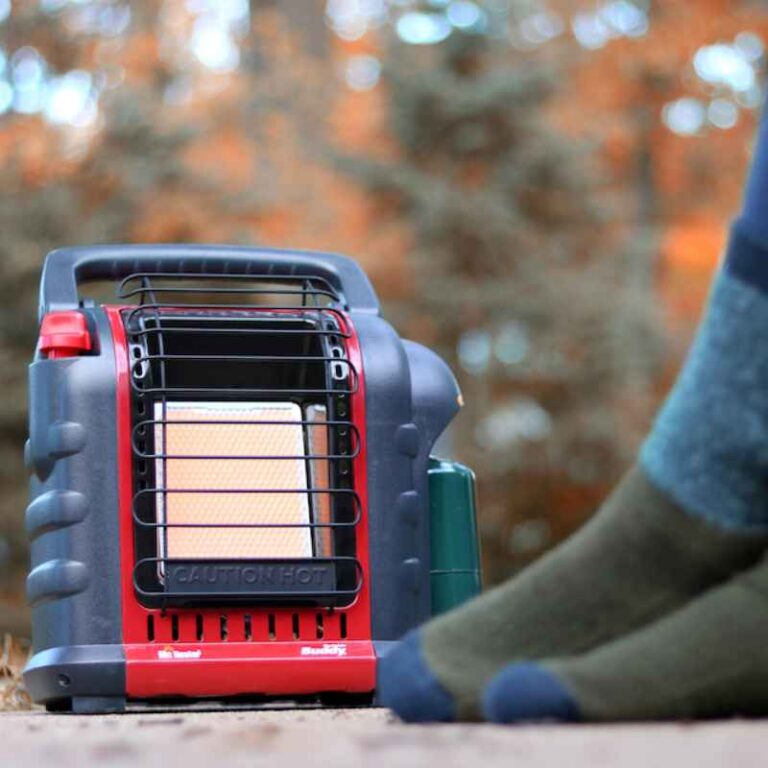
Portable heaters are like little buddies for your cold spots. They are designed to heat up a specific area. Think of a chilly home office or a drafty basement.
You can move them around easily. This makes them super convenient. But how do they actually make heat?
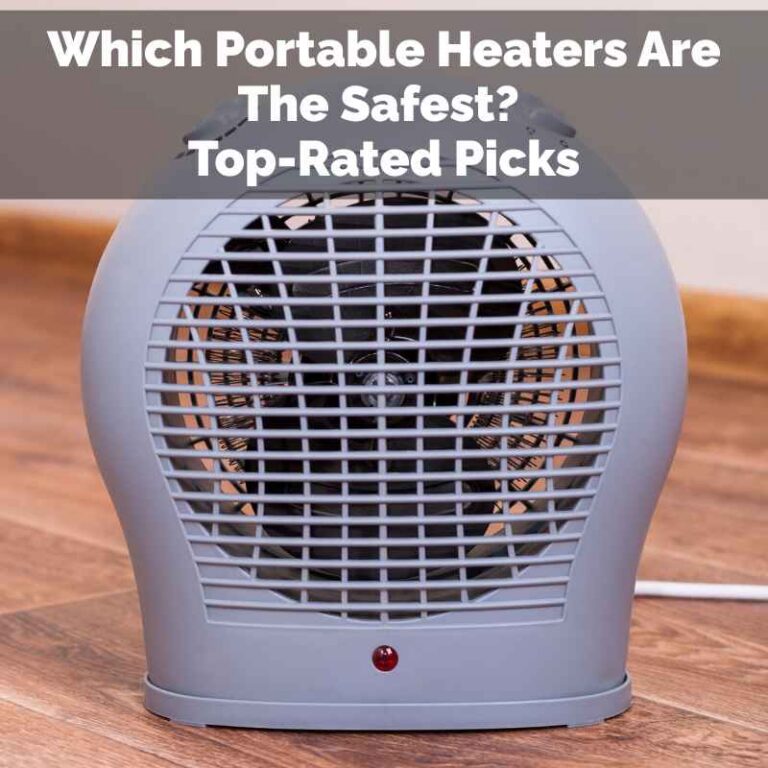
Most types use electricity. Some use infrared light. Others use fan-forced air.
This air is warmed up by a heating element. Then it blows out into the room.
The main concern people have is about the air they breathe. When heaters warm air, they can sometimes change what’s in it. Some types can dry out the air.
This can make your throat feel scratchy. It can also irritate your skin. Dry air can also stir up dust.
Dust has tiny allergens in it. These can bother people with allergies or asthma. Another worry is about the heating element itself.
If it gets too hot, it could burn dust particles in the air. This can create a smell. Sometimes, it can even release tiny bits of soot.
The good news is that most modern portable heaters are made with safety in mind. They have features to prevent overheating. They also shut off if they tip over.
But even with these safety guards, it’s important to be aware. Being informed helps you use them the best way possible. We want our homes to be warm.
We also want them to be healthy places for everyone.
My Own Little Heater Scare
I remember one winter, I got a small ceramic heater. It was for my home office. The room always felt like a popsicle stand.
I plugged it in. I set it to a nice warm level. For the first few days, it was amazing.
I could finally feel my fingers again while typing! Then, one afternoon, I noticed a strange smell. It wasn’t strong.
It was kind of like burnt toast, but fainter. I looked around. Nothing seemed to be burning.
I checked the heater. It looked fine. I figured maybe I’d just burned something in the kitchen earlier.
But the smell kept happening. It would pop up now and then. It made my eyes water a bit.
I started feeling a little dizzy after a while. I got annoyed. This was supposed to make my office cozy!
Instead, it was giving me a headache. I stopped using the heater for a day. The smell went away.
My head felt clear again. That’s when I realized the heater might be the culprit. It turns out, dust had built up on the heating element.
When it got hot, it was burning the dust. It was also likely drying out the air too much. I cleaned the heater really well.
I made sure to dust it regularly after that. The smell stopped. My office became comfy again without the weird side effects.
It was a good reminder that even simple devices need a little care.
Types of Portable Heaters and Their Air Impact
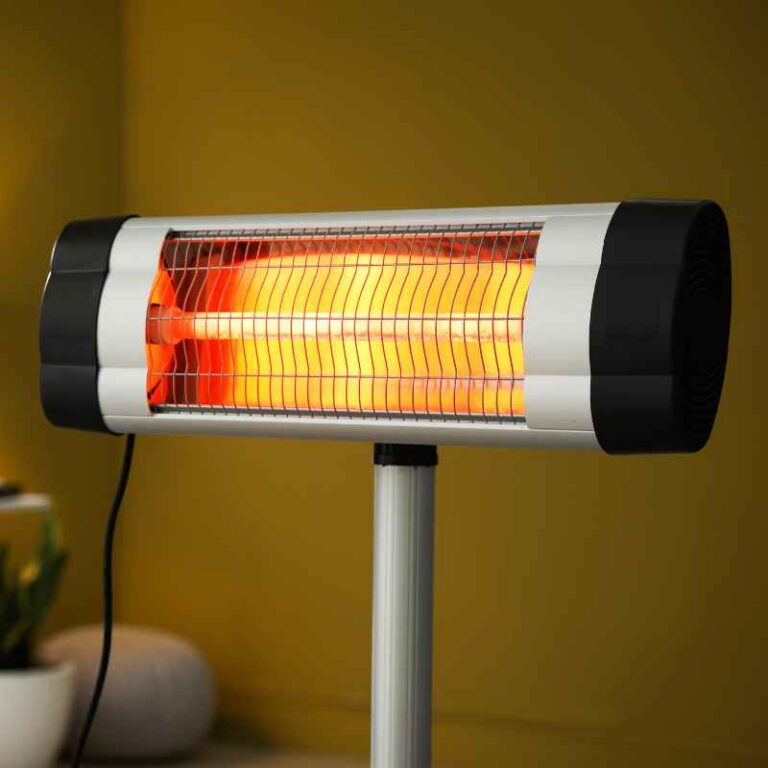
Radiant Heaters: These heat objects directly using infrared light. They don’t heat the air much. This means less air drying.
They are good for spot heating.
Convection Heaters: These warm the air. They circulate it around the room. They can dry out the air more than radiant types.
You might need a humidifier.
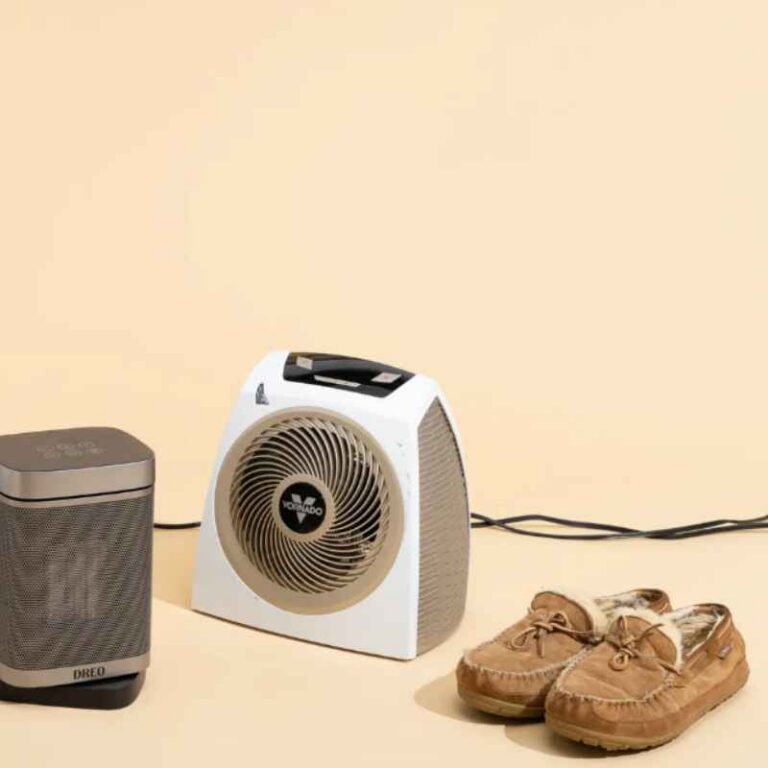
Ceramic Heaters: These use a ceramic plate. It heats up and a fan blows air over it. They are common and effective.
Watch out for dust buildup causing smells.
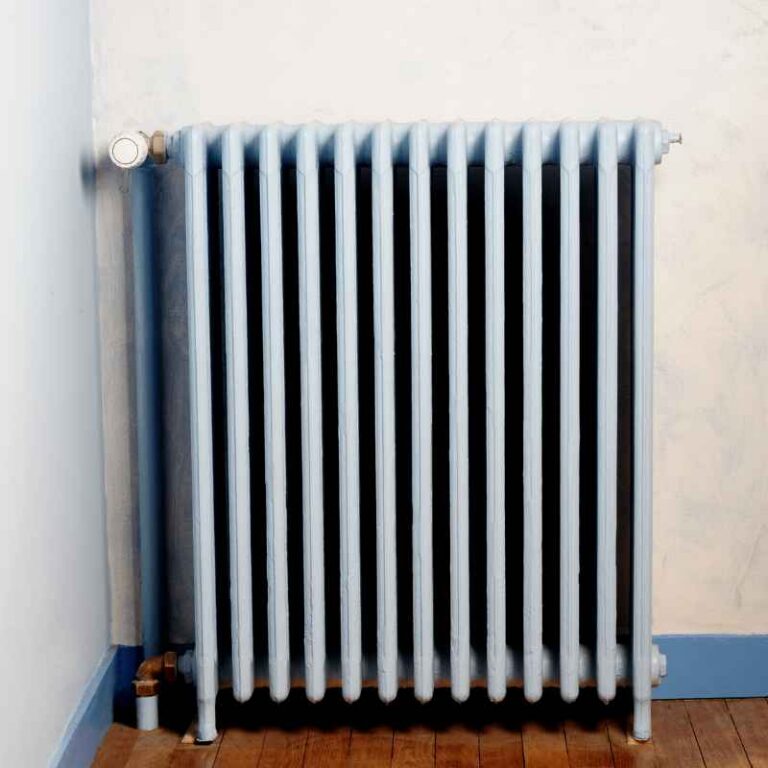
Oil-Filled Radiators: These use electricity to heat oil inside. The oil then radiates heat. They heat up slowly but provide steady warmth.
They tend to be good for air quality.
Real-World Context: Where Heaters Get Tricky
Think about where you use these heaters. A small, enclosed bedroom might get stuffy quickly. If the heater dries the air a lot, it can feel very uncomfortable.
Or imagine a home with old, leaky windows. Cold air rushes in. The heater works harder.
It might blow dust around more as it tries to warm the space. This can make breathing harder for some people.
In older homes, electrical systems might not be as robust. Plugging in a powerful heater could strain the circuits. This is a fire risk.
It’s not directly a health risk from the heat itself. But it’s a safety concern that matters. People often buy these heaters for basements or garages.
These areas might not have great ventilation. If a heater malfunctions or burns fuel (like kerosene heaters, which are different and riskier), dangerous fumes can build up.
User habits play a big role too. Leaving a heater on when you’re not there is a common mistake. It wastes energy.
It can also be a fire hazard. Forgetting to clean them is another big one. That dust we talked about?
It builds up fast. And it can turn a cozy experience into an irritating one, or worse.
What This Means for You: When to Be Aware
Most of the time, using a portable heater is fine. You just need to be smart about it. When is it normal?
It’s normal when the room gets warmer. It’s normal if the air feels a little drier. You might notice you need to drink more water.
That’s usually okay.
When should you worry? If you smell a strong burning odor, turn it off immediately. If you or your family members start coughing a lot, or feel dizzy or get headaches when the heater is on, that’s a red flag.
People with asthma or lung conditions might feel worse. If you notice that. It’s time to re-evaluate how you’re using the heater.
Or if you should be using it at all in that space.
Simple checks are key. Look at the heater every few days. Is it dusty?
Is it making weird noises? Is it sitting on a stable surface? Is it far from curtains or furniture?
These small checks help prevent big problems. It’s like checking your smoke detector batteries. It’s a simple step that keeps you safe.
Quick Scan: Portable Heater Safety Checks
Check 1: Clearances. Keep it 3 feet from anything flammable. Curtains, paper, beds, furniture.
Check 2: Surface. Place it on a hard, flat floor. Not carpet, if possible. Not on a table.
Check 3: Power Cord. Make sure the cord is not damaged. Don’t run it under rugs.
Check 4: Supervision. Never leave it on when you leave the room or go to sleep.
Quick Fixes & Tips for Safer Heating
Portable heaters themselves don’t have many “fixes” beyond cleaning and maintenance. The real fixes are in how you use them. First, choose the right type.
For very dry climates or people with breathing issues, a convection heater might not be the best first choice. A radiant or oil-filled one might be better. Or, if you use a convection heater, pair it with a humidifier.
Always read the manual. Seriously. It has important safety tips specific to that model.
Look for safety features like automatic shut-off and tip-over protection. These are vital. Make sure your home has working smoke detectors and carbon monoxide detectors.
These are your first line of defense for any heating device.
And remember, portable heaters are meant for supplemental heat. They aren’t usually designed to heat an entire home. Relying on them too much can lead to electrical overload.
It’s better to fix drafts or improve insulation in your home. That makes your main heating system work better. It also means you might need the portable heater less.
Myth vs. Reality: Portable Heater Beliefs
Myth: Portable heaters are inherently dangerous.
Reality: Most modern portable heaters have many safety features. Danger often comes from misuse or lack of maintenance.
Myth: They make the air much more unhealthy.
Reality: While they can dry air or stir dust, proper use and cleaning minimize health impacts. Some types are better than others for air quality.
Myth: You can use any extension cord with them.
Reality: Always use a heavy-duty extension cord rated for the heater’s wattage. A standard cord can overheat.
Frequent Questions About Portable Heaters
Are portable electric heaters bad for allergies?
Portable electric heaters can sometimes worsen allergy symptoms. They can dry out the air, which irritates nasal passages and lungs. Some heaters can also stir up dust and allergens already in the room.
Keeping them clean and using a humidifier can help reduce these issues.
Can portable heaters cause carbon monoxide poisoning?
Electric portable heaters do NOT produce carbon monoxide. However, if you are using a portable heater that burns fuel (like propane or kerosene), it can produce carbon monoxide. These fuel-burning heaters should only be used in very well-ventilated areas and with a carbon monoxide detector nearby.
Is it safe to sleep with a portable heater on?
It is generally NOT recommended to sleep with a portable heater on. While many have safety shut-offs, there’s always a small risk. Plus, heaters can dry out the air significantly overnight, leading to discomfort or respiratory irritation.
It’s safer to heat the room before bed and turn it off.
What is the safest type of portable heater?
Oil-filled radiator heaters are often considered among the safest. They heat up slowly and provide steady, gentle warmth. They also tend to be quieter and don’t blow air around as much, which can reduce dust circulation.
However, all types require careful use.
How often should I clean my portable heater?
You should clean your portable heater at least once a month, or more often if you use it frequently. Focus on dusting the vents and heating elements. Unplug the heater and let it cool completely before cleaning.
Check your manual for specific cleaning instructions.
Can portable heaters cause fires?
Yes, portable heaters can cause fires, but usually due to misuse. Fires can start if they are placed too close to flammable materials, if their cords are faulty, or if they are left on unattended. Always follow safety guidelines and keep them clear of anything that can burn.
Key Takeaways for Safe Portable Heater Use
Choose Wisely: Select a heater with safety features and one that suits your room size and needs.
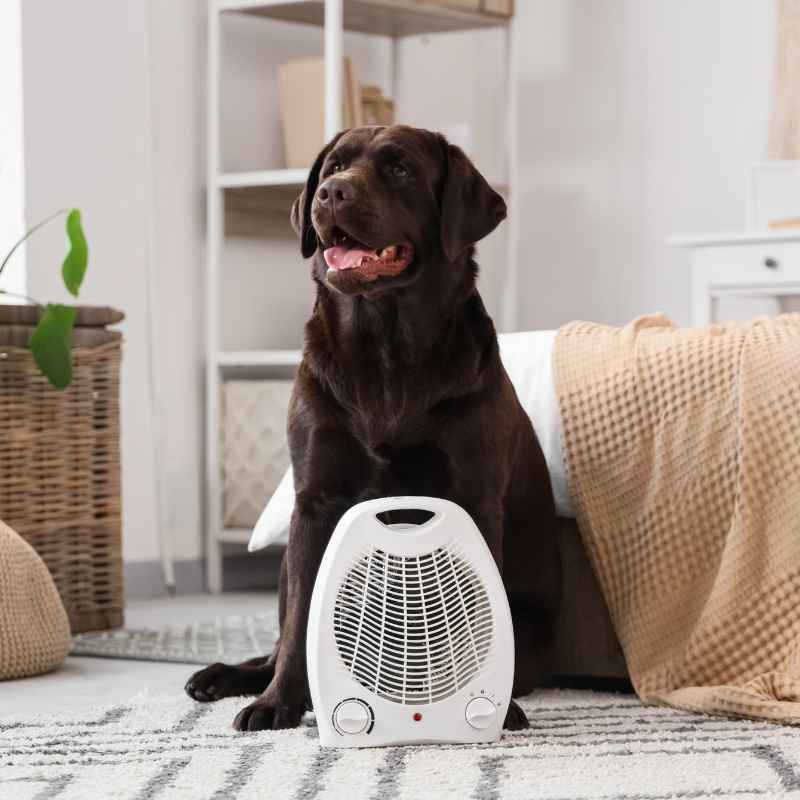
Placement Matters: Keep it on a flat, stable surface away from curtains, furniture, and pets.
Power Smart: Use the correct extension cord. Plug it directly into the wall if possible.
Ventilation is Key: Ensure good airflow, especially if using older models or in smaller spaces.
Clean Regularly: Dust buildup can cause smells and increase fire risk.
Supervise Use: Never leave a heater unattended.
Conclusion
Portable heaters can be a valuable tool. They help make our homes more comfortable during colder months. By understanding how they work and potential issues, you can use them safely.
Pay attention to air quality. Keep them clean and well-maintained. Most importantly, follow the safety rules.
This way, you can enjoy the warmth without worrying about your health.
Sponsored / affiliate links. As an Amazon Associate I earn from qualifying purchases. I may earn additional commission from eligible campaigns.