Why Are Portable Heaters Dangerous? Risks You Should Know
Portable heaters can be dangerous due to fire hazards from proximity to flammables, tip-over accidents, and faulty wiring. They also pose risks of carbon monoxide poisoning if unvented and used improperly, and can cause severe burns if touched. Electrical issues like overloading circuits are another concern.
Understanding Portable Heater Risks
Portable heaters are designed to be convenient. You can move them from room to room. They provide heat where your main heating system might not reach well.
But this convenience comes with a cost if you’re not careful. Many people assume these small units are harmless. They plug them in and forget about them.
That’s where the trouble starts. The risks aren’t always obvious until something goes wrong. It’s like a car – you need to know how to drive it safely.
Ignoring the safety manual can lead to problems.
There are several main areas where portable heaters can become dangerous. Think about fire, poison, burns, and electrical problems. Each of these has its own set of causes.
Understanding them is the first step to avoiding them. We need to know how they work and what can go wrong with that working. This knowledge helps you make smart choices for your home and family.
It’s about being prepared and aware. Not being scared, but being informed. This way, you can enjoy the warmth without the worry.
My Scary Experience with a Space Heater
I remember one particularly cold December evening a few years back. My old house had this one room, a sunroom off the back, that was always like an icebox. Even with the main thermostat cranked up, it just wouldn’t get warm in there.
I’d tried everything. So, I dug out an old electric space heater from the garage. It was one of those ceramic ones with a fan.
I thought, “This will do the trick!” I set it up in the corner, a good few feet away from the curtains, or so I thought. I turned it on and felt that welcome wave of heat. Bliss!
I settled down with a book, feeling smug. About an hour later, I smelled something. It was faint at first.
A little like burnt dust, maybe? I got up to investigate. The smell was stronger near the heater.
I looked closer. The rug, a thick shag carpet, seemed a bit discolored near the heater’s base. My heart did a little leap of panic.
I rushed over and touched the heater’s casing. It was hot, but not shockingly so. Then I noticed it.
The curtains, which I thought were far enough away, were actually touching the edge of the heater’s warm air stream. The very edge of the fabric, where it brushed against the heat, was starting to turn a light brown. It was subtle, but undeniable.
I yanked the plug out so fast. My hands were shaking. I’d been so focused on getting warm, I’d gotten careless.
The thought of what could have happened, a small smolder turning into a big fire, sent a chill down my spine that had nothing to do with the room temperature. It was a wake-up call I’ll never forget.
Types of Portable Heaters and Their Risks
Not all portable heaters are the same. Different types have different ways they can be dangerous.
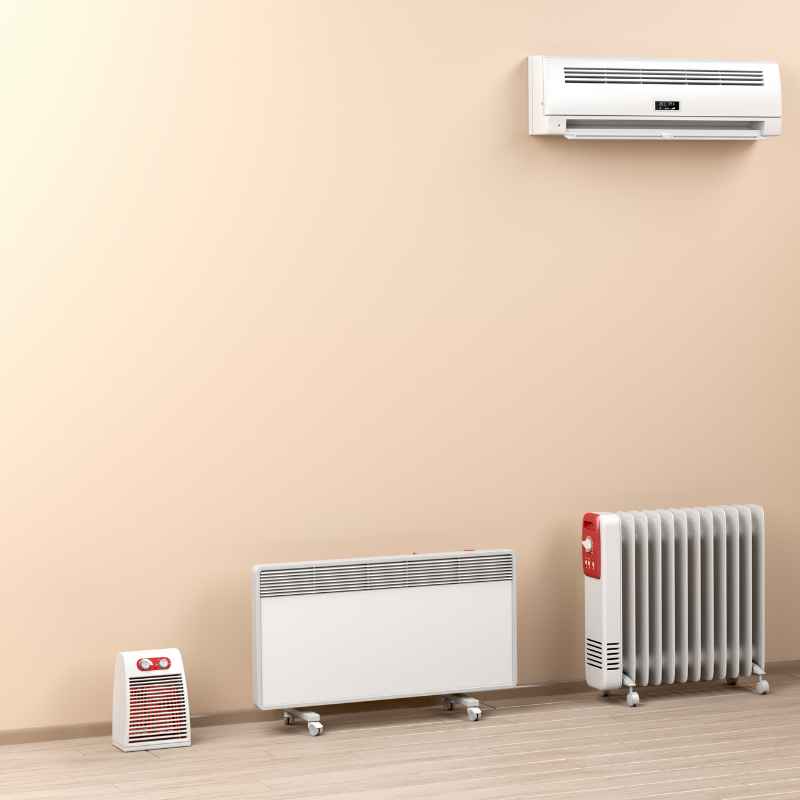
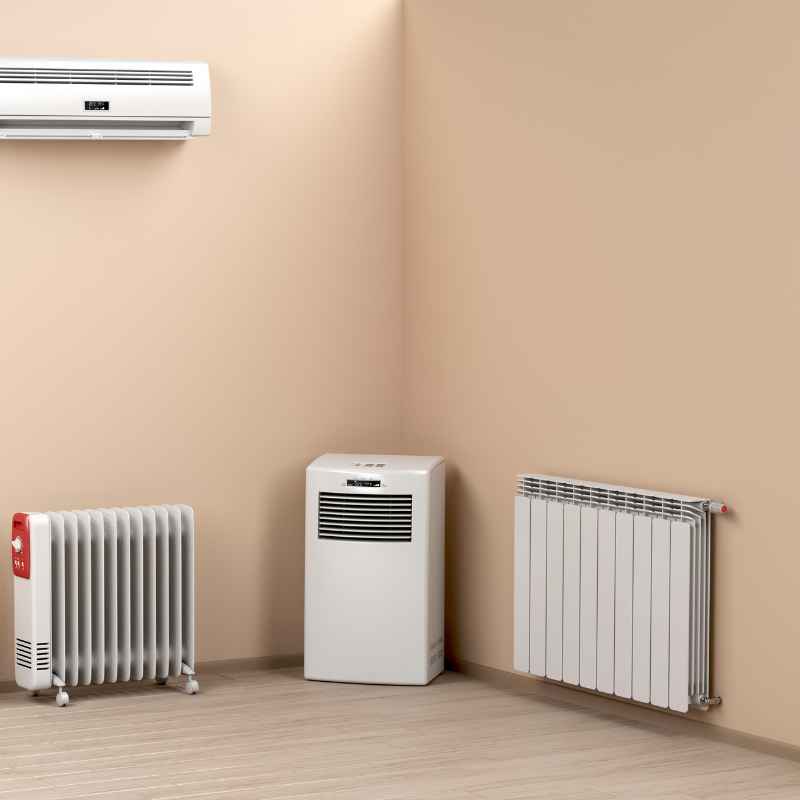
- Convection Heaters: These warm air. They circulate it around a room. They can be slow to heat. A risk is if they are placed too close to furniture. The warm air can still heat things up over time.
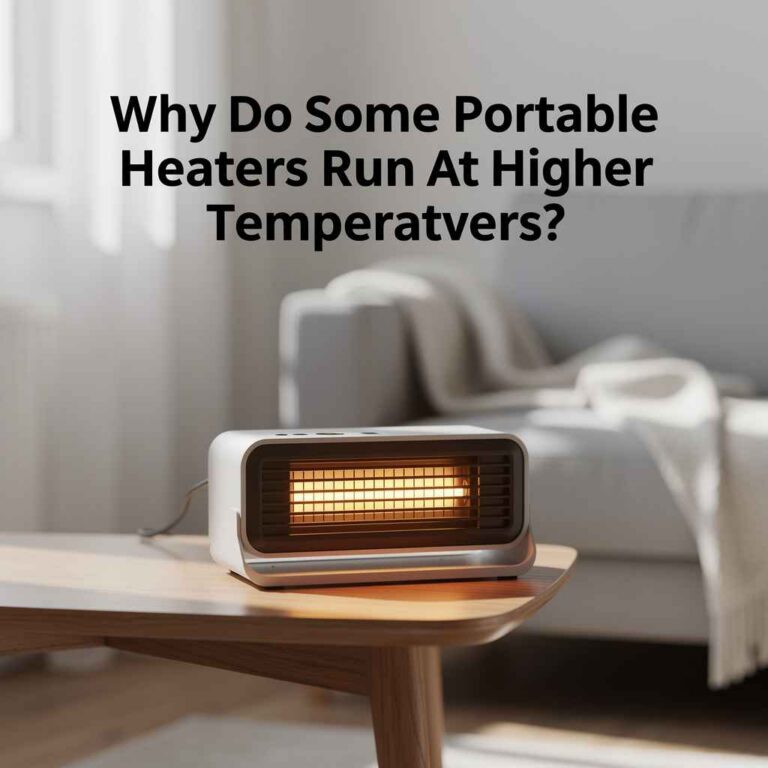
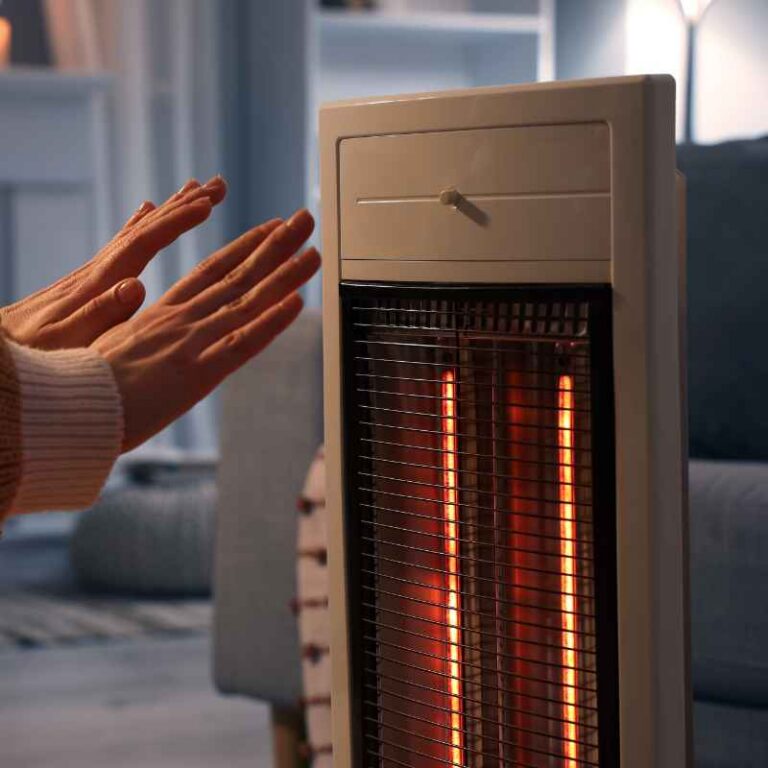
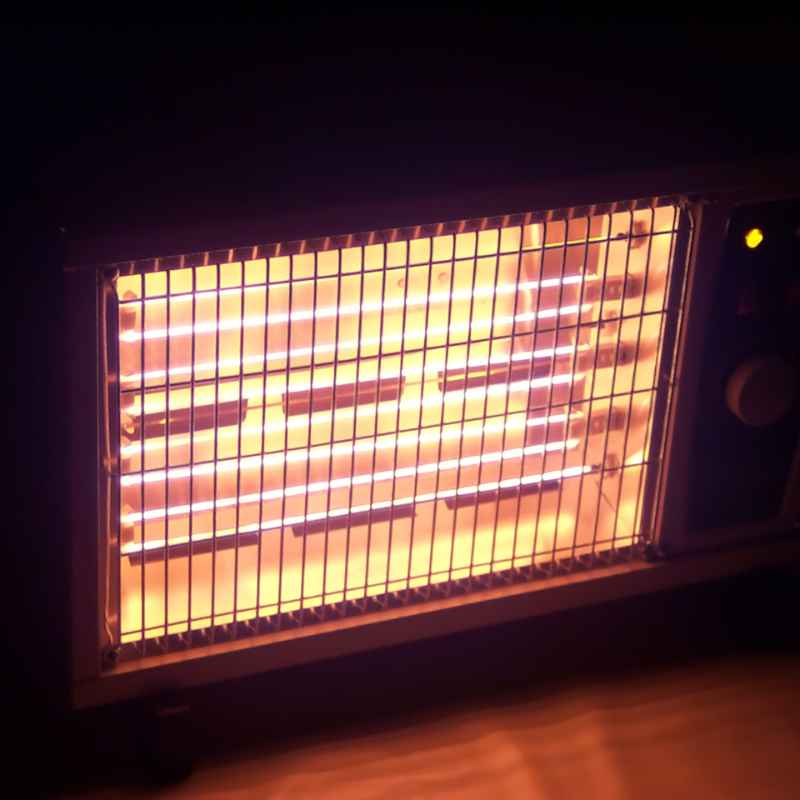
- Radiant Heaters: These heat objects directly. Think of the sun. They have a glowing element. This is a big fire risk. Anything flammable nearby can catch fire quickly.
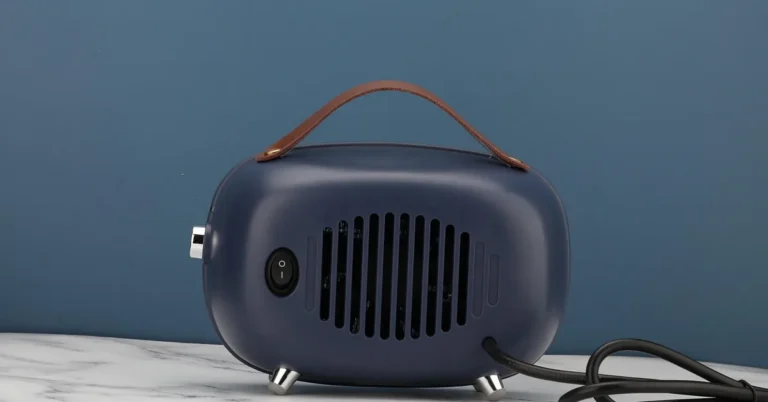
- Ceramic Heaters: These use a ceramic plate. A fan blows air over it. They are generally safer than radiant types. But they still get very hot. The fan can blow dust. This dust can then ignite.
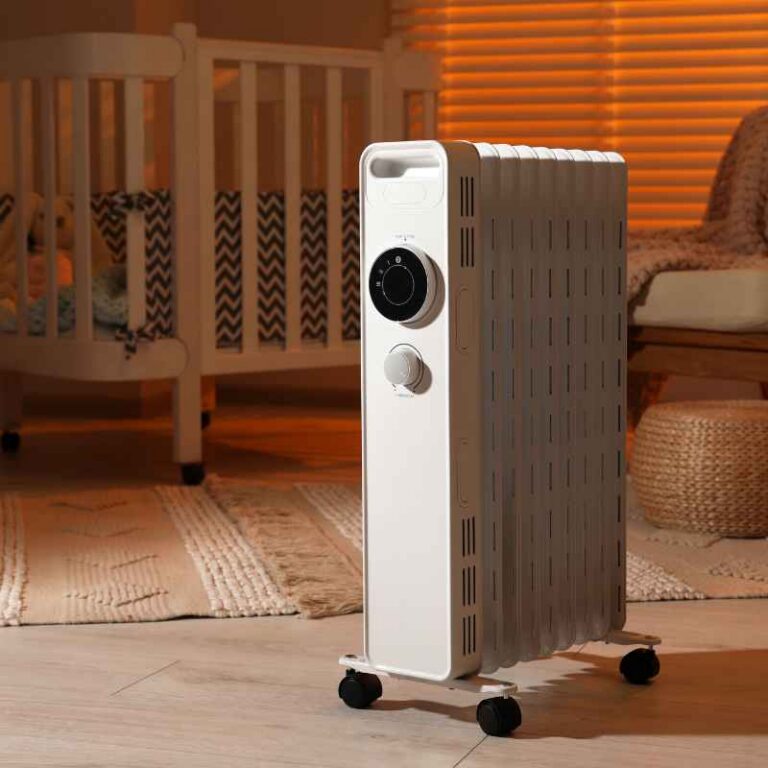
- Oil-Filled Radiators: These heat oil inside. The oil then warms the metal fins. They provide steady heat. They are usually considered safer. But they take a long time to heat up. And they can still be a burn risk if touched.
Fire Hazards: The Biggest Concern
Fire is the scariest risk with portable heaters. It’s not hard to see why. These devices create heat.
Sometimes, a lot of heat. And fires need heat to start. The main problem is putting them too close to things that can burn.
We call these things “flammables.” Think of curtains, bedding, paper, or clothes. Even furniture. Your carpet is also a risk.
Most portable heaters have safety rules. They say to keep them at least three feet away from anything that can burn. Three feet sounds like a lot.
But in a small room, it can feel impossible. People often put them close to their beds or couches. They want the heat right where they are.
This is a huge mistake. The heat from the heater can slowly dry out the material. This makes it easier to catch fire.
Even if the heater doesn’t touch the item directly, the radiant heat can be enough.
Another fire risk is if the heater tips over. Many newer heaters have a tip-over switch. This switch turns the heater off if it falls.
But not all heaters have this. Or the switch might not work perfectly. If a heater tips over onto a rug or bedding, it can easily start a fire.
The heat is concentrated on the floor. This is a very dangerous situation. It’s why keeping them upright is so important.
The heating elements themselves can also be a problem. Some heaters have exposed coils. If a piece of lint or a stray thread falls onto these coils, it can smolder.
Then it can burst into flames. This is why cleaning your heater is important. Dust and debris can build up.
This build-up is like fuel waiting for a spark. Regular cleaning helps prevent this. It’s a simple step that makes a big difference.
Faulty wiring is another cause of fires. Old heaters, or heaters that have been damaged, might have frayed cords or loose connections. These can overheat.
They can even cause sparks. This can ignite nearby materials. Always check the cord before you use a heater.
Look for any signs of damage. If you see any, it’s best to get rid of the heater. Don’t try to fix it yourself unless you’re an expert.
It’s just not worth the risk.
Quick Fire Safety Checklist
- Keep Clear Space: Maintain at least 3 feet of space around the heater.
- Never Cover: Do not place anything on top of the heater.
- Watch for Tip-Overs: Ensure it has a safety tip-over switch.
- Inspect Cords: Check for any damage before each use.
- Clean Regularly: Dust and debris can be fire hazards.
- Unplug When Unattended: Always turn it off when you leave the room.
Carbon Monoxide Poisoning: The Silent Killer
This is a danger that many people don’t think about with electric heaters. Carbon monoxide (CO) is a colorless, odorless gas. You can’t see it, smell it, or taste it.
This makes it incredibly dangerous. CO is produced when fuels burn imperfectly. Most portable heaters sold in the U.S.
are electric. Electric heaters themselves do not produce carbon monoxide. So, if you are using a standard electric portable heater, you do not need to worry about CO poisoning from the heater itself.
The danger comes from other fuel-burning devices in the home. If you are using a portable heater in a room where there is also a gas fireplace, a wood-burning stove, a kerosene heater, or even a faulty furnace, these can produce CO. If the room is not well-ventilated, the CO can build up to dangerous levels.
The portable heater might be running fine, but the CO from another source is the threat.
Symptoms of CO poisoning can be like the flu. You might get a headache. You could feel dizzy.
You might feel sick to your stomach. You could get confused. If you breathe in more CO, you can lose consciousness.
Then you can die. This is why it is so critical to have CO detectors in your home. Especially in rooms where fuel-burning appliances are used, or where people sleep.
If you use any kind of portable heater, even an electric one, it’s a good idea to have a carbon monoxide detector. If you are using a combustion portable heater, like a kerosene heater, then the CO risk is direct from the heater. These types of heaters are less common for home use in the US now.
They are often used for very specific situations and require extreme care and ventilation. For most people using electric space heaters, the CO risk is indirect. It comes from other things happening in the house.
Proper ventilation is key. If you are using a fuel-burning appliance, make sure the room has fresh air coming in. Open a window a crack.
Make sure vents are not blocked. Never use a fuel-burning heater indoors without proper ventilation. And never use a generator or grill inside your home.
These produce deadly CO. The portable heater is just one piece of the puzzle. Awareness of all heat sources is important.
CO Detector Basics
- Install Them: Put them on every level of your home.
- Test Regularly: Check batteries monthly. Test the alarm monthly.
- Replace Them: Detectors have a lifespan. Usually about 10 years.
- Know the Sound: Learn the difference between smoke and CO alarms.
Burn Risks: Touching Too Much
Portable heaters get hot. That seems obvious, right? But sometimes we forget how hot.
The surfaces of many heaters can get very hot. This is especially true for radiant heaters with their glowing elements. Or even the metal parts of ceramic or convection heaters.
Touching these hot surfaces can cause painful burns. The severity depends on how long you touch it and how hot it is.
Children and pets are especially at risk. They might not understand the danger. A curious child might reach out to touch the warm glow.
A pet might get too close, trying to enjoy the heat. This can lead to serious burns. Burns can be painful.
They can take a long time to heal. They can even lead to infection. It’s a risk that is easy to overlook when you’re just trying to get warm.
Even adults can get burned if they’re not careful. Sometimes, people might lean against a heater without realizing how hot it is. Or they might accidentally brush against it.
The heat from some heaters can also dry out your skin. This can make it more sensitive. If you have dry skin, you might feel the heat more intensely.
Modern heaters often have safety features. Many have cool-touch exteriors. This means the outside case stays cooler.
It’s designed to protect you from burns. But you should still be cautious. The heating elements themselves will always be hot.
Always supervise children and pets around portable heaters. Keep them a safe distance away. Don’t let them play near the heater.
It’s a simple rule, but it’s vital for preventing painful injuries.
If someone does get burned, act quickly. Run cool water over the burn for 10-15 minutes. Don’t use ice.
Don’t break any blisters. Cover the burn loosely with a clean bandage. Seek medical help if the burn is large, deep, or looks infected.
Preventing burns is always better than treating them. Be mindful of the heat your portable heater is putting out. Keep your distance.
Electrical Hazards: Overloading and Shocks
Portable heaters use electricity to work. They often draw a lot of power. This is especially true for powerful models.
This can lead to electrical hazards if you’re not careful. One of the biggest risks is overloading an electrical outlet or circuit. If you plug too many high-power devices into the same outlet or circuit, you can cause it to overheat.
Think about it this way. An electrical circuit has a limit to how much electricity it can handle. A heater might use 1500 watts.
A toaster might use 1000 watts. A coffee maker might use another 800 watts. If you plug all of these into the same circuit, you can easily go over its limit.
This can cause the circuit breaker to trip. Or, worse, it can cause the wiring in the walls to overheat. This can lead to a fire.
It’s a good idea to plug portable heaters directly into a wall outlet. Don’t use extension cords or power strips. Extension cords are not designed to handle the continuous high power draw of a heater.
They can overheat and melt. This is a fire hazard. If you must use an extension cord, make sure it is rated for the heater’s wattage.
And make sure it’s a heavy-duty one. But direct plugging is always best. It’s the safest way to connect your heater.
Another electrical risk is electrical shock. This can happen if the heater is damaged. Or if it gets wet.
Water and electricity are a dangerous mix. Never use a portable heater in a bathroom or other damp areas. Even if it’s an electric heater, water can cause problems.
Make sure your hands are dry when you plug in or unplug the heater. Keep the heater away from sinks, tubs, and showers. Water damage to the heater can cause short circuits.
It can also make the casing dangerous to touch.
Inspect the heater’s plug and cord regularly. Look for any signs of wear, fraying, or damage. If you see anything, stop using the heater immediately.
Don’t try to repair a damaged cord yourself. It’s best to replace the entire heater. A damaged cord is a serious electrical hazard.
It can lead to shocks or fires. Always prioritize safety. When in doubt, throw it out.
Your safety is worth more than saving a few dollars on a new heater.
Electrical Safety Tips
- Direct Plug-In: Always plug heaters directly into a wall outlet.
- Avoid Overloading: Do not plug other high-wattage items into the same circuit.
- Check Cords: Inspect the cord and plug for damage before each use.
- No Extension Cords: Use heavy-duty, properly rated extension cords only if absolutely necessary.
- Keep Dry: Never use heaters near water or in damp environments.
Real-World Context: When and Where They’re Used
Portable heaters are most often used in homes. People use them to supplement their main heating. They are popular for basements, garages, and older homes that are drafty.
Sometimes they are used in offices or workshops. Anywhere a little extra heat is needed. The environment plays a big role.
In colder climates, the need for supplemental heat is higher. People might use them more often in states like Maine or Minnesota.
Habits are also a big factor. People often use heaters while they are sleeping. Or while they are watching TV on the couch.
They want to feel that warmth right where they are. This often leads to placing the heater too close to bedding or furniture. This is a common mistake.
The desire for immediate comfort can override safety. Design also matters. Older models might not have the safety features of newer ones.
Things like automatic shut-off, tip-over switches, and cool-touch surfaces are important.
User behavior is the biggest variable. Some people are very safety conscious. They read the manual.
They follow the rules. Others are more relaxed. They might assume the heater will be fine.
They might forget to unplug it. Or they might not notice if it’s too close to something flammable. This is why education is so important.
The more people understand the risks, the more likely they are to be careful.
Consider the case of a college dorm room. Space is often limited. Students might use small heaters to stay warm.
They might not have much room to keep things three feet away. They might also be tempted to dry clothes on the heater. This is extremely dangerous.
Or in an old workshop, sawdust can build up. If a heater is too close, it can ignite.
The context of use is crucial. A heater used in a large, open garage with no flammable materials nearby is less risky than one used in a small bedroom with lots of soft furnishings. It’s about understanding the specific environment and how the heater interacts with it.
The habits of the people using it are also key. Are they actively monitoring it? Or do they set it and forget it?
Both can lead to different outcomes.
Portable Heater Usage Scenarios
-
Scenario 1: Home Office
Risk: Heater too close to papers or a desk chair.
Mitigation: Ensure clear space, use a timer. -
Scenario 2: Basement Rec Room
Risk: Tip-over onto carpet, proximity to stored items.
Mitigation: Stable surface, clear space, tip-over switch. -
Scenario 3: Bedroom at Night
Risk: Fire hazard from bedding, CO from other sources.
Mitigation: Never use while sleeping, CO detector, unplug before sleep. -
Scenario 4: Garage Workshop
Risk: Flammable dust or materials nearby.
Mitigation: Keep away from sawdust, clear work area.
What This Means for You: When to Worry and When It’s Okay
So, when should you really worry about your portable heater? The main times to be concerned are if you notice any of the following:
- The heater smells funny: A burning smell, especially. This could mean something is overheating or about to catch fire.
- The cord is hot: If the cord feels warm or hot to the touch, the circuit might be overloaded.
- The heater is old or damaged: Look for frayed cords, cracked plastic, or rust. These are all warning signs.
- You can’t keep it clear: If your space is so small that you can’t maintain the recommended three feet of clearance, it’s too risky.
- You have other fuel-burning appliances: If you use gas or oil appliances, you absolutely need CO detectors.
- Children or pets are unsupervised: They are more likely to have accidents around heat sources.
When is it generally okay to use a portable heater? If you follow the safety rules. If your heater is in good condition.
And if you use it in a space where you can maintain safe clearances. Think of it as a tool. Like a sharp knife.
You can use a knife safely with care and knowledge. Or you can have an accident. Portable heaters are similar.
Simple checks can make a big difference. Before you turn it on, take a quick look. Is it on a stable surface?
Is it near anything flammable? Is the cord plugged in firmly? After you use it, turn it off.
And unplug it. Especially before you leave the room or go to sleep. These small actions add up to a much safer experience.
It’s about being mindful. Not just about the heat, but about the device producing it.
Quick Fixes and Safer Use Tips
While portable heaters can be dangerous, many risks can be managed with careful use. Here are some tips to help you use them more safely:
- Buy New, Buy Safe: Look for heaters with safety features. This includes automatic shut-off when tipped over, overheat protection, and cool-touch housings. Look for the UL or ETL safety certification mark.
- Read the Manual: Yes, really! It has important safety information specific to your model.
- Stable Surface Only: Always place heaters on a hard, level surface. Never on carpet, bedding, or near furniture.
- Unplug When Away: Never leave a portable heater running when you are not in the room. Always unplug it when you leave or go to sleep.
- Timers Can Help: Use a heater with a built-in timer or an external timer to limit run time. This is useful for warming a room before you get out of bed.
- Keep it Clean: Dust and debris can build up on heating elements and fans. Clean your heater regularly according to the manufacturer’s instructions.
- Use Only One Heater Per Circuit: Avoid plugging other devices into the same outlet or circuit as your heater.
- Consider Your Needs: Choose a heater that’s the right size for the room you need to heat. Don’t use a small heater for a large space. It will run constantly and could overheat.
Frequently Asked Questions About Portable Heater Safety
Can I leave a portable heater on all night?
It is generally not recommended to leave a portable heater on all night, especially in a bedroom. This is because of the fire risk if it tips over or gets too close to bedding. It also poses an electrical hazard if the cord overheats.
Many experts advise unplugging them before sleeping and using a timer if available.
Are electric portable heaters safe for bathrooms?
No, electric portable heaters are not safe for bathrooms. Bathrooms are damp environments, and water and electricity are a dangerous combination. The risk of electrical shock or short circuits is very high.
It is best to use other methods to warm bathrooms, like heated floors or exhaust fans.
What is the safest type of portable heater?
The safest types of portable heaters are generally electric models with modern safety features. Look for heaters that have tip-over protection, overheat shut-off, and a cool-touch exterior. Oil-filled radiators are often considered safer because they don’t have exposed heating elements, but they still require proper clearance.
Radiant heaters are often the riskiest due to their direct heat.
How often should I clean my portable heater?
You should clean your portable heater regularly, ideally before each heating season and at least once during the season if you use it frequently. Dust and debris can build up on the heating elements and fan, which can be a fire hazard. Always unplug the heater and let it cool completely before cleaning.
Can a portable heater cause a fire if it’s not touching anything?
Yes, a portable heater can still cause a fire even if it’s not directly touching anything flammable. The radiant heat it emits can dry out materials over time, making them more susceptible to ignition. Also, if the heater overheats due to a malfunction or electrical issue, it can ignite dust or lint that has accumulated on or inside the unit.
What does the UL or ETL mark mean on a heater?
The UL (Underwriters Laboratories) and ETL (Intertek) marks are safety certifications. They mean that the product has been tested and meets certain safety standards. Choosing a heater with one of these marks indicates that it has undergone third-party evaluation for electrical safety and performance, reducing some of the risk.
Conclusion: Warmth Without the Worry
Portable heaters can be a useful way to add warmth to your home. But they are not without risks. Fire, carbon monoxide, burns, and electrical hazards are all real concerns.
By understanding these dangers and following safety guidelines, you can significantly reduce the chances of an accident. Always buy safe models, keep them clear of flammables, unplug them when not in use, and never leave them unattended. Stay informed, stay careful, and enjoy your cozy space safely.
Sponsored / affiliate links. As an Amazon Associate I earn from qualifying purchases. I may earn additional commission from eligible campaigns.