Where To Buy The Cheapest Portable Room Heaters Available
This guide is here to help. We’ll explore where you can find the most affordable portable room heaters. We’ll look at different types of heaters.
We will also share tips on how to get the best deal without sacrificing quality or safety. Let’s get your space cozy without emptying your wallet.
The cheapest portable room heaters are often found during off-season sales, at big-box discount stores like Walmart or Target, online marketplaces such as Amazon or eBay, and during major holiday shopping events. Comparing prices across these retailers and looking for older models or clearance items can secure the best deals.
Understanding Portable Room Heaters on a Budget
Portable room heaters are designed to warm a single space. They offer a flexible way to add heat where you need it most. This can be a home office, a basement, or even a chilly bedroom.
They are great for supplementing your main heating system. This means you can turn down your thermostat and save money.
When we talk about the “cheapest” portable room heaters, we’re looking at a few things. It’s not just the sticker price. We also consider the running costs.
A heater that is cheap to buy but uses a lot of energy might cost you more over time. We want to find heaters that offer good value. This means a low upfront cost and reasonable operating expenses.
Different types of heaters use different ways to make heat. Some are electric resistance heaters. Others use oil or ceramic elements.
Each has its own pros and cons. Understanding these differences helps you pick a heater that fits your needs and your budget. Safety features are also a big part of value.
A good, cheap heater must be safe to use.
My Own Hunt for a Budget-Friendly Heater
I remember one particularly cold winter. My old apartment had this one room that the main heater just couldn’t reach. It was like a mini ice box.
I’d shiver just trying to work at my desk. My budget was super tight that year. I knew I needed a portable heater, but the prices I saw in the fancy appliance stores made my eyes water.
I felt a knot of worry in my stomach. How could I stay warm enough to function without spending money I didn’t have? I started looking everywhere.
I checked the weekly ads for local stores. I spent hours scrolling through online shops. I even dug through a few thrift stores, hoping for a hidden gem, though I knew that was a long shot for safety reasons.
One evening, after a particularly chilly day, I stumbled upon a great deal online. It was for a basic ceramic heater. It wasn’t fancy.
It didn’t have a remote control or a digital thermostat. But it had safety features like tip-over protection and overheat shutoff. It was on sale, and with a coupon code, the price was surprisingly low.
It arrived a few days later, and it made such a difference. That little heater saved my sanity and my budget that winter.
Types of Affordable Portable Heaters
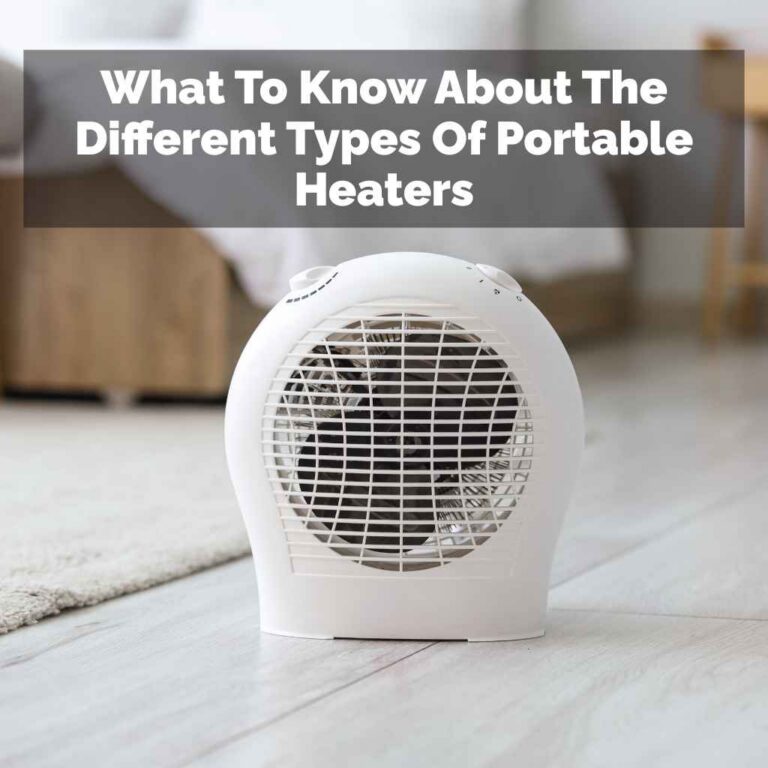
Ceramic Heaters: These are very popular. They use a ceramic plate and a fan. The plate heats up.
The fan blows the warm air out. They heat up fast. They are usually small and light.
Great for small to medium rooms. Many have safety features like automatic shut-off.
Convection Heaters: These heat the air around them. The warm air then rises and circulates. They heat up more slowly than ceramic heaters.
But they provide a more even heat. They are often quieter too. Good for larger rooms or for steady, gentle warmth.
Infrared Heaters: These work like the sun. They send out infrared rays. These rays heat objects and people directly.
They don’t heat the air as much. This can be good if you have high ceilings or leaky windows. They can feel warm very quickly.
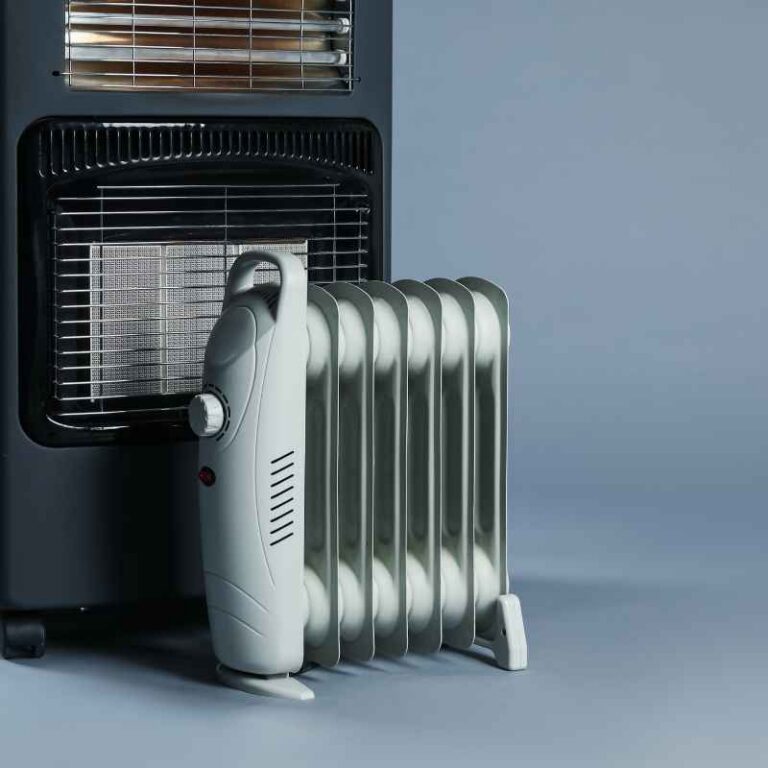
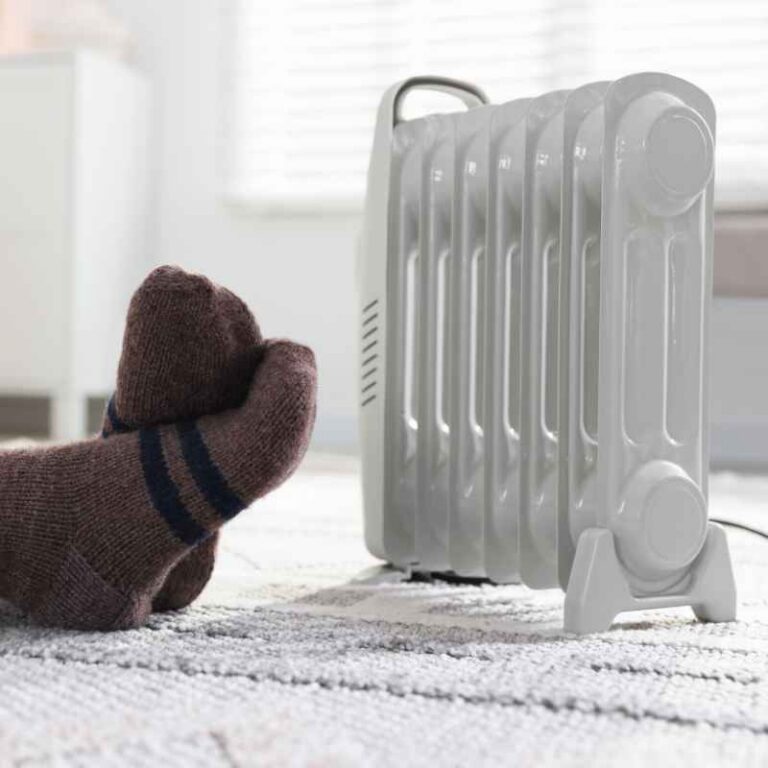
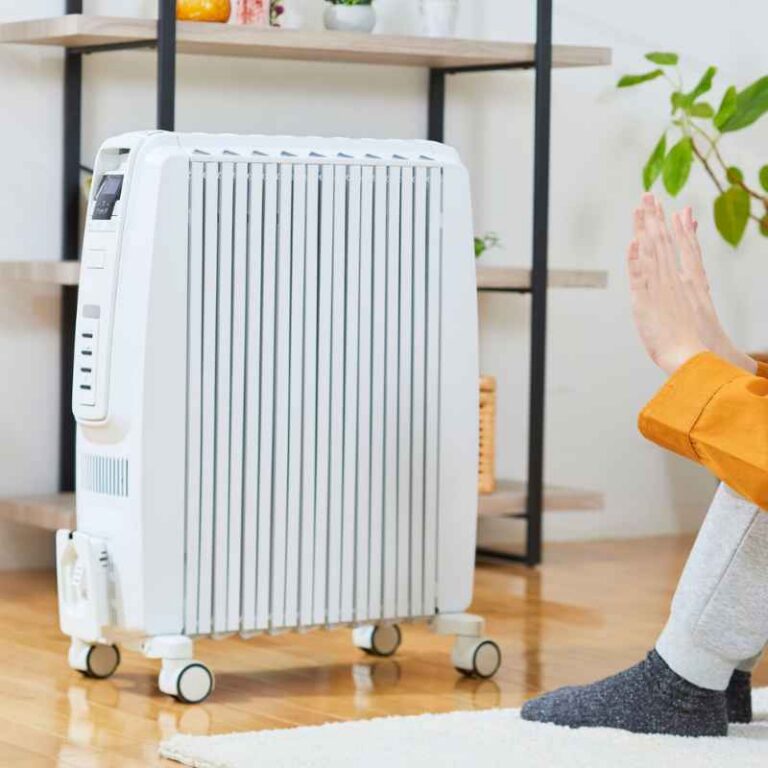
Oil-Filled Radiators: These look like old-fashioned radiators. They have fins filled with oil. An electric element heats the oil.
The oil then heats the metal fins. These provide a very gentle and consistent heat. They are quiet and efficient.
They take a while to heat up but stay warm for a long time after being turned off.
Where to Find the Cheapest Deals
Finding a great deal on a portable room heater involves knowing where to look and when to buy. It’s a mix of smart shopping and timing. Let’s break down the best places to hunt for those budget-friendly options.
Big-Box Retailers (In-Store & Online)
Stores like Walmart, Target, and Amazon are often your first stop. They carry a wide range of brands and models. You can find everything from super-basic heaters to those with more features.
Their pricing is often very competitive, especially during sales.
Tip: Always compare prices online and in-store. Sometimes, the online price is lower, or vice-versa. Look for store brand options.
They can be cheaper but still reliable.
Online Marketplaces
Amazon is king here, but don’t forget eBay. You can often find excellent deals on Amazon, especially during Prime Day or holiday sales. eBay is great for used or open-box items.
You can sometimes snag a high-quality heater for a fraction of the original price.
Experience: I once bought a nearly new oil-filled radiator on eBay. The seller listed it as “used once.” It came in the original box and worked perfectly. I saved over $50 compared to buying it new.
Caution: When buying used, check the seller’s rating and read reviews carefully. Make sure there’s a return policy if possible.
Discount Stores and Outlets
Stores that specialize in discounts can be treasure troves. Think of places like Big Lots, Overstock, or even discount sections of larger retailers. They often get overstock items or slightly older models.
These are perfect for finding a cheap heater.
Seasonal Sales and Clearance
Timing is everything for savings. The best deals on portable heaters happen after the peak winter season. Think late February or March.
Retailers want to clear out inventory. You can find deeply discounted prices then.
Conversely, look for sales around major holidays. Black Friday and Cyber Monday, even if they seem far off, are prime times. Some stores offer “pre-Black Friday” deals too.
Even small holidays can bring discounts.
Refurbished and Open-Box Options
Many retailers sell refurbished or open-box items at a lower cost. These are items that were returned, repaired, and tested. They often come with a warranty, offering peace of mind.
Check the “refurbished” or “open-box” sections on retailer websites or in stores.
Quick-Scan Table: Where to Find Deals
| Retailer Type | Pros for Cheap Heaters | Cons to Consider |
|---|---|---|
| Big-Box Stores (Walmart, Target) | Wide selection, frequent sales, store brands | Can be crowded, best deals might be online |
| Online Marketplaces (Amazon, eBay) | Huge selection, competitive pricing, used options (eBay) | Need to verify seller, shipping times vary |
| Discount Stores (Big Lots) | Deep discounts, unique finds | Inventory changes fast, limited selection |
| Seasonal Clearance | Massive price drops | Limited selection of popular models, need to wait |
| Refurbished/Open-Box | Lower price, often tested/warrantied | Limited stock, cosmetic imperfections possible |
Key Features to Look for in a Budget Heater
When you’re aiming for the cheapest portable room heater, it’s easy to overlook important features. But some are crucial for safety and efficiency. You don’t want to sacrifice these for a few dollars.
Safety First
This is non-negotiable. Even the cheapest heaters should have basic safety mechanisms. Look for:
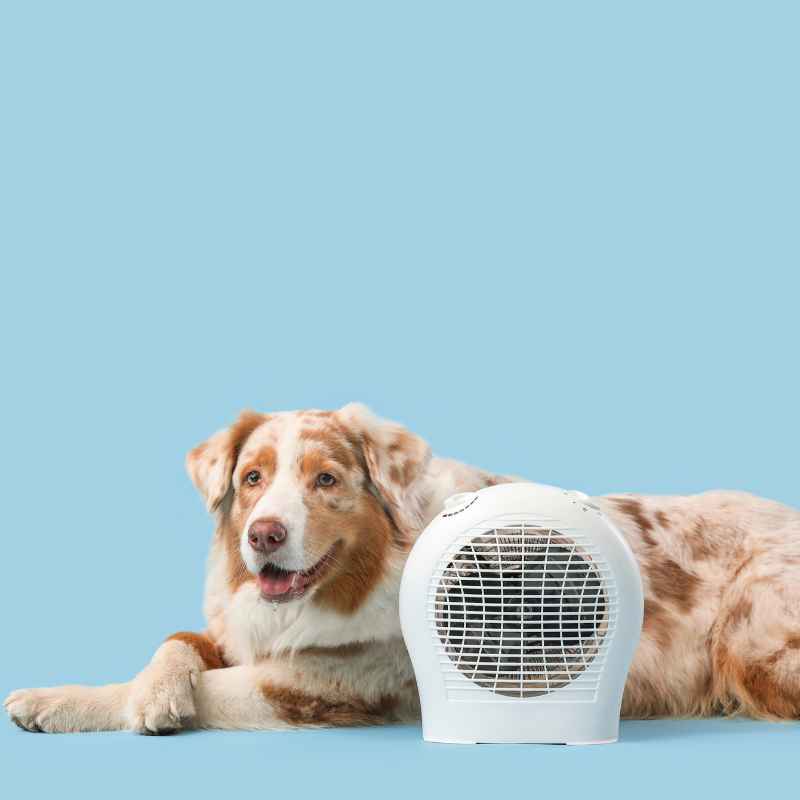
- Tip-Over Protection: This automatically shuts off the heater if it gets knocked over. Essential for homes with pets or kids.
- Overheat Protection: This shuts the heater down if it gets too hot. It prevents fires.
- Cool-Touch Exterior: Some heaters stay cooler on the outside. This reduces the risk of burns.
Energy Efficiency (Even on a Budget)
While a cheap heater might not be the most energy-efficient, some are better than others. Look for heaters that are sized correctly for the space. An oversized heater will run more than it needs to.
A heater with multiple heat settings can also help. You can use a lower setting when full heat isn’t required.
Simple Controls
The cheapest models usually have simple dial controls. This is perfectly fine for budget models. Just make sure the dial is easy to turn and understand.
Some may have a thermostat. This helps maintain a desired temperature without constant adjustment. It can save energy too.
Noise Level
Some heaters, especially those with fans, can be noisy. If you plan to use the heater in a bedroom or office, check reviews for noise levels. Oil-filled radiators are typically the quietest.
Essential Safety Checklist for Cheap Heaters
- Check for Certifications: Look for a UL or ETL mark. This means the product has been tested for safety.
- Inspect the Cord: Ensure the power cord is in good condition. No fraying or damage.
- Tip-Over Switch: Test it if you can. The heater should turn off if tilted.
- Overheat Sensor: Inquire about this feature. It’s vital for preventing fires.
- Stable Base: The heater should stand firmly on the floor. It shouldn’t wobble.
Real-World Scenarios: Where Budget Heaters Shine
Portable room heaters are fantastic for specific situations where adding heat is tricky or expensive. Let’s look at some common scenarios where a budget-friendly model can make a big difference.
The Drafty Home Office
Many people now work from home. A spare room or a corner of the living room might get surprisingly cold. If your central heating doesn’t quite reach your workspace, a small ceramic heater is perfect.
It can quickly warm up your personal space without heating the whole house.
Habits: People often leave the door to their office closed. This traps the cold air. A portable heater can create a warm microclimate inside the room.
Running it only when you’re in the room saves energy.
Unused Basement Rooms
Basements can be damp and cold. If you use a basement for storage, a hobby, or even a guest room, it might need extra heat. An oil-filled radiator is a great choice here.
It provides steady, gentle warmth and is very quiet. Since basements can have moisture, ensure any heater you choose is safe for such environments and doesn’t exacerbate humidity.
Design: Basements often have less insulation. They are also closer to the ground, which is cooler. This makes them prime candidates for supplementary heating.
Guest Rooms or Nurseries
When guests stay over, you want them to be comfortable. A portable heater can ensure a guest room is warm enough, even if it’s usually kept cooler. For nurseries, safety is paramount.
Look for models with advanced safety features and a consistent, moderate heat.
User Behavior: Guests might not want to disturb you to ask for more heat. A portable unit gives them control. For nurseries, parents can monitor the temperature closely.
Supplementing Old or Inefficient Heating Systems
If your home has an older furnace or radiators, they might not be as efficient as newer systems. You might find cold spots or rooms that never quite get warm enough. A portable heater can target these problem areas.
This is often cheaper than upgrading your entire central heating system.
Experience: My aunt had an old house with a boiler system. Some rooms were always chilly. She bought a couple of simple, inexpensive convection heaters.
She used them in the bedrooms at night. It made a huge difference for her comfort and her heating bill.
Contrast Matrix: Basic vs. Feature-Rich Heaters
Basic/Cheapest Heater
Pros: Low upfront cost. Simple to operate. Good for small spaces.
Cons: Fewer safety features. Less energy efficient. Can be noisy.
Limited controls.
Feature-Rich Heater
Pros: Advanced safety. Better energy efficiency. Quieter operation.
Digital controls, timers.
Cons: Higher upfront cost. More complex to use (though usually still simple).
When is a Cheap Heater Enough?
Not everyone needs the most advanced, high-end heater. A budget-friendly option is perfectly suitable in many cases. Knowing when a cheaper model will do the job saves you money and hassle.
Occasional Use: If you only need to add a bit of warmth for a few hours a day, or just for a week or two each winter, a basic heater is fine. You don’t need all the bells and whistles.
Small, Well-Insulated Rooms: A small room that doesn’t lose much heat will warm up quickly. Even a less powerful, cheaper heater can be effective. Think of a small bathroom or a compact home office.
Supplementing Heat: If your main heating system works well but just has a few cold spots, a cheap portable unit can solve the problem without costing a fortune. It’s about targeted warmth.
Temporary Needs: Maybe you’re renting a place that’s a bit drafty until you move. Or perhaps a heater is needed during a temporary renovation. In these cases, buying the cheapest reliable option makes sense.
What this Means for You: You can find great value by focusing on safety and basic function. Don’t be swayed by features you won’t use if you’re on a strict budget. A simple, safe heater is often all you need.
Quick Checks for a Budget Heater’s Suitability
Check Room Size: Is the room small or medium? A small heater works fine.
Check Insulation: Does the room feel drafty or hold heat well? Good insulation means cheaper is okay.
Check Usage: Will you use it daily or just sometimes? Occasional use means cheaper is fine.
Check Budget: What is your absolute spending limit? Stick to it.
When to Consider Spending a Little More
While finding the cheapest portable room heater is the goal, there are times when it’s worth opening your wallet a bit wider. These situations often involve higher usage, larger spaces, or increased safety concerns.
Primary Heat Source: If you plan to use the heater as your main source of heat for a room for extended periods, investing a little more can pay off. More efficient models use less electricity over time, saving you money on your energy bills.
Large or Poorly Insulated Rooms: For bigger spaces or rooms that are very drafty, you’ll need a more powerful heater. These often have higher wattage and may come with better temperature controls to manage the energy consumption. Trying to heat a large space with a tiny, cheap heater will just waste electricity.
Constant Operation: If the heater will be on for many hours a day, every day, safety and efficiency become paramount. Look for models with features like automatic shut-off timers, consistent thermostats, and robust build quality. These can prevent accidents and reduce energy waste.
Specific Needs: For nurseries or areas where young children or pets are present, spending more on heaters with advanced safety features, like very cool exteriors or child lock settings, is a wise decision. The peace of mind is worth the extra cost.
What this Means for You: Evaluate your specific needs honestly. If your usage is minimal and the space is small, a budget heater is great. If you rely on it heavily, look for better efficiency and safety features, even if it means a slightly higher price.
Spending More for Key Benefits
Benefit: Energy Savings Over Time
Why Spend More: Higher efficiency models use less electricity to produce the same amount of heat. This lowers your monthly bills.
Benefit: Enhanced Safety Features
Why Spend More: Advanced safety like child locks, auto-off timers, and extremely cool exteriors provide greater peace of mind, especially around vulnerable individuals.
Benefit: Better Performance in Larger Spaces
Why Spend More: More powerful heaters with better thermostats can maintain consistent temperatures in larger or draftier rooms more effectively.
Tips for Getting the Absolute Cheapest Price
Now that you know where to look, let’s talk about how to snag the best possible price. It’s all about being a savvy shopper.
Compare Prices Religiously: Never buy the first heater you see. Use price comparison websites or simply open multiple tabs on your browser to check different retailers. Even a few dollars saved adds up.
Use Coupon Codes and Discount Sites: Before buying anything online, search for coupon codes. Websites like RetailMeNot or Honey can often find active discounts. Sign up for email lists from your favorite retailers; they often send exclusive offers.
Buy Off-Season: As mentioned, buying in late winter or early spring means retailers are clearing stock. You’ll find the deepest discounts then. Conversely, if you need one in the fall, start looking early for sales.
Look for Older Models or Less Popular Brands: Sometimes, the newest model has all the extra features you don’t need. Older models are often sold at a discount. Less well-known but still reputable brands can also offer great value for less.
Consider Open-Box or Refurbished: If you’re comfortable with it, these items offer significant savings. Just ensure they come with a warranty. I’ve had great luck with refurbished electronics.
Sign Up for Loyalty Programs: Many stores have loyalty programs. You can earn points or get special discounts for being a member. This can lead to further savings over time.
Wait for Sales Events: Major sales like Black Friday, Cyber Monday, or even President’s Day sales can offer substantial markdowns. Plan your purchase if you can wait for these events.
Your “Cheapest Price” Checklist
- Price Comparison: Checked 3+ retailers?
- Coupon Codes: Searched for active discounts?
- Sales Events: Are any major sales happening soon?
- Seasonality: Is it off-season for heaters?
- Model Age: Is this the latest model, or an older one?
- Condition: Open-box or refurbished an option?
Frequently Asked Questions About Cheap Portable Room Heaters
Are the cheapest portable room heaters safe?
The safety of a heater depends on its design and features, not just its price. Always look for essential safety features like tip-over protection and overheat shutoff, even on the cheapest models. Reputable brands that are UL or ETL certified are a good sign.
How much electricity do cheap portable heaters use?
Most portable electric heaters use between 700 and 1500 watts. A 1500-watt heater running for one hour will use 1.5 kilowatt-hours (kWh) of electricity. The cost depends on your local electricity rates.
Cheaper models may be less efficient, meaning they use more power for the same amount of heat.
Can a cheap heater really heat a whole room?
It depends on the room size and insulation. A small, budget heater is best for small rooms or to supplement heat in a medium-sized room. For larger or very cold rooms, you might need a more powerful heater, which could cost more upfront but be more effective.
What is the best type of cheap portable heater to buy?
Ceramic heaters are often the best budget choice. They heat up quickly, are usually compact, and many affordable models have good safety features. Oil-filled radiators are also great for quiet, consistent heat but might cost a bit more.
When is the best time of year to buy a cheap portable room heater?
The best time is during the off-season, typically late winter or early spring (February-April). Retailers want to clear out inventory, so you’ll find significant discounts then. Major holiday sales like Black Friday and Cyber Monday also offer deals.
Where can I find clearance or discount portable heaters?
Check the clearance sections of big-box stores like Walmart and Target, look on Amazon and eBay for deals or used items, and visit discount retailers like Big Lots. Many manufacturer websites also have outlet or refurbished sections.
Final Thoughts on Finding Your Affordable Warmth
Finding the cheapest portable room heater doesn’t mean settling for something unsafe or ineffective. It’s about being smart with your shopping. Know where to look, when to buy, and what basic features are essential.
A little research can go a long way in keeping you warm this winter without straining your budget. Happy hunting for that cozy warmth!
Sponsored / affiliate links. As an Amazon Associate I earn from qualifying purchases. I may earn additional commission from eligible campaigns.